








Metal Materials

Aluminum CNC Machining Service

With two ISO-certified factories and an experienced manufacturing team, BatchMach Precision specializes in custom aluminum CNC machined parts for prototypes, low-volume orders, and production applications. Our direct manufacturing resources, advanced CNC equipment, and optimized production processes help reduce lead times, maintain consistent quality, and provide competitive factory-direct pricing.

  • Prototype to ProductionFrom single prototypes to repeat production runs, supporting flexible manufacturing needs.
  • No MOQ RequiredOrder one prototype or small batches without tooling investment or minimum quantity limits.
  • ±0.005 mm Precision MachiningTight dimensional control for aluminum components requiring high accuracy and consistent quality.
  • Advanced 5-Axis CNC CapabilityMachine complex geometries, multi-sided features, and tight positional relationships with fewer setups.
  • Material Certification AvailableProvide material traceability and inspection documents upon request.
    Aluminum CNC Machining Service part

    Upload Your CAD Files for a Quote

    Drop your CAD file here or click to browseSupported: STEP, STP, IGES, SLDPRT, DXF, DWG, PDF

    Your files are secure and confidential · Max file size: 100 MB

    19+

    Years of Experience

    250+

    Machines & Testing Equipment

    11,000 m²

    Manufacturing Area

    200+

    Skilled Staff

    ISO

    9001 / 13485 / AS9100D

    With years of experience in batch production and precision inspection of complex parts, we manufacture and inspect components to drawing requirements, covering critical dimensions, geometric tolerances, and material specifications. We provide complete measurement reports and material certificates to ensure delivered parts meet the specified requirements.

    Trusted by
    numerous companies

    Our Aluminum CNC Machining Capabilities

    Aluminum parts can require very different machining approaches depending on their geometry, size, and functional requirements. BatchMach Precision combines CNC milling, turning, and multi-axis machining capabilities to produce aluminum components ranging from simple machined parts to complex precision assemblies. With two ISO-certified manufacturing facilities, we support prototype development, low-volume orders, and repeat production with controlled processes, competitive pricing, and stable delivery.

    CNC Milling for Aluminum Parts

    CNC Milling for Aluminum Parts

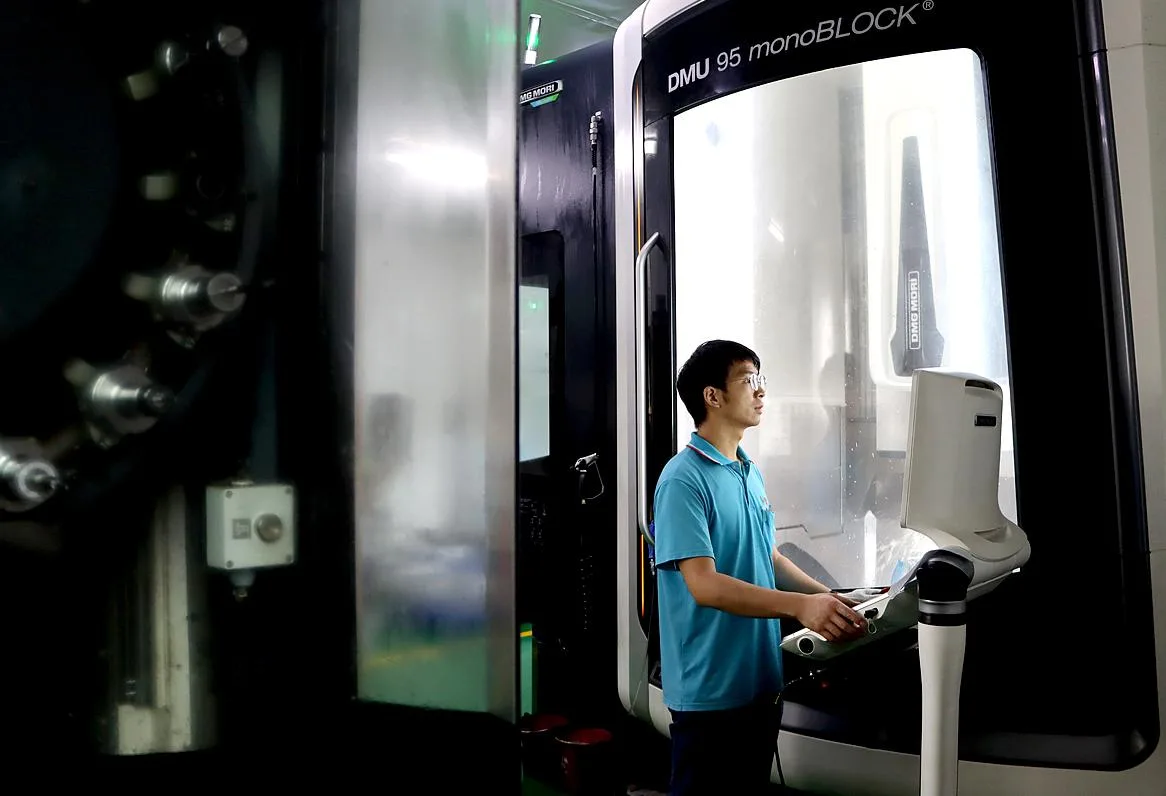
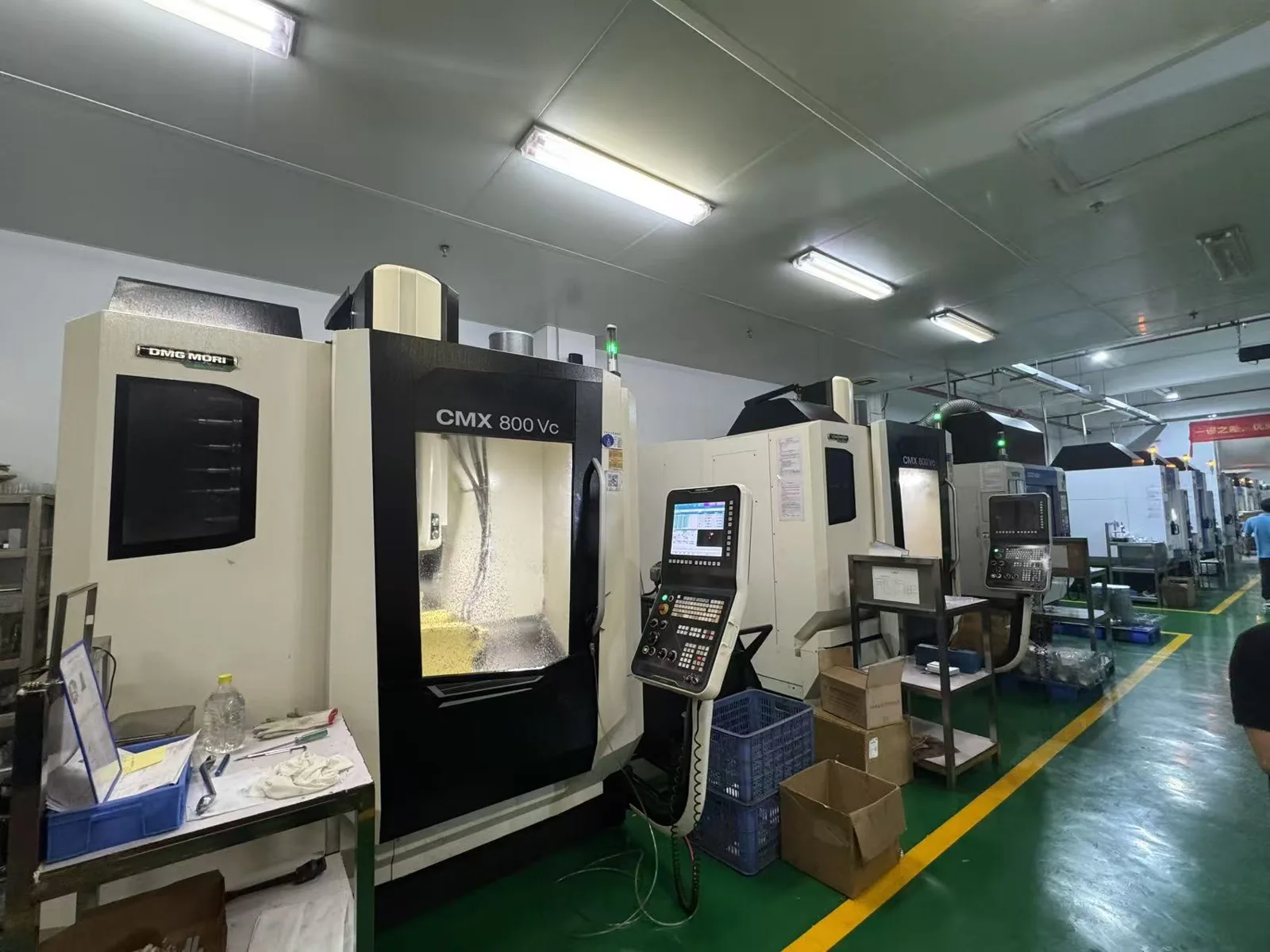
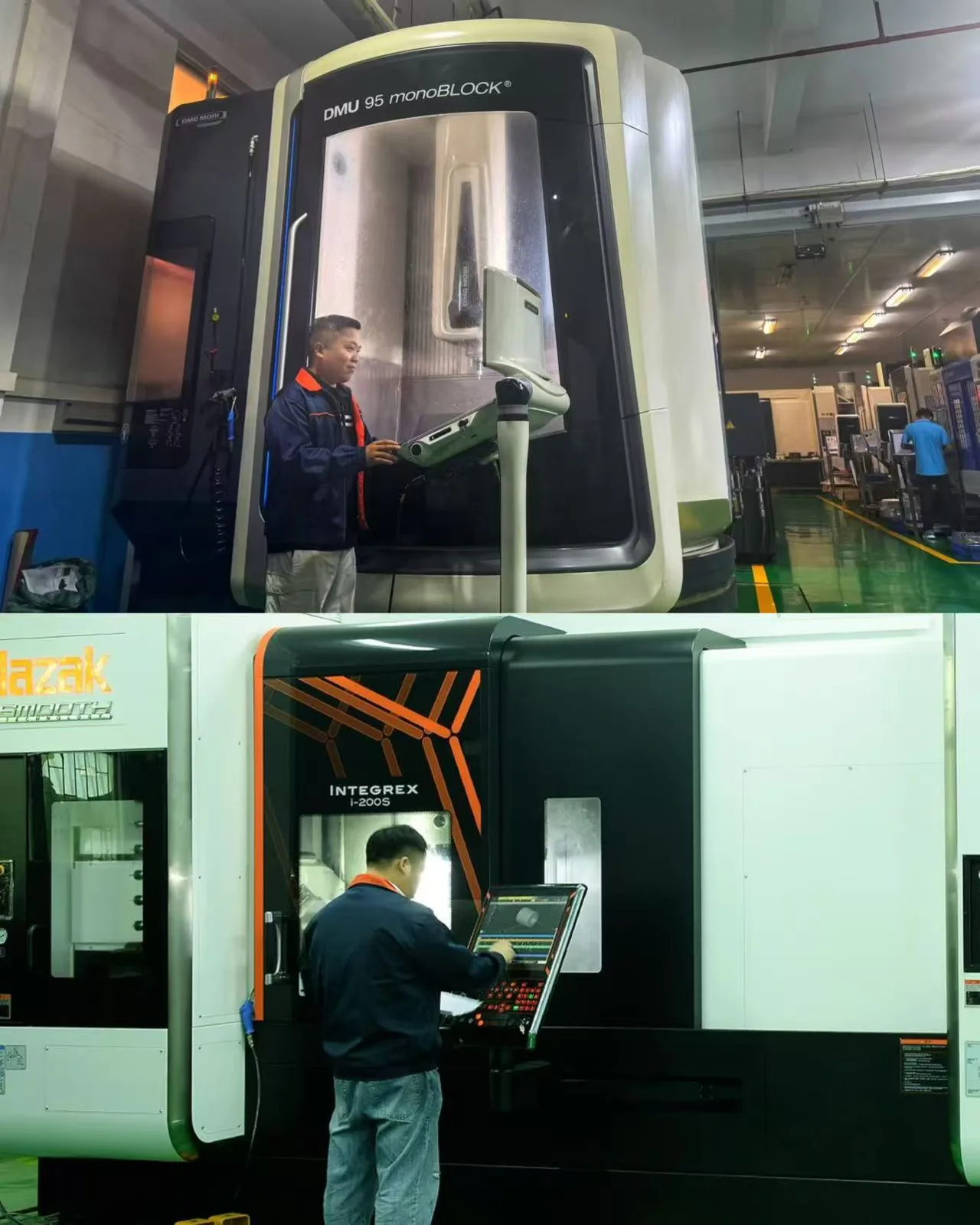
    Our aluminum milling service is commonly used to produce components with pockets, slots, mounting features, and complex surface geometries. BatchMach Precision uses 3-axis, 4-axis, and 5-axis CNC equipment to maintain accurate dimensions and consistent machining quality.

    Equipment
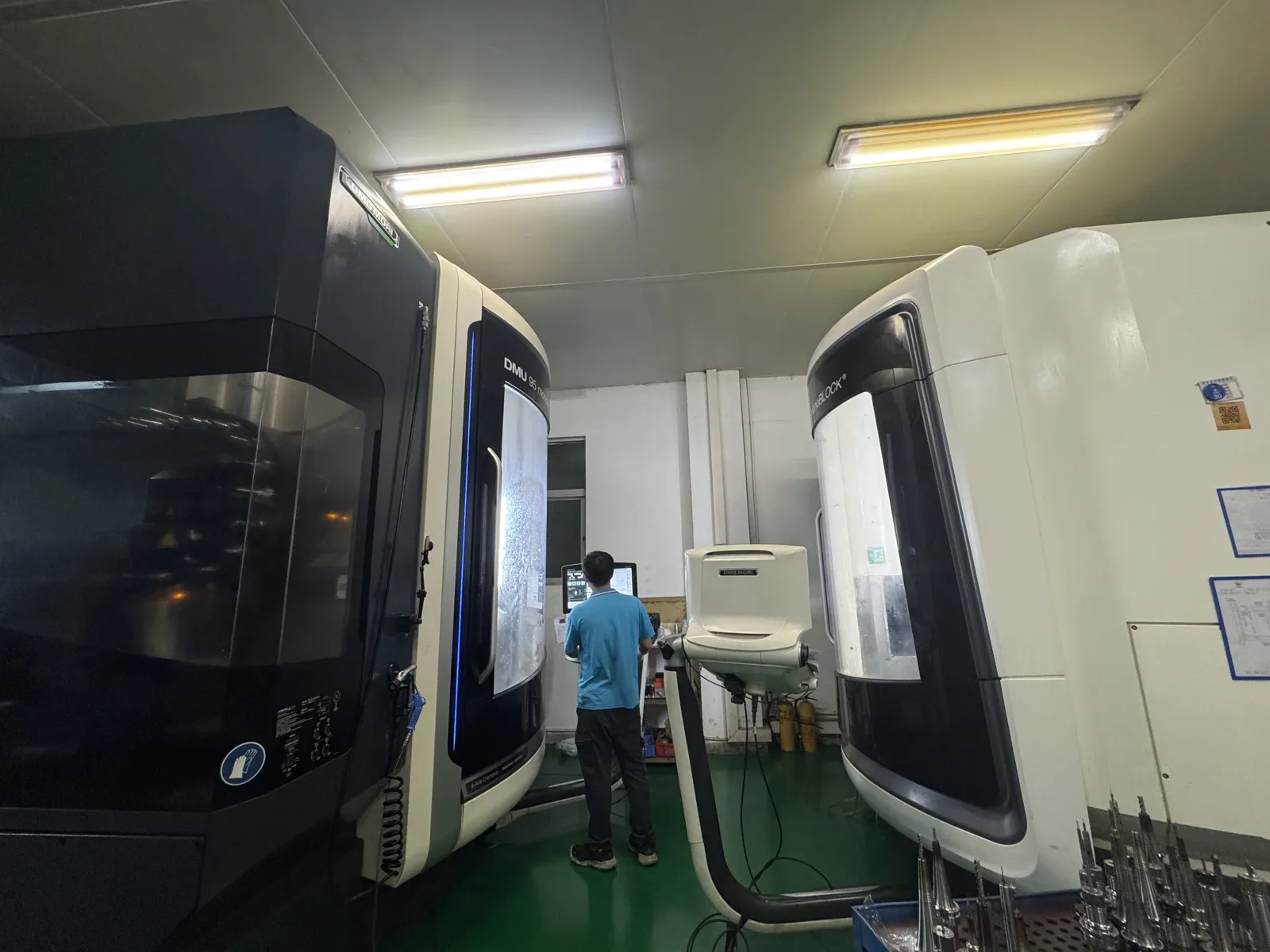
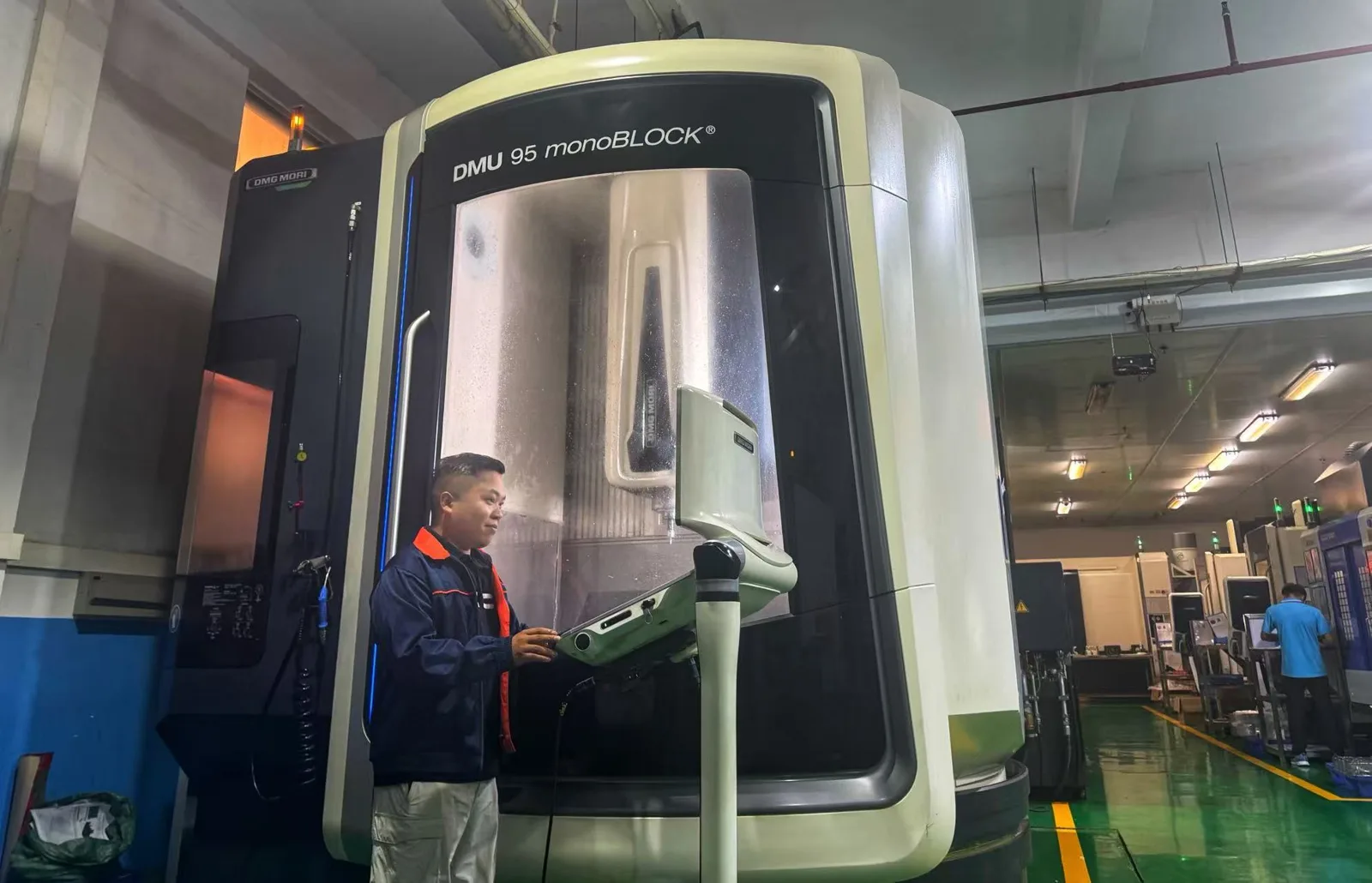
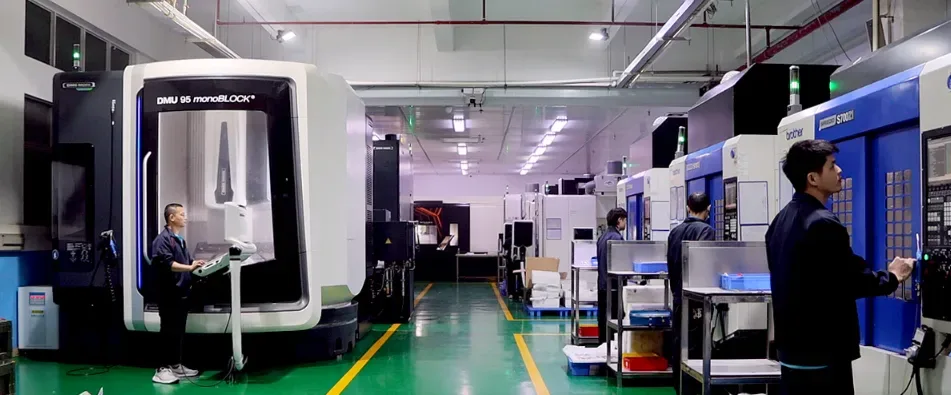
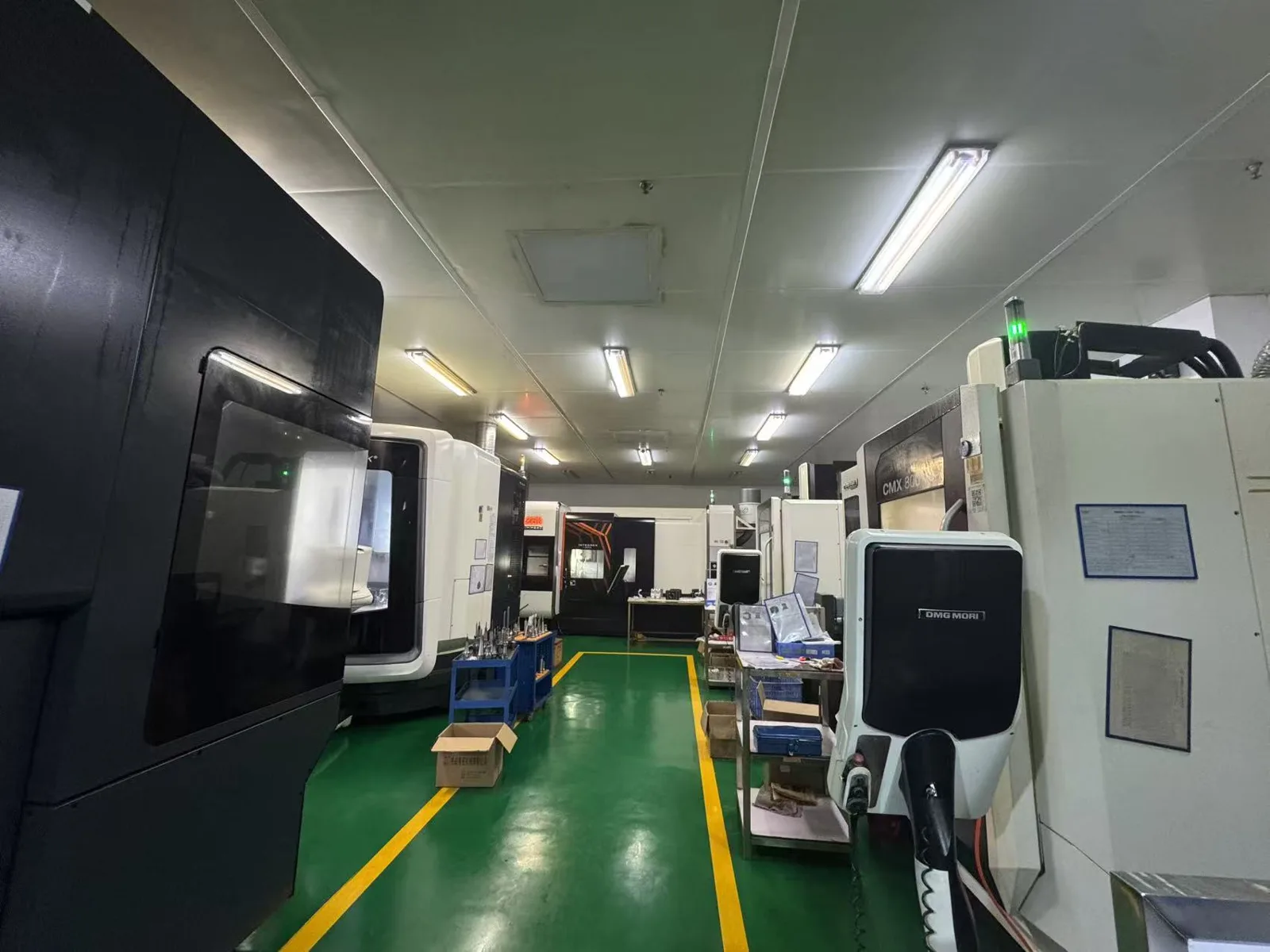
    DMG MORI DMU 95 monoBLOCK
    DMG MORI CMX 800 Vc
    Brother / FANUC machining centers
    Explore CNC Milling Services
    CNC Turning for Aluminum Components

    CNC Turning for Aluminum Components

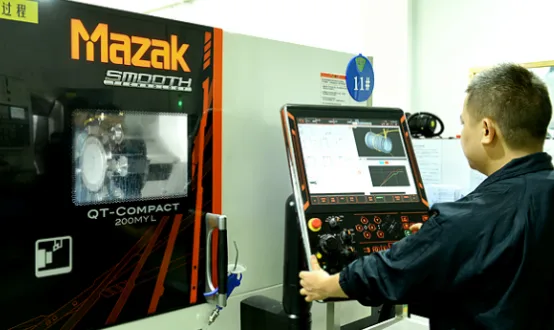
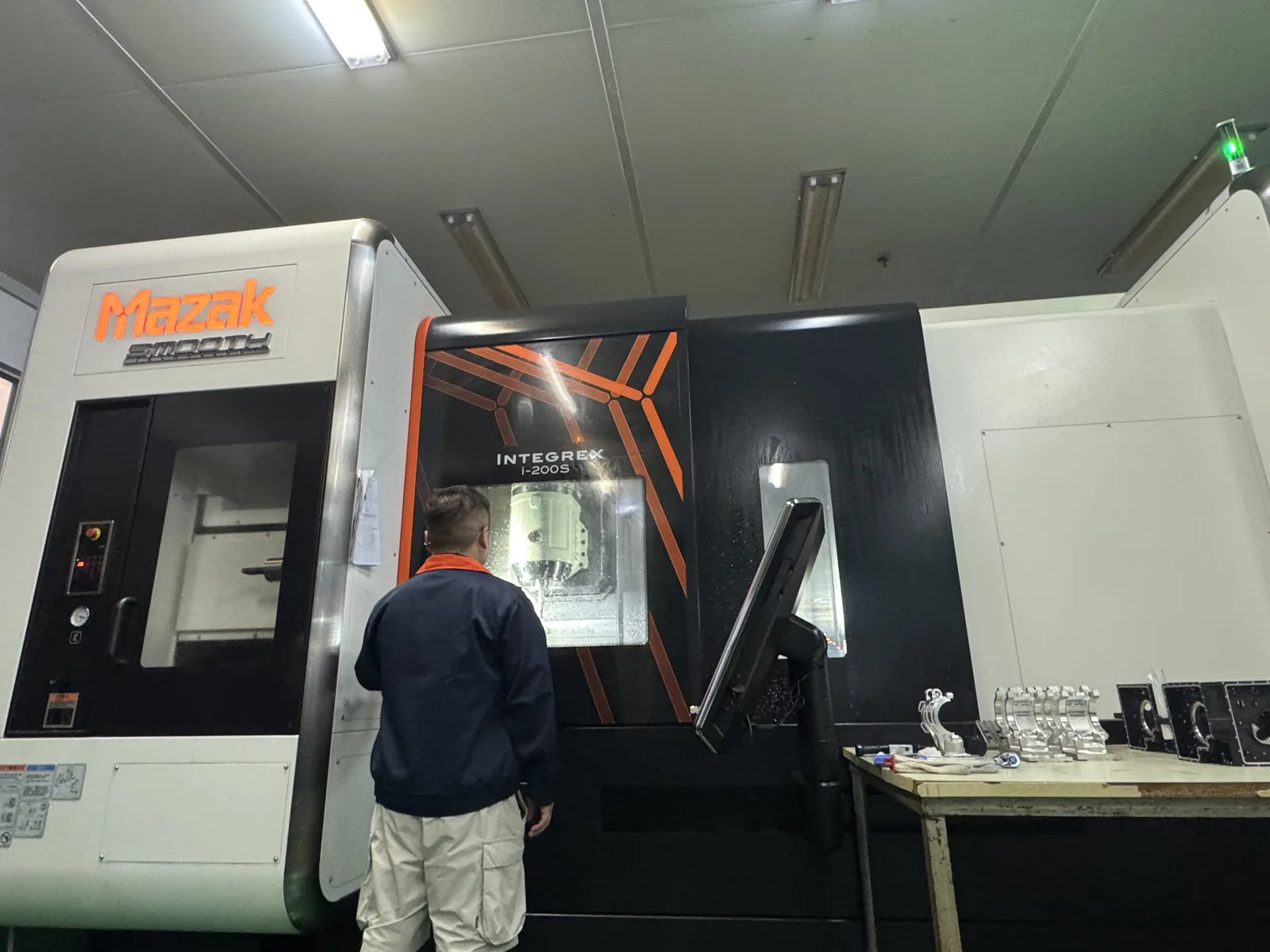
    Our aluminum turning service is suitable for shafts, bushings, rings, threaded components, and rotational housings. We control diameters, bores, concentricity, threads, and grooves to drawing requirements. For parts with side holes, flats, or keyways, turn-mill machining can reduce secondary setups, shorten lead times, and improve batch consistency.

    Equipment
    Mazak INTEGREX i-200S Mill-Turn Center
    Mazak QT / Takisawa CNC Turning Centers
    Explore CNC Turning Services
    5-Axis Machining for Complex Aluminum Parts

    5-Axis Machining for Complex Aluminum Parts

    When aluminum components include multiple angled surfaces, deep features, or critical positional relationships, 5-axis machining helps reduce repeated setups and maintain feature alignment. It is suitable for complex parts used in aerospace, medical, robotics, and industrial applications.

    Equipment
    DMG MORI DMU 95 monoBLOCK
    DMG MORI DMU 75 monoBLOCK
    Mazak VARIAXIS i-700T / i-600T
    Explore 5-Axis CNC Machining
    Inspection & Process Control

    Inspection & Process Control

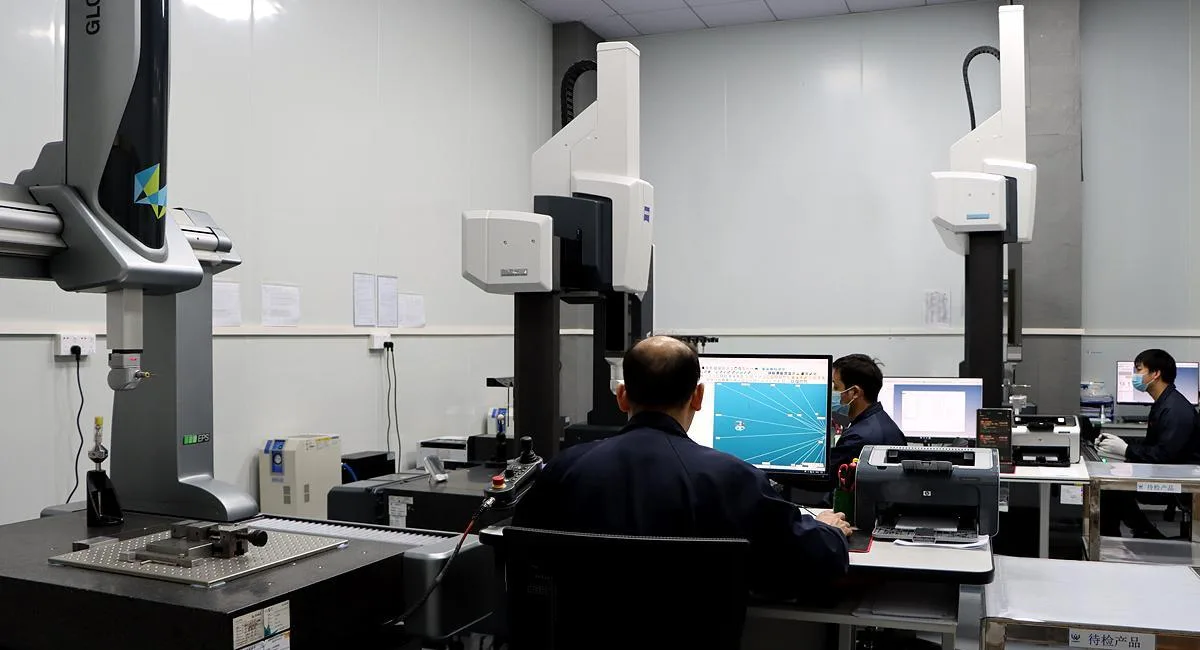
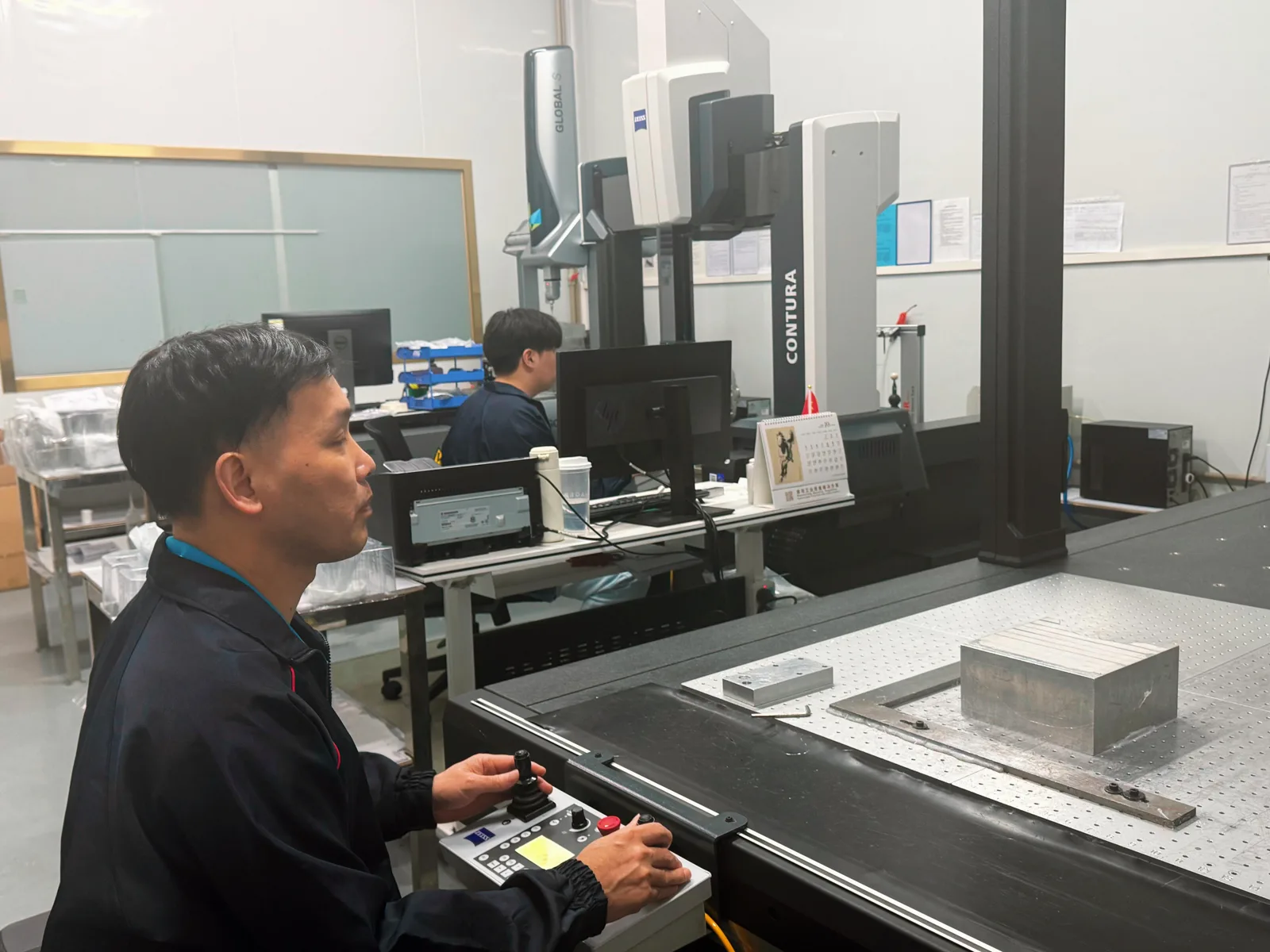
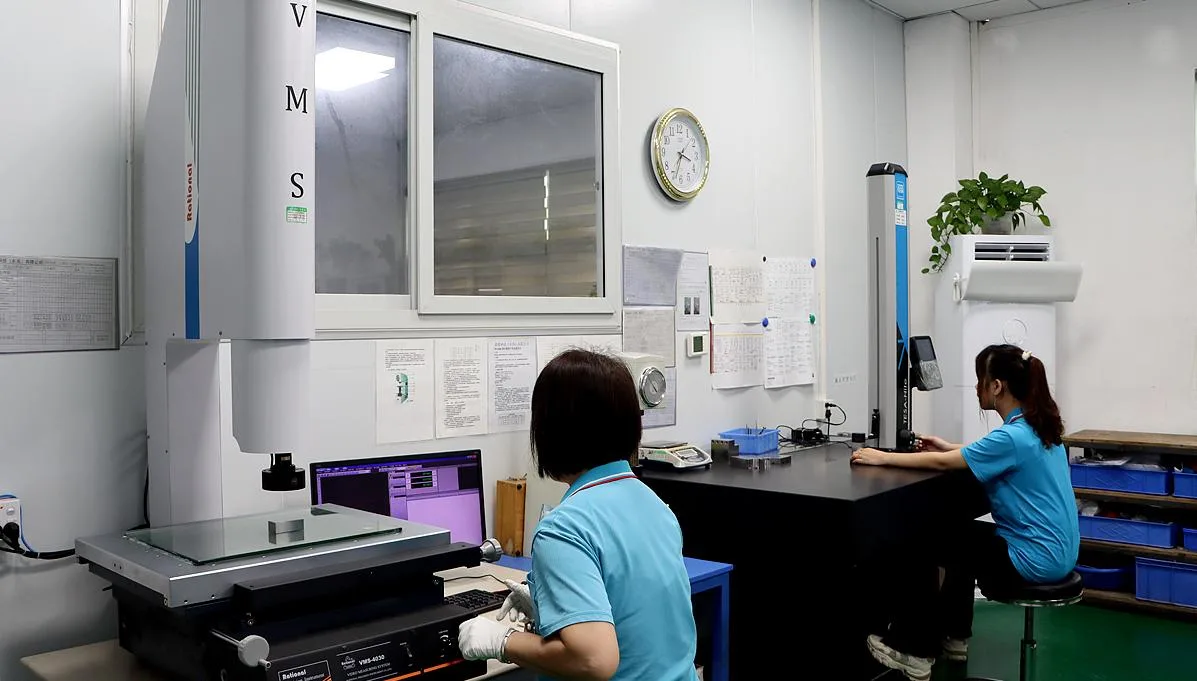
    Precision aluminum machining requires more than accurate cutting. BatchMach Precision verifies critical dimensions through in-process checks and final inspection using professional measuring equipment to maintain consistency across production runs.

    Inspection Equipment
    ZEISS CONTURA CMM
    Hexagon CMM
    TESA Height Gauges
    Precision Measuring Tools
    Explore Precision Machining
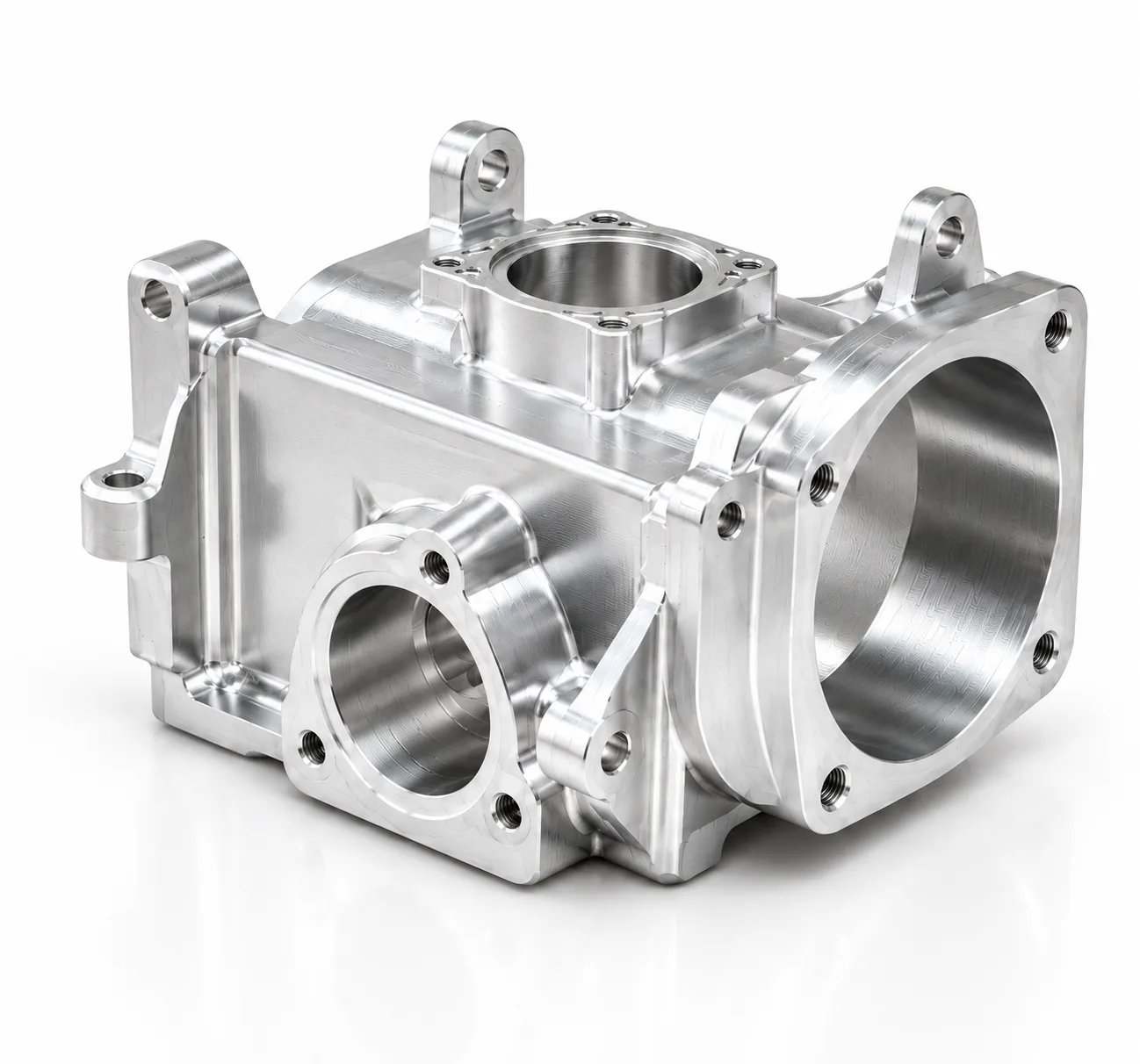
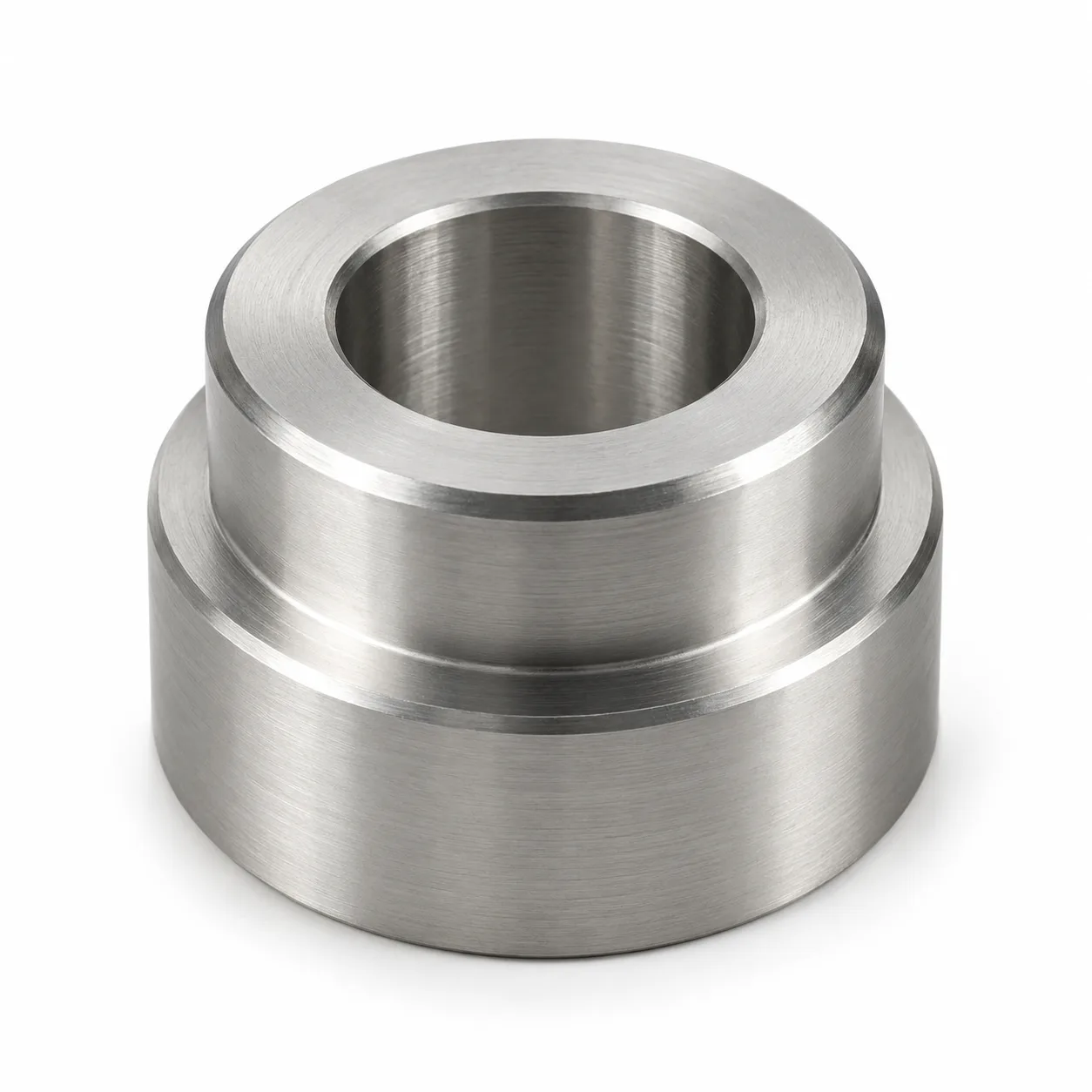
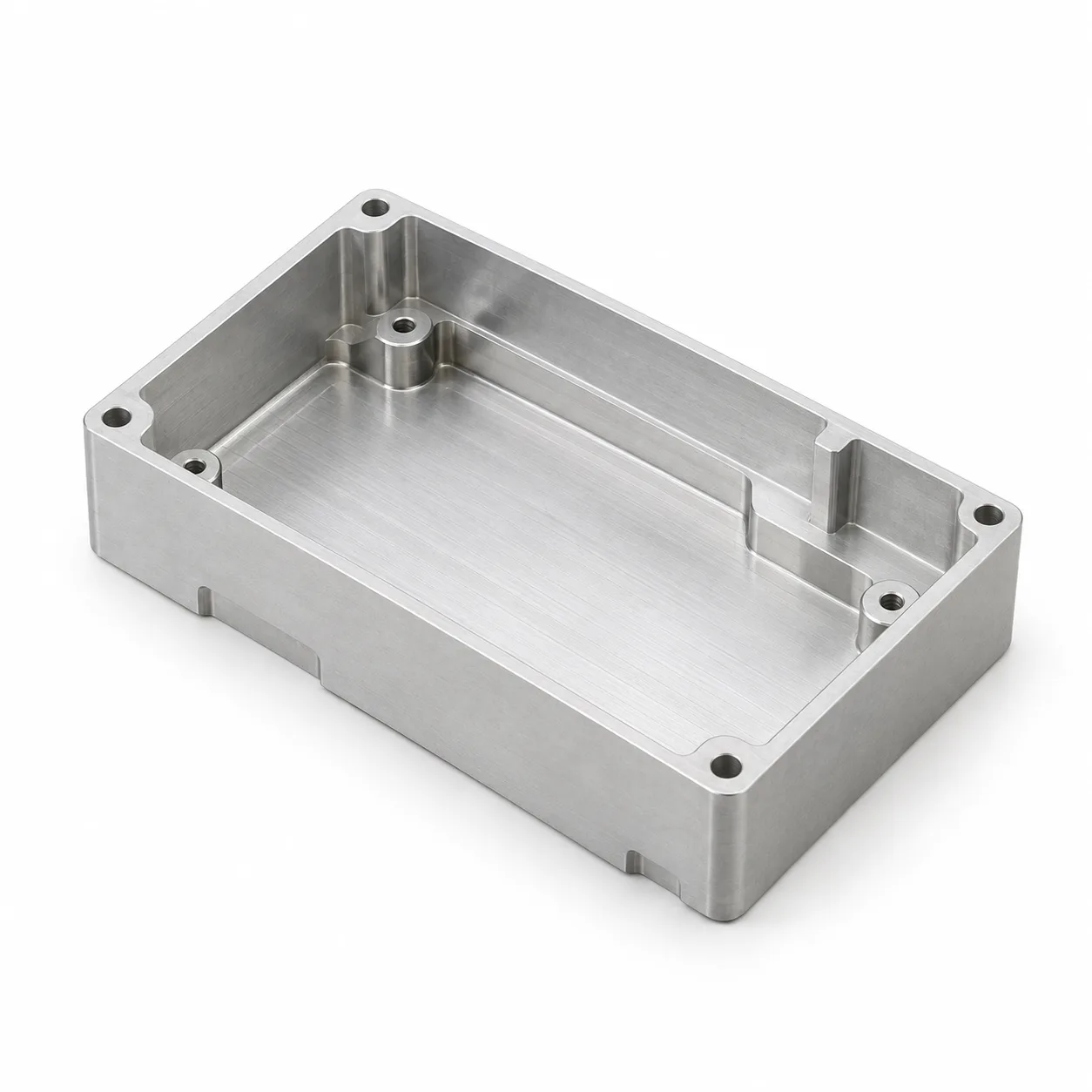
    Representative aluminum machined part
    Representative aluminum machined part

    Aluminum in CNC Machining

    Aluminum is one of the most widely used materials for aluminum CNC machining due to its excellent machinability, good ductility, and high strength-to-weight ratio. Its low density makes it suitable for lightweight components, while its thermal conductivity, electrical conductivity, and natural corrosion resistance support a wide range of functional applications.

    The alloy grade is selected according to the part’s strength, weight, corrosion resistance, and machining requirements. Aluminum 6061 is commonly used for general precision components because of its balanced mechanical properties and reliable machinability. For aluminum CNC machined parts requiring higher strength and structural performance, 7075 and 2024 are often more suitable.

    CapabilitySpecification
    Lead TimeAs fast as 1 day
    Machining AccuracyDown to ±0.005 mm
    Max Part SizeUp to 2100 × 1200 × 500 mm
    Available Aluminum Alloys6061, 6063, 7075, 2024, 5052, 5083, 7050, A380
    CNC EquipmentDMG MORI, Mazak, Brother, FANUC

    Comparison of Common CNC Aluminum Alloys

    Aluminum 6061-T6

    Aluminum 6061-T6 is a widely used heat-treated aluminum alloy known for its good machinability, corrosion resistance, weldability, and balanced strength. Commonly supplied in sheet, plate, bar, and tubing, it is well suited to prototypes, housings, brackets, frames, and general-purpose machined parts. 6061-T6 is widely used in aerospace equipment, automotive systems, electronics, robotics, and industrial machinery.

    Approx.

    ≈ 310

    Tensile Strength (MPa)

    Approx.

    ≈ 276

    Yield Strength (MPa)

    Approx.

    ≈ 97

    Fatigue Strength (MPa)

    Approx.

    ≈ 12

    Elongation at Break (%)

    Approx.

    ≈ 95

    Hardness (Brinell)

    2.7

    Density (g/cm³)

    Material properties are typical values and may vary with temper, product thickness, manufacturing process, applicable specification, and test method. Fatigue strength also depends on surface condition, stress ratio, loading cycles, and test environment.

    Surface Finish Options for CNC Aluminum Parts

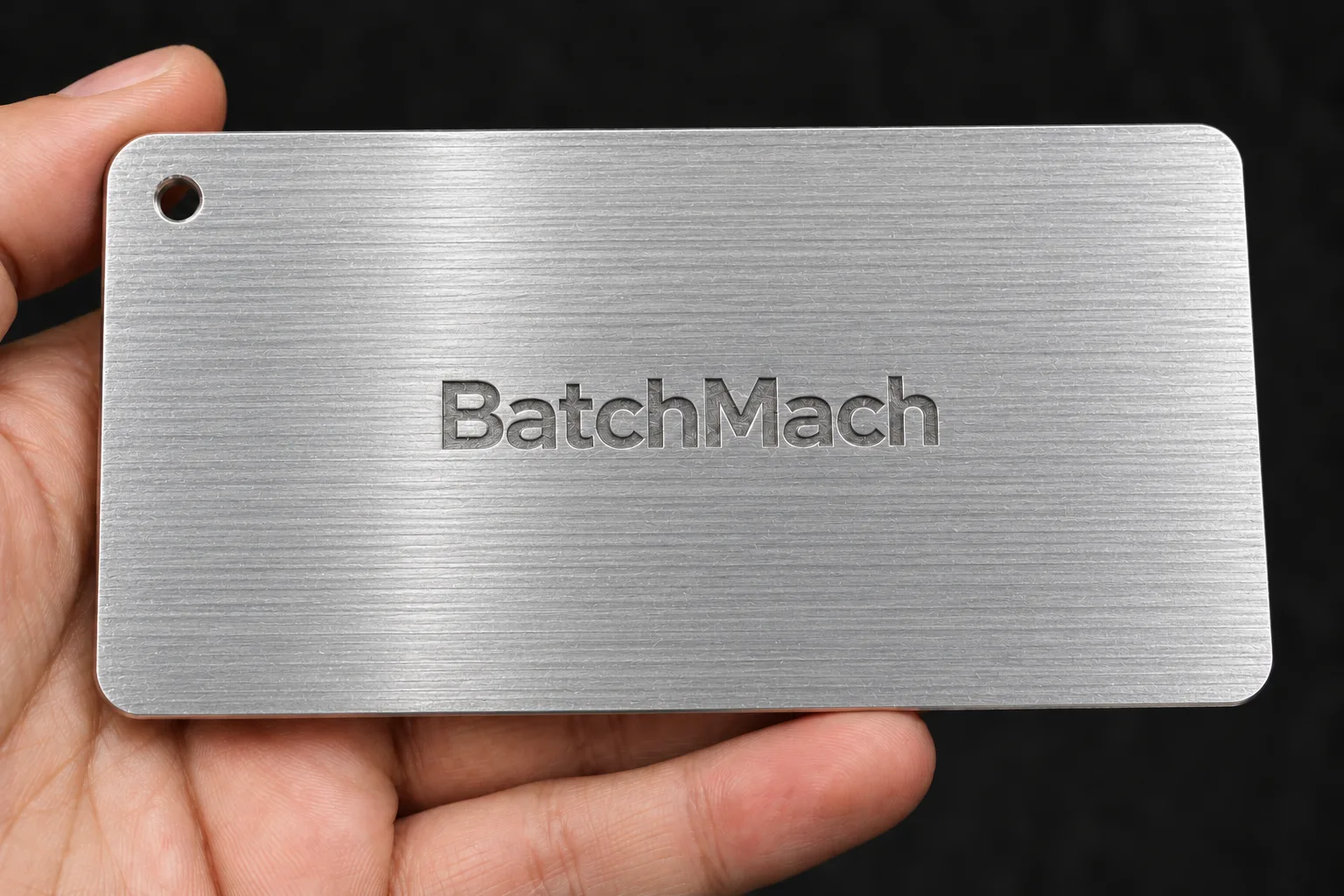
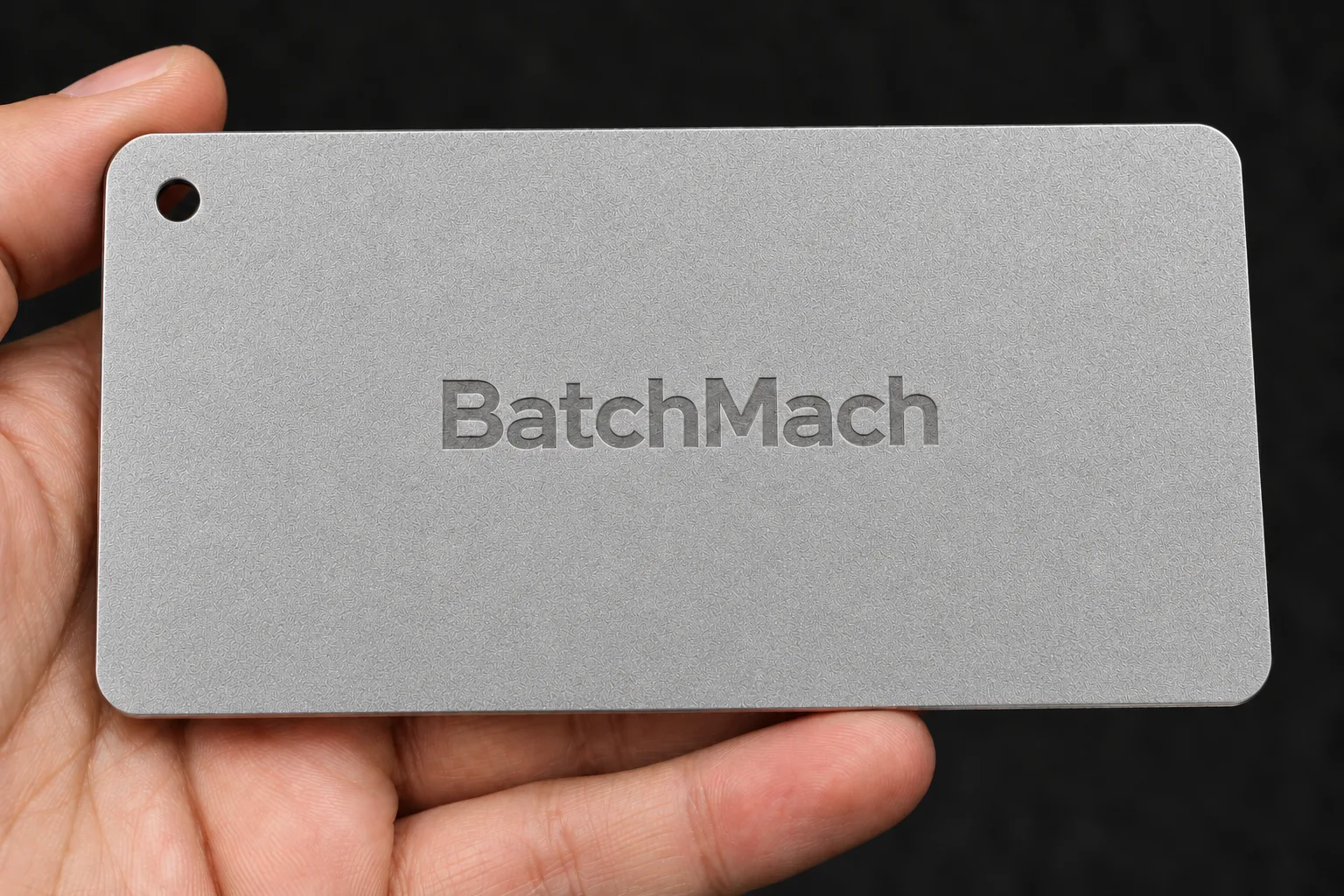
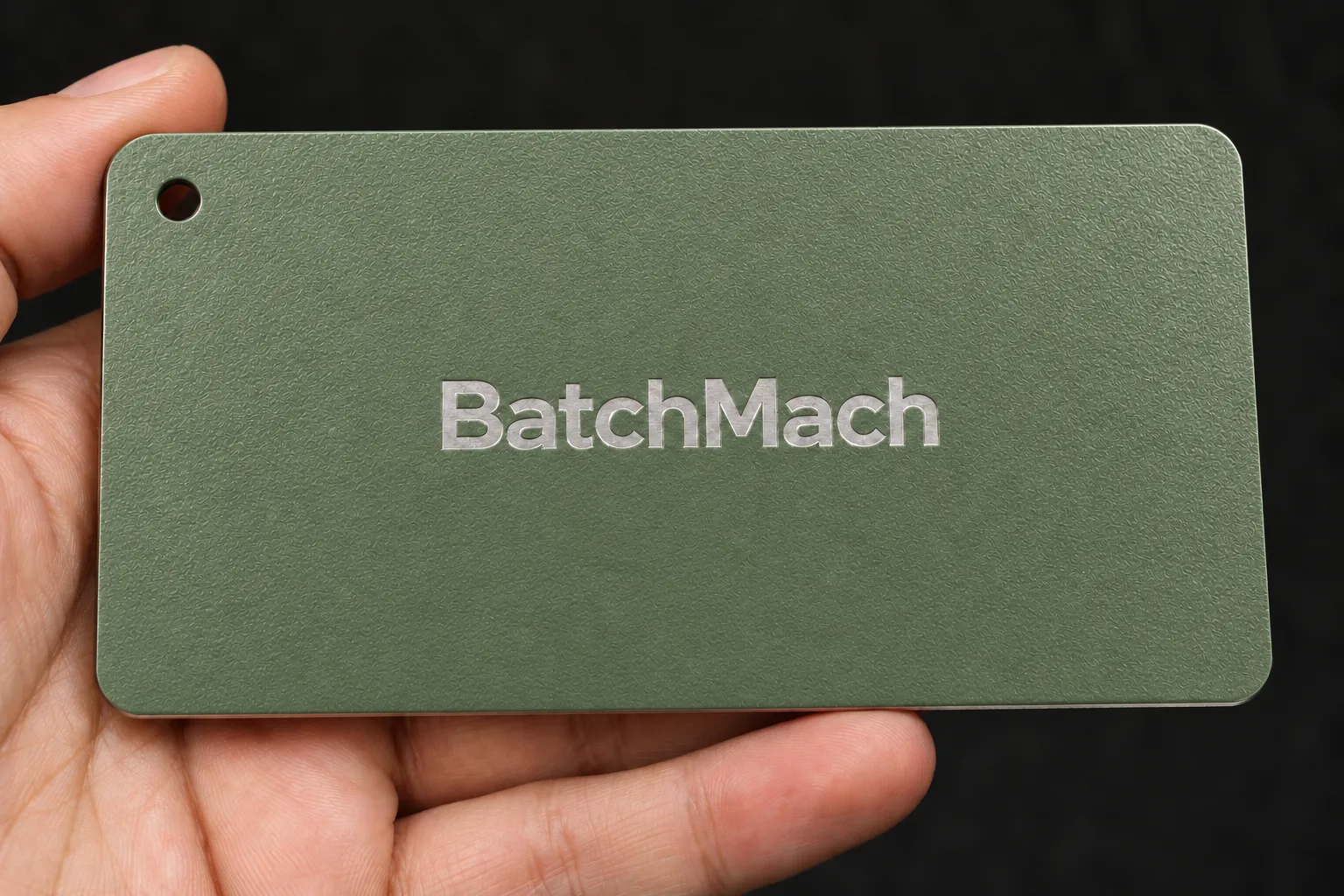
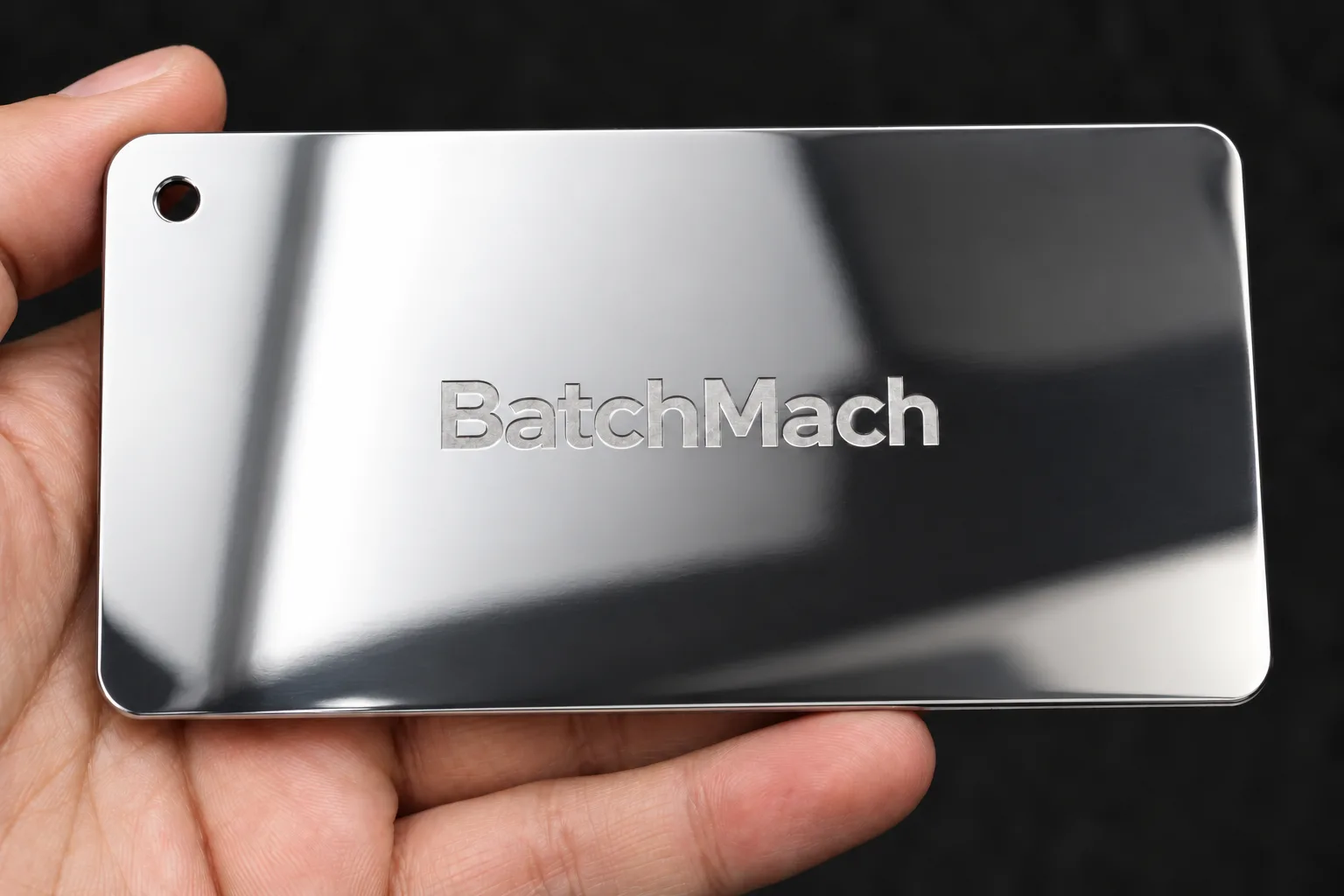
    Surface finishing improves the appearance, corrosion resistance, wear performance, and service life of custom aluminum parts. The right finish should be selected according to the application, dimensional requirements, operating environment, and cosmetic standard.

    As Machined

    As Machined surface finish sample

    No additional surface treatment is required, keeping cost and lead time to a minimum. It also avoids coating-related dimensional changes, making it suitable for functional and internal components.

    Anodizing

    Anodizing surface finish sample

    Improves corrosion resistance, surface hardness, and appearance at the same time. A wide range of colors is available for aluminum parts requiring both functional performance and a consistent finish.

    Bead Blasting

    Bead Blasting surface finish sample

    Creates a uniform surface texture and reduces visible machining marks. It is a mature, cost-effective process commonly combined with anodizing for a clean matte appearance.

    Powder Coating

    Powder Coating surface finish sample

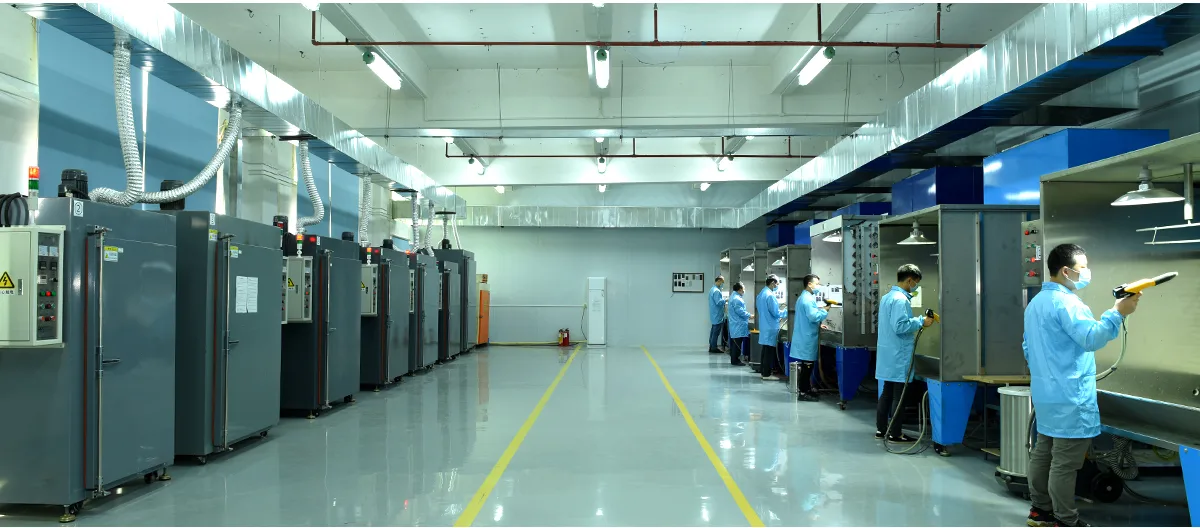
    Provides a durable coating with a broad choice of colors and textures. It is suitable for enclosures and outdoor parts, with good appearance consistency across production batches.

    Electroplating

    Electroplating surface finish sample

    Depending on the selected coating, electroplating can improve conductivity, wear resistance, corrosion protection, or appearance. The plating material, thickness, and acceptance standard should be confirmed before production.

    Polishing

    Polishing surface finish sample

    Improves surface smoothness and visual quality, making it suitable for visible surfaces, decorative components, and easy-to-clean parts. The final finish can be controlled by roughness specification or an approved sample.

    Pros and Cons of Aluminum CNC Machining

    Advantages of Aluminum CNC Machining

    Excellent Machinability

    Aluminum is widely used in CNC machining because of its excellent cutting performance and dimensional stability. It can be efficiently machined into complex geometries while maintaining consistent accuracy and surface quality, making it suitable for precision components across various industries.

    High Strength-to-Weight Ratio

    Aluminum alloys provide an excellent balance between strength and weight. Compared with many metals, aluminum offers lower density while maintaining sufficient mechanical performance, making it a preferred choice for lightweight housings, brackets, structural parts, and other components.

    Good Surface Finish and Finishing Options

    Aluminum can achieve smooth machined surfaces and supports various finishing processes, including anodizing, bead blasting, polishing, and coating. These treatments can improve corrosion resistance, wear performance, and appearance according to different application requirements.

    Suitable for Prototyping and Low-Volume Production

    Due to its efficient machining characteristics and material availability, aluminum is widely selected for prototypes, functional testing, and small-batch production. It allows manufacturers to quickly validate designs before moving into larger-scale manufacturing.

    !Limitations of Aluminum CNC Machining

    Lower Hardness Compared with Steel

    Although aluminum offers excellent strength-to-weight performance, its hardness and wear resistance are generally lower than steel alloys. For components exposed to heavy impact, high friction, or extreme operating conditions, other materials may be more suitable.

    Material Selection Affects Performance

    Different aluminum alloys provide different levels of strength, corrosion resistance, and machinability. For example, 6061 aluminum is commonly used for general-purpose components, while 7075 aluminum is selected for applications requiring higher strength and performance.

    Additional Surface Treatment May Be Required

    Aluminum naturally forms a protective oxide layer, but additional surface treatments may be needed when higher wear resistance, improved corrosion protection, or specific appearance requirements are required.

    Industries Using CNC Machined Aluminum Parts

    CNC machined aluminum parts are widely used across industries that require lightweight structures, reliable mechanical performance, tight dimensional control, and consistent surface quality. From prototypes to production components, aluminum provides a practical solution for applications where weight reduction, durability, and machining efficiency are important.

    /01

    Aerospace & Defense

    Aerospace components require a balance of low weight, strength, and dimensional accuracy. Aluminum CNC machining is commonly used for structural brackets, mounting bases, housings, connectors, and other precision components where weight reduction and reliability are critical.

    /02

    Automotive

    The automotive industry uses aluminum parts to reduce vehicle weight while maintaining sufficient mechanical performance. Common applications include motor housings, brackets, sensor enclosures, heat dissipation components, and customized functional parts.

    /03

    Robotics & Automation

    Robotic and automation equipment requires components with stable accuracy and reduced weight for reliable movement and operation. CNC machined aluminum parts are commonly used for robot arm brackets, mounting plates, fixtures, bases, and lightweight structural components.

    /04

    Electronics & Semiconductor Equipment

    Aluminum offers good thermal conductivity, corrosion resistance, and surface appearance, making it suitable for electronic and precision equipment. Typical applications include enclosures, heat sinks, support frames, and precision mounting components.

    /05

    Medical Equipment

    Medical equipment components require consistent quality, dimensional stability, and reliable material performance. Aluminum CNC machining is used for equipment frames, instrument housings, mounting components, and precision structural parts.

    /06

    Industrial Machinery

    Industrial equipment often requires durable and accurately machined components for long-term operation. Aluminum CNC parts are commonly used for machine housings, fixtures, valve bodies, brackets, and customized mechanical components.

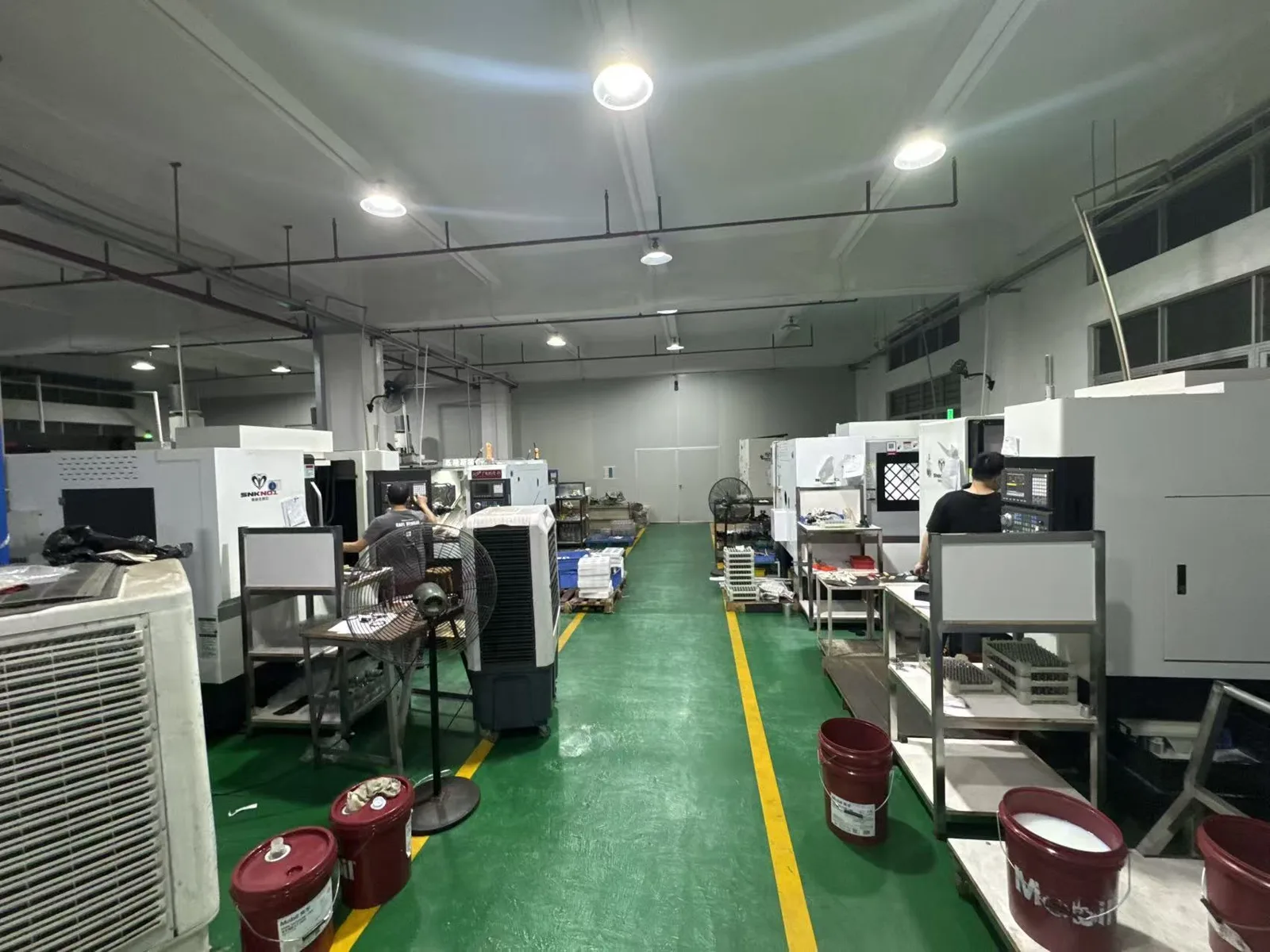
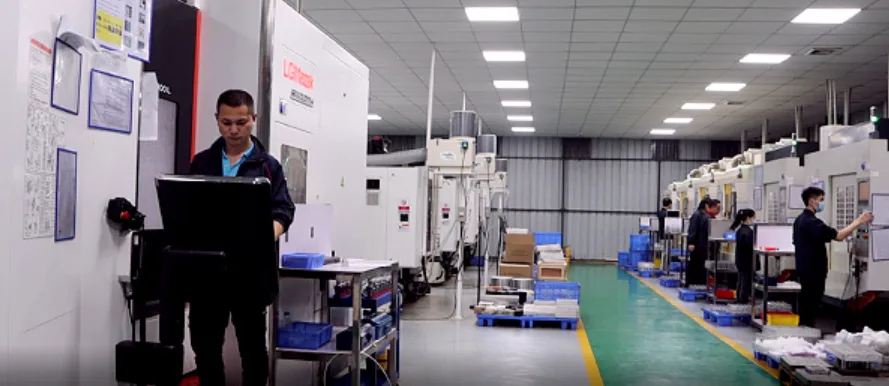
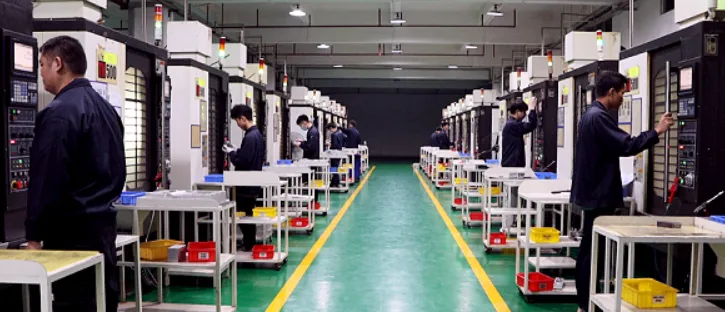
    Welcome To Our Aluminum CNC Machining Parts Factory

    5-Axis Machining Centers

    5-Axis Machining Centers

    DMU 95 CNC Machining

    DMU 95 CNC Machining

    DMG MORI Workshop

    DMG MORI Workshop

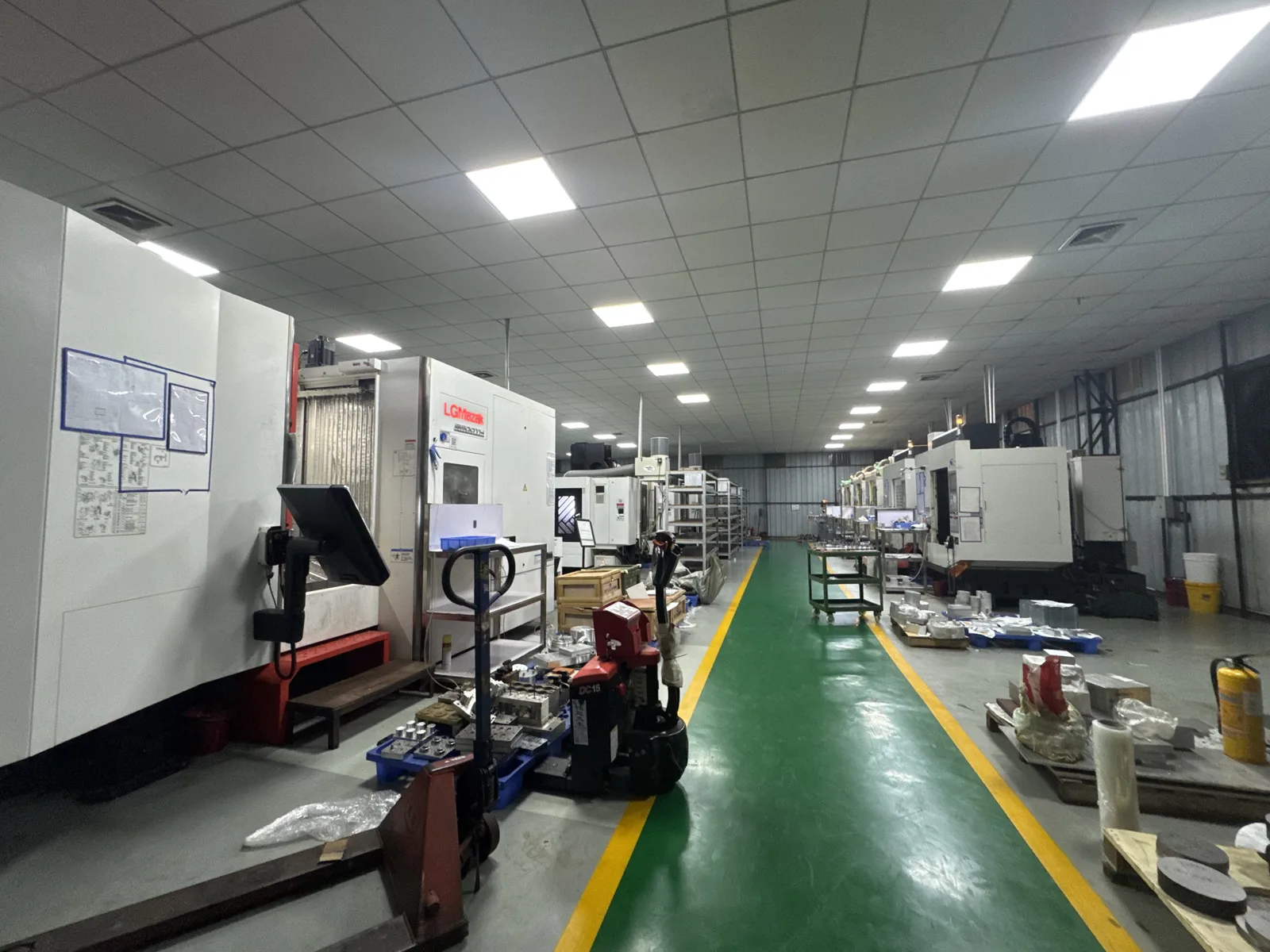
    CNC Machining Workshop

    CNC Machining Workshop

    CNC Production Line

    CNC Production Line

    CNC Production Workshop

    CNC Production Workshop

    Aerospace CNC Milling

    Aerospace CNC Milling

    Large-Part CNC Workshop

    Large-Part CNC Workshop

    Large-Part Machining

    Large-Part Machining

    Powder Coating Workshop

    Powder Coating Workshop

    Why Choose BatchMach Precision’s Aluminum CNC Machining Service

    Experienced Aluminum Parts Manufacturer

    Experienced Aluminum Parts Manufacturer

    As an experienced aluminum parts manufacturer, BatchMach Precision operates two ISO-certified CNC machining facilities equipped with advanced production resources. We support aluminum component manufacturing from prototypes and low-volume production to repeat orders, helping customers maintain consistent quality and reliable delivery.

    Precision Aluminum Machining Capability

    Precision Aluminum Machining Capability

    Our CNC milling, turning, and multi-axis machining capabilities enable precision aluminum machining for complex geometries, tight dimensional requirements, and demanding surface finishes. By optimizing machining processes and reducing unnecessary setups, we improve accuracy and production consistency.

    Strict Quality Control for Aluminum CNC Parts

    Strict Quality Control for Aluminum CNC Parts

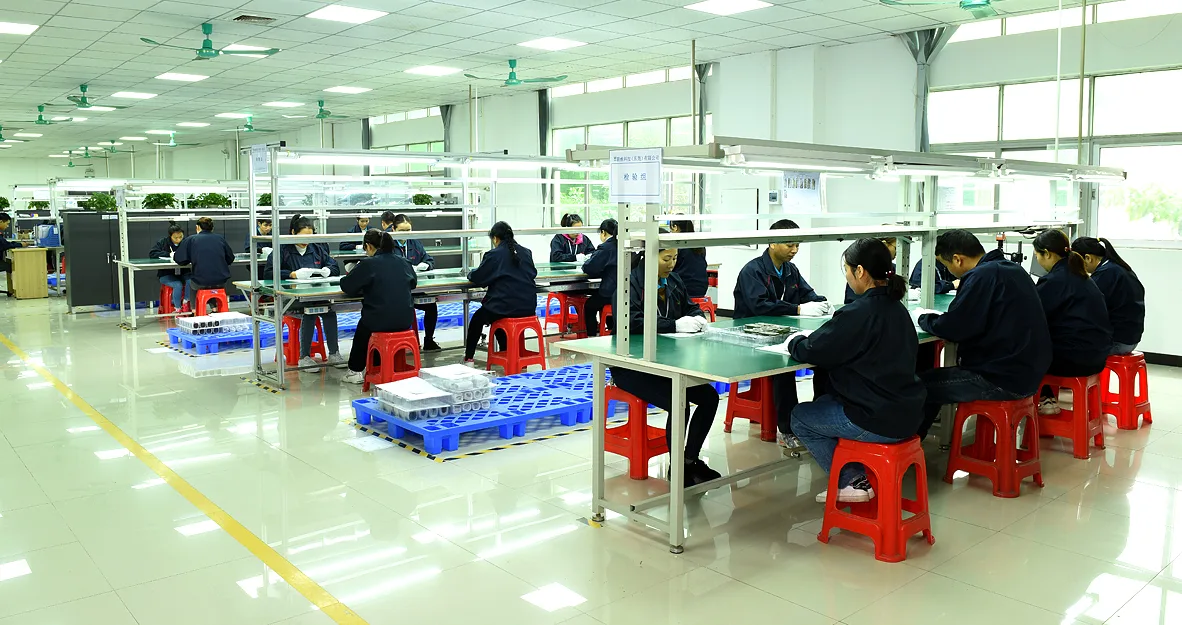
    Every batch of aluminum cnc parts is manufactured under controlled processes and inspected with professional measurement equipment, including CMM systems. Material certificates, first article inspection (FAI), and quality documentation can be provided according to project requirements.

    Support from Prototype to Production

    Support from Prototype to Production

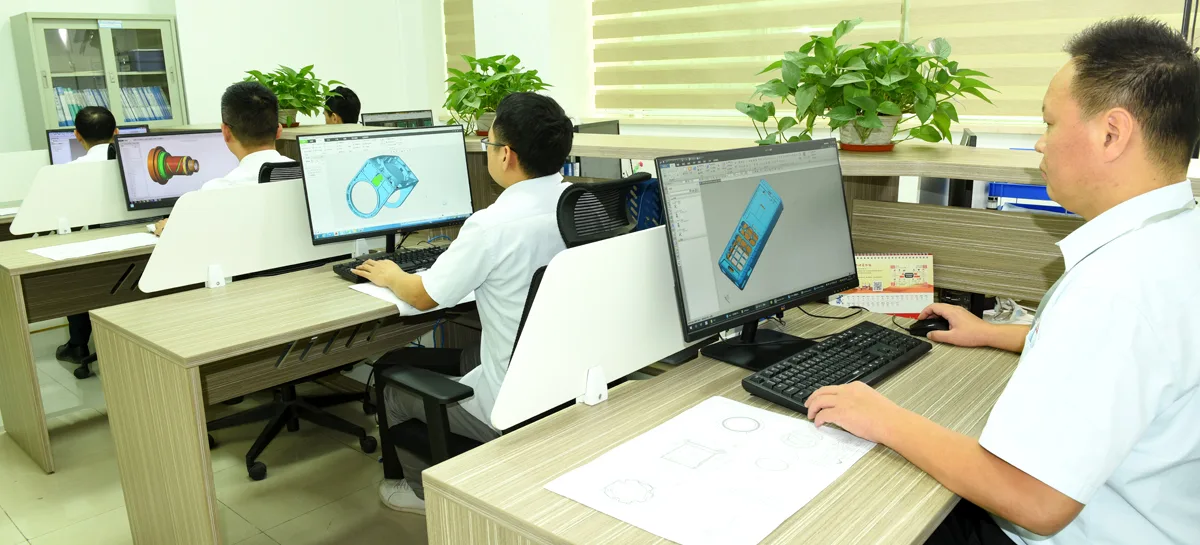
    From initial design review to final manufacturing, BatchMach Precision works with customers to optimize part designs, identify potential machining risks, and develop suitable production solutions for different project stages.

    Aluminum CNC Machining FAQ

    In aluminum cnc machining projects, commonly used aluminum alloys include 6061, 7075, 2024, 5052, 5083, and 6082. Among them, 6061 aluminum is widely selected for general precision components due to its balanced strength, machinability, corrosion resistance, and cost-effectiveness. For applications requiring higher strength and mechanical performance, 7075 and 2024 aluminum are often preferred.

    6061 and 7075 are two commonly used aluminum alloys for CNC machining, but they serve different applications. 6061 aluminum offers a good balance of strength, machinability, corrosion resistance, and cost, making it suitable for general-purpose CNC parts. 7075 aluminum provides higher strength and better mechanical performance, making it preferred for aerospace components and high-load applications where strength-to-weight ratio is critical.

    No. BatchMach Precision supports projects ranging from single prototypes to production quantities. Customers can start with small quantities for design validation and scale production according to project requirements without upfront tooling investment.

    Yes. BatchMach Precision provides custom aluminum machining services from prototypes and low-volume production to repeat manufacturing. CNC machining does not require expensive tooling, making it suitable for product development, functional testing, and production validation before full-scale manufacturing.

    The achievable tolerance depends on part size, geometry, material condition, and machining requirements. Under controlled machining conditions, BatchMach Precision can achieve tolerances down to ±0.005 mm for precision components. Professional inspection equipment is used to verify dimensions and ensure Aluminum CNC machining parts meet design requirements.

    Free first-order sample for new customers

    Send your drawings today — get a free process evaluation, quotation within 24 hours, and flexible quarterly settlement for long-term partners.

    Upload Drawing & Get Quote