









Engineering Plastics

Polyethylene (PE) CNC Machining Services

Factory-direct pricing with no minimum order quantity. We machine UHMW-PE, HDPE, and other common PE grades for one-off prototypes and low-volume production, using controlled fixturing and optimized cutting parameters to reduce heat buildup, burrs, and part distortion.

  • Factory-Direct PricingDirect quotes from our CNC machining team
  • No Minimum Order QuantityOne-off prototypes and low-volume batches
  • Multiple PE GradesUHMW-PE, HDPE, and other common grades
  • Controlled Machining ProcessReduced heat buildup, burrs, and clamping distortion
    Polyethylene (PE) CNC Machining Services part

    Upload Your CAD Files for a Quote

    Drop your CAD file here or click to browseSupported: STEP, STP, IGES, SLDPRT, DXF, DWG, PDF

    Your files are secure and confidential · Max file size: 100 MB

    19+

    Years of Experience

    250+

    Machines & Testing Equipment

    11,000 m²

    Manufacturing Area

    200+

    Skilled Staff

    ISO

    9001 / 13485 / AS9100D

    From prototypes to repeat production, BatchMach Precision brings together two ISO-certified CNC factories, practical machining expertise, and dimensional inspection to deliver custom parts built to your drawings.

    Trusted by
    numerous companies

    Our Polyethylene (PE) CNC Machining Capabilities

    HDPE, UHMW-PE, and other polyethylene grades differ in hardness, thermal expansion, wear behavior, and machining response. BatchMach Precision selects the equipment and workholding method according to the specified PE grade, stock form, wall thickness, critical tolerances, and production quantity instead of applying one set of cutting parameters to every polyethylene part.

    CNC Milling for Polyethylene Parts

    CNC Milling for Polyethylene Parts

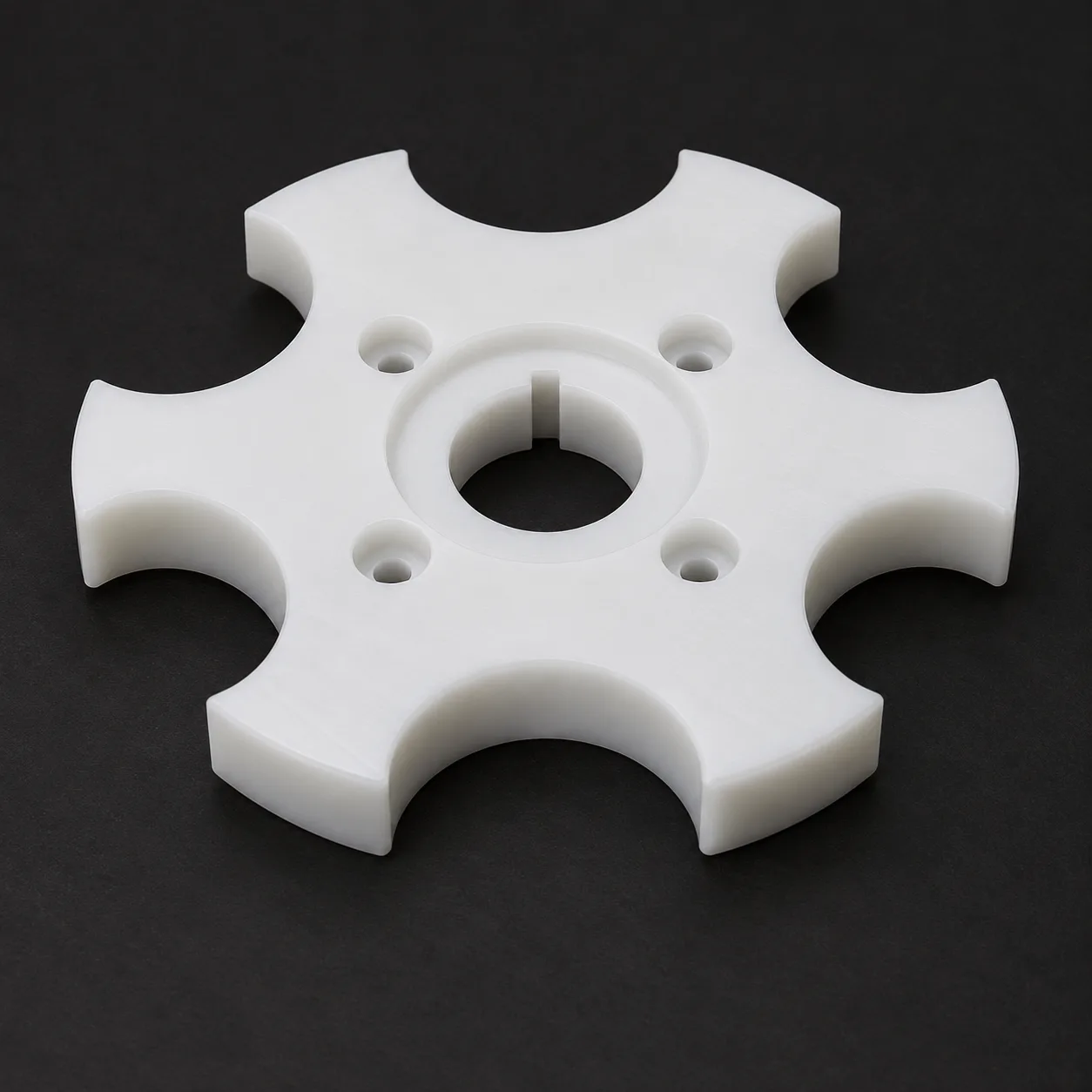
    Flat surfaces, pockets, holes, slots, and mounting features can be produced on our Brother, FANUC, and HAAS 3-axis and 4-axis machining centers. Projects that benefit from multi-sided access or horizontal workholding can be machined on our Mazak HCN-5000L. Sharp tools suited to plastic machining are used while controlling heat from continuous cutting. Effective chip evacuation helps reduce stringy chips, burrs, material smearing, and thin-wall distortion.
    CNC Turning for Polyethylene Components

    CNC Turning for Polyethylene Components

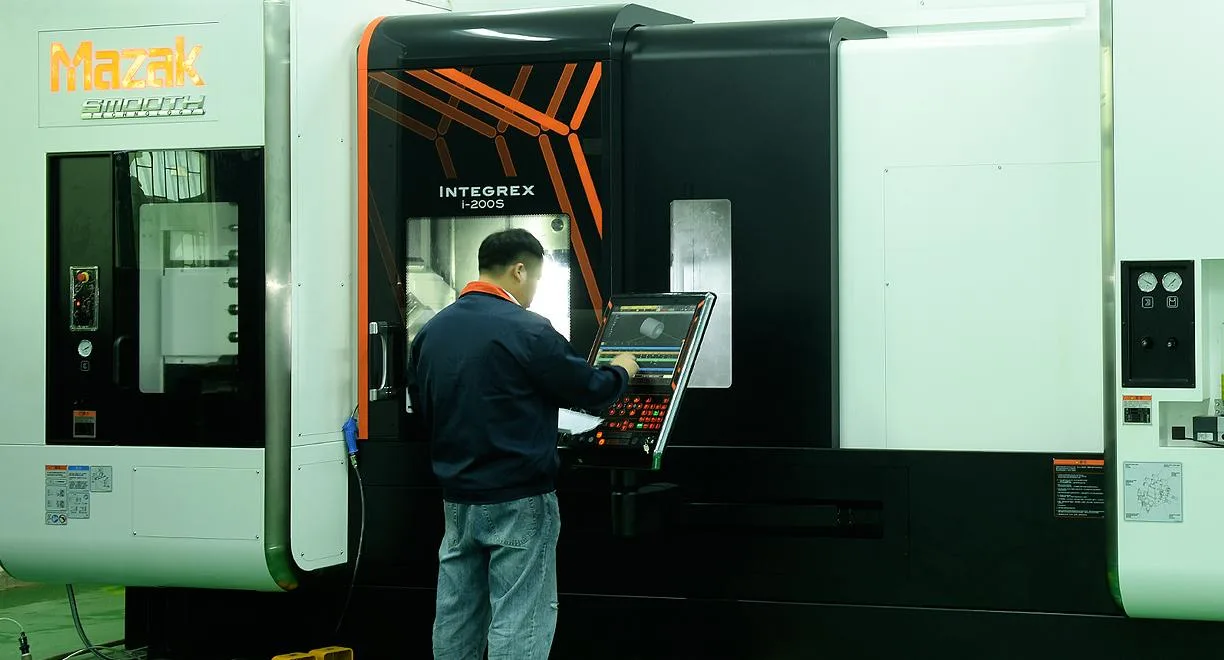
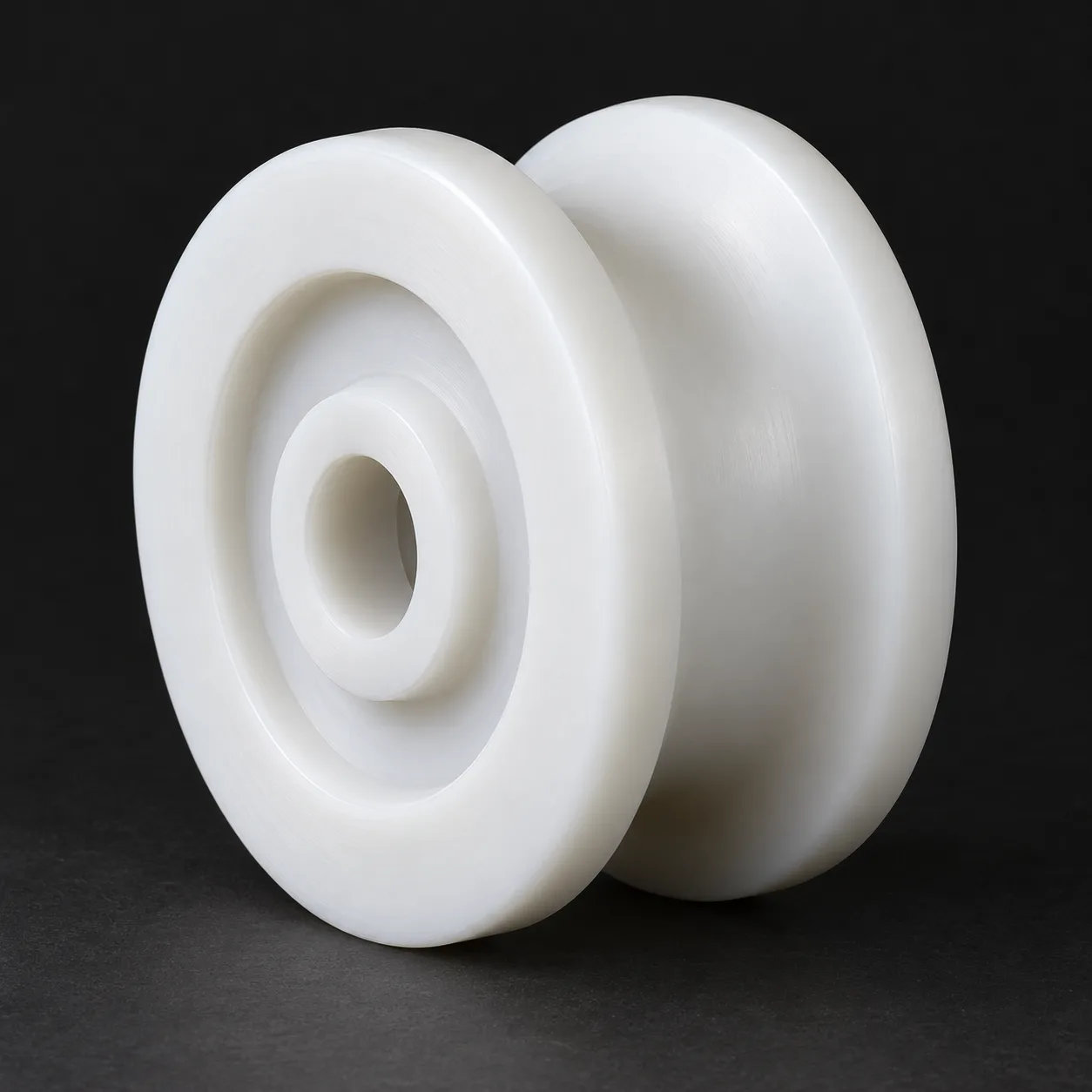
    BatchMach Precision uses Mazak and Takisawa CNC lathes to machine PE components with outside diameters, bores, shoulders, grooves, and threads. Chuck pressure, tool overhang, and cutting load are controlled because polyethylene can deform under clamping force. For thin-wall or long components, the support method and machining sequence are reviewed to manage roundness, concentricity, and dimensional recovery after machining.

    5-Axis Machining for Complex PE Parts

    5-Axis Machining for Complex PE Parts

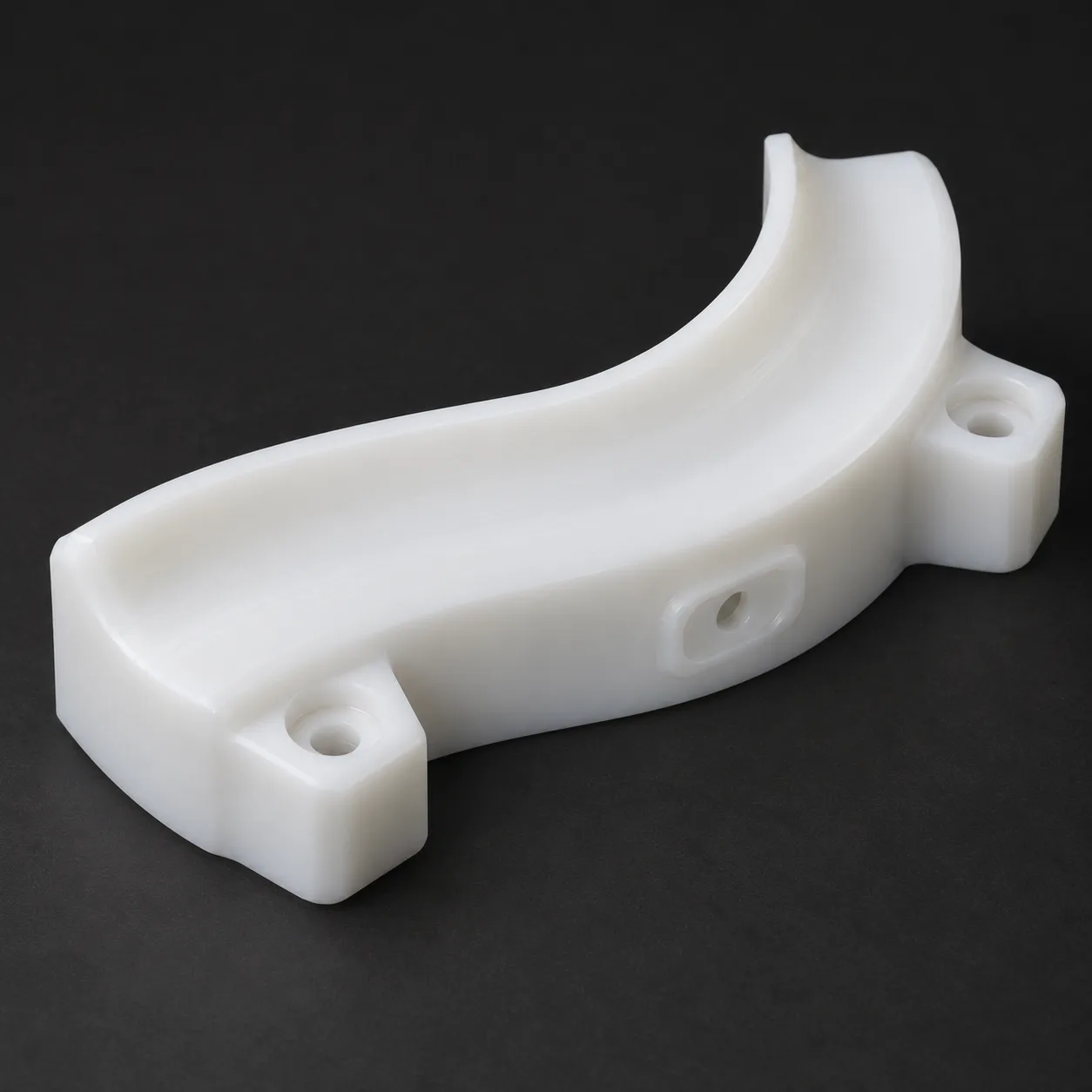
    Parts with multi-directional holes, angled surfaces, curved profiles, or closely related features can be machined on our DMG MORI DMU 95 and DMU 75 monoBLOCK machines, as well as Mazak VARIAXIS i-700T and i-600T 5-axis machining centers. Completing more features in fewer setups helps preserve datum relationships and reduces the risk of positional error or localized deformation caused by repeatedly clamping flexible PE workpieces.

    Large-Volume to Production Polyethylene Machining

    Large-Volume to Production Polyethylene Machining

    BatchMach Precision has no minimum order quantity and supports one-off prototypes, replacement parts, low-volume batches, and repeat production. PE parts can be machined directly from sheet, rod, or block without mold tooling, making CNC machining practical for design validation and projects with changing demand. As quantities increase, we refine stock layout, workholding, toolpaths, and deburring methods according to the part geometry. For repeat orders, the PE grade, supplier, color, and stock specification are also confirmed to reduce variation in dimensions, appearance, and machining behavior between material batches.

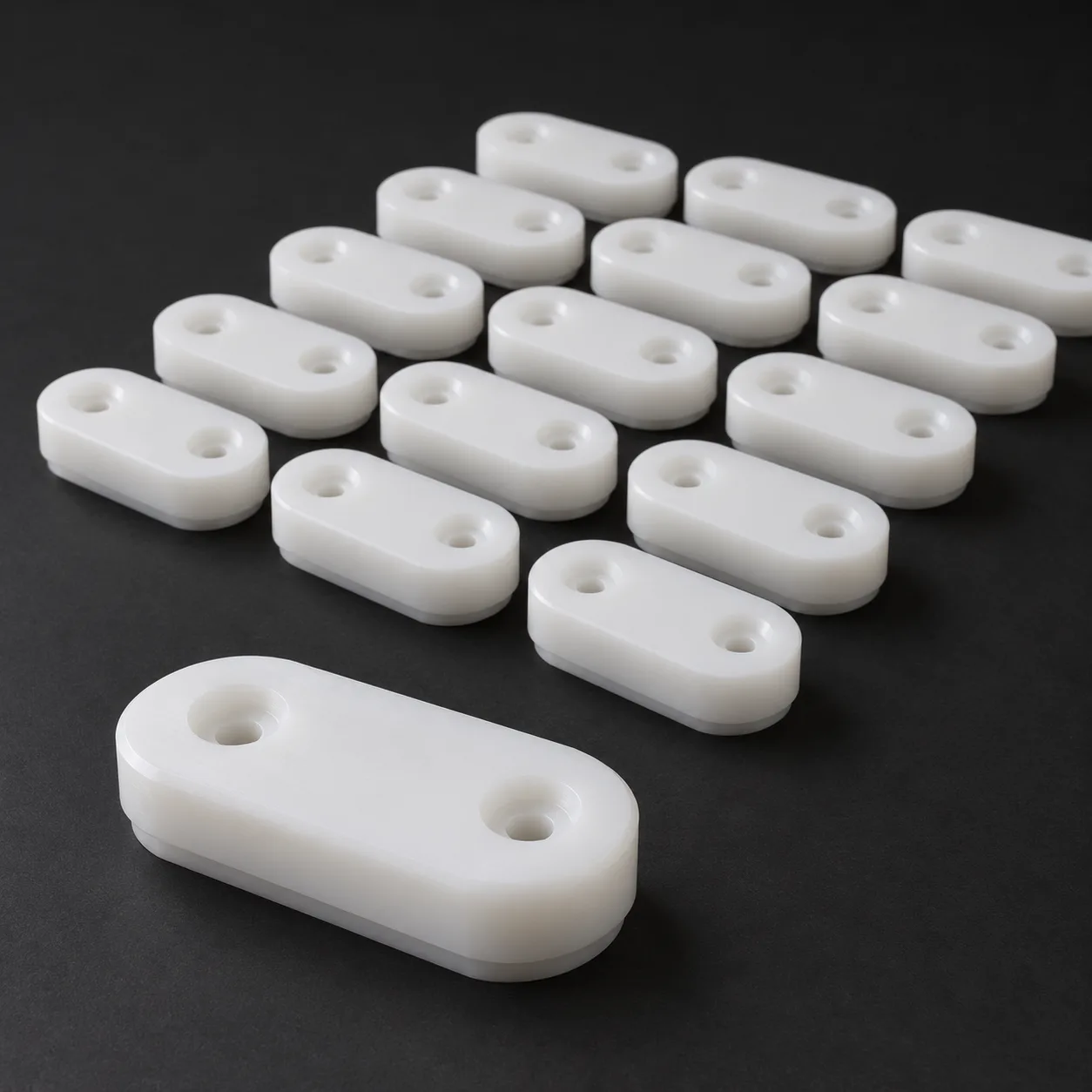
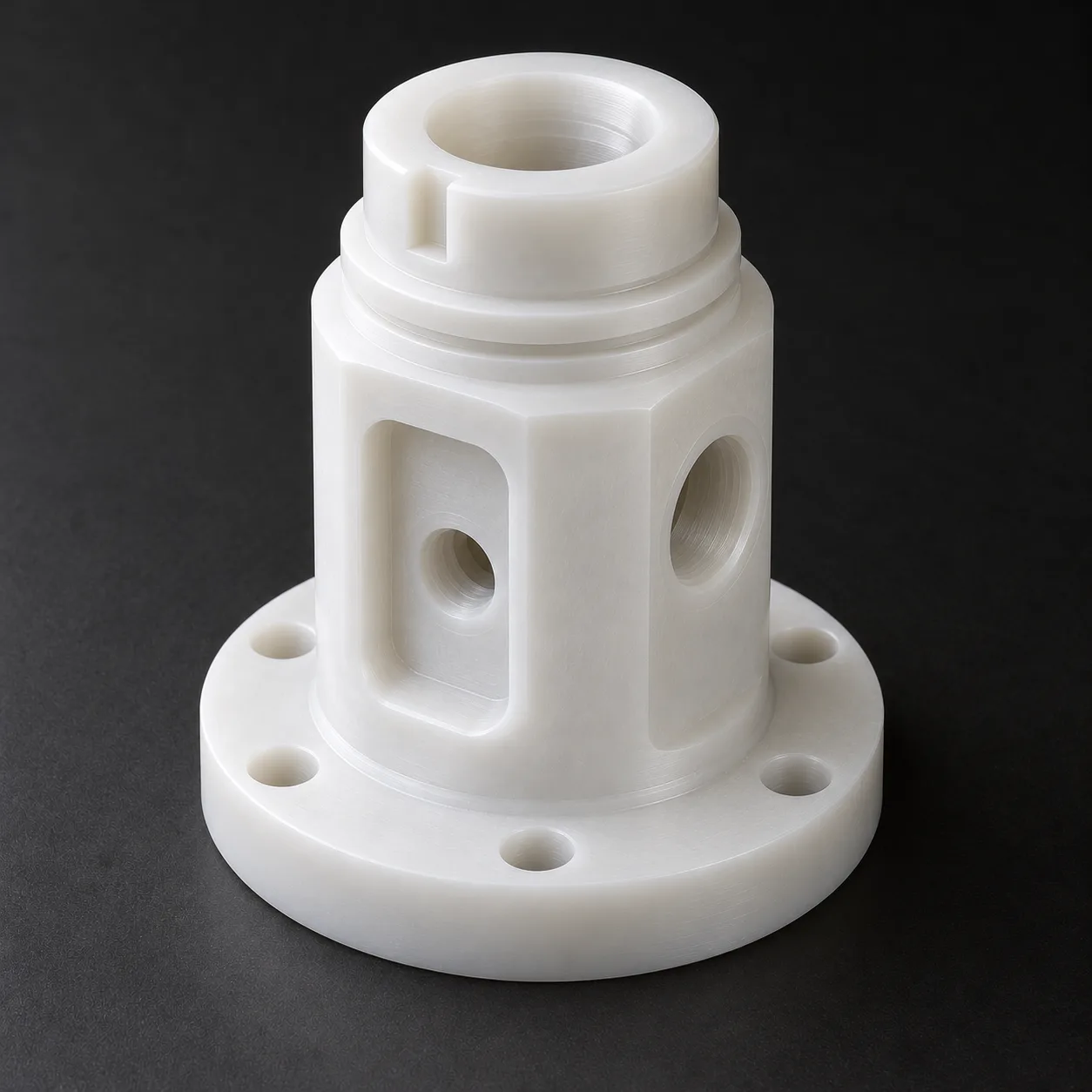
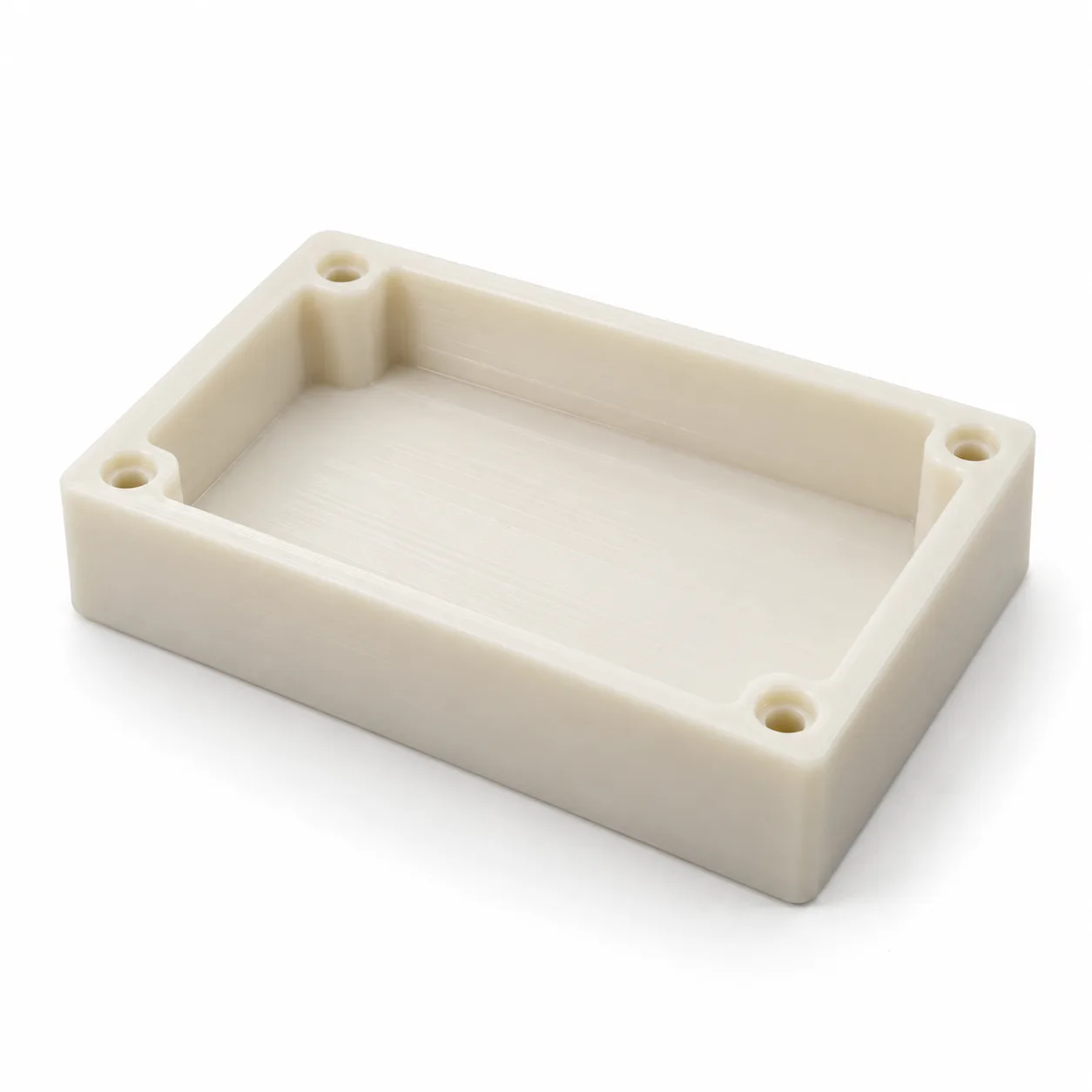
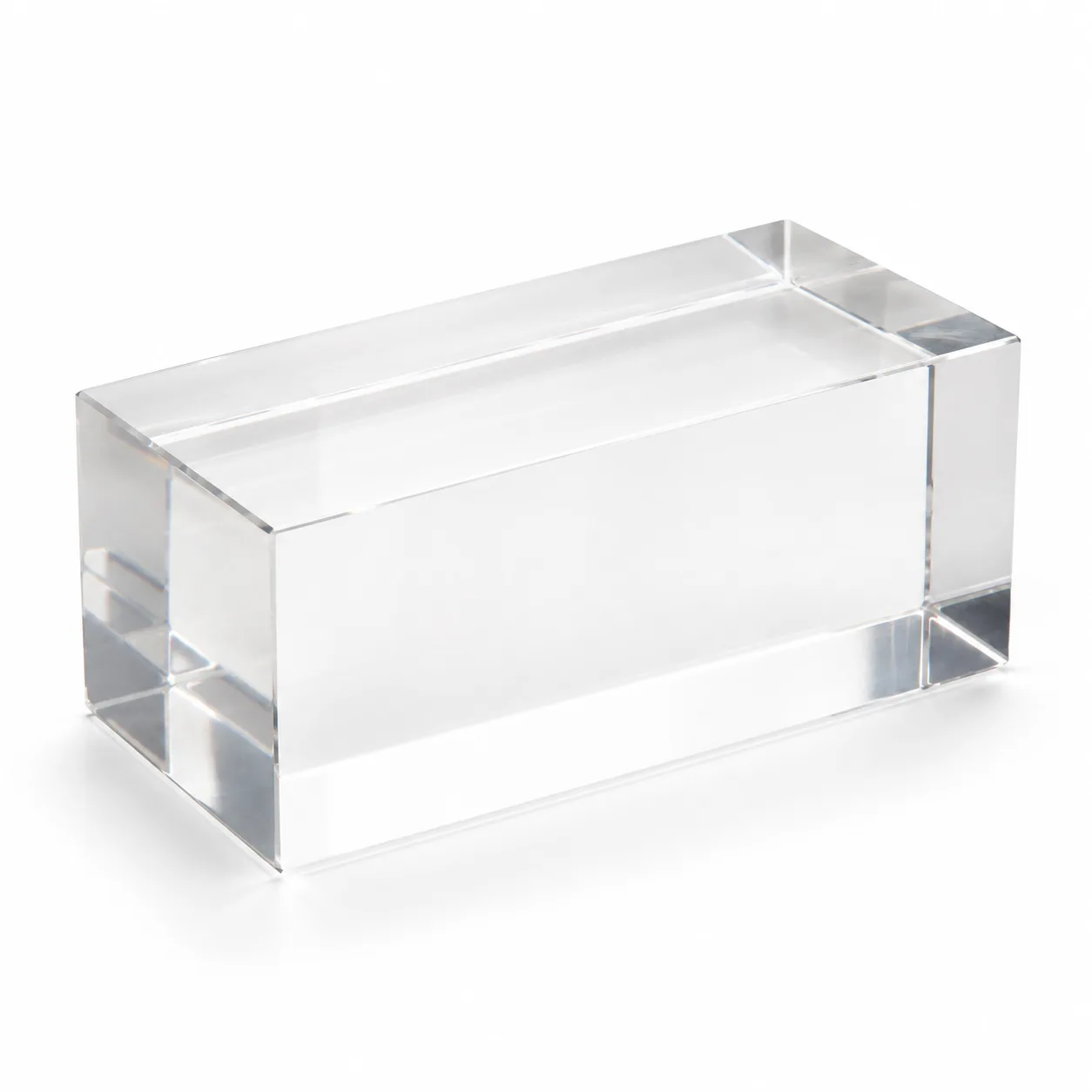
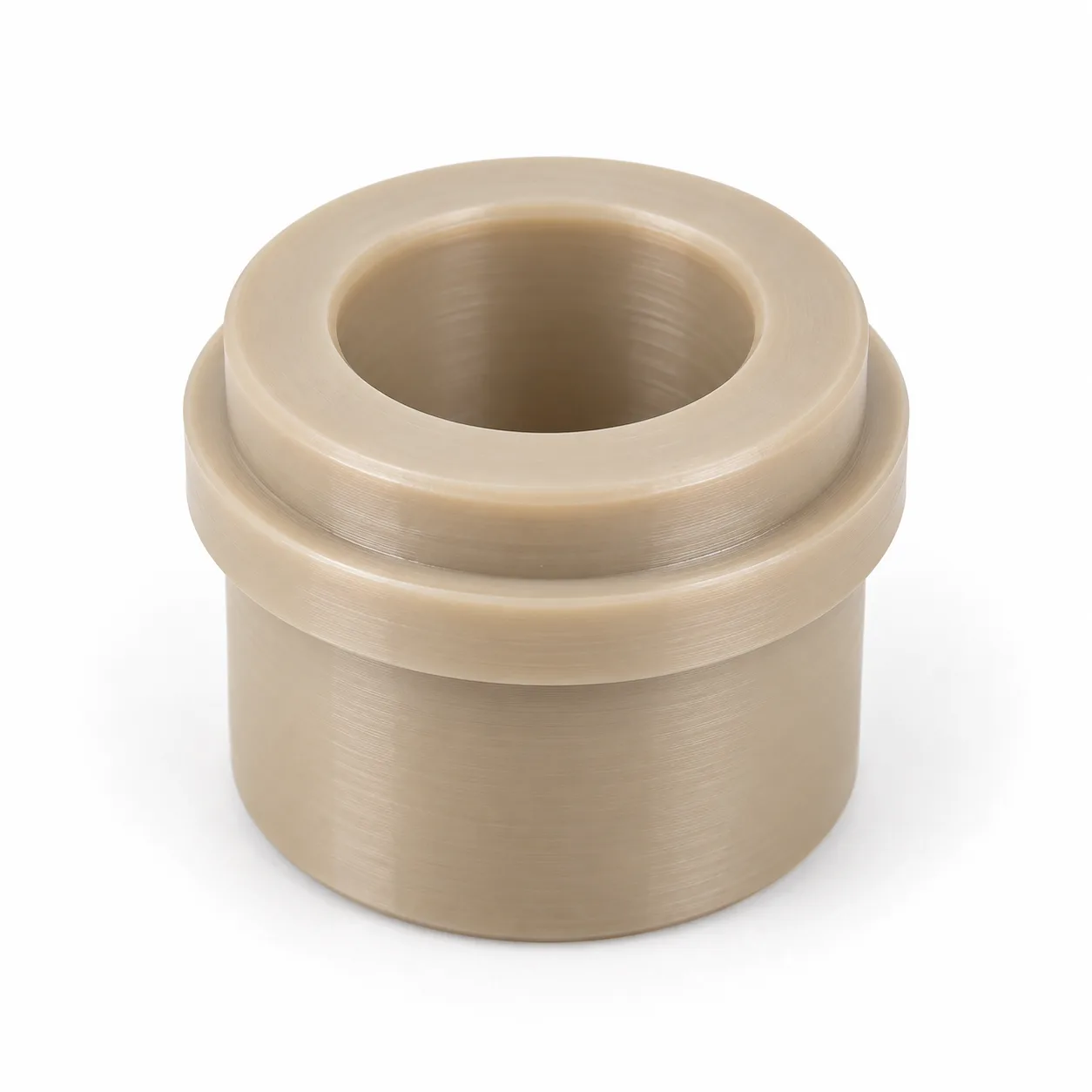
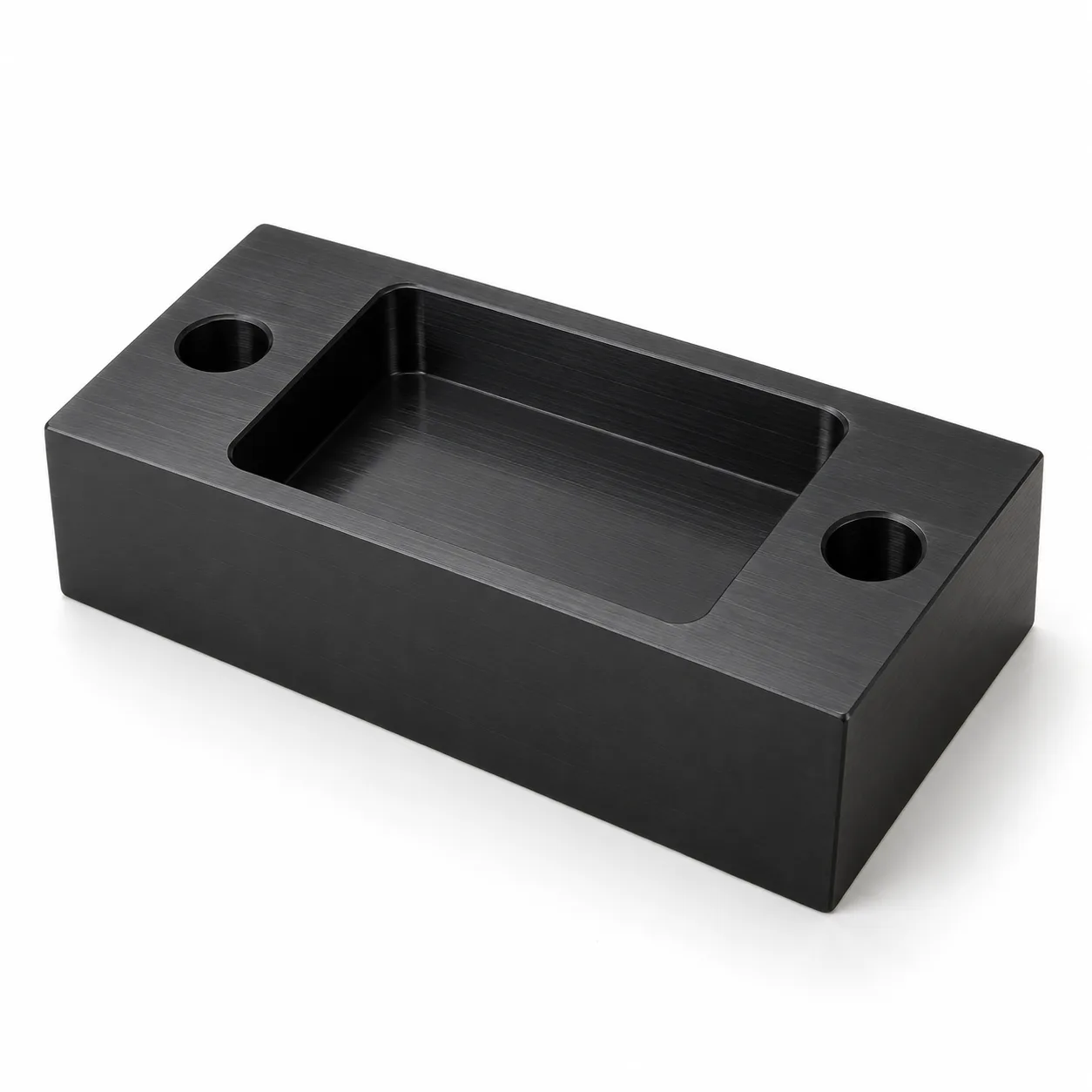
    Representative CNC-machined polyethylene part
    Representative CNC-machined polyethylene part

    Polyethylene (PE) in CNC Machining

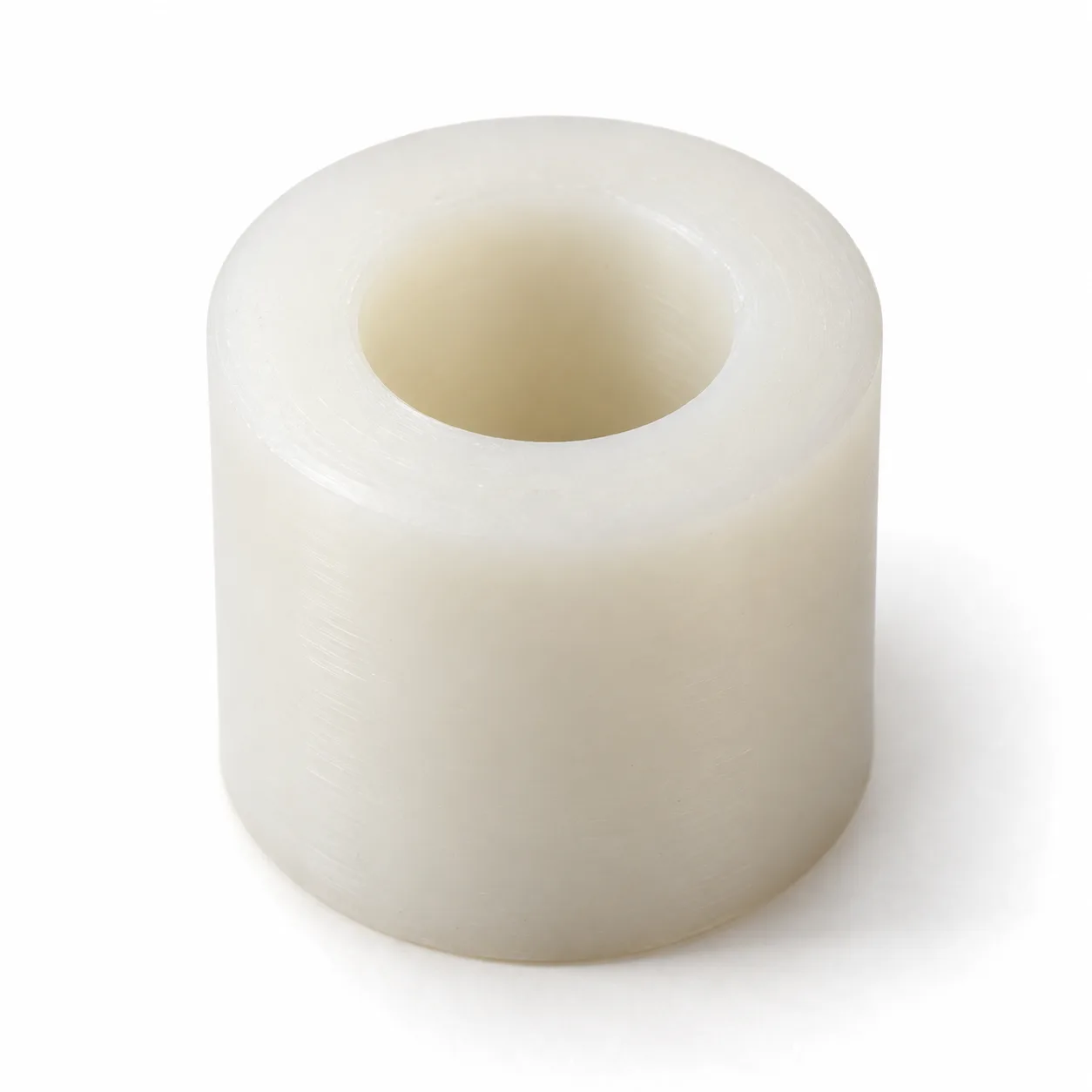
    Polyethylene is selected for machined components that require low weight, electrical insulation, low moisture absorption, chemical resistance, or low-friction contact with mating parts. Common applications include wear strips, guides, bushings, rollers, spacers, equipment liners, and components used in material-handling systems.

    PE grades do not behave identically. HDPE provides a practical balance of stiffness, impact resistance, and cost, while UHMW-PE is commonly chosen when sliding wear and low friction are more important. Both materials have relatively high thermal expansion and can flex or recover after machining. BatchMach Precision therefore reviews the material grade, operating temperature, wall thickness, fits, and measurement conditions before confirming critical tolerances.

    ItemBatchMach Precision Capability
    Lead TimeAs fast as 1 day
    Machining AccuracyDown to ±0.005 mm
    Maximum Part SizeUp to 950 × 850 × 650 mm (L × W × H), depending on geometry, workholding, and tool access
    PE Material OptionsHDPE and UHMW-PE
    Order QuantityNo MOQ; one-off prototypes, low-volume batches, and repeat production supported

    Compare Polyethylene Grades for CNC Machining

    Polyethylene grades differ in molecular weight, stiffness, wear behavior, impact resistance, and electrical properties. A higher PE grade number does not simply mean a stronger material: HDPE and PE500 are generally stiffer, while PE1000 is often selected for sliding wear, impact, and low-friction applications.

    HDPE Natural

    A practical choice when stiffness, chemical resistance, machinability, and cost are the main considerations.

    Approx. 25.5 MPa

    Tensile Strength

    Approx. 27.6 MPa

    Flexural Strength

    Approx. 965 MPa

    Tensile Modulus

    Approx. 0.96 g/cm³

    Density

    Surface Finishes for CNC-Machined Polyethylene Parts

    Polyethylene has a relatively soft surface and low surface energy, so its finishing options are more limited than those available for metals. BatchMach Precision reviews the PE grade, part geometry, critical dimensions, and marking requirements before confirming the appropriate treatment.

    As Machined

    As Machined surface finish sample

    Retains the surface produced directly by CNC cutting, including possible fine tool marks. This is the most common and lowest-risk condition for PE guides, bushings, wear strips, rollers, and other functional components.

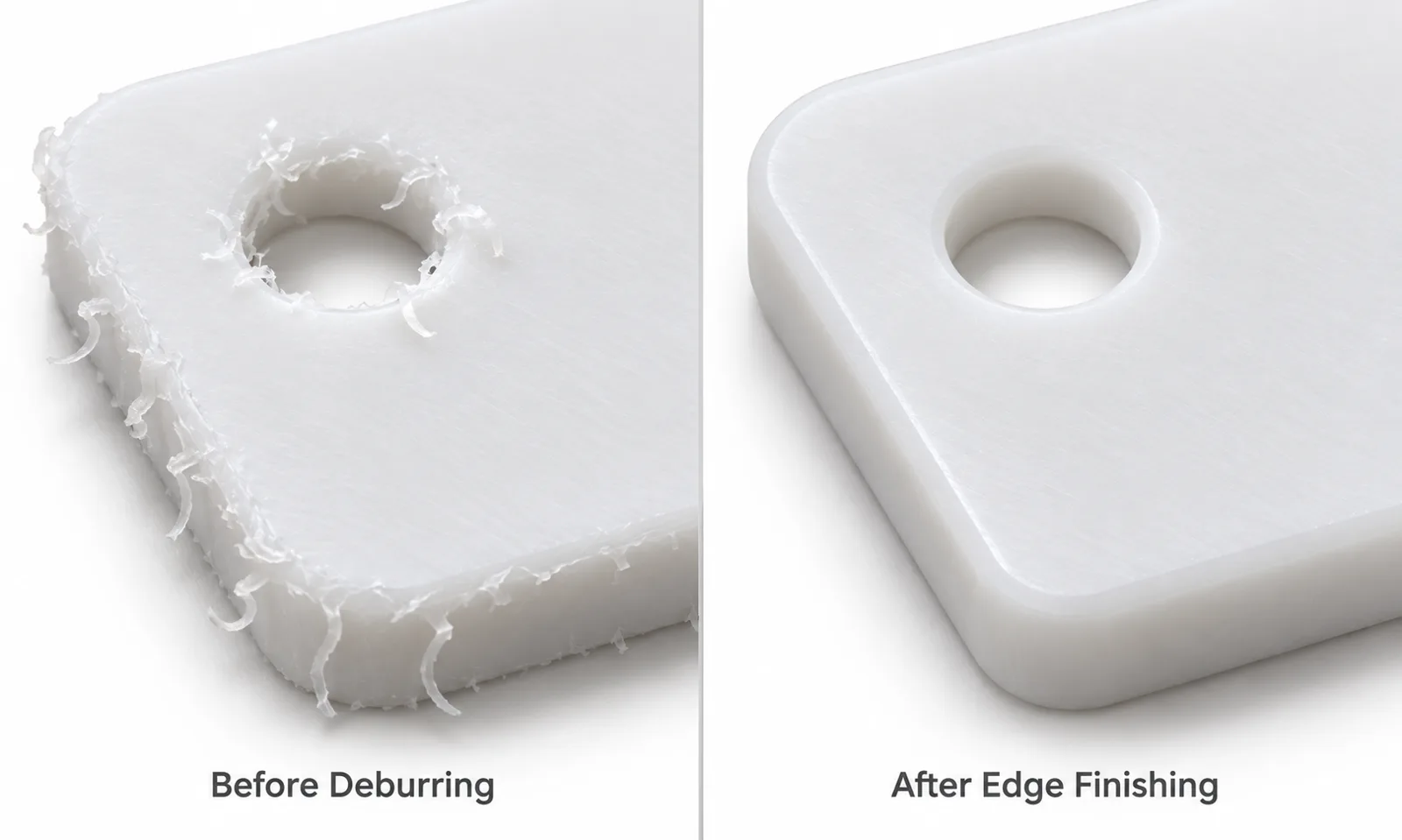
    Deburring and Manual Edge Finishing

    Deburring and Manual Edge Finishing surface finish sample

    Removes burrs, stringy chips, and unwanted sharp edges using controlled hand-finishing. Holes, slots, mating surfaces, and critical dimensions are protected during the process, making it suitable for precision PE parts that should not undergo aggressive abrasive finishing.

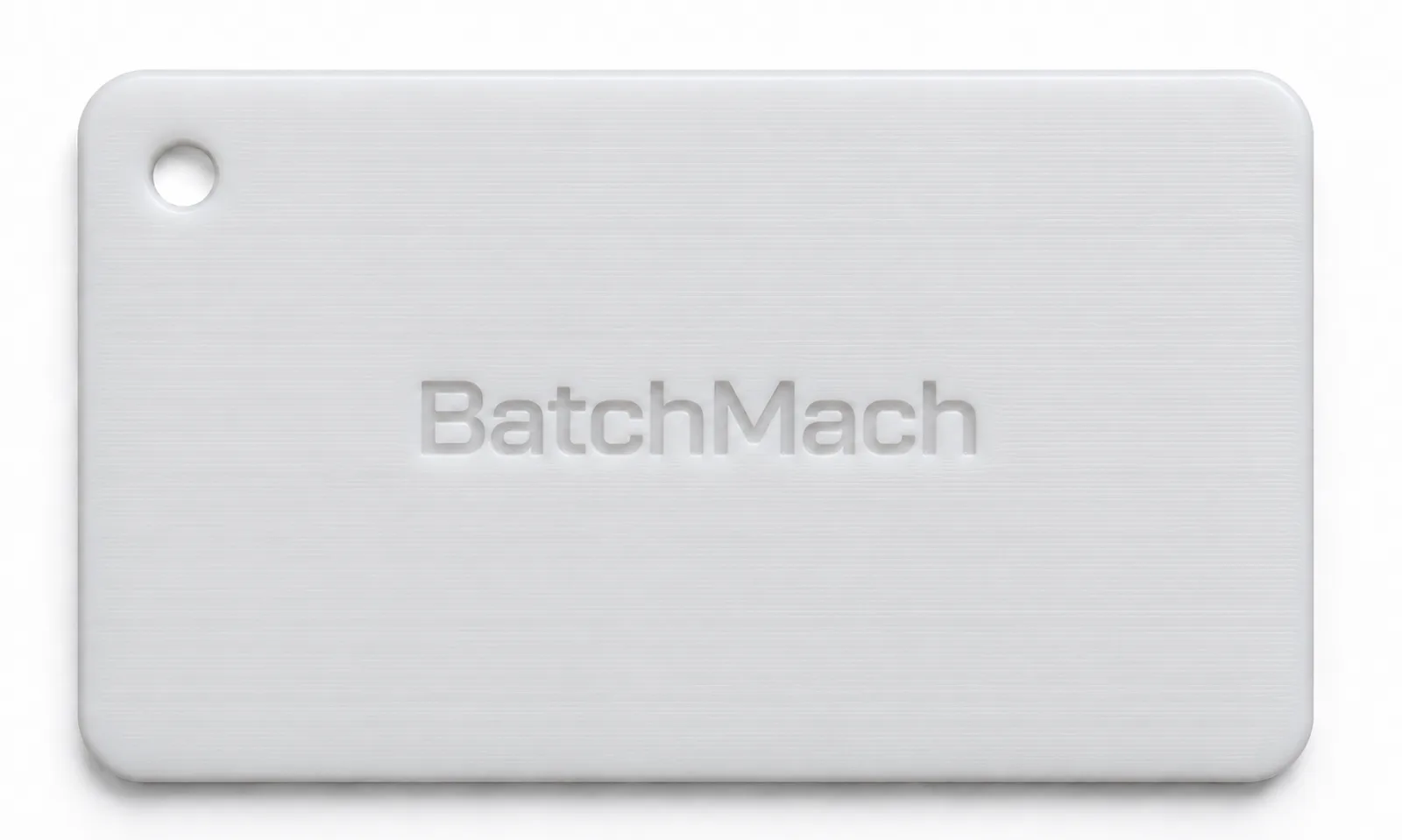
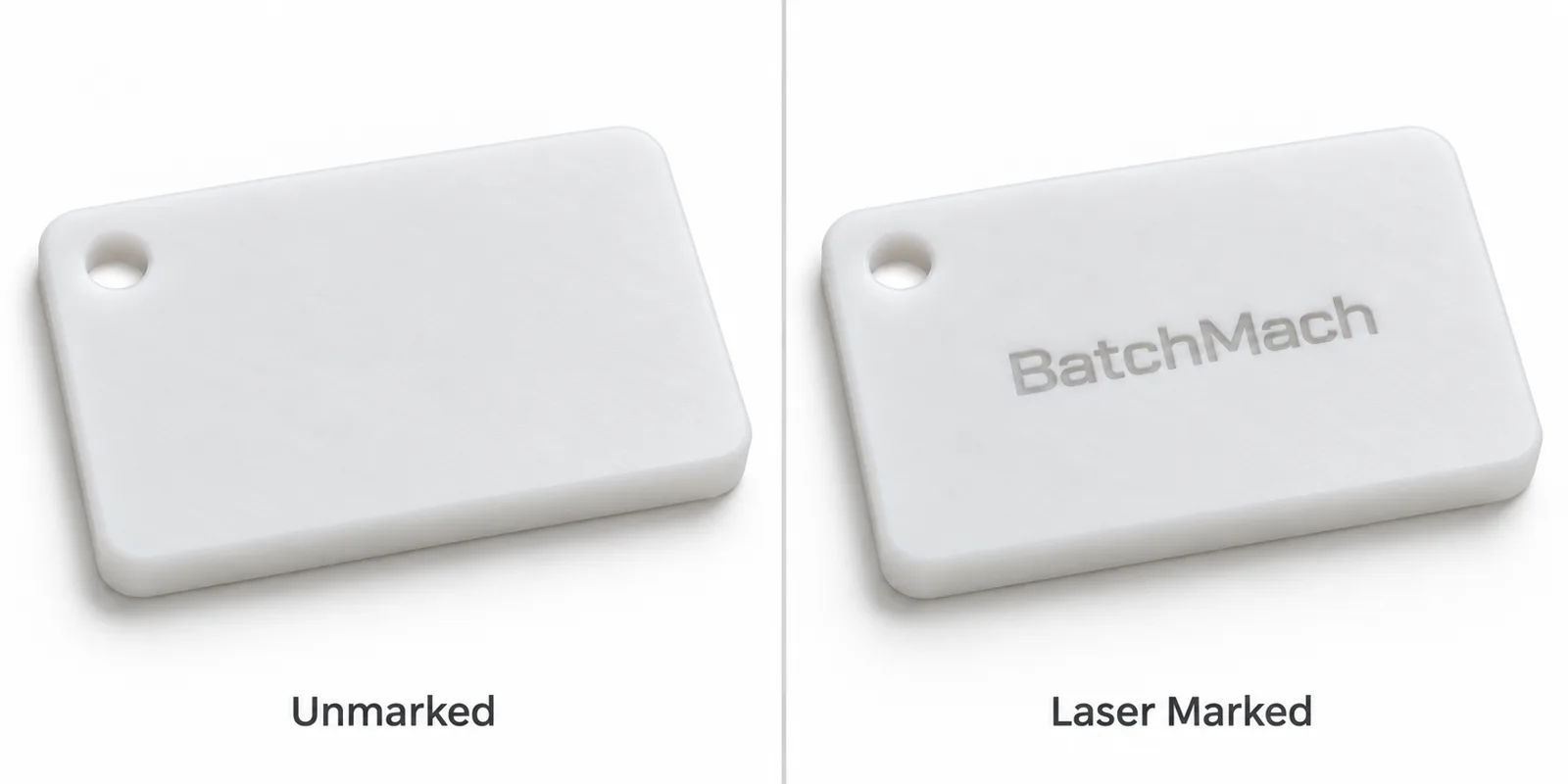
    Laser Marking

    Laser Marking surface finish sample

    Adds permanent part numbers, batch information, QR codes, or other identification. Marking contrast and clarity depend on the PE color, additives, and laser parameters, so the specified material should be tested before batch production.

    Design Guidelines for CNC-Machined Polyethylene Parts

    The values below are starting points for quotation and DFM review. They are not universal machining limits for every PE grade or part geometry.

    Design ItemQuantified GuidelineReason
    General Wall Thickness≥2.0 mm; local walls of 1.5–2.0 mm require reviewPE has relatively low rigidity. Thin walls can deflect under cutting and clamping forces.
    Deep HolesStandard depth: ≤2D; use peck drilling for 2D–4D; review depths >4DChip evacuation and heat control become more difficult as hole depth increases, potentially affecting diameter, straightness, and bore finish. D is the hole diameter.
    Internal Corner RadiiAt least 1.3× the cutter radius; use R1.0 mm or larger where permittedLarger radii allow the use of more rigid tools and reduce vibration, heat buildup, and corner distortion.
    Internal ThreadsPrefer coarse threads with an engagement length of approximately 1.5D–2DPE threads have lower shear strength than metal threads and can creep under sustained loads. Threaded inserts are recommended for repeated assembly.
    Unsupported Thin WallsKeep the wall-height-to-thickness ratio at 8:1 or less; review walls <2.0 mmTall, unsupported walls can deflect away from the cutting tool and spring back after the fixture is released.
    FlatnessUp to 100 mm: use 0.15 mm or looser; up to 300 mm: use 0.30 mm or looser; tighter requirements require reviewStock condition, one-sided material removal, clamping pressure, and temperature changes can affect free-state flatness.
    Dimensional MeasurementMeasure near 23 ±2°C after the part has been released from the fixture and reached a stable temperatureThermal expansion and elastic recovery can affect PE dimensions. The drawing should specify whether inspection is performed in a free or restrained state.

    HDPE vs. UHMW-PE for CNC Machining

    HDPE and UHMW-PE belong to the polyethylene family, but they should not be treated as interchangeable. HDPE generally provides greater rigidity and more predictable dimensional control, while UHMW-PE is better suited to parts exposed to sliding contact, abrasion, or repeated impact.

    ComparisonHDPEUHMW-PESelection Guidance
    Typical DensityApprox. 0.96 g/cm³Approx. 0.93 g/cm³Both materials are lightweight; the difference rarely determines material selection by itself.
    Typical Tensile StrengthApprox. 28 MPaApprox. 21 MPaHDPE is generally preferred when the part requires greater structural rigidity.
    Typical Flexural ModulusApprox. 1,380 MPaApprox. 760 MPaHDPE is less flexible and usually easier to control on flat surfaces, thin walls, and dimension-sensitive features.
    Thermal ExpansionApprox. 126 µm/m·°CApprox. 200 µm/m·°CUHMW-PE dimensions are more sensitive to temperature changes, especially on large parts and tight fits.
    Wear and FrictionGood general wear resistanceBetter abrasion resistance and lower frictionChoose UHMW-PE for guides, liners, wear strips, rollers, and sliding components.
    Machining ResponseMore rigid and generally easier to hold during machiningMore flexible, with greater elastic recovery and burr formationUHMW-PE may require lower clamping pressure, sharper tools, staged material removal, and free-state inspection.
    Dimensional ControlBetter choice for tighter dimensions and defined mating featuresGreater risk of movement after machiningUse HDPE when dimensional stability is more important than maximum wear resistance.
    Relative Material CostGenerally more economicalUsually higher, depending on grade and stock formHDPE is often the practical choice for non-wear components and cost-sensitive production.

    When to Choose HDPE or UHMW-PE

    When to Choose HDPE

    Choose HDPE when the part requires moderate strength, better rigidity, chemical resistance, electrical insulation, or a lower material cost. It is commonly selected for fixtures, spacers, covers, housings, support blocks, and fluid-handling components.

    When to Choose UHMW-PE

    Choose UHMW-PE when low friction, abrasion resistance, impact performance, or quiet sliding movement is the priority. It is better suited to wear strips, chain guides, liners, rollers, bushings, and material-handling components.

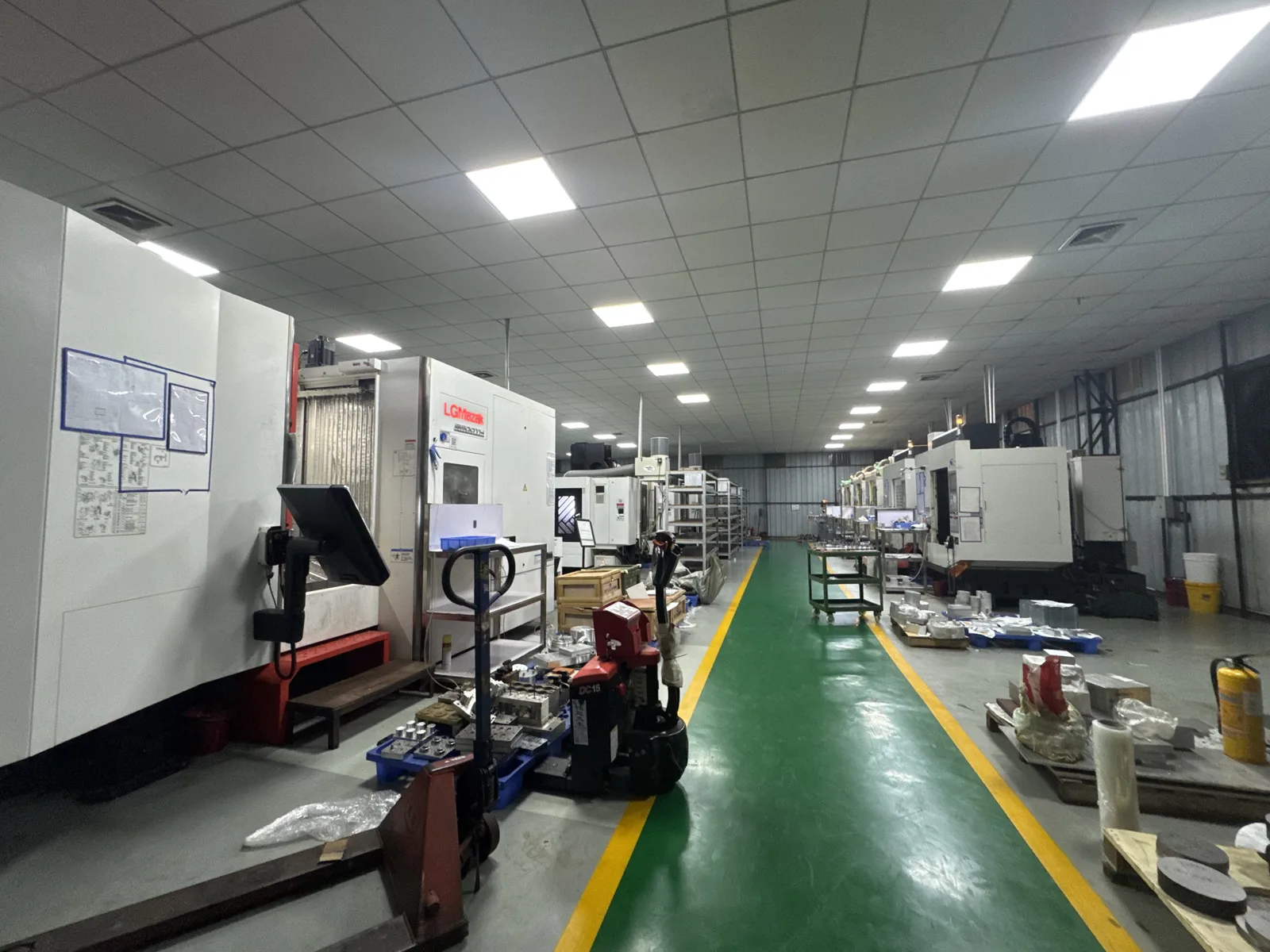
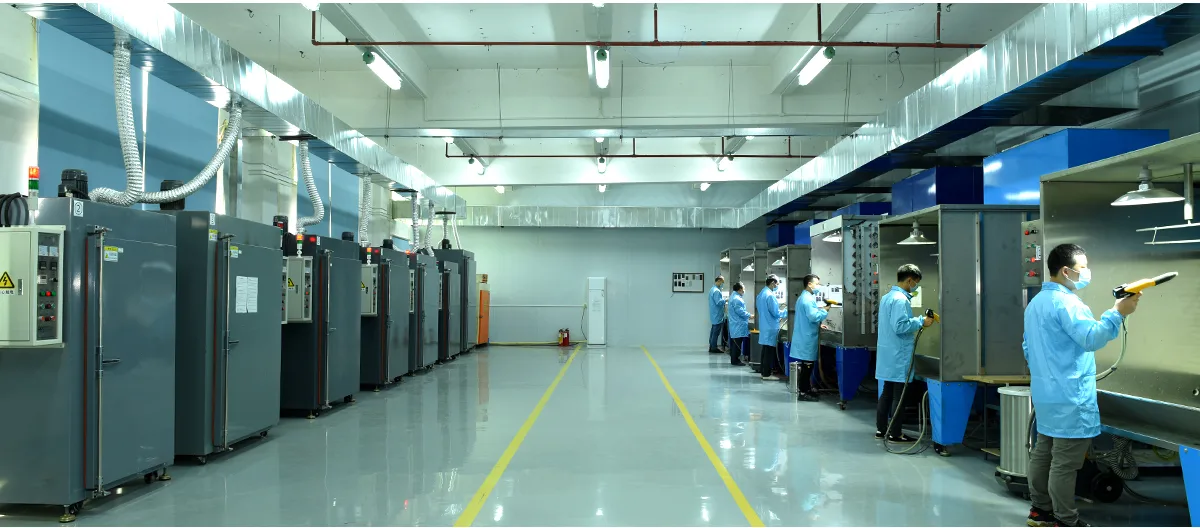
    Inside Our Polyethylene CNC Machining Factory

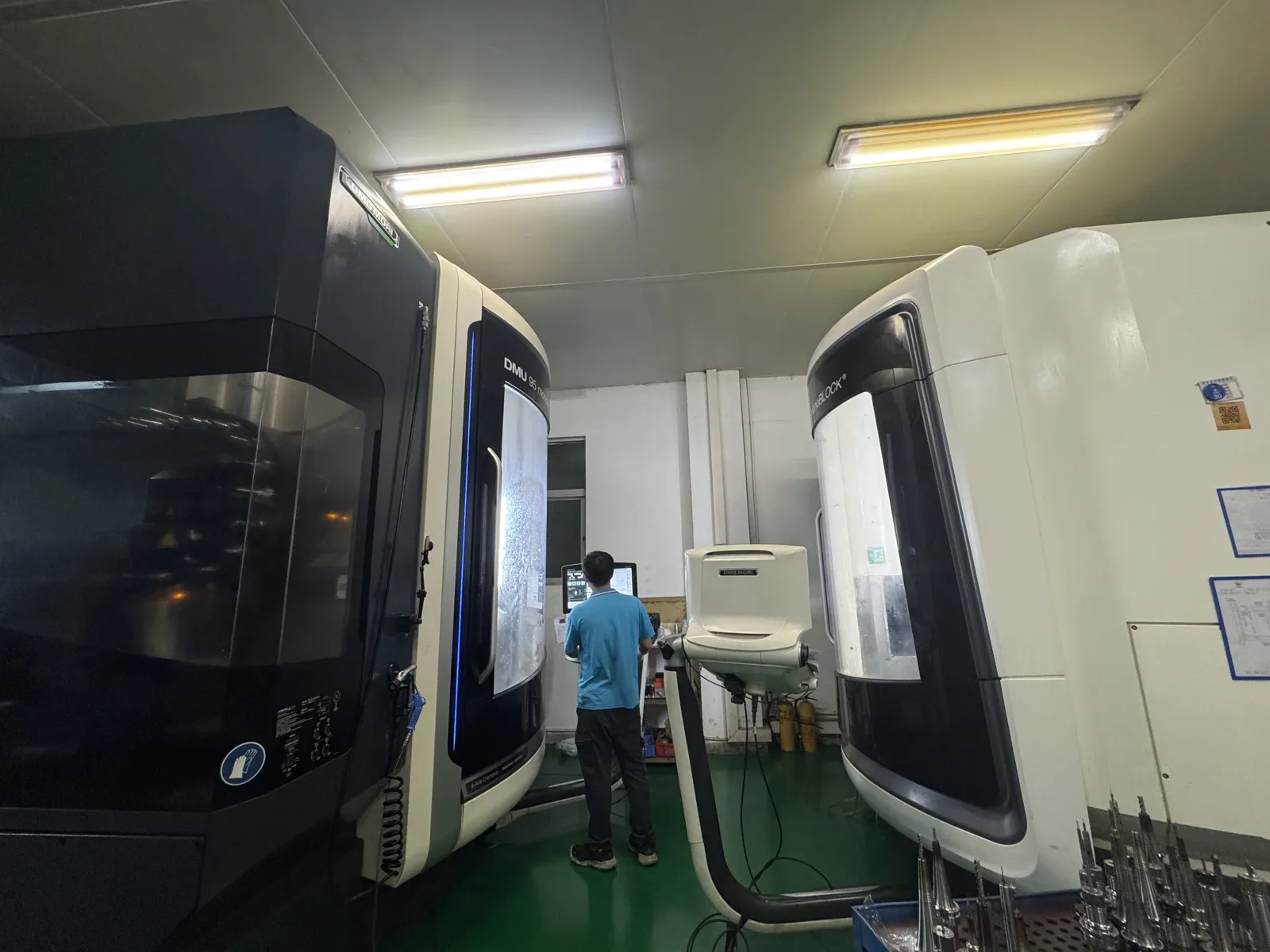
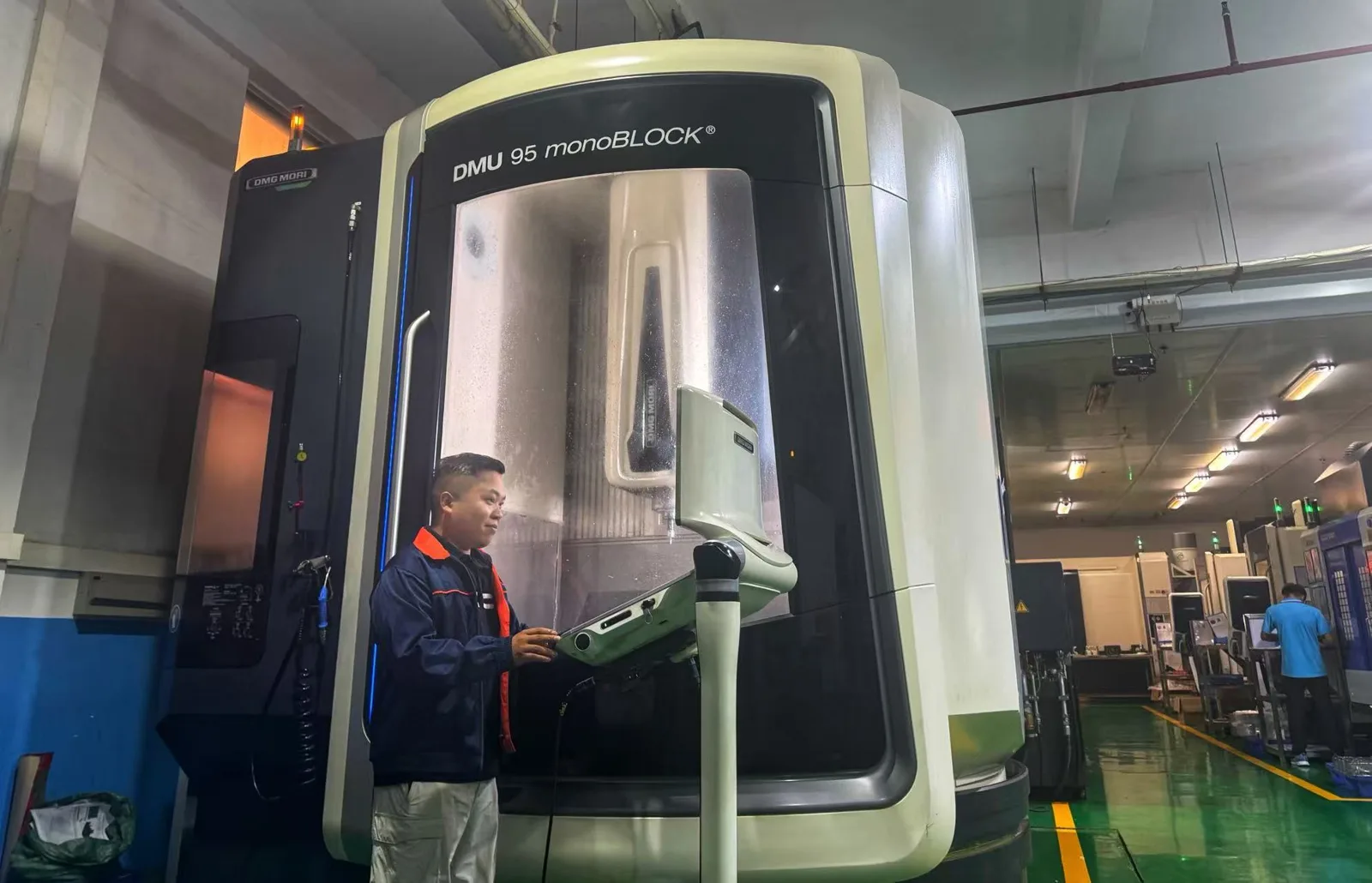
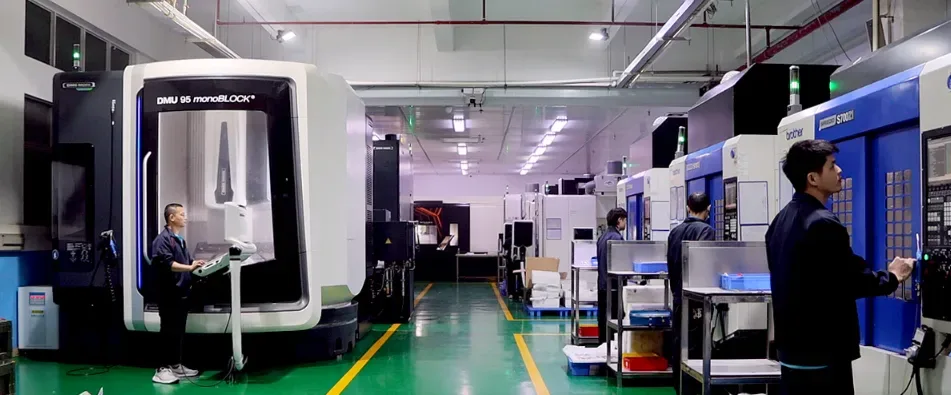
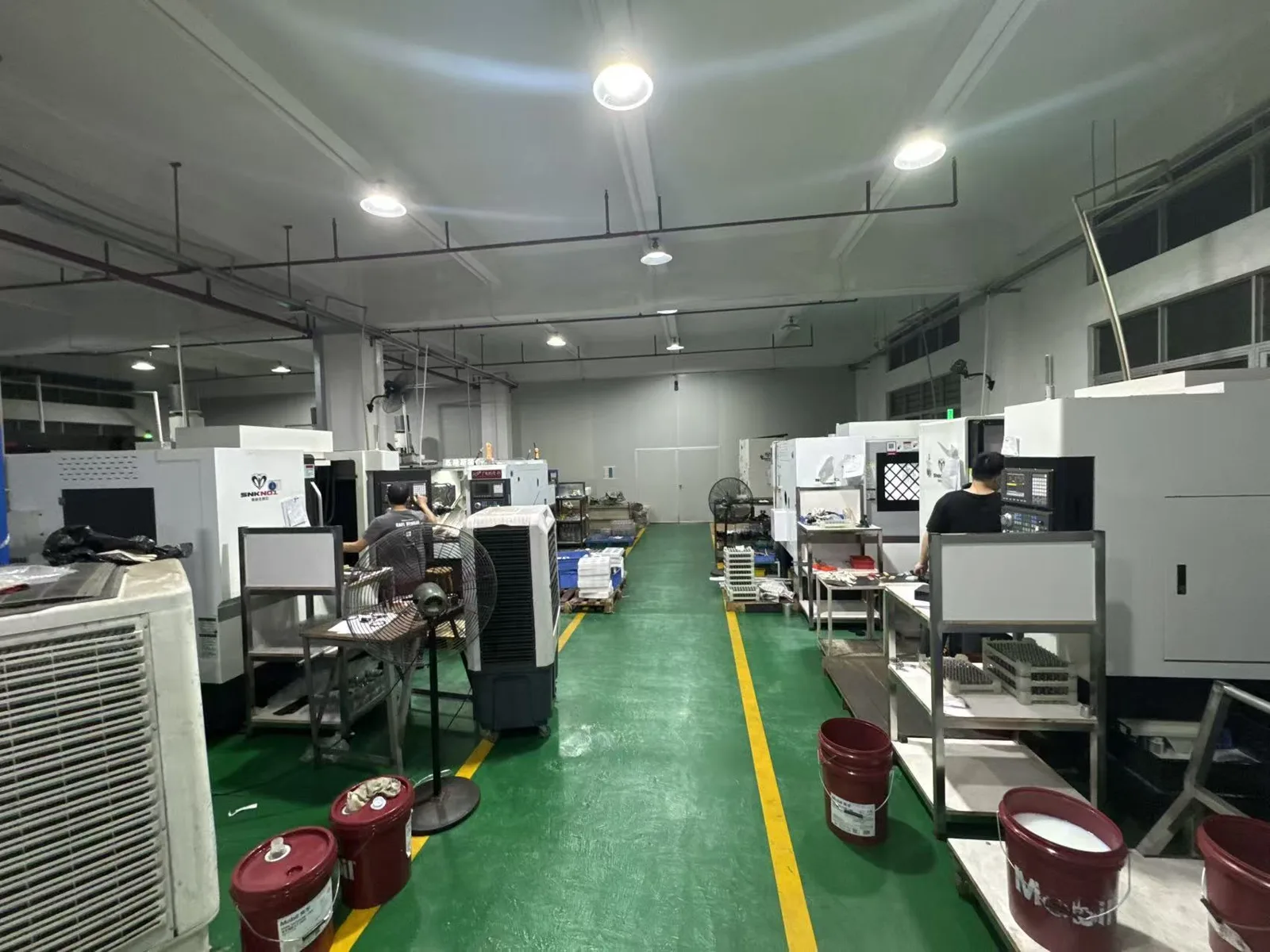
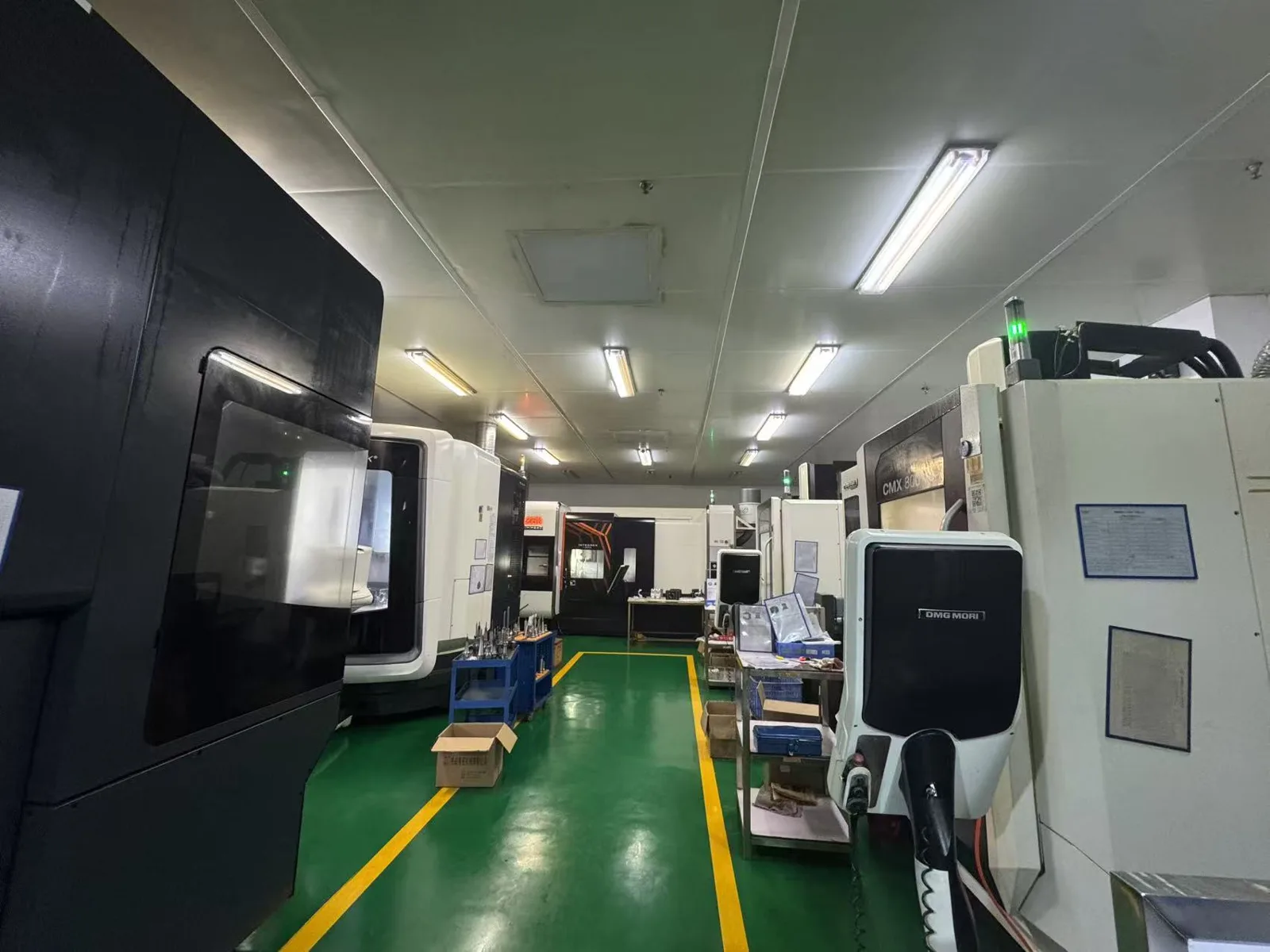
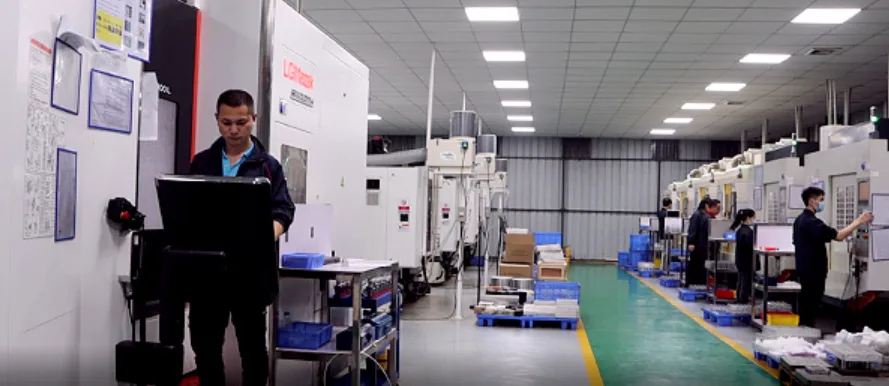
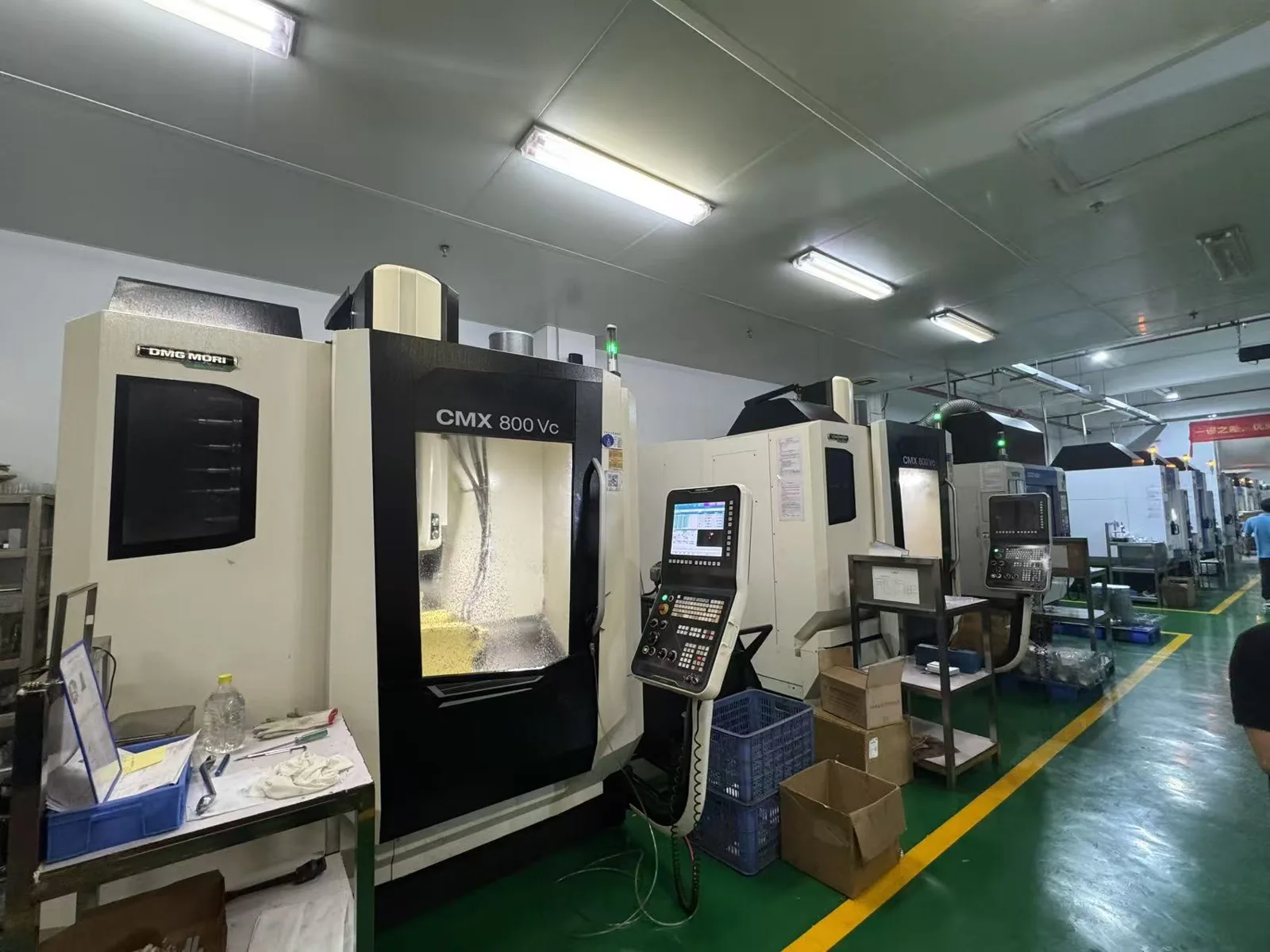
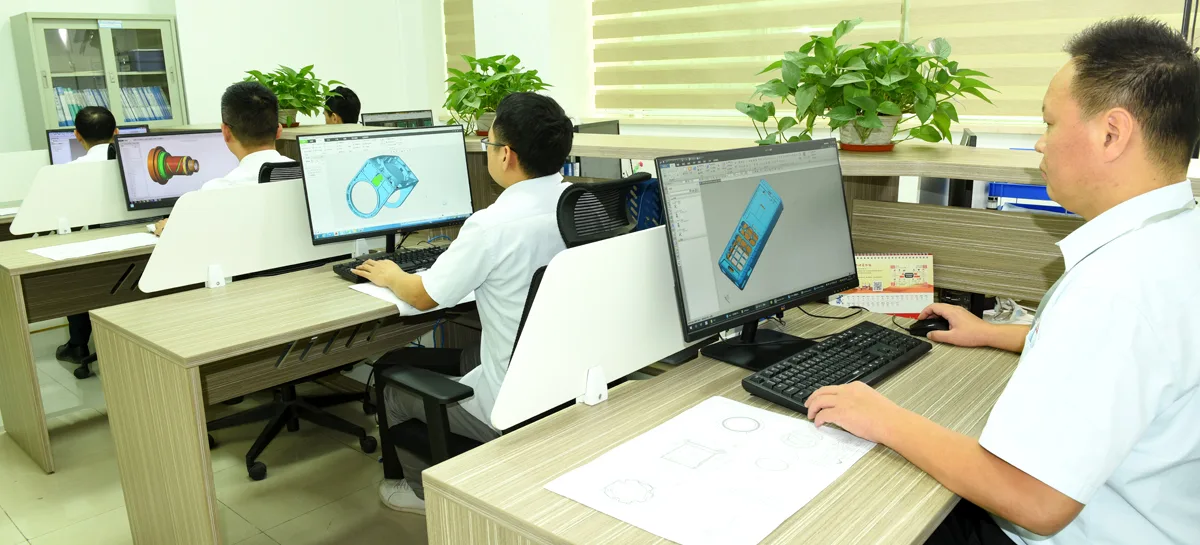
    Take a closer look at BatchMach Precision’s production floor, CNC equipment, and working environment. Our in-house setup supports CNC milling, turning, 5-axis machining, and inspection for polyethylene parts across different order volumes.

    5-Axis Machining Centers

    5-Axis Machining Centers

    DMU 95 CNC Machining

    DMU 95 CNC Machining

    DMG MORI Workshop

    DMG MORI Workshop

    CNC Machining Workshop

    CNC Machining Workshop

    CNC Production Line

    CNC Production Line

    CNC Production Workshop

    CNC Production Workshop

    Large-Part CNC Workshop

    Large-Part CNC Workshop

    Large-Part Machining

    Large-Part Machining

    Powder Coating Workshop

    Powder Coating Workshop

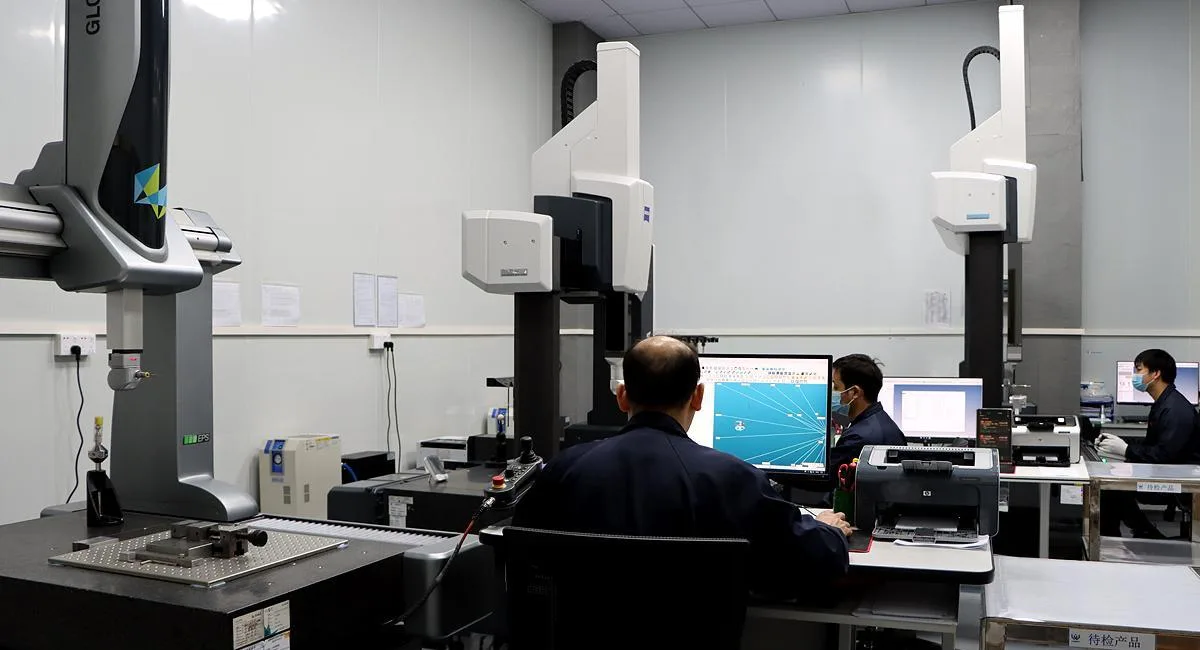
    Quality Inspection for Polyethylene CNC Machining

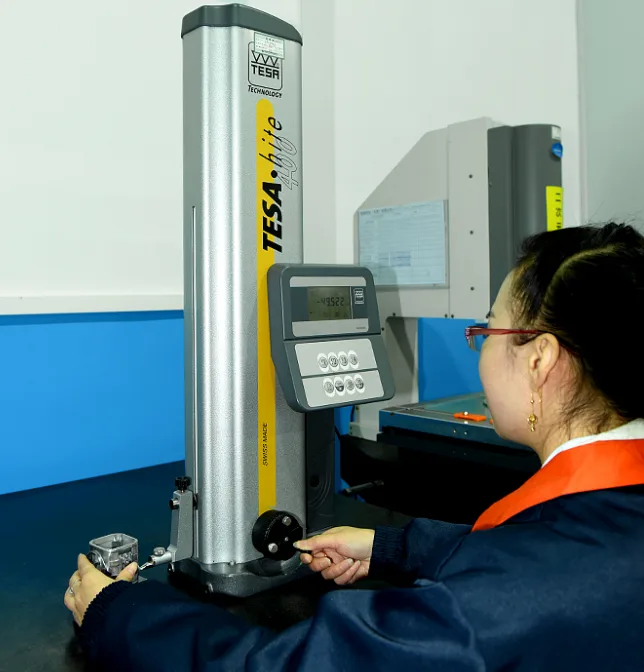
    Polyethylene parts can flex during clamping and recover after machining. The material grade, wall thickness, temperature, and measurement pressure may also affect inspection results. BatchMach Precision develops the inspection plan around these material characteristics and the approved drawing requirements.

    Material and Drawing Verification

    Before production, we confirm whether the specified material is HDPE, PE500, PE1000/UHMW-PE, or an ESD/antistatic grade. We also verify the color, stock form, critical tolerances, datums, fits, and functional surfaces. PE grades differ in rigidity, wear behavior, and dimensional stability and should not be treated as interchangeable.

    Dimensional Inspection After Unclamping

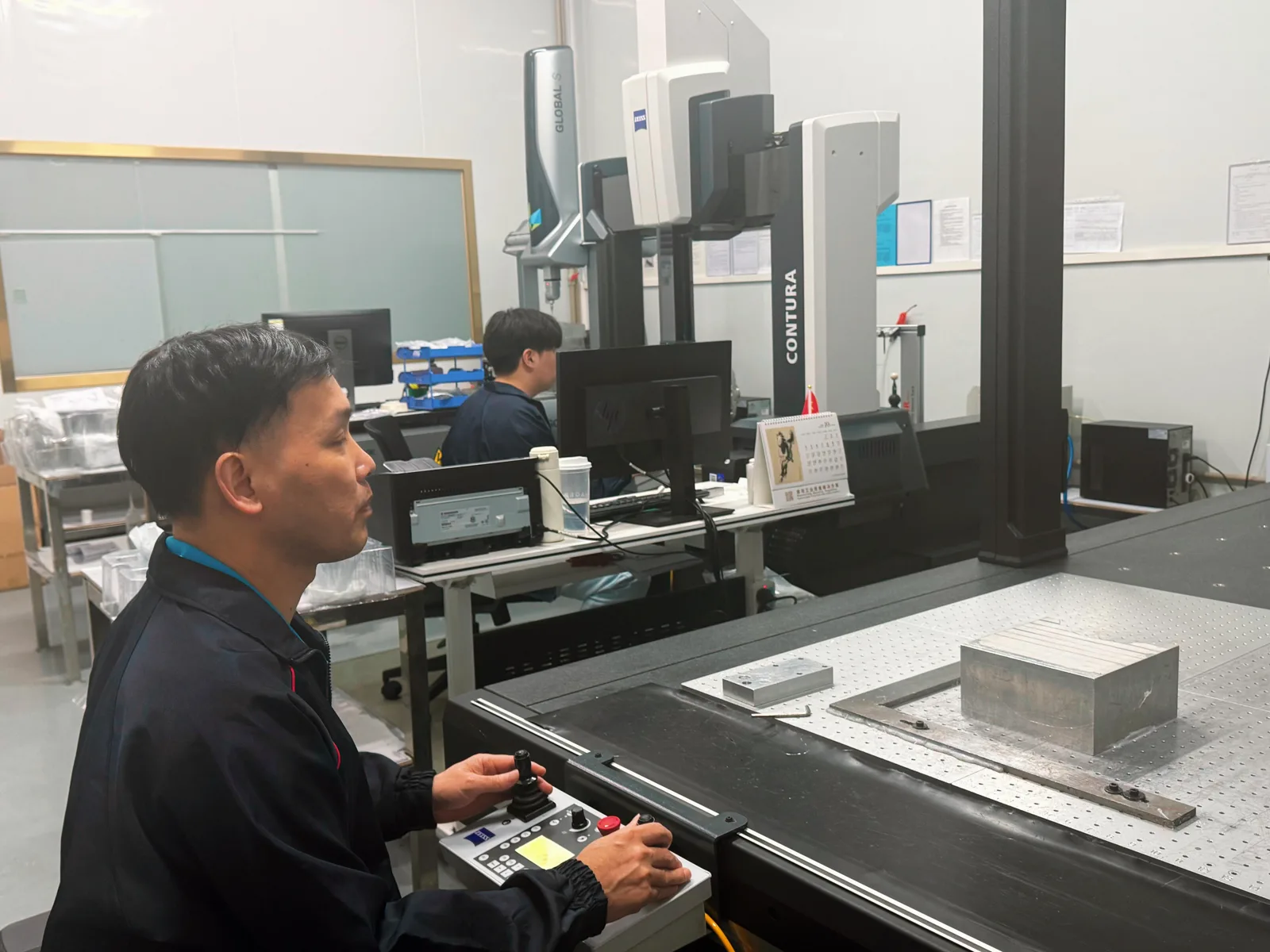
    ZEISS CONTURA and Hexagon CMMs, vision measurement systems, TESA height gauges, and Mitutoyo precision measuring tools are used to inspect bores, hole positions, wall thickness, flatness, parallelism, profiles, and mating dimensions. Distortion-sensitive features can be rechecked after the part has been released from the fixture and allowed to stabilize.

    Surface and Feature Inspection

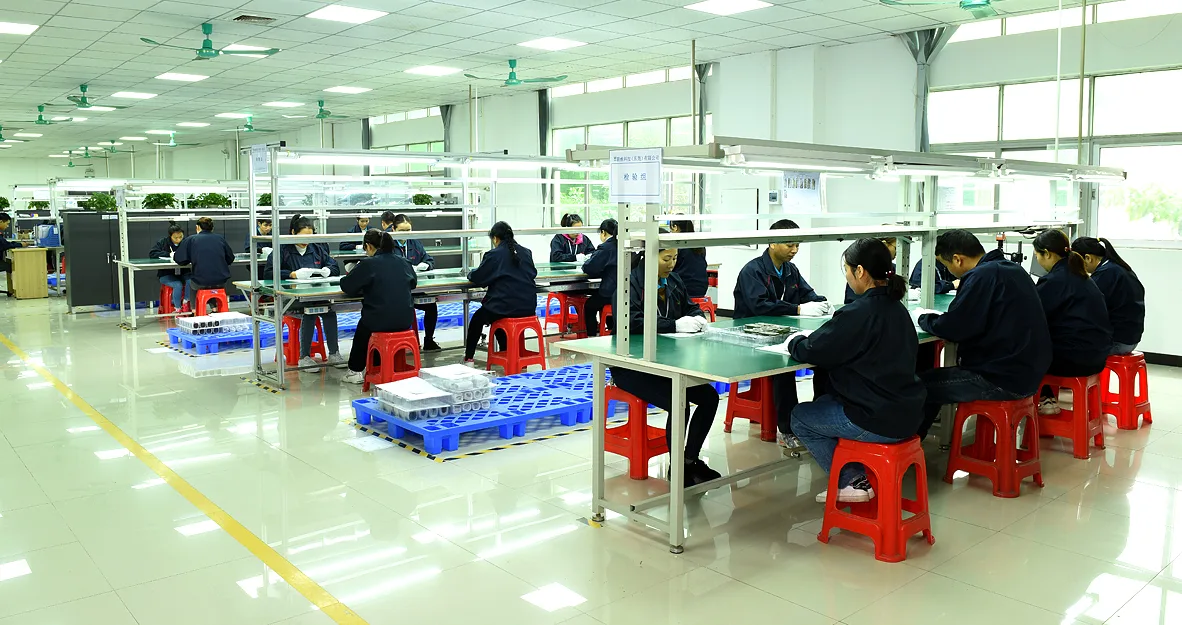
    Before shipment, we inspect machined surfaces, edges, holes, threads, grooves, sliding surfaces, and sealing features for burrs, scratches, deformation, and incomplete machining. The final quantity, critical dimensions, and specified surface requirements are verified against the approved drawing before release.

    Quality Inspection for Polyethylene CNC Machining
    Quality Inspection for Polyethylene CNC Machining
    Quality Inspection for Polyethylene CNC Machining

    Why Choose BatchMach Precision for Polyethylene CNC Machining

    Experienced in Machining PE

    /01

    Experienced in Machining PE

    BatchMach Precision understands how different PE grades respond to cutting, workholding, and material removal. We adjust tooling, cutting parameters, clamping methods, and machining sequences to manage stringy chips, soft burrs, heat-related movement, and elastic recovery.

    Machining Processes Matched to Part Geometry

    /02

    Machining Processes Matched to Part Geometry

    Our capabilities include 3-axis, 4-axis, and 5-axis milling, horizontal machining, CNC turning, and mill-turn machining. We select the process according to the part’s datums, tool access, wall thickness, overall size, and production quantity.

    No MOQ and Factory-Direct Production

    /03

    No MOQ and Factory-Direct Production

    We support one-off prototypes, replacement parts, low-volume orders, and repeat production with no minimum order quantity. Direct communication with our factory helps shorten quotation and production decisions. Simple orders can be delivered in as fast as one day once the drawing, material, and project requirements are confirmed.

    Ready to start your next machining project?

    Get a Quote

    Polyethylene CNC Machining FAQ

    Yes. HDPE, UHMW-PE, and other machinable polyethylene grades can be milled, turned, drilled, and routed from sheet, rod, tube, or block. CNC machining requires no mold tooling, making it suitable for custom components, prototypes, replacement parts, and production quantities.

    BatchMach Precision machines HDPE, PE500, UHMW-PE, and selected modified grades such as antistatic or ESD polyethylene. Material availability depends on the required grade, color, stock form, dimensions, and documentation. We confirm the exact material designation before production rather than treating every polyethylene grade as interchangeable.

    Choose HDPE when rigidity, dimensional control, and material cost are the main considerations. Choose UHMW-PE when the component requires lower friction, better abrasion resistance, or repeated impact performance. The final selection should also consider temperature, load, mating surfaces, chemicals, and tolerance requirements.

    BatchMach Precision can achieve tolerances down to ±0.005 mm on CNC-machined polyethylene parts.

    We use sharp cutting tools, controlled cutting parameters, effective chip evacuation, and low-stress workholding. Distortion-sensitive parts may be rough-machined first, released or repositioned, and then finish-machined after the material has stabilized. Critical dimensions can be checked in a free state at a controlled temperature.

    Yes. BatchMach Precision has no minimum order quantity and supports one-off prototypes, replacement parts, low-volume orders, and repeat production. When quantities increase, we can optimize stock layout, workholding, machining sequences, and cycle time for more consistent production.

    Pricing depends on the PE grade, stock size, material yield, part geometry, tolerance, machining time, inspection requirements, and order quantity. Simple parts can be delivered in as fast as one day after the drawing, material availability, quantity, and technical requirements are confirmed. Batch orders are quoted according to the required production schedule.

    BatchMach Precision controls quality through material verification, first-article inspection, in-process checks, and final inspection. For critical dimensions affected by temperature, clamping pressure, or elastic recovery, we inspect the part after it has been released from the fixture and stabilized, using ZEISS and Hexagon CMMs and other precision measuring equipment according to the approved drawing.

    Explore More CNC Machining Materials

    Beyond polyethylene (PE), BatchMach Precision offers CNC machining for nylon, POM (Delrin), PEEK, acrylic (PMMA), and polycarbonate (PC). Explore our other plastic machining services to compare materials based on your part’s strength, wear resistance, operating temperature, and appearance requirements.

    Free first-order sample for new customers

    Send your drawings today — get a free process evaluation, quotation within 24 hours, and flexible quarterly settlement for long-term partners.

    Upload Drawing & Get Quote