








Metal Materials

Custom Magnesium CNC Machining Services

BatchMach Precision provides Magnesium CNC Machining Services for prototypes, low-volume orders, and production parts. With two direct manufacturing facilities, we help customers shorten lead times, reduce sourcing costs, and maintain consistent quality for custom magnesium components. Our machining process is optimized for magnesium alloys to deliver accurate dimensions, reliable surface quality, and stable production from prototype to repeat orders.

  • Fast Lead TimesFlexible production scheduling helps shorten turnaround for prototypes and urgent orders.
  • Factory-Direct PricingDirect manufacturing reduces unnecessary sourcing markups and keeps procurement costs competitive.
  • ±0.005 mm Precision MachiningTight dimensional control for critical features and precision magnesium components.
  • No MOQOrder from a single prototype to low-volume and repeat production.
    Custom Magnesium CNC Machining Services part

    Upload Your CAD Files for a Quote

    Drop your CAD file here or click to browseSupported: STEP, STP, IGES, SLDPRT, DXF, DWG, PDF

    Your files are secure and confidential · Max file size: 100 MB

    19+

    Years of Experience

    250+

    Machines & Testing Equipment

    11,000 m²

    Manufacturing Area

    200+

    Skilled Staff

    ISO

    9001 / 13485 / AS9100D

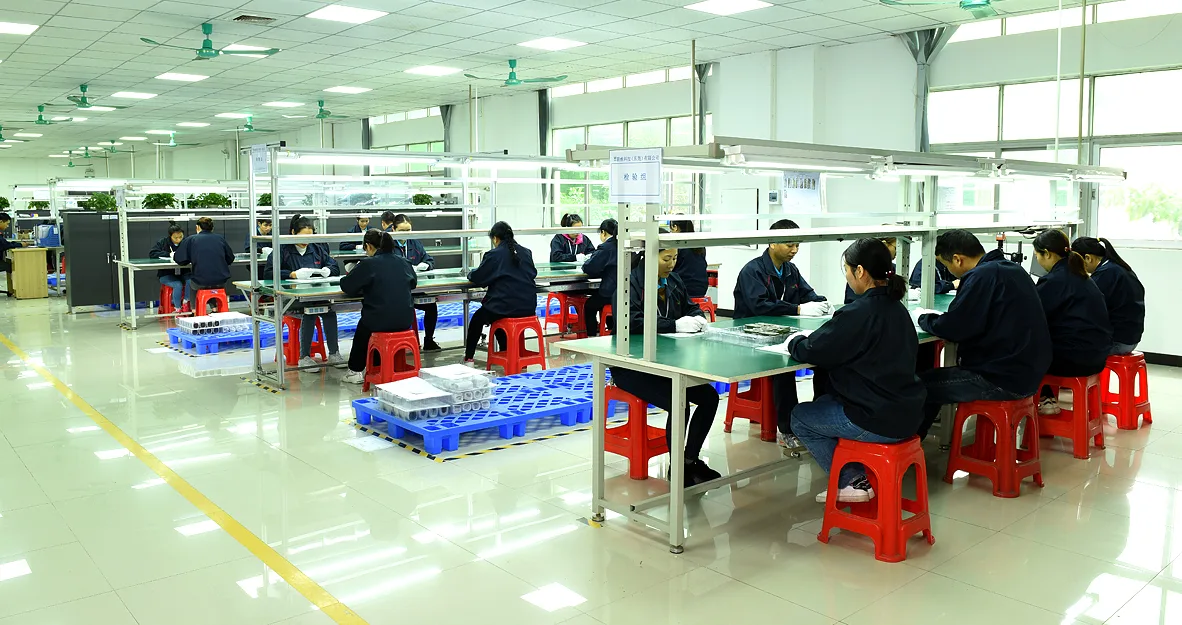
    With years of experience in batch production and precision inspection of complex parts, we manufacture and inspect components to drawing requirements, covering critical dimensions, geometric tolerances, and material specifications. We provide complete measurement reports and material certificates to ensure delivered parts meet the specified requirements.

    Trusted by
    numerous companies

    CNC Machining Capabilities for Custom Magnesium Parts

    Magnesium CNC Milling

    Magnesium CNC Milling

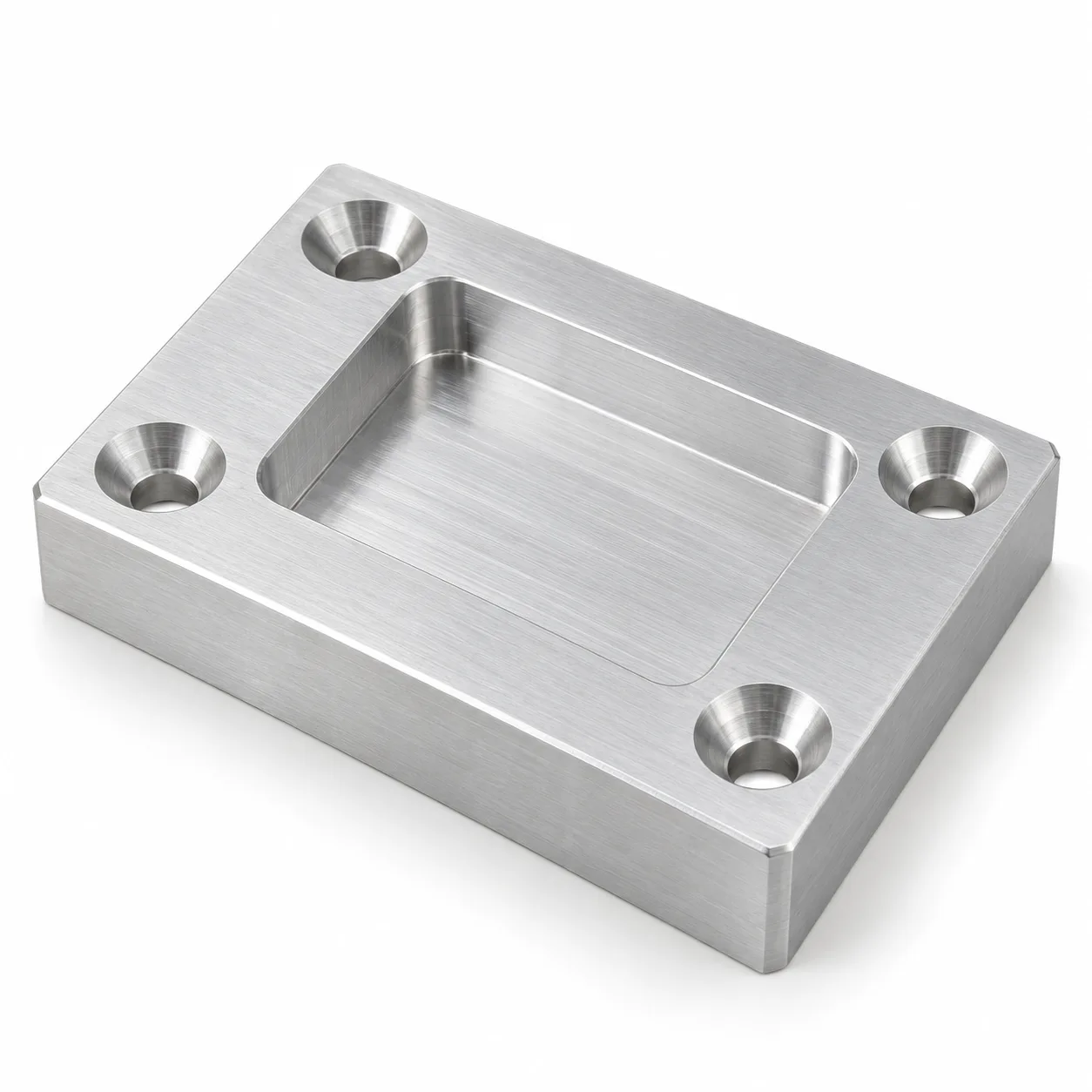
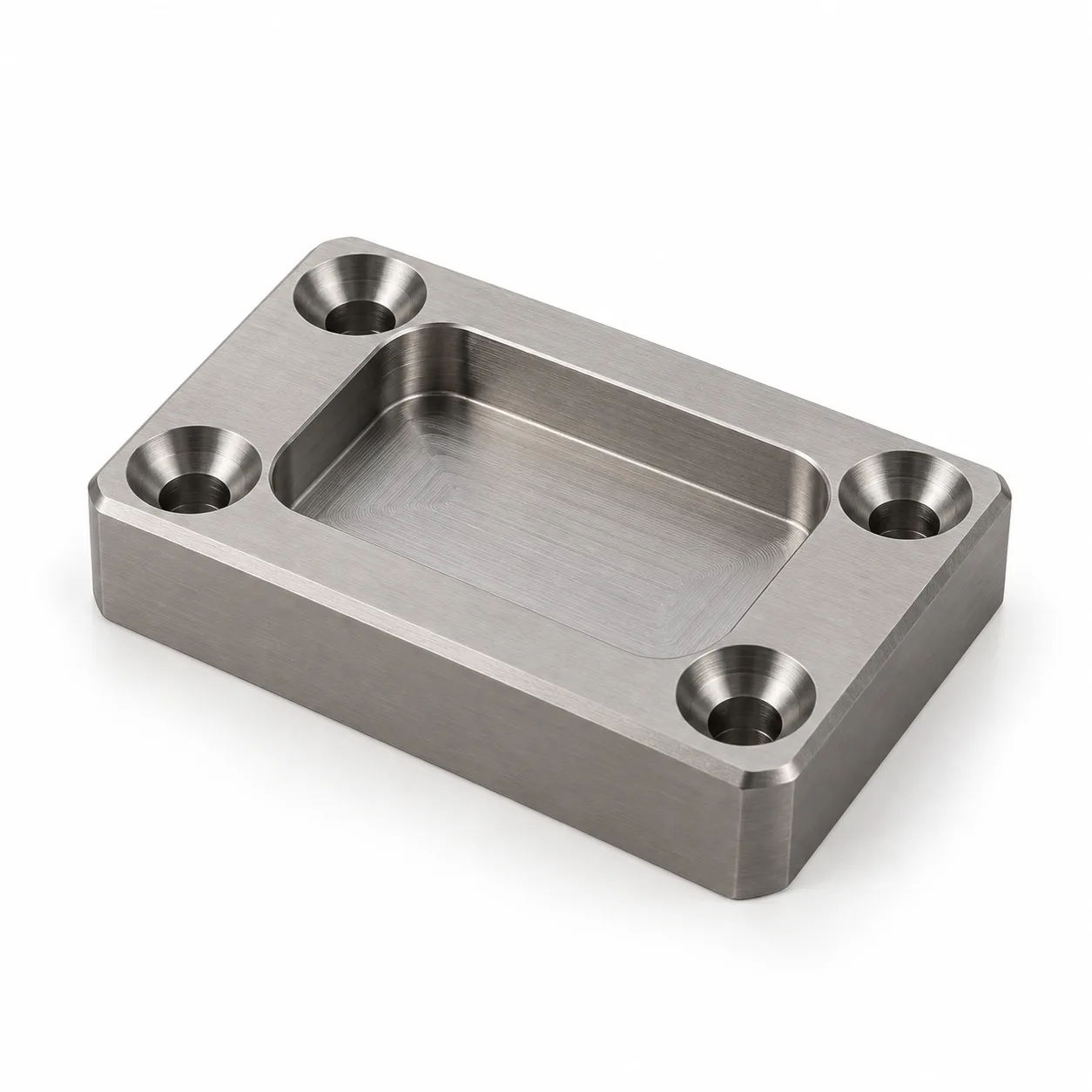
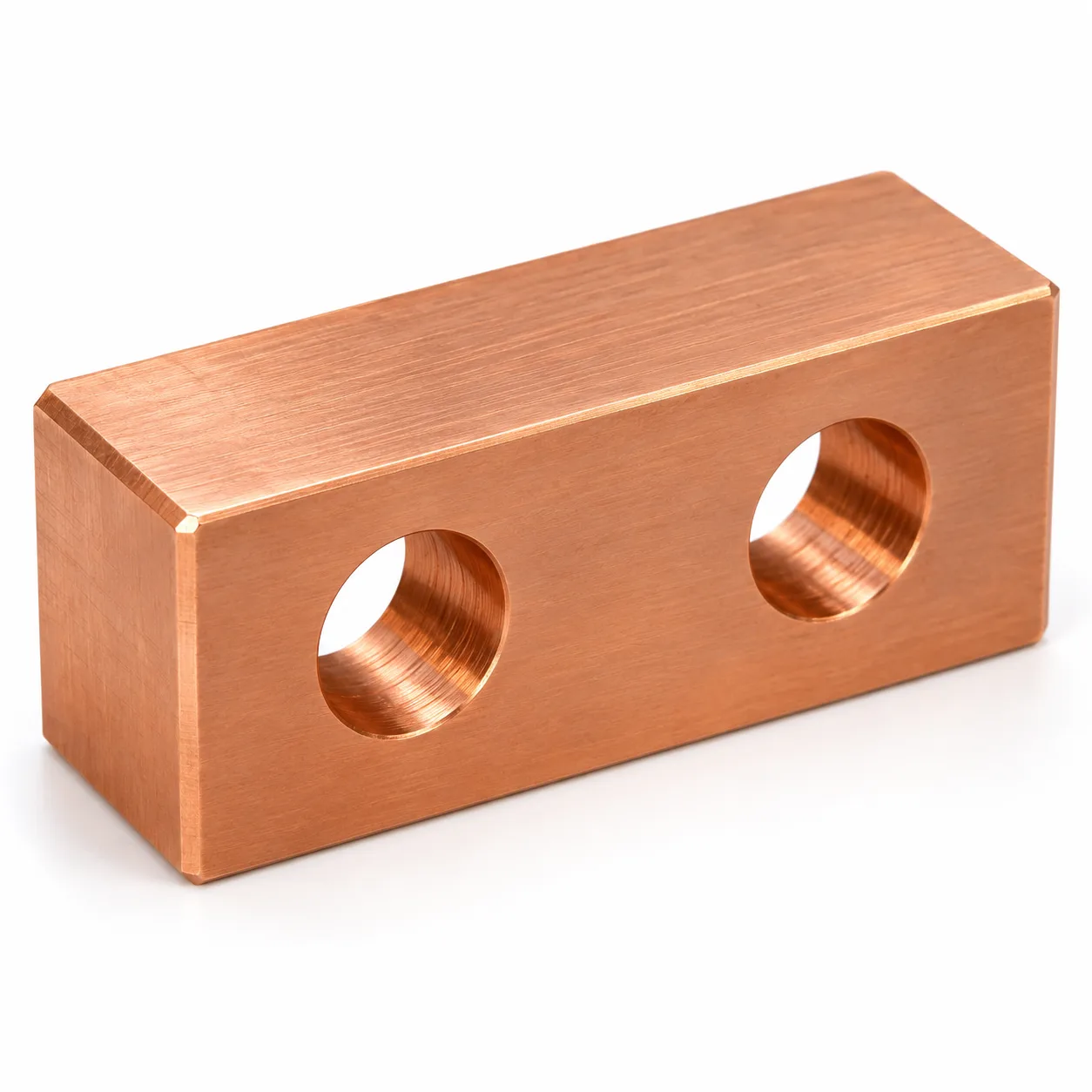
    CNC milling is typically used for parts with flat surfaces, cavities, hole patterns, and contoured features, such as housings, covers, and mounting brackets. Three-axis machining is suitable for relatively simple geometries, while four-axis machining can reduce repeated setups when side holes or multiple faces need to be machined.
    Magnesium CNC Turning

    Magnesium CNC Turning

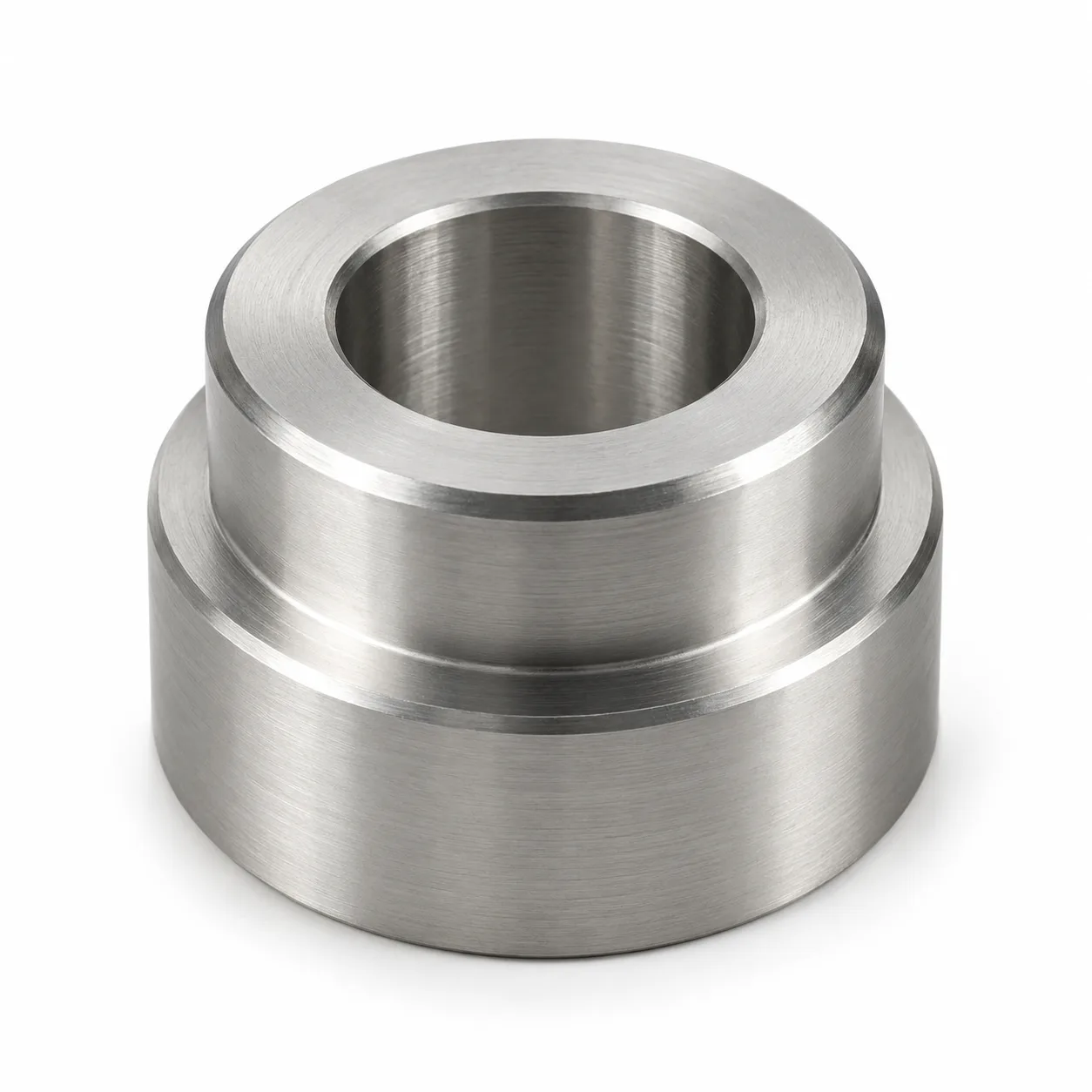
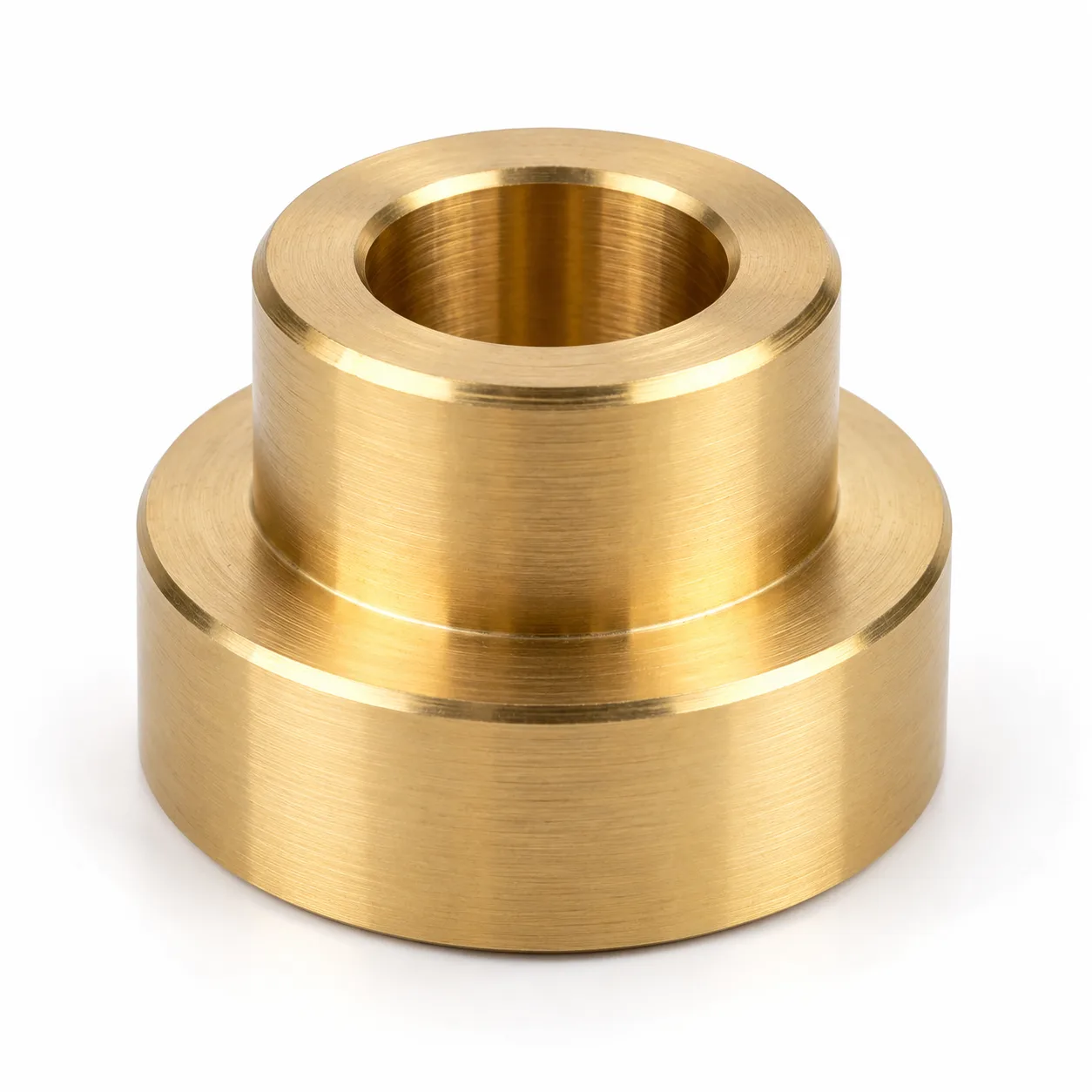
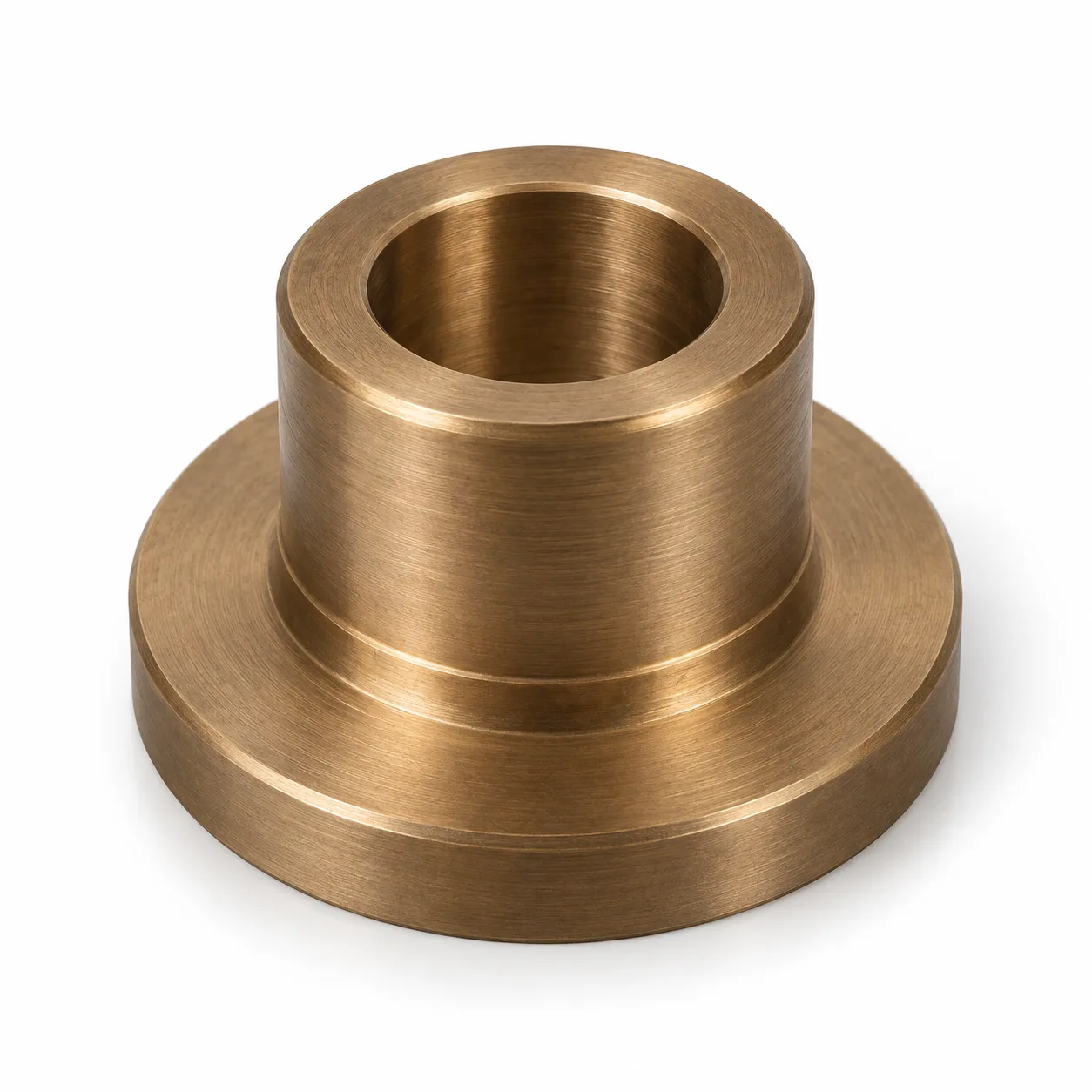
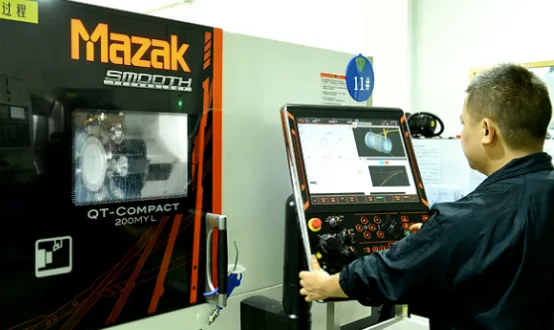
    CNC turning is better suited for rotational parts such as shafts, sleeves, rings, and threaded components. If the part also includes off-center holes, flats, or milled slots, mill-turn machining can reduce process changes and help maintain coaxiality and positional accuracy.

    5-Axis Machining for Complex Magnesium Parts

    5-Axis Machining for Complex Magnesium Parts

    Five-axis machining is recommended for parts with compound surfaces, angled holes, deep cavities, or precision features in multiple orientations. Machining more surfaces in a single setup helps maintain the positional relationship between features, making this process particularly suitable for complex lightweight components.

    Precision CNC Machining for Magnesium Parts

    Precision CNC Machining for Magnesium Parts

    Depending on the part geometry, magnesium components can be produced using three-axis, four-axis, five-axis, horizontal, or mill-turn machining. The process plan should consider the material condition, wall thickness, critical tolerances, and surface finishing requirements, with particular attention to thin-wall distortion, hole-position errors, and coating buildup on mating features.

    Common Magnesium Alloys for CNC Machining

    Magnesium Alloy AZ31B

    AZ31B is a wrought magnesium alloy known for its low weight, good formability, weldability, and machinability. Commonly supplied in sheet, plate, bar, and forgings, it is well suited to thin-walled parts and lightweight structures that require a balance of strength and formability. AZ31B is widely used for aerospace panels, electronics housings, brackets, camera components, and prototype parts.

    250–275

    Tensile Strength (MPa)

    190–200

    Yield Strength (MPa)

    6–10

    Elongation at Break (%)

    60–73

    Hardness (Brinell)

    1.77–1.78

    Density (g/cm³)

    Material properties are typical values and may vary with temper, heat treatment, product form, casting process, section thickness, applicable specification, and test method. Confirm the required alloy condition and material standard before production.

    Applications of Magnesium CNC Machining

    /01

    Aerospace

    In aerospace applications, magnesium alloys are valued for their low density and high strength-to-weight ratio, making them suitable for weight-sensitive components. CNC machined magnesium parts are commonly used for equipment housings, brackets, mounting structures, instrument frames, and other lightweight structural components that require accurate dimensions and reliable assembly.

    /02

    Automotive

    In the automotive industry, magnesium alloys are used to reduce component weight without adding unnecessary bulk. CNC machining is suitable for housings, brackets, mounting components, structural parts, and other lightweight components used in both conventional vehicles and EV systems.

    /03

    Electronics

    In electronics, magnesium combines low weight, good rigidity, thermal conductivity, and EMI shielding performance. CNC machined magnesium components are used for electronic housings, laptop frames, communication equipment enclosures, heat-dissipation structures, and precision mounting parts.

    /04

    Robotics & UAV

    Robotics and UAV systems benefit from lightweight components that reduce moving mass and improve overall system efficiency. Magnesium CNC machining is used for frames, housings, camera mounts, brackets, and other structural components that require a balance of low weight, rigidity, and dimensional accuracy.

    /05

    Industrial Equipment

    In industrial equipment, magnesium alloys are suitable for components that require lightweight construction, good machinability, and dimensional stability. CNC machining can produce instrument housings, equipment frames, mounting plates, enclosures, and precision mechanical parts with consistent dimensions across repeat production.

    Surface Finishes for CNC Machined Magnesium Parts

    As Machined

    As Machined surface finish sample

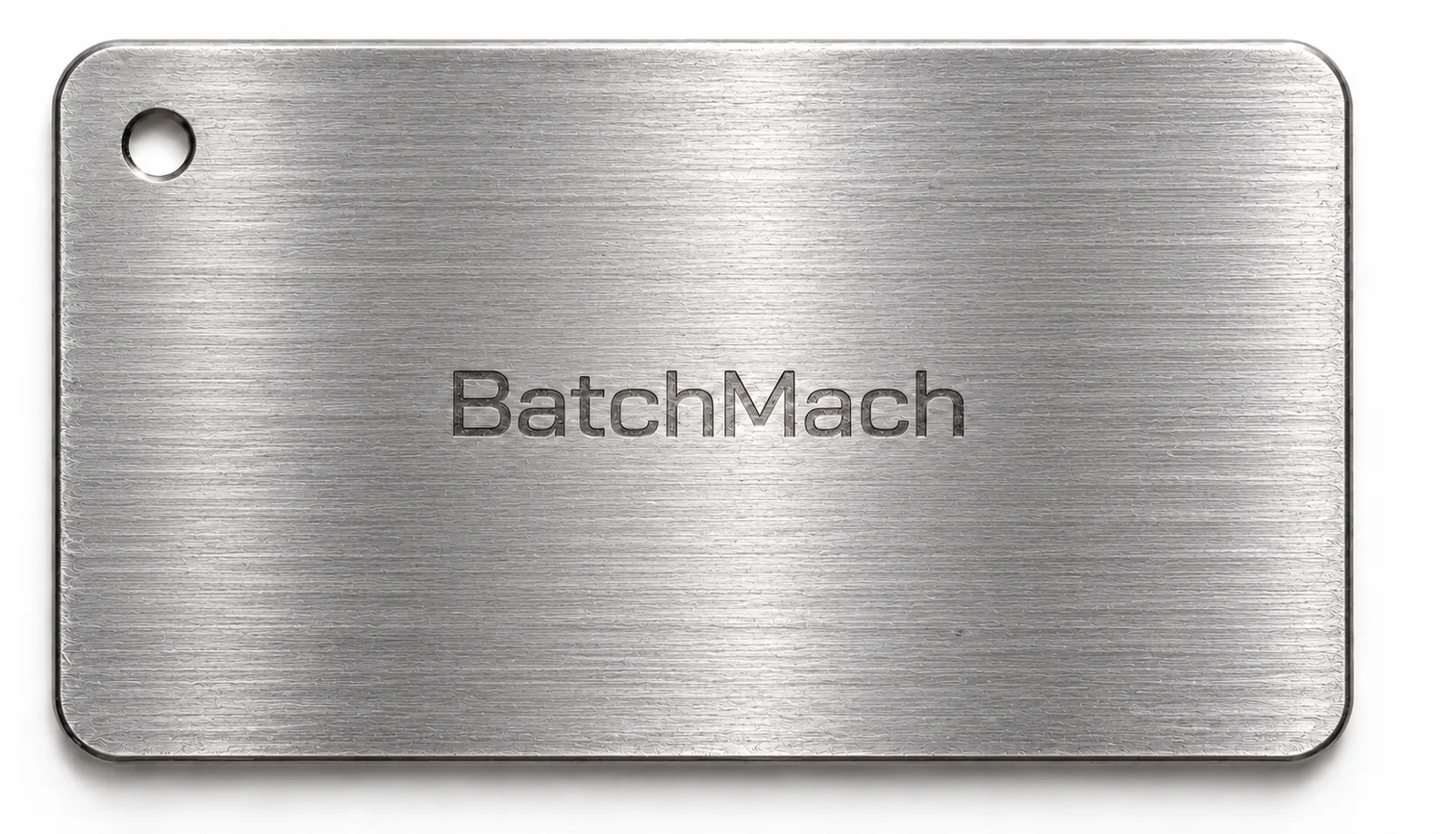
    As-machined magnesium parts retain the original CNC tool marks without additional coating. This finish is suitable for prototypes, internal components, and parts that will receive subsequent surface treatment, but it is generally not recommended for long-term exposure to corrosive environments.

    Chemical Conversion Coating

    Chemical Conversion Coating surface finish sample

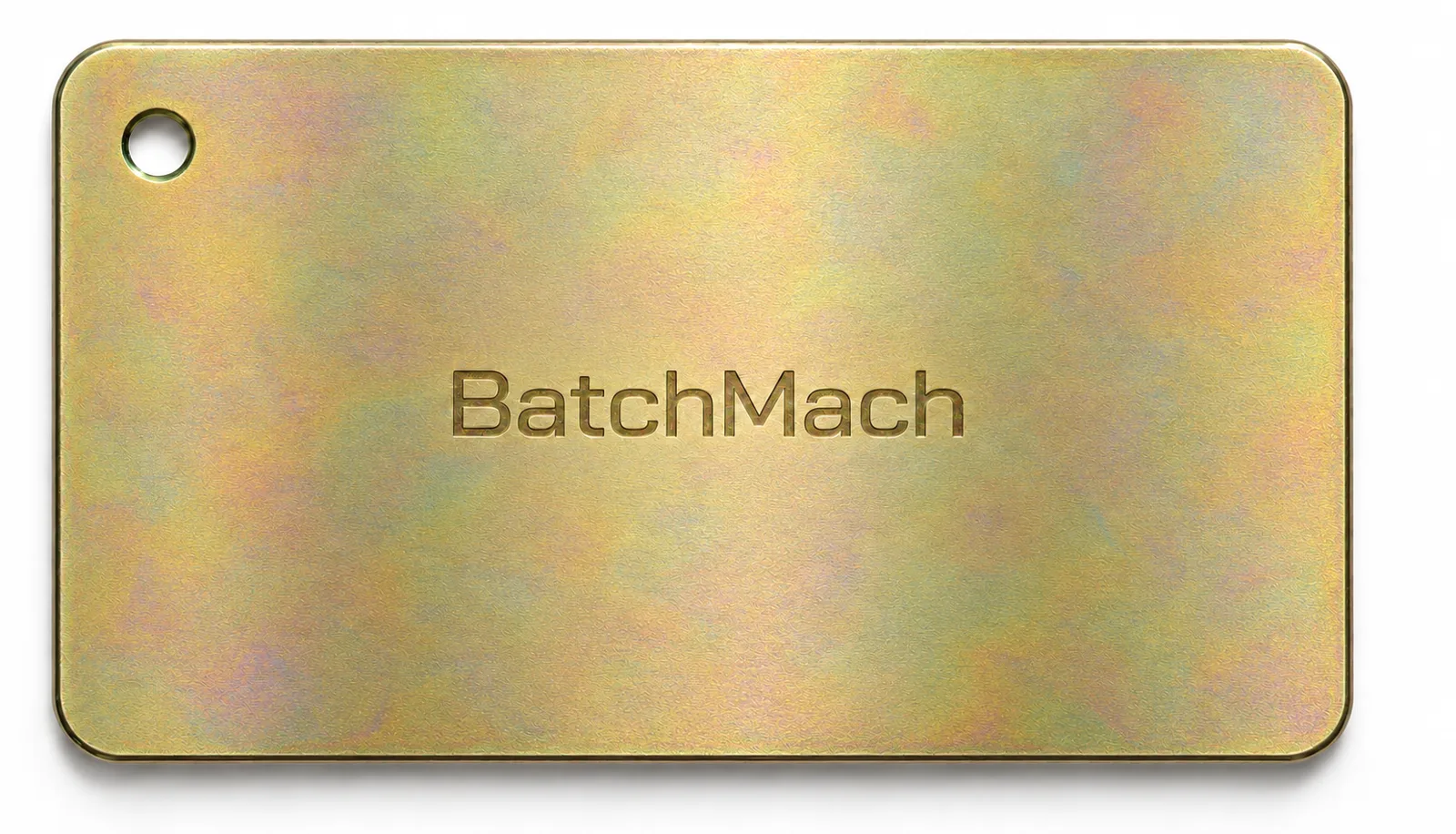
    Chemical conversion coating is commonly used to improve the corrosion resistance of magnesium parts and provide a suitable base for painting or other coatings. It is often selected for housings, brackets, and structural components where dimensional change must be kept minimal.

    Anodizing / PEO

    Anodizing / PEO surface finish sample

    Anodizing and plasma electrolytic oxidation create a protective oxide layer on magnesium surfaces to improve corrosion resistance, wear resistance, and surface durability. PEO is particularly suitable for parts used in aerospace, automotive, and industrial applications where a harder and more robust surface is required.

    Electroless Nickel

    Electroless Nickel surface finish sample

    Electroless nickel plating provides a uniform metallic coating that improves surface hardness, wear resistance, and corrosion protection. Proper pretreatment is critical for magnesium because of its high chemical activity, especially on precision parts with threads, bores, or mating surfaces.

    Painting

    Painting surface finish sample

    Painting provides both corrosion protection and cosmetic appearance for magnesium housings, covers, and structural parts. Surface cleaning and pretreatment are important to achieve reliable coating adhesion and consistent appearance.

    Powder Coating

    Powder Coating surface finish sample

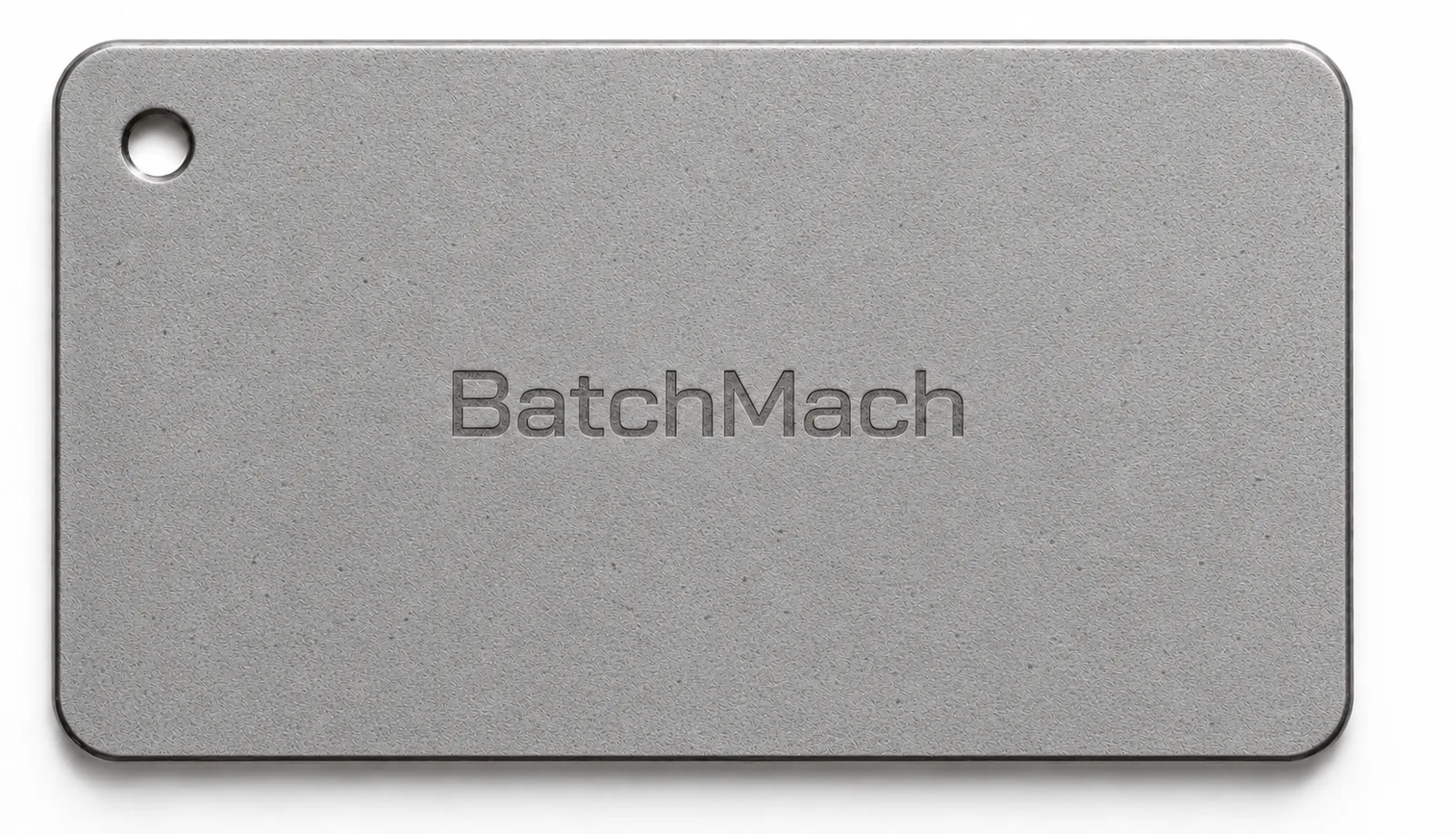
    Powder coating provides a durable protective layer with good corrosion resistance and a wide range of color and texture options. It is commonly used for magnesium housings, brackets, and equipment components, with masking applied to threads, holes, and precision mating areas when required.

    Electrophoresis / E-Coating

    Electrophoresis / E-Coating surface finish sample

    Electrophoretic coating provides relatively uniform coverage on complex magnesium parts, including recessed areas and difficult-to-reach surfaces. It is suitable for components requiring consistent corrosion protection before final assembly or additional finishing.

    PTFE Coating

    PTFE Coating surface finish sample

    PTFE coating is used when low friction, reduced sticking, or improved wear performance is required. It is suitable for sliding surfaces, guides, and functional magnesium components, while critical dimensions must be considered because the coating adds measurable surface thickness.

    Inside Our Magnesium CNC Machining Factory

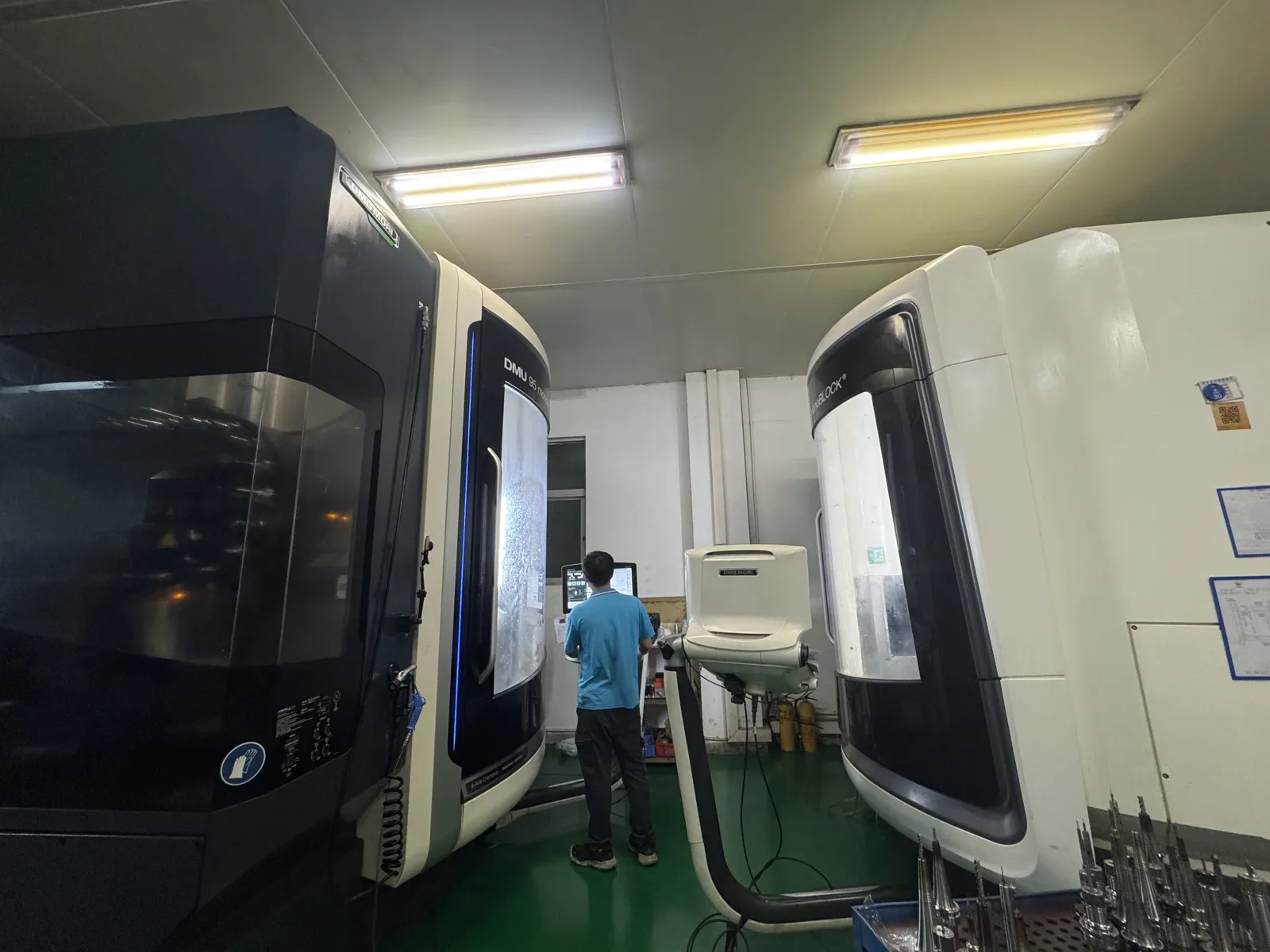
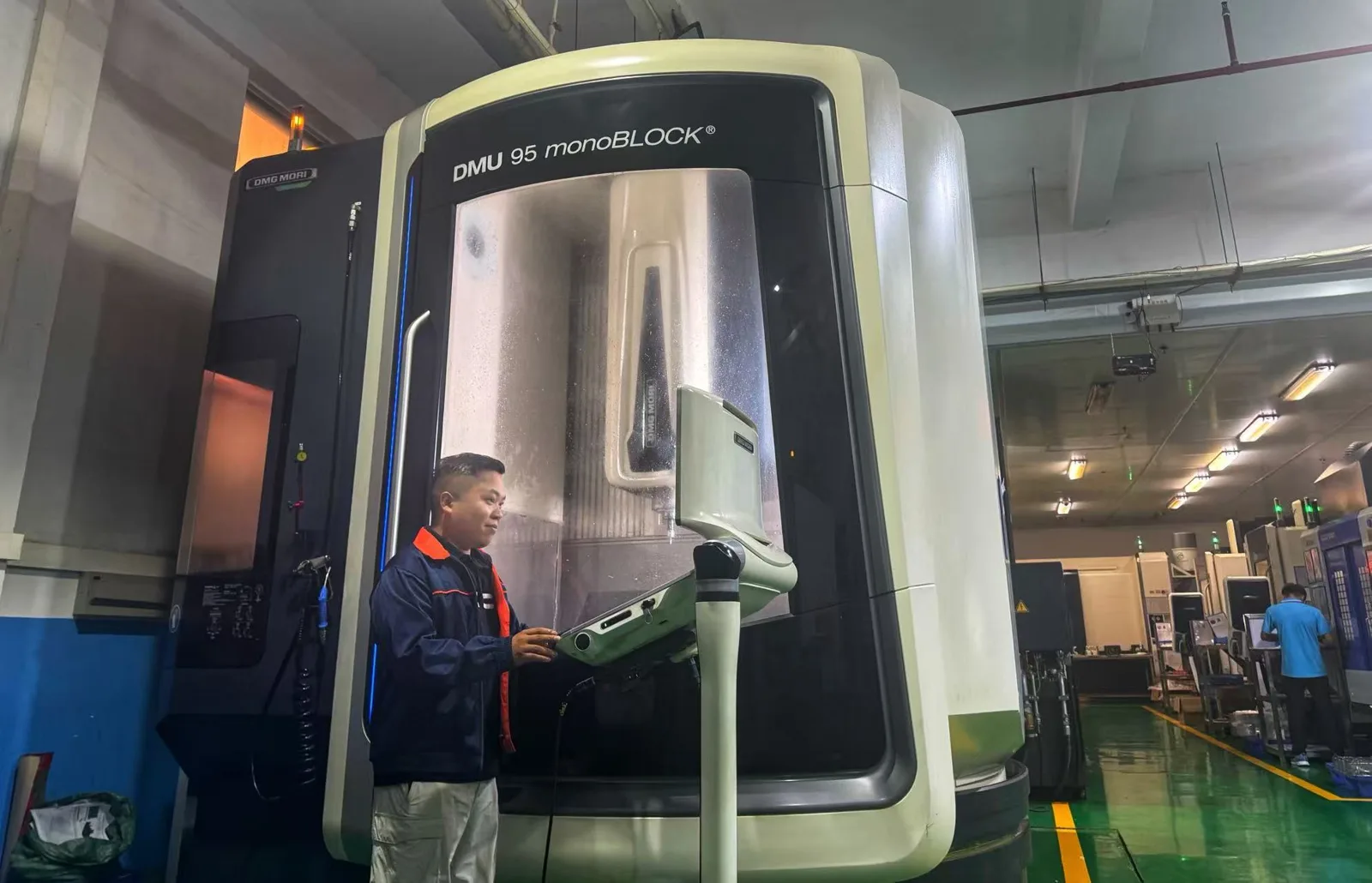
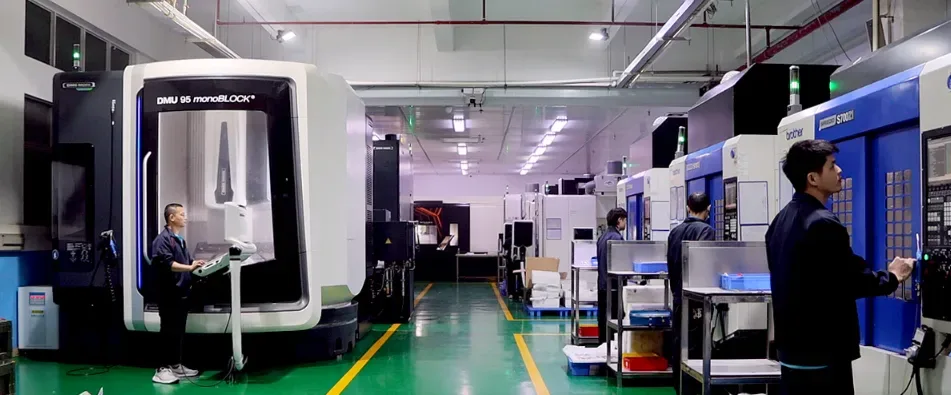
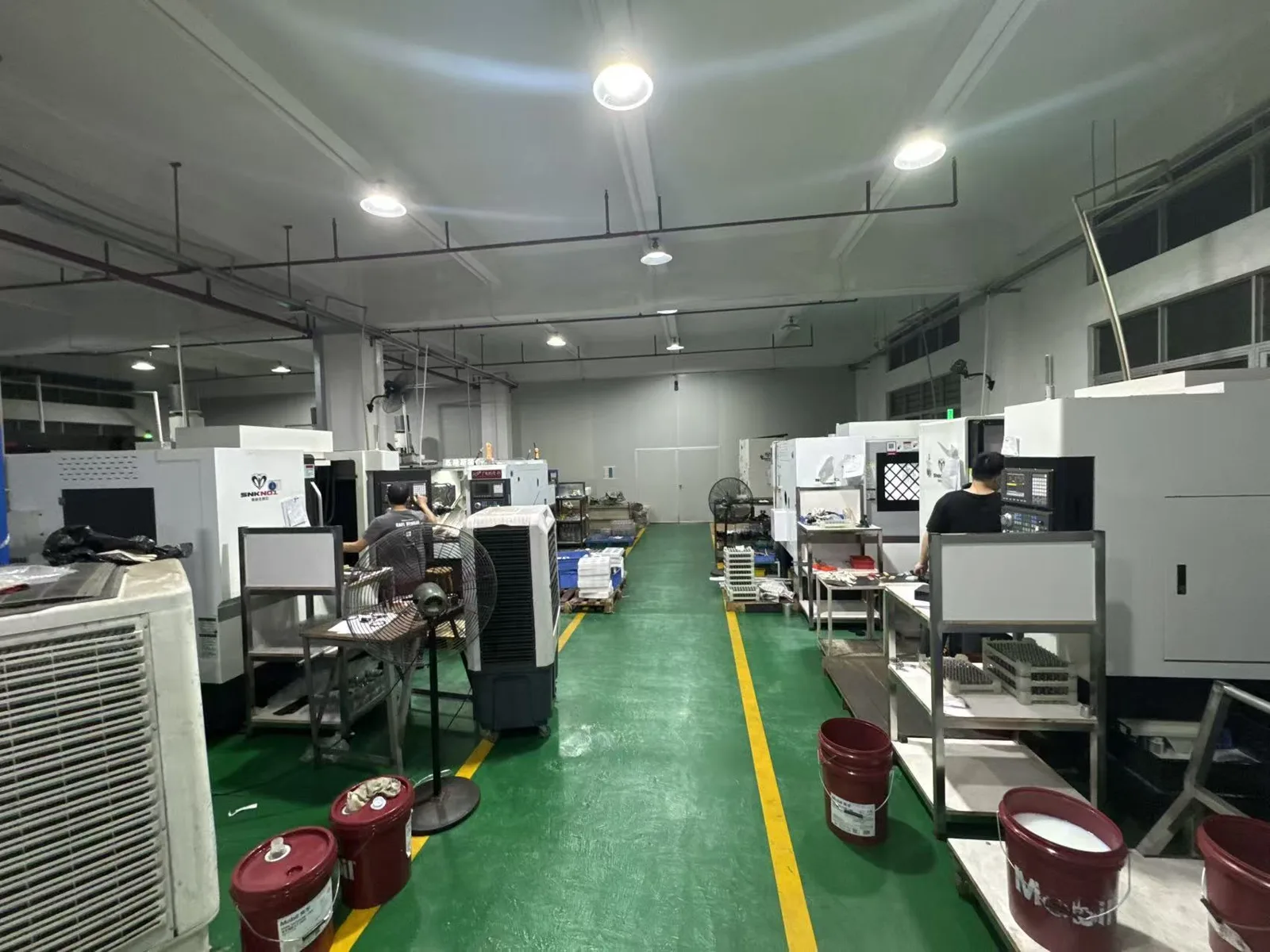
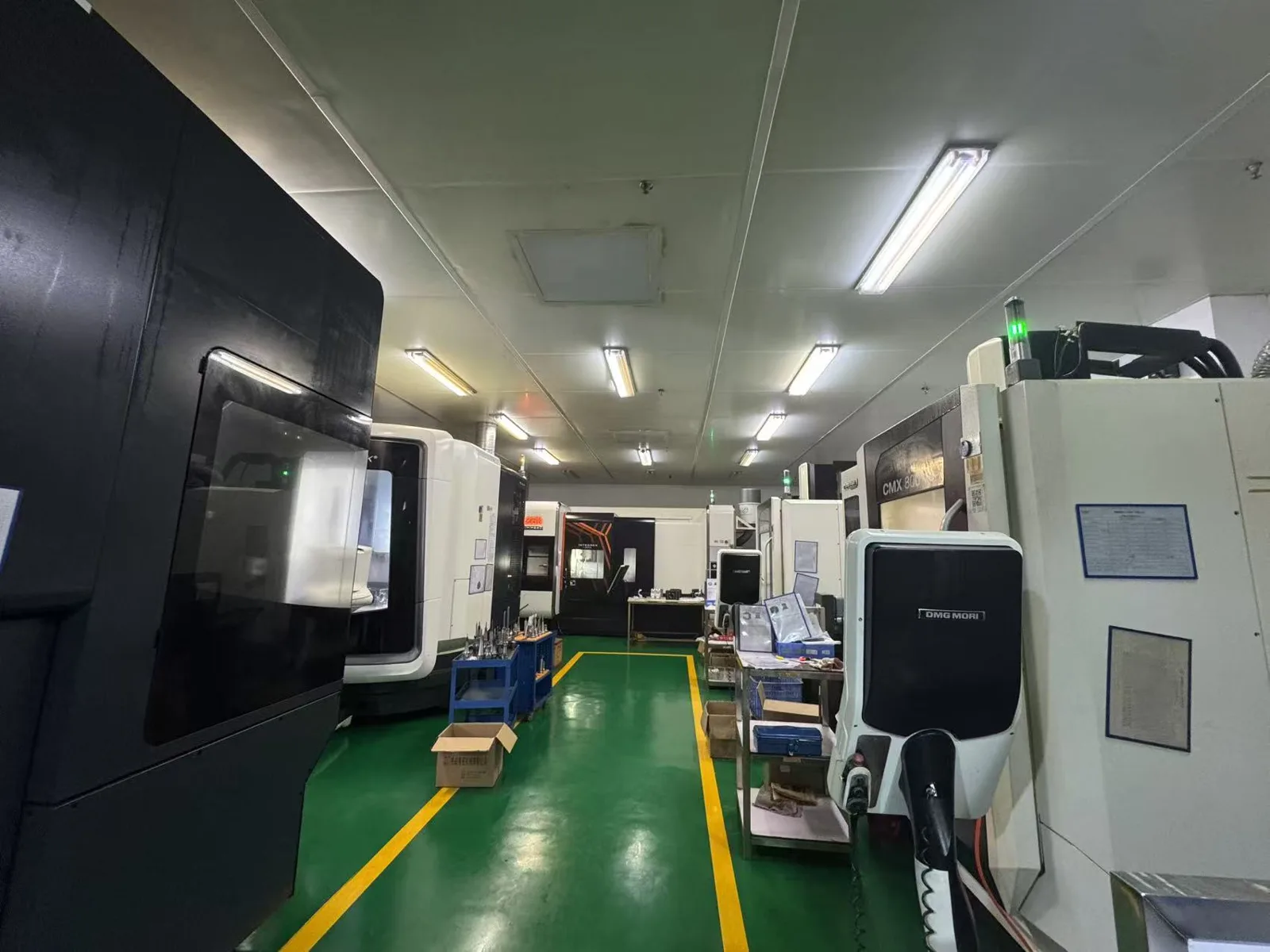
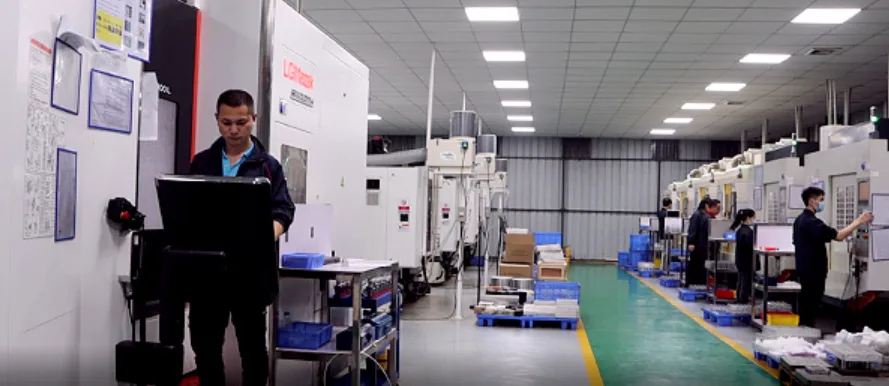
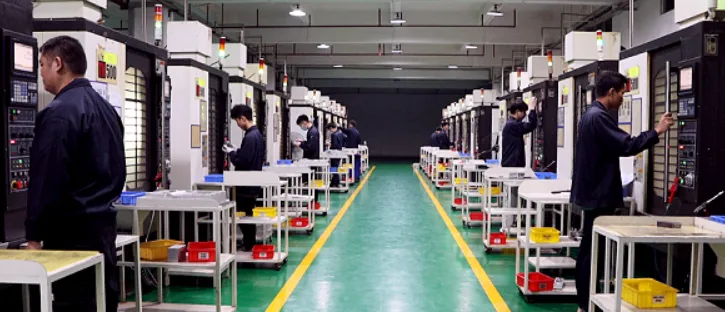
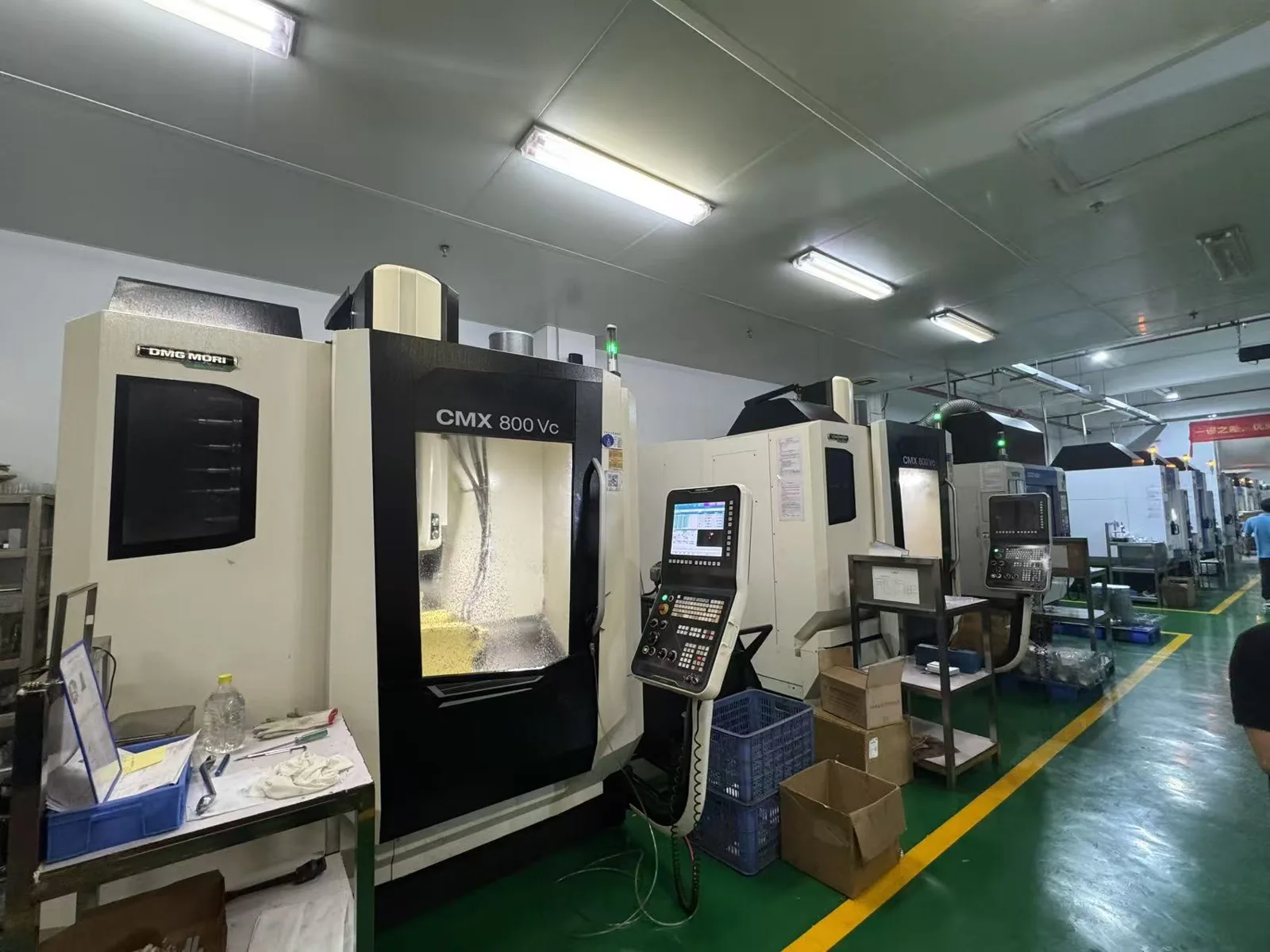
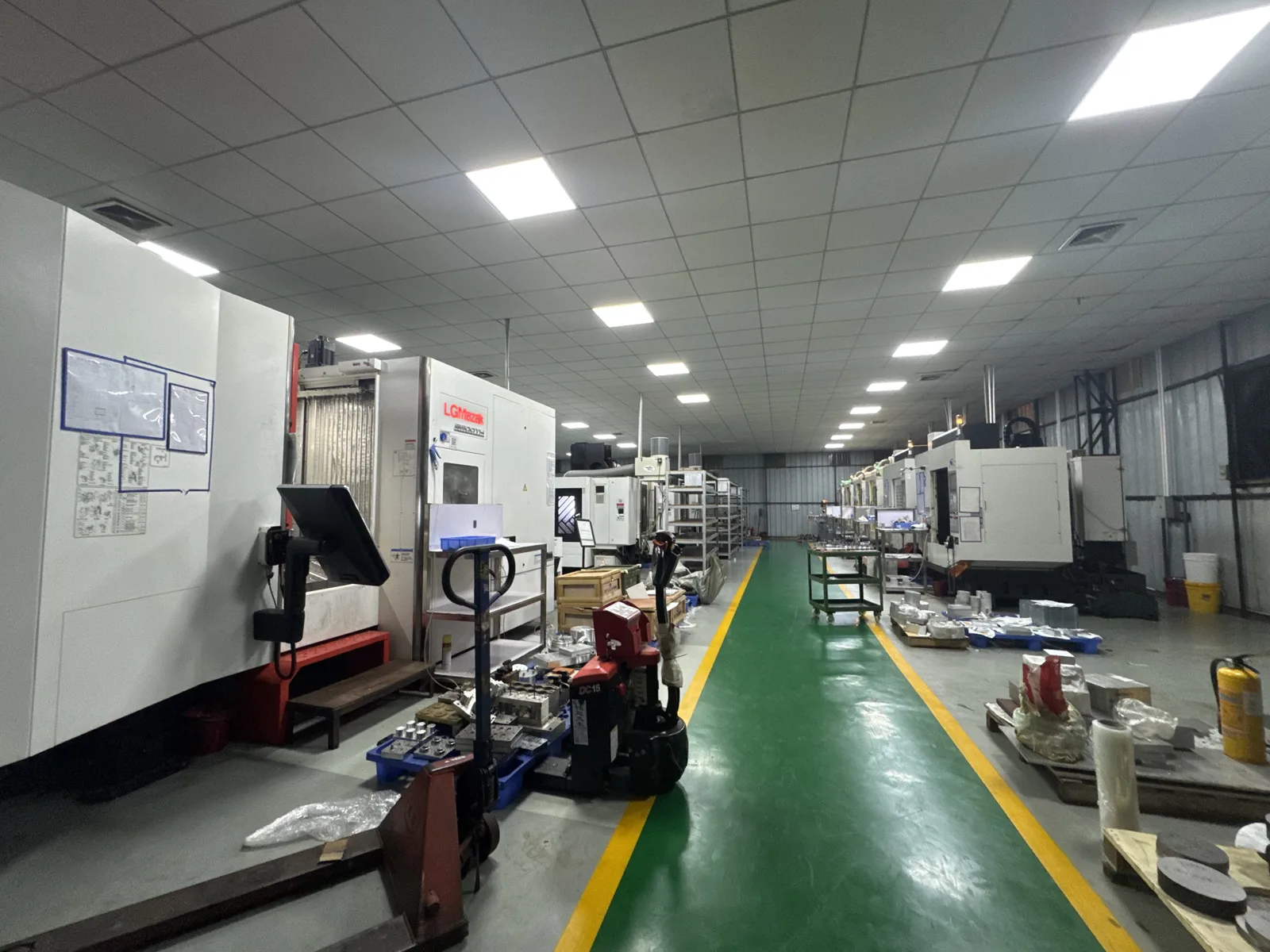
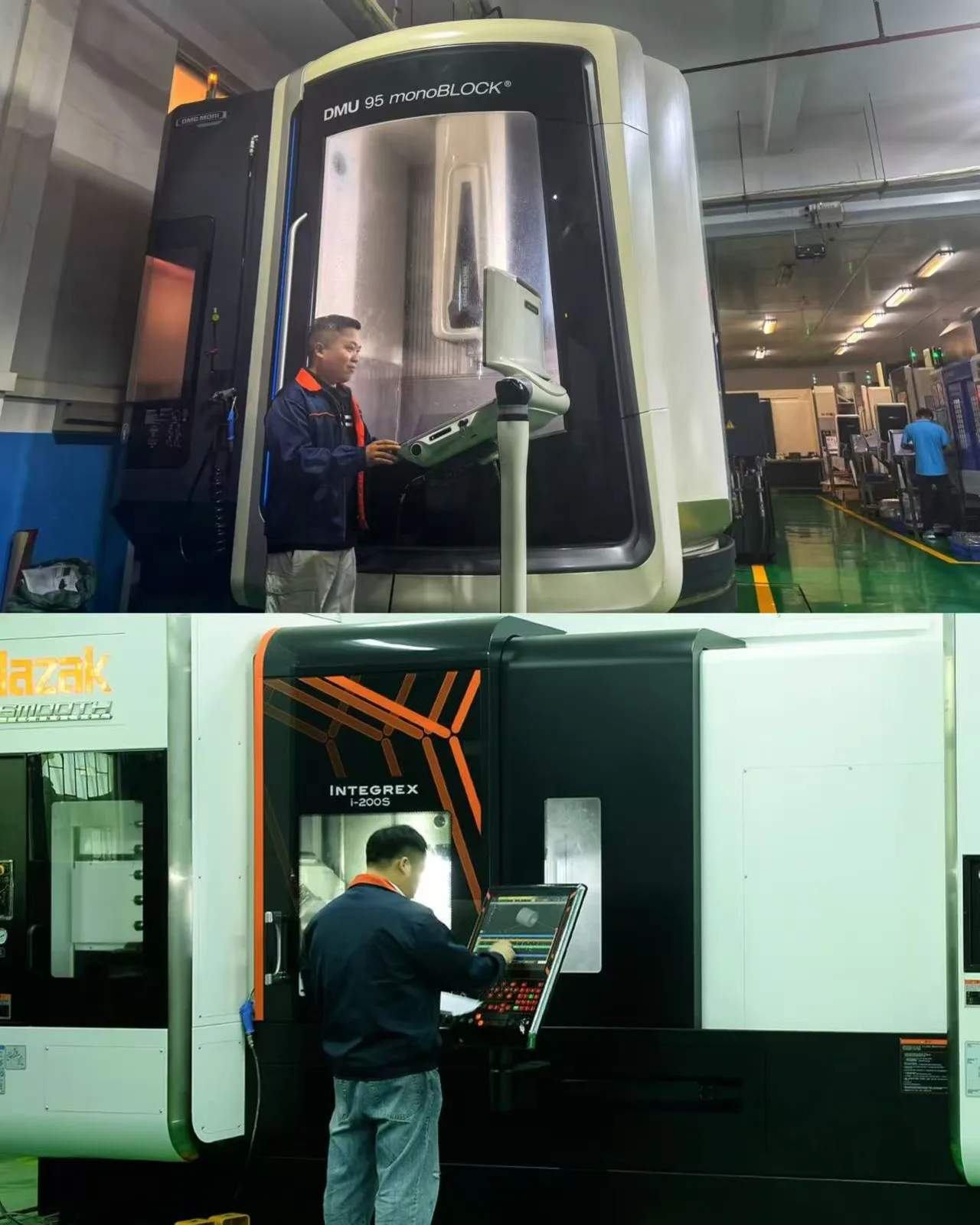
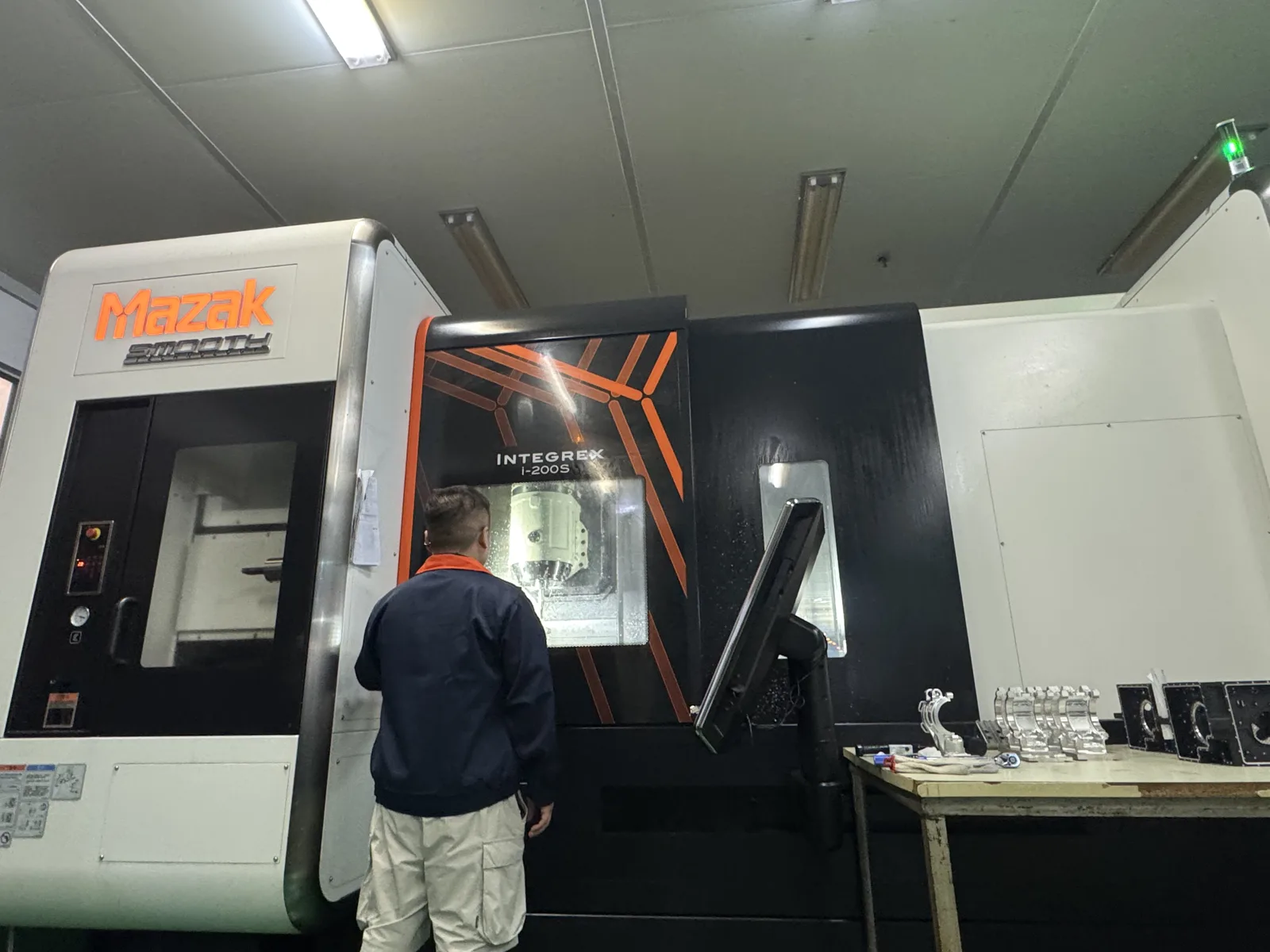
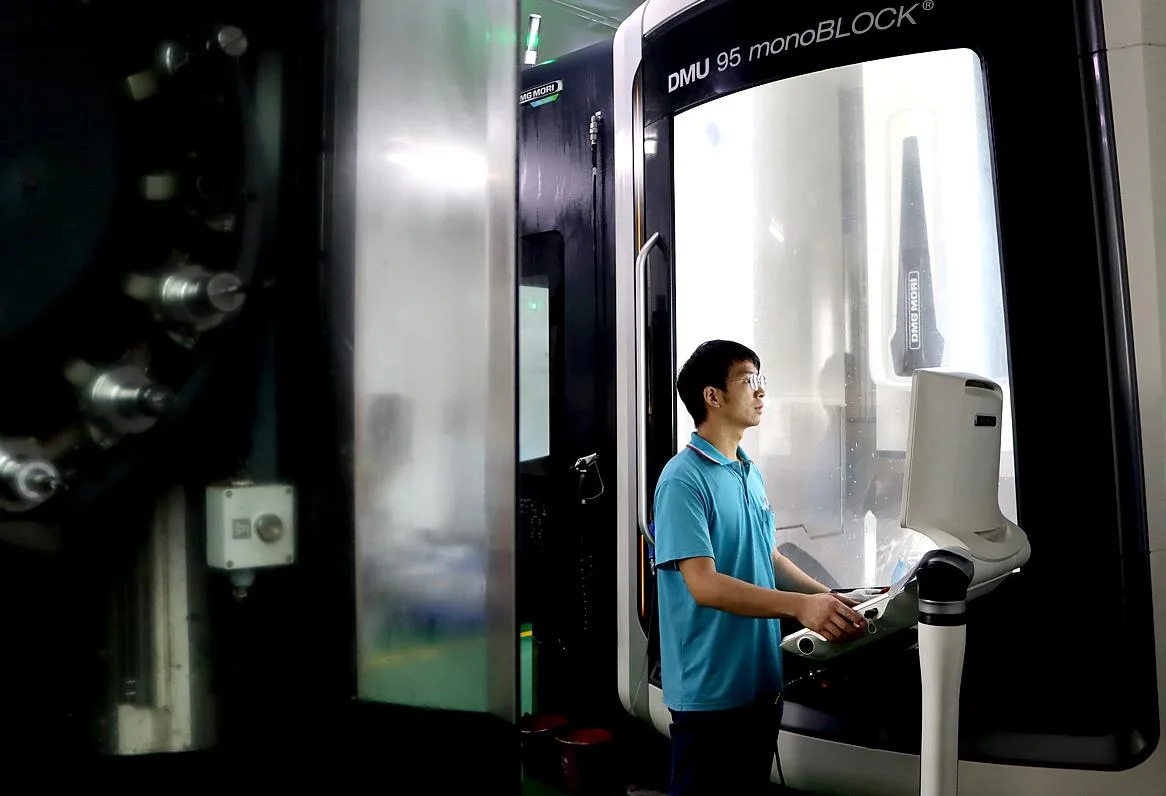
    Across our two ISO-certified facilities, we machine magnesium parts using 3-axis, 4-axis, 5-axis, horizontal machining, CNC turning, and mill-turn equipment. Production is controlled from material preparation and fixturing through machining, deburring, inspection, and final finishing, allowing us to support prototypes, low-volume orders, and repeat production with stable dimensional consistency.

    5-Axis Machining Centers

    5-Axis Machining Centers

    DMU 95 CNC Machining

    DMU 95 CNC Machining

    DMG MORI Workshop

    DMG MORI Workshop

    CNC Machining Workshop

    CNC Machining Workshop

    CNC Production Line

    CNC Production Line

    CNC Production Workshop

    CNC Production Workshop

    Aerospace CNC Milling

    Aerospace CNC Milling

    Large-Part CNC Workshop

    Large-Part CNC Workshop

    Large-Part Machining

    Large-Part Machining

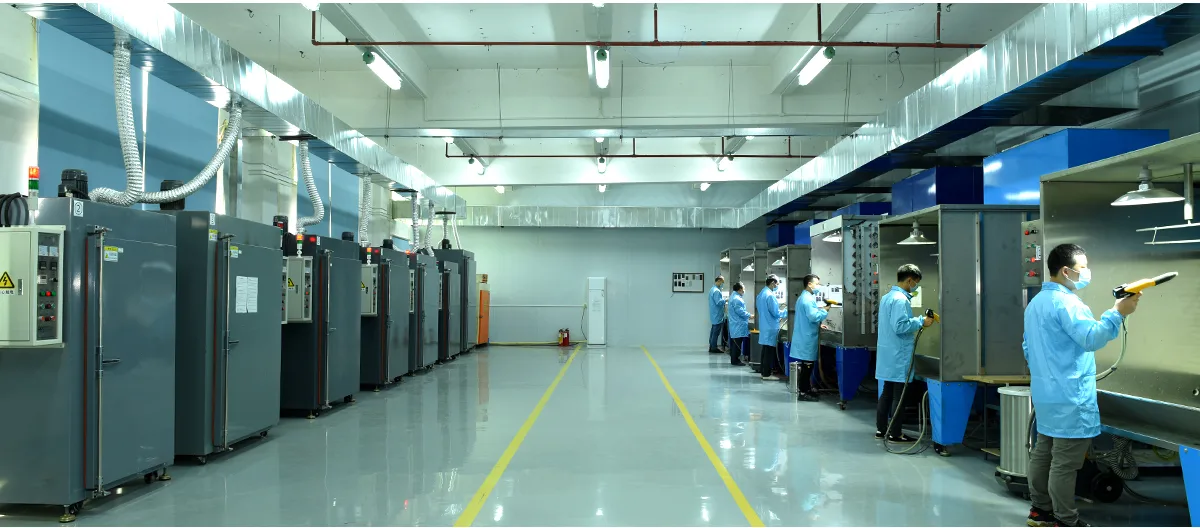
    Powder Coating Workshop

    Powder Coating Workshop

    Why Choose BatchMach Precision for Magnesium CNC Machining?

    In-House Multi-Axis Machining

    In-House Multi-Axis Machining

    Our two CNC machining factories support 3-axis, 4-axis, 5-axis, horizontal, CNC turning, and mill-turn machining. We select the appropriate process based on the structure of magnesium housings, brackets, frames, rotational parts, and complex multi-face components.

    Engineering Review Before Production

    Engineering Review Before Production

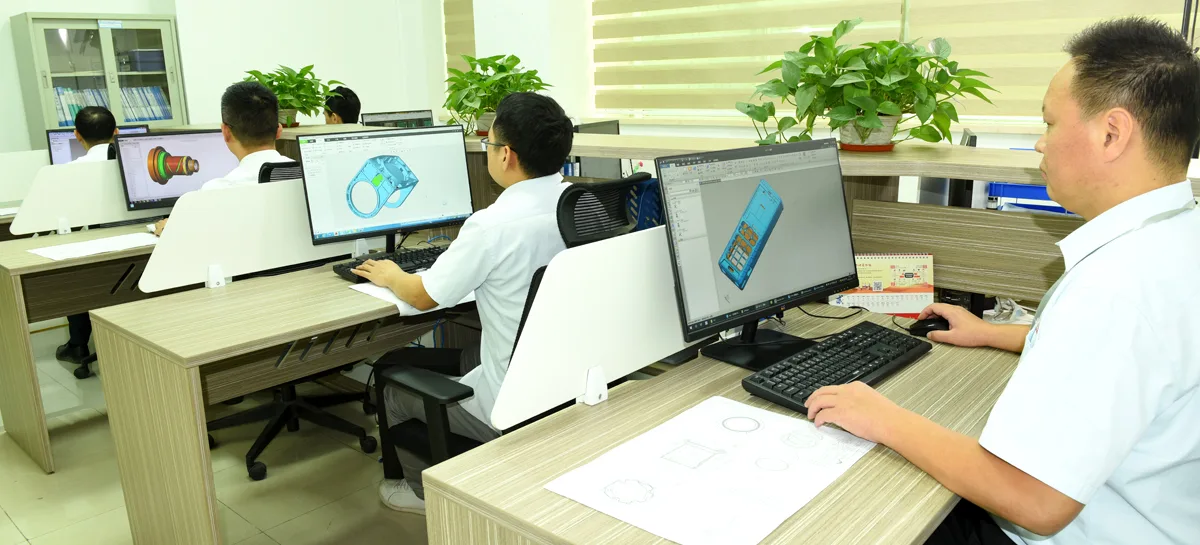
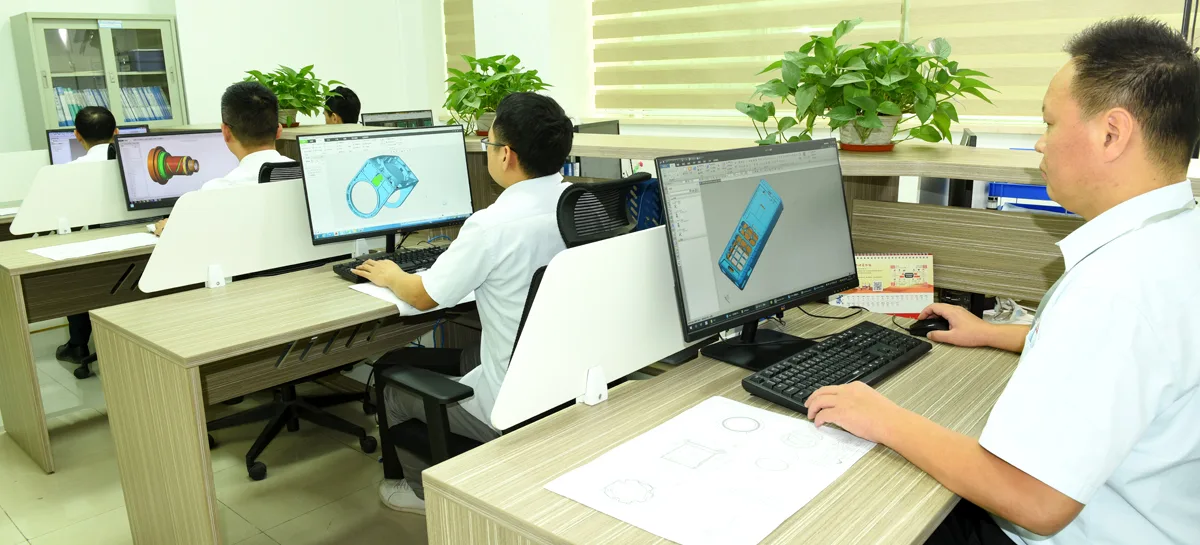
    Before machining, we review the magnesium alloy, raw-material form, wall thickness, critical tolerances, datums, surface finishes, and inspection requirements. This helps identify potential risks involving thin-wall distortion, burrs, surface damage, and tool accessibility before production begins.

    Complex-Part Machining

    Complex-Part Machining

    Our DMG MORI and Mazak 5-axis machining centers can produce magnesium parts with deep cavities, multi-face features, angled holes, and complex profiles. Reducing the number of setups helps maintain positional relationships between critical features.

    Precision Inspection

    Precision Inspection

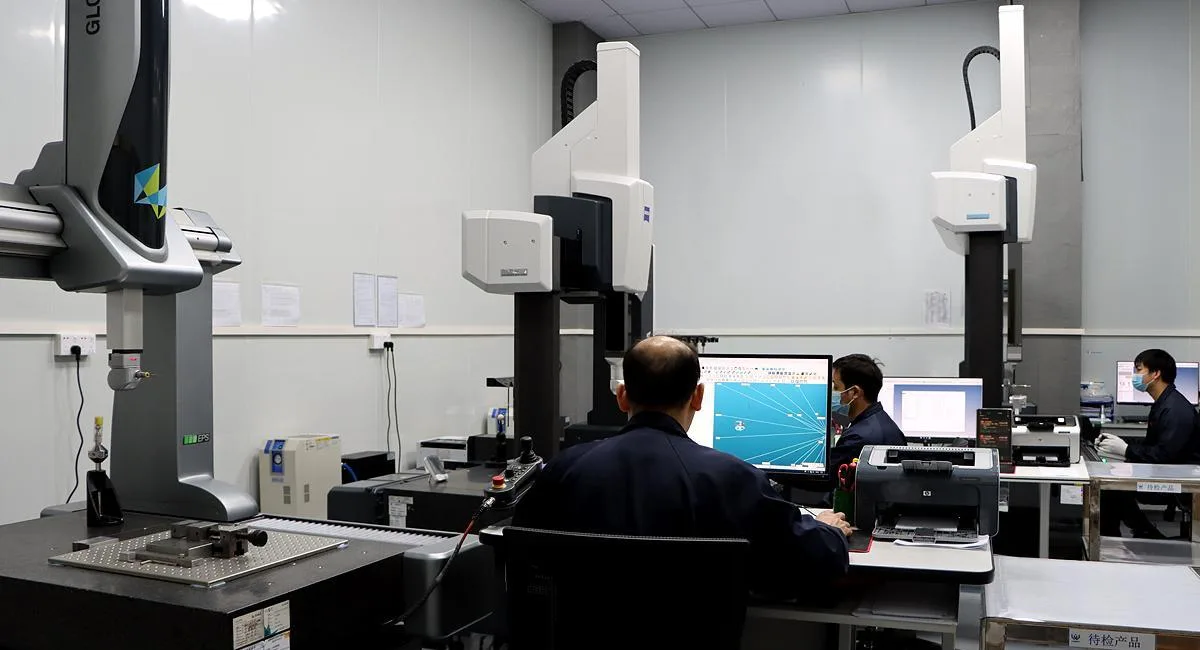
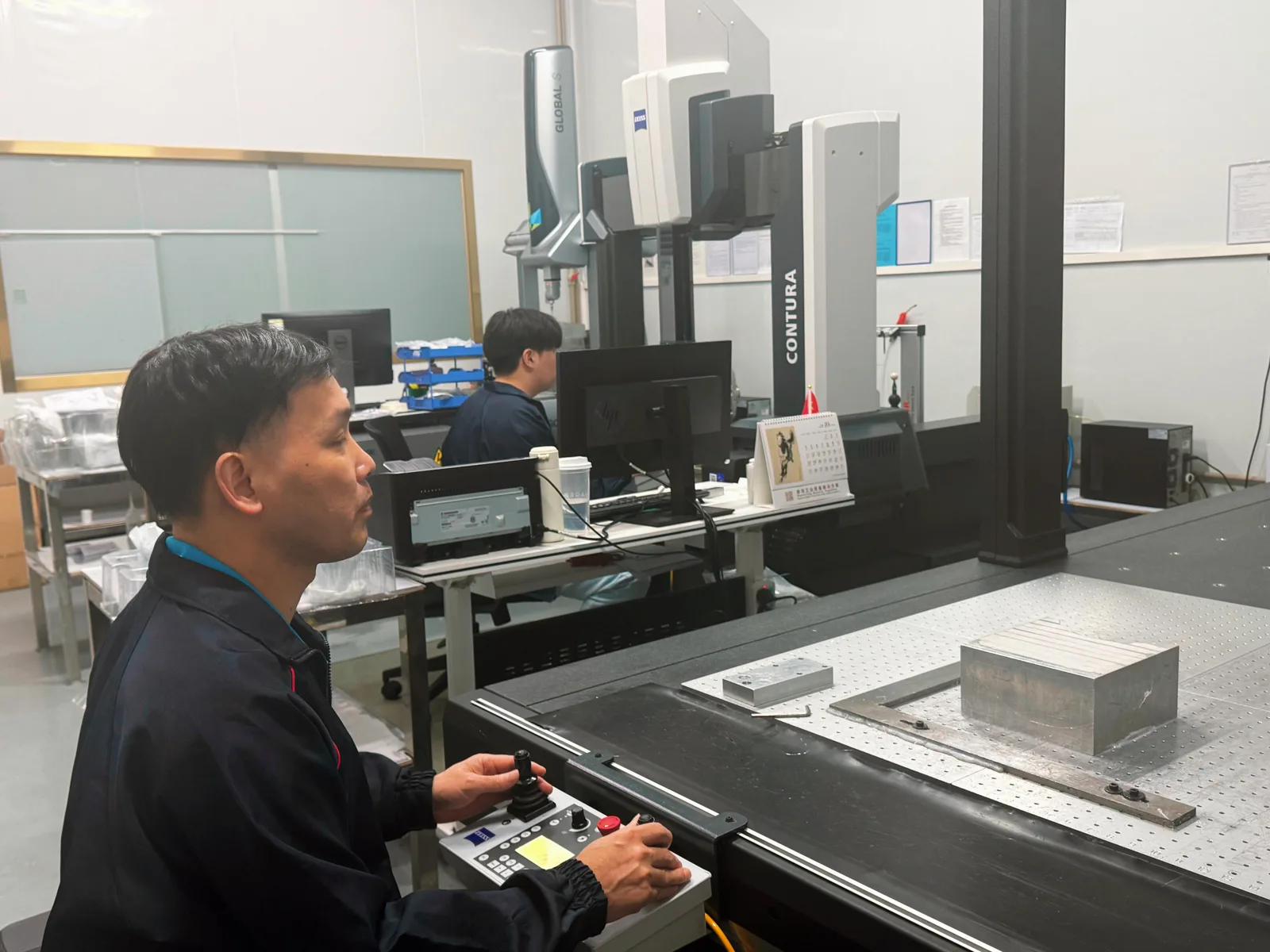
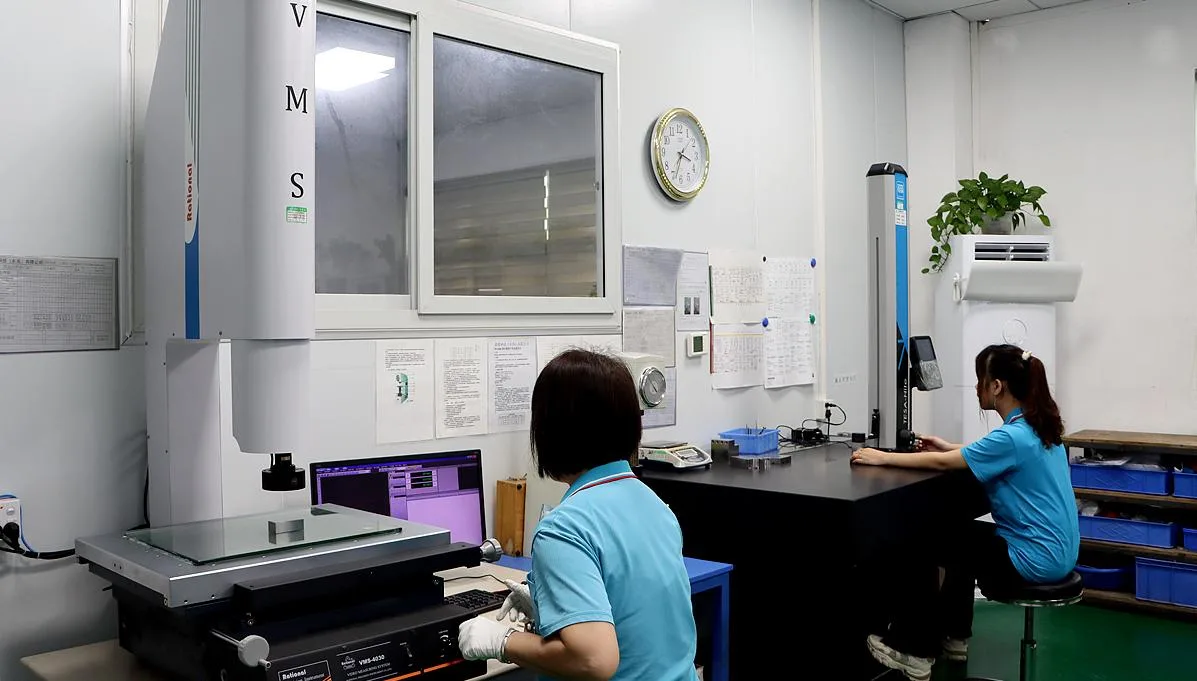
    Critical dimensions can be inspected using ZEISS and Hexagon CMMs, TESA height gauges, vision measuring systems, and Mitutoyo precision instruments. The inspection method is selected according to the drawing, tolerances, and functional requirements.

    Direct Communication with Our Factory

    Direct Communication with Our Factory

    Customer drawings are reviewed directly by our engineering and production teams. Material, machining, inspection, finishing, and delivery requirements are confirmed before manufacturing to reduce communication errors.

    Free first-order sample for new customers

    Send your drawings today — get a free process evaluation, quotation within 24 hours, and flexible quarterly settlement for long-term partners.

    Upload Drawing & Get Quote