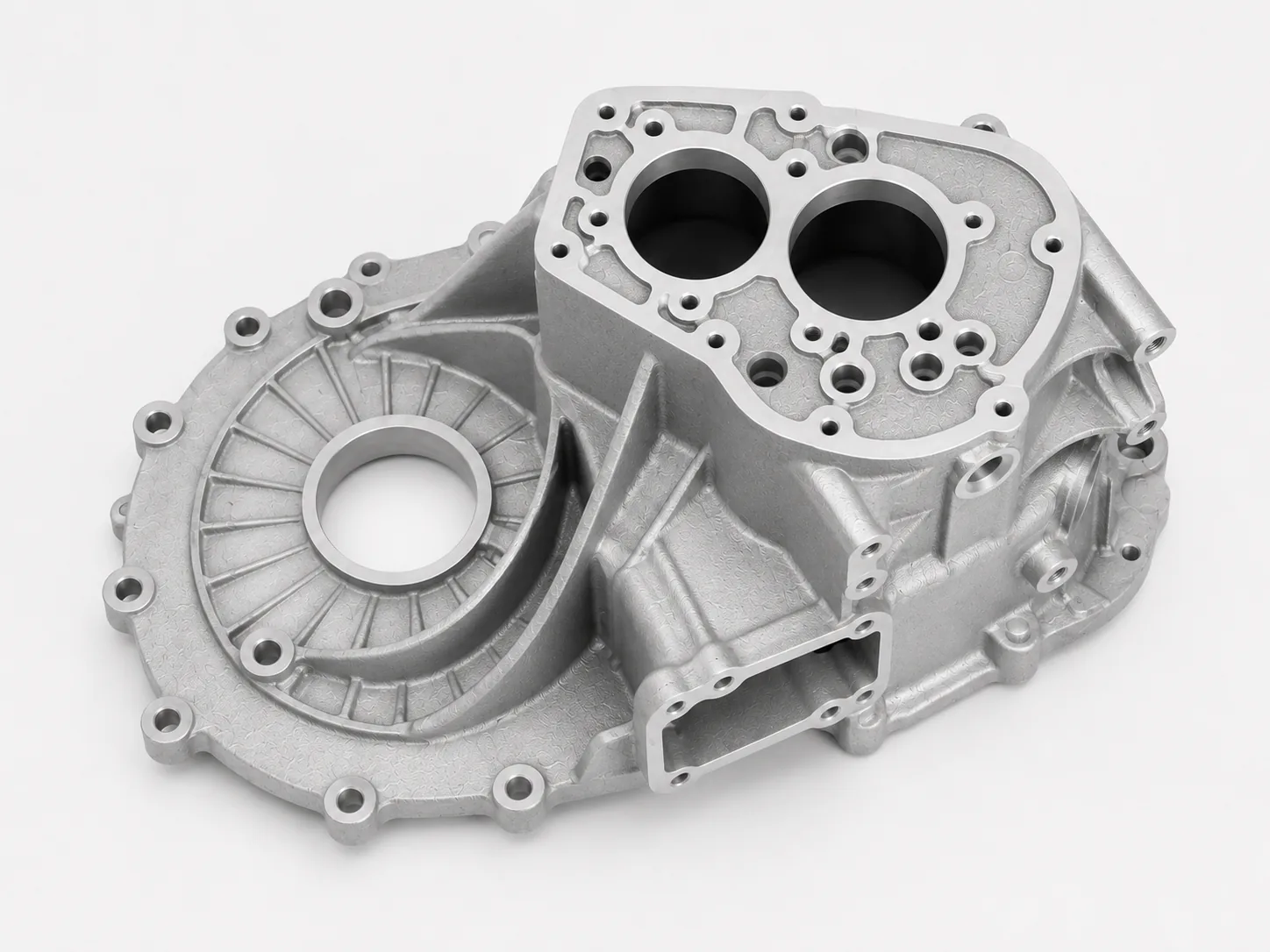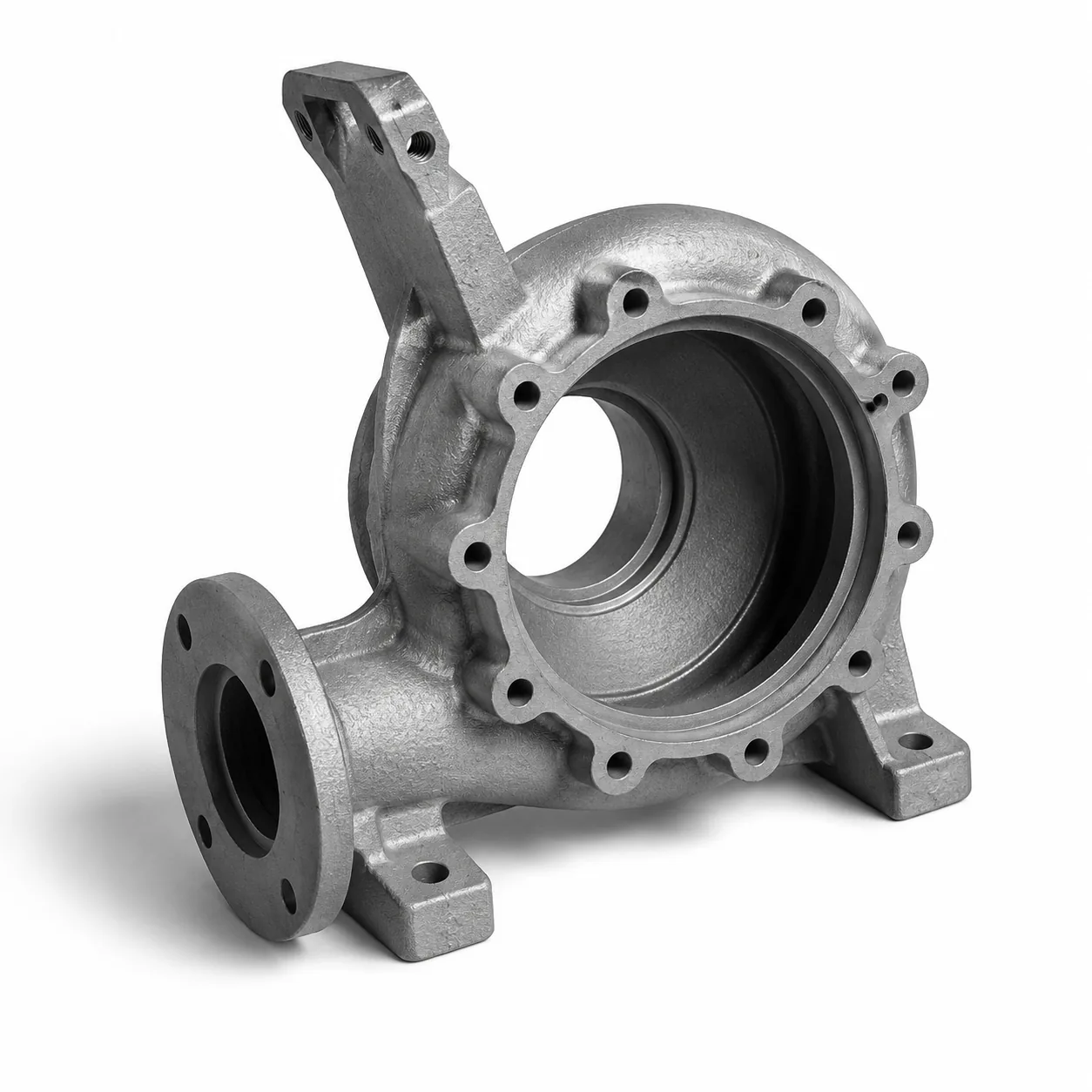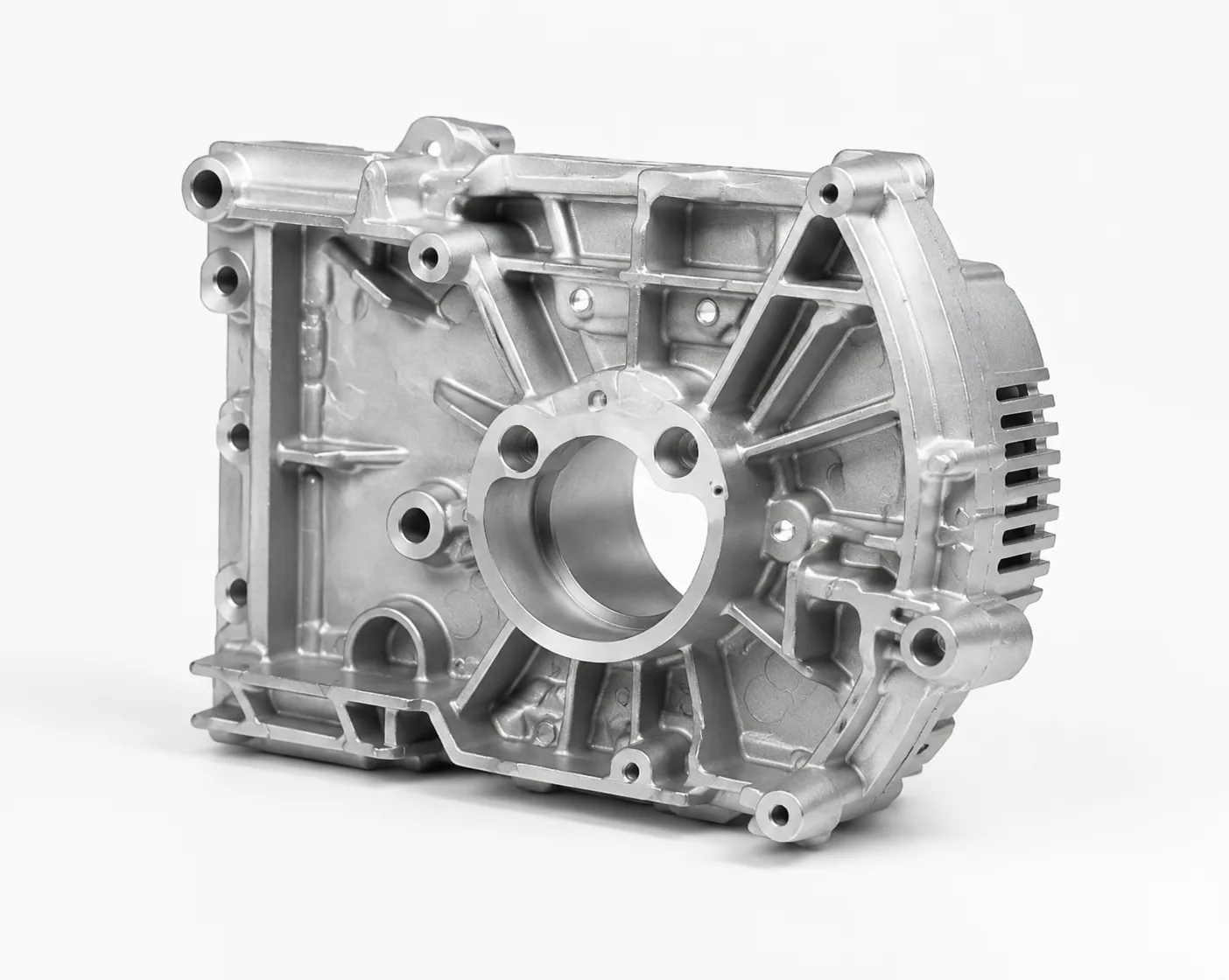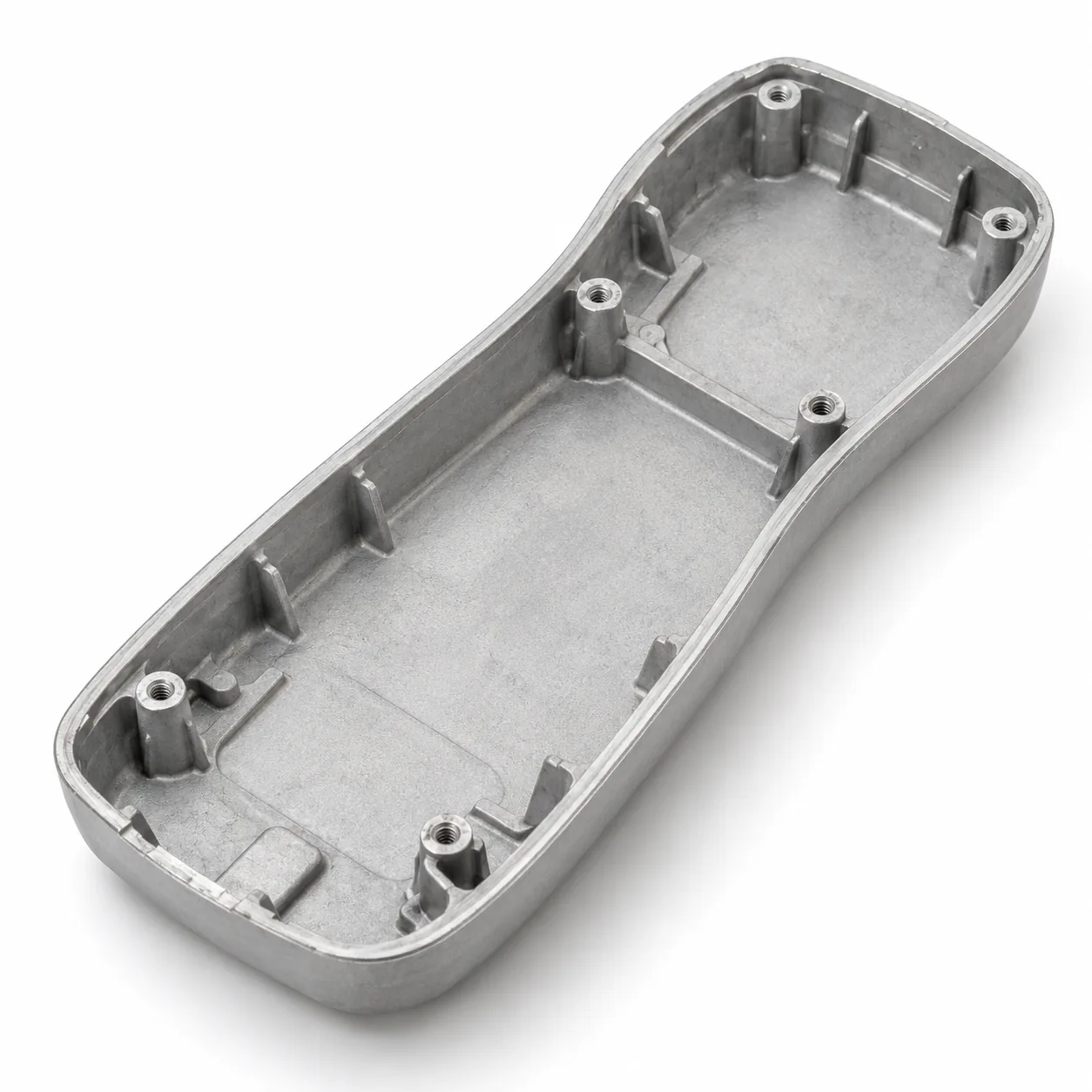








Engineered for Reliability, Built for Scale.

Custom Die Casting Services

At BatchMach Precision, we deliver end-to-end Custom Die Casting Services tailored to your exact engineering specifications. From complex aluminum and zinc prototypes to high-volume production, we combine advanced technology with strict quality control to manufacture lightweight, high-strength metal parts that power your success.

  • ±0.005 mm Tolerance | 100% Inspected Combining CNC post-machining, CMM inspection, and X-ray testing, our high pressure die casting delivers flawless die cast parts for seamless assembly.
  • 7-Day Prototyping | 30% Faster Tooling As a reliable die casting supplier, our automated plant delivers fast die casting solutions with a 98.8% on-time rate.
  • Free DFM | Zero Hidden Costs Our expert engineering team optimizes part geometry and runner design upfront, saving materials and cycle times to deliver maximum cost-efficiency.
  • Multi-Alloy Support | Complete Quality Control From tooling and casting to CNC machining and surface finishing, we strictly manage every stage to guarantee seamless execution and uncompromised quality.
  • From 100 Prototypes to Millions in Volume Whether for low-volume testing or full mass production, BatchMach Precision efficiently delivers complex custom die cast parts on schedule and on budget.
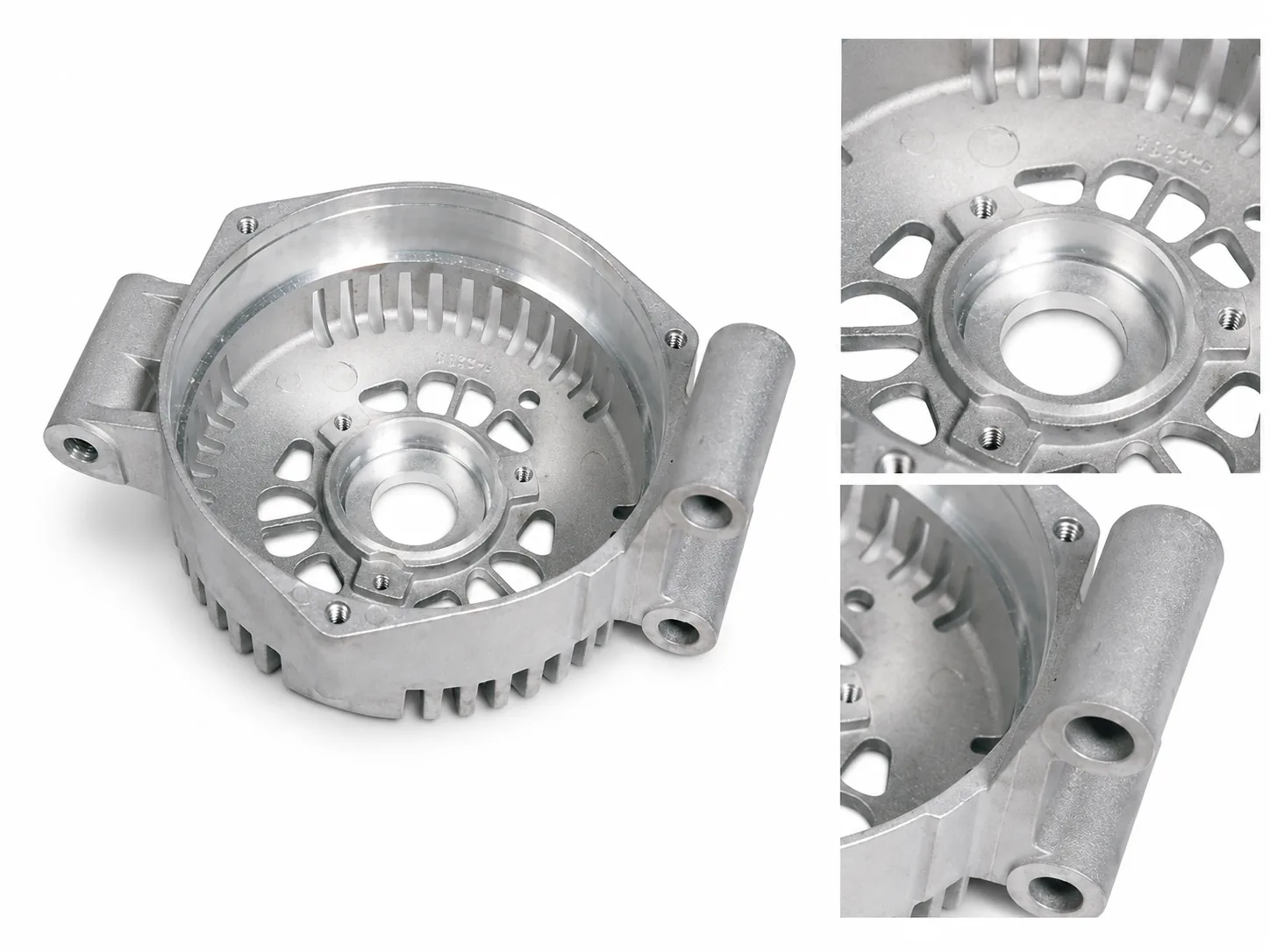
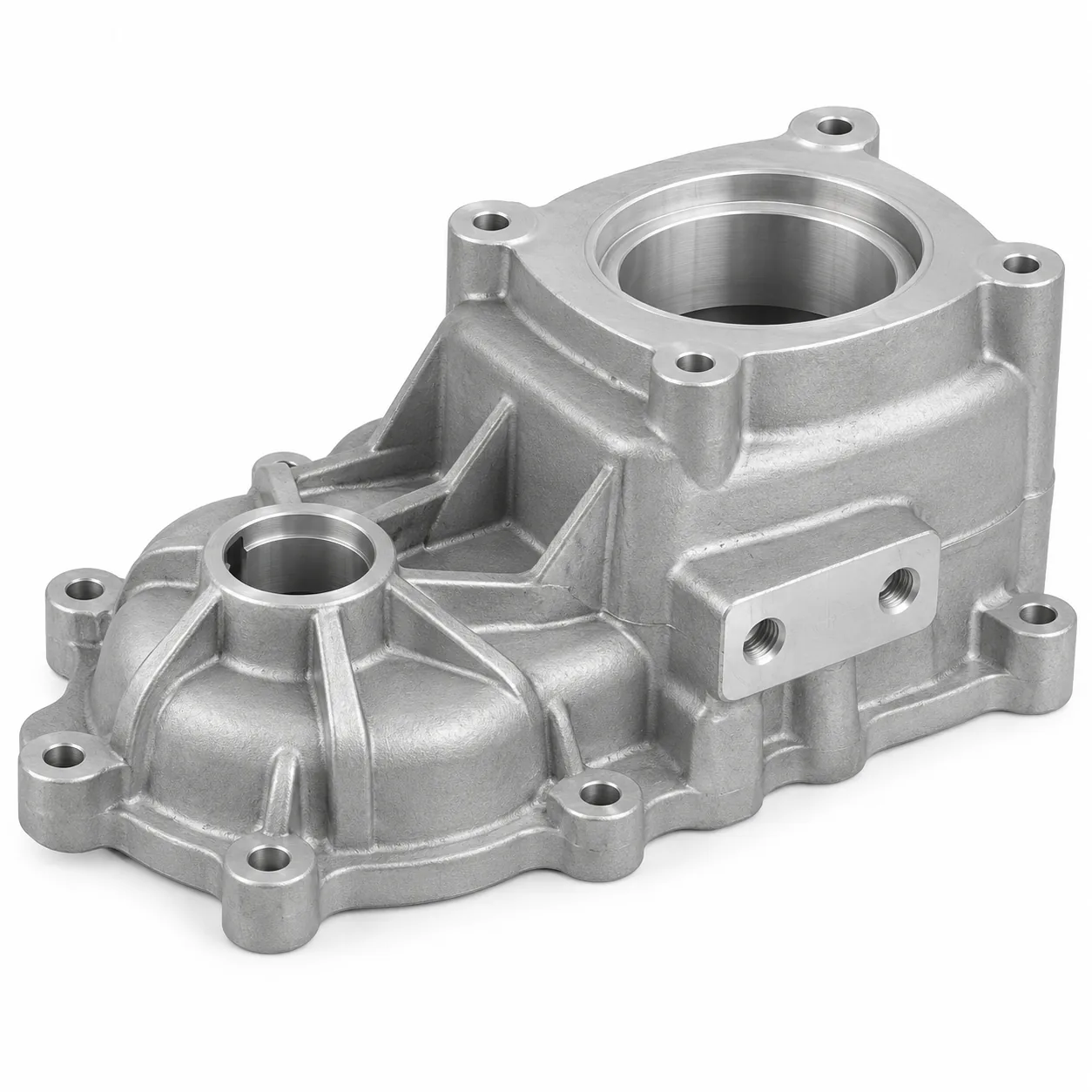
    Custom Die Casting Services part

    Discuss Your Manufacturing Project

    Drop your CAD file here or click to browseSupported: STEP, STP, IGES, SLDPRT, DXF, DWG, PDF

    Your files are secure and confidential · Max file size: 100 MB

    19+

    Years of Experience

    250+

    Machines & Testing Equipment

    11,000 m²

    Manufacturing Area

    200+

    Skilled Staff

    ISO

    9001 / 13485 / AS9100D

    Trusted by
    numerous companies

    Die Casting Process Selection Guide: Choosing the Right Solution for Your Component

    Not sure which die casting process is right for your component? Send us your 2D drawings, 3D models, alloy requirements, target quantity, and expected lead time. BatchMach Precision’s engineering team will evaluate the design, compare feasible casting processes, and recommend a manufacturing solution based on quality, cost, tooling investment, and production efficiency.

    1. High-Pressure Die Casting (HPDC) — Optimal Efficiency & Scalability

    Designed for high-volume projects involving intricate geometries and thin-wall sections down to approximately 0.8 mm. High-speed metal injection supports short cycle times, good dimensional repeatability, and tight control of selected features. Depending on part geometry and datum requirements, secondary CNC machining may be reduced, although critical holes, sealing surfaces, and mounting features may still require machining. Buyer’s Guide: Best suited to projects prioritizing fast cycle times, competitive unit costs, complex geometry, and scalable volume production. Typical Parts: Automotive mounting brackets, 5G heat sinks, motor housings, and precision electronics enclosures.

    Discuss Your Die Casting Project
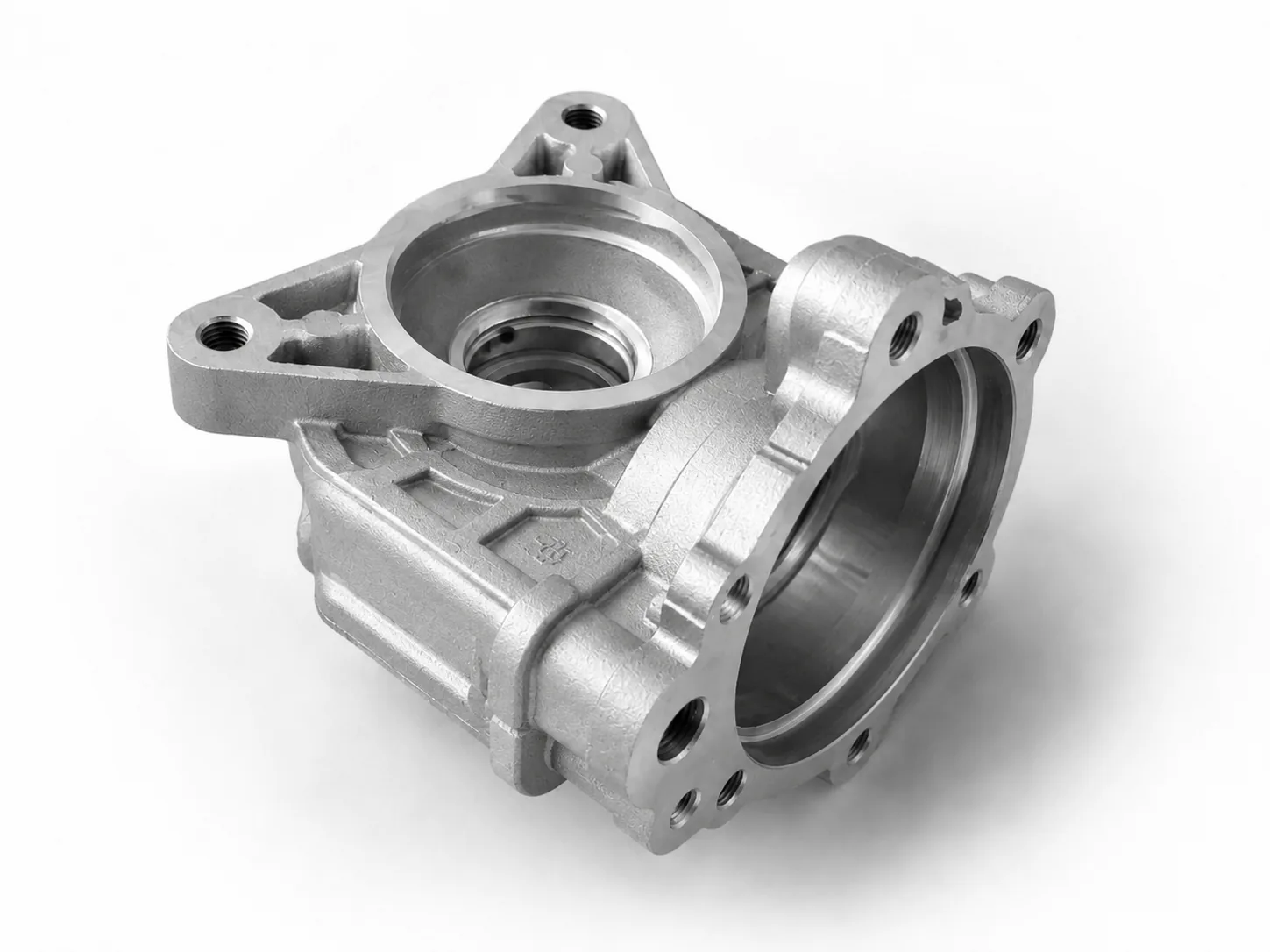
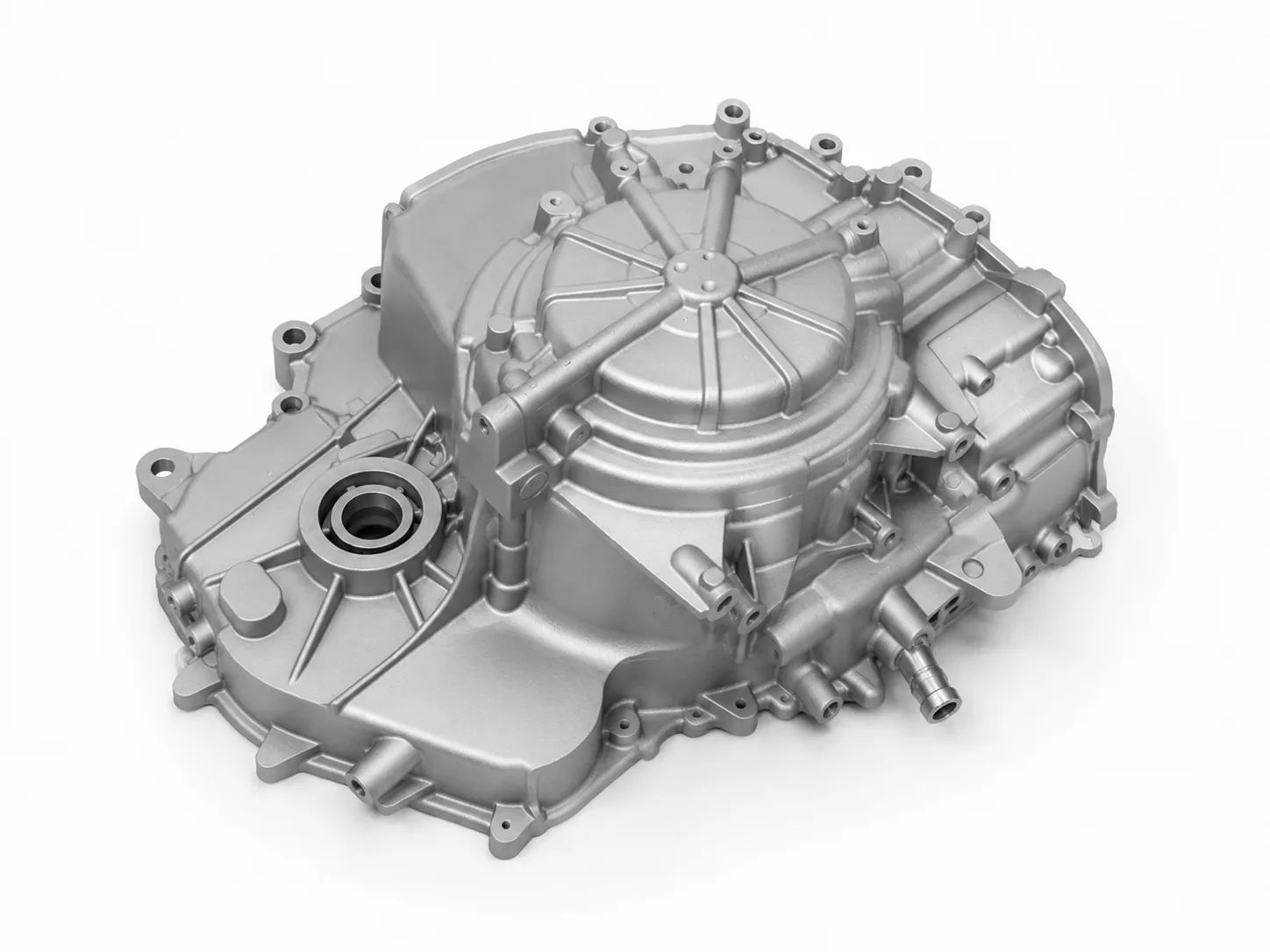
    2. Vacuum Die Casting — Pressure Tightness & Weldability

    Active cavity evacuation reduces trapped air during metal filling, helping improve internal integrity, leak resistance, and mechanical consistency. This approach is particularly valuable when components require pressure testing, welding, heat treatment, or demanding surface finishing. Final suitability should still be verified according to alloy grade, porosity limits, and application requirements. Buyer’s Guide: Recommended for parts requiring controlled porosity, reliable leak-test performance, structural welding, or validated heat-treatment capability. Typical Parts: EV battery trays, chassis structural nodes, liquid cooling plates, hydraulic valve blocks, and sealed housings.

    Discuss Your Die Casting Project
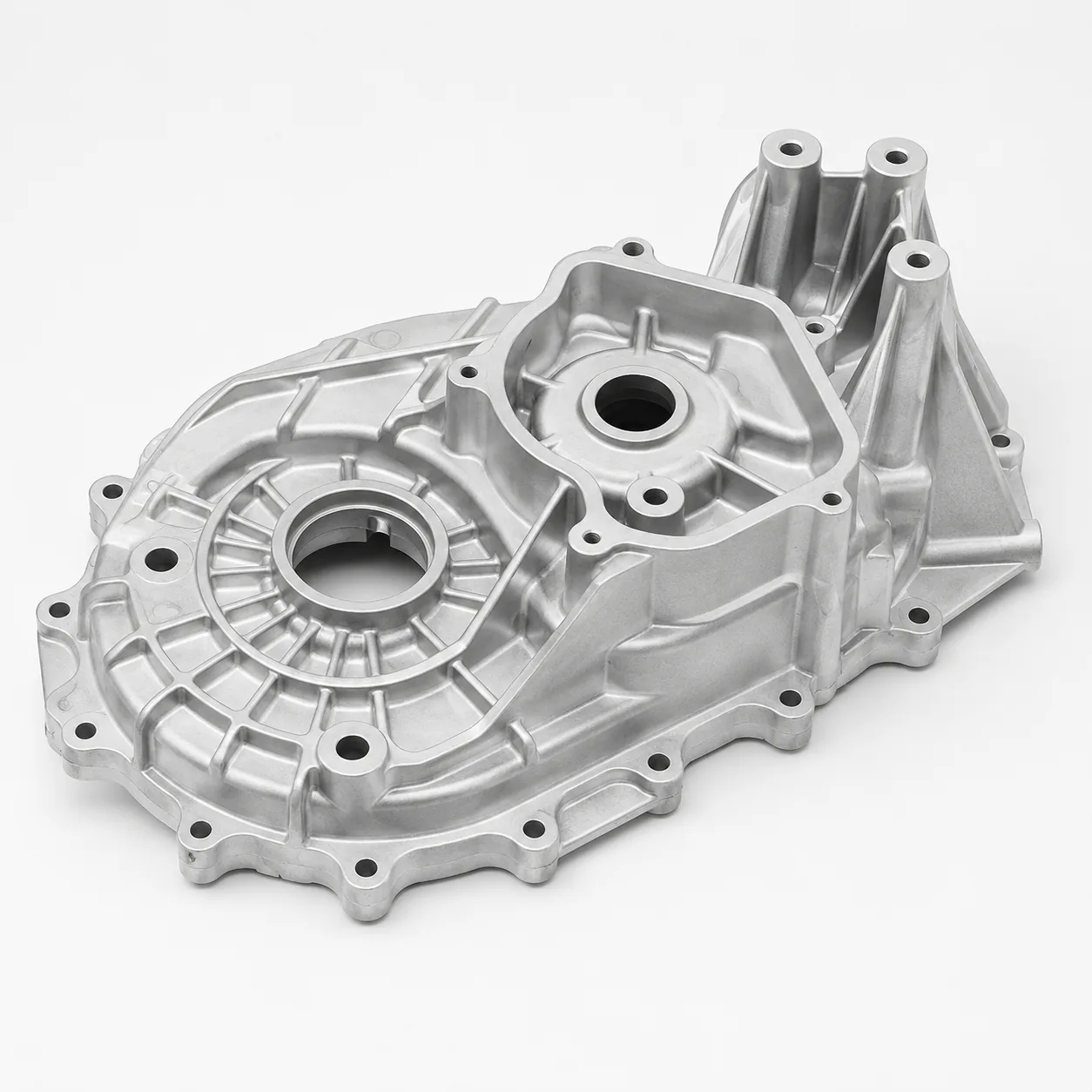
    3. Low-Pressure Die Casting (LPDC) — Structural Strength for Heavy Loads

    Controlled bottom-up filling reduces turbulence, oxide formation, and gas entrapment during mold filling. The slower and more stable filling process supports dense internal structures, consistent mechanical properties, and reliable fatigue performance, making it suitable for thicker and load-bearing components. Buyer’s Guide: Ideal when internal soundness, mechanical strength, and fatigue resistance are more important than extremely thin walls or the shortest possible cycle time. Typical Parts: Aluminum wheels, cylinder heads, motor housings, suspension components, and heavy-duty transmission housings.

    Discuss Your Die Casting Project
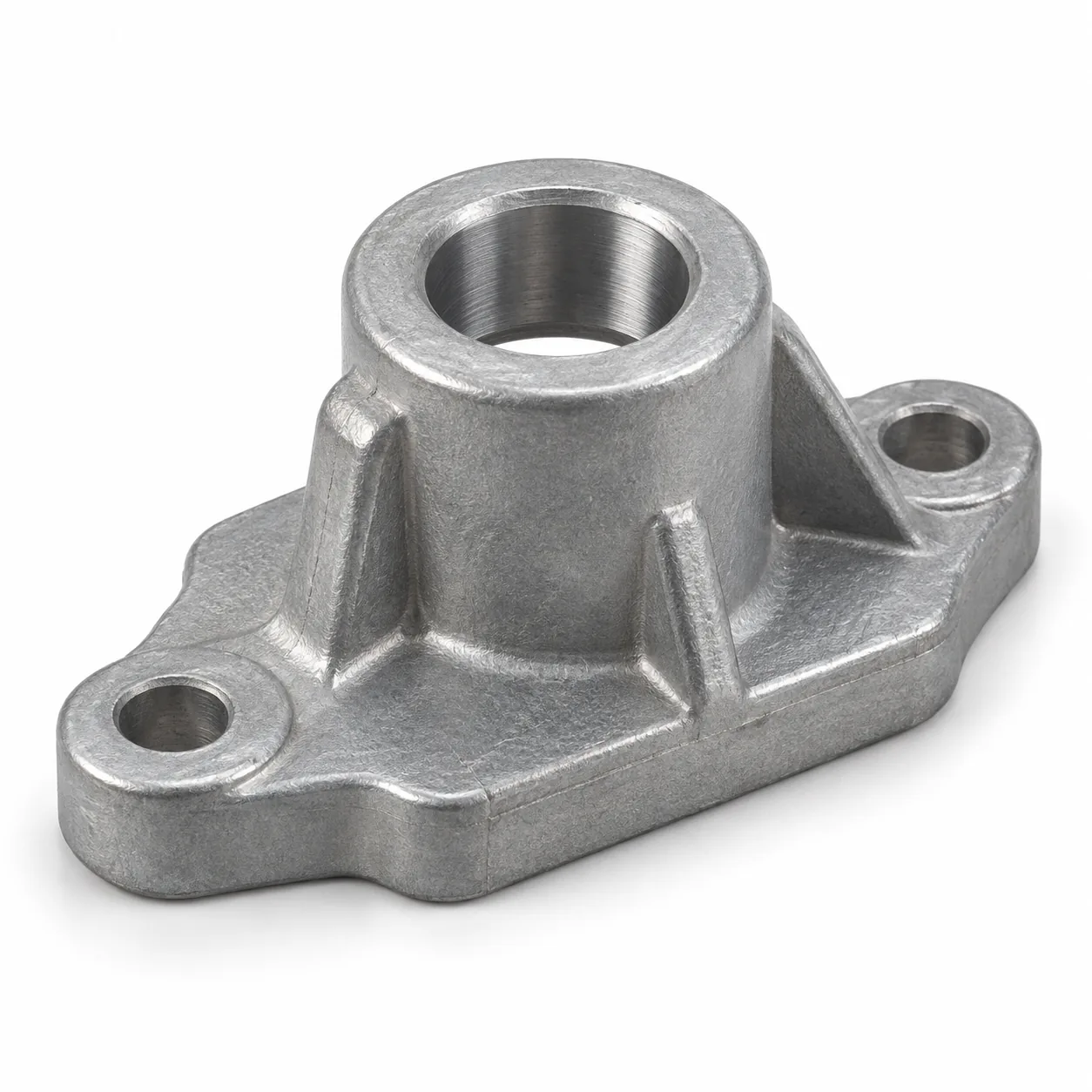
    4. Gravity Die Casting (GDC) — Cost-Effective Tooling for Thick Walls

    Molten metal fills a reusable metal mold under natural gravity, reducing equipment complexity and initial tooling investment compared with high-speed pressure-based processes. Sand cores can also be incorporated to form internal cavities, channels, and hollow structures that are difficult to produce using conventional steel cores. Buyer’s Guide: Suitable for medium- and low-volume projects with thicker walls, controlled tooling budgets, or complex internal passage requirements. Typical Parts: Industrial pump housings, valve bodies, manifolds, compressor housings, marine hardware, and industrial equipment components.

    Discuss Your Die Casting Project
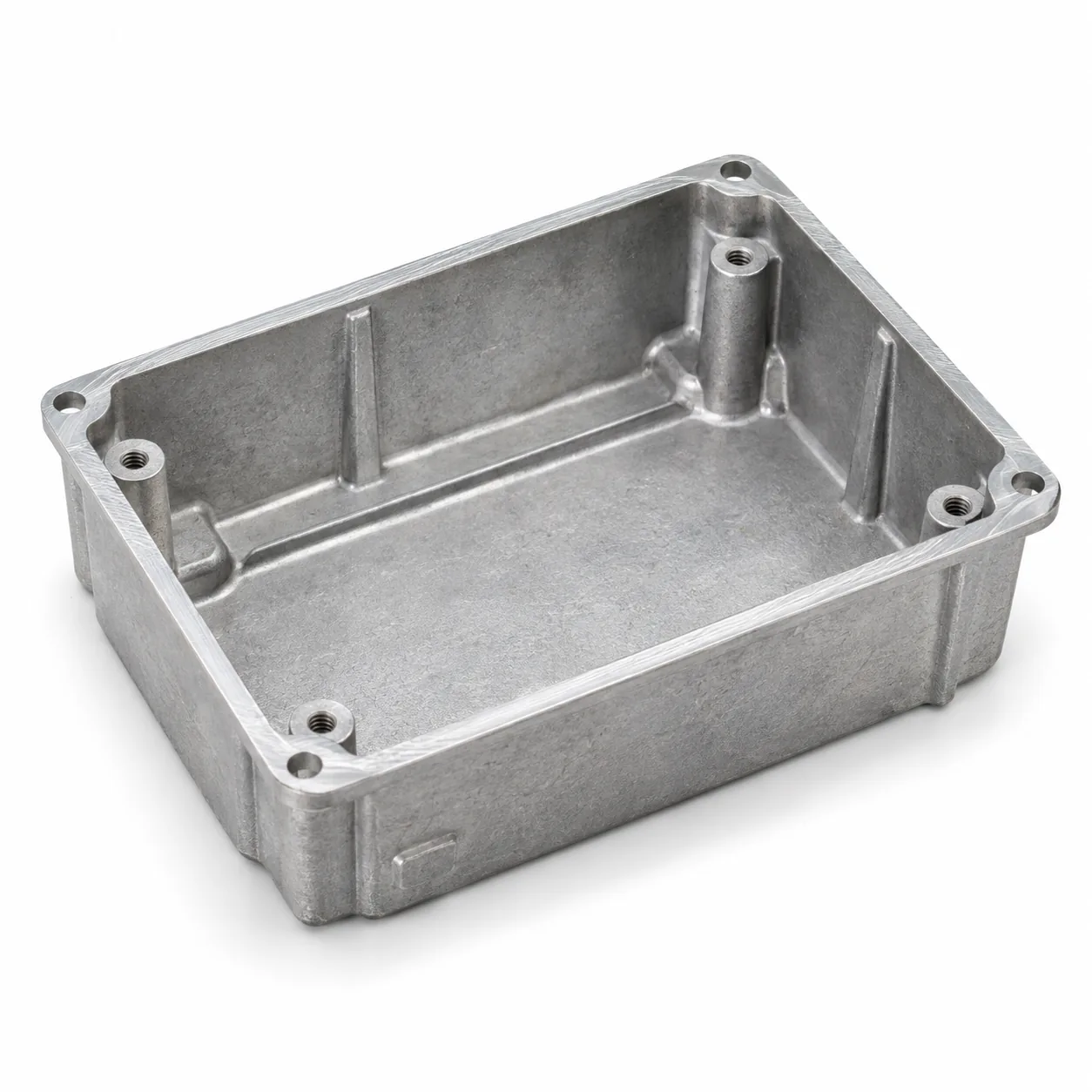
    Custom Die Cast Parts

    Aluminum Die Casting Pump Housing
    Aluminum Die Casting Pump Housing
    Die Cast Housing Part
    Die Cast Housing Part
    Die Cast Motor Casing Top View
    Die Cast Motor Casing Top View
    Industrial Aluminum Die Casting Part
    Industrial Aluminum Die Casting Part
    Precision Aluminum Die Cast Motor Housing
    Precision Aluminum Die Cast Motor Housing
    Precision Die Casting Part
    Precision Die Casting Part

    Die Casting Materials and Alloy Options

    BatchMach Precision provides aluminum die casting services along with zinc die casting and magnesium die casting solutions for parts with different requirements in strength, weight, corrosion resistance, dimensional stability, and cost. Our engineers review your drawings, application conditions, and production needs to recommend a suitable alloy for your project. Material availability and suitability are subject to project review. Please include the required alloy grade and material standard with your inquiry.

    Aluminum Alloys

    Aluminum Alloys

    Aluminum die casting alloys combine relatively low weight with mechanical properties suited to housings, brackets, and equipment components. A380 is a widely used option for general-purpose applications. Select the grade around casting complexity, corrosion exposure, and any surfaces that require subsequent machining or finishing. Common Grade References: A380, ADC12

    Zinc Alloys

    Zinc Alloys

    Zinc alloys suit small, detailed components and hardware requiring plated finishes. Zamak 3 is a widely used general-purpose grade. Zamak 5 offers higher tensile strength and hardness, with lower ductility than Zamak 3. Consider operating temperature and sustained loads when selecting zinc for functional parts. Common Grade References: Zamak 3, Zamak 5

    Magnesium Alloys

    Magnesium Alloys

    Magnesium alloys are worth considering when reducing component weight is a priority. AZ91D is a widely used die casting grade that combines castability with useful mechanical properties. Material selection should also account for loading, operating temperature, and corrosion exposure rather than weight alone. Common Grade Reference: AZ91D

    Surface Finishing Options for Die Cast Parts

    Surface finishing improves the corrosion resistance, wear resistance, appearance, and service life of die cast parts. It can also provide better coating adhesion, electrical insulation, conductivity, or surface protection based on the application.

    1. As Cast

    The default surface condition directly after die casting and de-flashing, without secondary coatings or chemical treatments. Procurement Focus: Eliminates secondary processing costs, shortens lead times, and preserves original dimensions without added layer thickness. Best suited for internal, non-cosmetic, or cost-sensitive components.

    2. Sand Blasting

    High-velocity abrasive media, such as glass beads or steel shot, is projected onto the casting to smooth the surface and create a uniform matte texture. Procurement Focus: Provides a cost-effective matte finish, helps conceal flow marks and minor surface imperfections, and improves adhesion before painting or coating. Suitable for housings, cosmetic surfaces, and pre-treatment applications.

    3. Powder Coating

    Dry powder is electrostatically applied to the casting and heat-cured to form a thick, durable protective layer. Procurement Focus: Provides strong resistance to scratches, impact, and outdoor corrosion. Its typical thickness of 60–100 μm requires masking of critical fits and threaded features, making it suitable for enclosures, structural parts, and heavy-duty hardware.

    4. Painting

    Liquid polyurethane or epoxy paint is sprayed onto the casting and cured through air drying or controlled heating. Procurement Focus: Supports precise Pantone or RAL color matching, as well as gloss, matte, and textured finishes. Its thinner 15–30 μm layer has less effect on assembly dimensions and is suitable for complex geometries or selectively coated areas.

    5. Anodizing

    An electrochemical reaction forms a hard, corrosion-resistant oxide layer on the surface of aluminum castings. Suitable alloy selection and controlled process conditions are required to achieve consistent cosmetic results. Procurement Focus: Creates a hard, non-peeling protective layer while retaining a metallic appearance and supporting selected color options. Suitable for aluminum enclosures, heat sinks, and components requiring improved wear resistance.

    6. Chromate Passivation

    A chemical conversion reaction forms a micro-thin protective film on aluminum or zinc casting surfaces. Procurement Focus: Improves corrosion resistance with minimal dimensional impact, helps maintain electrical conductivity, and provides a cost-effective base for grounding components, internal housings, and subsequent painting.

    Integrated Die Casting and CNC Machining

    Die casting delivers efficient near-net-shape production, but critical features such as mounting surfaces, holes, threads, and sealing areas often require CNC machining to achieve tighter tolerances and reliable assembly. BatchMach Precision integrates die casting, CNC machining, surface finishing, and inspection into one manufacturing process, with early DFM review, optimized machining allowances, and precision quality control to deliver consistent, assembly-ready die-cast components.

    5-Axis & Multi-Tasking Machining: DMG 5-axis and Mazak 9-axis turn-mill centers for single-setup multi-face machining.

    High-Efficiency Tapping Centers: 60+ Brother and FANUC 4-axis centers dedicated to high-speed milling, drilling, and tapping for high-volume die cast parts and machined metal parts

    Ultra-Precision Turning: 28+ Takisawa and Mazak CNC lathes delivering tight shaft/mating tolerances down to ±0.002 mm.

    ZEISS 3D CMM Inspection: ZEISS CMMs (travel up to 1200 × 2400 × 1000 mm) and Hexagon CMMs achieving 0.001 mm accuracy for complex CNC machining metal parts.

    In-House Anodizing & Coating: 4 automated anodizing lines (for aluminum/magnesium alloys) and precision powder coating with German spray guns.

    Ready-to-Assemble Delivery: Integrated laser engraving, automated tapping, deburring, and precision grinding (0.001 mm accuracy) to deliver assembly-ready custom metal parts.

    Die Casting Case Studies at BatchMach Precision

    Project Challenge

    The customer required a lightweight aluminum motor housing with complex radial cooling fins and precision bearing mounting features. The thin-wall fin structure increased the risk of air entrapment, incomplete filling, and internal porosity during die casting. In addition, the bearing mounting area required strict dimensional control and high concentricity to ensure proper motor assembly and long-term operating reliability.

    BatchMach Precision Die Casting Solution

    DFM Review and Mold Flow Analysis Before tooling, BatchMach Precision reviewed the housing structure, thin-wall cooling fins, gating layout, and venting system to optimize metal flow and reduce risks such as air entrapment, cold shuts, and incomplete filling.

    Vacuum-Assisted Die Casting Process For the thin-wall cooling fin structure and areas requiring improved internal quality, BatchMach Precision applied vacuum-assisted die casting to reduce trapped air and internal porosity risks. The optimized filling process improved casting density and structural reliability while supporting the performance requirements of the motor housing.

    Post-Casting CNC MachiningCritical features, including bearing bores and mounting surfaces, were precision machined after die casting using BatchMach Precision’s advanced CNC machining capabilities. The process was completed with high-precision equipment, including Mazak INTEGREX i-200S and DMG MORI 5-axis machining centers, to achieve the required dimensional accuracy, concentricity, and assembly performance based on customer drawing specifications.

    Die Casting Case Studies at BatchMach Precision

    Die Casting Applications Across Key Industries

    At BatchMach Precision, we are dedicated to manufacturing high-performance die-cast components that meet the most stringent engineering and quality standards. From rapid prototyping with zero MOQ to scalable volume production, we combine proactive DFM analysis, advanced vacuum-assisted casting, and multi-axis CNC machining to deliver lightweight, porosity-free, and high-precision parts up to 30% faster for world-class applications.

    Automotive & New Energy Vehicles (EV)

    High-Precision Automotive Die Castings We specialize in manufacturing high-strength, lightweight aluminum parts for the EV and automotive supply chain. Core Components: EV motor housing, hydraulic valve body, water pump housing, transmission housing, gearbox housing, and structural battery housing. Key Focus: Pressure-tightness, tight tolerances ±0.005 mm, and porosity-free casting for critical drivetrains.

    Industrial Automation & Robotics

    Durable Components for Industrial & Robotics Heavy-duty industrial metal components engineered to withstand high dynamic loads and wear. Core Components: Custom automation components, precision robotic components (joints, arms, and bases), and heavy machinery brackets. Key Focus: High mechanical strength, excellent fatigue resistance, and multi-axis CNC post-machining.

    Electronics & Telecommunications

    Thermal Management & Electronic Housings Custom thin-wall die cast parts designed for optimal heat dissipation and electromagnetic shielding (EMI). Core Components: Aluminum electronic enclosure, 5G base station heat sinks, optical transceiver housings, and power supply covers. Key Focus: Thin-wall capability <1.5 mm, high thermal conductivity, and conductive surface treatments.

    Medical Devices & Healthcare

    High-Precision & Cosmetic Enclosures Flawless aluminum cast structures engineered for strict hygiene compliance and high-precision assembly in medical environments. Core Components: Surgical equipment chassis, portable ventilator housings, medical monitor covers, and imaging system mounts. Key Focus: Zero cosmetic defects, premium surface finishing (powder coating/anodizing), and micron-level fitting accuracy.

    Why Choose BatchMach Precision Die Casting Services?

    No Minimum Order Quantity (No MOQ)

    From a single prototype to market-testing runs, BatchMach Precision supports your business at any volume without restrictive minimum order thresholds.

    Flexible & Scalable Production

    Our production lines seamlessly adapt from low-volume custom prototyping to high-capacity mass production, letting you scale effortlessly as demand grows.

    Proactive DFM & Engineering Support

    Every design undergoes in-depth DFM analysis to identify defects, optimize machining pathways, and cut unnecessary costs before production begins.

    ISO-Certified Quality Excellence

    Operating under strict ISO 9001 / IATF 16949 standards, our facility utilizes multi-axis CNCs and ZEISS CMM inspection to ensure zero-defect quality on every batch.

    Frequently Asked Questions

    Die casting injects molten metal into a reusable steel mold under high pressure. It suits repeat production of metal parts with features such as thin walls, ribs, bosses, and integrated mounting points.

    Aluminum, zinc, and magnesium alloys are common die casting materials. Aluminum is often selected for lightweight housings and heat-dissipating components. Zinc suits detailed parts and applications requiring decorative plating, while magnesium offers low weight. Specify the alloy grade, operating environment, and finishing requirements when discussing your project with BatchMach Precision.

    The right alloy can improve part performance and avoid unnecessary cost. Aluminum is commonly chosen for lightweight housings and thermal applications, while zinc suits intricate features and decorative plating. Share your operating conditions, weight targets, and finish requirements with BatchMach Precision so material suitability and project availability can be reviewed before you commit to tooling.

    Cost control starts with the design, not simply a lower unit price. BatchMach Precision reviews features that can increase tooling or finishing work, including undercuts, unnecessary tight tolerances, and extensive machining. Sharing your initial quantity and expected annual demand helps us assess practical opportunities to simplify production while protecting the features that matter to your assembly.

    Yes. BatchMach Precision’s CNC machining capabilities can support early samples for checking geometry, assembly fit, and selected functional requirements before investing in die casting tooling. This gives your team an opportunity to identify design changes earlier. Where testing depends on actual casting properties or porosity, cast samples are needed because machined prototypes do not fully represent production die castings.

    BatchMach Precision combines near-net-shape casting with CNC machining where tighter dimensional control is required. Critical bores, locating surfaces, and sealing interfaces can be reviewed individually instead of applying costly precision requirements to the entire casting. Send your toleranced drawing so achievable requirements, machining allowances, and inspection methods can be agreed before production.

    Yes. BatchMach Precision can coordinate your casting requirements with secondary milling, turning, drilling, boring, and tapping. Planning these operations together helps address machining access, datum selection, and workholding before the casting design is finalized. You receive a quotation based on the finished component, making it easier to compare total manufacturing costs and responsibilities.

    BatchMach Precision can review finishing requests such as bead blasting, powder coating, painting, conversion coatings, and suitable plating systems. We consider the alloy, visible surfaces, corrosion exposure, and fit requirements together. Share your coating specification or appearance reference so finish compatibility, masking areas, and acceptance criteria can be confirmed during quotation.

    Give BatchMach Precision a complete drawing package, confirmed alloy, order quantity, and finish specification at the start. Resolving these details early helps reduce interruptions during tooling, sampling, and production. We can then review the project stages and identify work that may proceed in parallel, with a delivery schedule based on your actual requirements and approval process.

    Send BatchMach Precision your 3D CAD model, dimensioned drawing, material grade, and required quantity. Include machining, finishing, inspection, and delivery requirements so the quotation reflects the part you need to receive. If the design is still developing, highlight the unresolved areas and your target application so practical manufacturing options can be discussed before tooling investment.

    Free first-order sample for new customers

    Send your drawings today — get a free process evaluation, quotation within 24 hours, and flexible quarterly settlement for long-term partners.

    Upload Drawing & Get Quote