








Engineering Plastics

POM (Delrin) CNC Machining Service

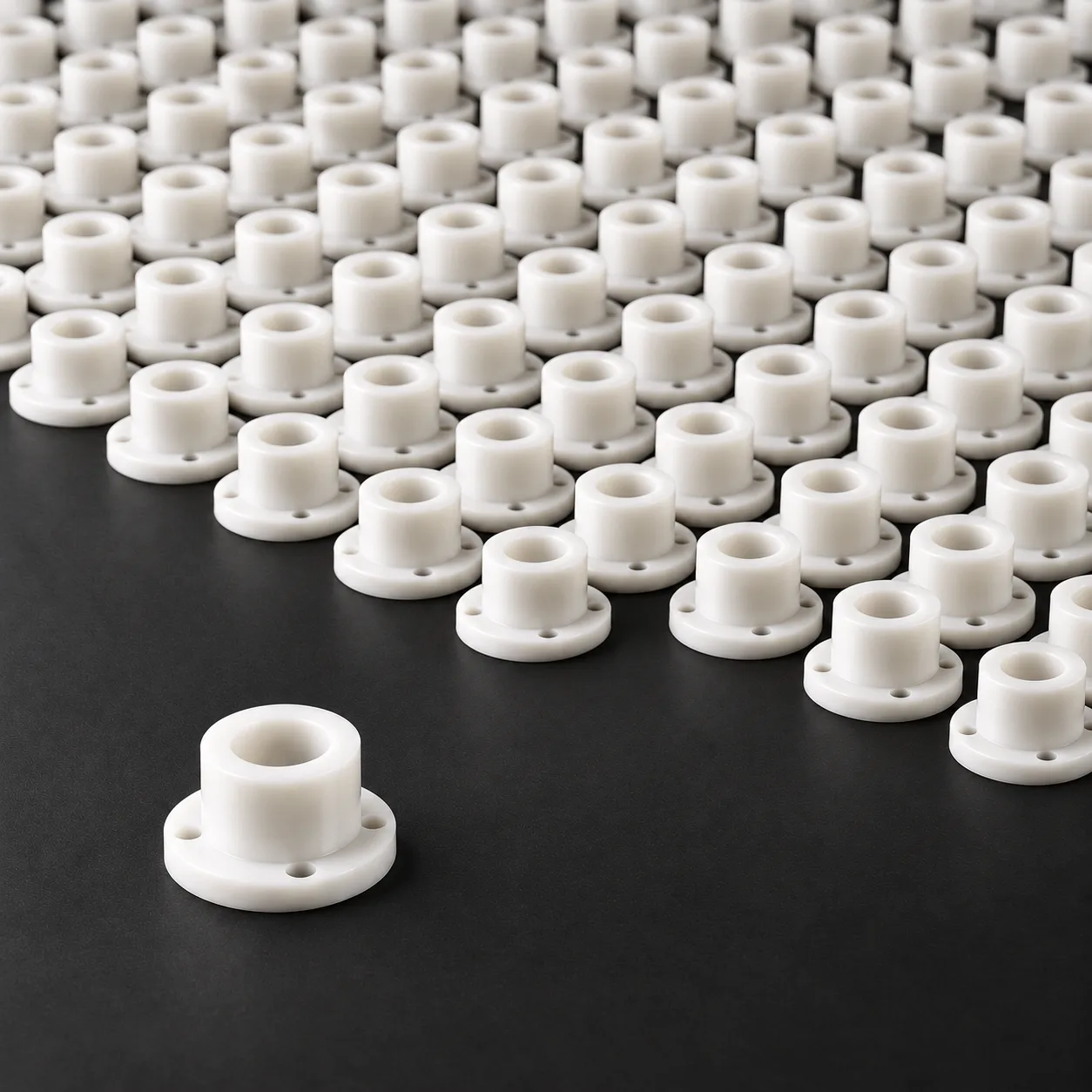
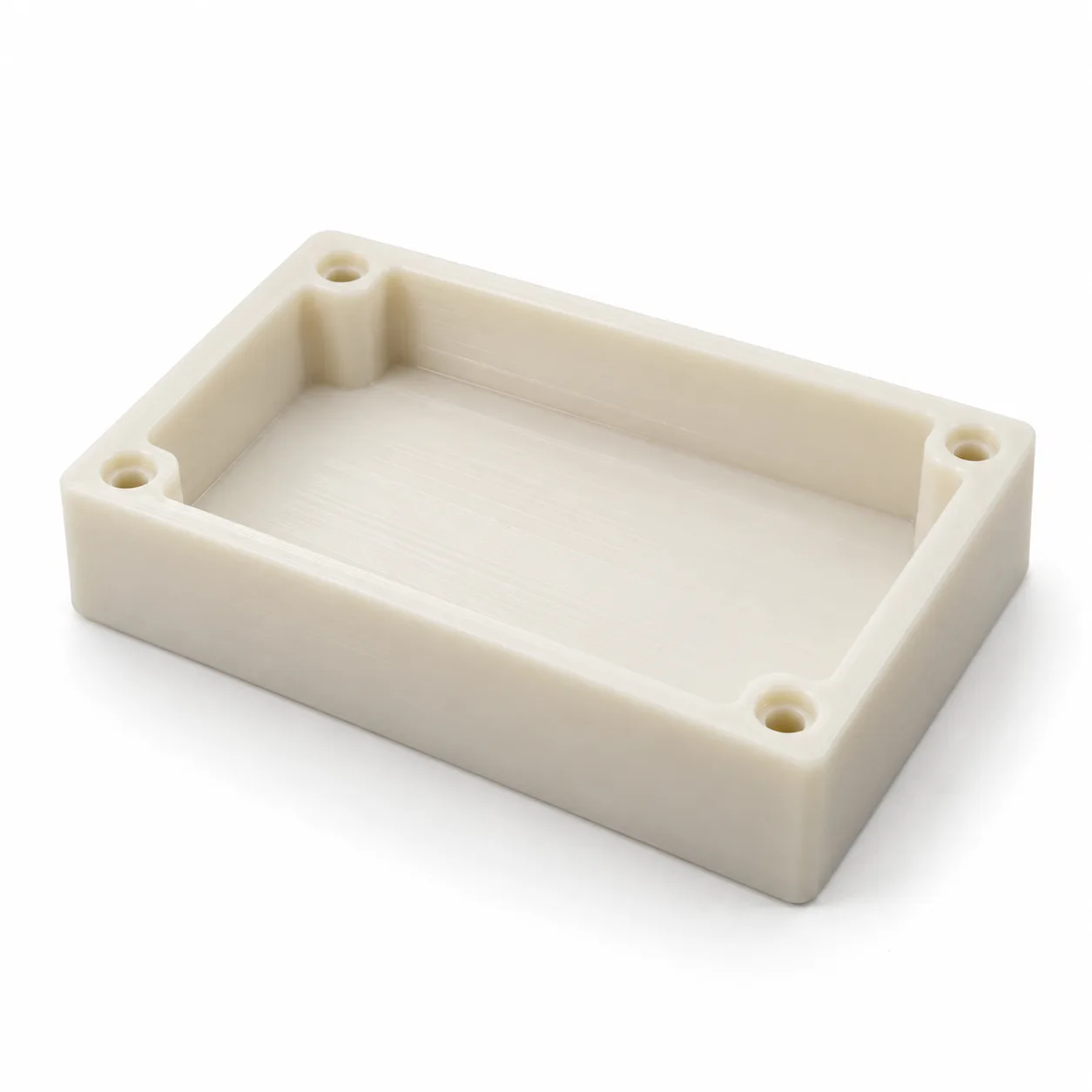
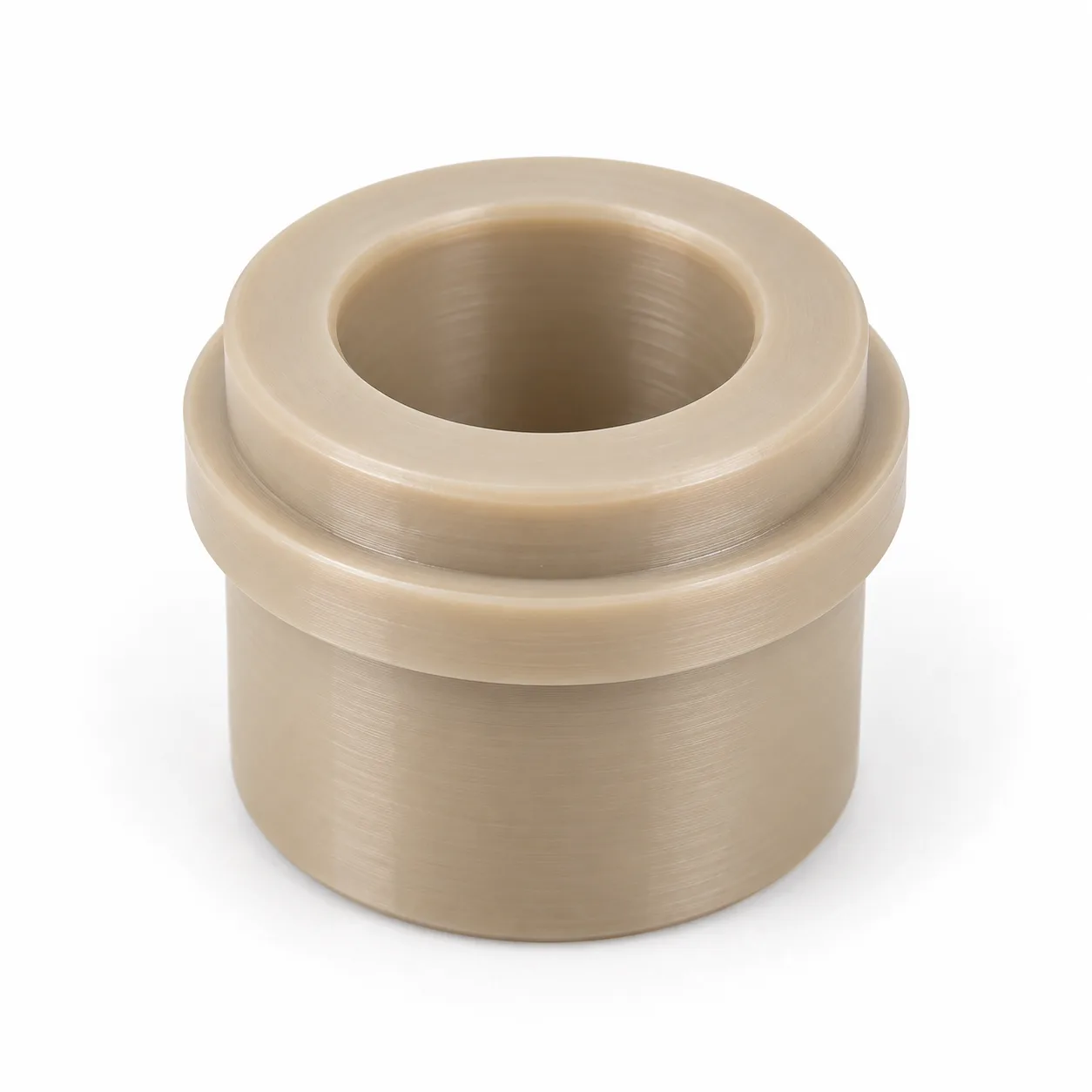
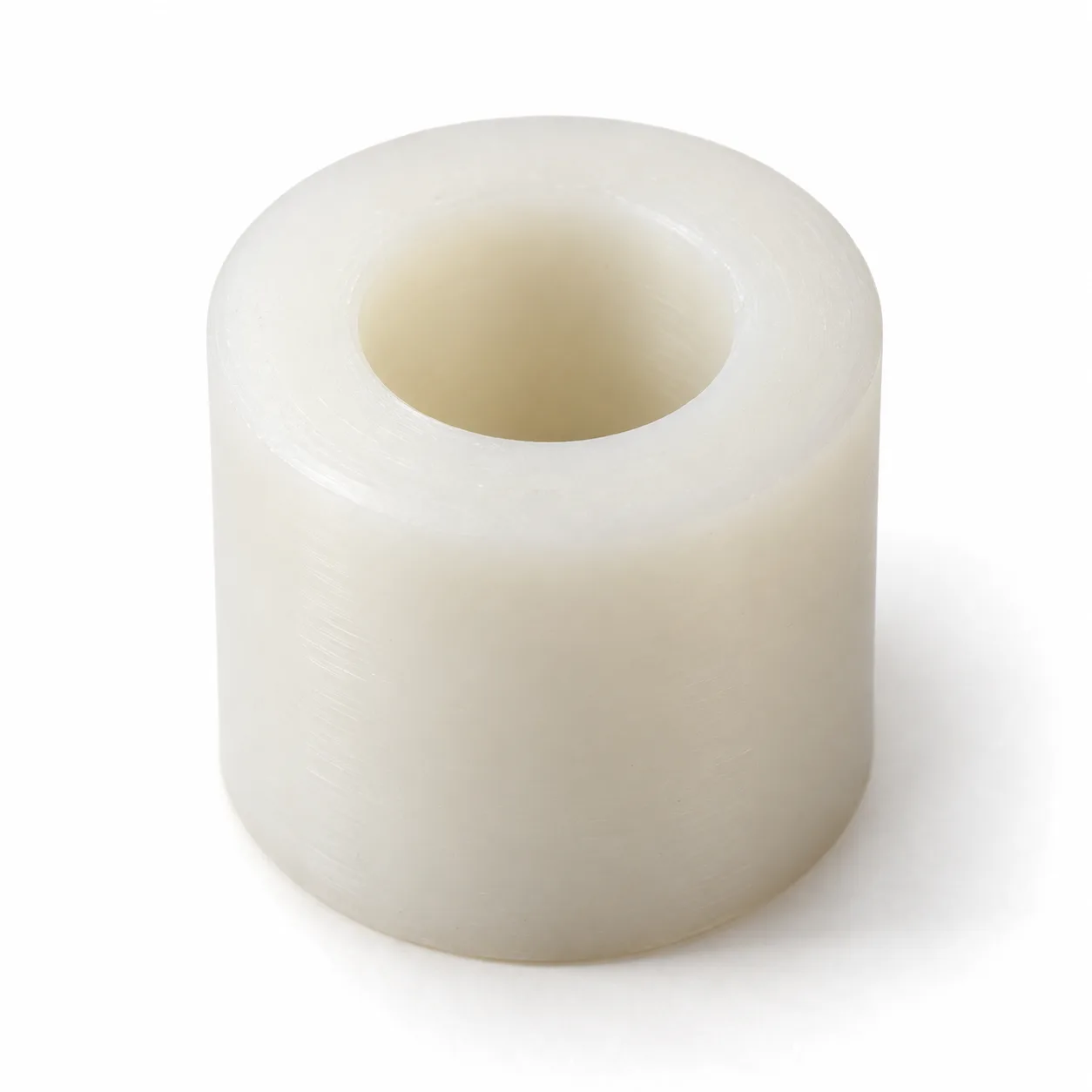
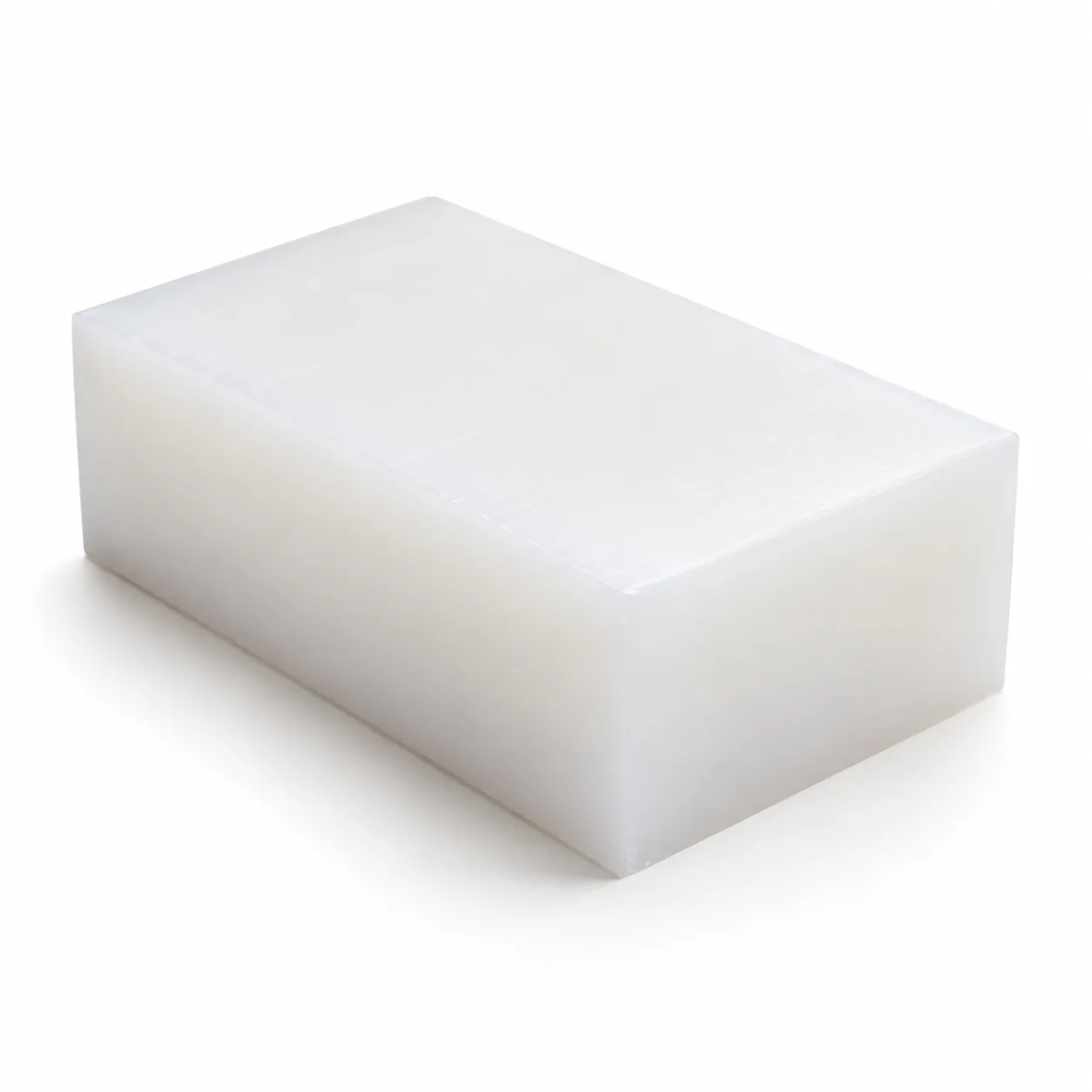
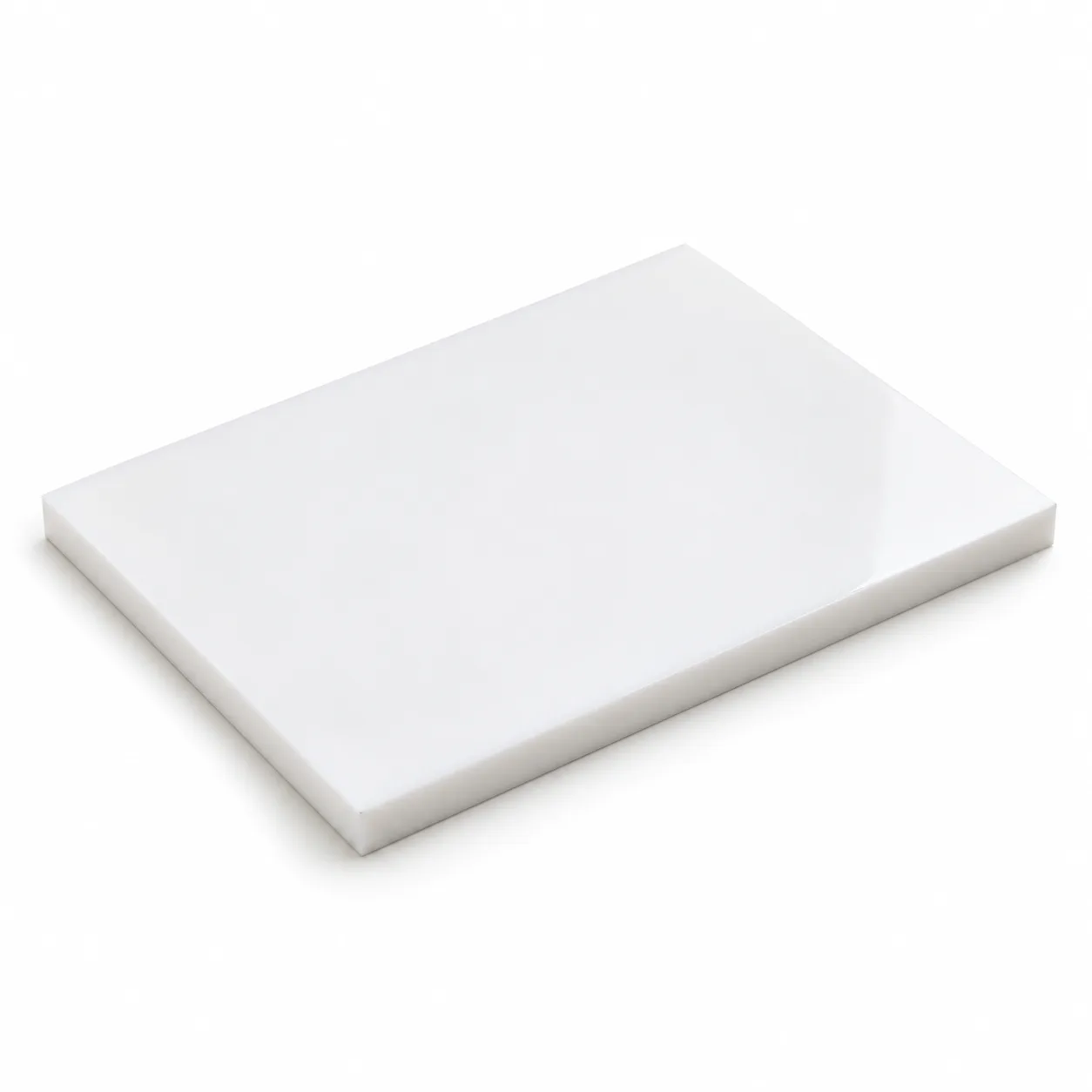
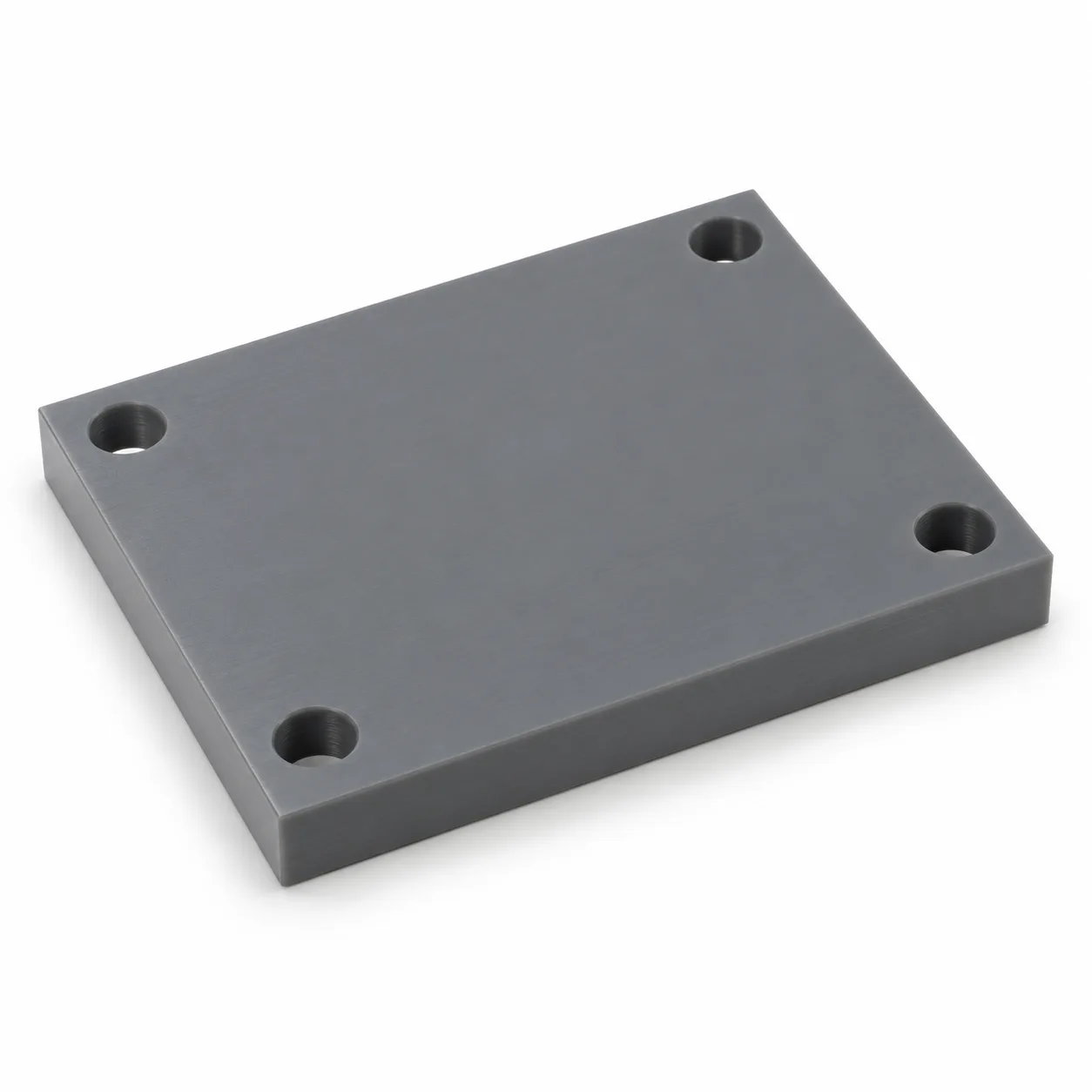
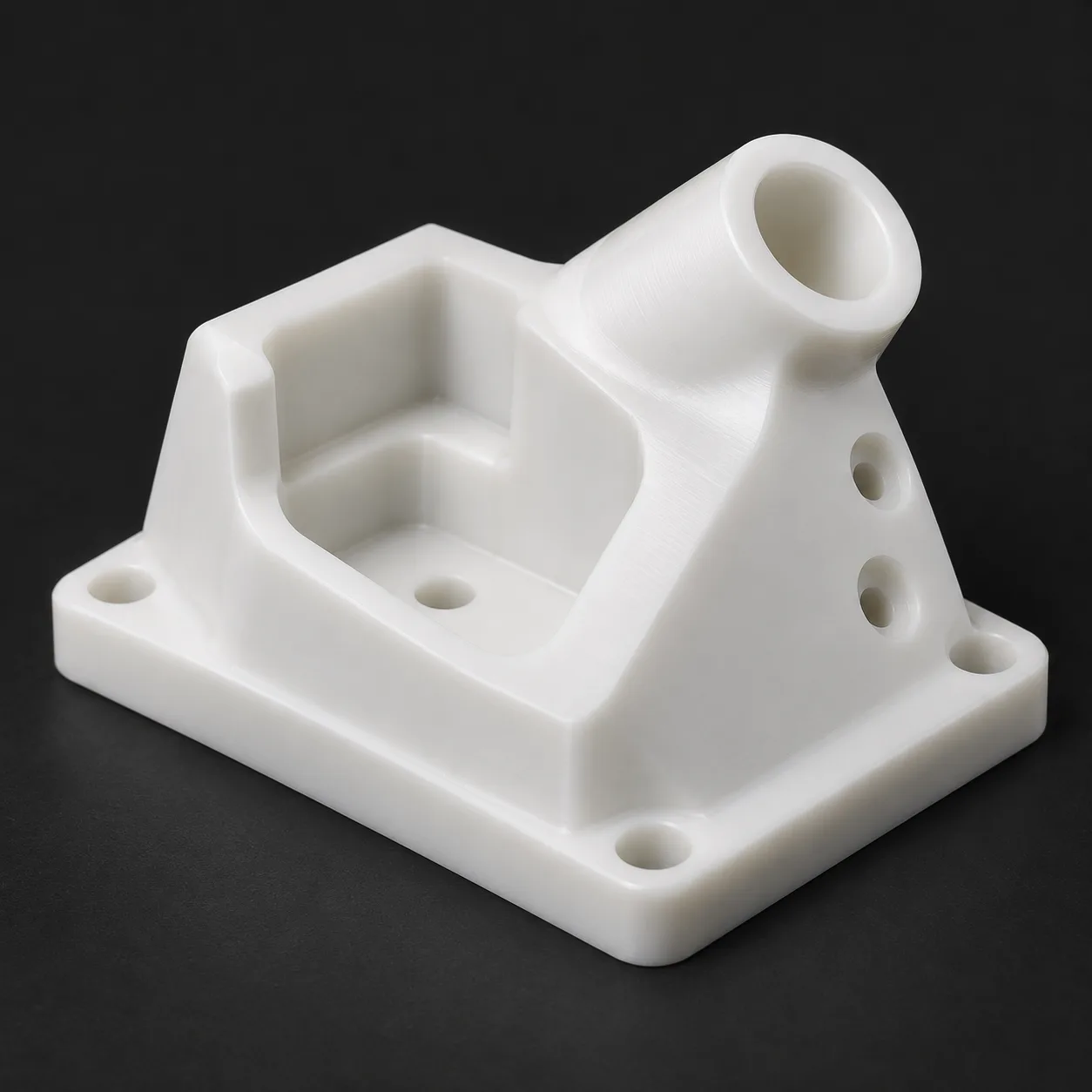
Custom-machined POM parts for prototypes and production runs. BatchMach Precision machines POM homopolymer, POM copolymer, and specified Delrin® grades into bushings, gears, rollers, guides, valve components, and precision mechanical parts. Our team reviews tolerances, wall thickness, fits, and material grade before machining to reduce burrs, heat-related distortion, and assembly problems.

  • Factory PricingDirect quotation from our CNC manufacturing team
  • No MOQOne-off prototypes and repeat production orders supported
  • PrecisionTolerances down to ±0.005 mm
  • Lead TimeAs fast as 1 day
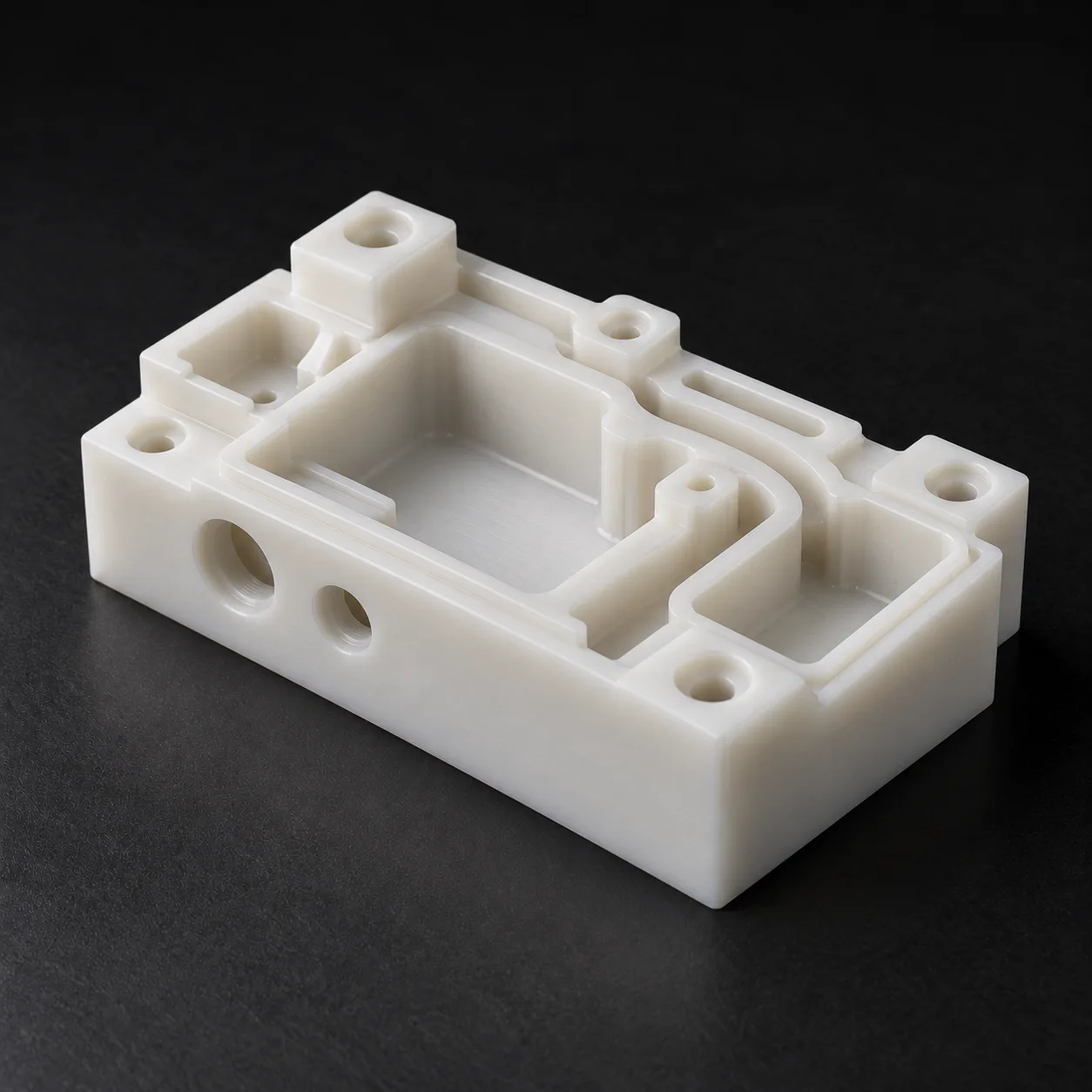
    POM (Delrin) CNC Machining Service part

    Upload Your CAD Files for a Quote

    Drop your CAD file here or click to browseSupported: STEP, STP, IGES, SLDPRT, DXF, DWG, PDF

    Your files are secure and confidential · Max file size: 100 MB

    19+

    Years of Experience

    250+

    Machines & Testing Equipment

    11,000 m²

    Manufacturing Area

    200+

    Skilled Staff

    ISO

    9001 / 13485 / AS9100D

    From prototypes to repeat production, BatchMach Precision brings together two ISO-certified CNC factories, practical machining expertise, and dimensional inspection to deliver custom parts built to your drawings.

    Trusted by
    numerous companies

    Our POM CNC Machining Capabilities

    BatchMach Precision provides CNC machining services for POM homopolymer, POM copolymer, and specified Delrin® grades. Our capabilities include 3-axis, 4-axis, and 5-axis machining, CNC turning, and mill-turn machining. We plan the machining process, workholding, and inspection around your drawing requirements.

    POM CNC Milling

    POM CNC Milling

    BatchMach Precision uses 3-axis, 4-axis, and 5-axis equipment to machine multi-sided and complex POM features. We control tool sharpness, cutting heat, and clamping pressure to reduce burrs, warping, and dimensional changes after material removal.
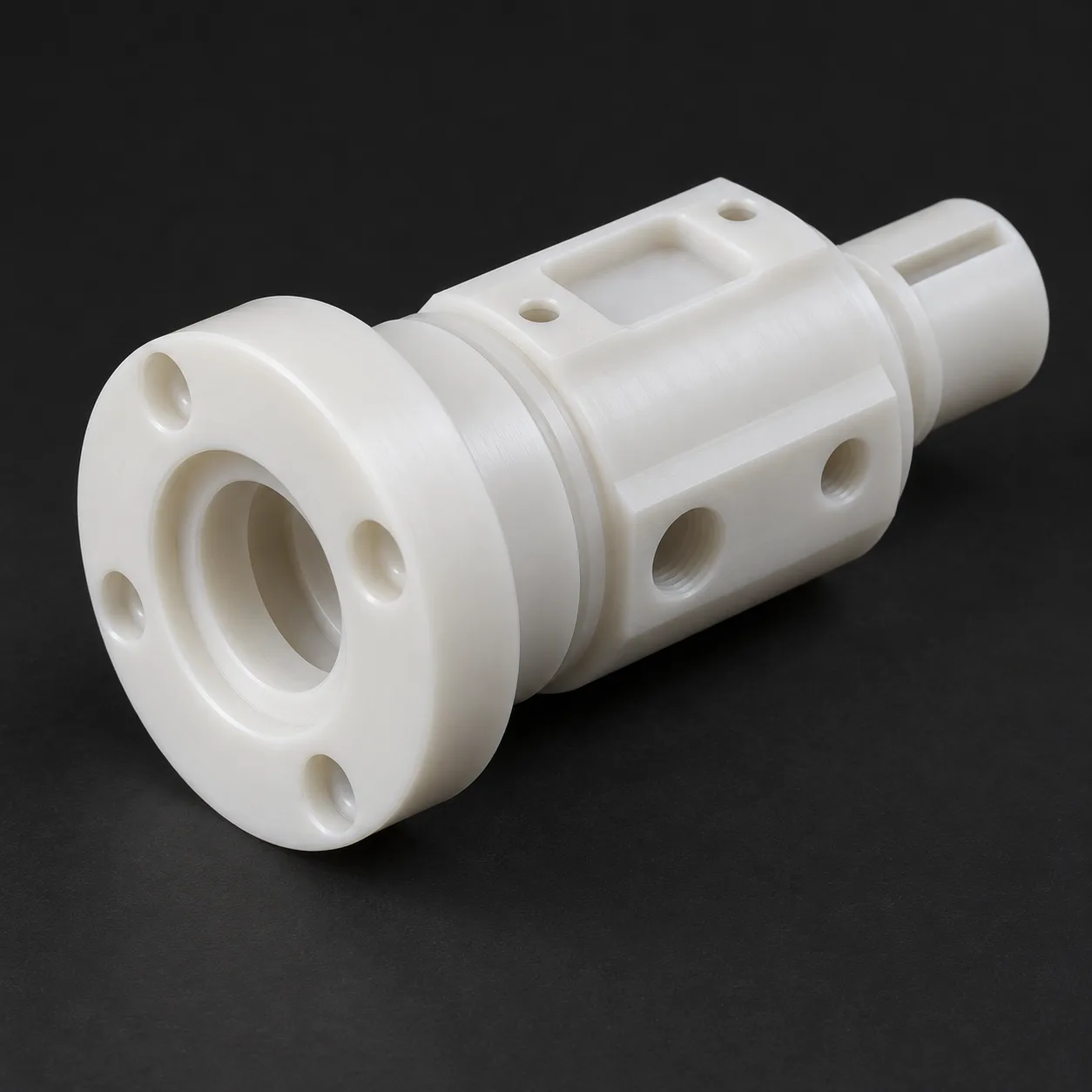
    POM CNC Turning

    POM CNC Turning

    Our CNC turning process produces outside diameters, bores, grooves, threads, and mating surfaces. Cutting parameters are adjusted according to the POM grade and dimensional requirements to maintain concentricity, surface finish, and dimensional consistency.

    5-Axis Machining for POM Parts

    5-Axis Machining for POM Parts

    For POM parts with multi-directional holes, angled surfaces, complex contours, or tightly related features, 5-axis machining allows multiple sides to be completed in fewer setups. BatchMach Precision plans workholding around wall thickness, datums, and clamping points to reduce repositioning errors and limit distortion caused by clamping pressure or internal stress release.

    Prototype and Large-Volume Machining

    Prototype and Large-Volume Machining

    BatchMach Precision supports POM prototypes and large-volume production with no minimum order quantity. Parts can be machined without mold tooling for design verification and assembly testing. After drawing approval, validated machining programs and inspection requirements can be retained for repeat orders.

    POM Grades for CNC Machining

    POM grades differ in stiffness, impact resistance, thermal expansion, and response to machining. BatchMach Precision confirms the exact grade and stock form before production because unfilled and glass-filled POM require different cutting and tolerance-control strategies.

    Delrin® 150 — Unfilled POM Homopolymer

    Balanced strength, toughness, fatigue resistance, and creep performance.

    Unfilled POM homopolymer

    Material Type

    11,100 psi

    Yield Strength

    1.5 ft-lb/in

    Notched Izod Impact

    257°F

    HDT at 264 psi

    Surface Finishes for Machined POM Parts

    Machined POM parts are often used without additional finishing because the material produces a naturally smooth surface with sharp tools and controlled cutting parameters. Secondary finishes can be applied to modify appearance, remove light burrs, soften edges, or add color. POM’s low surface energy, sensitivity to frictional heat, and dimensional response to material removal must be considered before finishing.

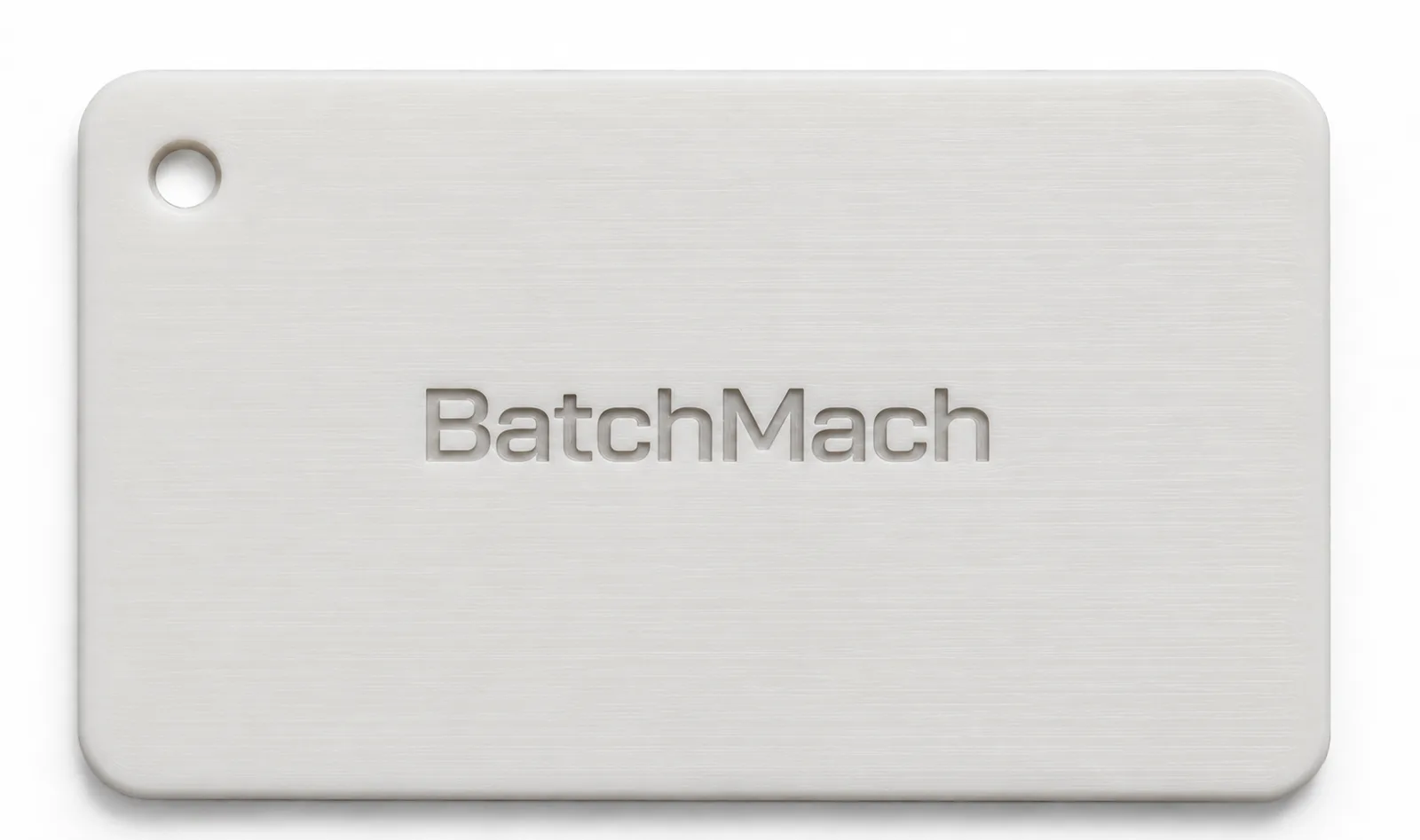
    As Machined

    As Machined surface finish sample

    The POM surface retains its natural machined appearance and visible tool paths. No additional material is removed after CNC machining, helping preserve critical dimensions, fits, threads, and sealing features.

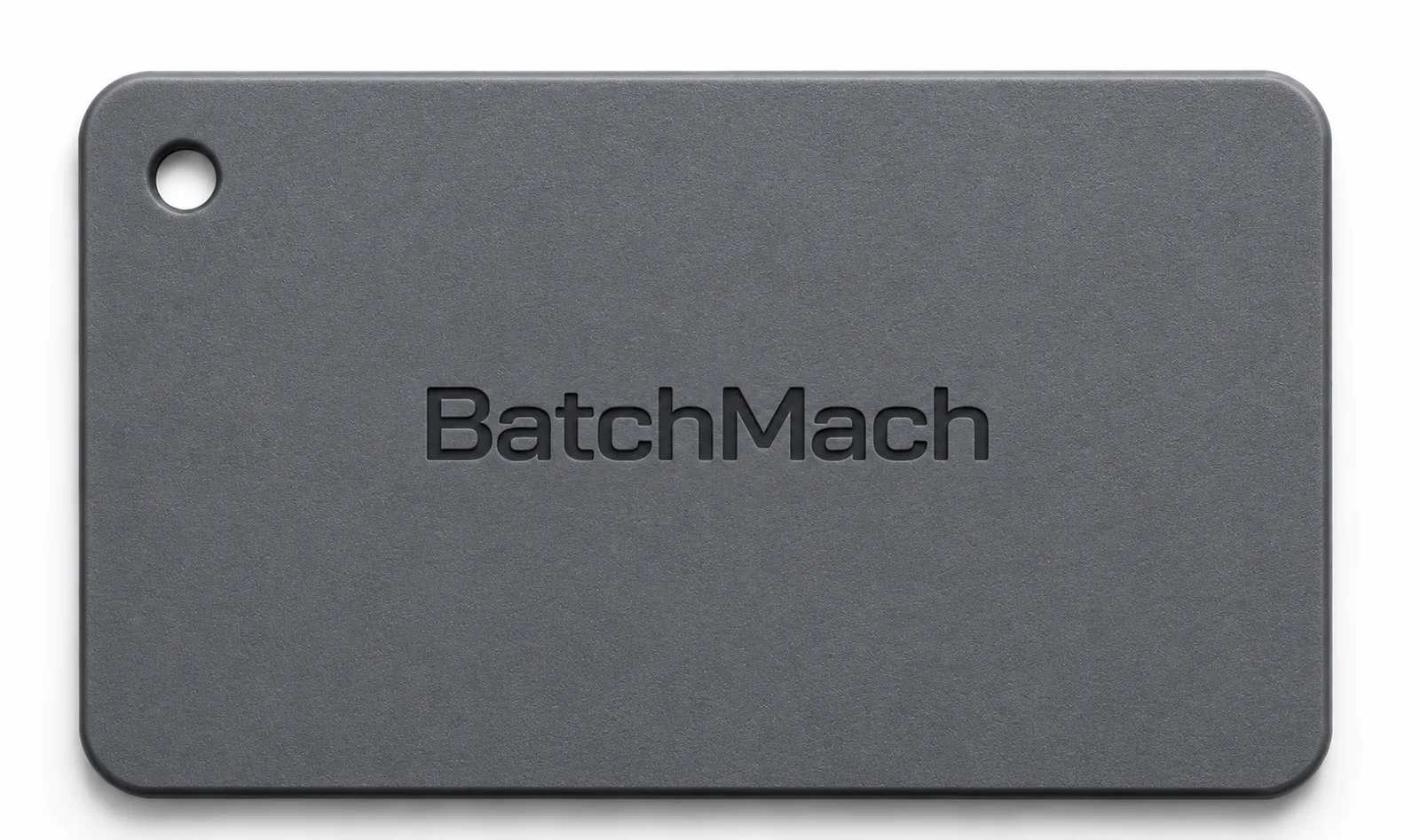
    Sand Blasting

    Sand Blasting surface finish sample

    Low-pressure blasting with fine abrasive media creates a consistent matte texture and reduces visible machining marks on POM. Pressure, media size, and exposure time must be controlled to prevent surface damage, rounded edges, or dimensional changes. Critical features should be masked.

    Tumbling

    Tumbling surface finish sample

    Tumbling removes light burrs and softens sharp machined edges on POM parts. Media type, processing time, and part-to-part contact must be controlled because excessive tumbling can round detailed features, scratch the surface, or alter tight tolerances.

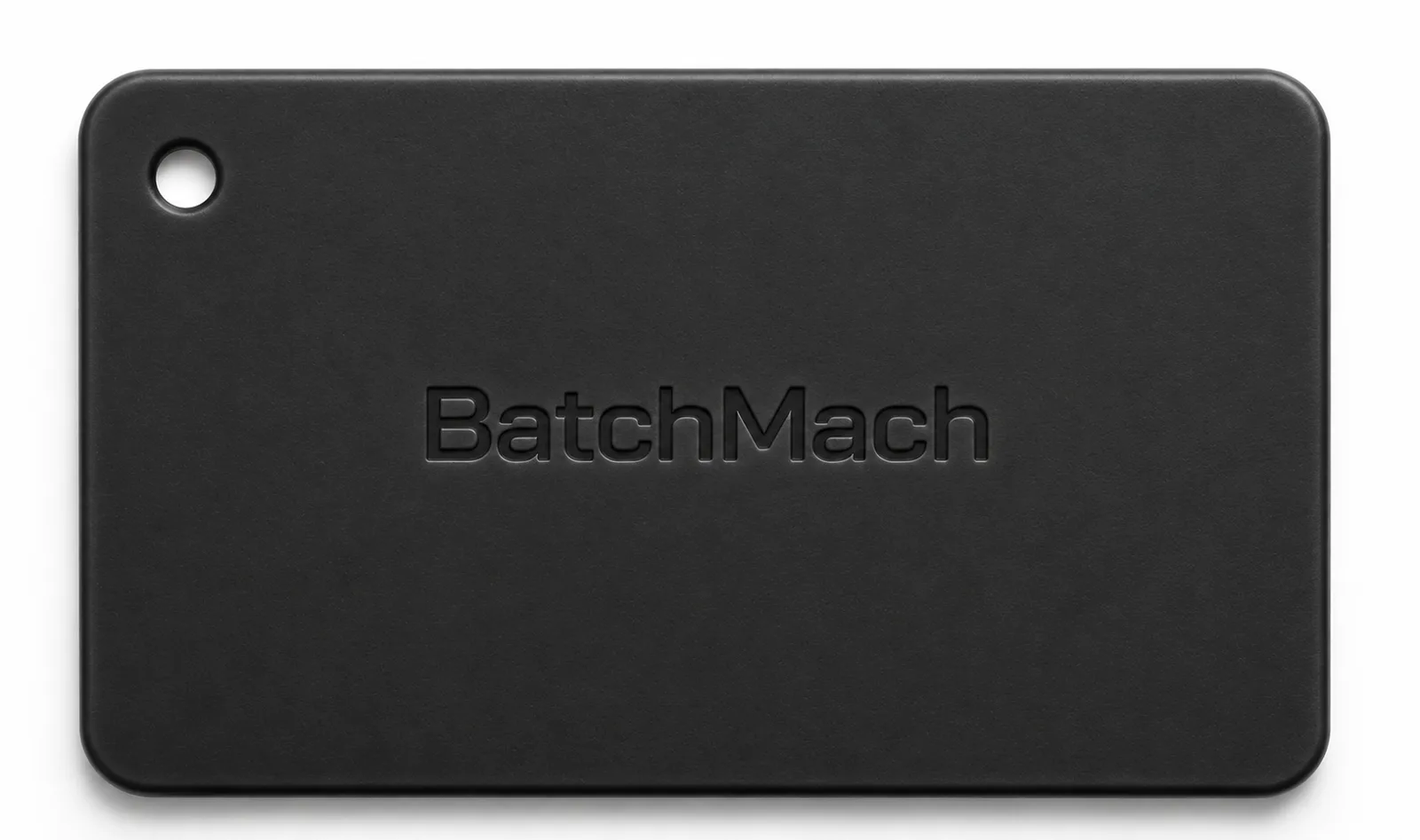
    Painting

    Painting surface finish sample

    Painting adds color, identification, or a specified cosmetic finish to machined POM. Because POM has low surface energy, paint does not bond reliably to an untreated surface. Cleaning and adhesion-promoting pretreatment, such as plasma, flame, or corona treatment, may be required. Paint adhesion and chemical resistance should be tested before production.

    POM (Delrin) CNC Machining Design Guidelines

    Use these starting values to improve machinability, control deformation, and avoid unnecessary tooling costs. Final dimensions should be reviewed against the material grade, stock size, geometry, and functional requirements.

    Design ElementRecommended Starting PointMachining Reason
    Minimum Wall Thickness≥ 1.5 mm (0.059 in)Improves rigidity during cutting and reduces vibration, clamping distortion, and heat-related movement
    Internal Corner Radius≥ 1.3× the cutter radiusAllows a larger, more rigid tool and reduces machining time
    Milled Pocket DepthPreferably ≤ 3× the tool diameter; review at 3–4×Reduces tool deflection, chip recutting, and heat buildup inside the cavity
    Drilled Hole DepthAdditional review above 10× the hole diameterDeep drilling makes chip evacuation and temperature control more difficult
    Internal Undercut Clearance≥ 4× the undercut depthProvides sufficient room for tool entry, cutting, and withdrawal
    Large Flat SurfacesRemove material in balanced roughing and finishing stagesHelps limit warping caused by uneven stress release
    Selected Critical TolerancesDown to ±0.005 mm (±0.0002 in)Suitable only for stable, accessible features that can be measured consistently

    Inside Our POM (Delrin) CNC Machining Factory

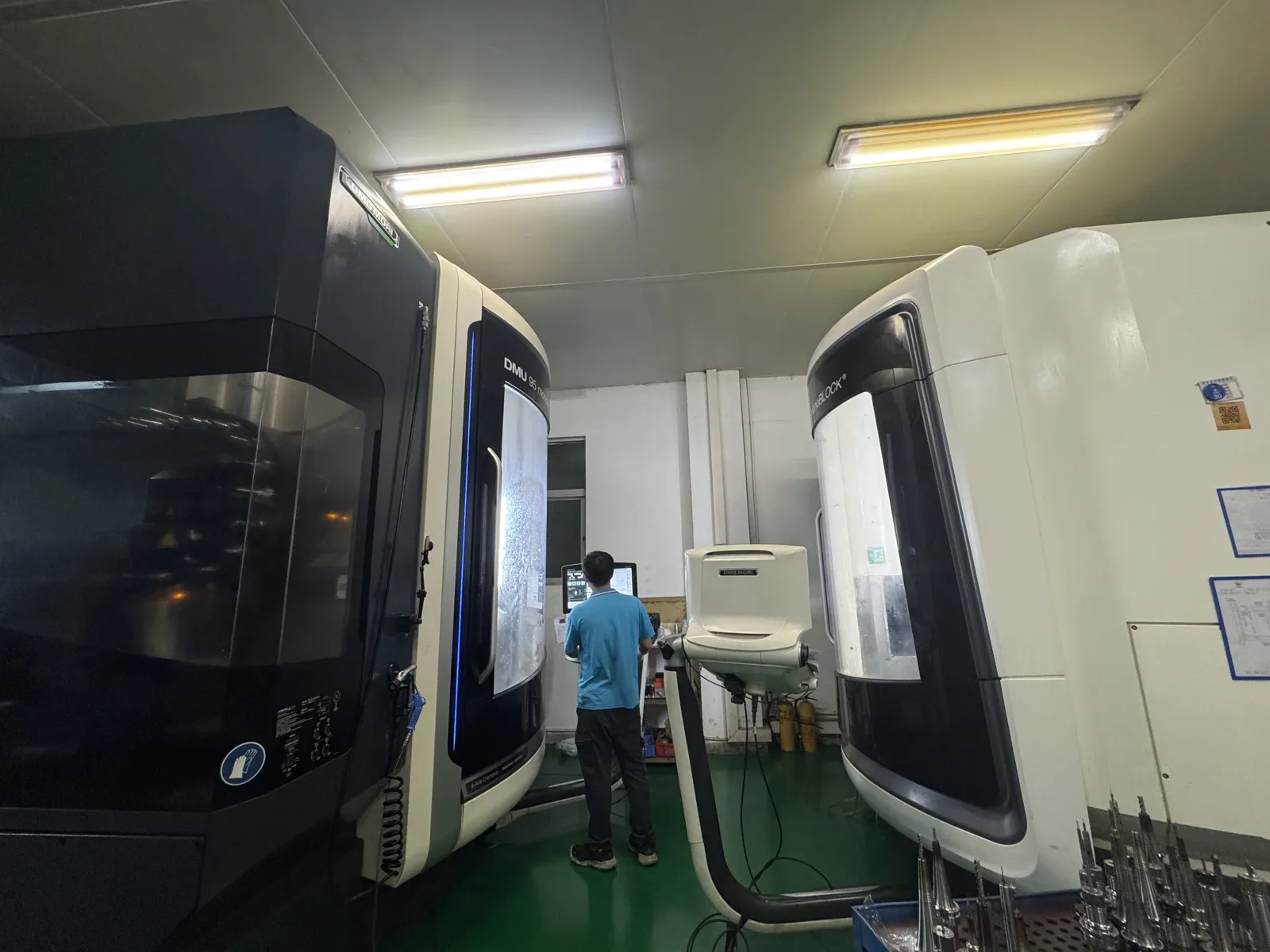
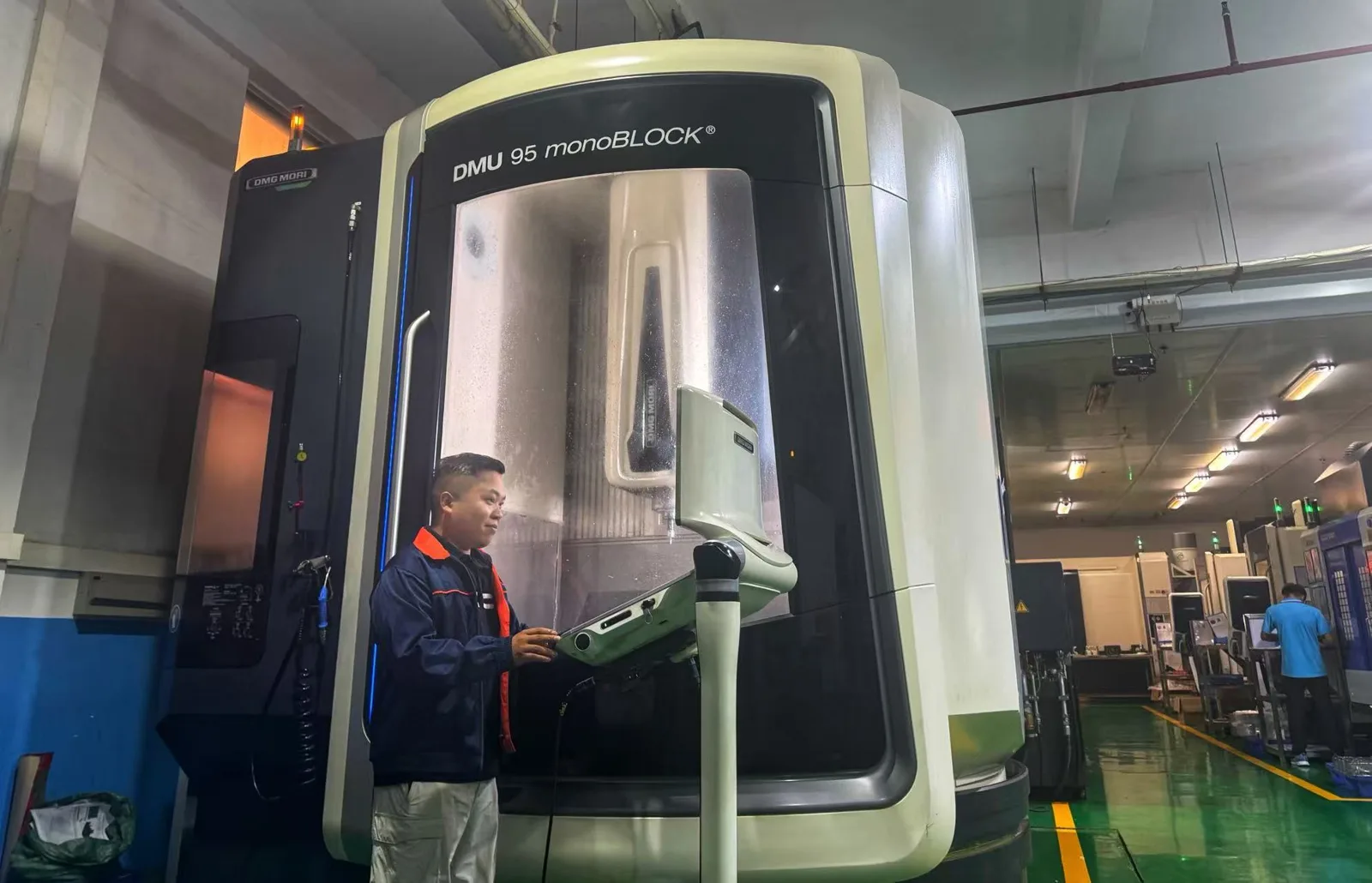
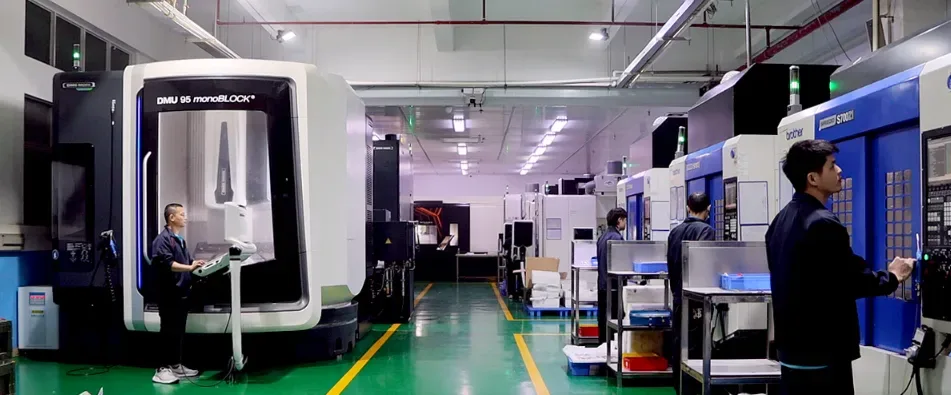
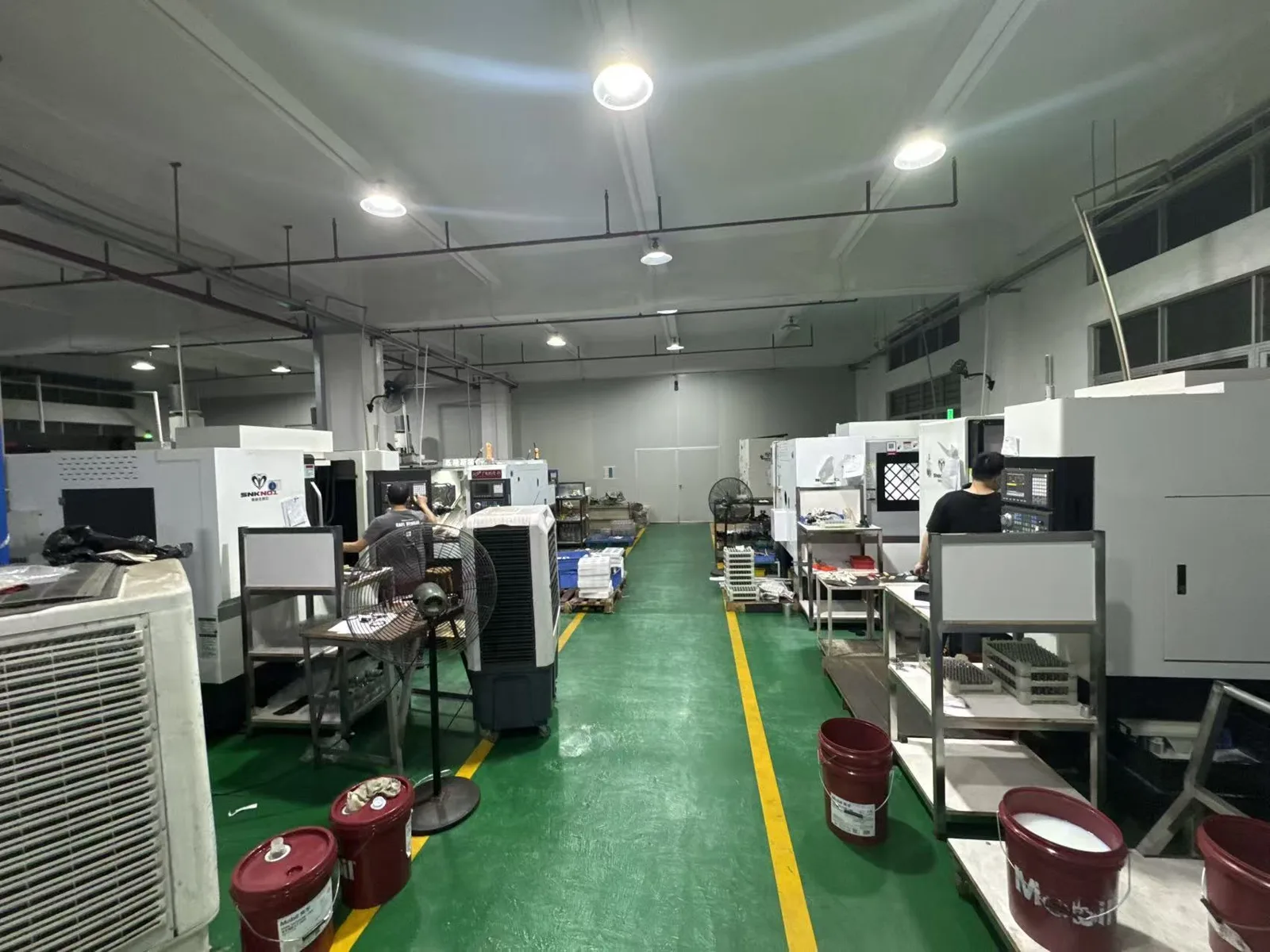
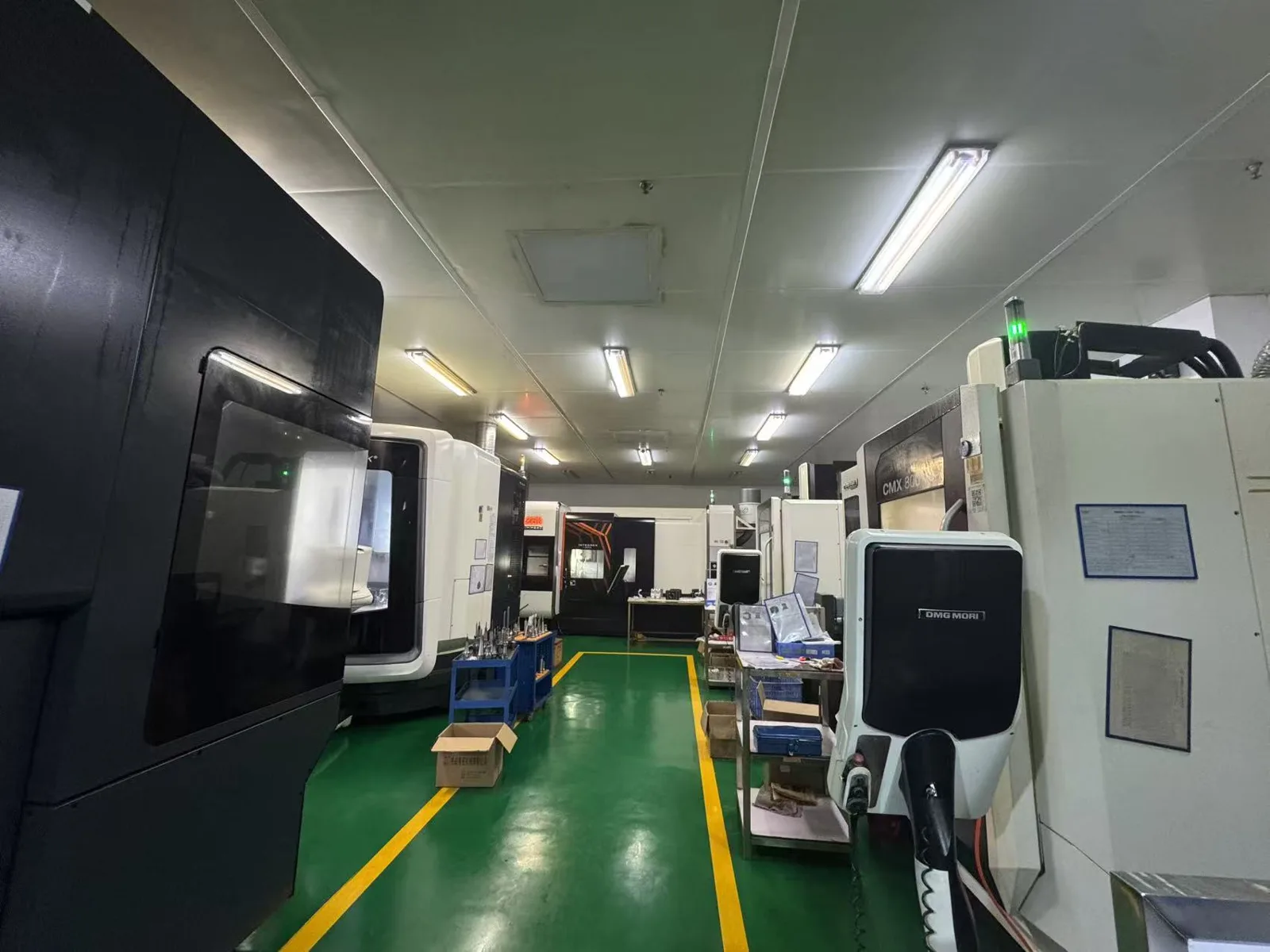
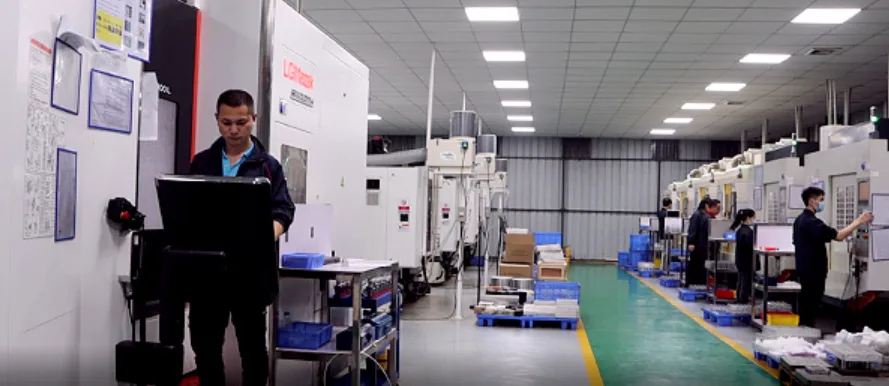
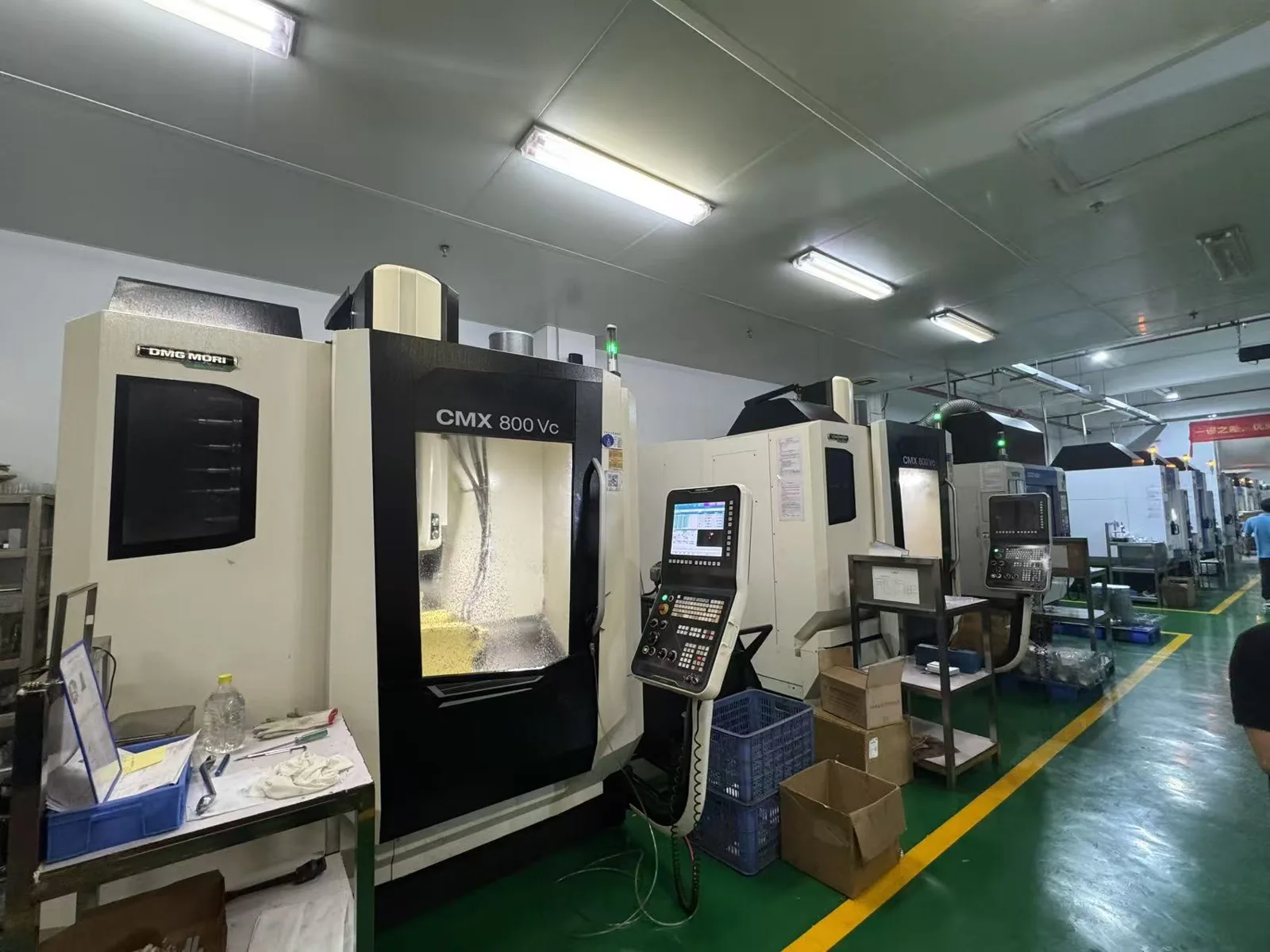
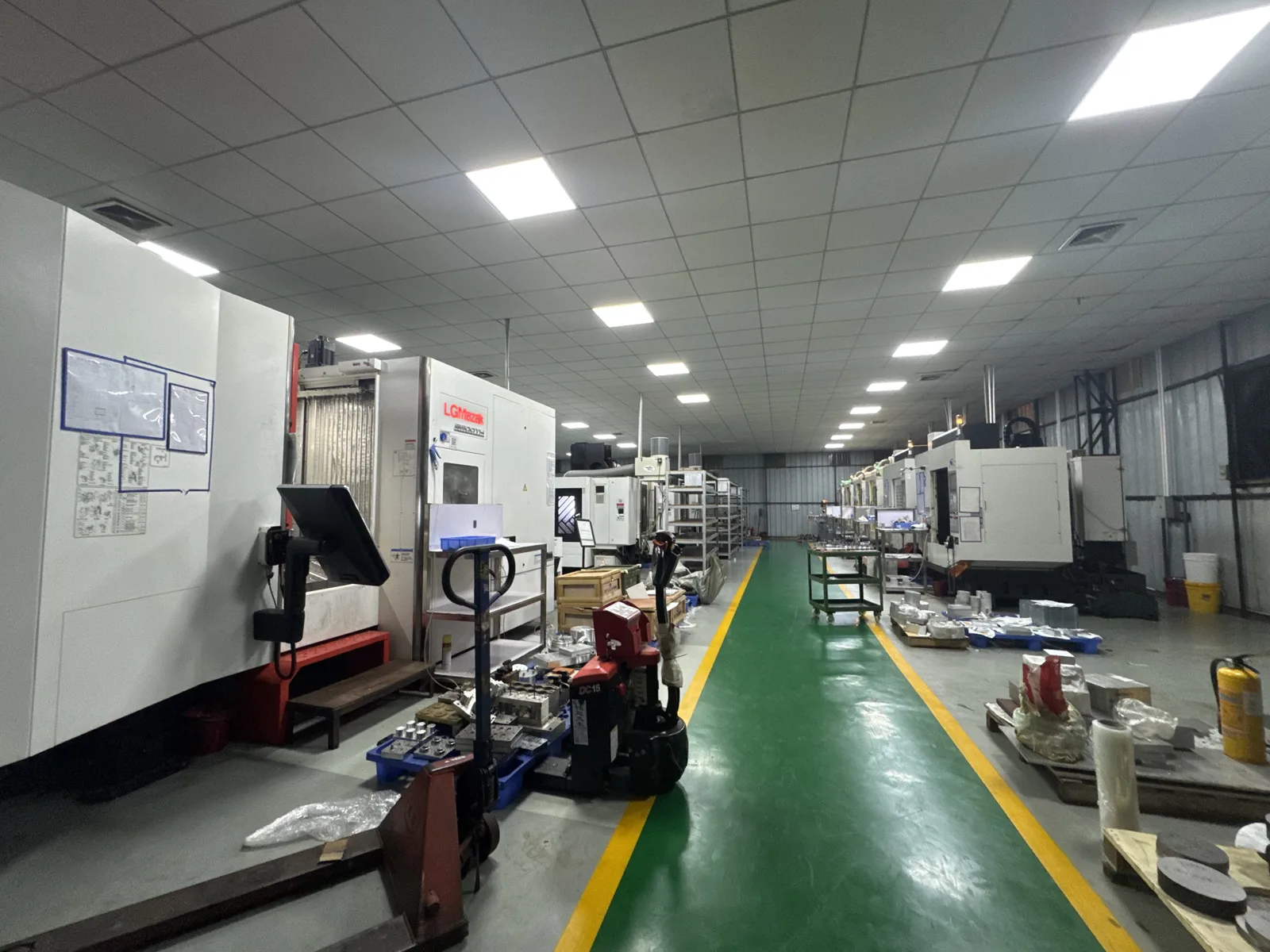
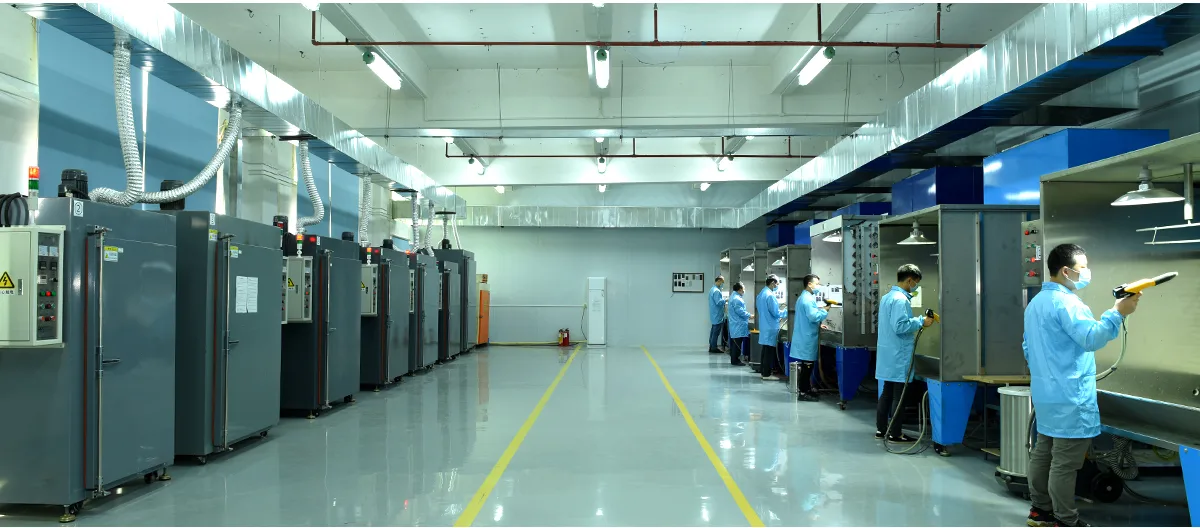
    The photos below show BatchMach Precision’s precision manufacturing environment. Our factory is equipped with 3-axis, 4-axis, and 5-axis machining centers, CNC lathes, and mill-turn machines. We select the appropriate machining approach based on part geometry, tolerance relationships, and production volume.

    5-Axis Machining Centers

    5-Axis Machining Centers

    DMU 95 CNC Machining

    DMU 95 CNC Machining

    DMG MORI Workshop

    DMG MORI Workshop

    CNC Machining Workshop

    CNC Machining Workshop

    CNC Production Line

    CNC Production Line

    CNC Production Workshop

    CNC Production Workshop

    Large-Part CNC Workshop

    Large-Part CNC Workshop

    Large-Part Machining

    Large-Part Machining

    Powder Coating Workshop

    Powder Coating Workshop

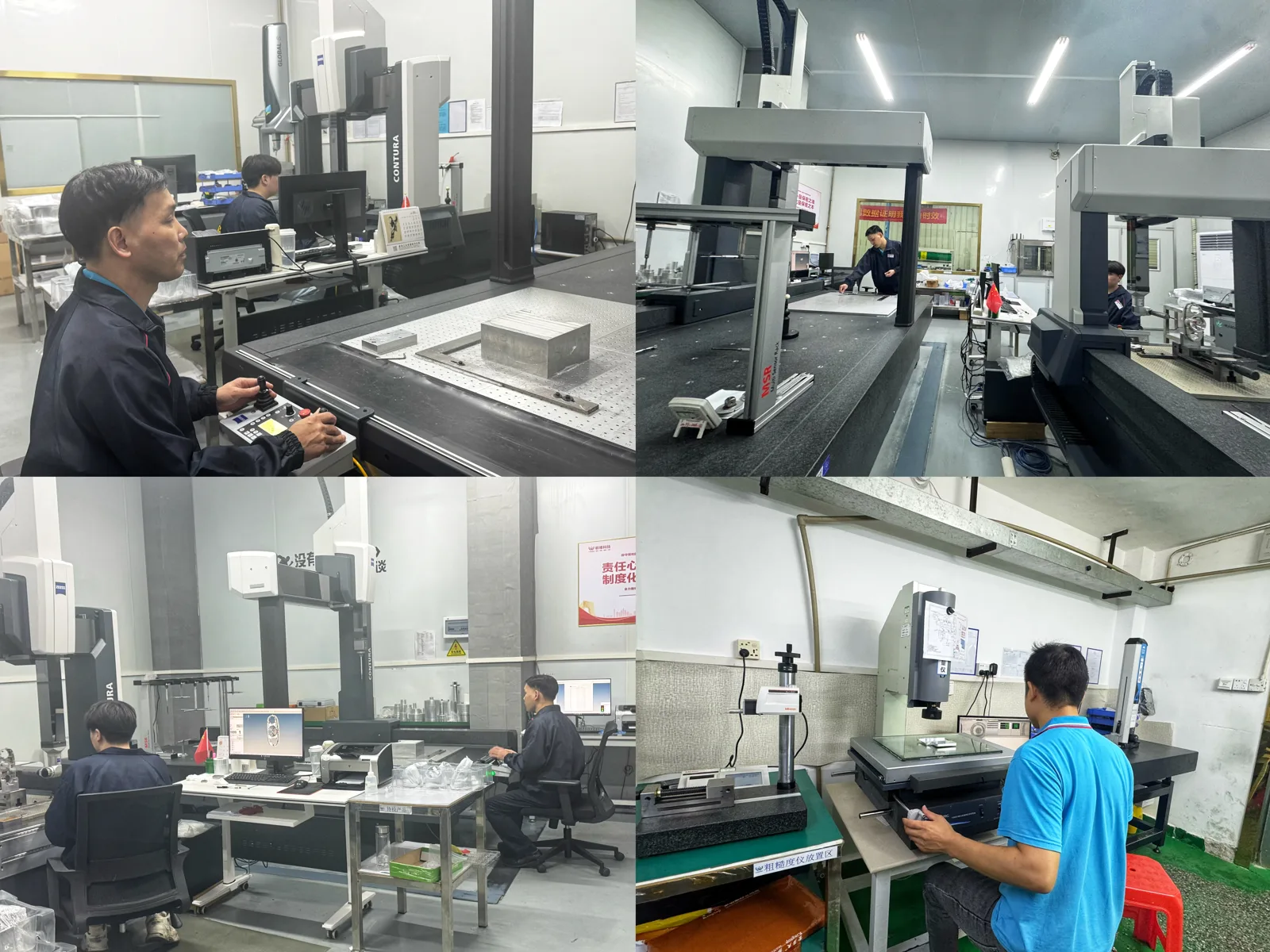
    Quality Control for POM CNC Machining

    POM parts are often specified for sliding fits, bearing surfaces, gears, bushings, and other components with controlled dimensions. BatchMach Precision plans inspection around the drawing, material grade, part geometry, tolerance requirements, and the possibility of dimensional movement after machining.

    Material and Drawing Verification

    Before production, BatchMach Precision confirms the specified POM type, color, stock form, critical dimensions, fits, and surface requirements. POM-C and POM-H are not treated as interchangeable when the drawing or operating conditions require a specific grade.

    Dimensional Inspection After Machining

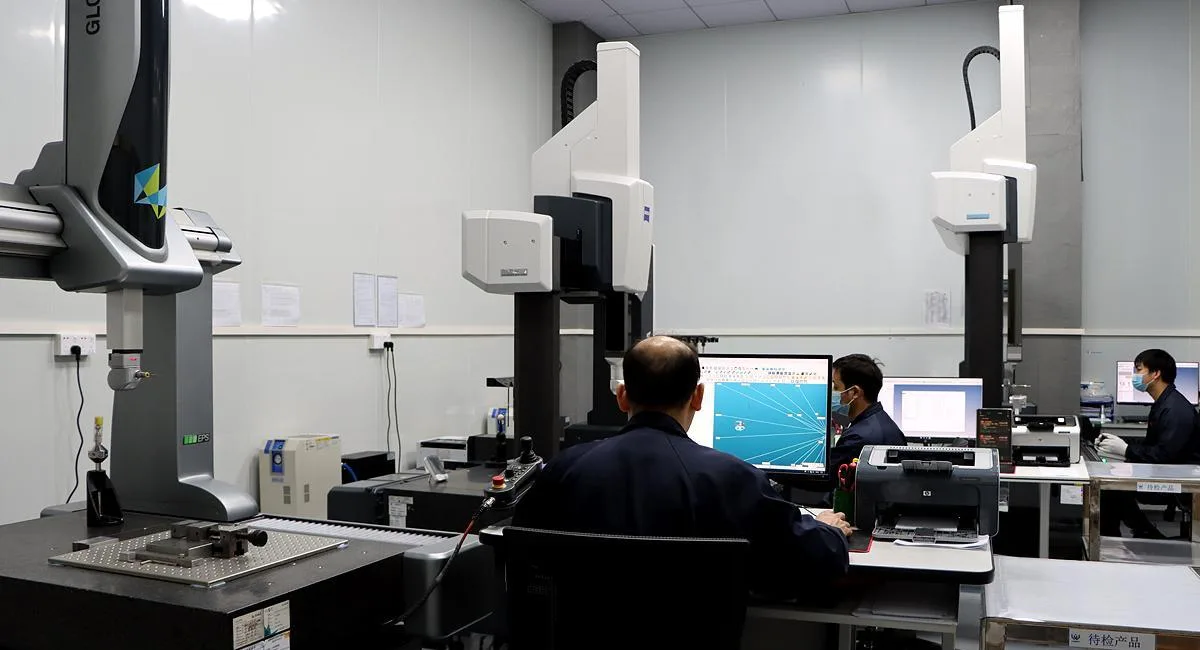
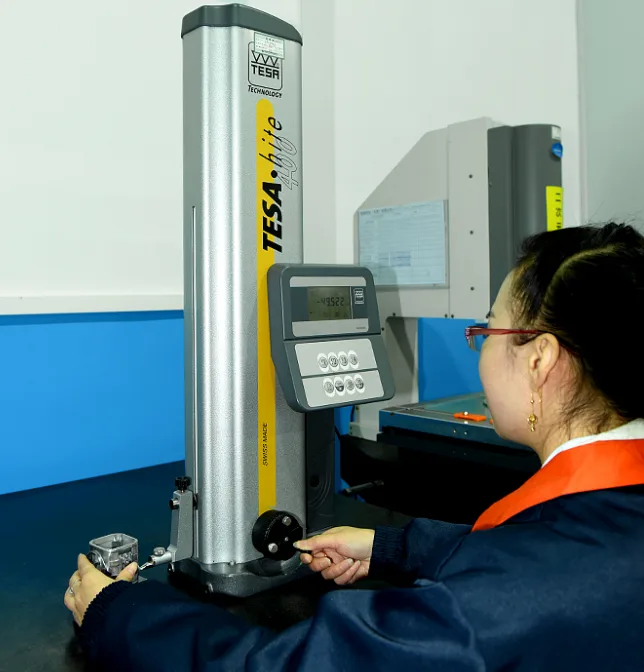
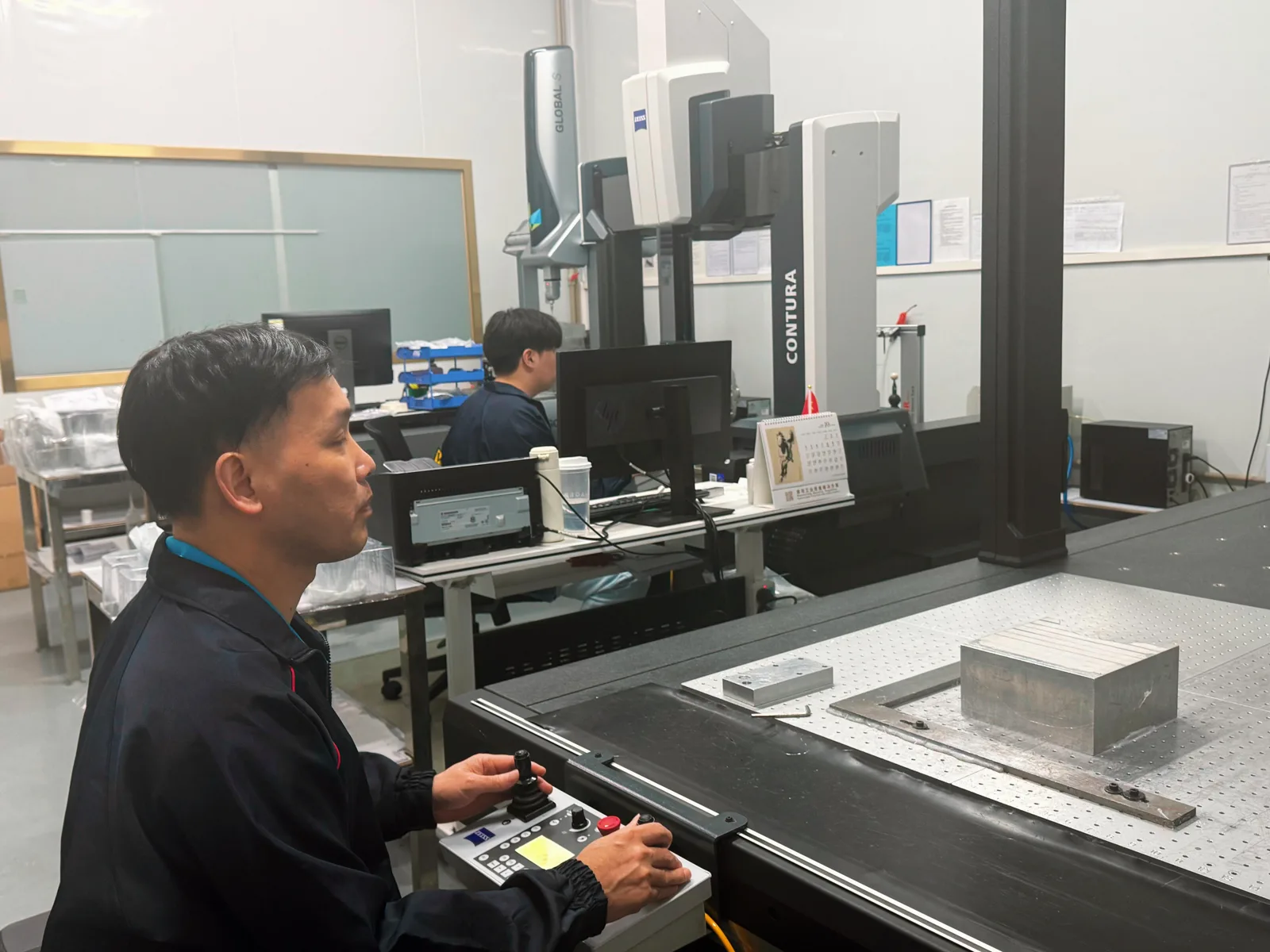
    Critical diameters, hole positions, flatness, parallelism, concentricity, and mating features are inspected using ZEISS CONTURA and Hexagon CMMs, vision measurement systems, TESA height gauges, and Mitutoyo precision measuring tools. Distortion-sensitive dimensions can be checked after the part is released from the fixture and allowed to stabilize.

    Final Surface and Feature Inspection

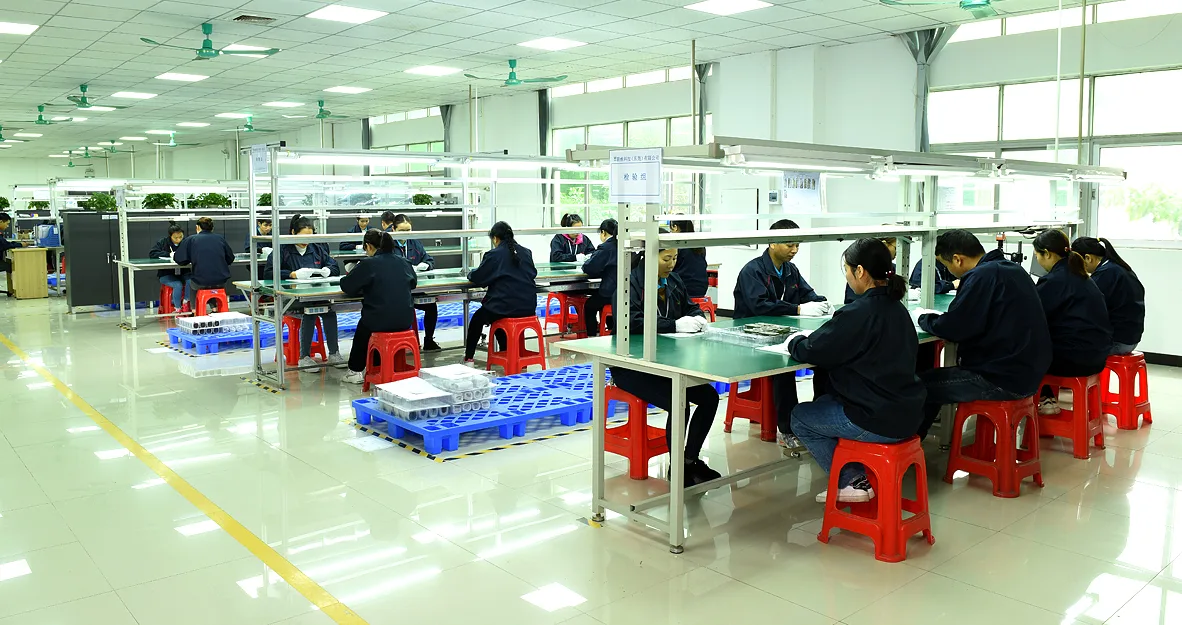
    Before shipment, BatchMach Precision checks machined surfaces, edges, holes, threads, grooves, and sealing or sliding features for burrs, damage, and visible defects. Final quantity, critical dimensions, and specified surface requirements are verified against the confirmed drawing and order requirements.

    Quality Control for POM CNC Machining
    Quality Control for POM CNC Machining
    Quality Control for POM CNC Machining

    Why Choose BatchMach Precision for POM CNC Machining?

    High-Precision POM Parts

    /01

    High-Precision POM Parts

    BatchMach Precision plans the machining sequence around wall thickness, mating relationships, and the amount of material removal to control cutting heat, clamping pressure, and internal stress. For stable geometries and reviewed critical features, machining accuracy can reach ±0.005 mm (±0.0002 in).

    Reliable, Fast Lead Times

    /02

    Reliable, Fast Lead Times

    BatchMach Precision supports one-off prototypes, replacement parts, and low-volume production with no minimum order quantity. Once the drawing, material, and process requirements are confirmed, simple POM parts can be completed in as fast as one day, with worldwide delivery available.

    Dedicated Engineering Support

    /03

    Dedicated Engineering Support

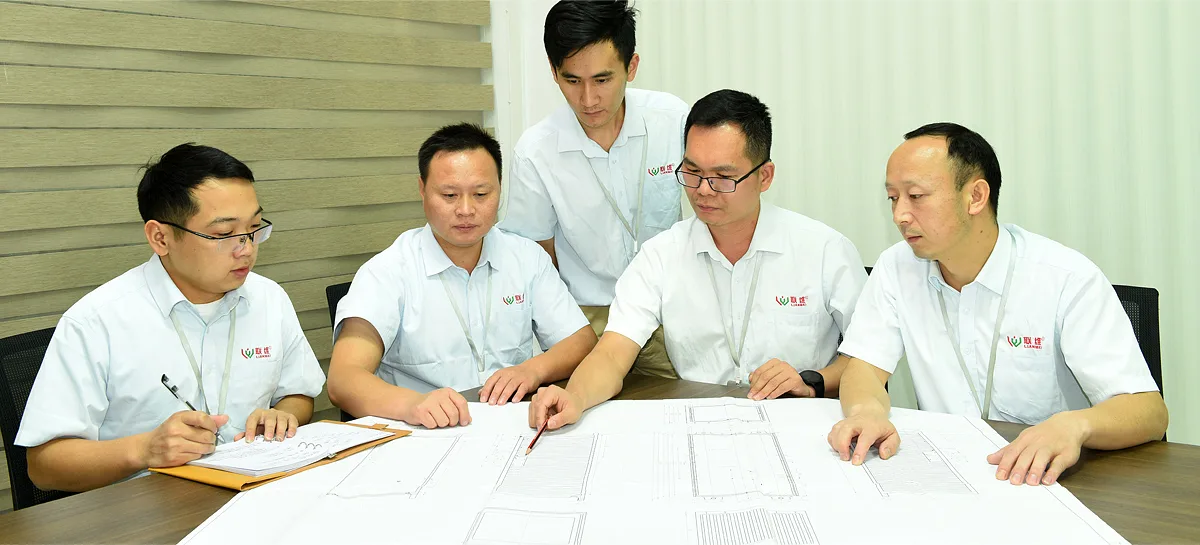
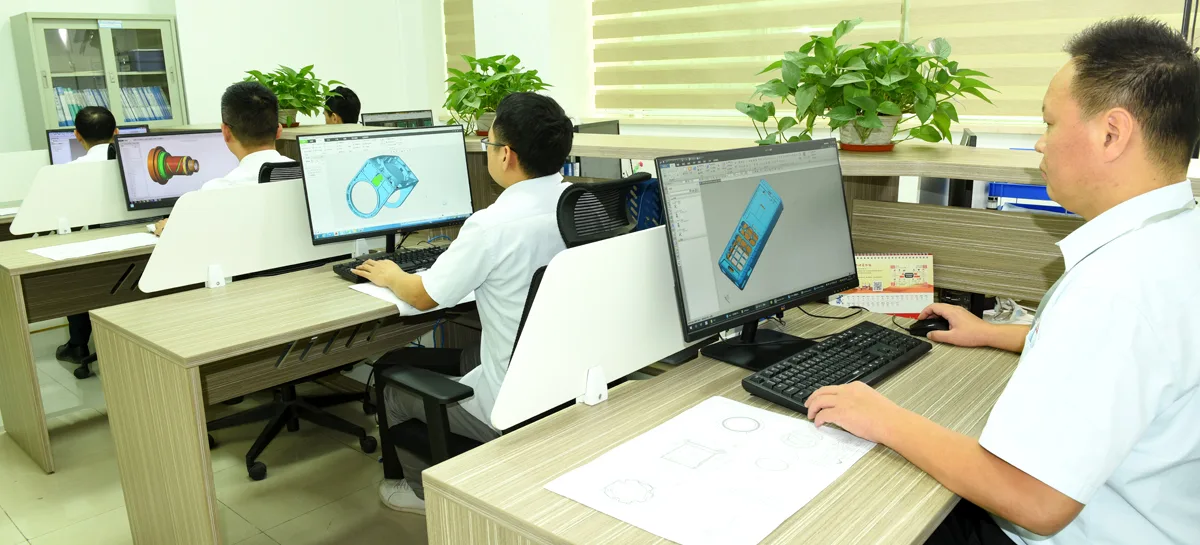
    From quotation through production, BatchMach Precision reviews the choice between POM-C and POM-H, along with thin walls, deep cavities, holes, threads, fits, and workholding features. If a design may increase distortion, machining time, or cost, our engineering team provides manufacturability feedback before machining begins.

    Ready to start your next machining project?

    Get a Quote

    POM (Delrin) CNC Machining FAQ

    POM CNC machining produces parts directly from acetal sheet, rod, or tube by removing material according to a CAD model and technical drawing. No production mold is required. POM offers a practical combination of stiffness, wear resistance, low friction, and dimensional stability, making it suitable for gears, bushings, rollers, guides, insulators, and precision assembly components.

    This process is well suited to prototypes, replacement parts, low-volume orders, and components with controlled bores, concentric features, flatness, or mating dimensions. For stable high-volume demand, CNC machining should be compared with injection molding based on tooling cost and unit price.

    POM is the chemical abbreviation for polyoxymethylene, while acetal is the commonly used name for the same family of materials. Delrin® is a commercial brand primarily associated with acetal homopolymer, also known as POM-H.

    Not every POM or acetal material is Delrin. Purchase orders and drawings should specify POM-C, POM-H, the required commercial grade, or an applicable material standard to prevent unintended substitution.

    POM-H generally provides greater stiffness, hardness, and mechanical strength, making it suitable for parts exposed to higher loads, repeated motion, or sliding contact. POM-C typically offers better chemical and hydrolysis resistance and is often considered for parts exposed to hot water, cleaning agents, or other process media.

    Both materials can be machined accurately. The final choice should consider load, temperature, chemical exposure, friction, dimensional requirements, and available stock dimensions—not price alone.

    For stable geometries, suitable measurement conditions, and reviewed critical features, BatchMach Precision can achieve tolerances down to ±0.005 mm.

    BatchMach Precision uses sharp cutting tools, appropriate machining parameters, and effective chip evacuation according to the material grade and part geometry. Toolpaths and deburring requirements are planned around holes, slots, threads, and other features where burrs commonly form.

    For thin-wall, asymmetric, or heavily machined parts, we control clamping pressure and may use balanced material removal, separate roughing and finishing operations, and dimensional checks after the part is released from the fixture.

    Yes, subject to a manufacturability review of the wall thickness, wall height, cavity depth, hole locations, and tolerances. Thin sections may flex under cutting, clamping, or measurement forces, so customized support, lighter finishing cuts, or staged machining may be required.

    For parts with multi-sided features, angled holes, or closely related datums, BatchMach Precision can use 4-axis or 5-axis machining to reduce repeated setups. Critical walls, datums, and functional dimensions should be clearly identified on the drawing.

    Available options include as-machined surfaces, precision deburring, manual sanding, mechanical polishing, fine-media blasting, and tumbling for suitably robust parts. Laser marking, engraving, printing, or painting can also be evaluated according to the specific grade and application.

    POM has relatively low surface adhesion, so painting, printing, or bonding may require surface preparation and compatibility testing. Any finish that could affect dimensions, edges, sealing faces, or sliding surfaces should be defined before quotation.

    Yes. CNC machining requires no production mold and can produce parts directly from sheet, rod, or tube, making it practical for one-off prototypes, design validation, replacement parts, and low-volume production.

    BatchMach Precision has no minimum order quantity for POM machining. Once the drawing, material, and process requirements are confirmed, simple parts can be completed in as fast as one day.

    Free first-order sample for new customers

    Send your drawings today — get a free process evaluation, quotation within 24 hours, and flexible quarterly settlement for long-term partners.

    Upload Drawing & Get Quote