Metal Materials

Custom Titanium CNC Machining Services

BatchMach Precision provides custom titanium CNC machining services for precision parts requiring high strength, low weight, corrosion resistance, and reliable performance in demanding applications. With two ISO-certified CNC factories, we machine titanium components for prototypes, low-volume orders, and repeat production, with close control over cutting heat, tool wear, dimensional accuracy, and surface quality.

  • Factory-Direct PricingParts are manufactured directly in our own CNC factories, reducing middleman markups and unnecessary outsourcing costs.
  • Fast Lead TimesIn-house machining, inspection, and production scheduling help shorten turnaround for prototypes, low-volume orders, and repeat production.
  • No MOQ RequiredOrder one prototype, a small batch, or production quantities based on your actual project requirements.
  • ±0.005 mm Precision MachiningControlled machining for critical dimensions, holes, threads, mating surfaces, and precision titanium features.
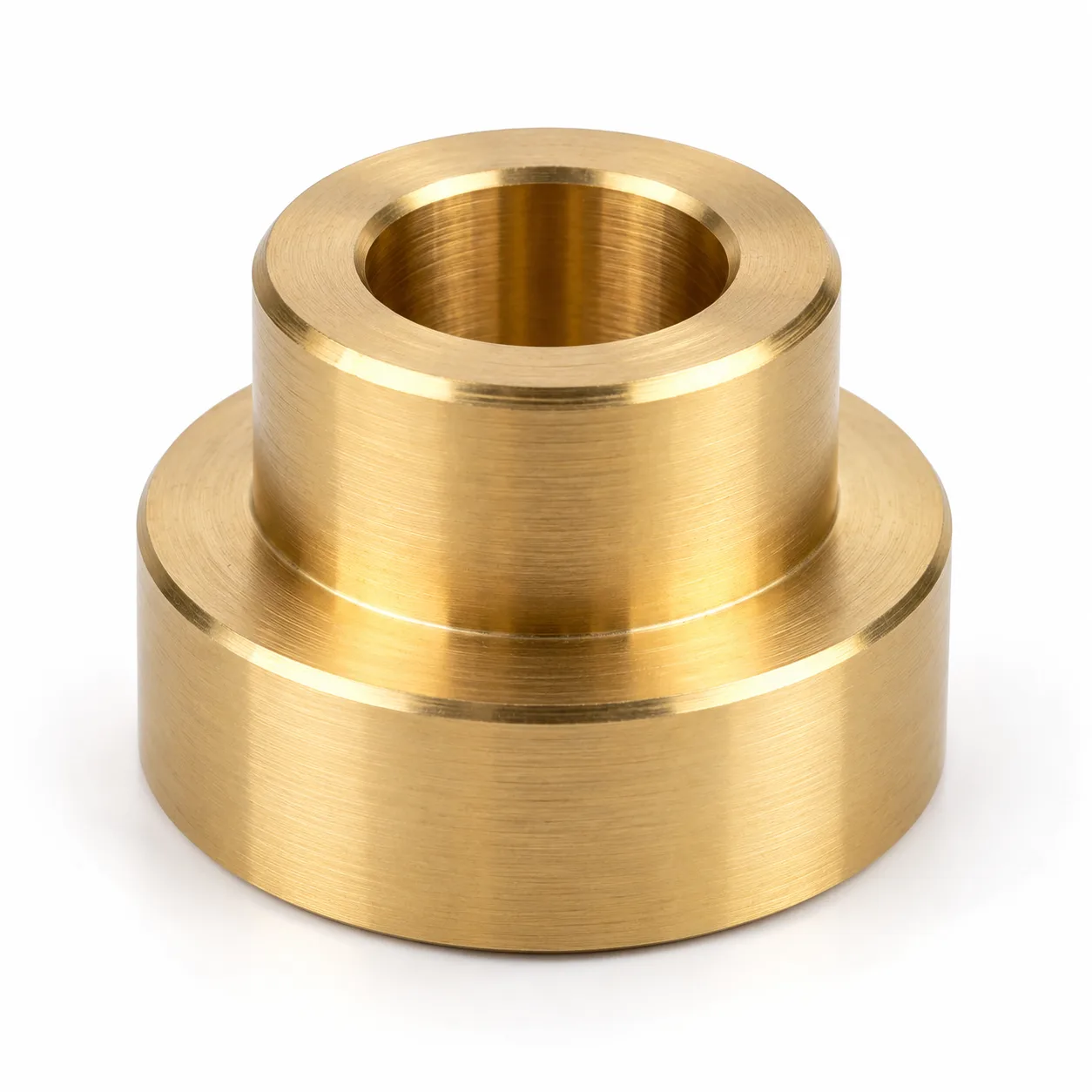
    Custom Titanium CNC Machining Services part

    Upload Your CAD Files for a Quote

    Drop your CAD file here or click to browseSupported: STEP, STP, IGES, SLDPRT, DXF, DWG, PDF

    Your files are secure and confidential · Max file size: 100 MB

    19+

    Years of Experience

    250+

    Machines & Testing Equipment

    11,000 m²

    Manufacturing Area

    200+

    Skilled Staff

    ISO

    9001 / 13485 / AS9100D

    With years of experience in batch production and precision inspection of complex parts, we manufacture and inspect components to drawing requirements, covering critical dimensions, geometric tolerances, and material specifications. We provide complete measurement reports and material certificates to ensure delivered parts meet the specified requirements.

    Trusted by
    numerous companies

    CNC Machining Capabilities for Titanium Parts

    Our titanium CNC machining capabilities include milling, turning, and 5-axis machining for parts with different geometries, tolerance requirements, and production volumes. Each process is selected according to part structure, material grade, and critical features to maintain stable results during titanium alloy machining.

    Titanium CNC Milling

    Titanium CNC Milling

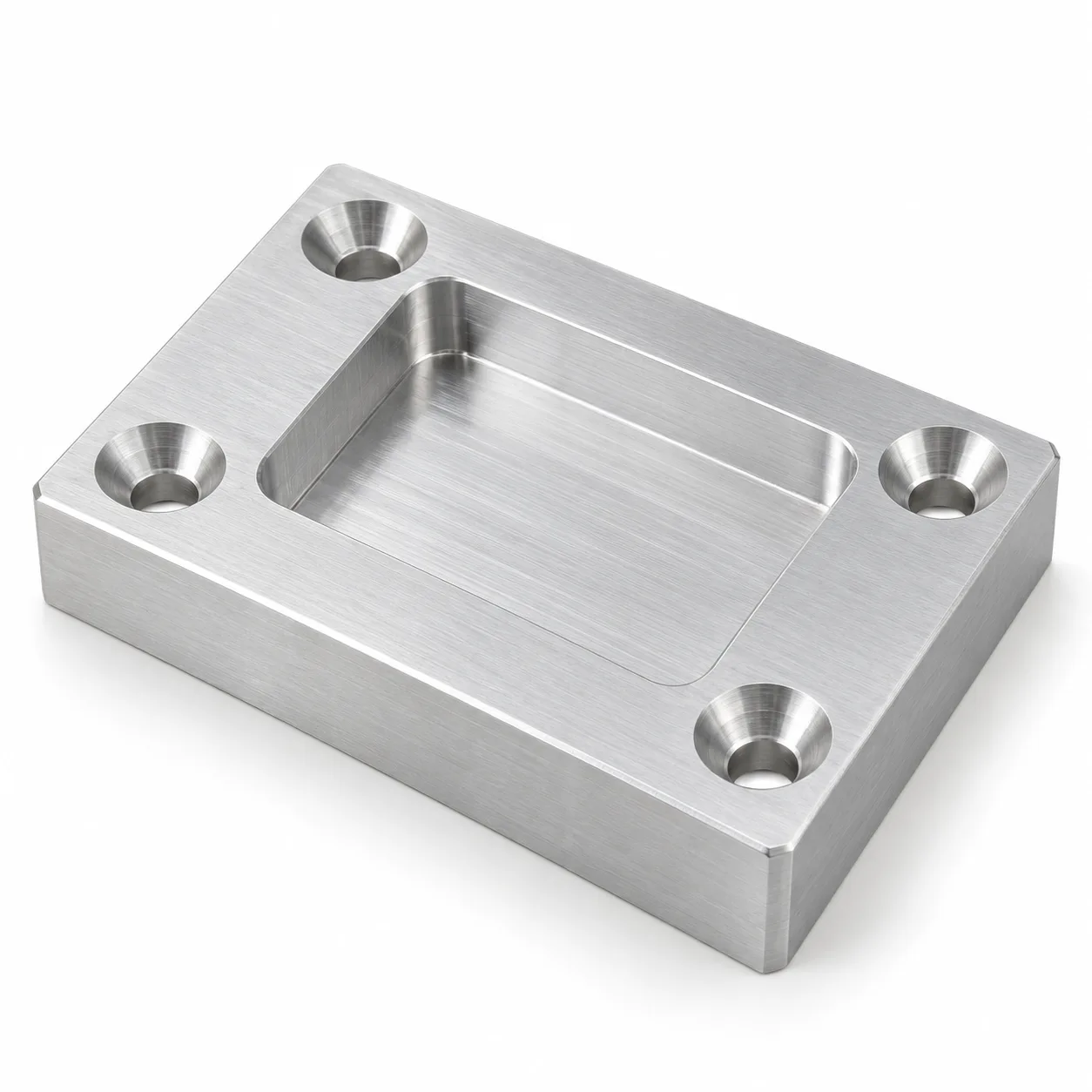
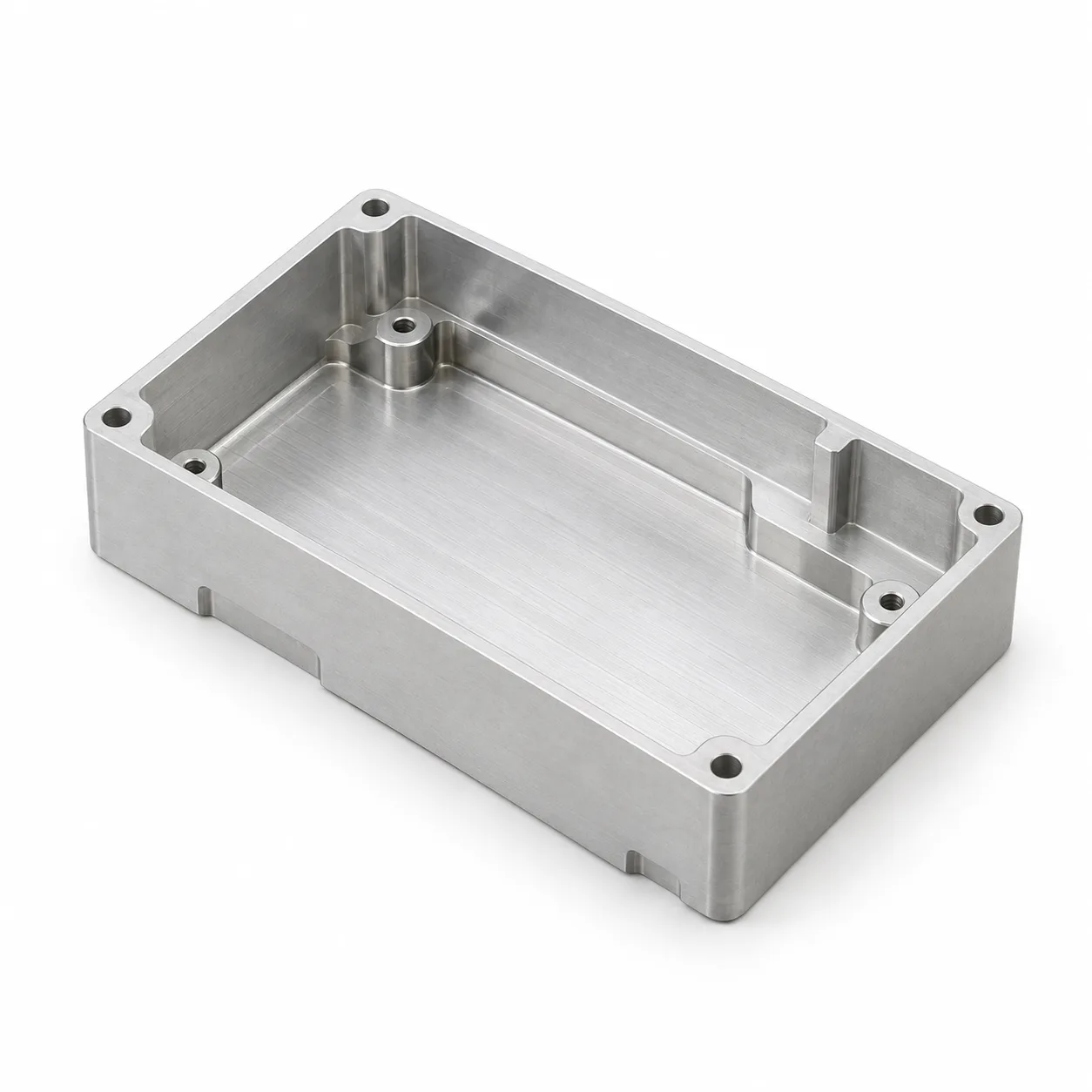
    Our titanium milling capabilities support parts with pockets, slots, hole patterns, thin walls, and complex profiles. By controlling cutting conditions and machining sequence, we reduce heat buildup and distortion while maintaining dimensional accuracy and surface quality.

    Titanium CNC Turning

    Titanium CNC Turning

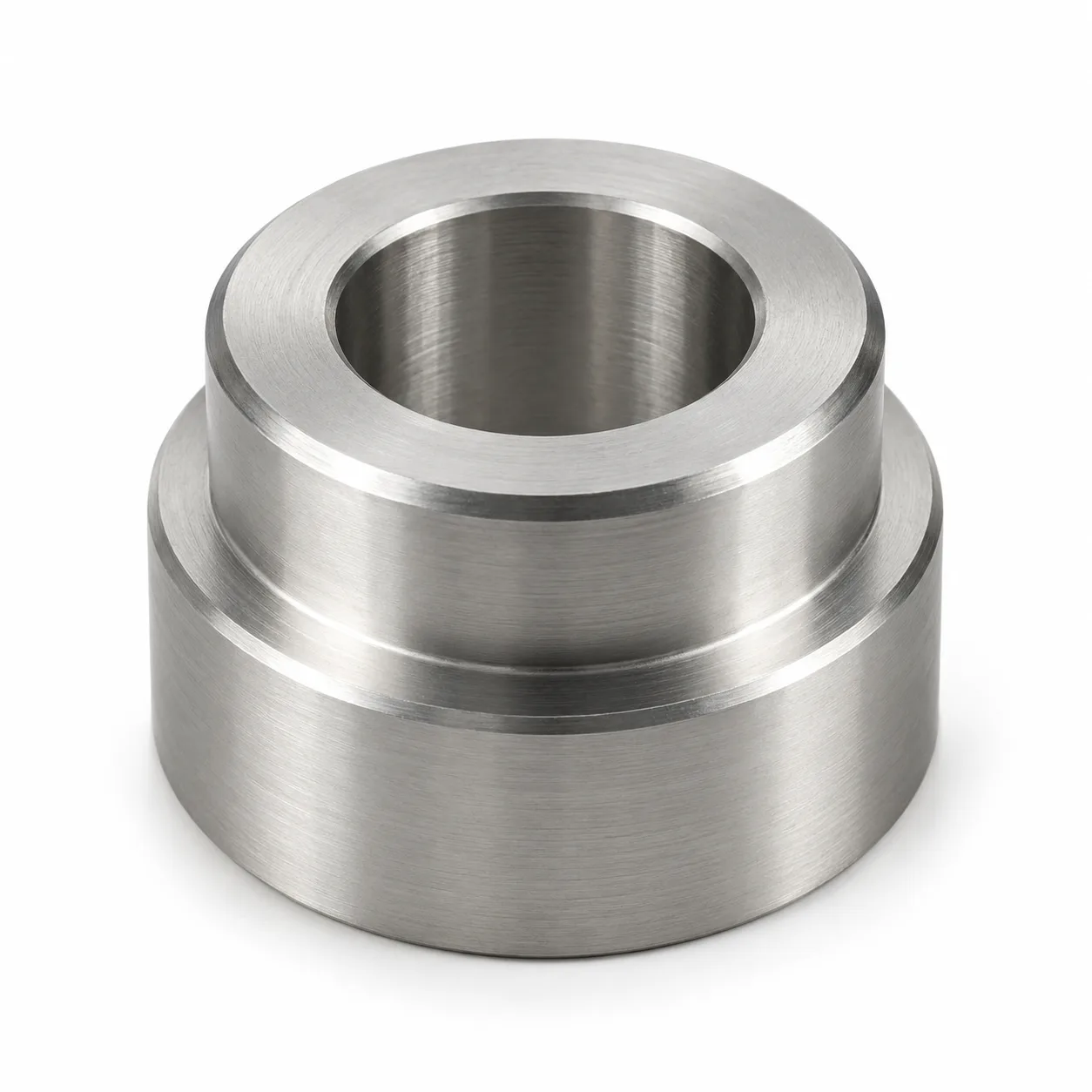
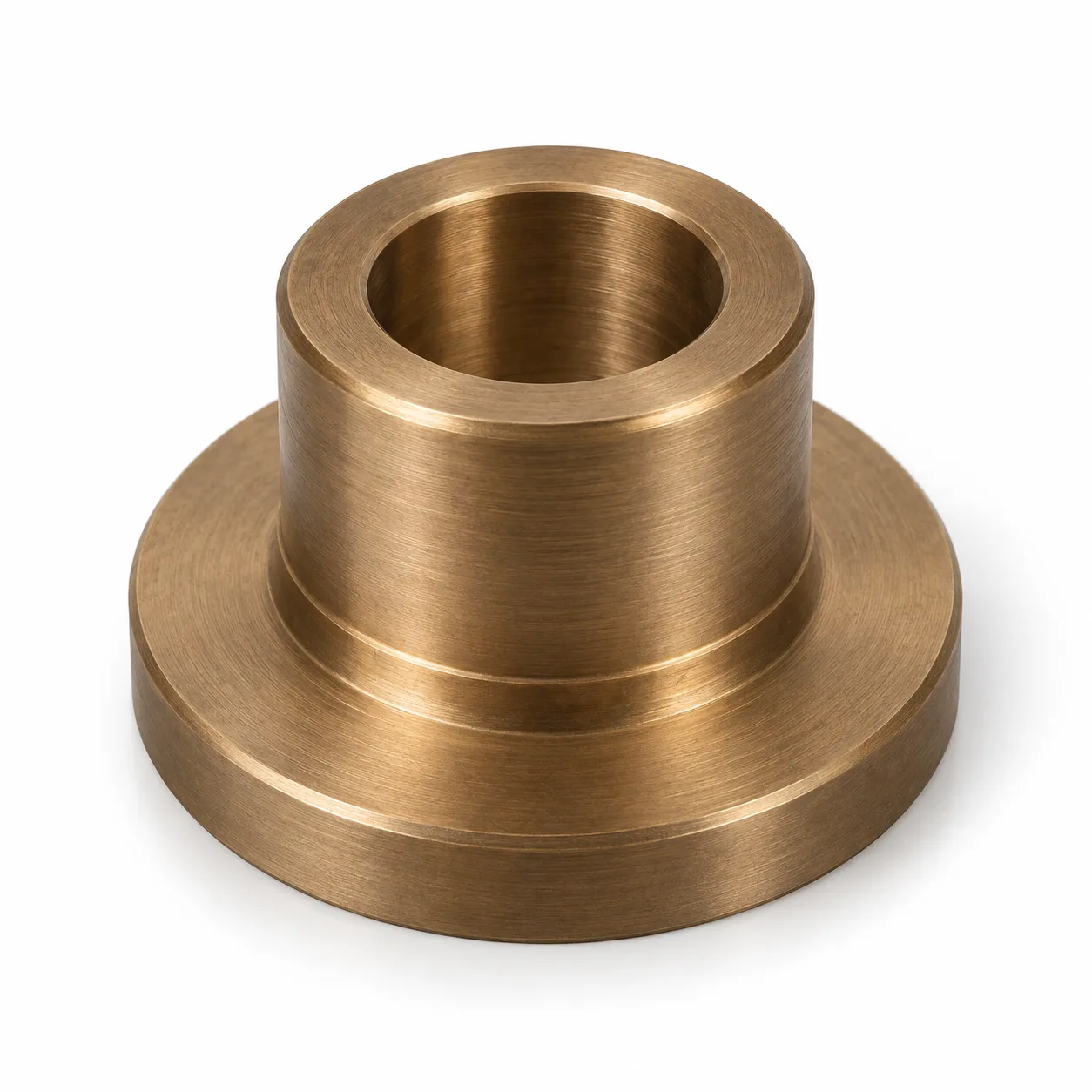
    Titanium turning is suitable for shafts, sleeves, bushings, threaded parts, fittings, and other rotational components. We machine accurate diameters, bores, grooves, threads, and concentric features with consistent dimensional control.

    5-Axis Machining for Complex Titanium Parts

    5-Axis Machining for Complex Titanium Parts

    5-axis machining is well suited to titanium parts with multiple faces, angled holes, deep cavities, and complex contours. Fewer setups reduce repositioning errors and help maintain the relationship between critical features.

    Precision CNC Machining for Titanium Parts

    Precision CNC Machining for Titanium Parts

    Titanium has low thermal conductivity, which concentrates heat near the cutting edge and accelerates tool wear. We control tooling, cutting parameters, workholding, and machining sequence to maintain critical dimensions, thin-wall stability, and surface quality throughout production.

    Common Titanium Grades for Titanium Alloy Machining

    Titanium Grade 2

    Titanium Grade 2 is a commercially pure titanium known for its corrosion resistance, ductility, and formability. Commonly supplied in sheet, plate, bar, and tubing, it is well suited to thin-walled parts and components exposed to seawater or corrosive chemicals. Grade 2 is widely used for heat exchangers, valve parts, fittings, housings, and medical equipment components.

    345

    Tensile Strength (MPa)

    275

    Yield Strength (MPa)

    300

    Fatigue Strength (MPa)

    20

    Elongation at Break (%)

    160

    Hardness (Brinell)

    4.51

    Density (g/cm³)

    Material properties are typical values and may vary with product form, material condition, heat treatment, manufacturing specification, and test method. Fatigue strength also depends on surface condition, stress ratio, loading cycles, and test environment.

    Surface Finishes for CNC Machined Titanium Parts

    Surface finishing for CNC machined titanium parts is selected according to surface roughness, wear resistance, appearance, cleanliness, and functional requirements. Critical threads, mating surfaces, and precision features can be masked or controlled where necessary to maintain final dimensions.

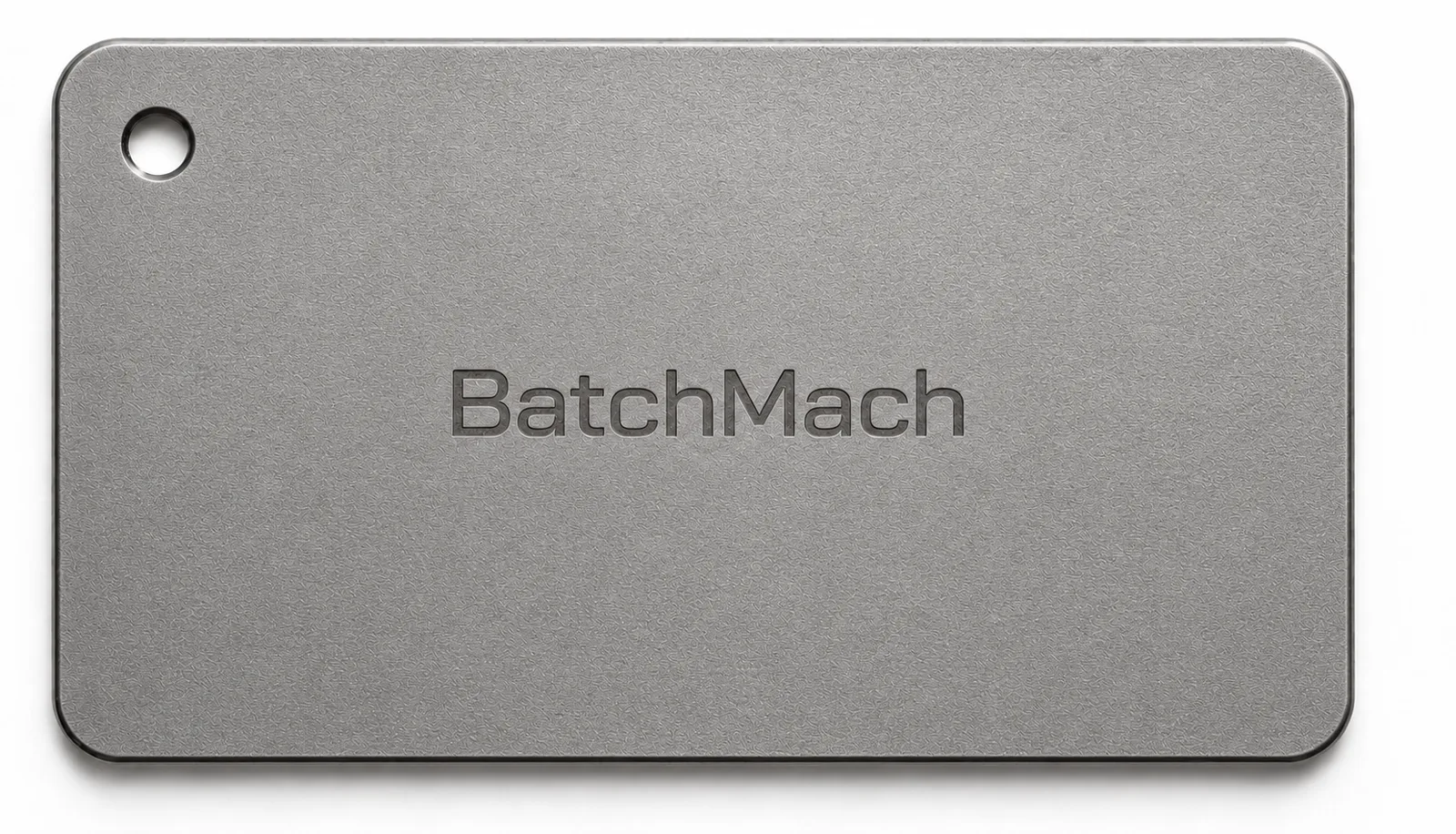
    As-Machined

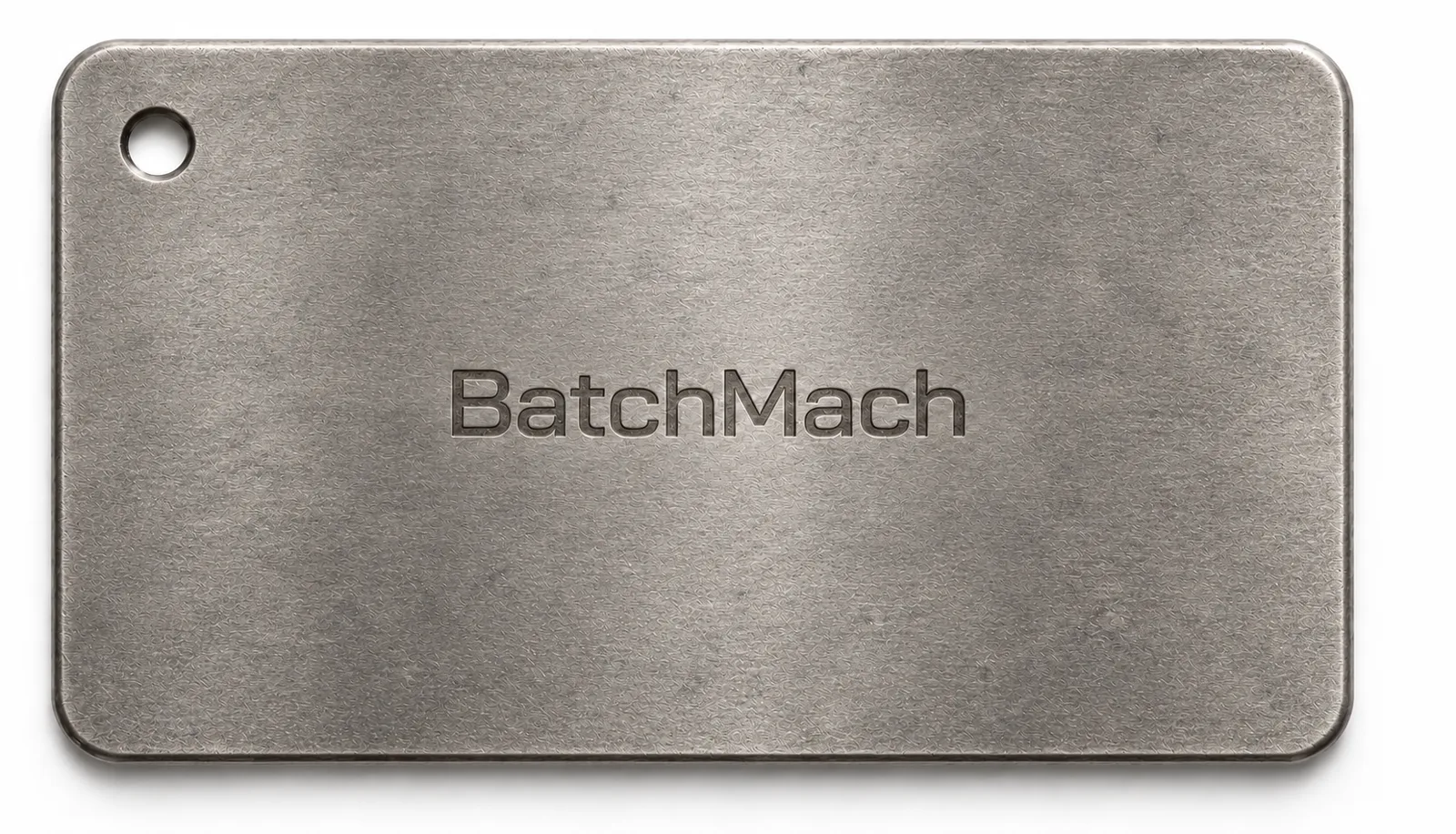
    As-Machined surface finish sample

    Retains the original CNC-machined surface without secondary finishing. Suitable for functional titanium parts where dimensional accuracy, mechanical performance, cost, and lead time are the main priorities.

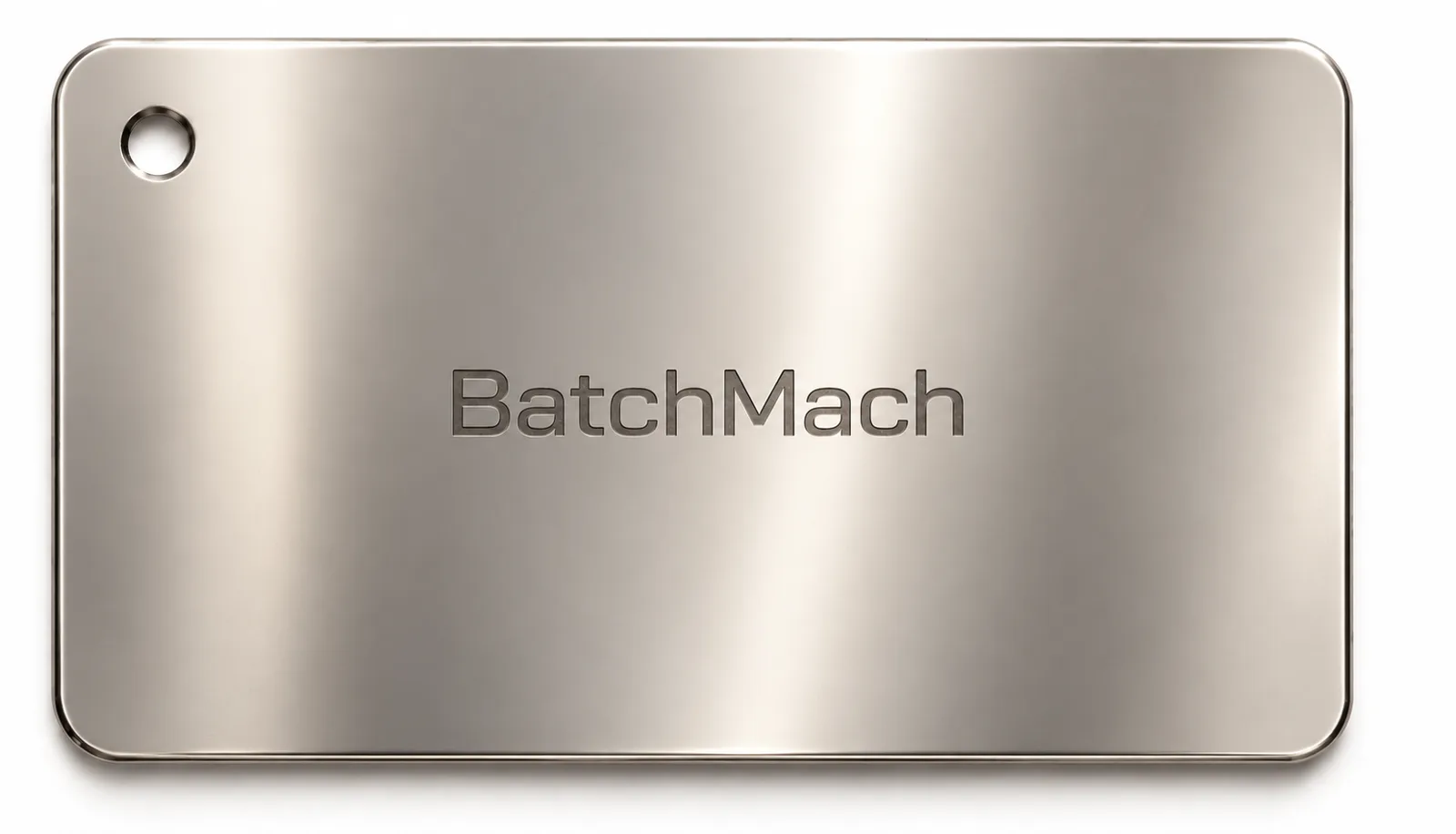
    Polishing

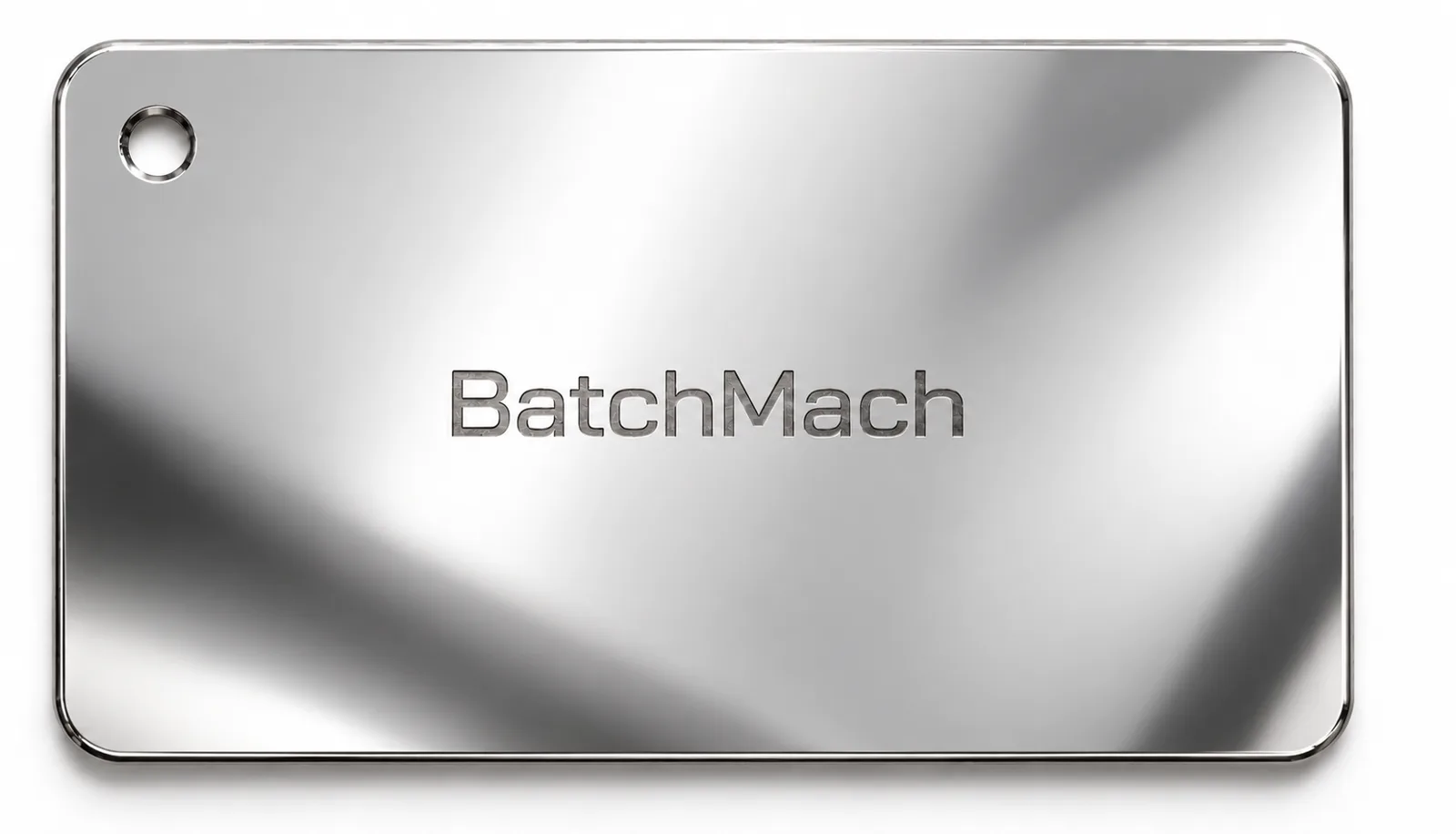
    Polishing surface finish sample

    Polishing reduces machining marks and improves surface smoothness and appearance. It is commonly used for titanium parts with cosmetic, sealing, or low-roughness surface requirements.

    Bead Blasting

    Bead Blasting surface finish sample

    Bead blasting produces a uniform matte finish and helps reduce visible machining marks. Threads, sealing surfaces, precision bores, and other critical features can be masked to protect fit and dimensional requirements.

    Tumbling

    Tumbling surface finish sample

    Tumbling is suitable for deburring and smoothing edges on small titanium components, particularly when processing multiple parts. It should be carefully controlled where sharp edges, tight tolerances, or critical features must be maintained.

    Electropolishing

    Electropolishing surface finish sample

    Electropolishing improves surface smoothness and cleanliness by removing a controlled amount of surface material. It is often specified for titanium components used in medical, fluid-handling, vacuum, and high-cleanliness applications.

    Titanium Anodizing

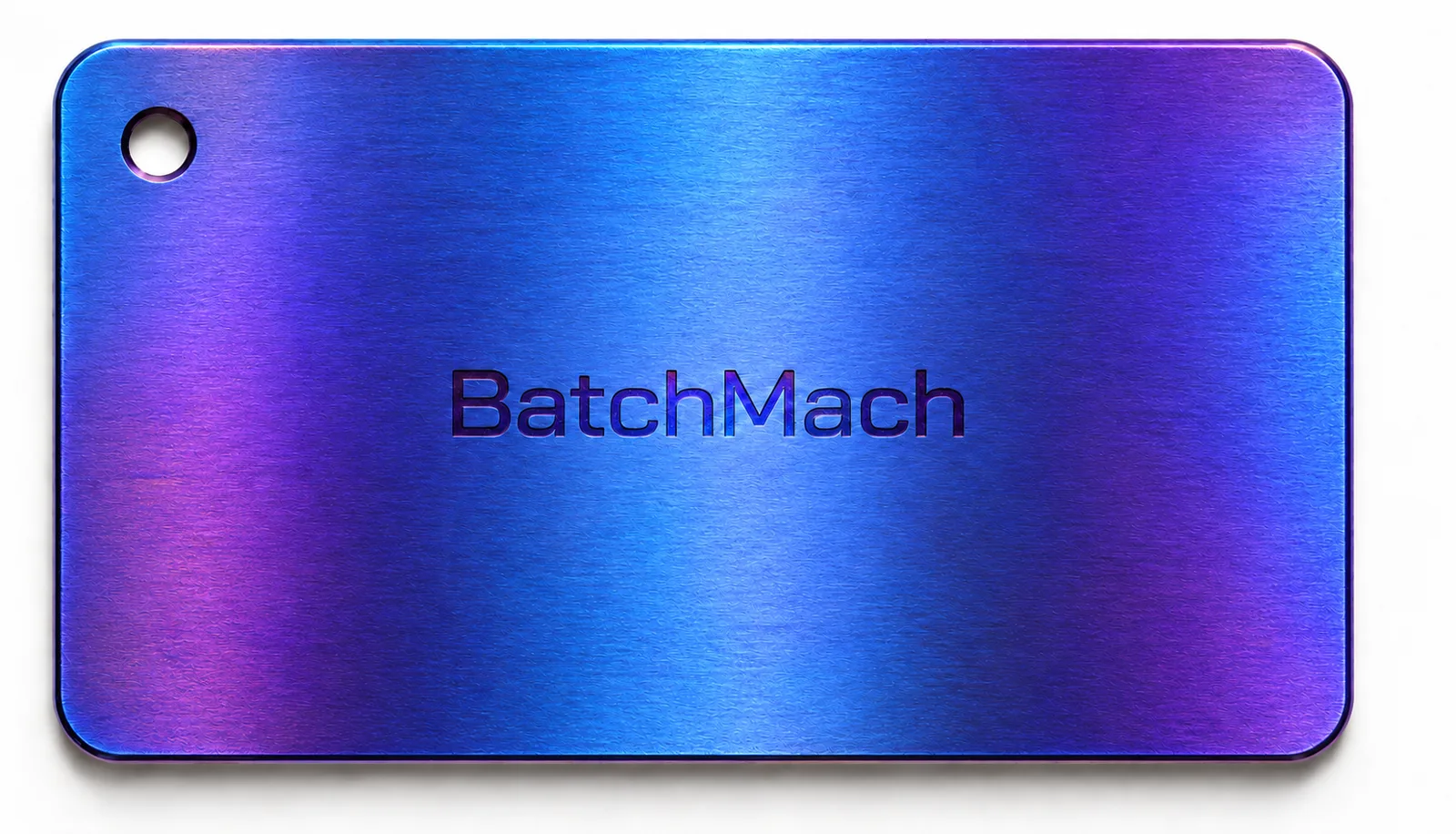
    Titanium Anodizing surface finish sample

    Titanium anodizing forms a controlled oxide layer and can produce different colors without adding a conventional paint coating. It is commonly used for part identification, medical components, aerospace hardware, and applications requiring a distinctive appearance.

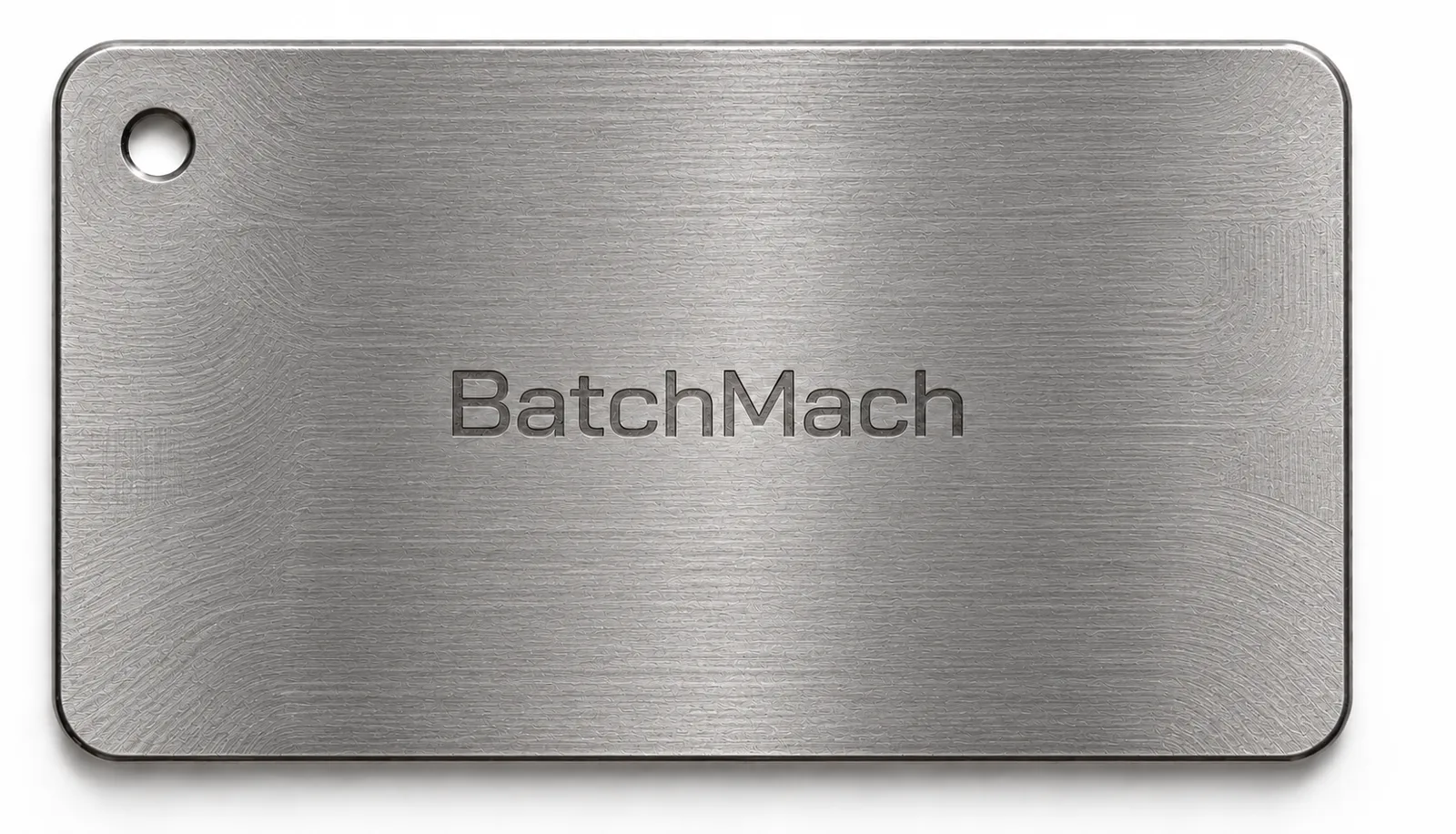
    Brushed Finish

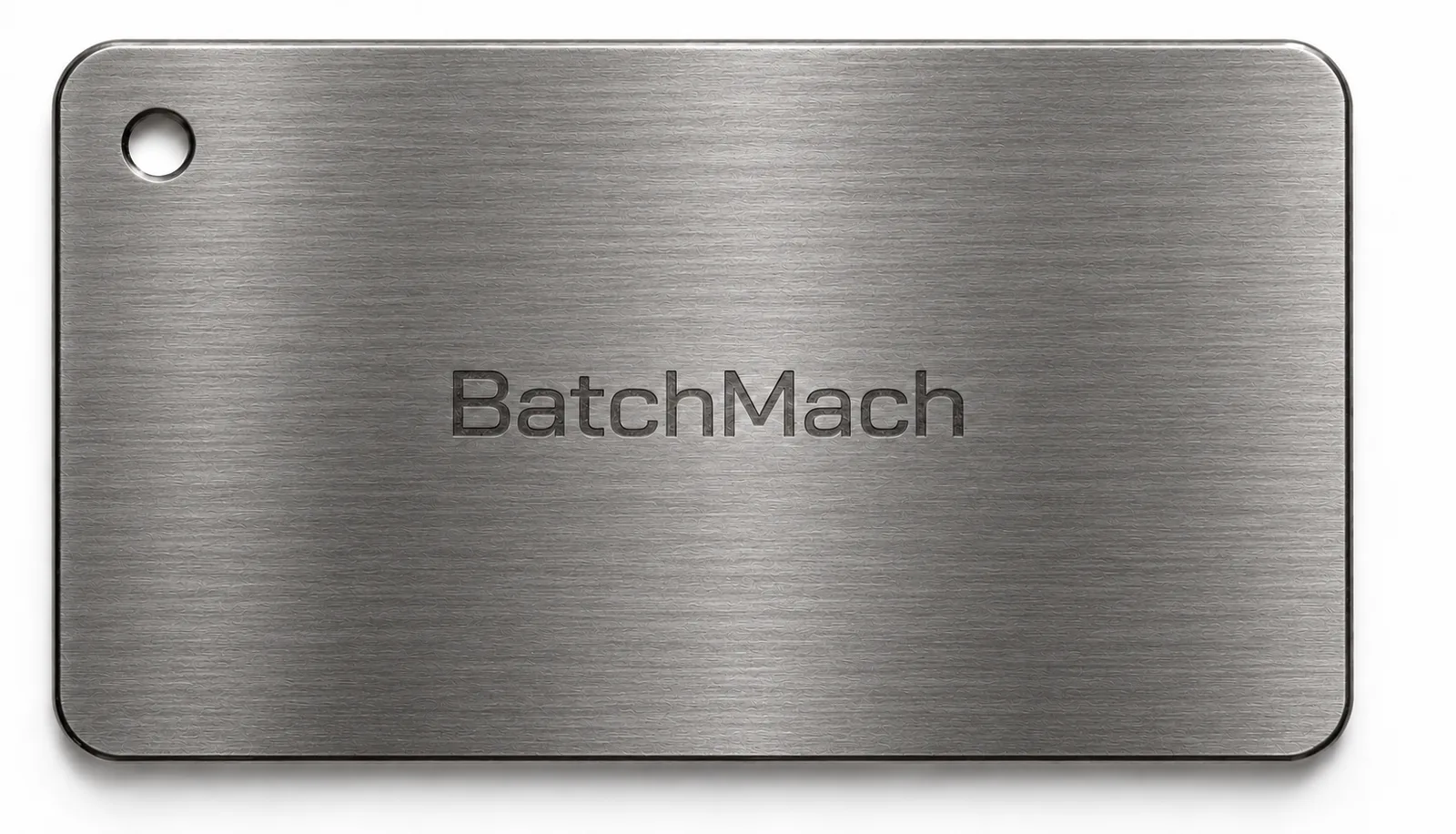
    Brushed Finish surface finish sample

    Brushing creates a consistent directional grain and helps minimize the appearance of light machining marks. It is suitable for visible titanium housings, panels, covers, and other components requiring a uniform cosmetic finish.

    PVD Coating

    PVD Coating surface finish sample

    PVD coatings can increase surface hardness, wear resistance, and appearance while maintaining a relatively thin coating layer. They are suitable for titanium parts exposed to friction, repeated contact, or applications requiring improved surface durability.

    Industries Using Custom Titanium CNC Machined Parts

    /01

    Aerospace

    Titanium is widely used in aerospace because of its high strength-to-weight ratio, corrosion resistance, and ability to maintain mechanical performance under demanding conditions. We machine titanium aerospace parts such as structural brackets, actuator components, housings, fittings, fasteners, and other precision components.

    /02

    Automotive

    Titanium is used in performance and specialized automotive applications where weight reduction, strength, heat resistance, and corrosion resistance are important. Our Titanium Automotive Parts machining capabilities support valve-train components, suspension hardware, exhaust parts, fasteners, brackets, and other lightweight precision parts.

    /03

    Medical

    Titanium is widely used in medical applications because of its biocompatibility, corrosion resistance, and high strength-to-weight ratio. CNC machining is suitable for Titanium Medical Parts such as surgical instruments, orthopedic components, implant-related parts, housings, and other precision components where material integrity, surface condition, and dimensional accuracy are critical.

    /04

    Marine

    Titanium performs well in seawater and chloride-rich environments, making it suitable for marine and offshore applications where corrosion resistance and long service life are important. Typical applications include valve components, pump parts, fittings, fasteners, housings, and other precision parts exposed to harsh marine conditions.

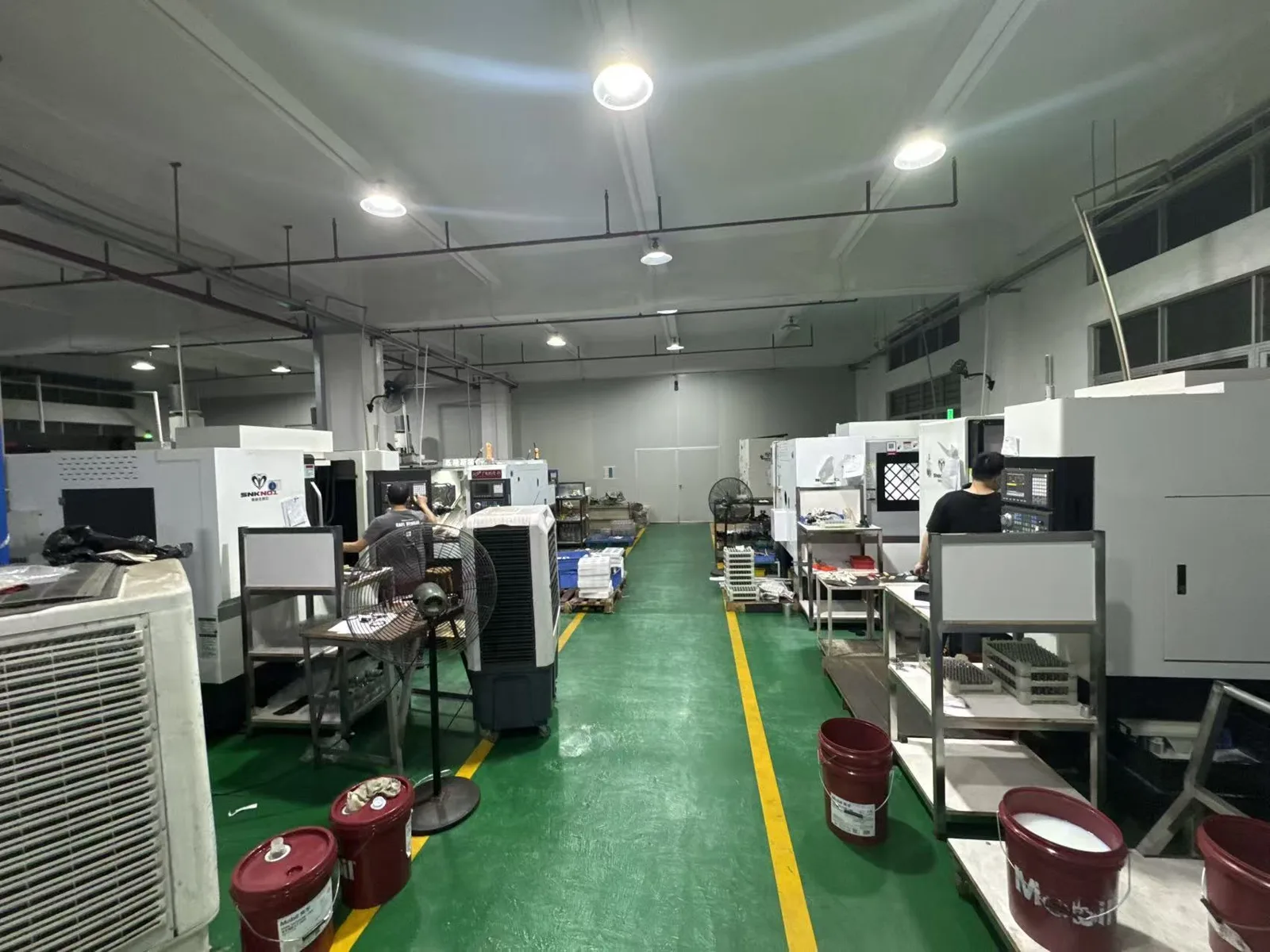
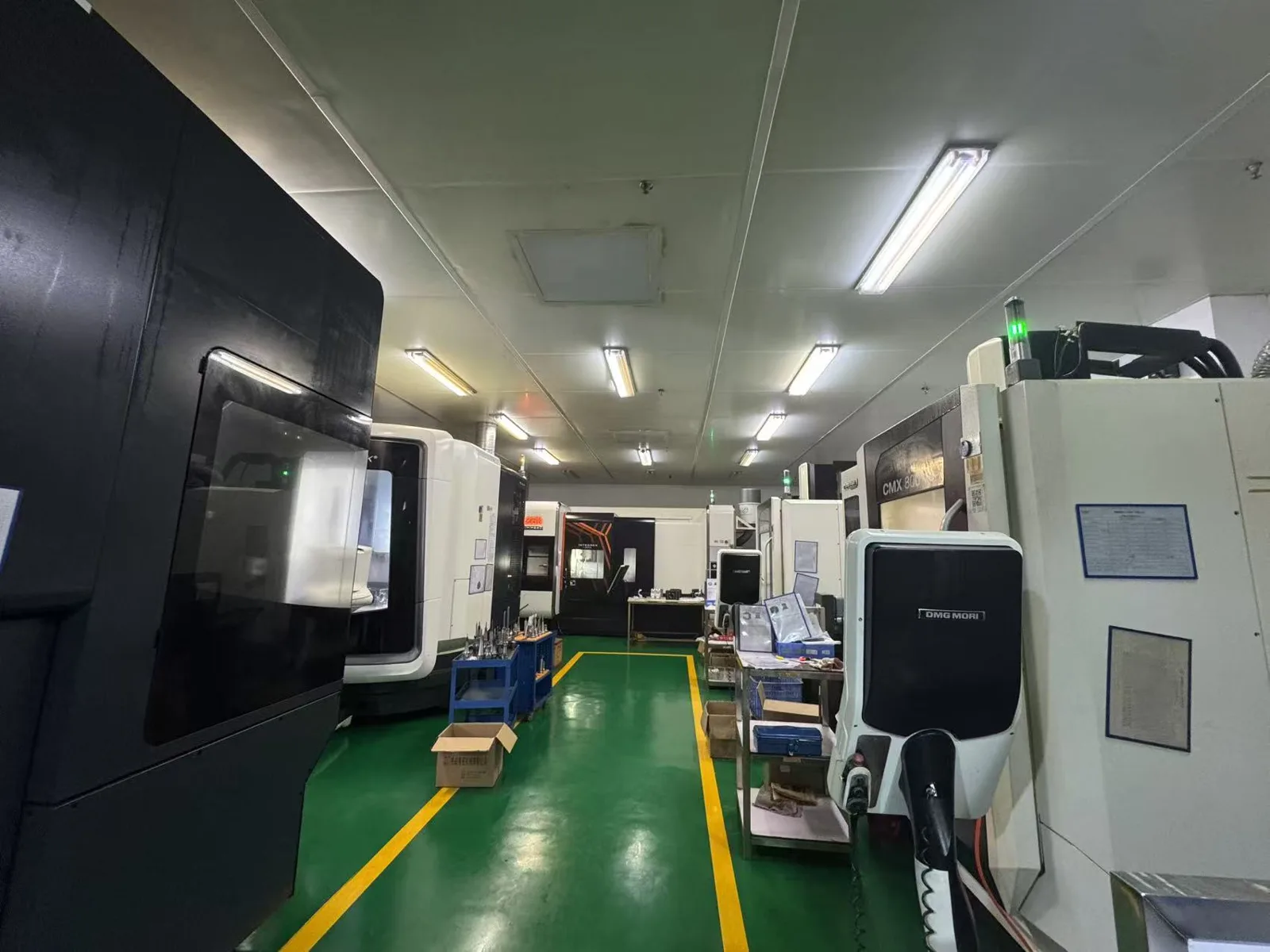
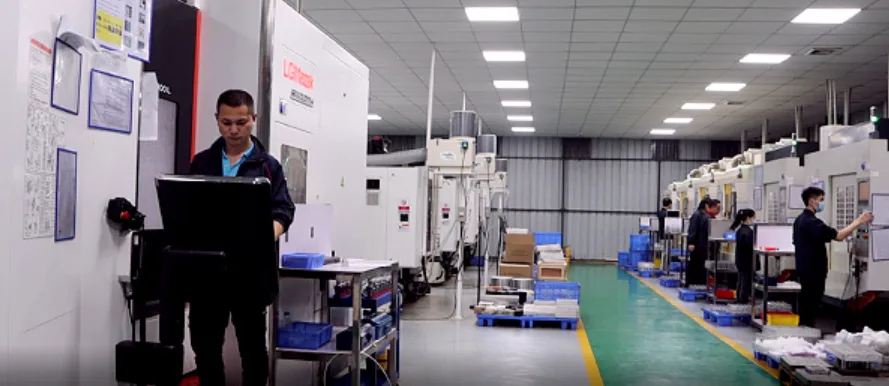
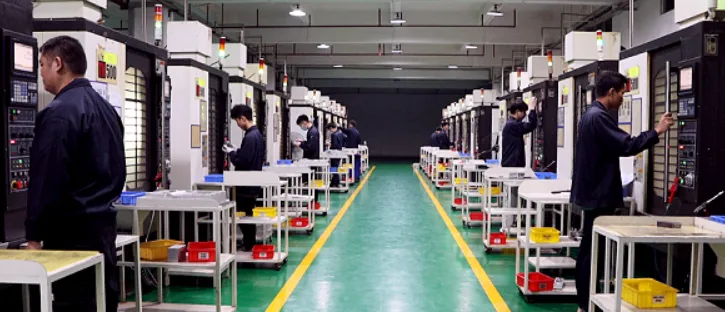
    Our Titanium CNC Machining Factory

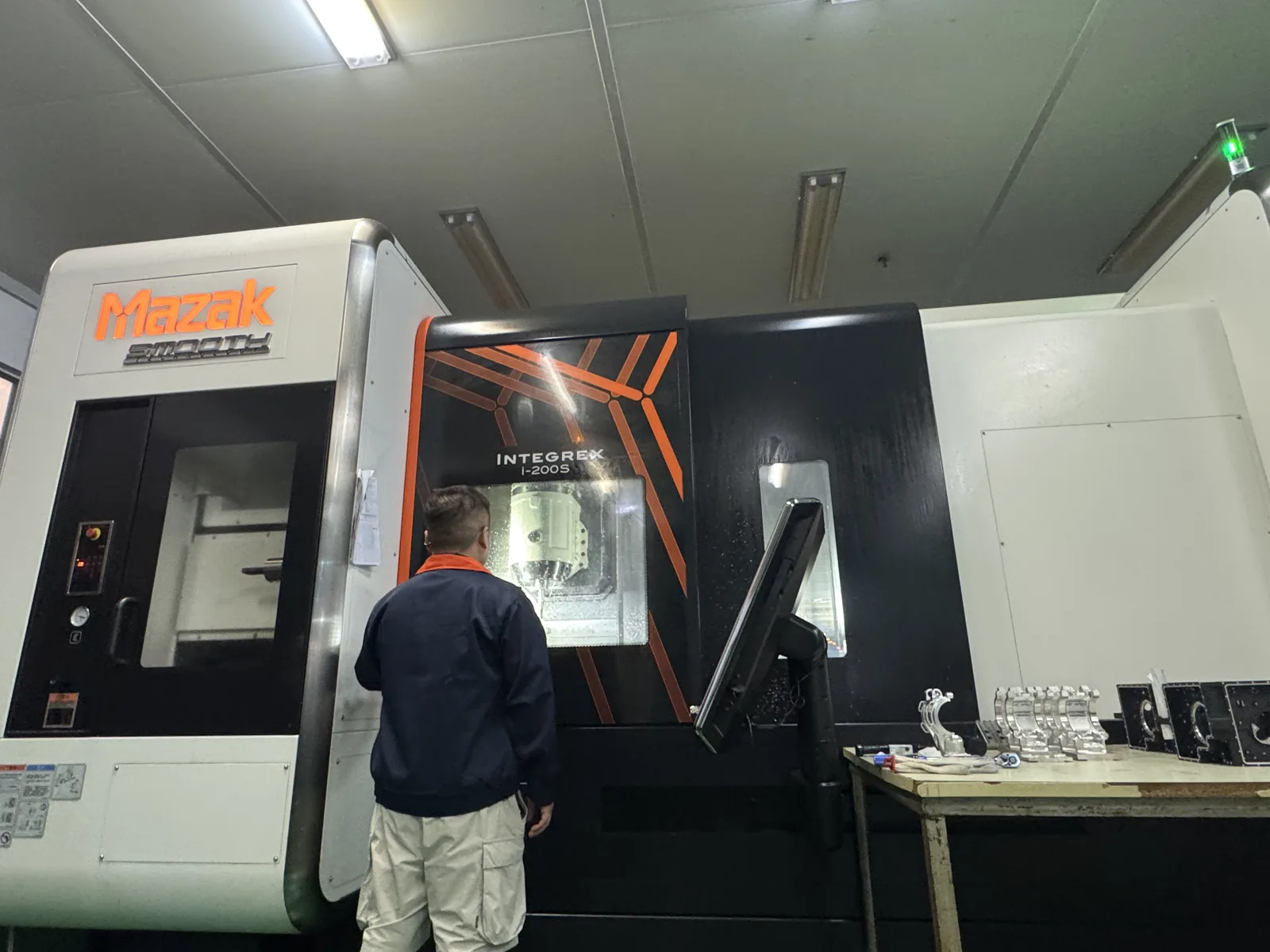
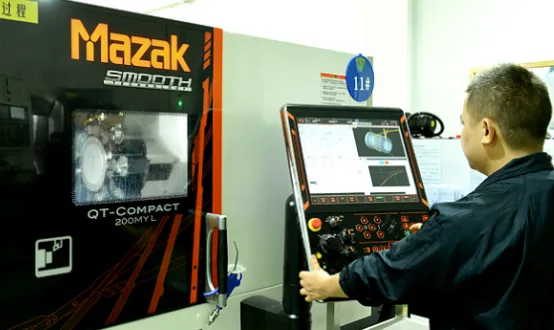
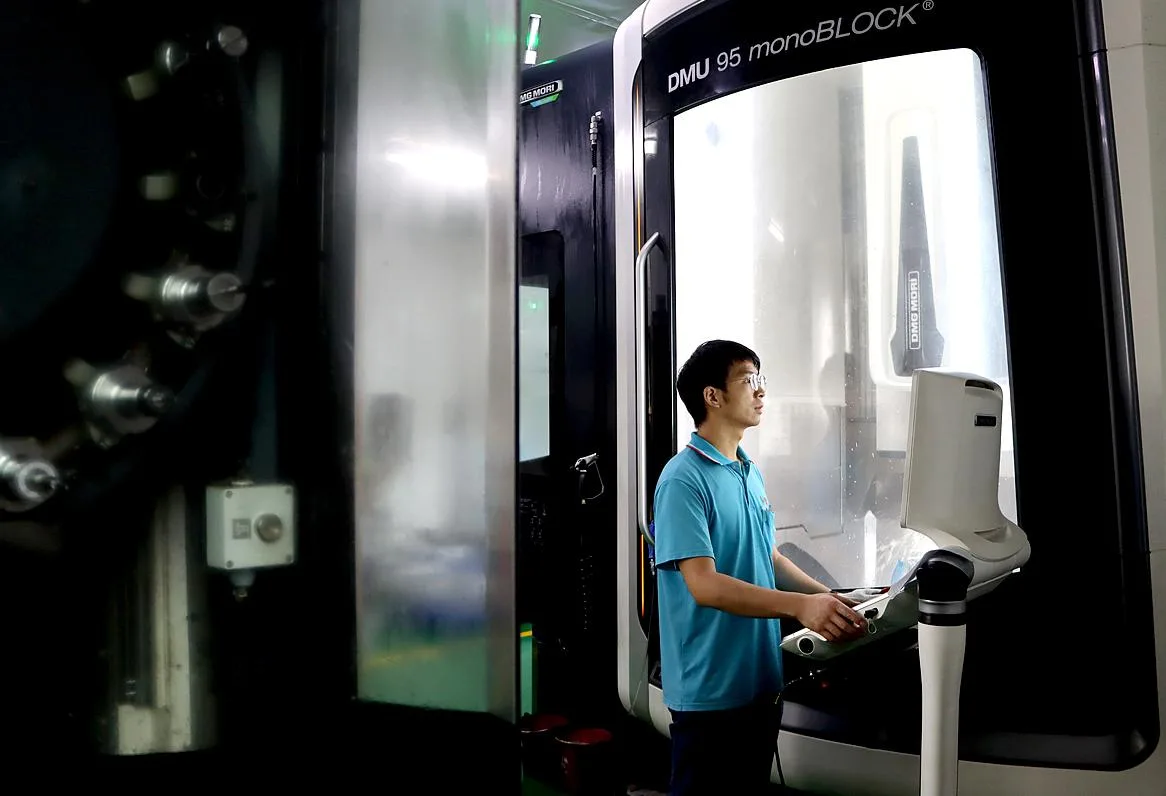
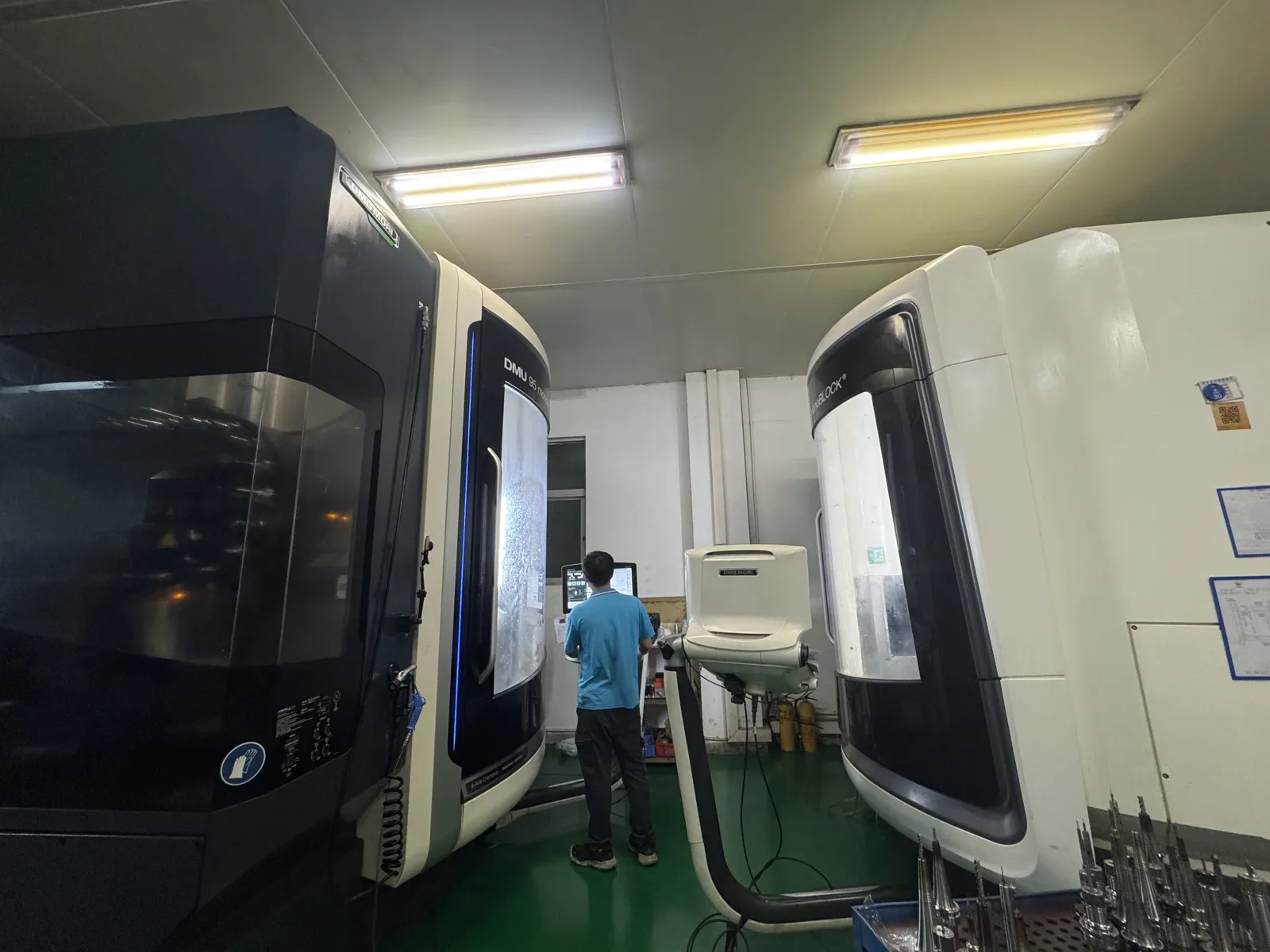
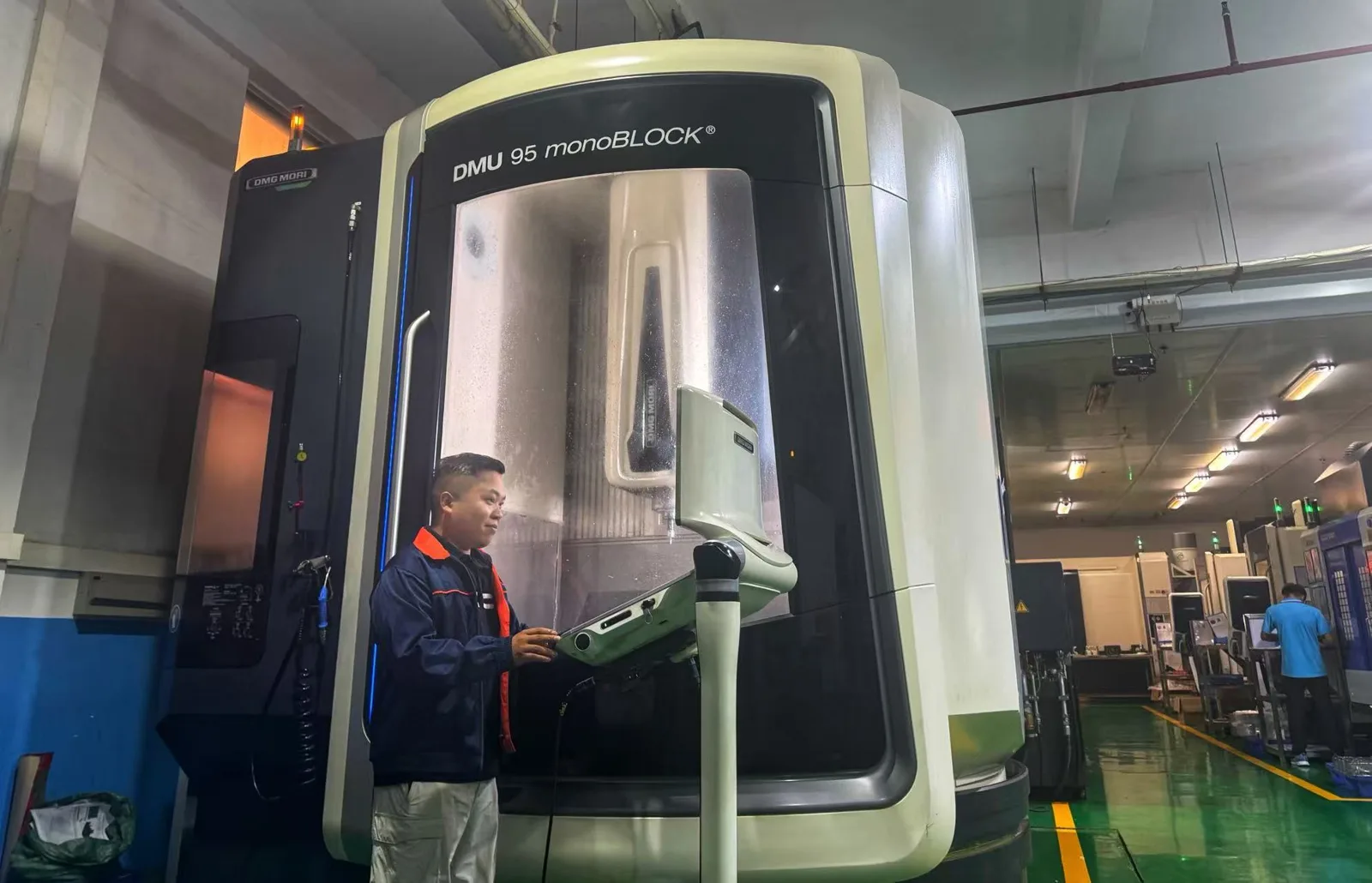
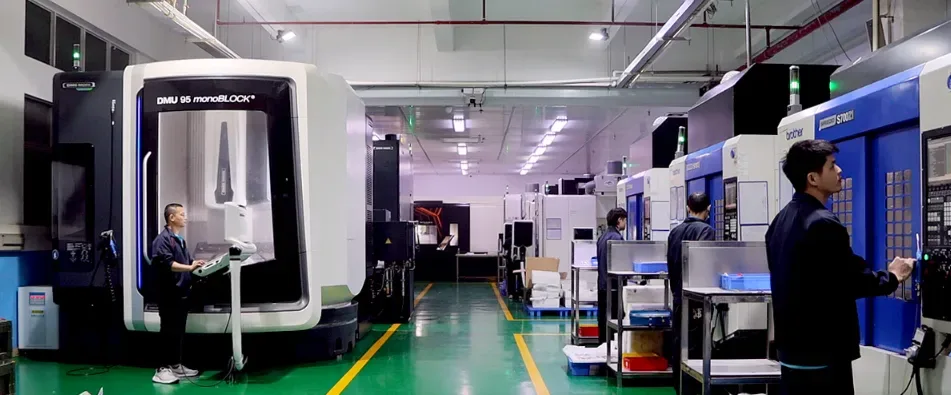
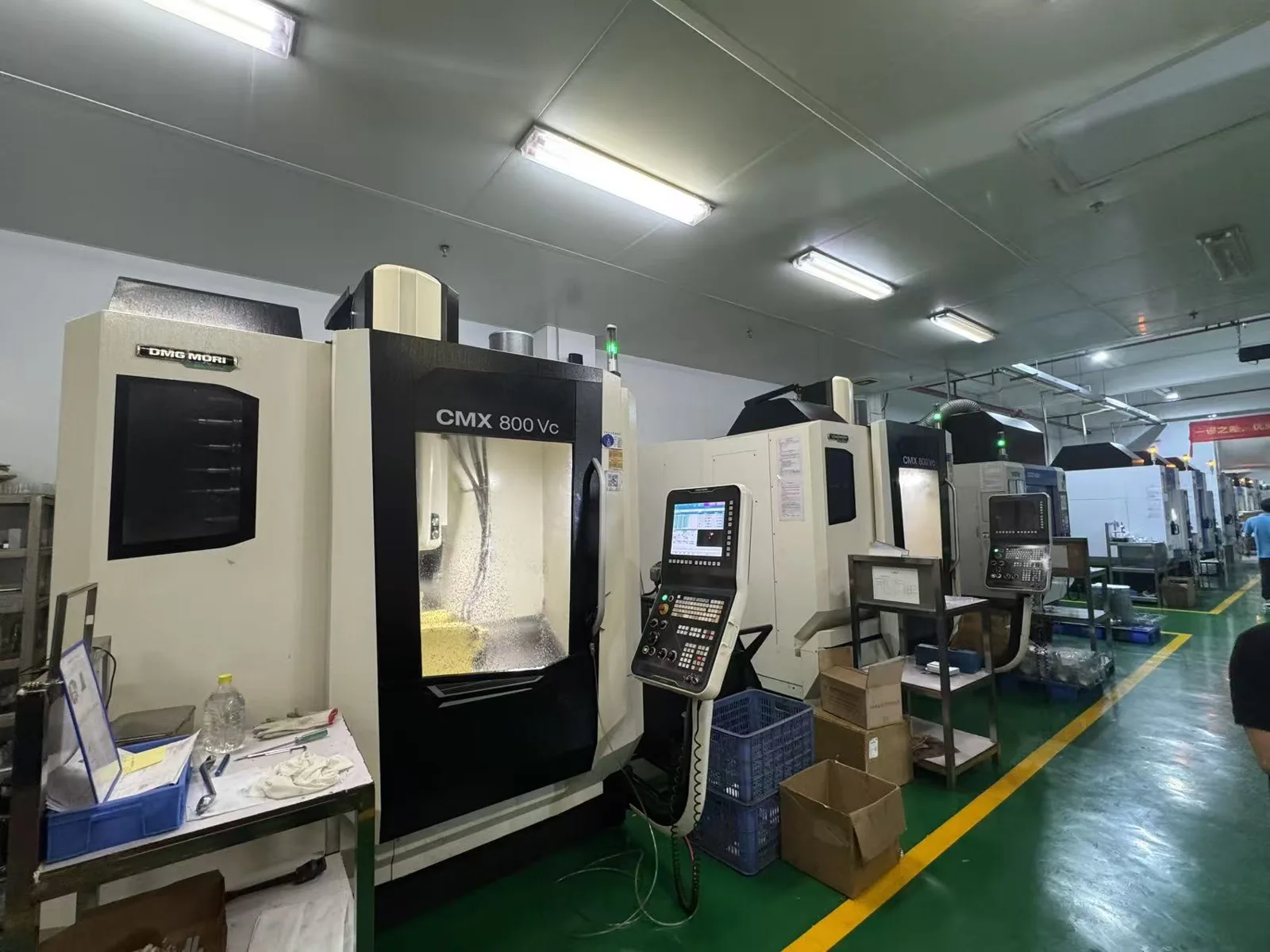
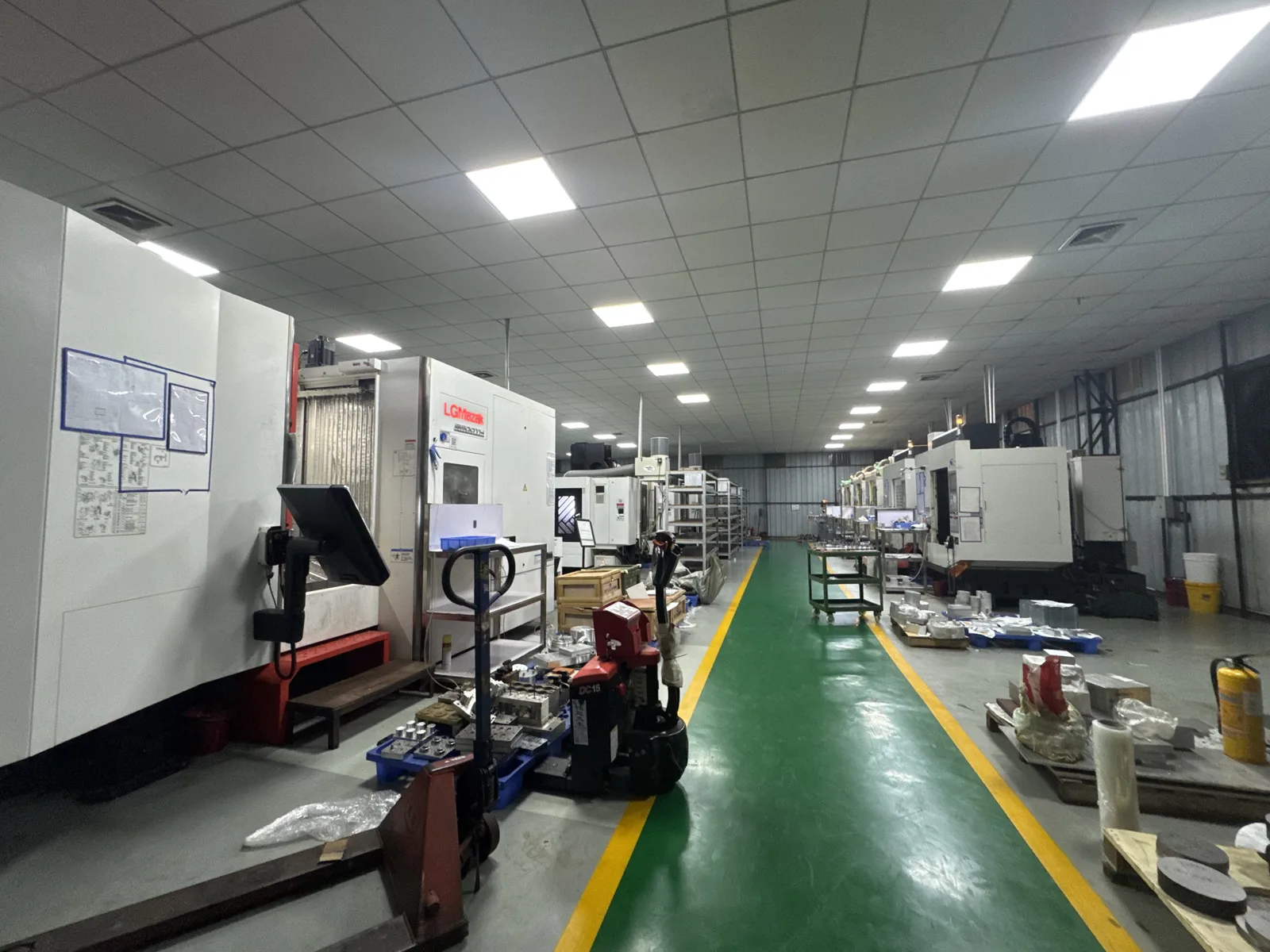
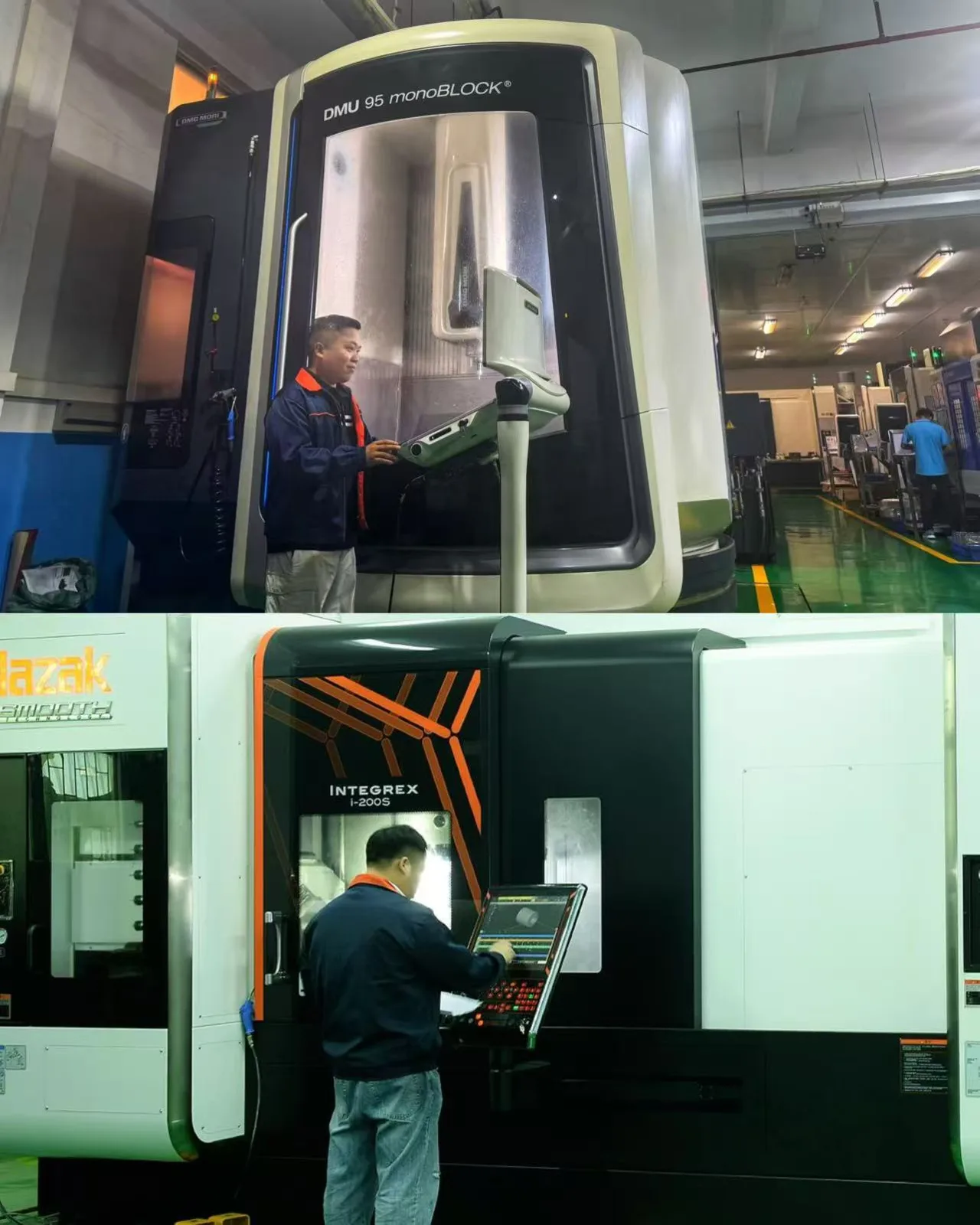
    BatchMach Precision owns two ISO-certified CNC machining factories with capabilities in titanium milling, turning, 5-axis machining, and precision inspection. Our in-house manufacturing resources allow us to allocate equipment and capacity based on the geometry and order requirements of Custom Titanium Parts, while maintaining direct control over production schedules and quality from prototypes and low-volume runs to repeat orders.

    5-Axis Machining Centers

    5-Axis Machining Centers

    DMU 95 CNC Machining

    DMU 95 CNC Machining

    DMG MORI Workshop

    DMG MORI Workshop

    CNC Machining Workshop

    CNC Machining Workshop

    CNC Production Line

    CNC Production Line

    CNC Production Workshop

    CNC Production Workshop

    Aerospace CNC Milling

    Aerospace CNC Milling

    Large-Part CNC Workshop

    Large-Part CNC Workshop

    Large-Part Machining

    Large-Part Machining

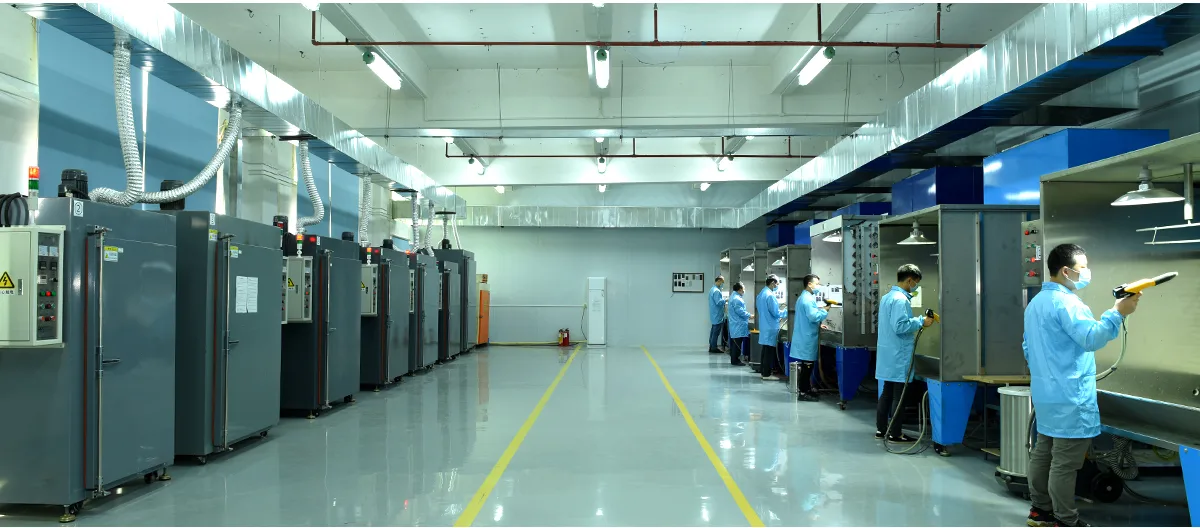
    Powder Coating Workshop

    Powder Coating Workshop

    Why Choose BatchMach Precision for Titanium CNC Machining

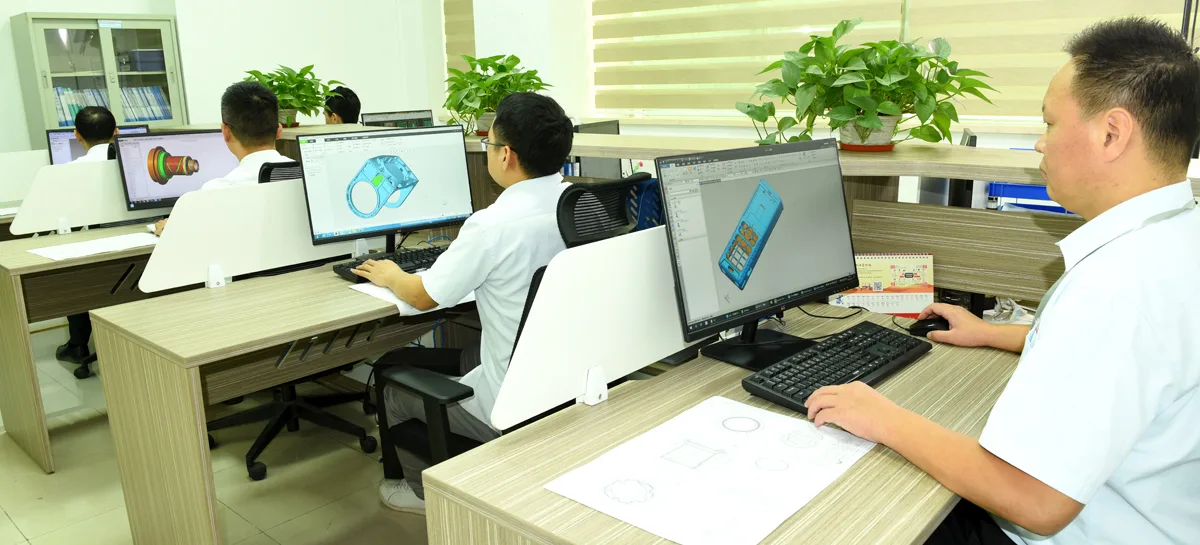
    DFM Support Before Machining

    DFM Support Before Machining

    We review your titanium part drawings to identify thin walls, deep cavities, tight tolerances, and other machining challenges, helping resolve manufacturing issues before production.

    From Prototypes to Repeat Production

    From Prototypes to Repeat Production

    With two owned ISO-certified CNC factories, BatchMach Precision supports titanium prototypes, small batches, and repeat orders through CNC milling, turning, and 5-axis machining.

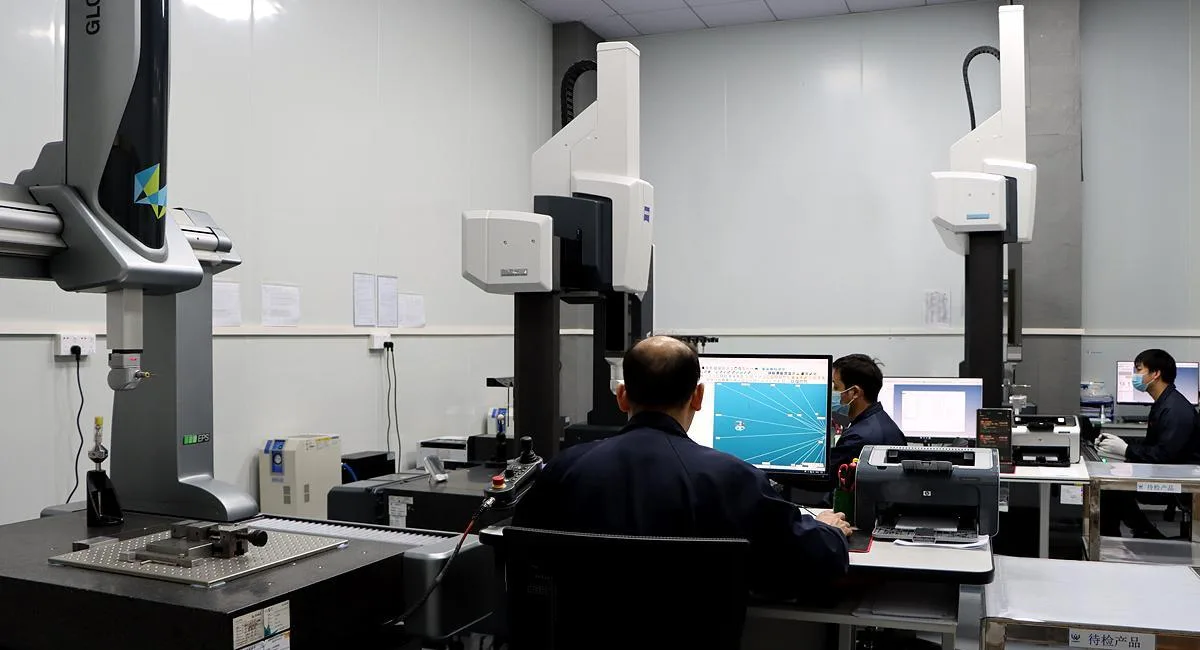
    Inspection Matched to Your Parts

    Inspection Matched to Your Parts

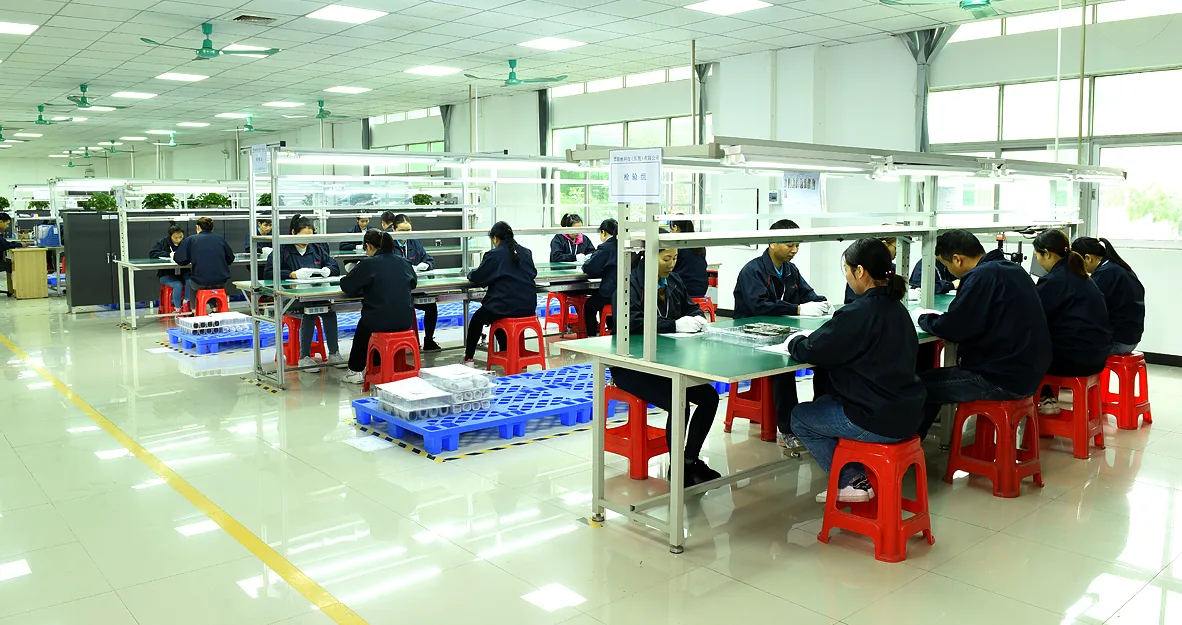
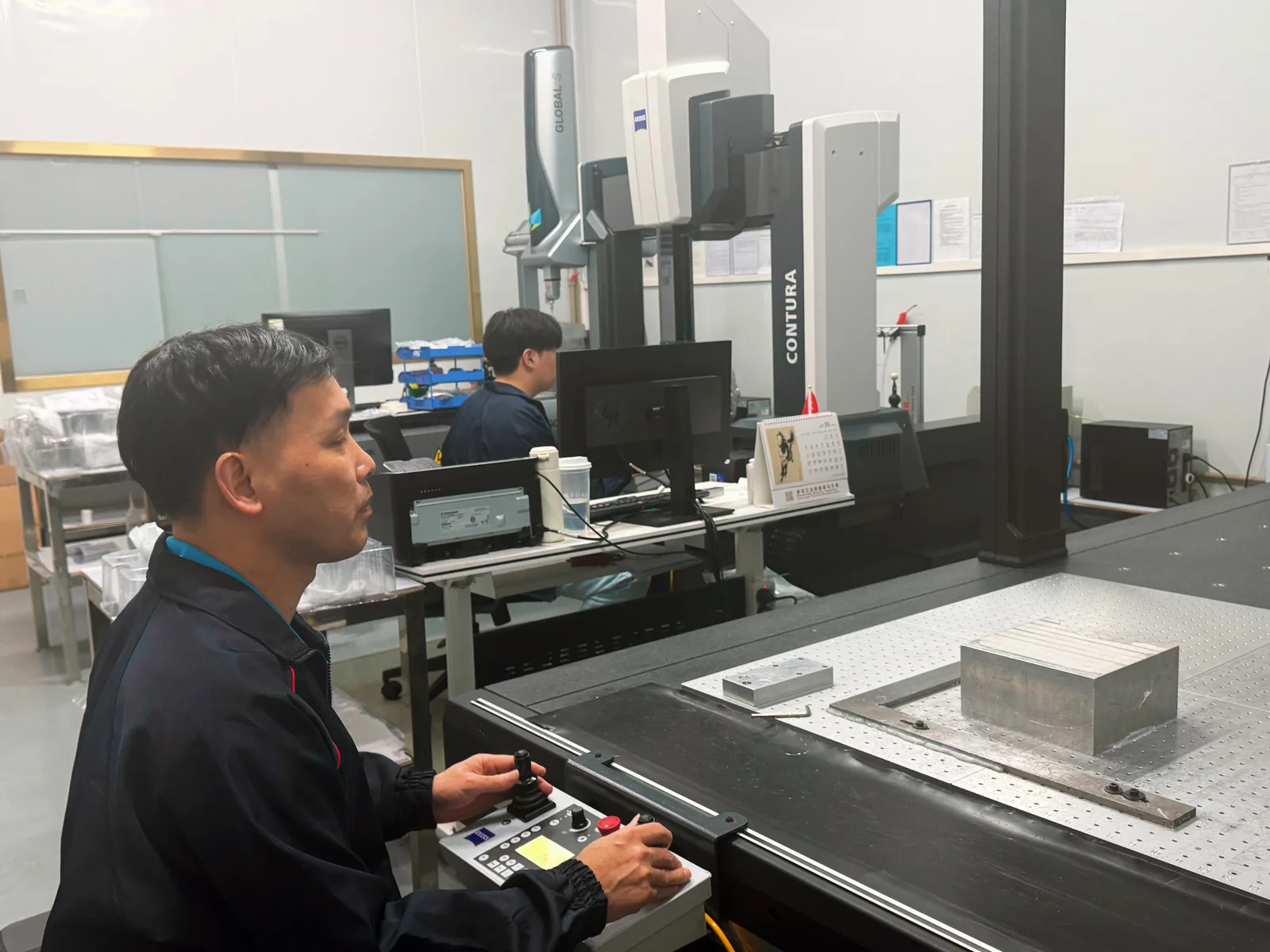
    We use CMM and vision measurement systems to check dimensions and features according to your drawings. Material certificates and first article inspection reports are available upon request.

    Titanium CNC Machining FAQ

    We can evaluate commonly specified titanium grades such as commercially pure Grade 2, Ti-6Al-4V Grade 5, Grade 9, and Ti-6Al-4V ELI Grade 23. Material availability can depend on the required product form, size, specification, and certification.

    Grade 2 is often selected when corrosion resistance and ductility are more important than maximum strength. Grade 5 is widely used for structural parts requiring a higher strength-to-weight ratio. Grade 23 has lower limits for interstitial elements than standard Grade 5 and may be specified for fracture-critical or medical applications. The final grade should be selected from the functional, regulatory, and drawing requirements rather than machinability alone.

    We can machine critical features on titanium parts to tolerances as tight as ±0.005 mm. Please identify all critical dimensions, datums, and inspection requirements on the 2D drawing so we can confirm manufacturability before production.

    Yes. BatchMach Precision supports one-off prototypes, engineering validation parts, low-volume orders, and repeat production of custom titanium parts. The machining plan may change as quantity increases.

    A prototype may prioritize speed and design feedback, while repeat production may justify dedicated fixtures, optimized toolpaths, planned tool-life control, and more formal inspection documentation. Informing us of both the initial quantity and expected annual demand helps us recommend a suitable production approach.

    Thin walls can move during machining because of cutting forces, clamping pressure, heat, and the release of residual stress from the raw material. Risk generally increases when a part has deep pockets, uneven wall sections, long unsupported features, or a high amount of material removal.

    Depending on the geometry, the process may include balanced roughing, staged material removal, low-force workholding, semi-finishing, controlled finishing passes, and dimensional checks between operations. Thin-wall requirements should be clearly marked on the drawing so that deformation risk can be evaluated before production.

    Yes. Our two CNC machining factories operate under ISO-certified quality management systems. Custom titanium machining projects are controlled through drawing review, material verification, in-process inspection, and final dimensional inspection using ZEISS and Hexagon CMMs. Please specify any project-specific certification, traceability, or inspection documentation requirements when requesting a quote.

    Custom titanium machining is commonly used in industries that require high strength, low weight, corrosion resistance, or reliable performance under demanding operating conditions:

    Aerospace: Titanium’s high strength-to-weight ratio and fatigue resistance make it suitable for structural brackets, connectors, housings, and actuator components.

    Medical equipment: Certain titanium grades provide corrosion resistance and biocompatibility for surgical instruments, medical device components, and qualified implantable parts. Material, traceability, and regulatory requirements must be confirmed for each project.

    Automotive and motorsports: Titanium helps reduce component weight while carrying mechanical loads, making it suitable for fasteners, suspension components, engine parts, and exhaust components.

    Marine equipment: Its resistance to seawater corrosion makes titanium suitable for fittings, fasteners, valve components, and pump parts.

    Chemical processing: Titanium can resist corrosion in certain chloride-containing and chemical environments. Typical parts include valves, fittings, housings, and fluid-handling components. Suitability must be confirmed based on the chemical, concentration, and operating temperature.

    Energy and industrial equipment: Titanium is used for high-strength fasteners, rotating components, and mechanical parts exposed to corrosive environments.

    The appropriate titanium grade should be selected according to load, temperature, corrosion exposure, weight targets, applicable standards, and project cost.

    Free first-order sample for new customers

    Send your drawings today — get a free process evaluation, quotation within 24 hours, and flexible quarterly settlement for long-term partners.
    Upload Drawing & Get Quote