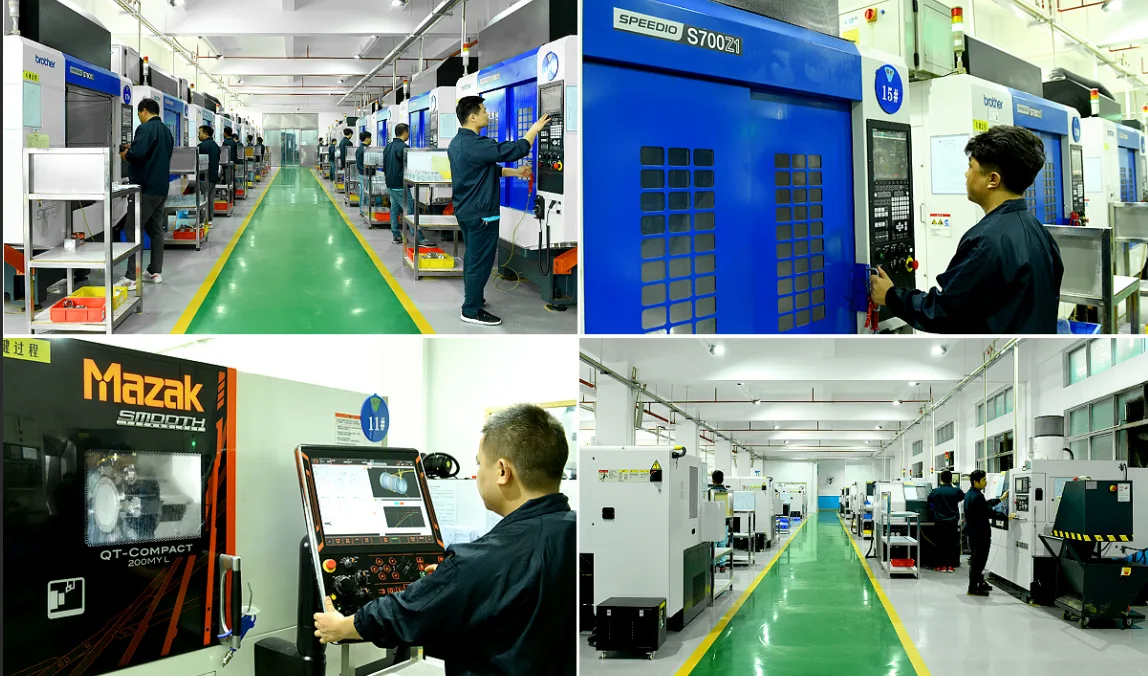
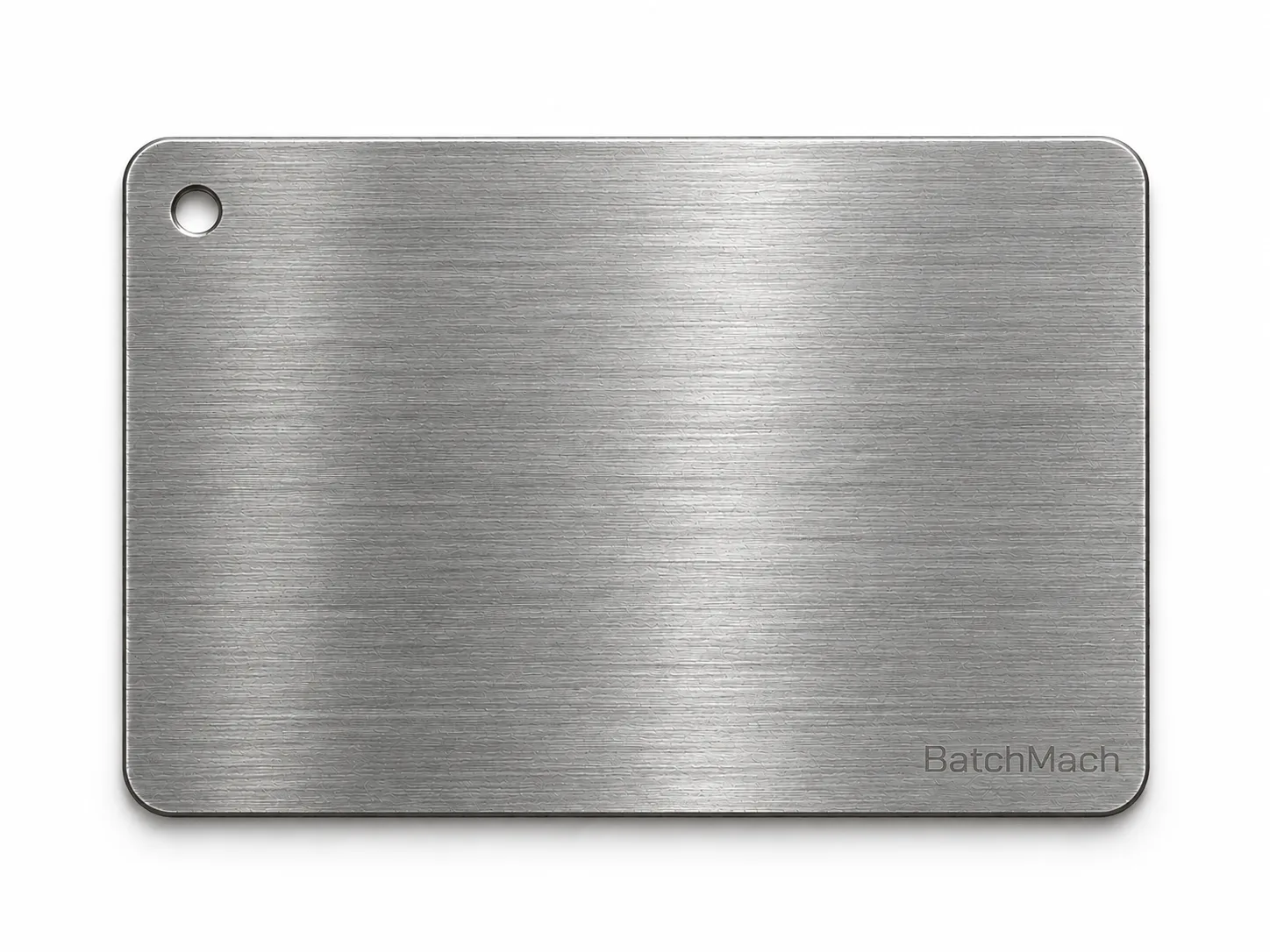
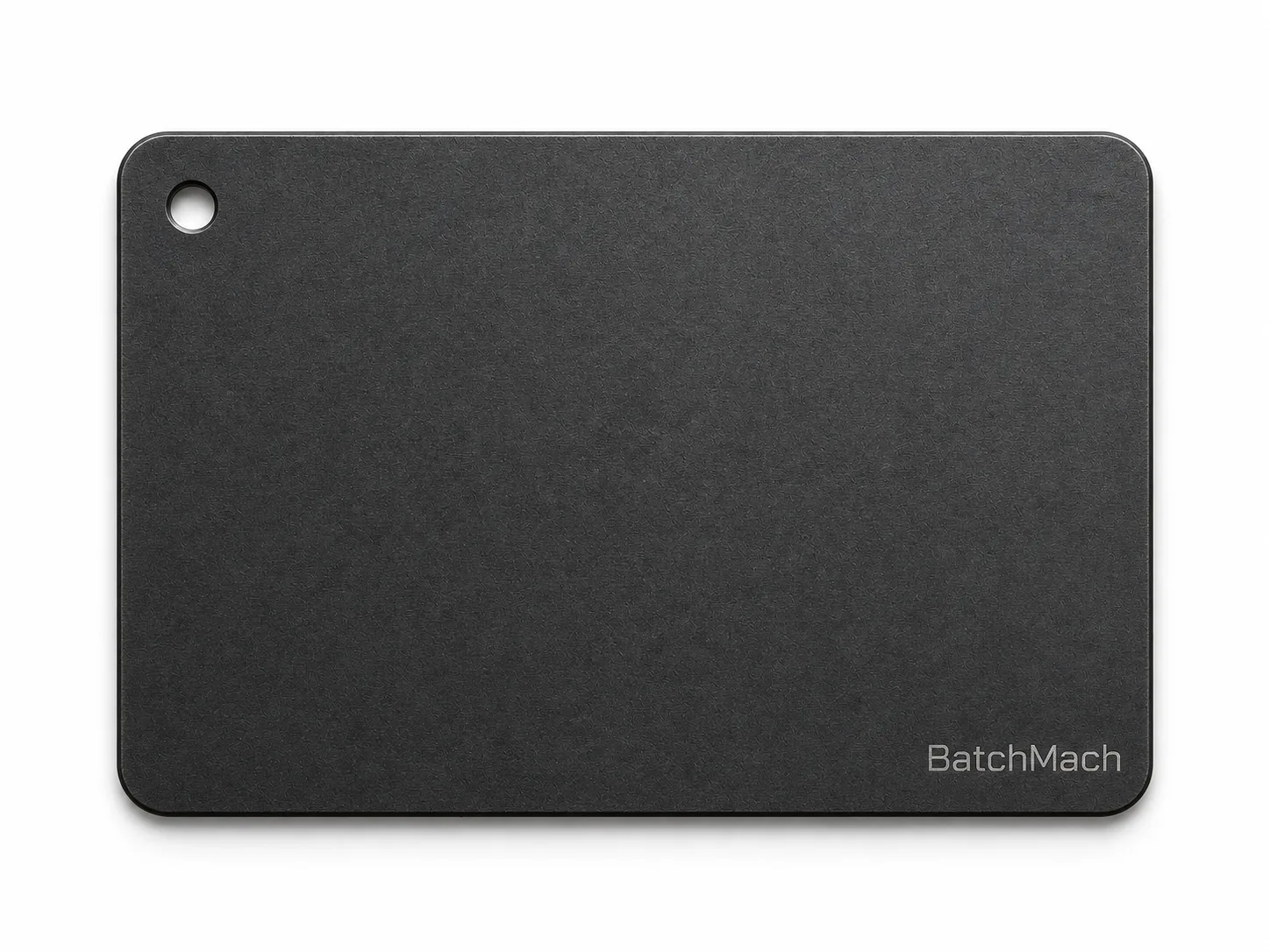
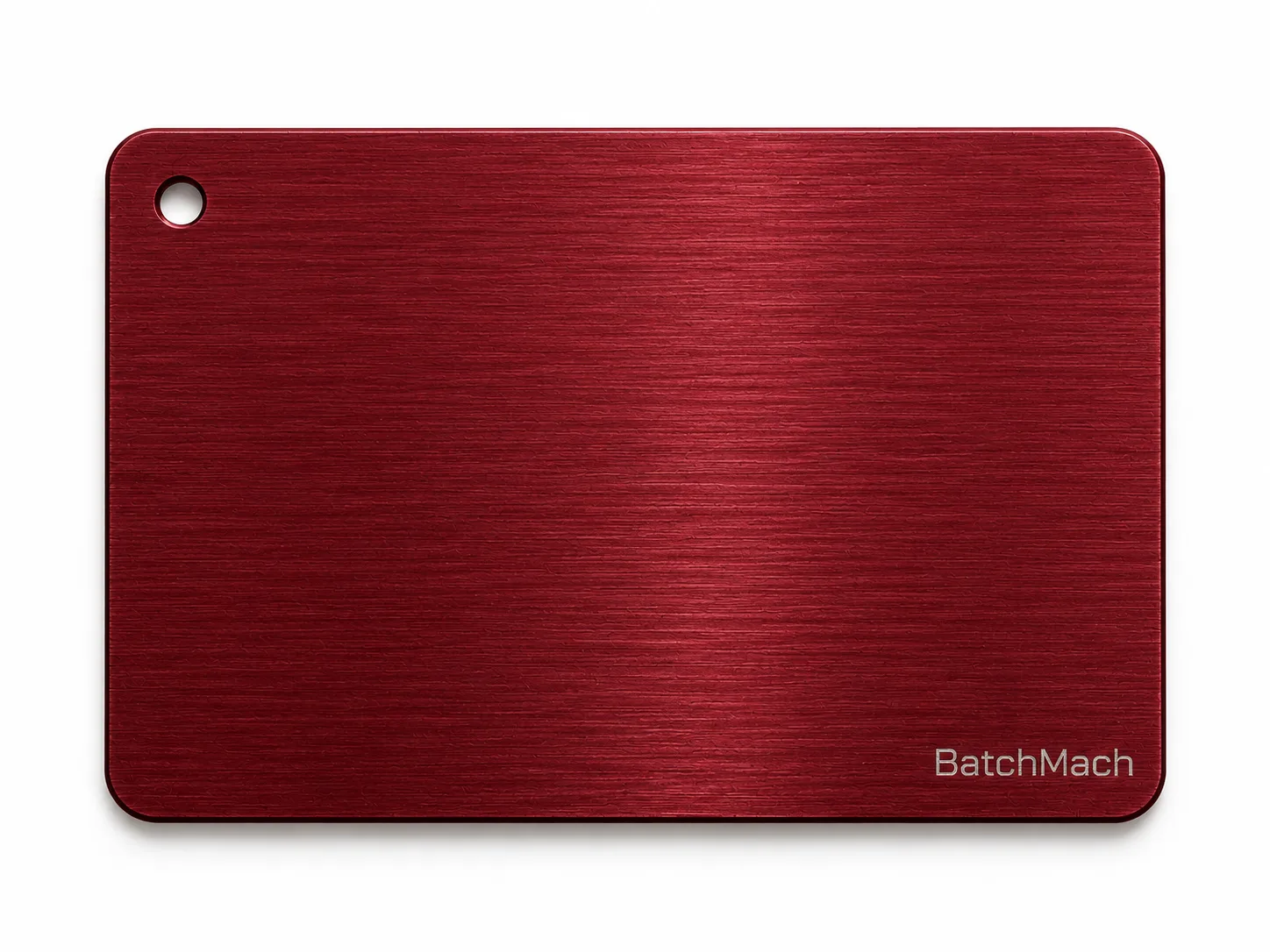
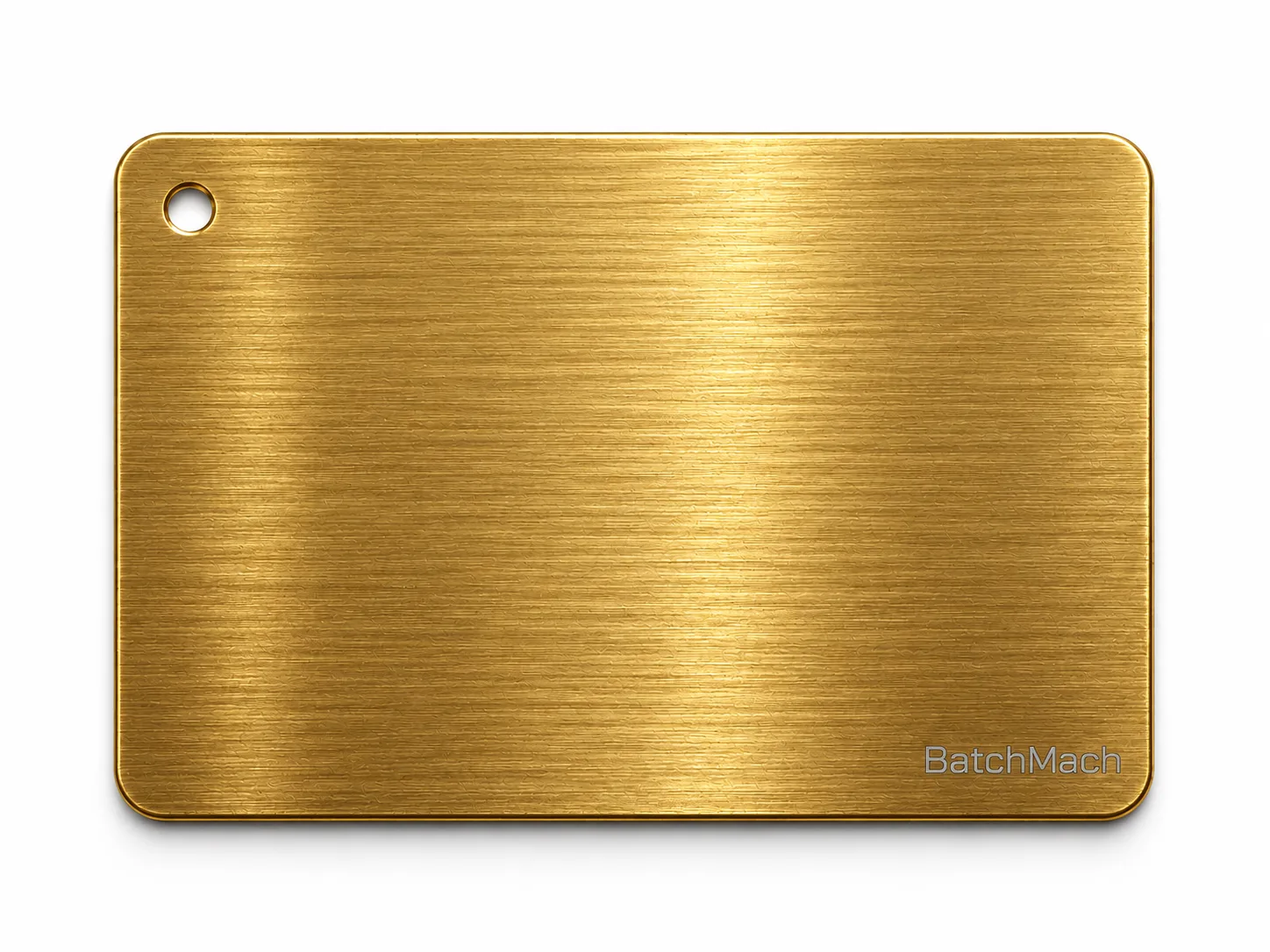
Electronic enclosures need appearance and protection, conductive components depend on their contact surfaces, and thermal parts require suitable heat-transfer interfaces. BatchMach Precision reviews finishing alongside machining, confirming colors, coating thickness, masking areas, and final mating dimensions before production.
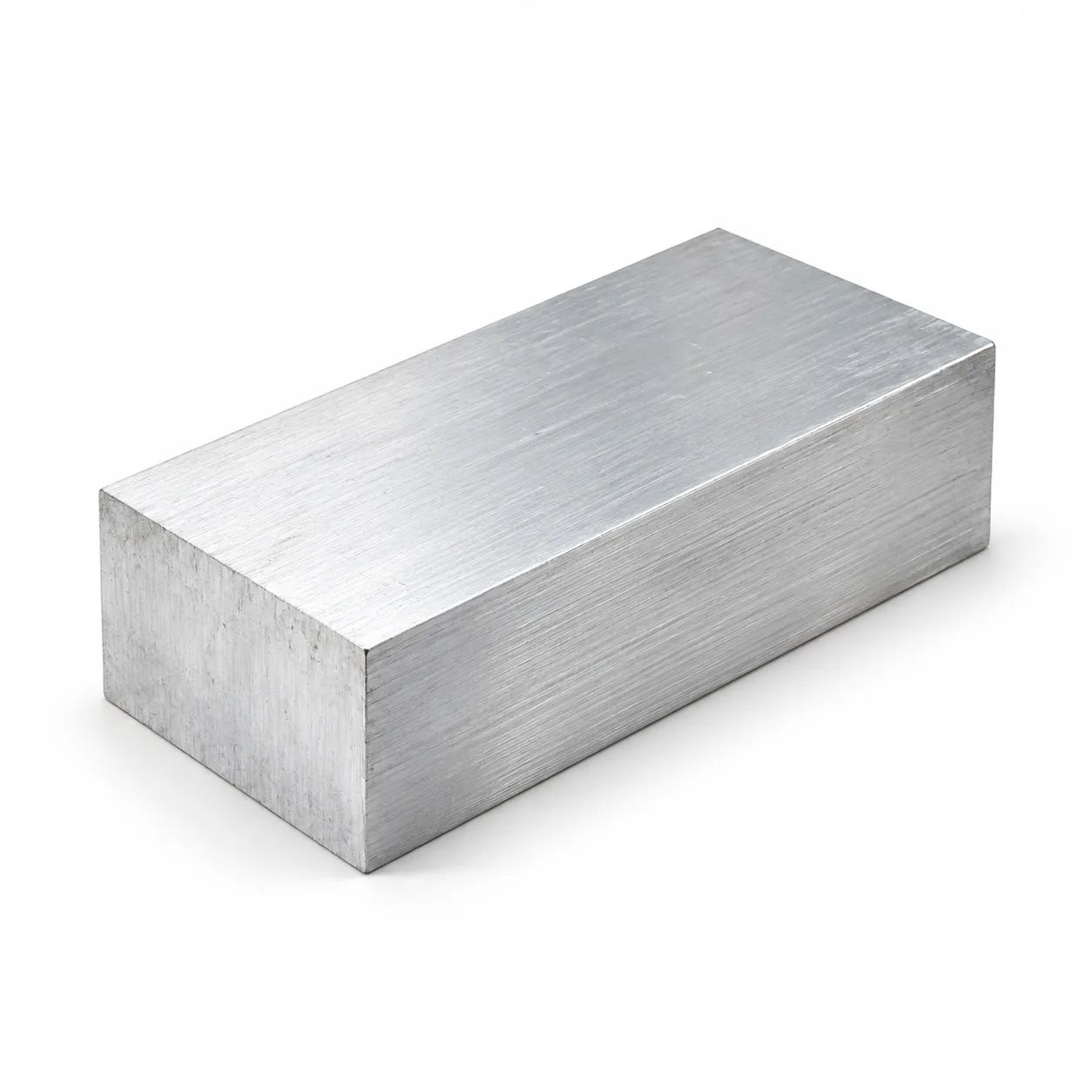
As Machined
Suits internal brackets, prototypes, and test fixtures that need no additional cosmetic treatment. Parts are deburred and machined to the specified roughness, retaining acceptable tool marks to reduce finishing operations and cost.
Anodizing
Provides corrosion protection and color options for aluminum enclosures, knobs, and mounting plates. The oxide layer affects electrical contact, so grounding and connection areas require defined masking. Thermal contact surfaces are supplied in the condition specified by the design.
Hard Anodizing
Suits aluminum guides, sliding components, and tooling parts exposed to friction or repeated assembly. Coating thickness must be considered when planning bore sizes, shaft diameters, and mating clearances, along with final surface requirements.
Chemical Conversion Coating
Used on aluminum parts requiring corrosion protection, paint adhesion, or specified electrical contact performance. Grounding and bonding areas need a defined process and contact-resistance requirement; different conversion coatings do not provide identical performance.
Electroless Nickel Plating
Provides corrosion and wear protection for connector housings, copper-alloy components, and precision mechanical parts. Plating changes mating dimensions, so threads, bores, and contact areas need specified thicknesses and acceptance requirements.
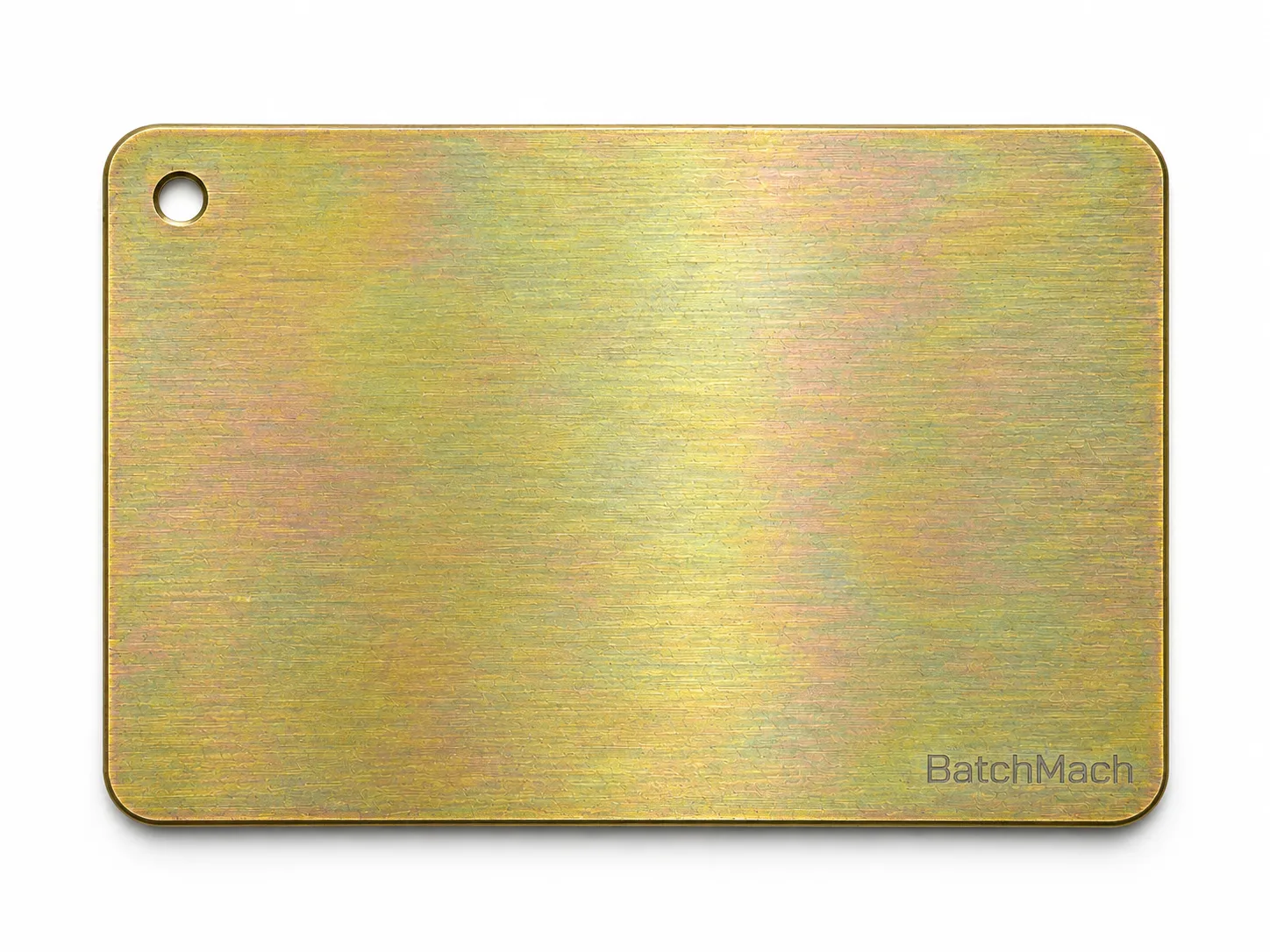
Tin Plating
Commonly used on copper and copper-alloy terminals and soldered connections to provide a solderable surface and help protect the substrate. The plating system, thickness, and coverage should reflect the soldering method, electrical requirements, and operating environment.
Silver or Gold Plating
Used on specified electrical contacts. Selection depends on contact type, mating cycles, and environmental exposure, with underplate and precious-metal thickness clearly defined. Selective plating can concentrate treatment on functional areas to control cost.
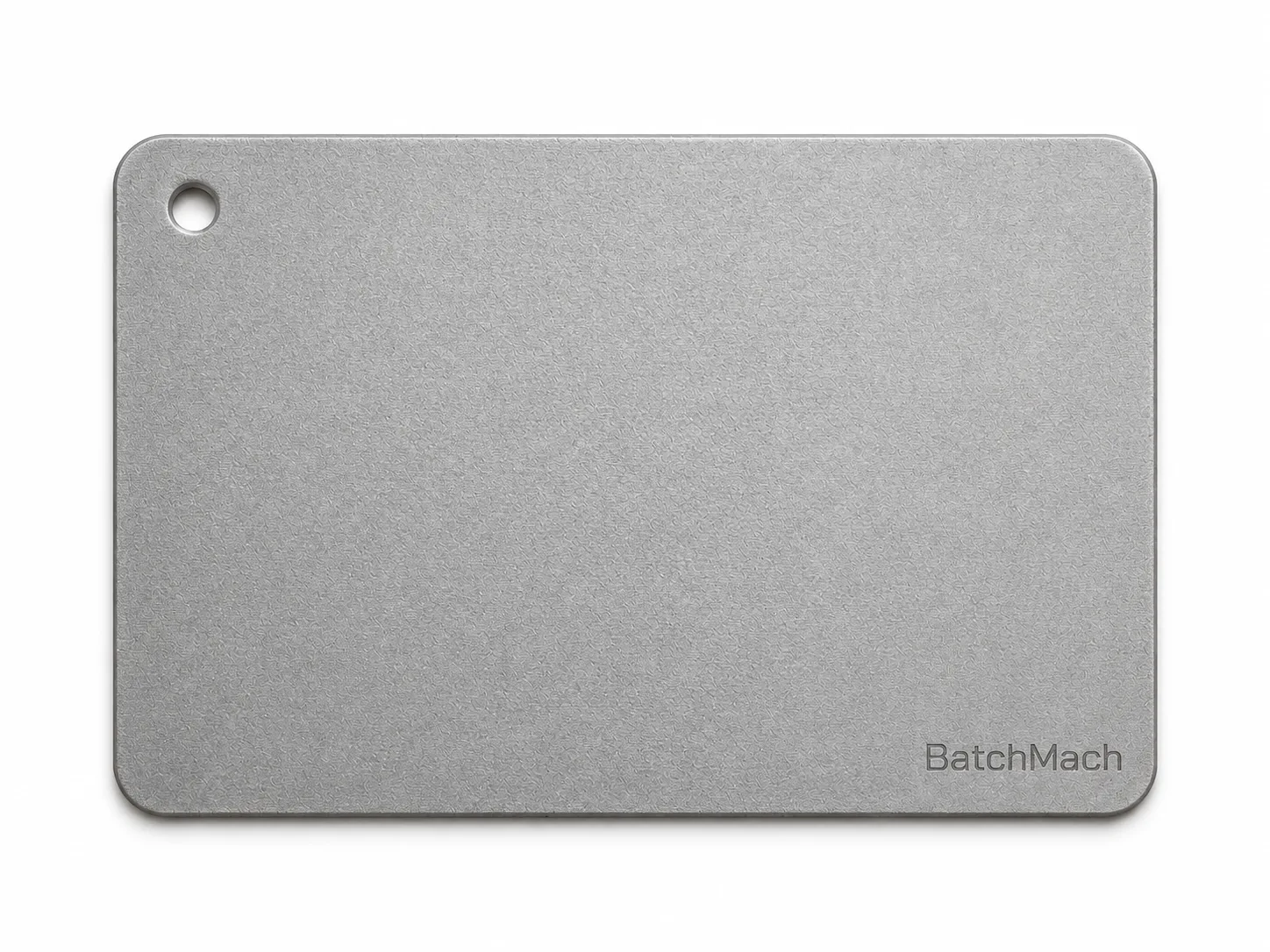
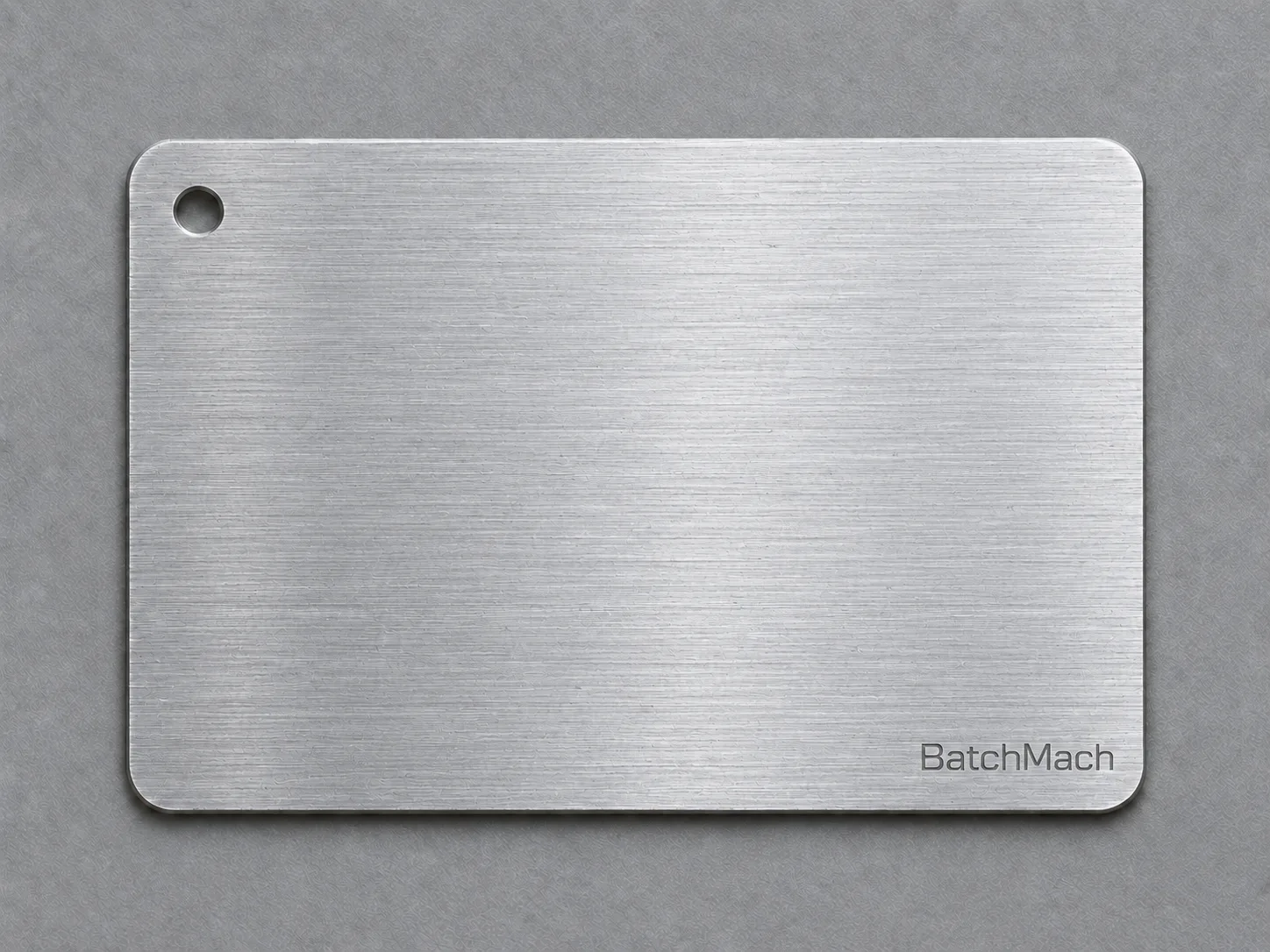
Bead Blasting
Creates a uniform matte texture on enclosures, covers, and knobs, and can prepare cosmetic surfaces for anodizing. Locating holes, sealing surfaces, and precision fits require protection where specified to preserve assembly requirements.
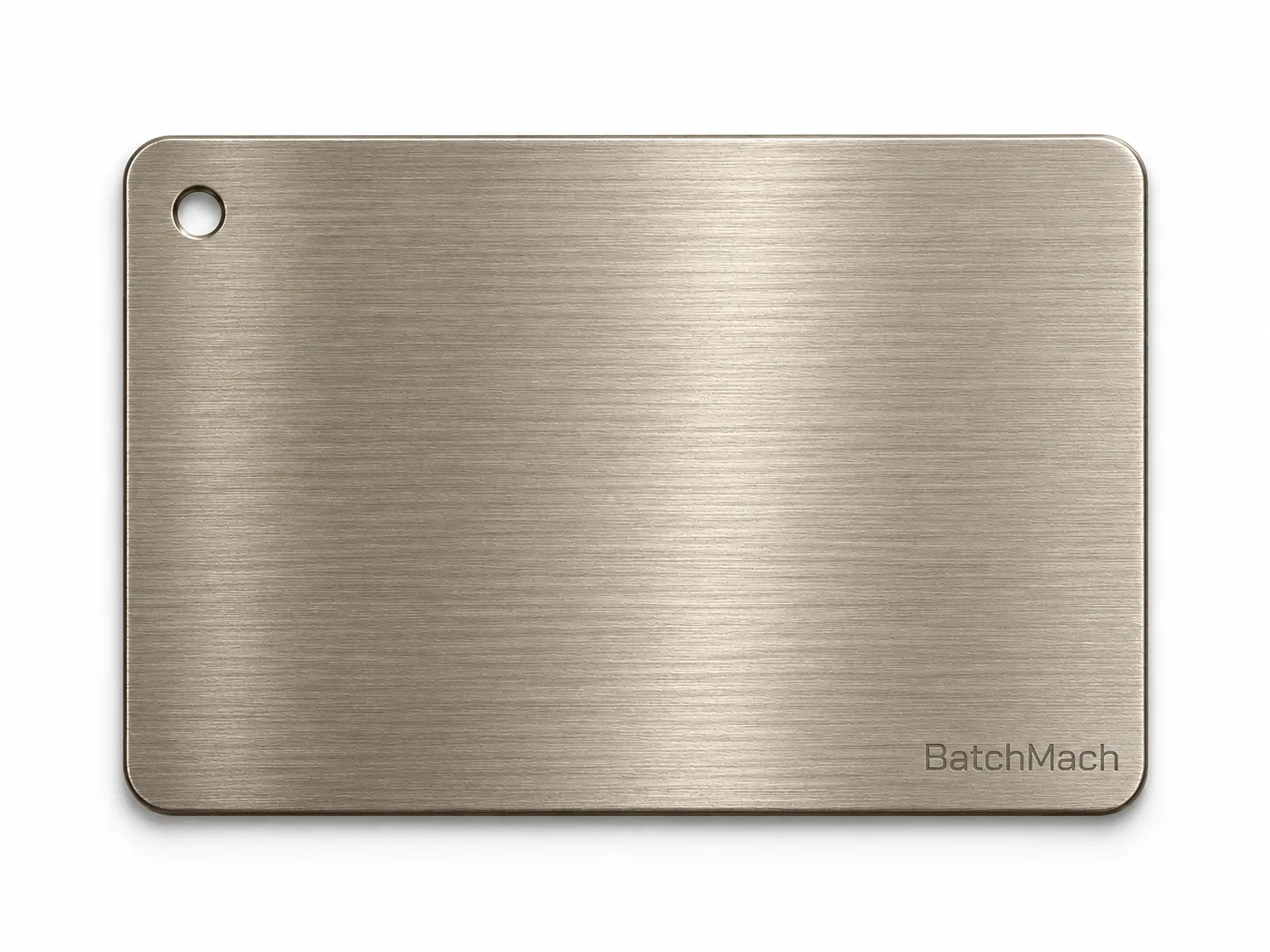
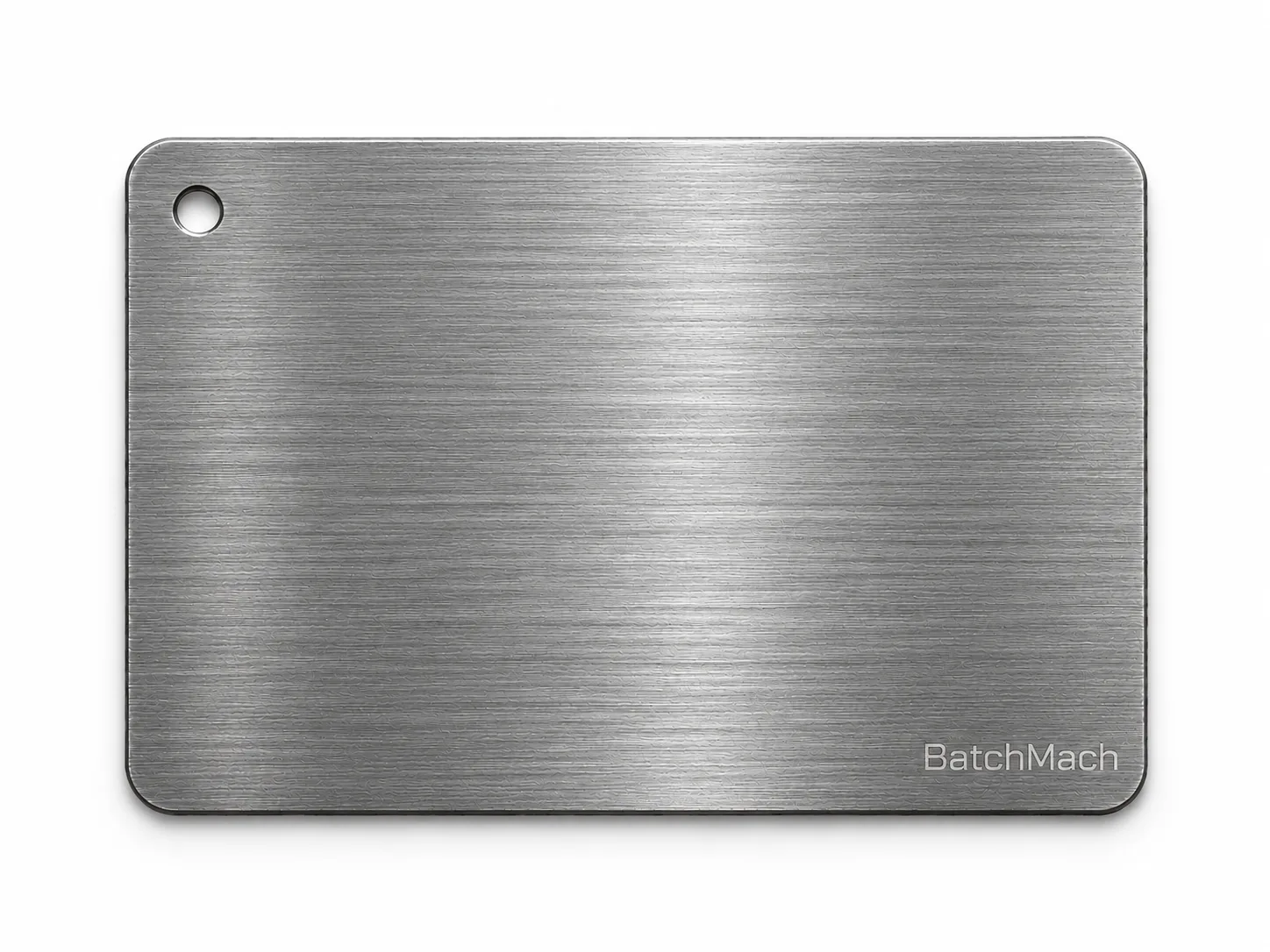
Brushing
Produces a directional texture on instrument panels, covers, and exposed metal components. We confirm the grain direction and cosmetic areas in advance, with attention to consistency around edges and openings. Brushing alone does not provide corrosion protection.
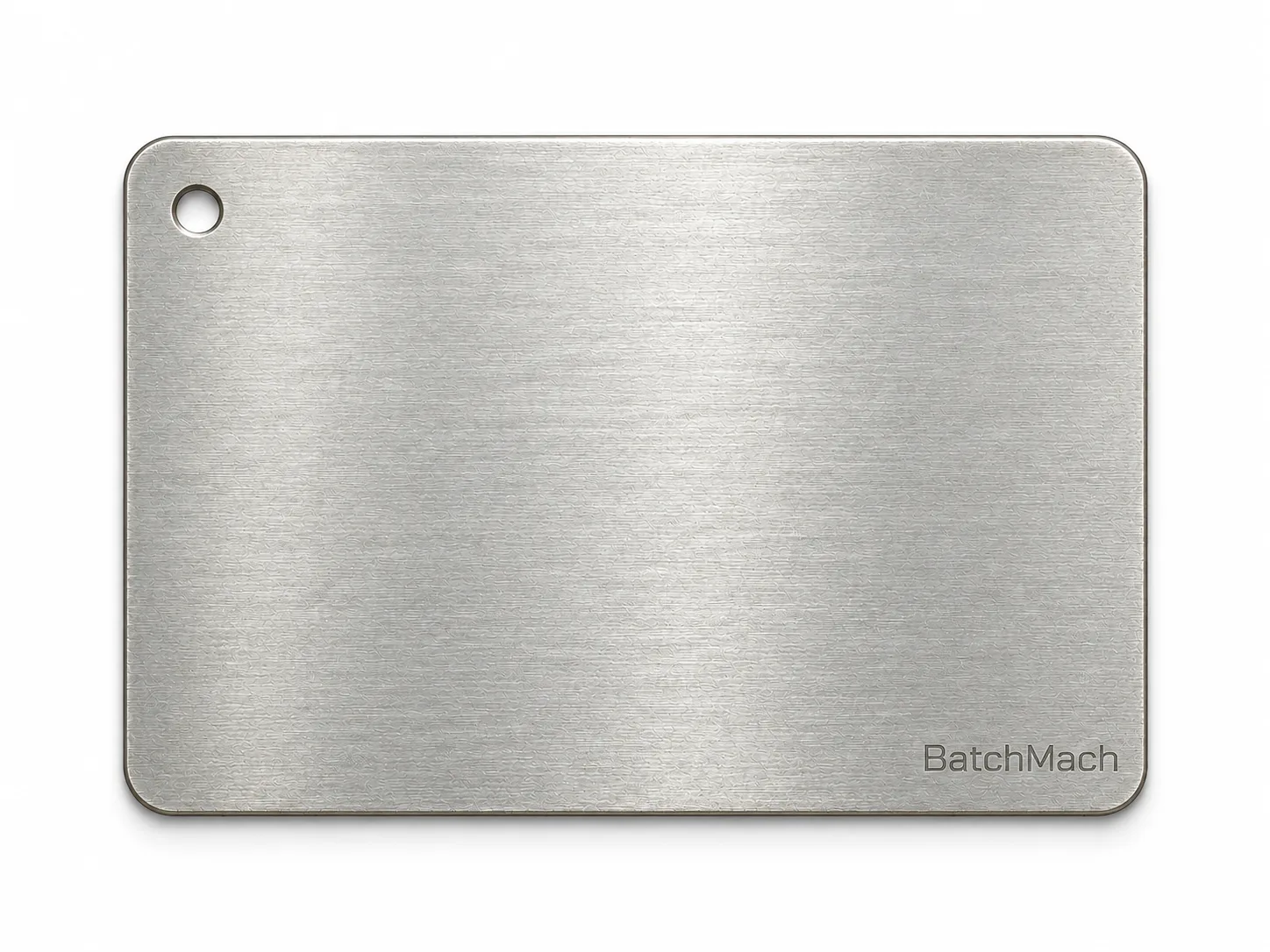
Passivation
Removes free iron contamination from stainless steel sensor housings, instrument connectors, and equipment components to help maintain corrosion resistance. Visible tool marks, scratches, and burrs require separate treatment beforehand.
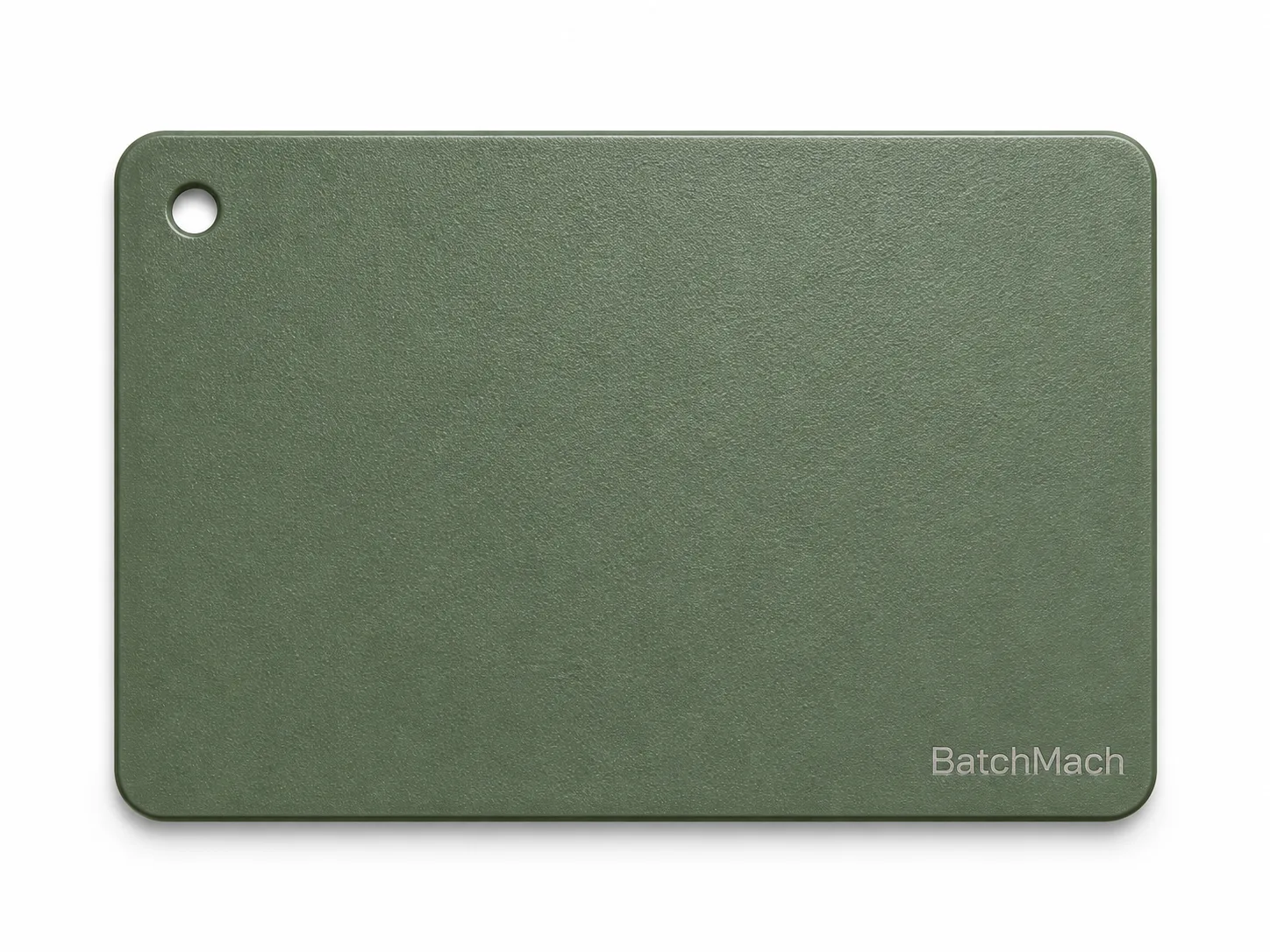
Powder Coating
Adds color and surface protection to electronic chassis, equipment covers, and brackets. Coating buildup reduces assembly clearance, so threads, grounding points, mounting datums, and thermal contact areas need defined masking boundaries.
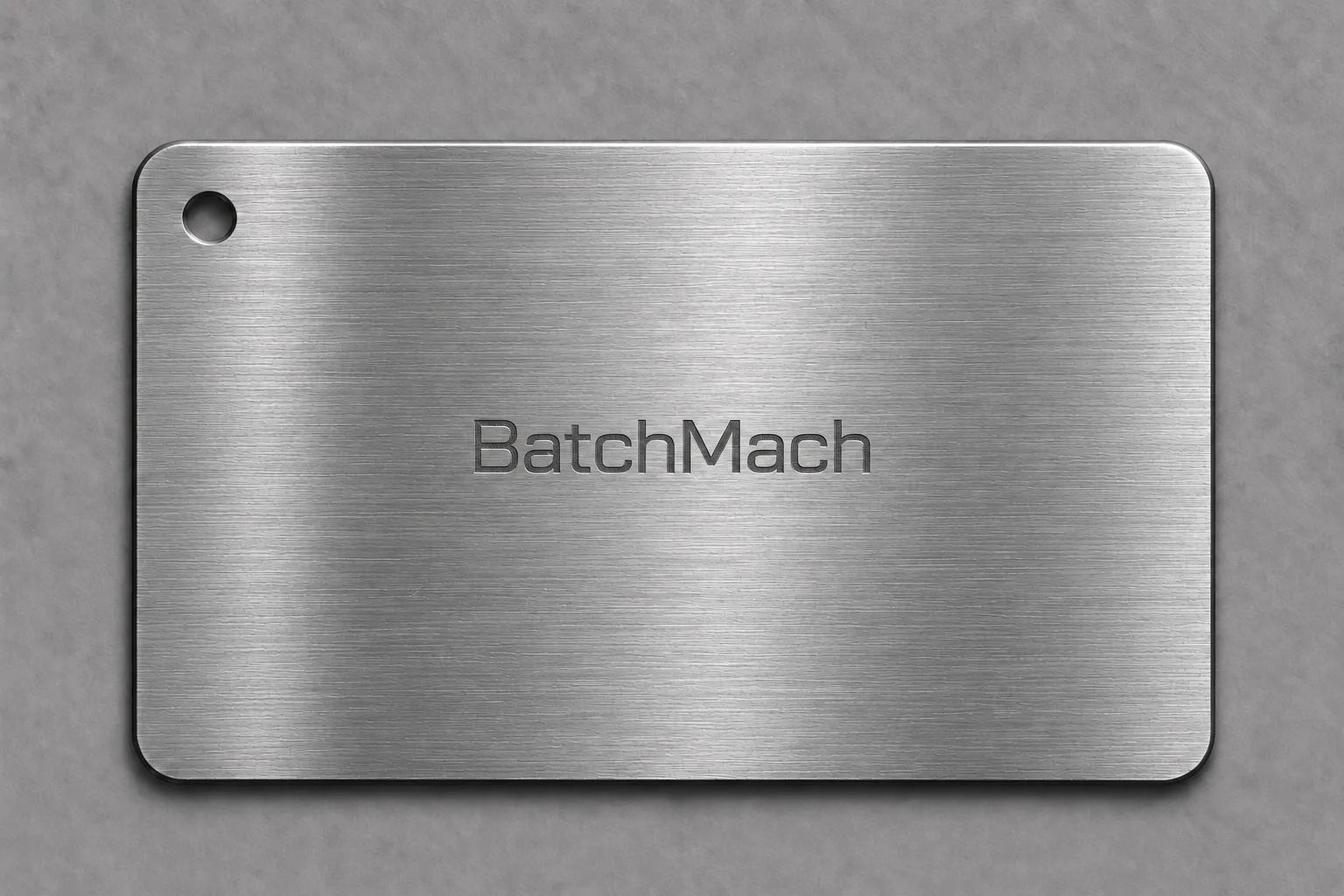
Laser Marking
Adds model numbers, serial numbers, interface labels, and installation directions to housings, panels, and components. Content, position, and contrast follow customer requirements to support identification, assembly, and maintenance.
Identify areas requiring electrical conductivity, insulation, or thermal contact on your drawings. BatchMach Precision uses these functional requirements to evaluate machining and finishing together, so appearance requirements do not compromise part function.