







Engineering Plastics

Acrylic (PMMA) CNC Machining Services

Custom CNC-machined acrylic parts with clean edges, controlled dimensions, and finishing options for transparent or appearance-critical surfaces. BatchMach Precision provides CNC milling, CNC turning, and 5-axis machining for PMMA prototypes and low-volume production parts.

  • Lead times as fast as 1 day with direct factory pricing
  • Clear, colored, and frosted acrylic options
  • Process control to reduce chipping, melting, and cracking
  • Polishing and secondary finishing available
Acrylic (PMMA) CNC Machining Services part

Upload Your CAD Files for a Quote

Drop your CAD file here or click to browseSupported: STEP, STP, IGES, SLDPRT, DXF, DWG, PDF

Your files are secure and confidential · Max file size: 100 MB

19+

Years of Experience

250+

Machines & Testing Equipment

11,000 m²

Manufacturing Area

200+

Skilled Staff

ISO

9001 / 13485 / AS9100D

From prototypes to repeat production, BatchMach Precision brings together two ISO-certified CNC factories, practical machining expertise, and dimensional inspection to deliver custom parts built to your drawings.

Trusted by
numerous companies

Our Acrylic (PMMA) CNC Machining Capabilities

BatchMach Precision provides CNC milling, turning, and 5-axis machining for custom acrylic (PMMA) parts, from prototypes to repeat production. We plan machining around part geometry, wall thickness, dimensional requirements, and surface appearance, with attention to heat control, chip removal, and careful handling. Polishing and secondary finishing can be arranged to suit your specified clarity and finish requirements.

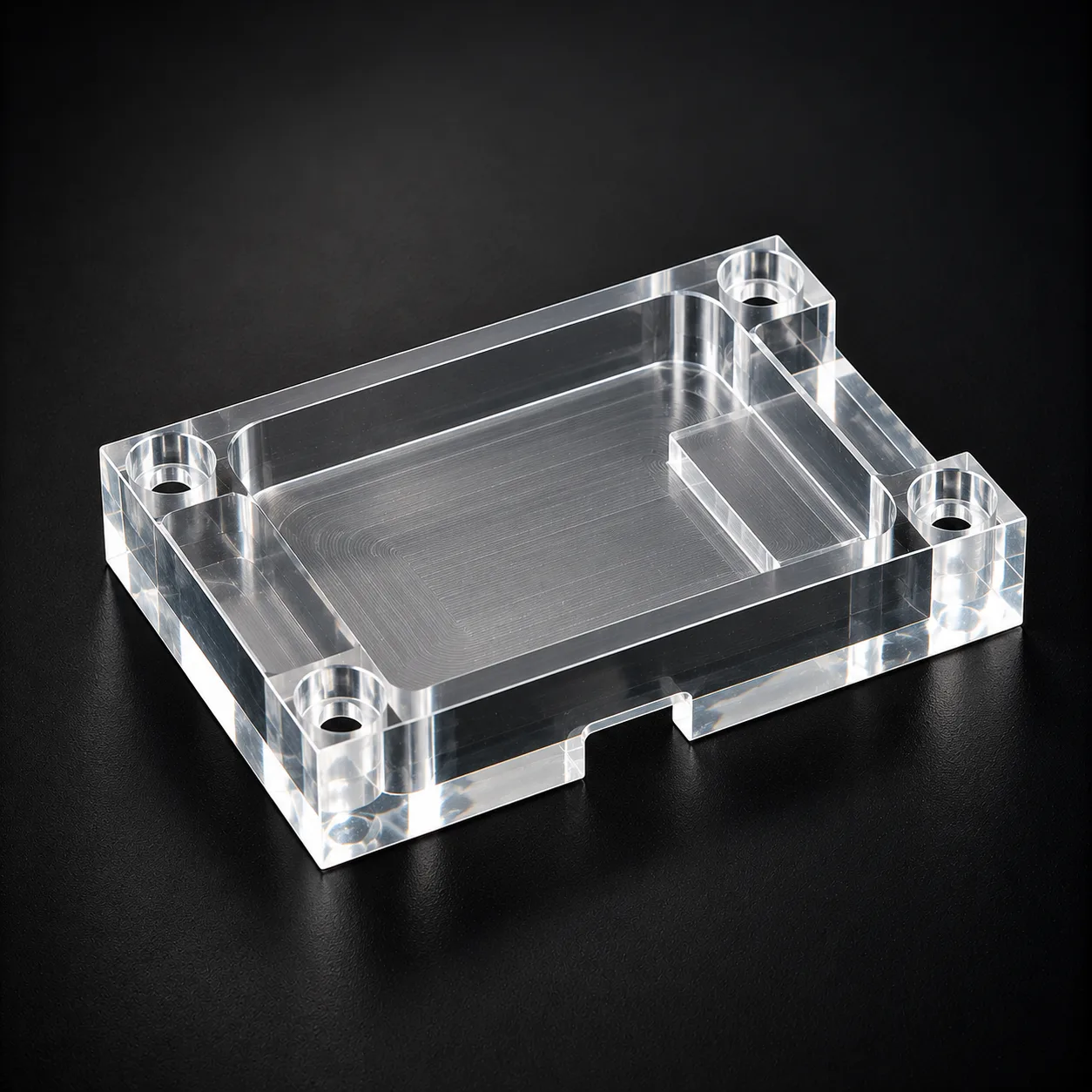
CNC Milling for Acrylic Parts

CNC Milling for Acrylic Parts

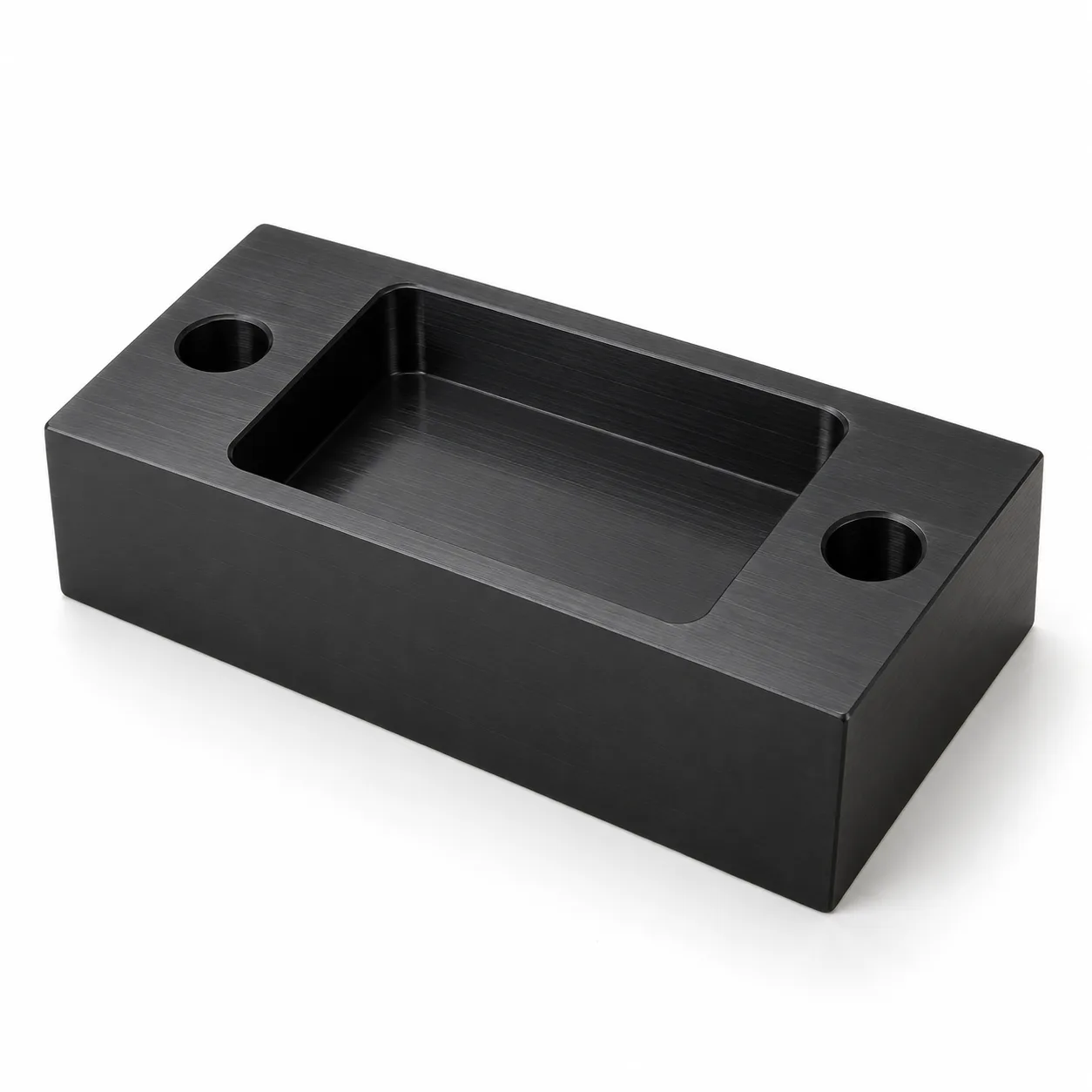
Used for acrylic housings, covers, display panels, optical mounting plates, fixtures, pockets, slots, and multi-feature components. Controlled tool paths and suitable cutting parameters help produce clean edges while reducing heat buildup and chipping.
CNC Turning for Acrylic Components

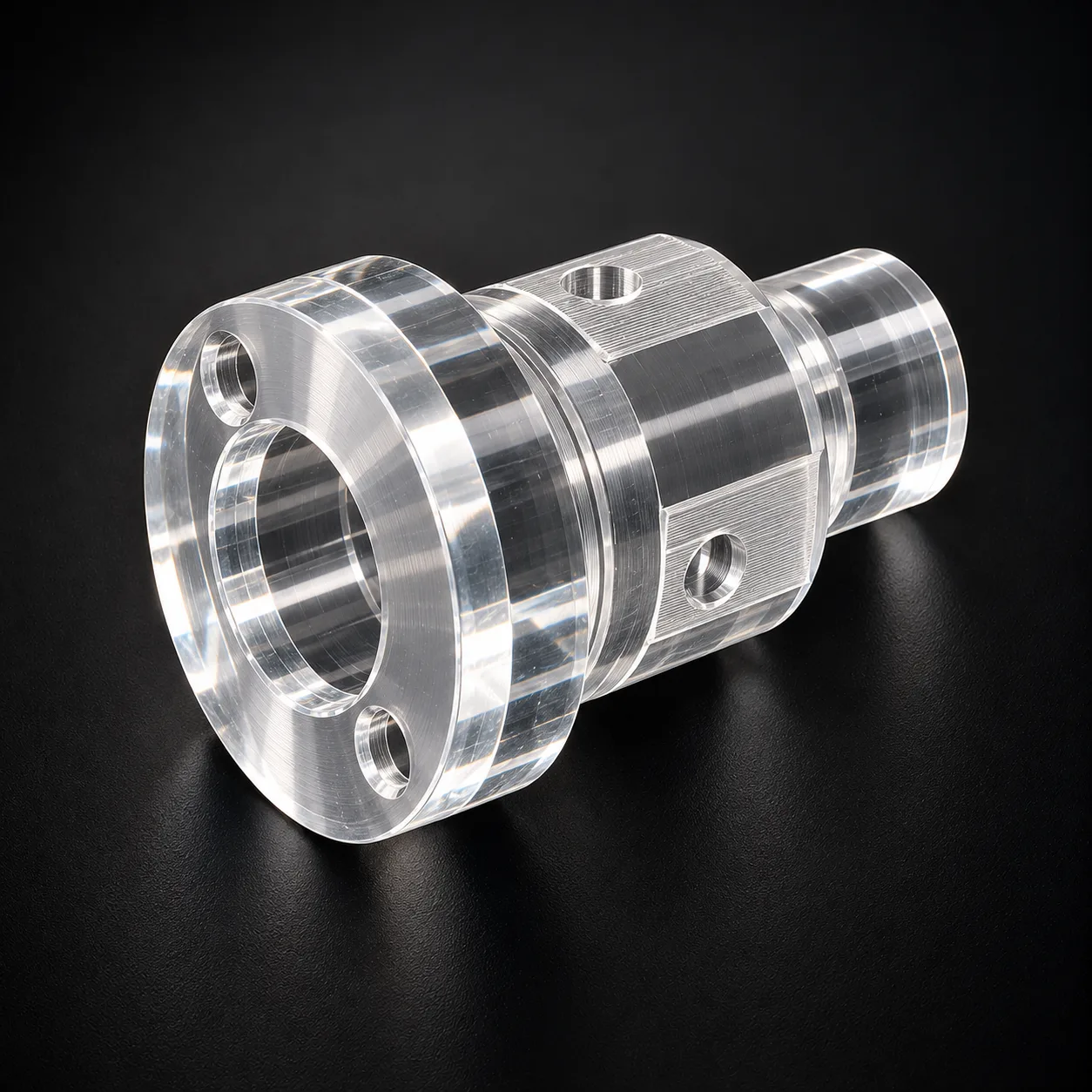
CNC Turning for Acrylic Components

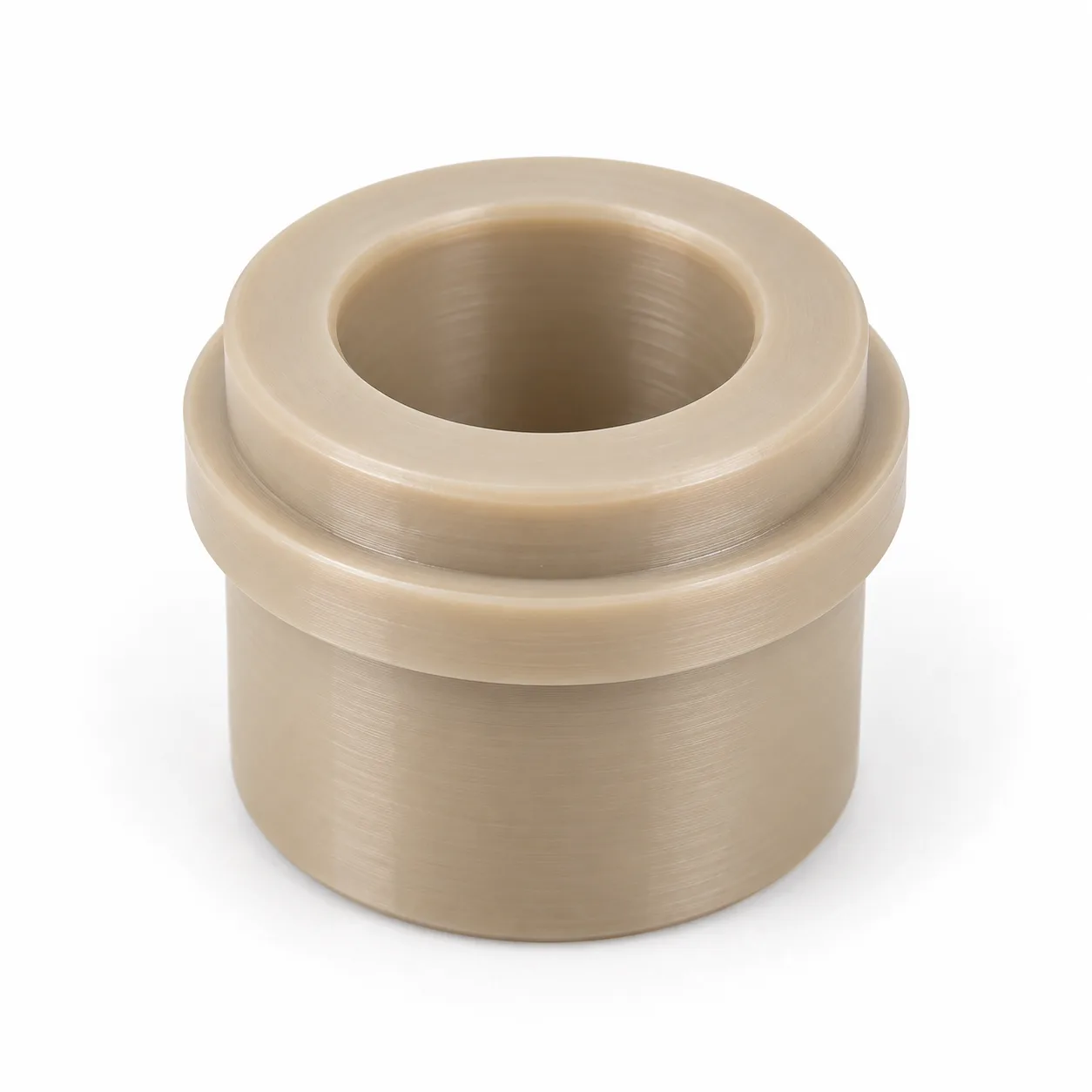
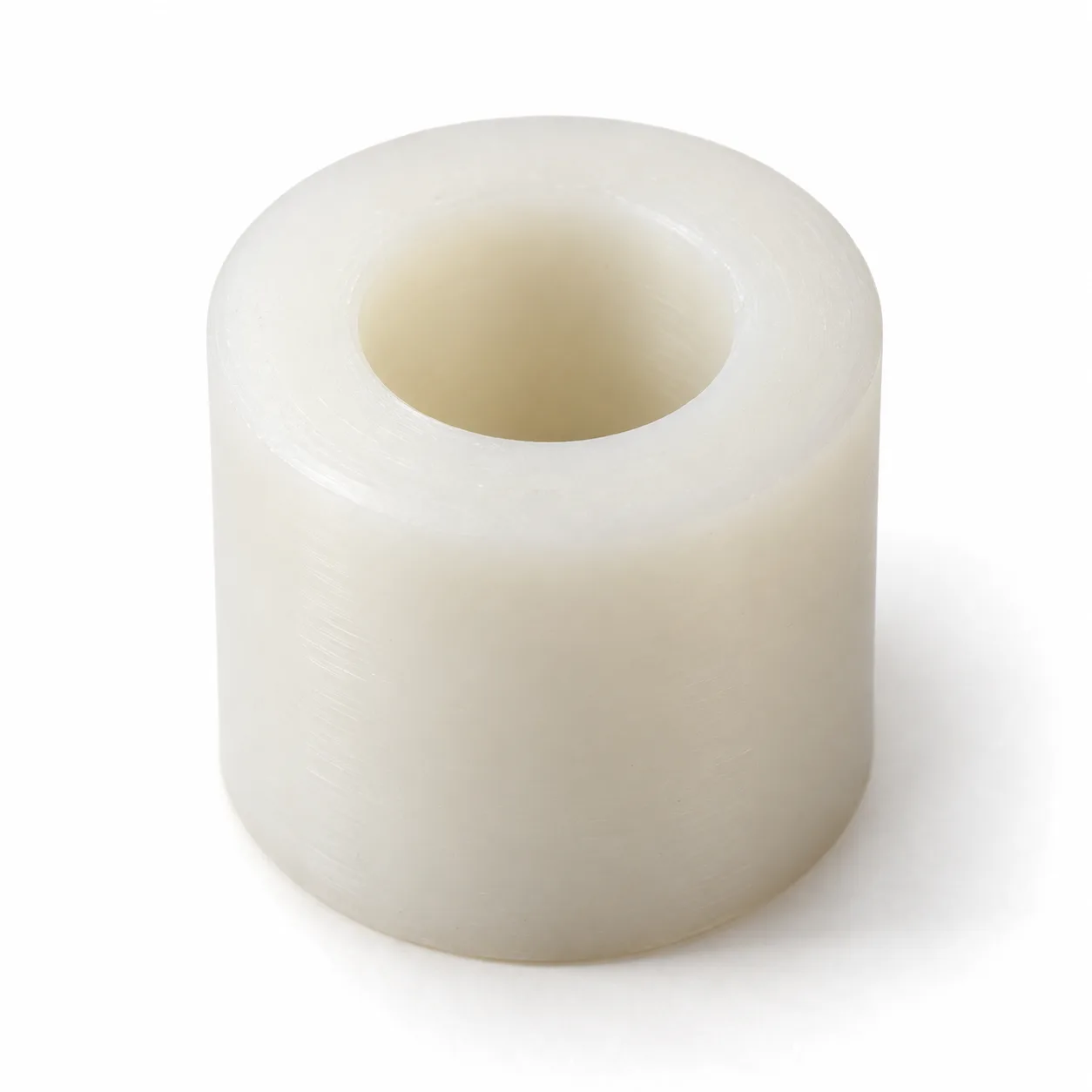
Suitable for round PMMA parts such as transparent tubes, rings, sleeves, spacers, light guides, and instrument components. BatchMach Precision controls cutting conditions to maintain diameters, concentric features, and a consistent machined surface.

5-Axis Machining for Complex Acrylic Parts

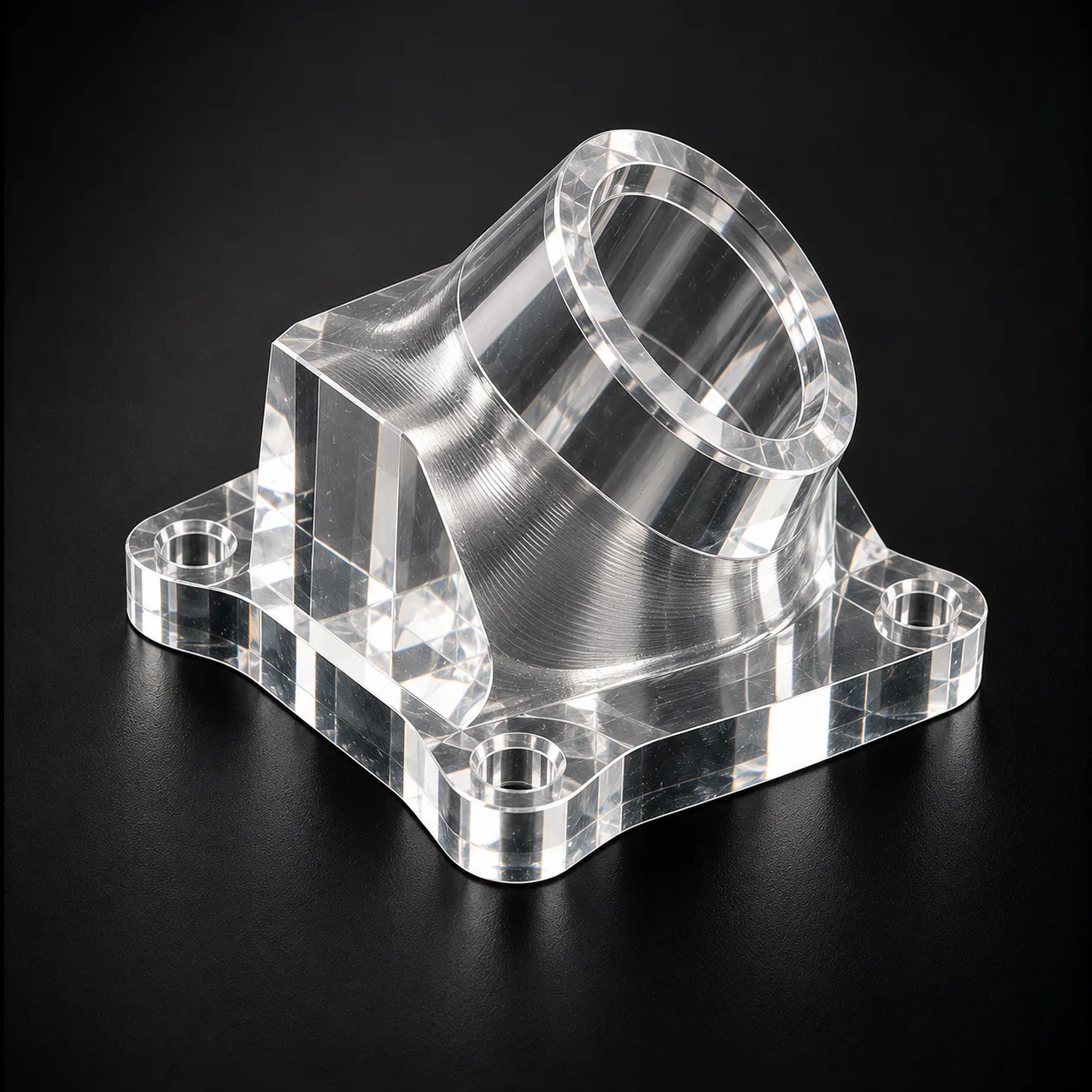
5-Axis Machining for Complex Acrylic Parts

Used for acrylic components with multi-sided features, angled surfaces, curved profiles, or geometry that would otherwise require several setups. Fewer repositioning operations help maintain feature relationships and reduce the risk of scratches or clamp marks on appearance-critical surfaces.

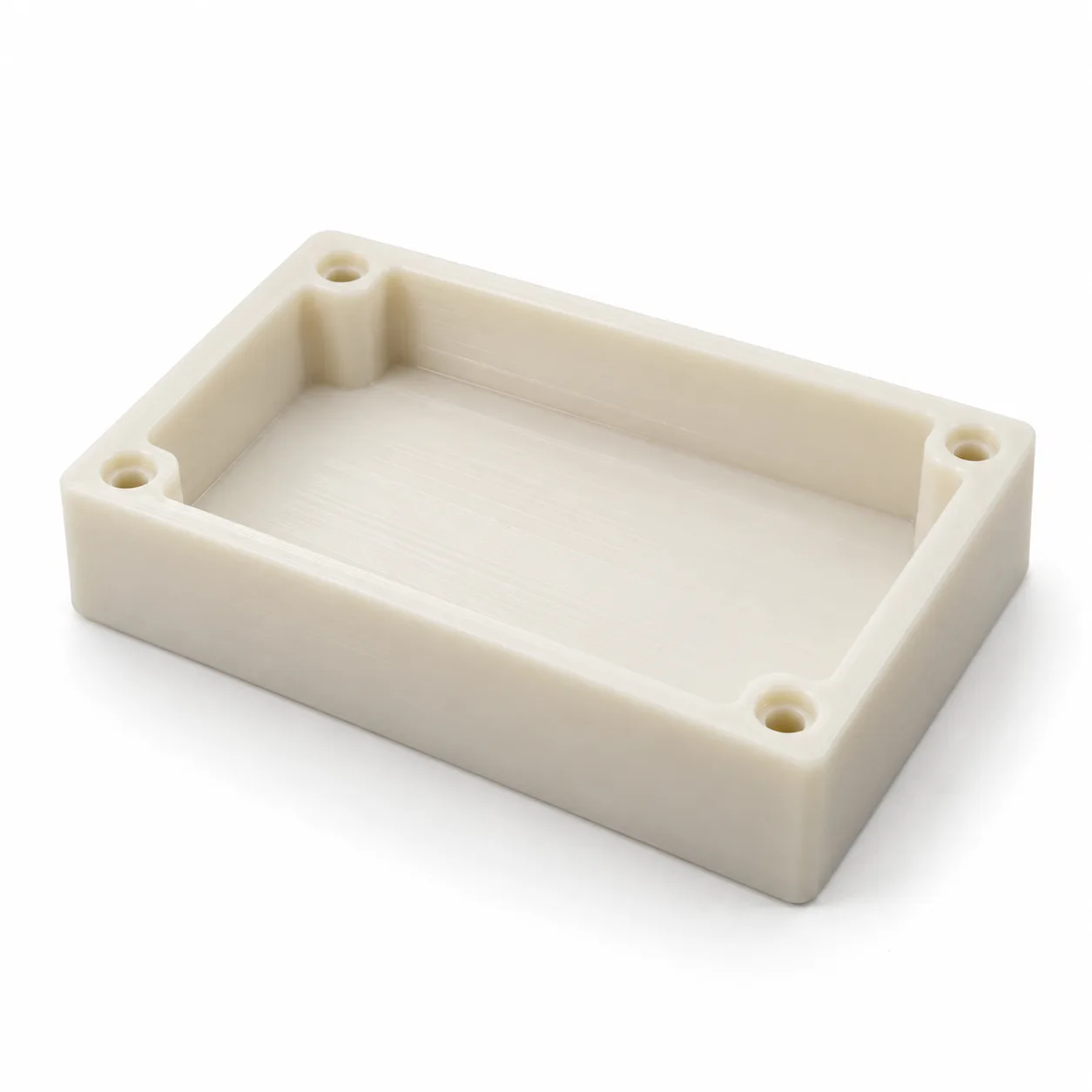
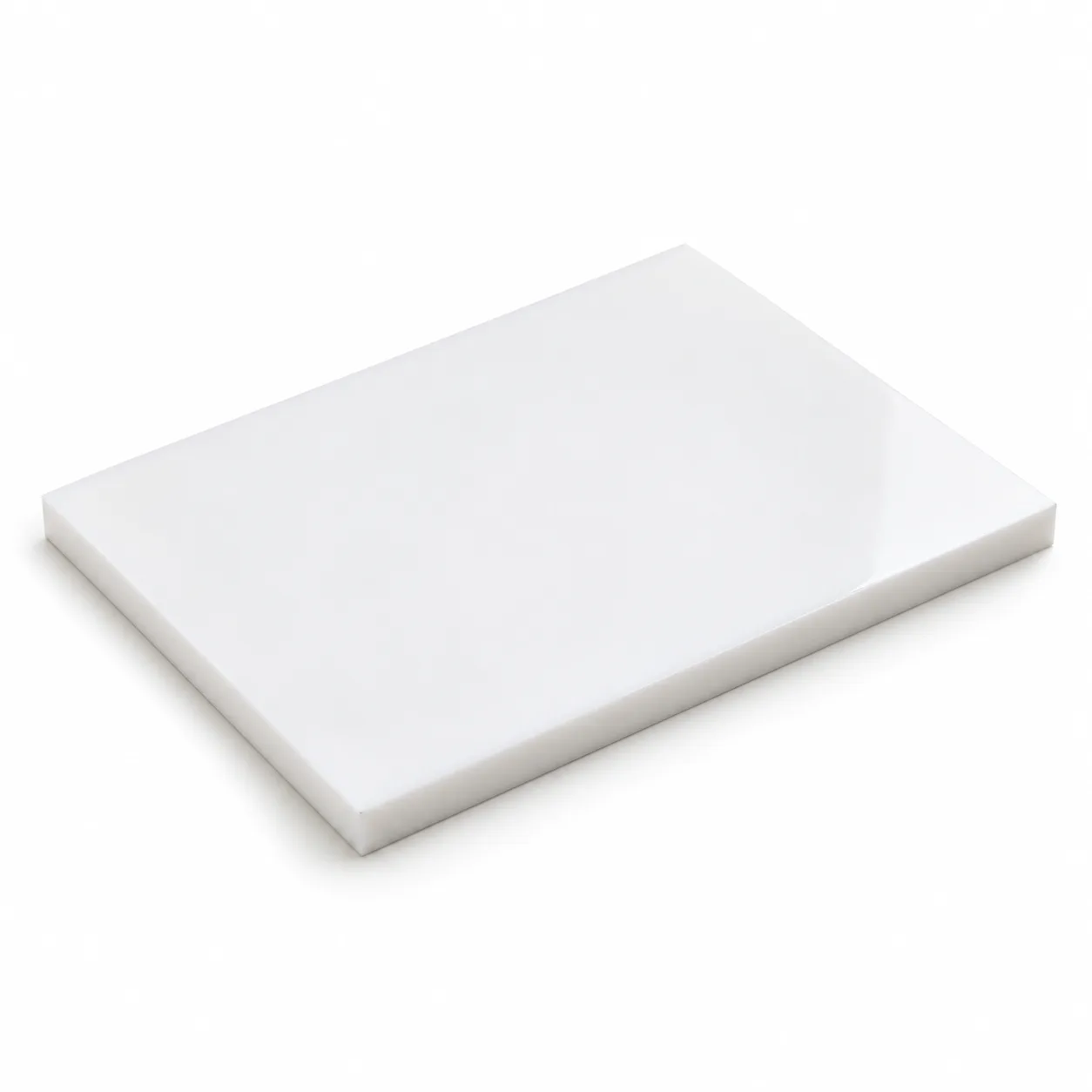
Representative CNC-machined acrylic part

Acrylic (PMMA) in CNC Machining

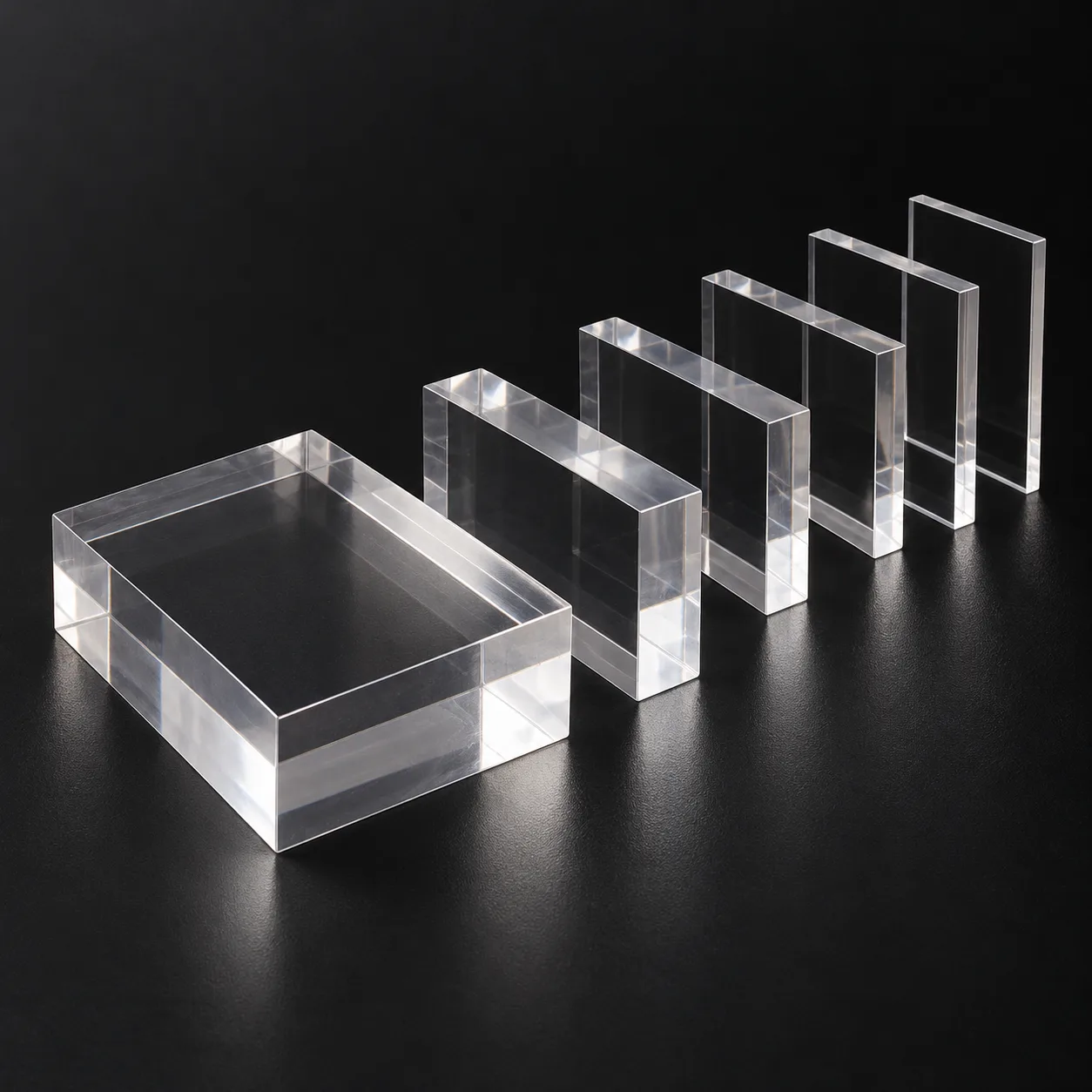
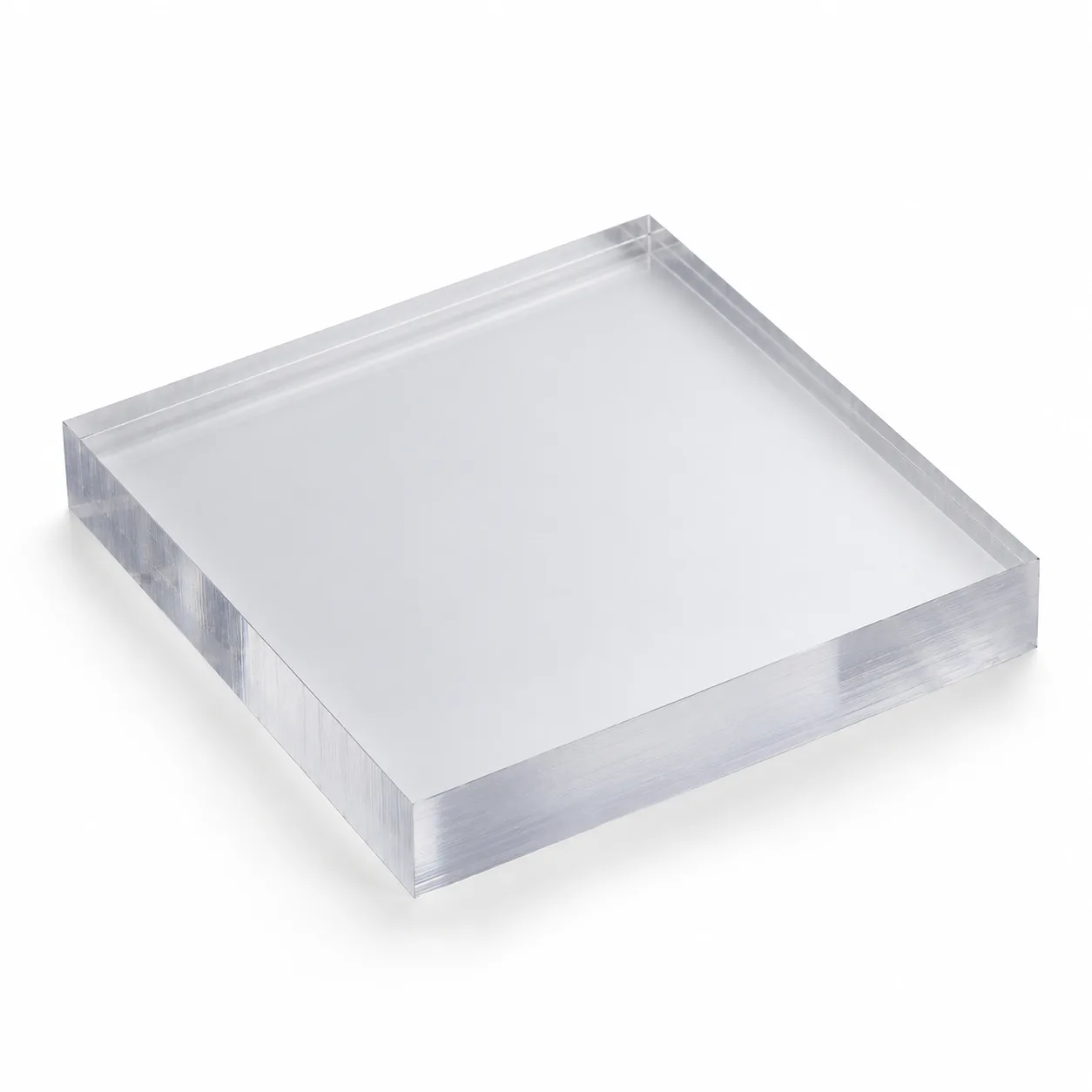
Acrylic, also known as PMMA, is a rigid thermoplastic valued for its optical clarity, surface hardness, and weather resistance. It is commonly used for display windows, light guides, instrument panels, equipment covers, transparent housings, and appearance-validation prototypes. Compared with polycarbonate, PMMA provides better visual clarity and is easier to polish, but it is more brittle and requires careful machining around holes, sharp corners, and thin edges.

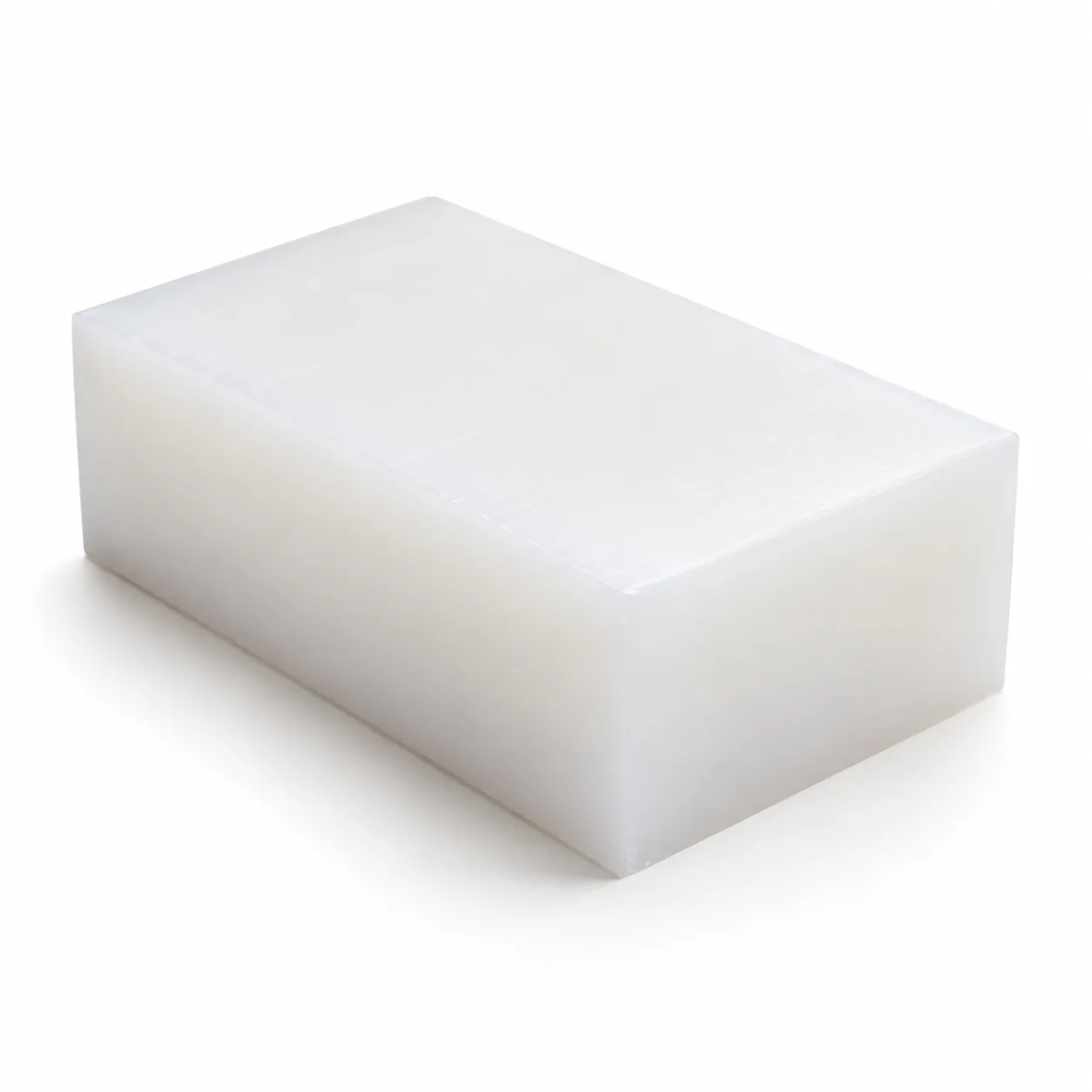
PMMA can be machined directly from sheet, plate, rod, or block without production tooling, making it suitable for prototypes, design revisions, and low-volume production. Cast, extruded, and impact-modified acrylic behave differently during machining and finishing. BatchMach Precision selects the cutting process, workholding method, and polishing plan according to the material type, part geometry, dimensional requirements, and final appearance.

CapabilitySpecification
Lead TimeAs fast as 1 day
Machining AccuracyDown to ±0.025 mm (±0.001 in) on selected critical features
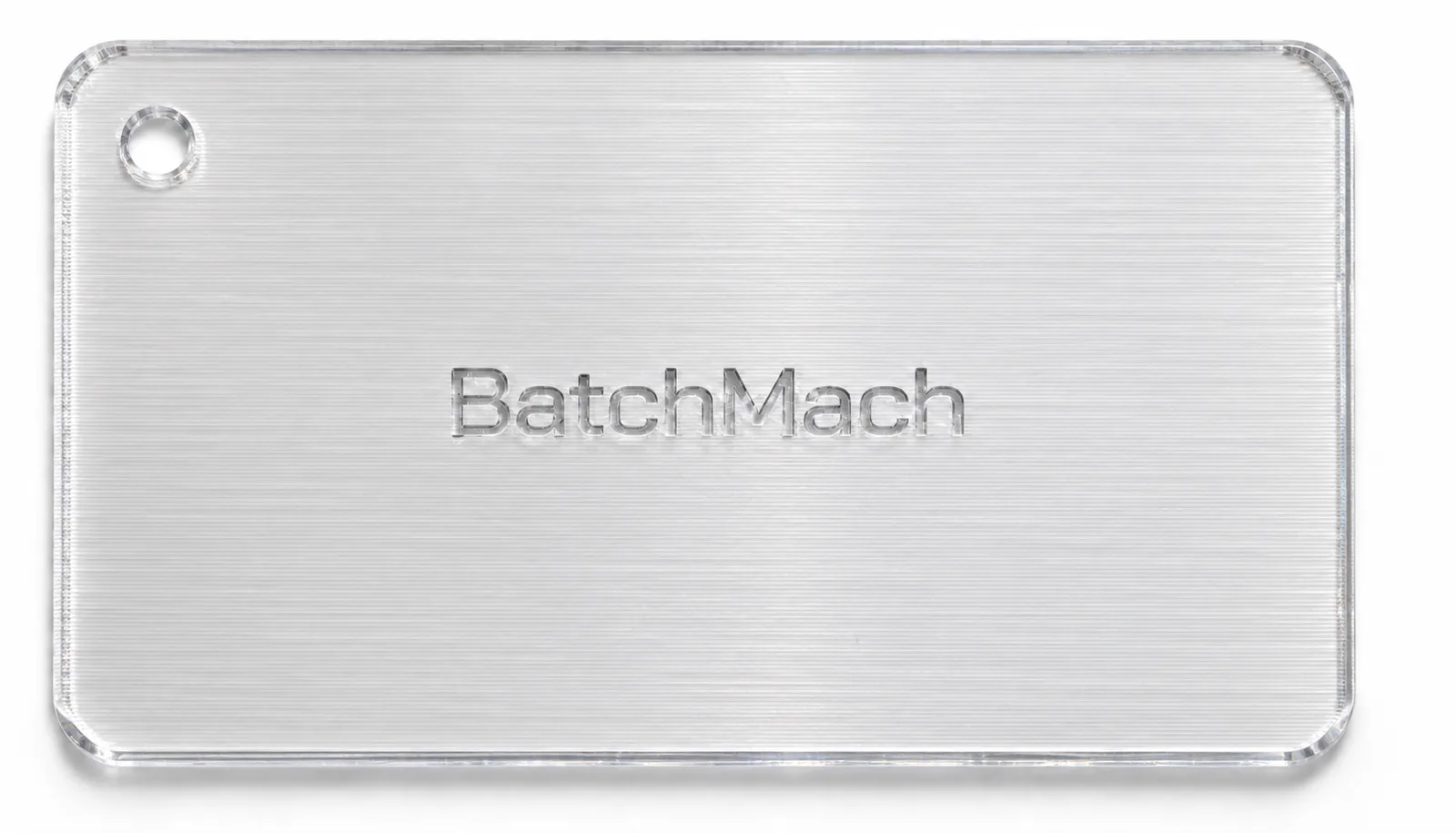
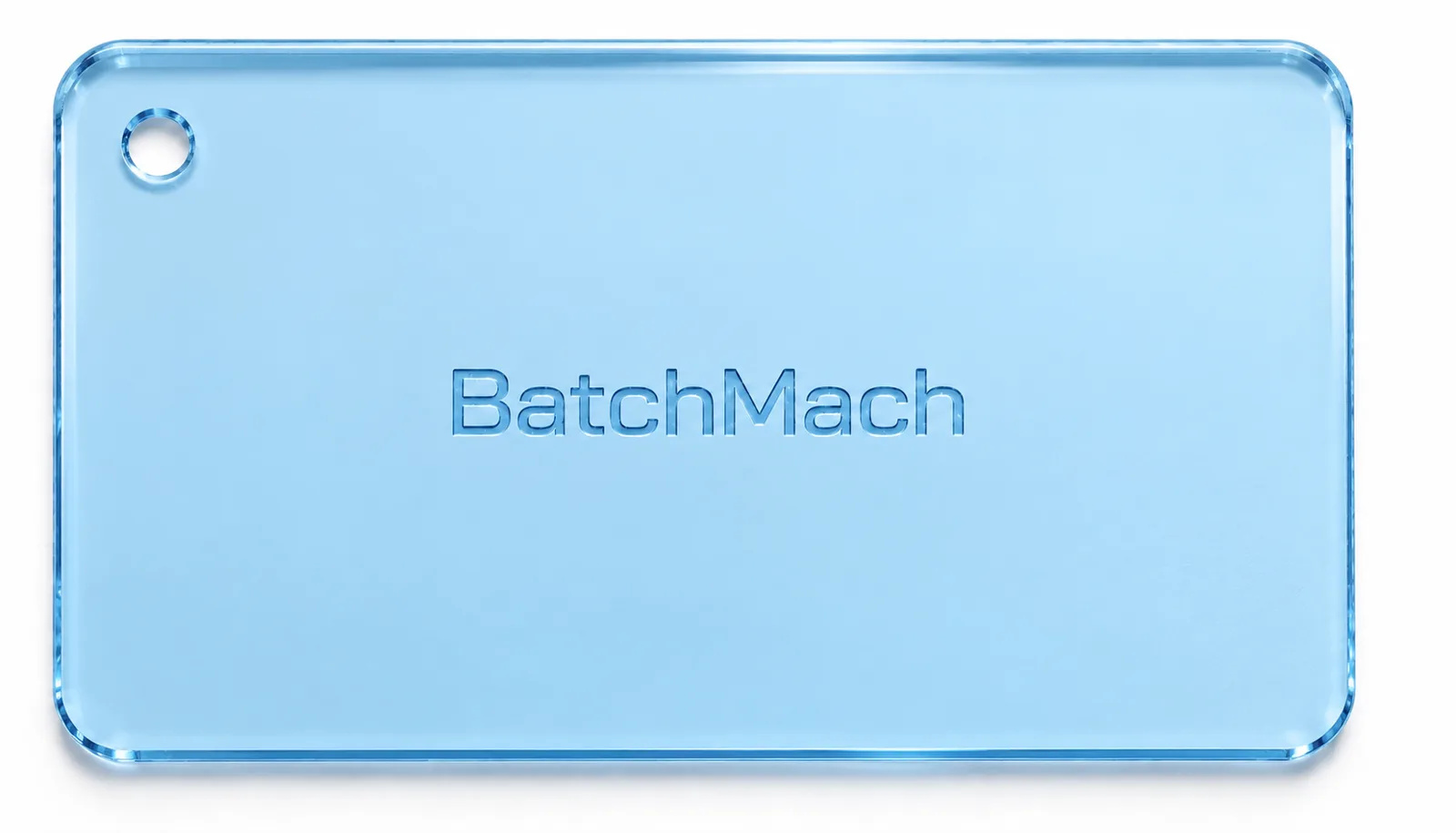
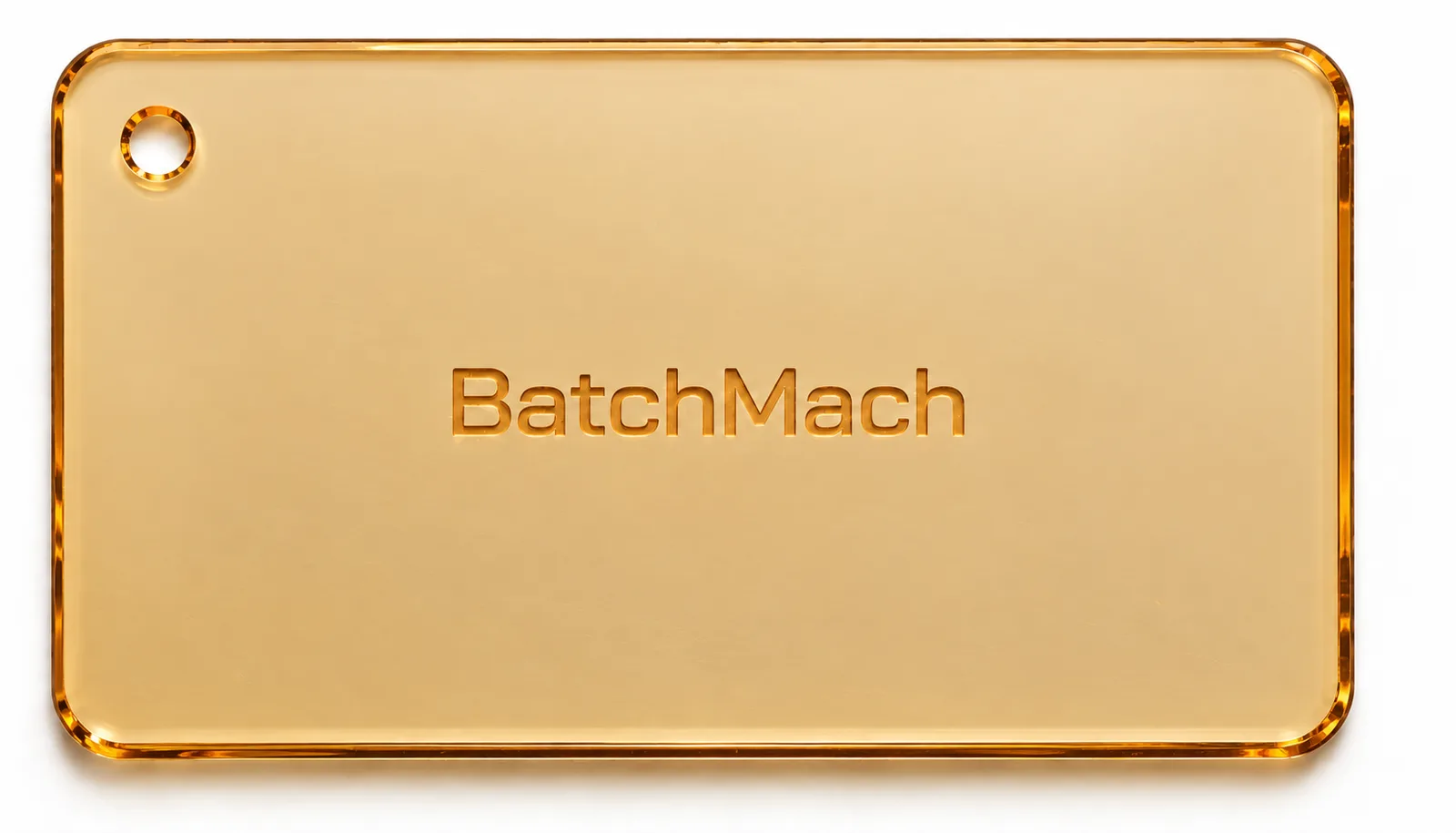
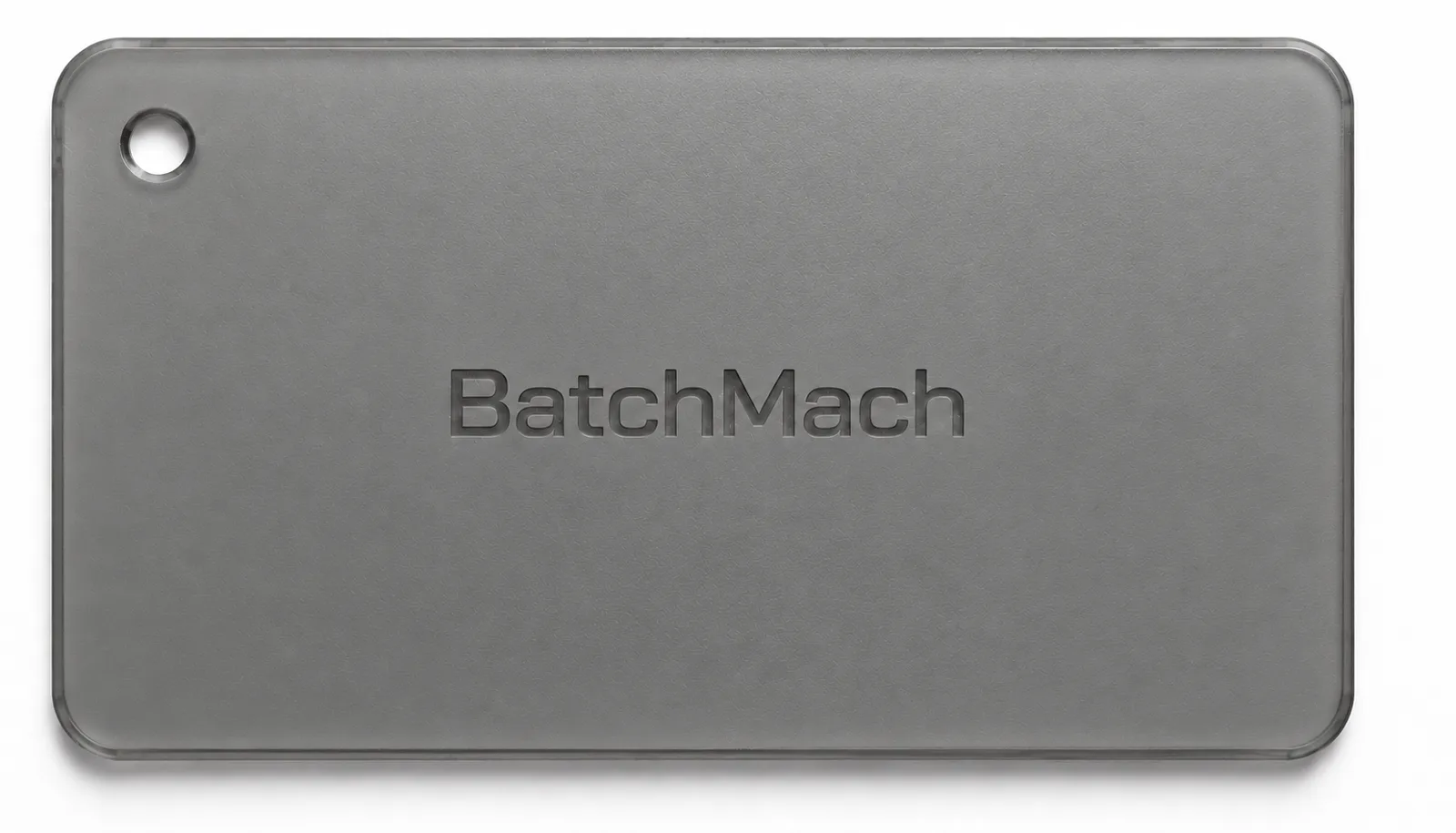
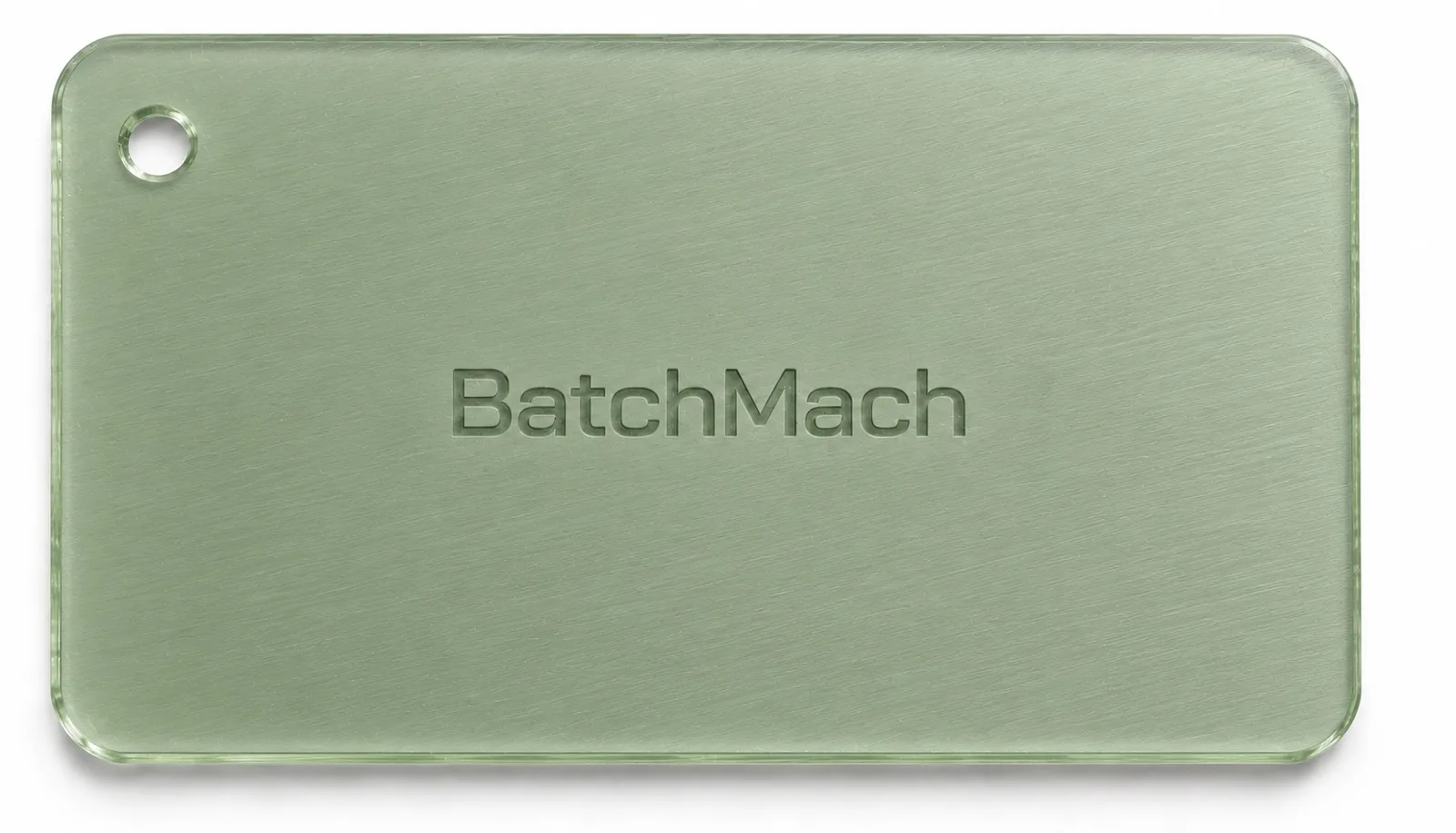
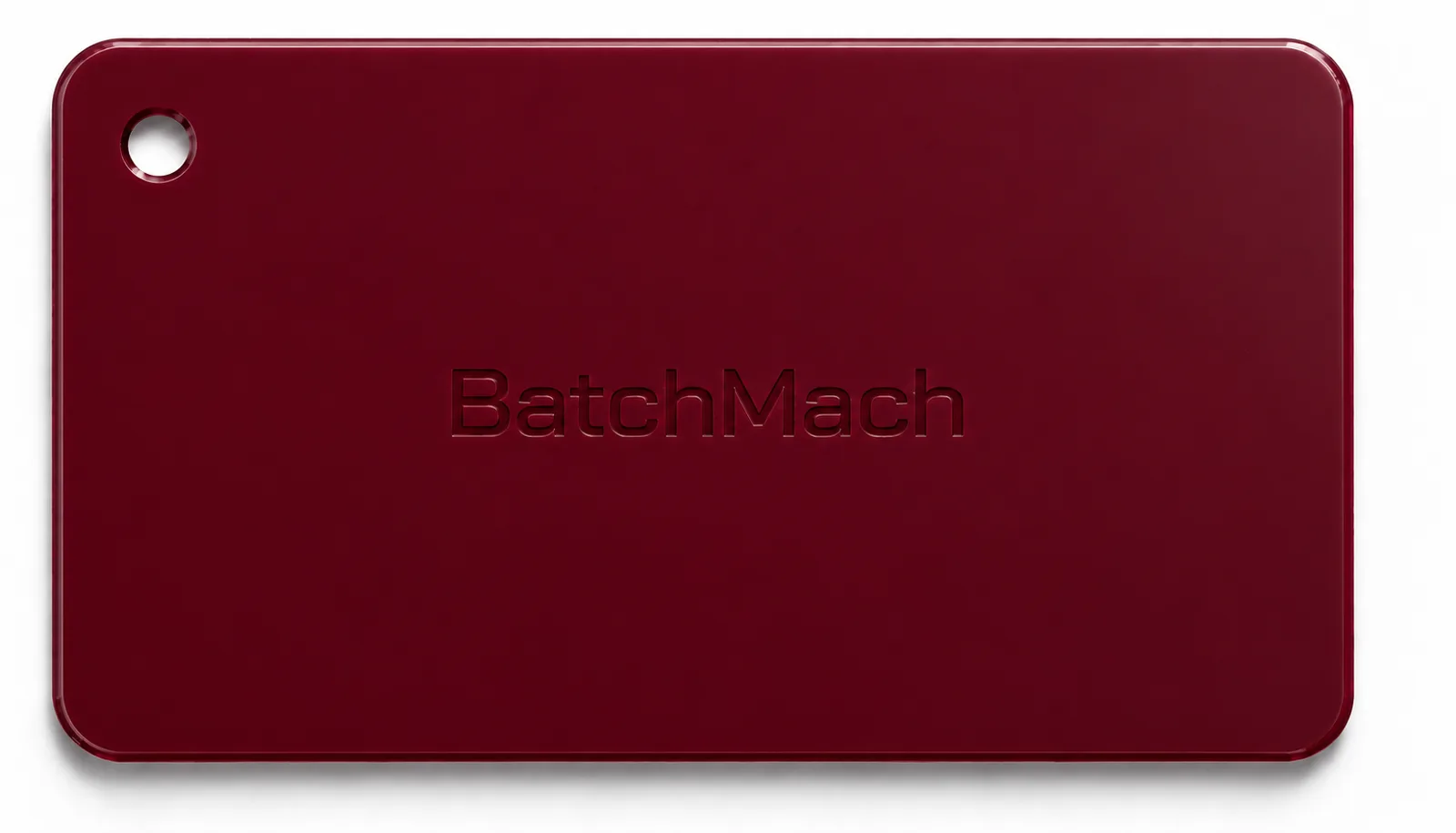
Available Acrylic MaterialsCast PMMA, extruded PMMA, and impact-modified PMMA; clear, colored, translucent, and frosted options
CNC EquipmentDMG MORI, Mazak, Brother, FANUC, HAAS, and Takisawa

Mechanical Properties of Acrylic Materials

ACRYLITE® Premium — Standard Extruded PMMA

Standard extruded PMMA for general transparent components, panels, and display parts.

66.8

Tensile Strength (MPa)

3.9

Tensile Elongation at Yield (%)

M93

Hardness (Rockwell M)

3375

Tensile Modulus (MPa)

117.1

Flexural Strength (MPa)

Surface Finishes for CNC-Machined Acrylic Parts

Surface finishing can improve the transparency, edge clarity, texture, and appearance of CNC-machined PMMA parts. The appropriate process depends on the required finish, part geometry, dimensional tolerances, and whether the surface is functional, cosmetic, or transparency-critical.

As-Machined

As-Machined surface finish sample

The surface is left in its machined condition after deburring and cleaning. Fine tool marks may remain, making this option suitable for fixtures, internal features, housings, and other surfaces without a polished appearance requirement.

Mechanical Polishing

Mechanical Polishing surface finish sample

Progressive sanding and buffing are used to reduce machining marks and produce a smooth, glossy finish. This process is suitable for visible acrylic components and accessible edges that require improved transparency.

Flame Polishing

Flame Polishing surface finish sample

Controlled heat briefly softens the outer surface of PMMA, producing a clear and glossy edge. Flame polishing is suitable for selected cosmetic edges but may introduce thermal stress or slight dimensional changes. It should be evaluated carefully for thin walls, tight-tolerance features, bonded parts, and areas close to threads.

Fine-Media Blasting

Fine-Media Blasting surface finish sample

Fine abrasive media creates a uniform frosted or matte appearance and can help conceal light machining marks. Media type, particle size, pressure, and masking must be controlled to limit edge rounding and protect transparent or dimensionally critical areas.

Manual Sanding

Manual Sanding surface finish sample

Successively finer abrasives are used to remove deeper tool marks, blend local imperfections, or prepare the surface for polishing and painting. Sharp edges, sealing surfaces, and critical dimensions should be protected during the process.

Painting

Painting surface finish sample

Painting adds specified colors, opacity, or localized visual effects to PMMA parts. Surface preparation, masking, and a PMMA-compatible coating system are required to achieve reliable adhesion and reduce the risk of solvent-induced crazing or cracking.

Industry Applications for CNC-Machined Acrylic Parts

PMMA offers good optical clarity, weather resistance, and dimensional stability, making it suitable for parts that require visibility, light transmission, display performance, or a controlled appearance. CNC machining requires no production mold and can be used for transparent prototypes, functional test parts, and low-volume end-use components.

Optics and Lighting

CNC-machined acrylic is used for light guides, optical windows, LED covers, reflector components, lighting housings, and optical equipment enclosures. For light-transmitting surfaces, machining marks, edge condition, polishing method, and residual material stress must be considered together.

Electronics and Instrumentation

Applications include display windows, transparent covers, control panels, instrument guards, insulating mounting plates, and equipment housings. CNC machining can produce openings, counterbores, mounting holes, and controlled features for displays, switches, connectors, and fasteners.

Medical and Laboratory Equipment

PMMA can be used for non-implantable equipment covers, observation windows, sample trays, instrument panels, and laboratory fixtures. The exact material grade, cleaning method, chemical exposure, and regulatory requirements must be confirmed for each application.

Automotive and Transportation Development

Typical applications include lighting prototypes, transparent inspection parts, instrument display covers, interior validation components, and wind-tunnel test parts. CNC machining supports fit, appearance, and dimensional checks before tooling, but the selected PMMA grade should not be assumed to meet vehicle regulations or long-term service requirements without verification.

Industrial Automation

CNC-machined PMMA is used for machine observation windows, sensor covers, equipment panels, positioning fixtures, and transparent inspection tooling. For guards exposed to impact, PMMA should be evaluated against polycarbonate according to the actual safety requirements.

Displays, Signage, and Retail Equipment

Applications include product displays, sign panels, transparent supports, light-box components, and custom retail fixtures. Polishing, frosting, painting, screen printing, and UV printing can be used to create different levels of transparency, color, and visual contrast.

Communications and Test Equipment

PMMA is used for status windows, test-instrument panels, transparent mounting components, and equipment covers. CNC machining is suitable for low-volume parts requiring controlled hole locations, connector openings, scales, and assembly features.

Inside Our (PMMA) Acrylic CNC Machining Facility

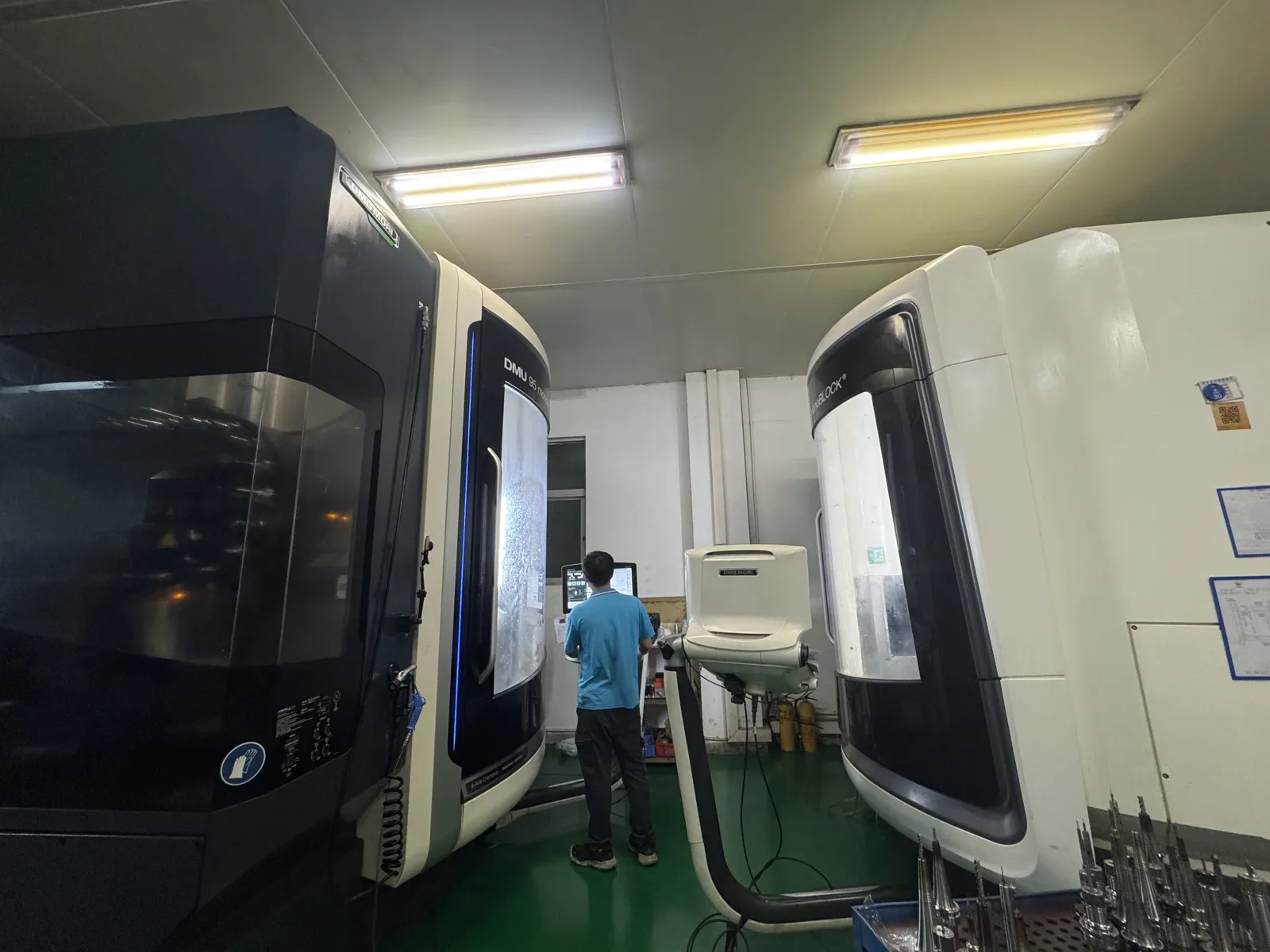
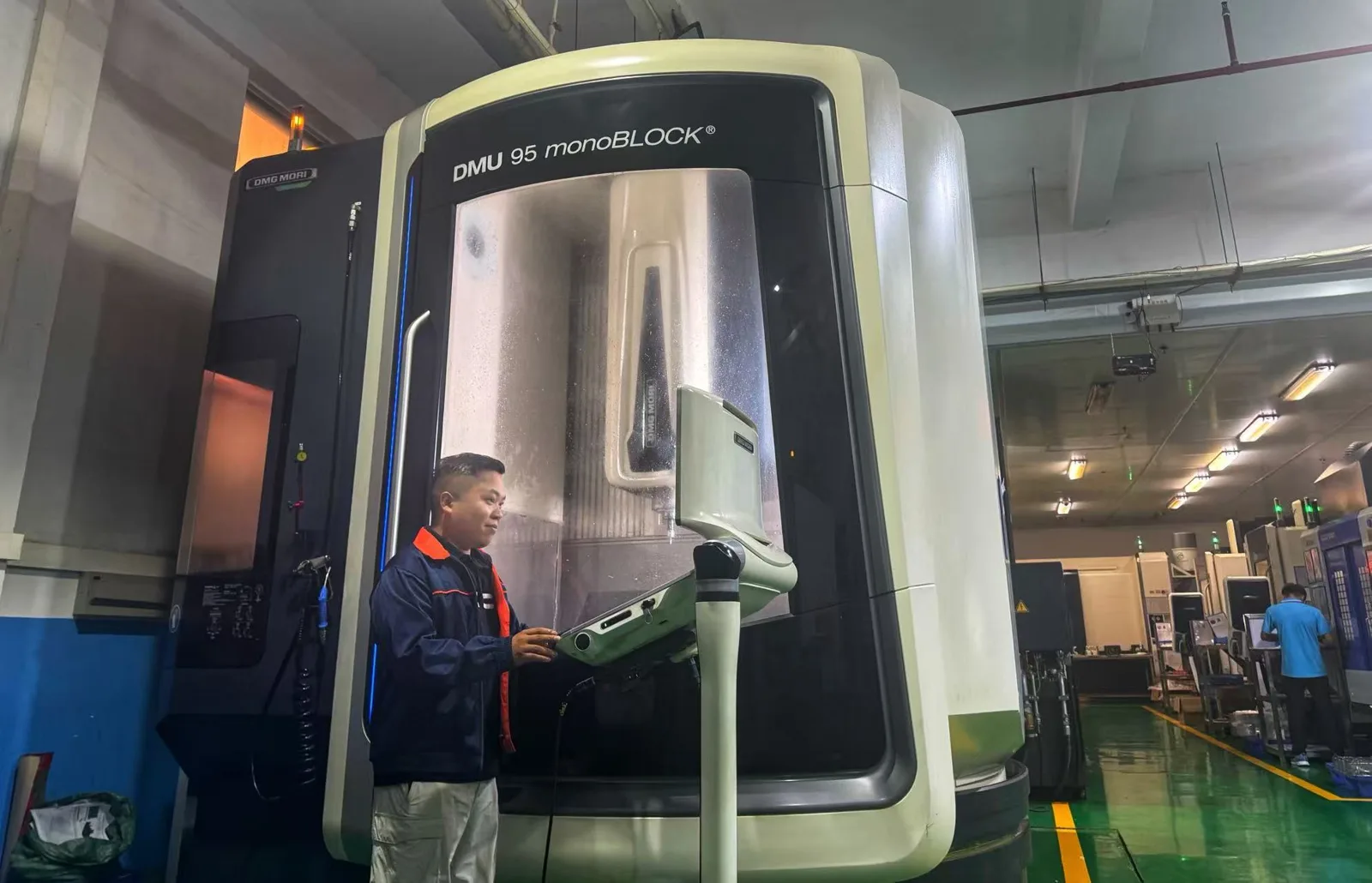
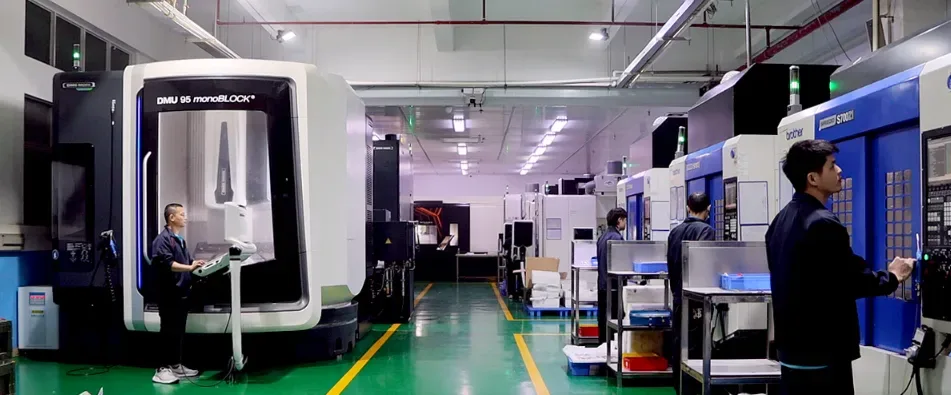
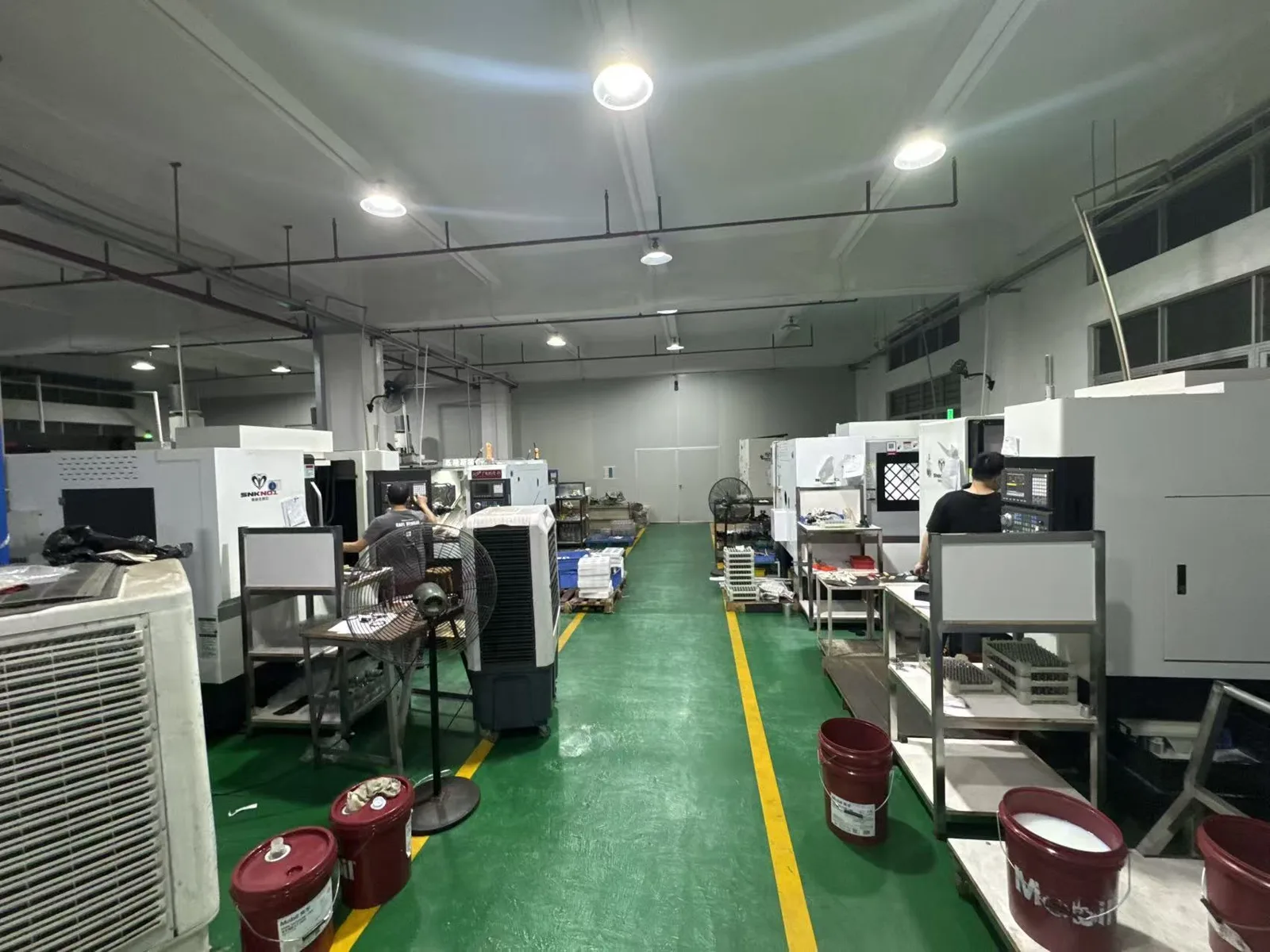
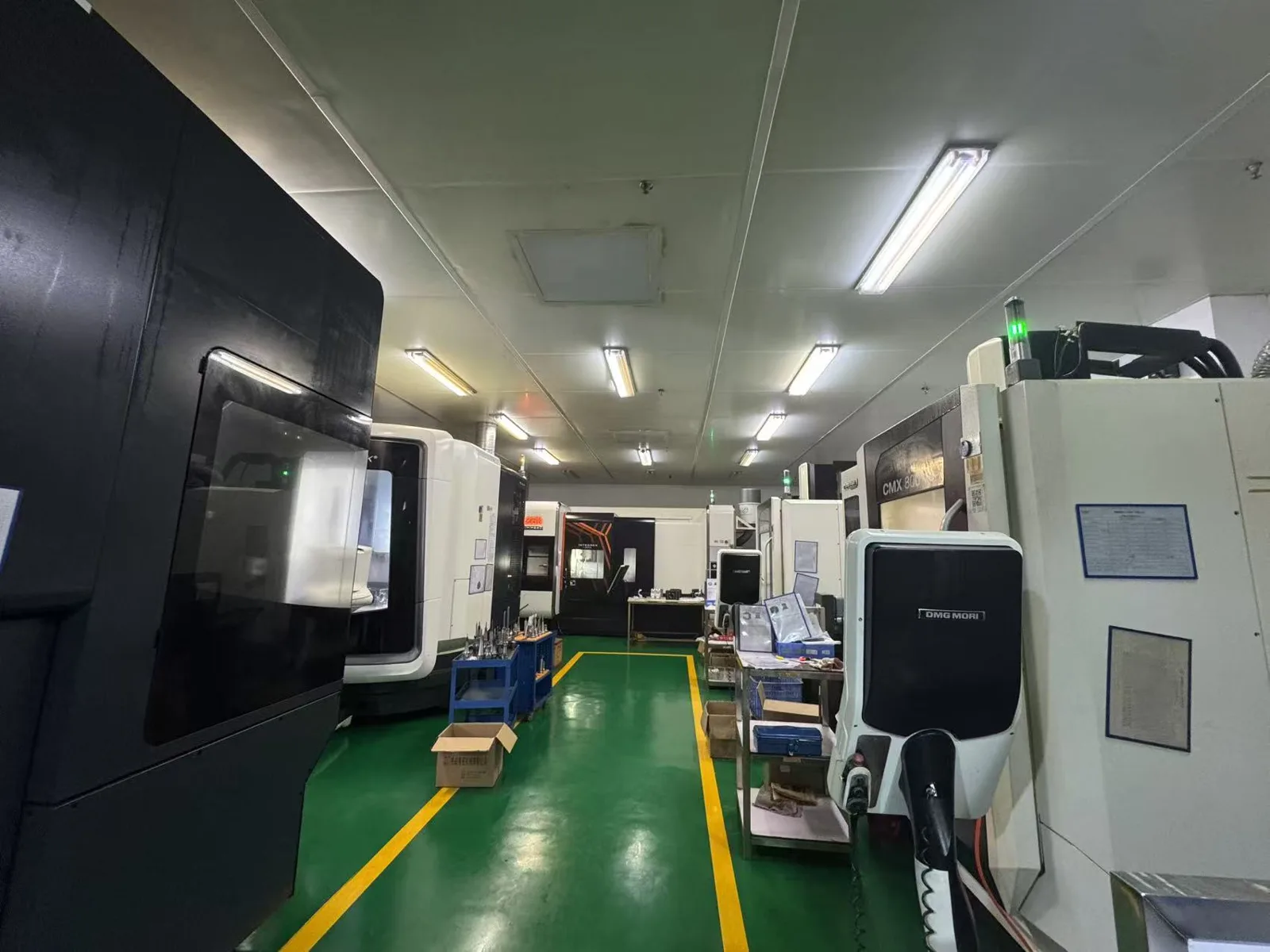
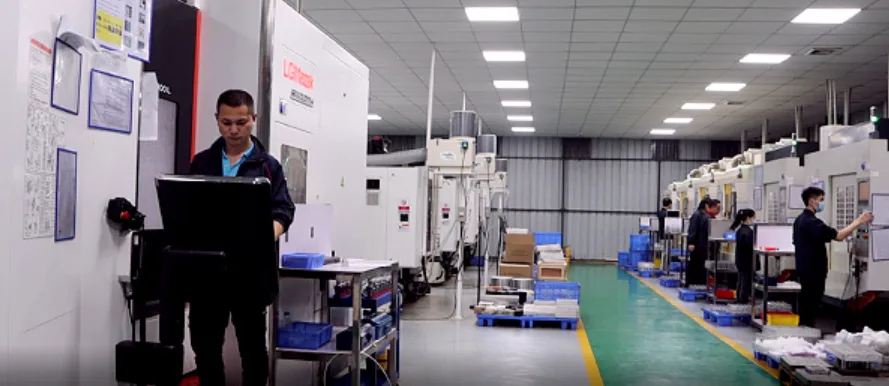
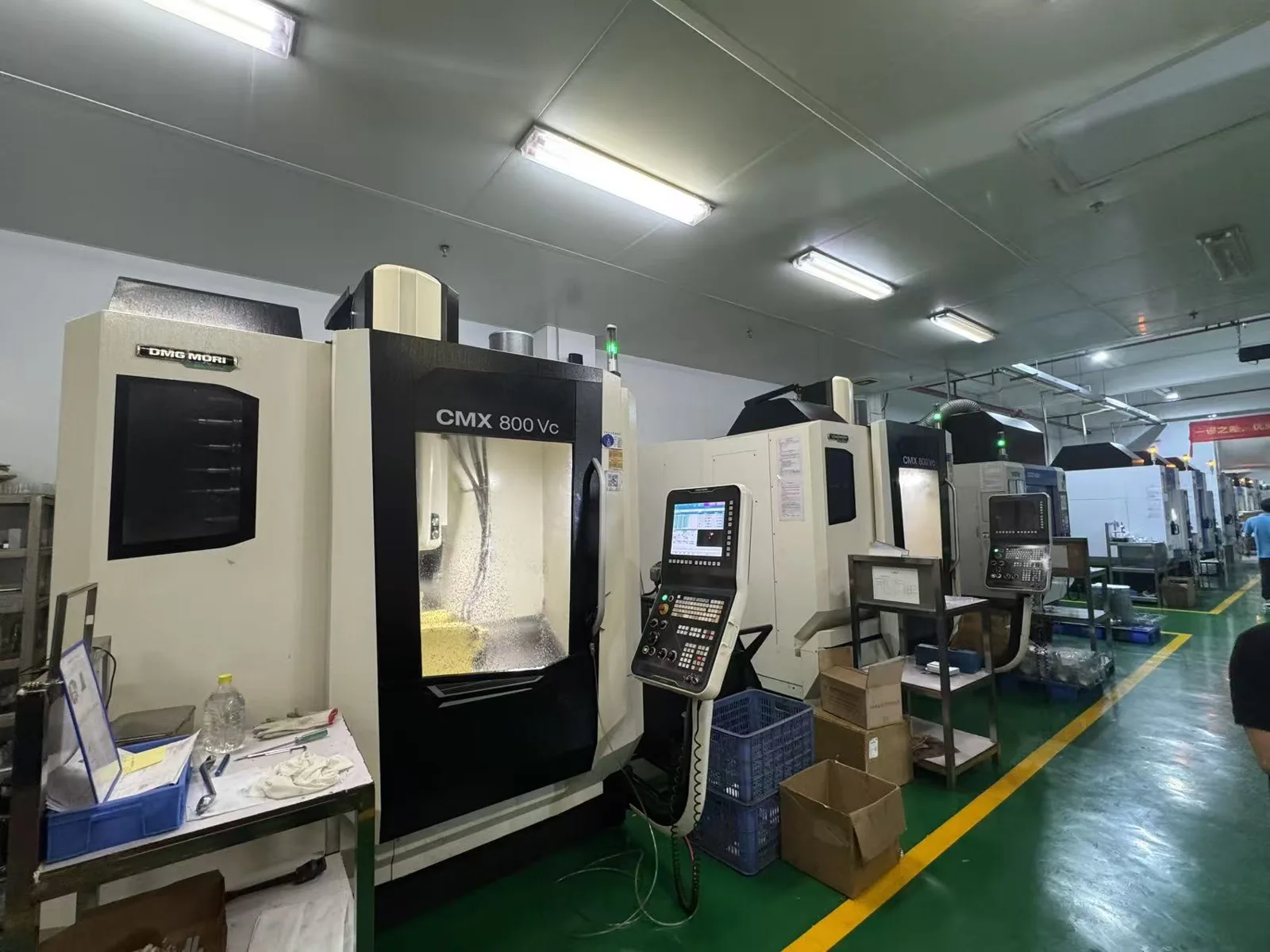
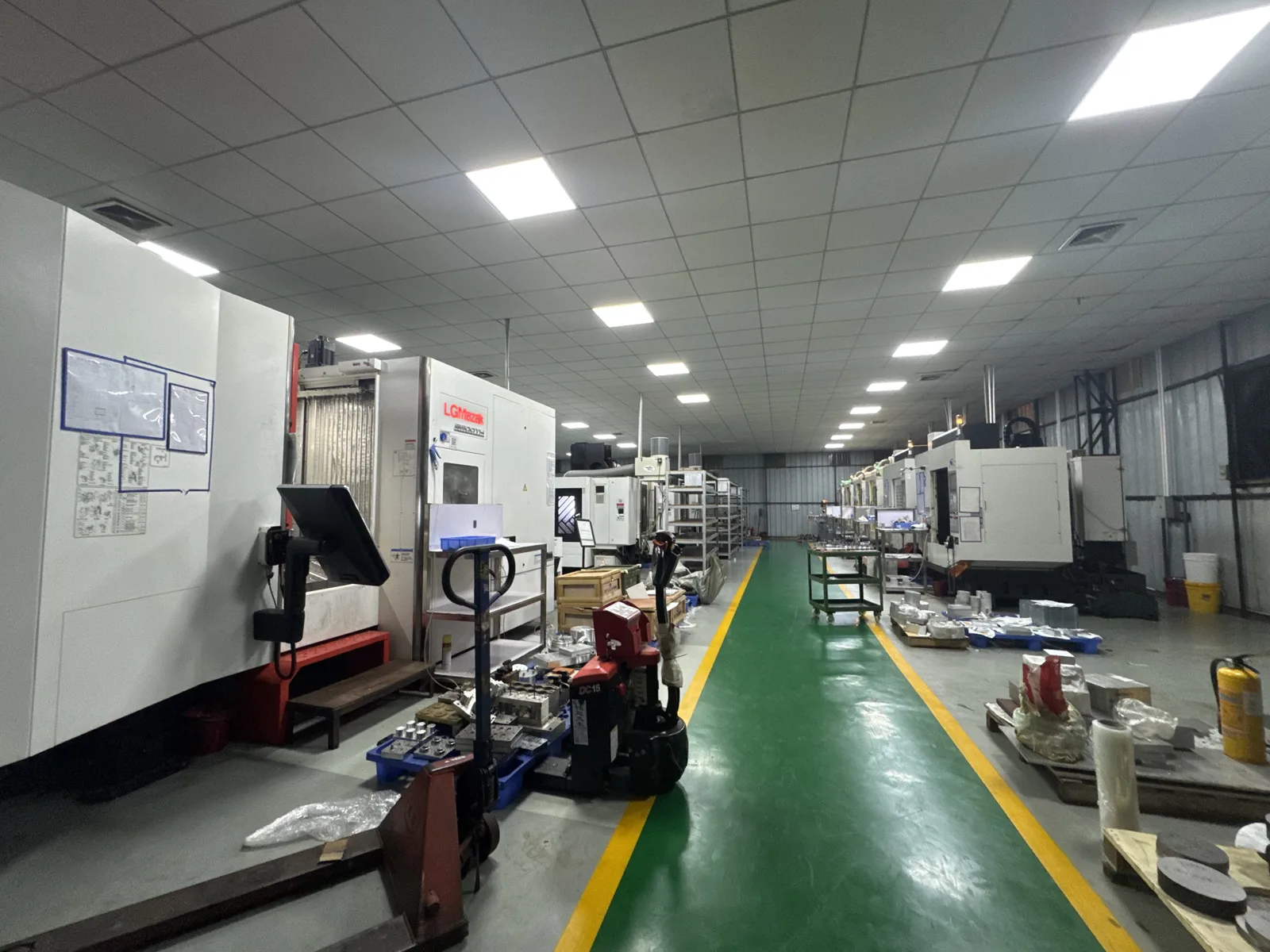
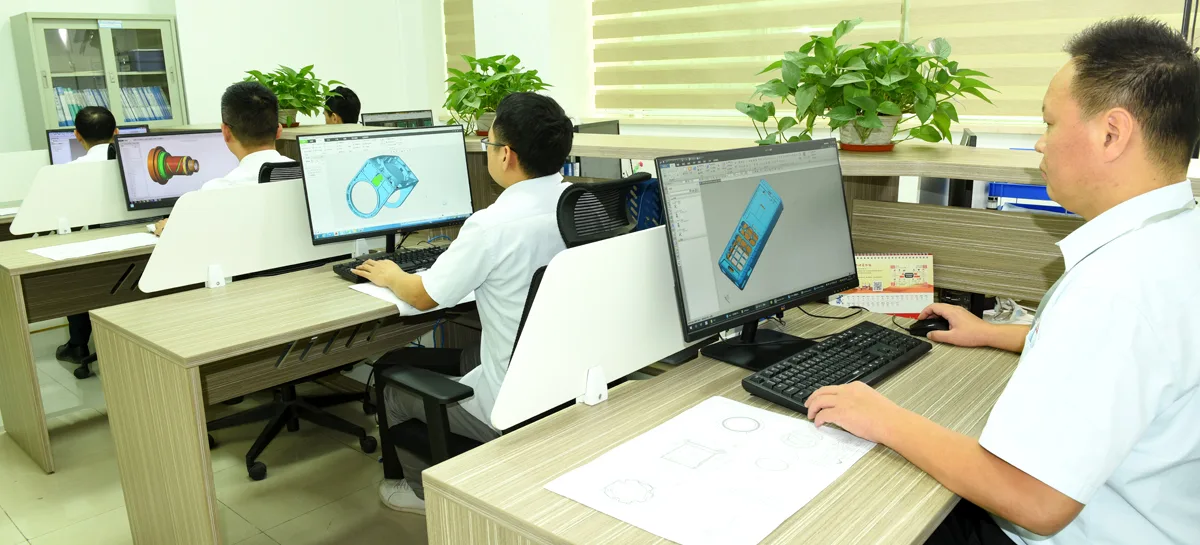
BatchMach Precision machines acrylic parts in-house using 3-axis, 4-axis, and 5-axis machining centers, CNC lathes, and mill-turn equipment. From programming and workholding to machining, polishing coordination, and final inspection, each stage is planned around the part’s geometry and appearance requirements.

5-Axis Machining Centers

5-Axis Machining Centers

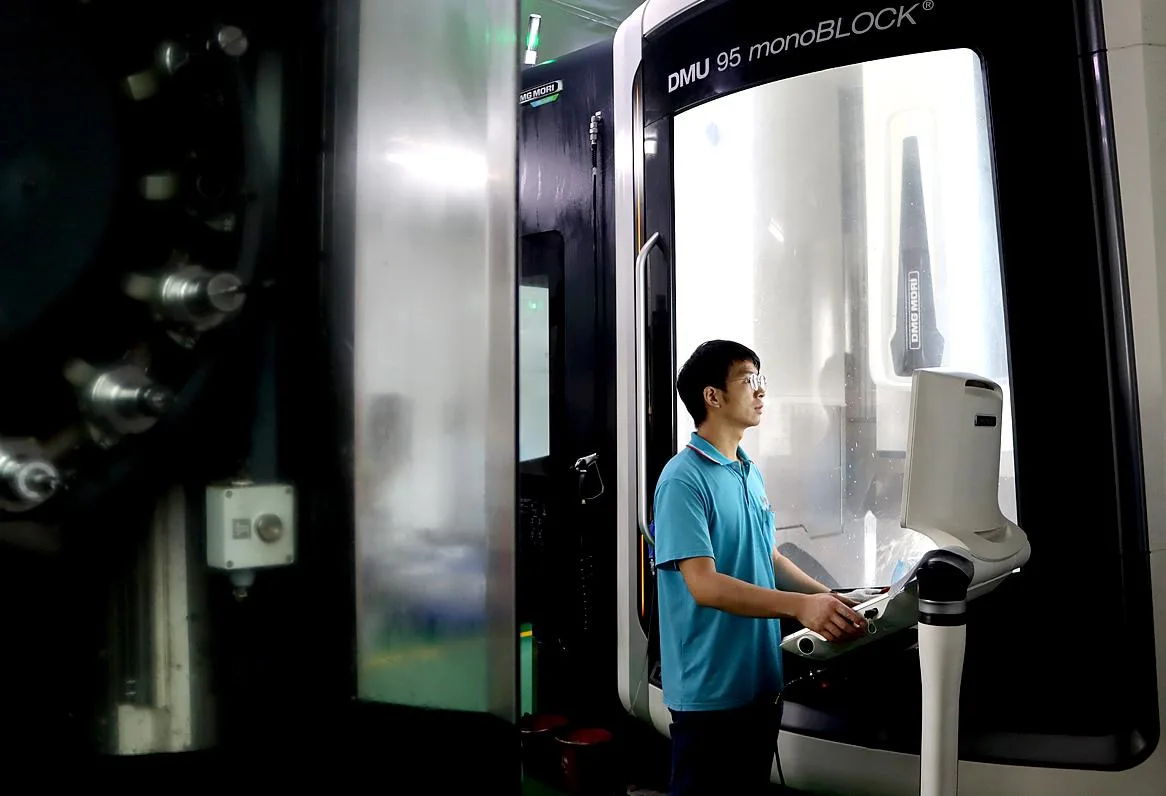
DMU 95 CNC Machining

DMU 95 CNC Machining

DMG MORI Workshop

DMG MORI Workshop

CNC Machining Workshop

CNC Machining Workshop

CNC Production Line

CNC Production Line

CNC Production Workshop

CNC Production Workshop

Large-Part CNC Workshop

Large-Part CNC Workshop

Large-Part Machining

Large-Part Machining

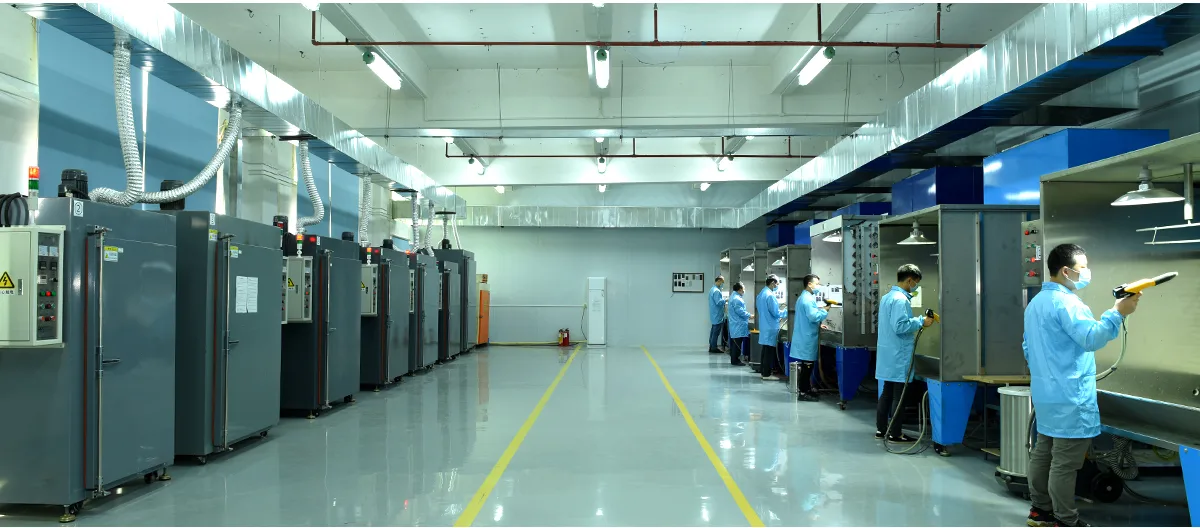
Powder Coating Workshop

Powder Coating Workshop

Quality Control for CNC-Machined Acrylic Parts

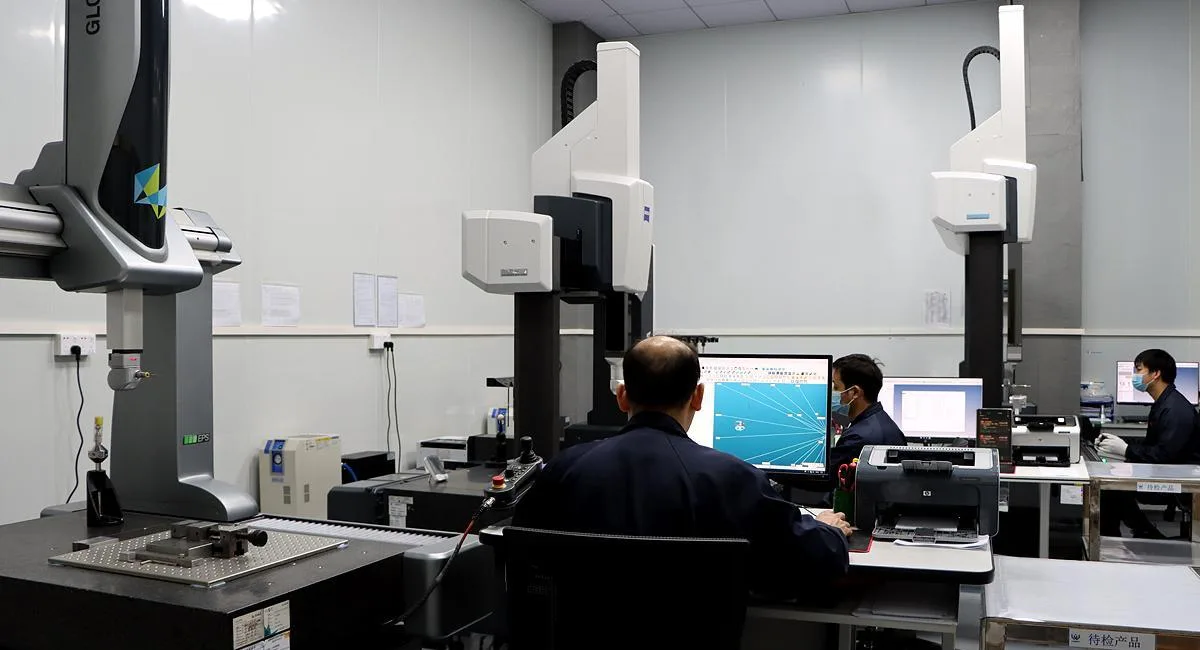
BatchMach Precision controls both dimensional accuracy and cosmetic appearance throughout acrylic machining. Inspection is planned according to the drawing, critical features, tolerance requirements, and transparent or appearance-sensitive surfaces.

Drawing and Material Review

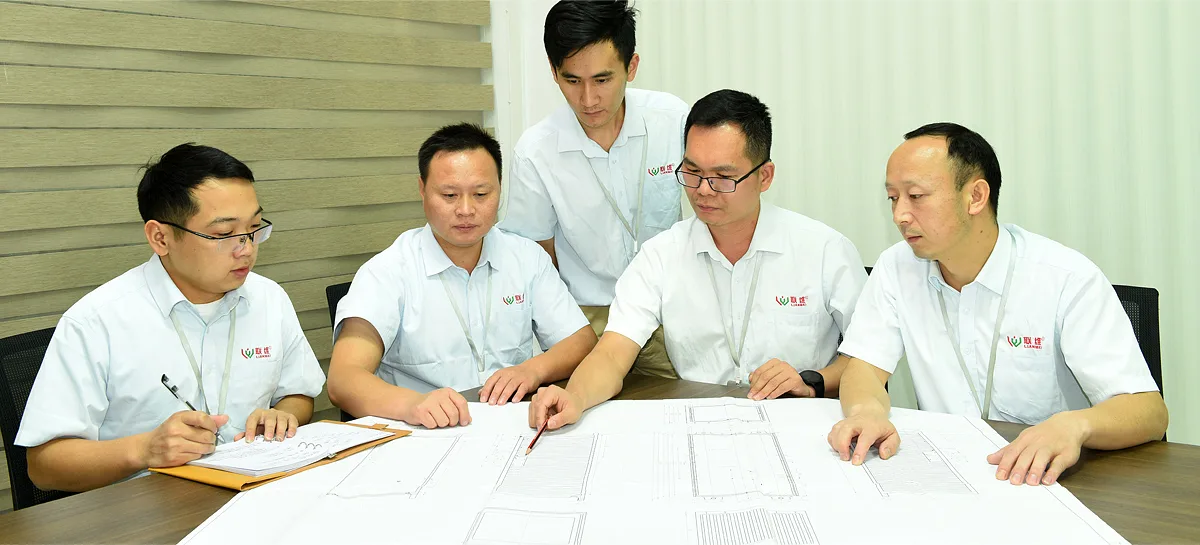
Before production, BatchMach Precision reviews the part geometry, critical tolerances, PMMA type, stock dimensions, color, and surface requirements. Thin walls, polished edges, deep cavities, and features at risk of cracking or distortion are evaluated before machining begins.

Dimensional Inspection

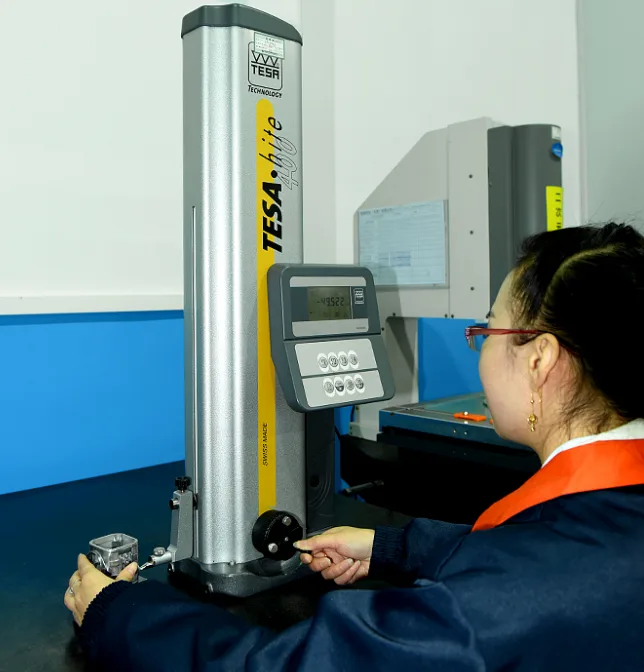
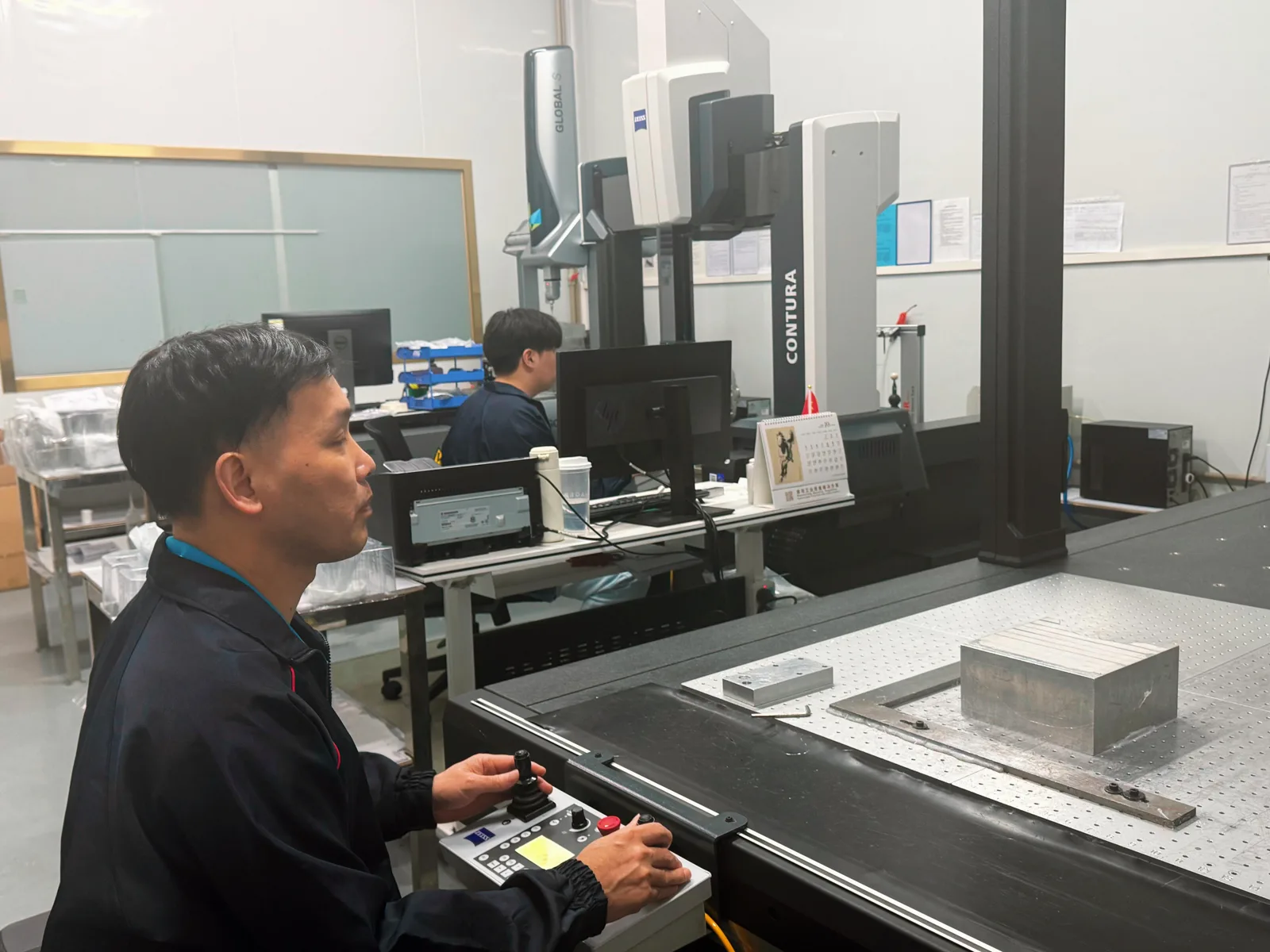
Critical dimensions and feature relationships are inspected using ZEISS CONTURA and Hexagon CMMs, vision measurement systems, TESA height gauges, and Mitutoyo precision measuring tools. The inspection method is selected according to feature accessibility, tolerance, and the risk of deforming the acrylic part during contact measurement.

Surface and Final Inspection

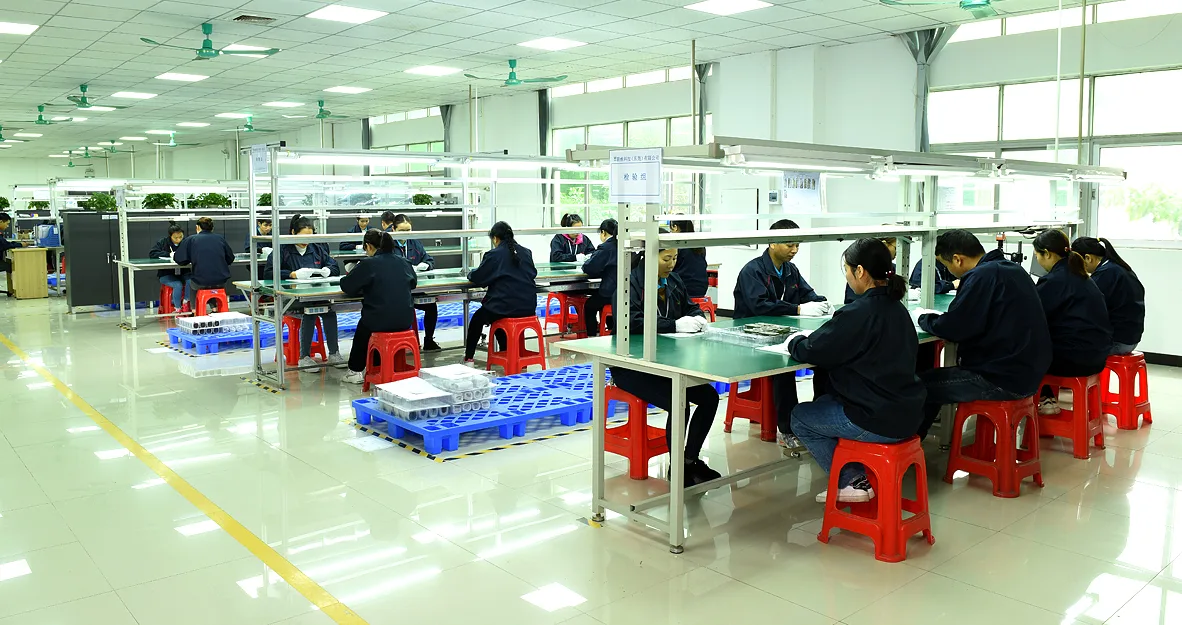
Transparent and cosmetic surfaces are checked for scratches, chips, cracks, crazing, visible tool marks, and inconsistent polishing. Before shipment, BatchMach Precision verifies the required dimensions, quantity, edge condition, surface finish, and overall appearance against the confirmed project requirements.

Quality Control for CNC-Machined Acrylic Parts

Acrylic vs. Polycarbonate for CNC Machining

Acrylic (PMMA) and polycarbonate (PC) are both available as transparent machinable plastics, but they perform differently. PMMA is generally selected for optical appearance, surface hardness, and weather resistance. Polycarbonate is preferred when impact resistance and toughness are more important.

Acrylic (PMMA)Polycarbonate (PC)
Clearer visual appearance — PMMA provides excellent light transmission and is well suited to display windows, light guides, transparent covers, and appearance-critical components.Greater impact resistance — PC is less brittle and better suited to guards, protective covers, and components exposed to impact or repeated handling.
Harder surface — uncoated PMMA is generally more resistant to light surface scratching and can retain a clean cosmetic appearance.More resistant to breakage — PC can flex and absorb impact more effectively, but its surface is more susceptible to scratching without a protective coating.
Easier to polish — machined PMMA edges can be improved through sanding, mechanical polishing, diamond polishing, or carefully controlled flame polishing.More difficult to finish optically — PC can be polished, but achieving a clear and uniform cosmetic surface may require more process control.
More sensitive to chipping and cracking — sharp tools, supported edges, controlled drilling, and low-stress workholding are important when machining PMMA.More sensitive to burrs and heat buildup — its toughness reduces brittle chipping, but poor cutting conditions can produce burrs, smearing, or melted material.
Better for appearance-focused parts — common applications include transparent panels, display components, lighting parts, instrument windows, and retail fixtures.Better for impact-focused parts — common applications include machine guards, protective windows, equipment covers, and transportation components.

When to Choose Acrylic or Polycarbonate

When to Choose Acrylic

Choose CNC-machined acrylic when transparency, edge clarity, surface gloss, weather resistance, or a polished cosmetic appearance is the main requirement. It is particularly suitable for display, lighting, optical, and instrument components that are not expected to experience heavy impact.

When to Choose Polycarbonate

Choose CNC-machined polycarbonate when the part may be dropped, struck, flexed, or exposed to repeated mechanical handling. PC is generally the safer choice for protective components, although scratch resistance, UV exposure, and coating requirements should be reviewed for the intended environment.

Let Us Review Your Part

BatchMach Precision can review the part geometry, operating environment, appearance requirements, and impact risk before recommending PMMA or polycarbonate. The final selection should be based on the exact material grade rather than the polymer name alone.

Why Choose BatchMach Precision for (PMMA) Acrylic CNC Machining?

Acrylic (PMMA) parts cannot be managed in the same way as aluminum components. Tool access, clamping location, heat generation, protective-film removal, and polishing allowance can all affect the final appearance. BatchMach Precision plans the machining and finishing sequence together so that dimensional features and transparent surfaces are not treated as separate requirements.

Fewer Setups for Appearance-Critical PMMA Parts

/01

Fewer Setups for Appearance-Critical PMMA Parts

For acrylic (PMMA) parts with multi-sided features, angled holes, curved profiles, or closely related datums, BatchMach Precision can use DMG MORI DMU 95 and DMU 75 monoBLOCK or Mazak VARIAXIS 5-axis machining centers. Reducing repositioning helps maintain feature relationships while limiting repeated clamping, handling marks, and exposure of transparent surfaces.

Machining Planned Around the Finished Appearance

/02

Machining Planned Around the Finished Appearance

BatchMach Precision identifies cosmetic surfaces, polished edges, bonding areas, and critical dimensions before programming. Protective film is retained on unmachined surfaces where practical, while stock allowance and edge geometry are planned around the selected sanding or polishing process. This prevents finishing operations from being treated as an afterthought.

Equipment Selected for the Actual PMMA Geometry

/03

Equipment Selected for the Actual PMMA Geometry

Flat panels, housings, round transparent components, and complex multi-sided parts do not require the same machine or workholding strategy. BatchMach Precision assigns 3-axis, 4-axis, 5-axis, CNC turning, or mill-turn equipment according to the geometry, tool access, surface requirements, and production quantity. Simple acrylic parts can be completed in as fast as one day after the drawing, material, and finishing requirements are confirmed.

Ready to start your next machining project?

Get a Quote

Acrylic (PMMA) CNC Machining FAQ

For stable geometries and suitable features, BatchMach Precision can evaluate selected critical dimensions down to ±0.025 mm (±0.001 in). This tolerance does not automatically apply to every feature. Part size, wall thickness, deep cavities, material stress, ambient temperature, and polishing requirements can all affect final dimensions. Before quoting, our engineering team reviews critical tolerances and confirms what can be achieved consistently.

Cast acrylic is generally preferred for precision machining, thick parts, polished edges, and appearance-critical components. It typically machines more cleanly and is less likely to soften from cutting heat. Extruded acrylic can also be machined and generally offers more consistent sheet thickness, but it requires tighter control of heat and residual stress. BatchMach Precision helps select the material based on part geometry, surface requirements, stock dimensions, and project budget.

Yes. CNC machining can produce transparent PMMA housings, observation windows, light guides, covers, and instrument components. However, a machined surface is not automatically transparent because fine tool marks may remain. BatchMach Precision plans toolpaths, edge conditions, protective-film removal, and secondary finishing according to the required level of clarity.

Yes. Available methods include progressive sanding, mechanical polishing, and other suitable edge-finishing processes. The appropriate method depends on surface geometry, accessibility, dimensional tolerances, and appearance requirements. Polishing can produce a clear, glossy surface, but it should not be described as optical-grade unless the project has defined optical specifications and an agreed inspection method.

BatchMach Precision uses sharp cutting tools, controlled machining parameters, effective chip evacuation, supported edges, and low-stress workholding. We also review drilling sequences, tool entry and exit points, internal corners, and material-removal order for each part. For multi-sided PMMA components, 5-axis machining can reduce repeated setups and limit the risk of damaging transparent surfaces through handling or clamping.

Common challenges include edge chipping, heat-related melting, chip rewelding, surface scratches, clamp marks, drilling cracks, and stress crazing after polishing, cleaning, or bonding. Thin walls and parts requiring extensive material removal may also move after being released from the fixture. BatchMach Precision considers these risks during process planning rather than addressing them only after machining.

The supplier should be able to manage both dimensional requirements and transparent appearance. Key considerations include PMMA-specific tooling, cutting-heat control, low-stress workholding, protective-film handling, polishing allowances, and cosmetic inspection. BatchMach Precision combines 3-axis, 4-axis, and 5-axis machining, CNC turning, and mill-turn capabilities with in-house dimensional inspection, allowing the machining and inspection process to be matched to the actual part geometry.

BatchMach Precision supports one-off PMMA prototypes, design-validation parts, and low-volume production. CNC machining requires no production mold, making it practical for early-stage development and limited-quantity projects. Special materials, colors, or finishing processes may be subject to supplier minimums. Final pricing and available quantities are confirmed after reviewing the drawing, stock specification, color, and surface requirements.

Free first-order sample for new customers

Send your drawings today — get a free process evaluation, quotation within 24 hours, and flexible quarterly settlement for long-term partners.

Upload Drawing & Get Quote