Protection Against Corrosion
Suitable treatments help protect exposed metal from moisture and other corrosive conditions. The choice depends on the base material, operating environment, and required level of protection.
Meet Your Parts’ Appearance and Performance Requirements
BatchMach Precision provides surface finishing services for custom parts, including bead blasting, anodizing, electroplating, powder coating, and polishing. From prototypes to production, we match the process to your material, appearance specifications, and operating environment. Coating thickness, masking areas, and critical mating dimensions are reviewed before production, keeping machining and finishing requirements aligned within one order.
Discuss Your Manufacturing Project
Drop your CAD file here or click to browseSupported: STEP, STP, IGES, SLDPRT, DXF, DWG, PDFYour files are secure and confidential · Max file size: 100 MB
19+
Years of Experience
250+
Machines & Testing Equipment
11,000 m²
Manufacturing Area
200+
Skilled Staff
ISO
9001 / 13485 / AS9100D








Finishing Requirements Built into Machining
A surface finish can affect how a part fits and functions. BatchMach Precision reviews your material, finish specification, masking areas, and critical dimensions before machining, so finishing allowances and protected features are considered from the start.
Our Own Surface Finishing Workshop
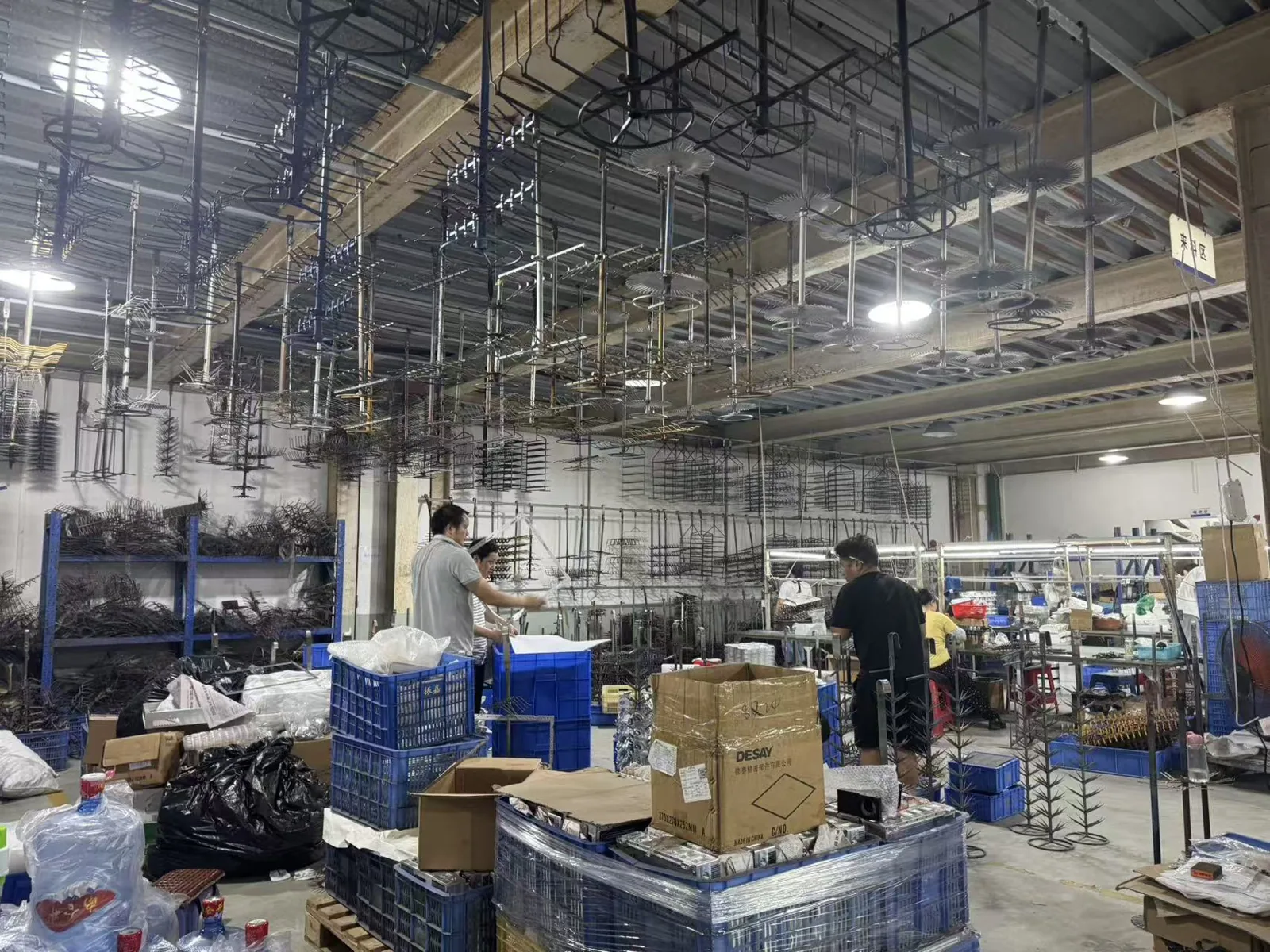
Alongside our two owned CNC factories, we operate our own surface finishing workshop. This allows us to coordinate machining and finishing schedules directly, communicate requirements with the production team, and keep your purchasing team informed through one point of contact.
Inspection Focused on Your Finished Part
We plan inspection around the agreed drawing and finish requirements, focusing on specified cosmetic surfaces, protected areas, and critical mating dimensions. Share your documentation needs when requesting a quote so the inspection scope and required records are clear before production.
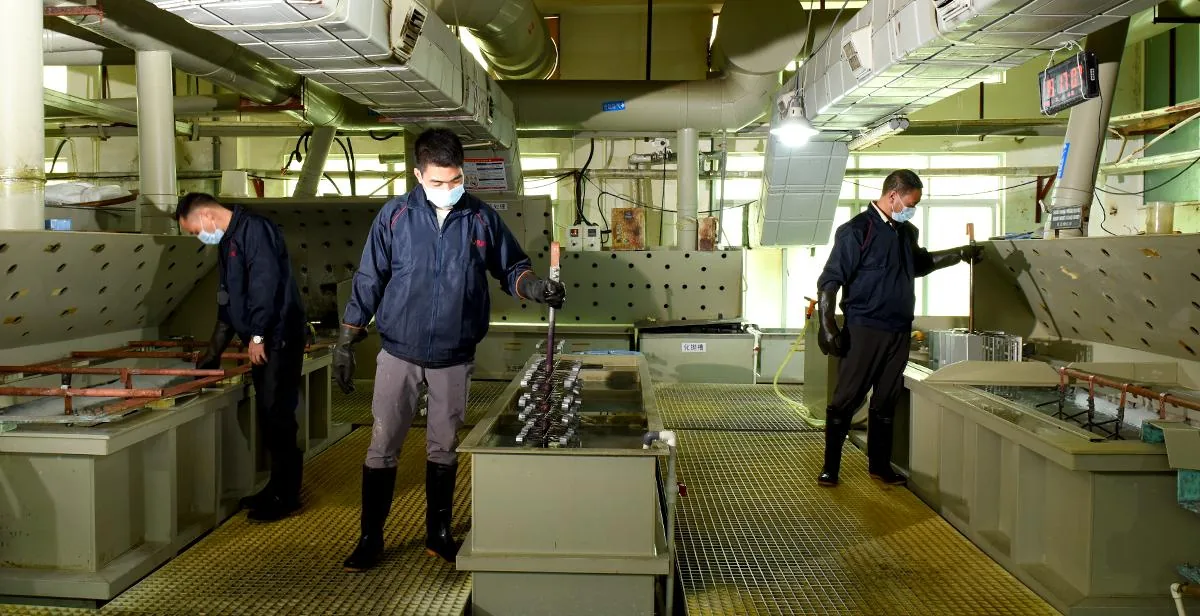
Surface finishing changes the outer surface of a manufactured part to meet specific appearance or performance requirements. Depending on the process, it can remove surface material, modify the existing surface, or add a coating. Common options include polishing, bead blasting, anodizing, electroplating, and powder coating.
At BatchMach Precision, finishing requirements are considered alongside machining. Material compatibility, surface texture, coating thickness, and critical dimensions help determine the appropriate process for your parts.
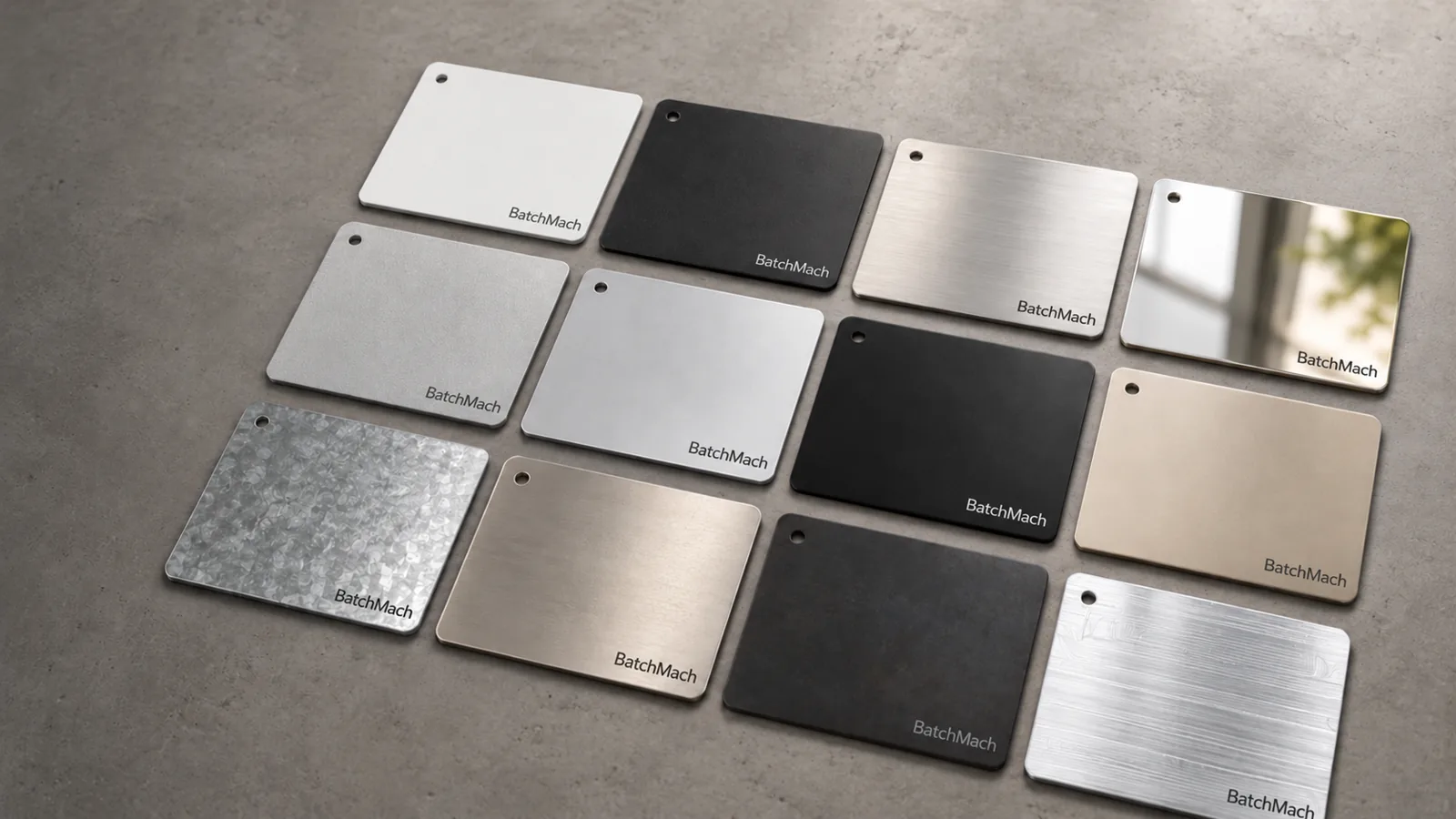
The right finish depends on where a part operates, how it interacts with other components, and which surfaces customers see or handle.
Suitable treatments help protect exposed metal from moisture and other corrosive conditions. The choice depends on the base material, operating environment, and required level of protection.
For parts exposed to repeated contact or movement, suitable hard coatings or surface treatments can reduce surface wear. Selection should account for the mating material, contact conditions, and lubrication.
Finishing helps achieve the specified appearance of visible parts, from matte textures to polished surfaces and colored coatings. Agreed samples and acceptance criteria provide a reference for production and inspection.
Coating thickness and material removal can change final dimensions. Planning finishing allowances and masking areas helps preserve specified fits, threads, and other functional surfaces so parts remain suitable for assembly.
BatchMach Precision reviews surface finishing requirements alongside your machining specifications, supported by our own surface finishing workshop. Compare the options below by purpose, manufacturing process, and material. Specific grades, part geometry, and acceptance requirements are reviewed when quoting.
| Surface Finish | Description | Applicable Services | Applicable Materials |
|---|---|---|---|
| Anodizing | Creates an oxide layer on aluminum for corrosion protection and a natural or colored appearance. Hard anodizing addresses higher wear requirements. Specify coating thickness, color, sealing, and areas that must remain untreated. | CNC machining, sheet metal fabrication | Aluminum alloys |
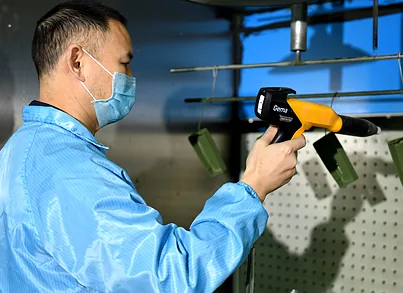
| Powder Coating | Applies a heat-cured powder layer to protect and color housings, panels, and brackets. Specify the color reference, gloss, and texture, with masking for threads, mating surfaces, and electrical contact points. | Sheet metal fabrication, CNC machining | Aluminum, steel, stainless steel |
| Bead & Abrasive Blasting | Uses selected blasting media to create a matte texture or prepare a surface for subsequent coating. Media type and intensity affect the result; cosmetic faces and sensitive features should be identified beforehand. | CNC machining, sheet metal fabrication | Aluminum, stainless steel, steel, brass |
| Electroless Nickel Plating | Chemically deposits a nickel alloy coating with relatively even coverage on accessible complex surfaces. Used for wear and corrosion protection, with coating thickness and deposit composition selected for the application. | CNC machining, mold manufacturing | Aluminum, steel, stainless steel, copper alloys with suitable pretreatment |
| Passivation | Removes free iron contamination from stainless steel to support its natural corrosion resistance. It does not level machining marks. Specify the material grade, treatment requirement, and any verification testing needed. | CNC machining, sheet metal fabrication | Stainless steel |
| Brushed Finish | Produces a directional grain on visible metal surfaces, commonly used for covers, panels, and trim. Grain direction and texture should be agreed, particularly where adjacent parts must present a coordinated appearance. | Sheet metal fabrication, CNC machining | Stainless steel, aluminum, brass |
| Electroplating | Deposits a specified metal layer, such as zinc, nickel, tin, silver, or gold, for corrosion protection, appearance, or electrical performance. The plating metal, undercoat, and thickness depend on the substrate and application. | CNC machining, sheet metal fabrication | Steel, stainless steel, copper, brass, aluminum with suitable pretreatment |
| Chemical Conversion Coating | Treats aluminum with a thin conversion film for corrosion protection and paint adhesion. Where electrical contact resistance matters, specify that requirement along with the coating chemistry and any subsequent paint system. | CNC machining, sheet metal fabrication | Aluminum alloys |
| Electropolishing | Electrochemically removes a controlled amount of surface metal to reduce microscopic peaks and improve cleanability. Commonly used on stainless steel; material removal must be considered for close tolerances and fine edges. | CNC machining, sheet metal fabrication | Primarily stainless steel; other alloys subject to process review |
| Painting | Applies a liquid coating to achieve specified color, gloss, and surface protection. Primer, paint chemistry, and curing conditions are matched to the substrate, making this an option for metal parts and selected plastic components. | CNC machining, sheet metal fabrication, rapid prototyping | Metals; paint-compatible plastics and cured resins |
| Polishing | Uses progressively finer abrasives to reduce surface marks and increase smoothness or reflectivity. Specify the target appearance or roughness and identify edges and dimensions that must be preserved during material removal. | CNC machining, sheet metal fabrication, mold manufacturing | Stainless steel, aluminum, brass, copper; selected plastics such as PMMA |
| As-Machined | Retains the surface produced by milling or turning, with visible tool marks and no added coating. Deburring, edge breaks, and surface roughness follow the agreed drawing requirements. Suitable where additional cosmetic treatment is unnecessary. | CNC machining | Machinable metals and engineering plastics |
| Black Oxide | Forms a thin black conversion layer with minimal dimensional buildup. Commonly selected for steel tooling and mechanical hardware. Corrosion protection depends strongly on supplementary oil or sealant and the service environment. | CNC machining, sheet metal fabrication | Carbon steel, alloy steel, tool steel |
| Tumbling | Processes batches of parts with finishing media to remove light burrs and soften edges. Media selection must account for small holes, delicate features, and permitted edge rounding to avoid lodging or unwanted material removal. | CNC machining, sheet metal fabrication | Aluminum, brass, steel, stainless steel |
| Electrophoretic Coating — E-Coat | Electrically deposits an organic coating from an immersion bath, followed by curing. Used for corrosion protection on conductive metal parts, with part geometry, drainage, and electrical contact locations considered during process planning. | Sheet metal fabrication, CNC machining | Steel, aluminum, and other compatible conductive metals after pretreatment |
| PTFE Coating | Provides a low-friction, nonstick surface for selected sliding, release, or material-handling applications. Coating formulation, adhesion, curing temperature, and operating conditions determine suitability; film thickness must be included in the dimensional review. | CNC machining, sheet metal fabrication, tooling | Aluminum, steel, stainless steel compatible with the coating’s curing cycle |
| SPI Mold Finish | Specifies the prepared surface of an injection mold, which influences the molded part’s appearance. Select the finish grade alongside the resin and part design; the same mold finish can look different across materials. | Mold manufacturing, injection molding | Steel or aluminum molds; appearance transferred to compatible molding plastics |
| Heat Treatment — Secondary Process | Adjusts material properties through processes such as hardening, tempering, aging, or stress relief. Specify the required hardness or material condition, with the machining sequence planned to accommodate potential distortion and final dimensional requirements. | CNC machining, tooling, metal additive manufacturing | Alloy and tool steels; heat-treatable stainless steels and aluminum alloys |
To request a quote: Include the material grade, finish specification, required thickness or roughness, color reference, masking areas, and any inspection or certification requirements. Mark dimensions that apply after finishing.
Give your custom parts a finish that works as hard as the design behind them. BatchMach Precision helps you match surface treatments to your material, operating conditions, and appearance requirements. From corrosion protection to wear resistance and consistent color, we coordinate machining and finishing around the details that matter to your application. Send us your drawings to discuss a finish that balances performance, appearance, and cost.
Send your drawings today — get a free process evaluation, quotation within 24 hours, and flexible quarterly settlement for long-term partners.