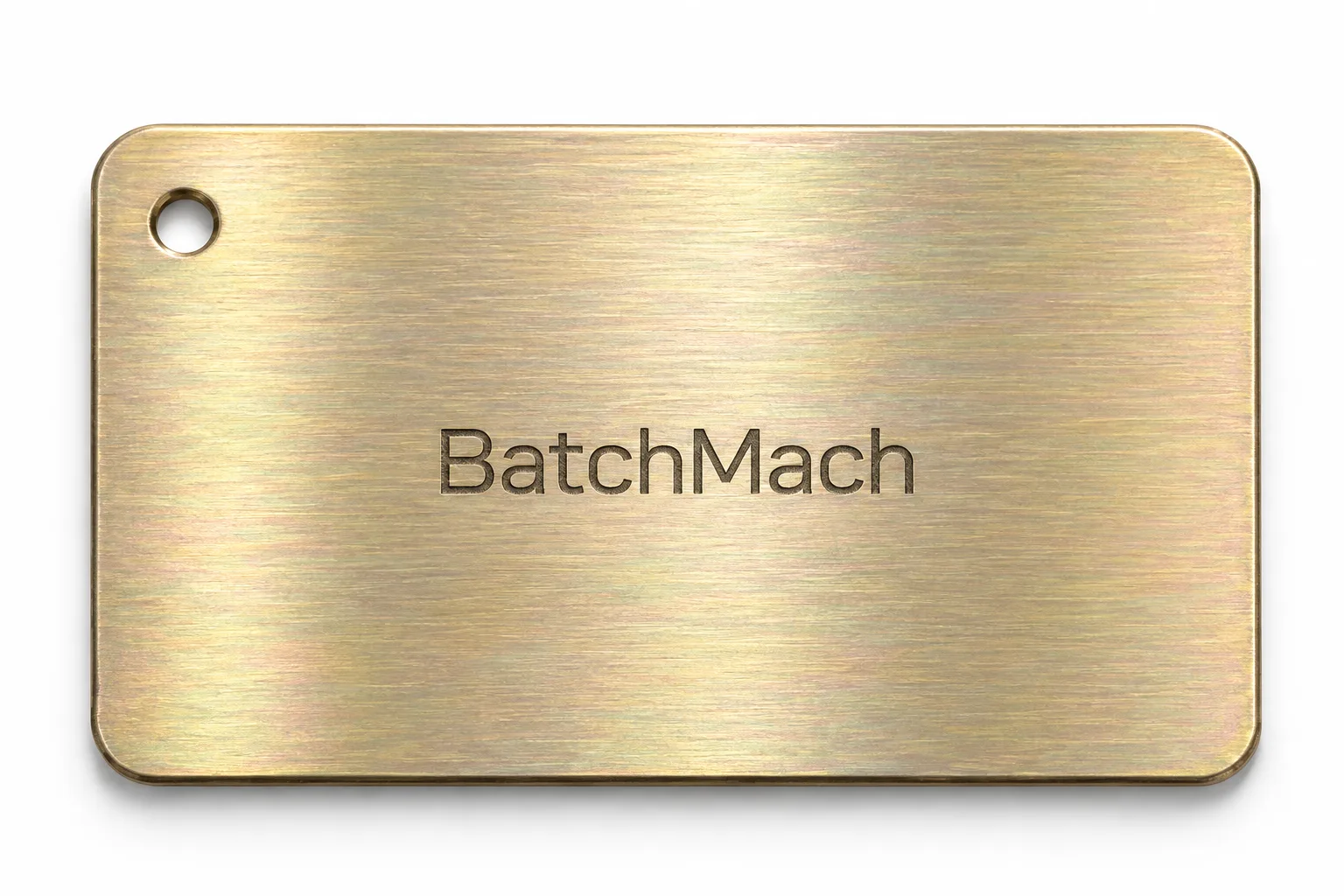
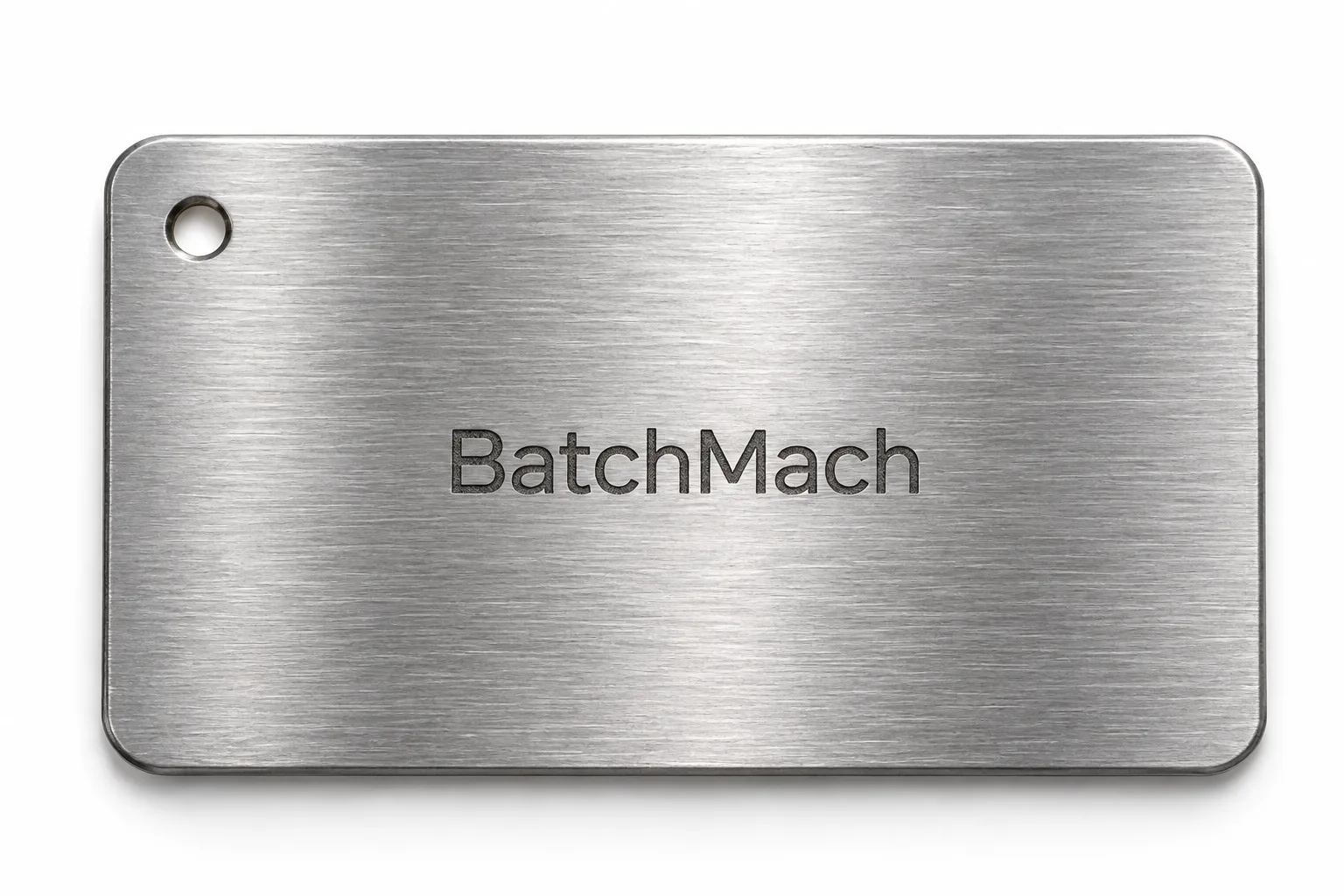
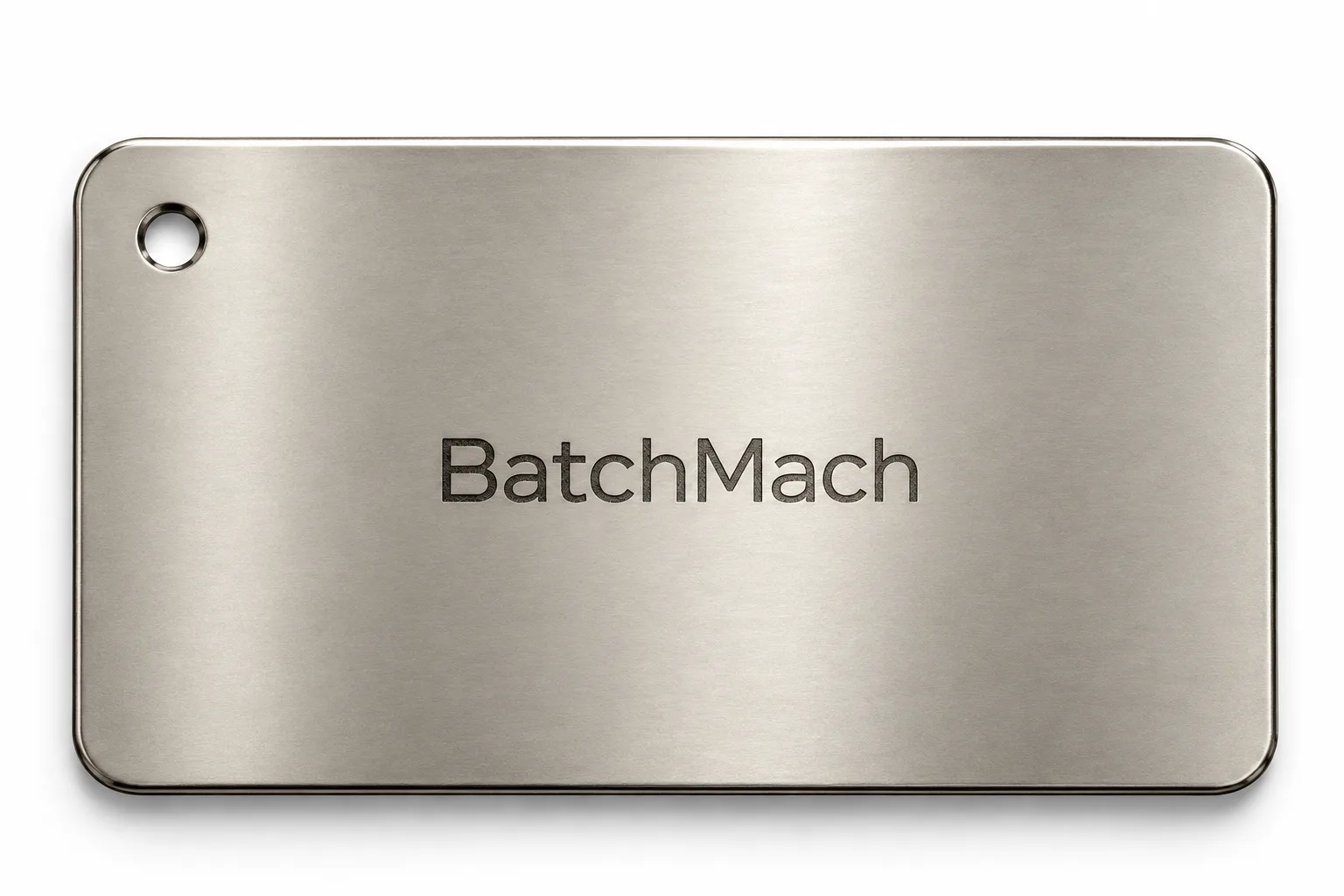
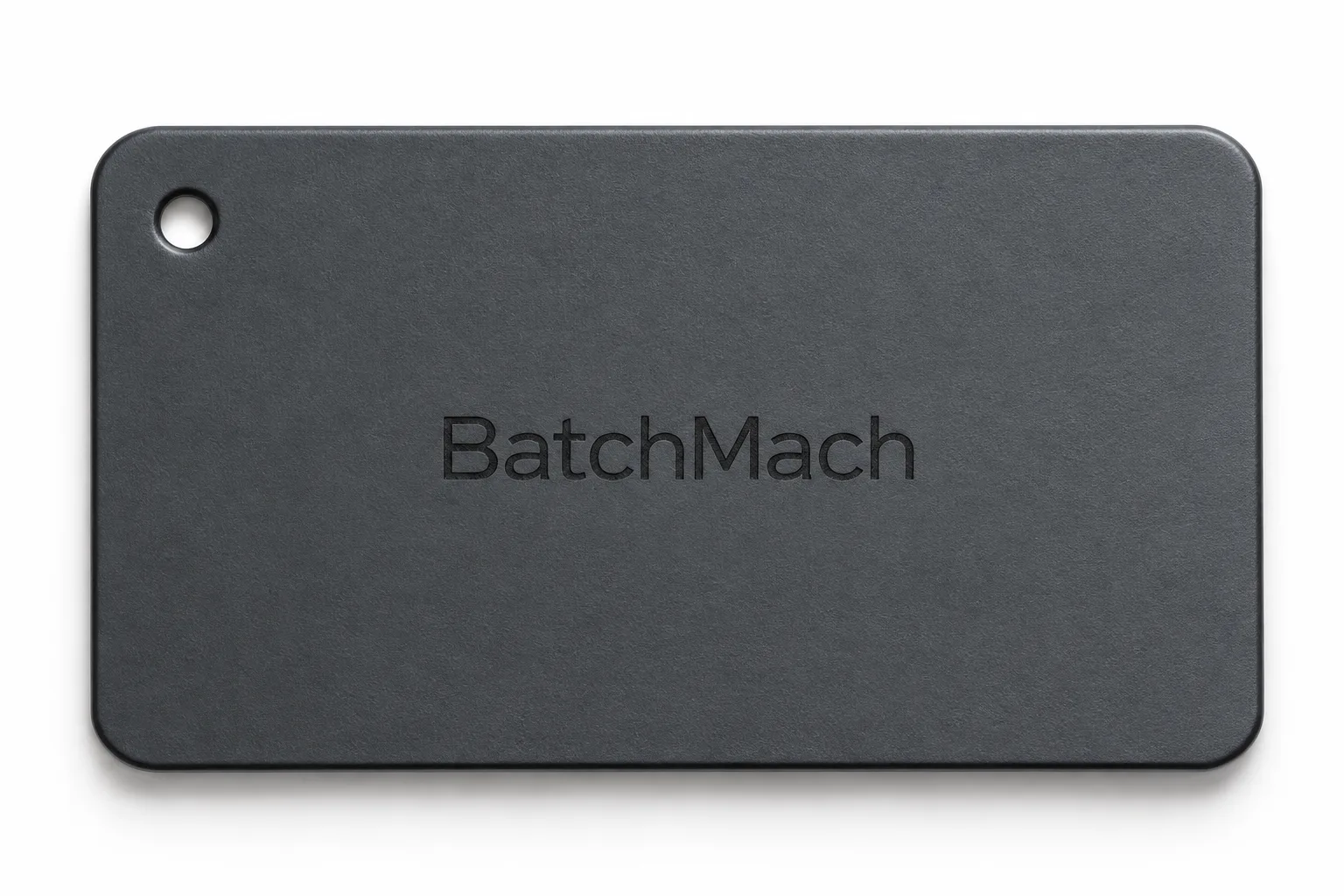
Aerospace surface finishing must match the material, assembly requirements, and operating environment. BatchMach Precision reviews process specifications, coating thickness, masking areas, and final dimensions before machining, with particular attention to mating interfaces, sealing surfaces, and electrical contact areas.
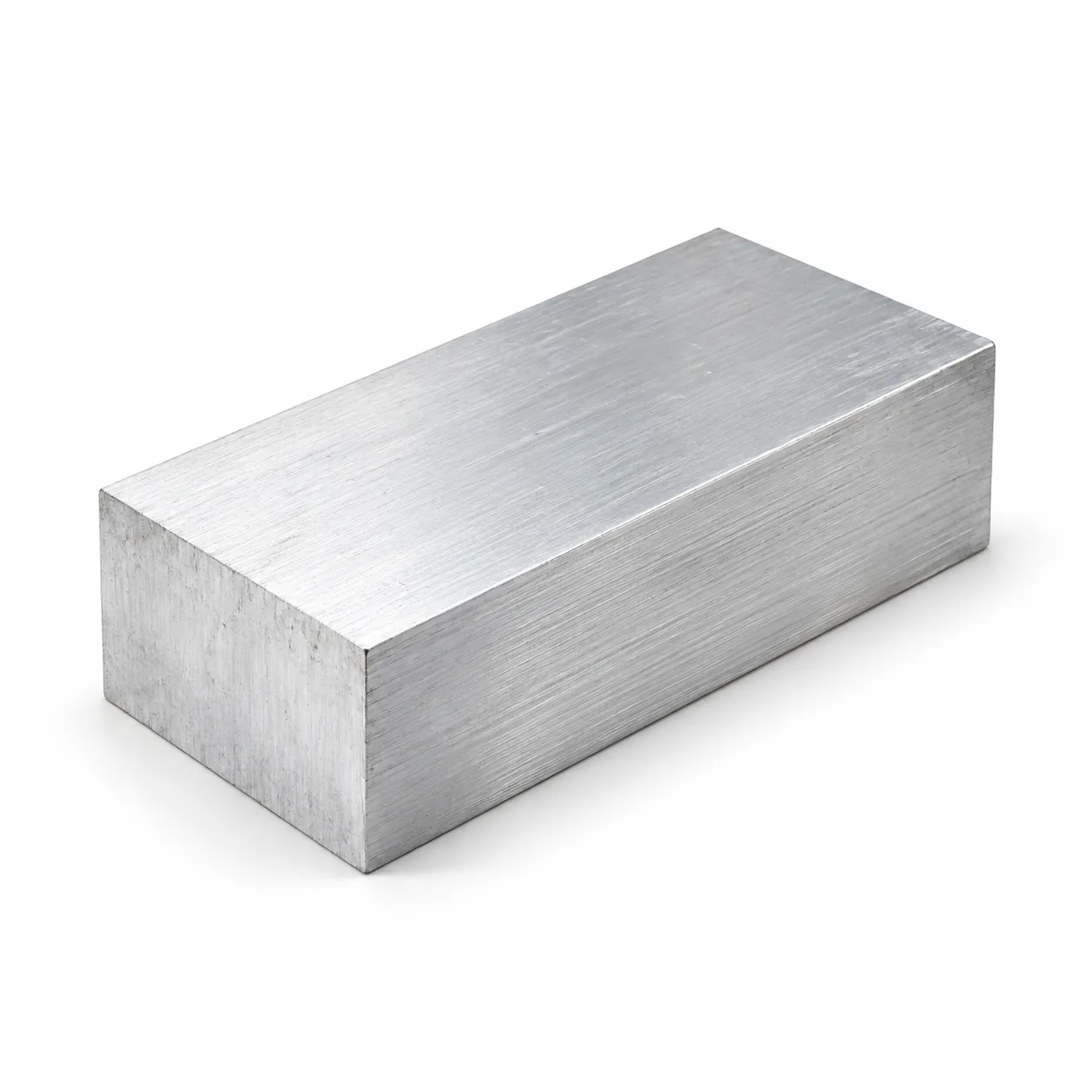
As Machined
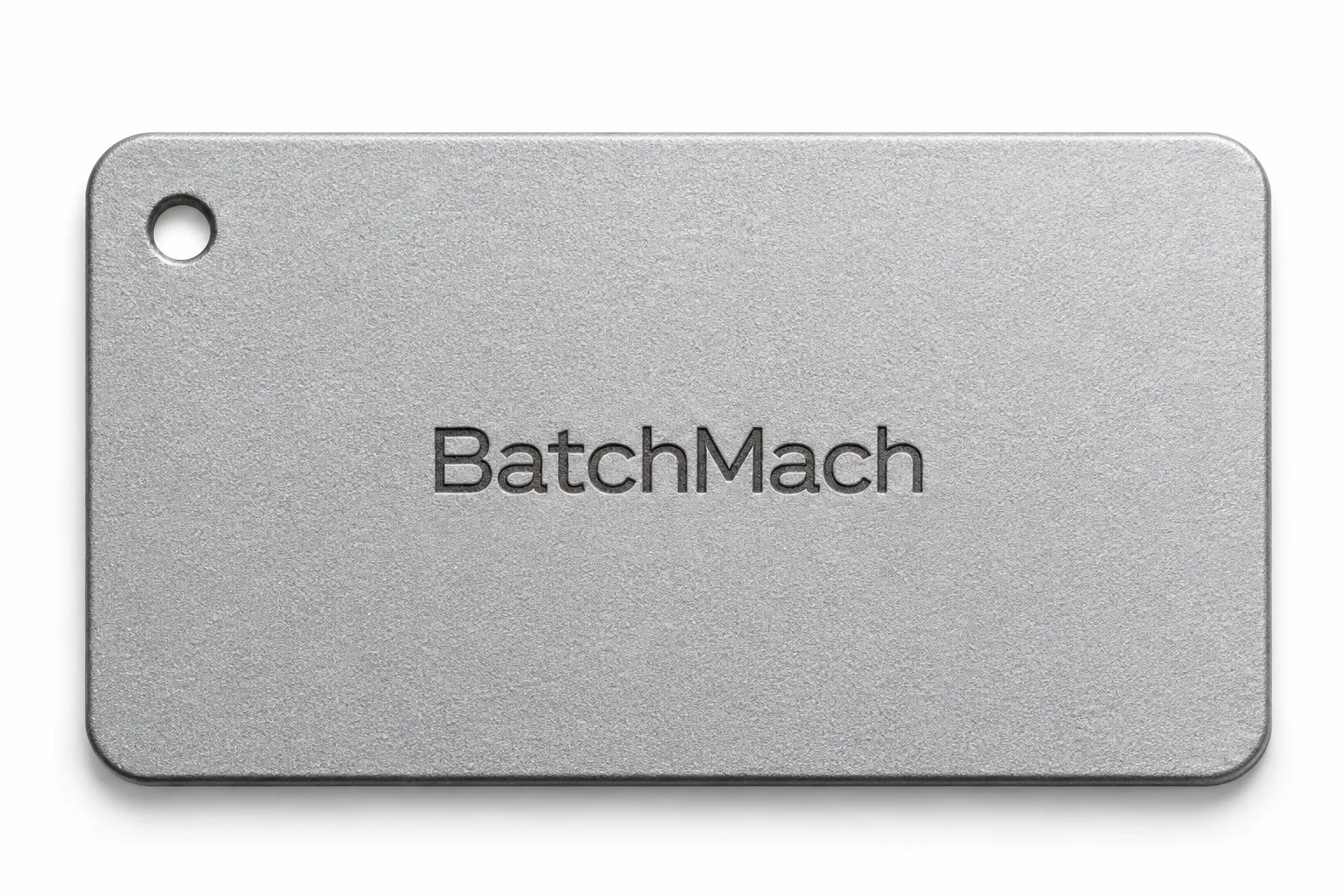
Suits test fixtures, prototypes, and selected internal components where the drawing permits no additional treatment. We control roughness, chamfers, and burrs while retaining acceptable machining marks to avoid unnecessary finishing operations.
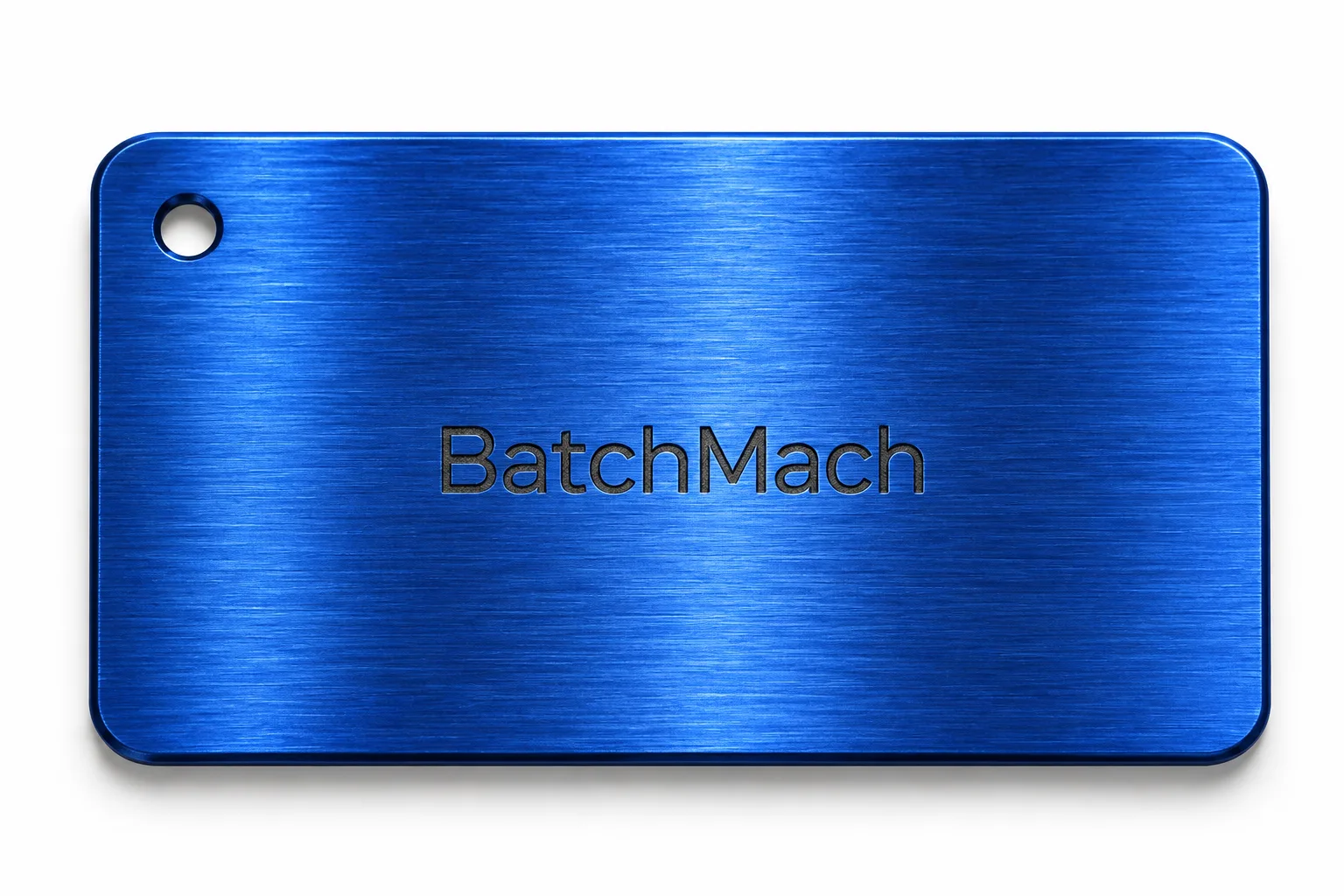
Anodizing
Provides corrosion protection or a base for subsequent painting on aluminum brackets, housings, and mounting components. Process type, sealing, and color follow the drawing. Locating registers, threads, and electrical bonding areas require defined dimensional or masking requirements.
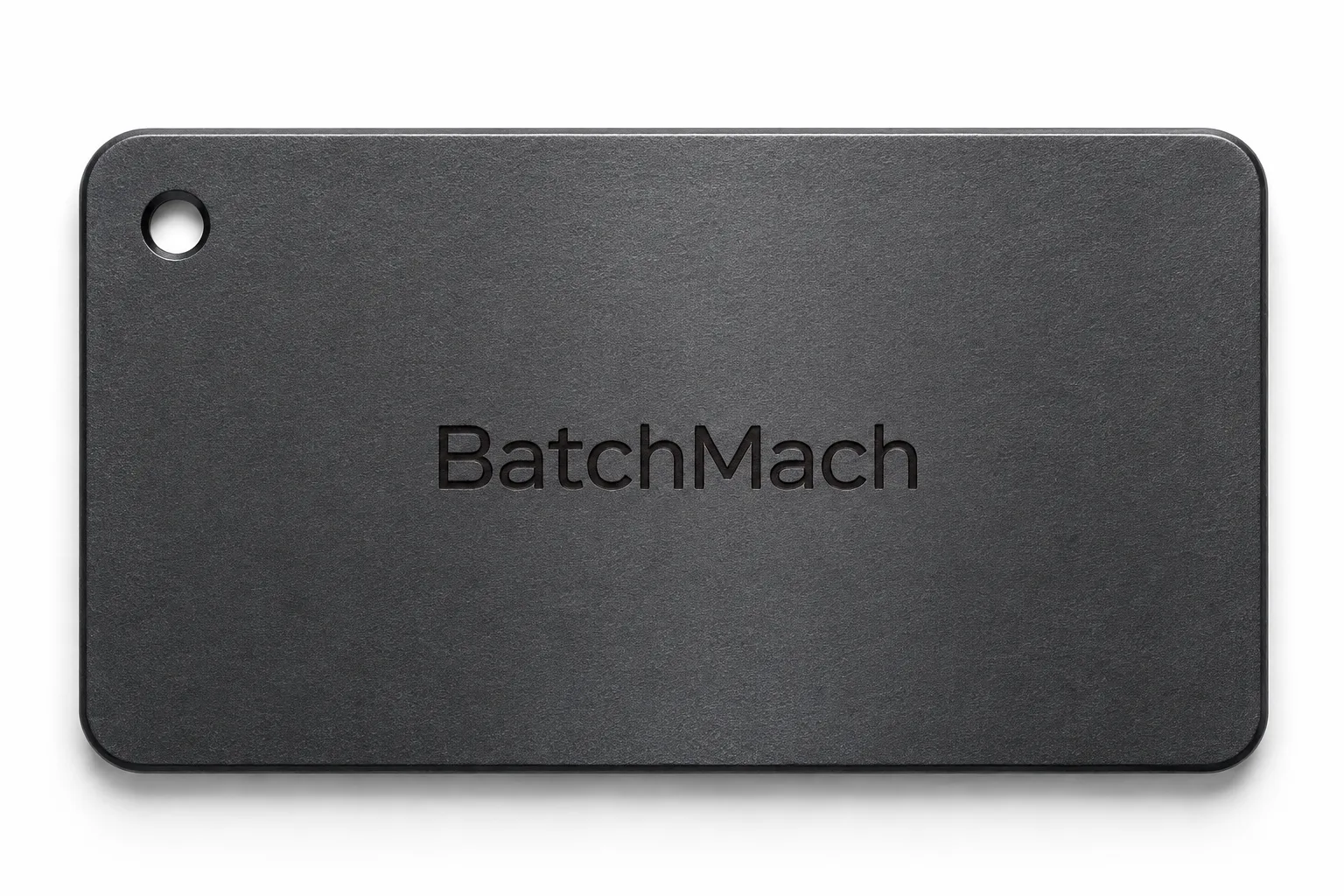
Hard Anodizing
Used on aluminum sliding components, bushings, and mechanical interfaces requiring greater wear resistance. Coating buildup affects bore and outside diameters, so precision fits need machining allowances, with final roughness and sealing requirements confirmed in advance.
Chemical Conversion Coating
Specified systems provide corrosion protection and support paint adhesion on aluminum avionics housings and connector panels. Where electrical bonding is required, contact-resistance requirements and treatment areas must be defined; conductivity varies with the coating system.
Passivation
Removes free iron contamination from stainless steel fittings, shafts, and mechanical connectors to help maintain corrosion resistance. Passivation does not repair scratches or remove visible tool marks, so required mechanical finishing must be completed beforehand.
Electroless Nickel Plating
Provides corrosion or wear protection on specified mechanical surfaces. BatchMach Precision reviews plating allowances for bores, slots, and mating diameters, along with coating type, thickness, and any associated heat-treatment requirements.
Dry Film Lubricant
Used on specified sliding, pivoting, or threaded contact surfaces to reduce friction and galling. Selection depends on load, temperature, substrate, and operating environment. Film thickness and curing conditions must also be assessed for their effects on the component.
Bead Blasting
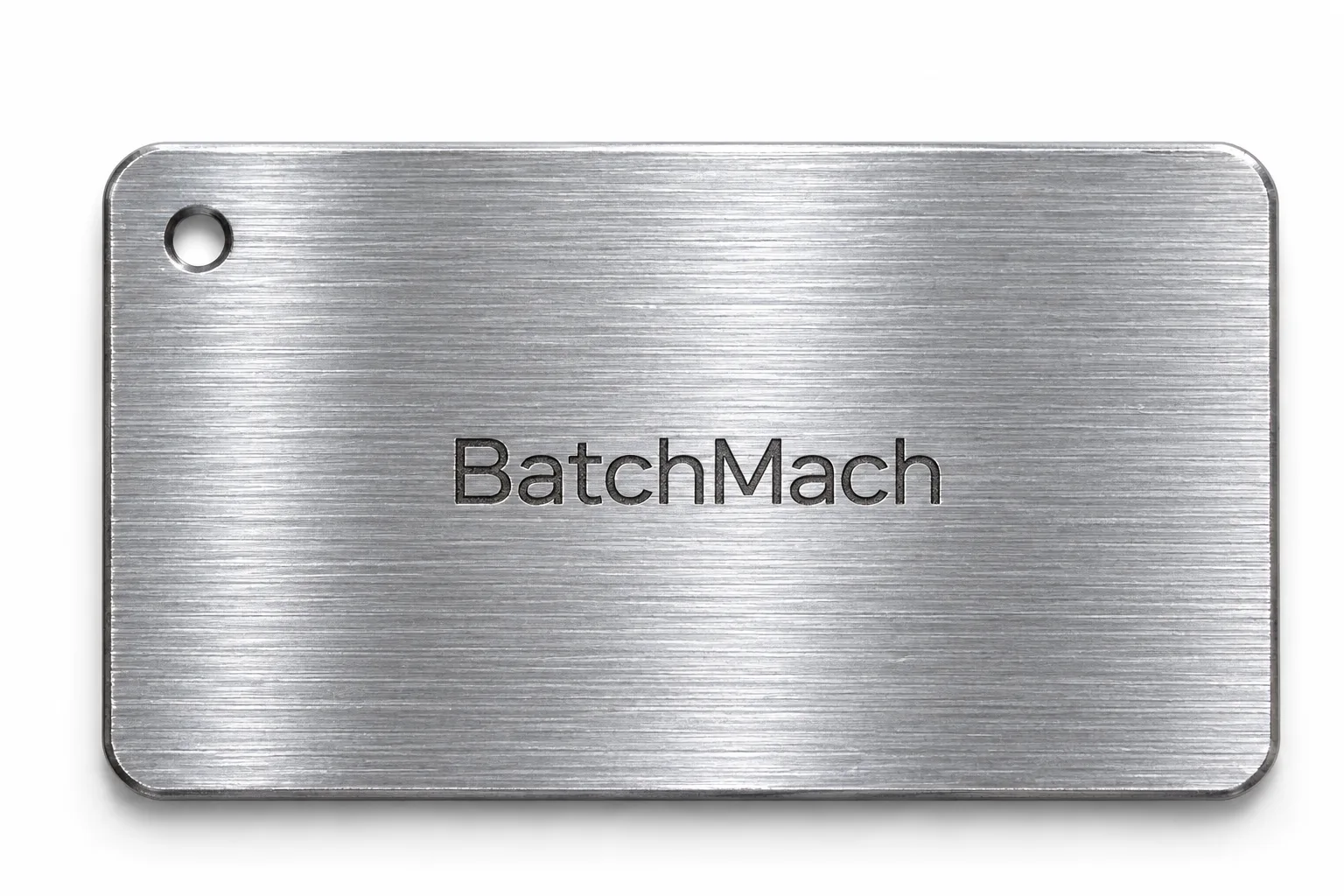
Used for specified surface textures or preparation before painting. Precision bores, sealing surfaces, and thin edges require protection, with blasting media and surface requirements clearly defined. Cosmetic bead blasting and controlled shot peening for fatigue performance are different processes and are not interchangeable.
Laser Marking
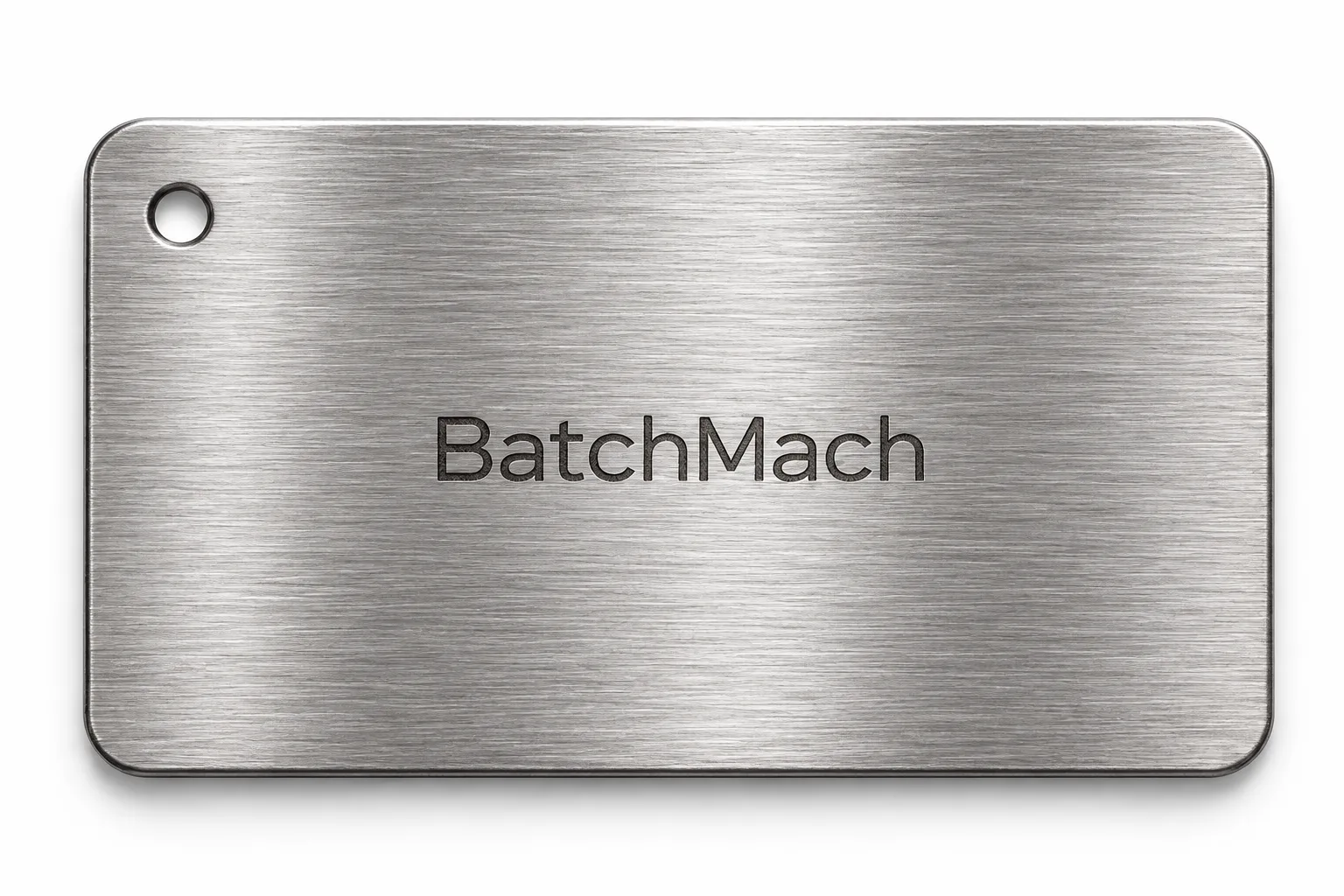
Adds customer-specified part numbers, revisions, batch identifiers, or traceability codes to link components with their records. Marking method, location, and depth must follow the drawing, particularly on thin sections, stressed areas, and surfaces with protective treatments.
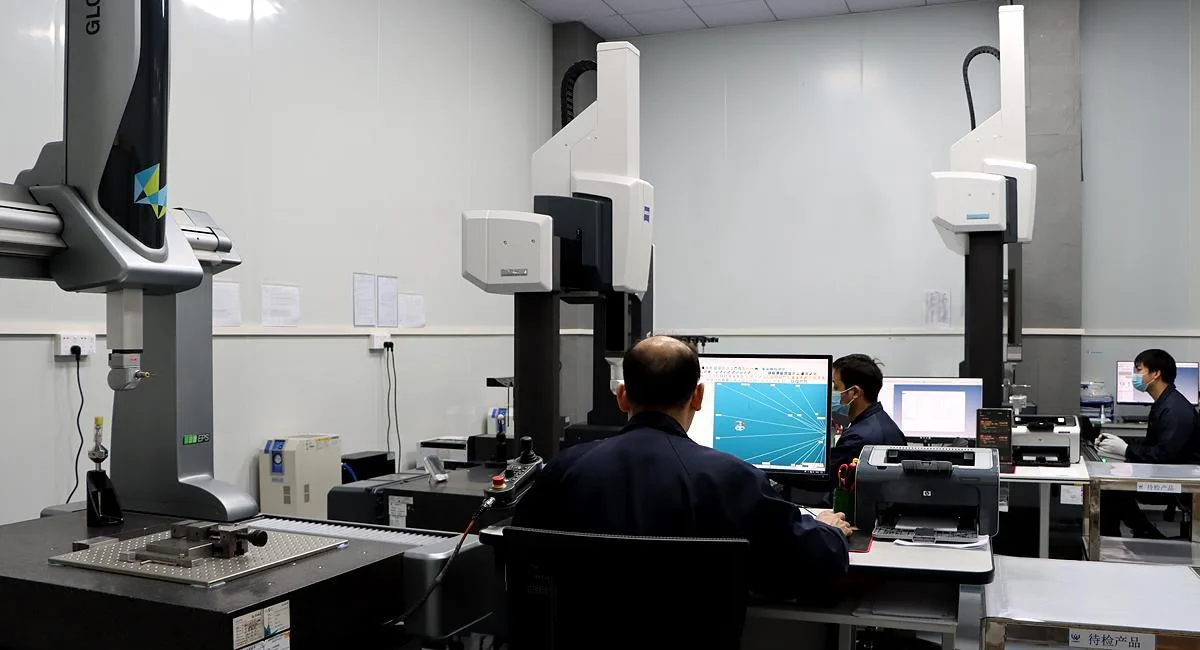
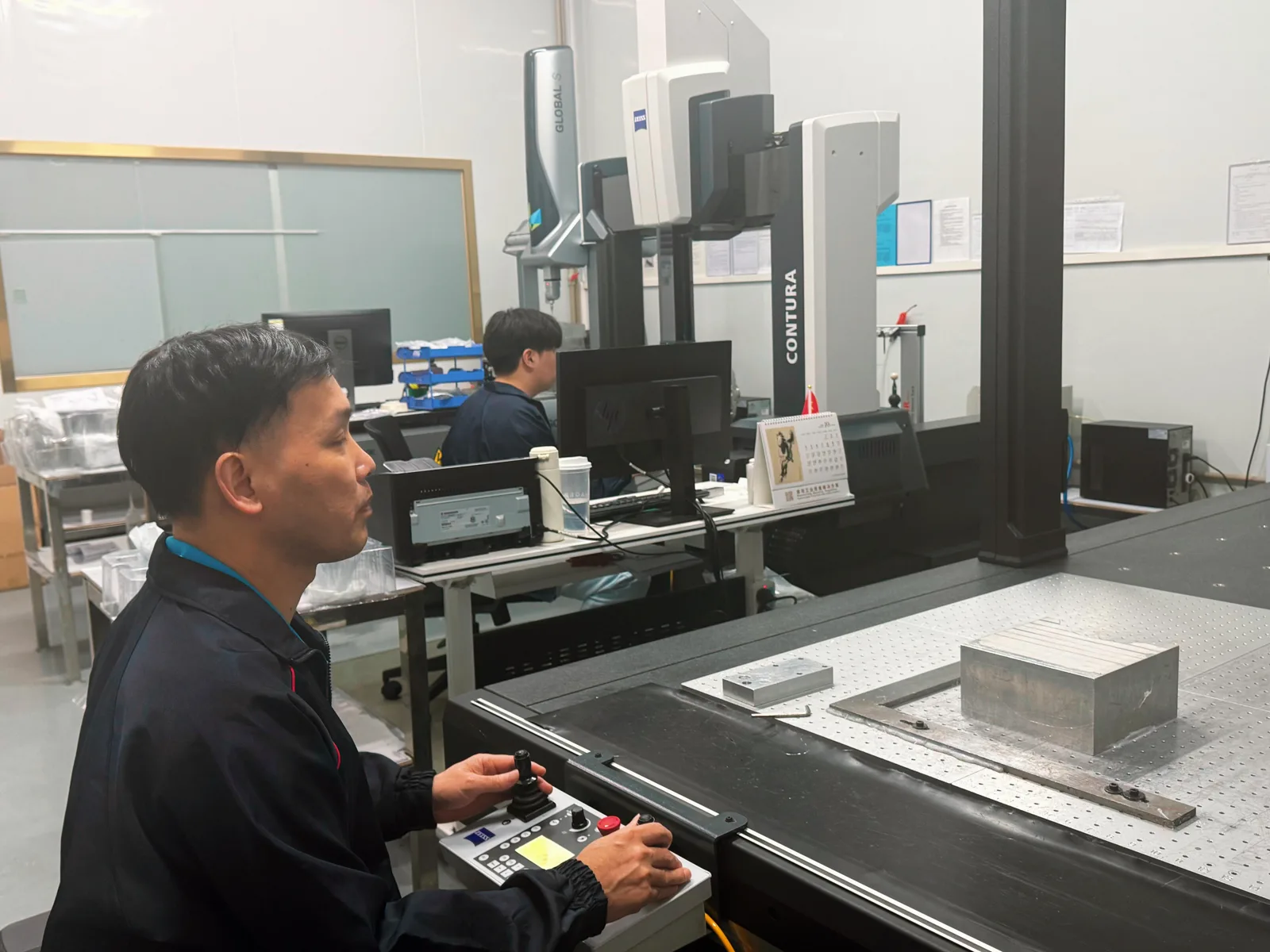
Include finishing specifications and any approved processor requirements with your drawings. BatchMach Precision confirms the process, documentation, and acceptance scope during quotation, including critical dimensions that must be verified after treatment.