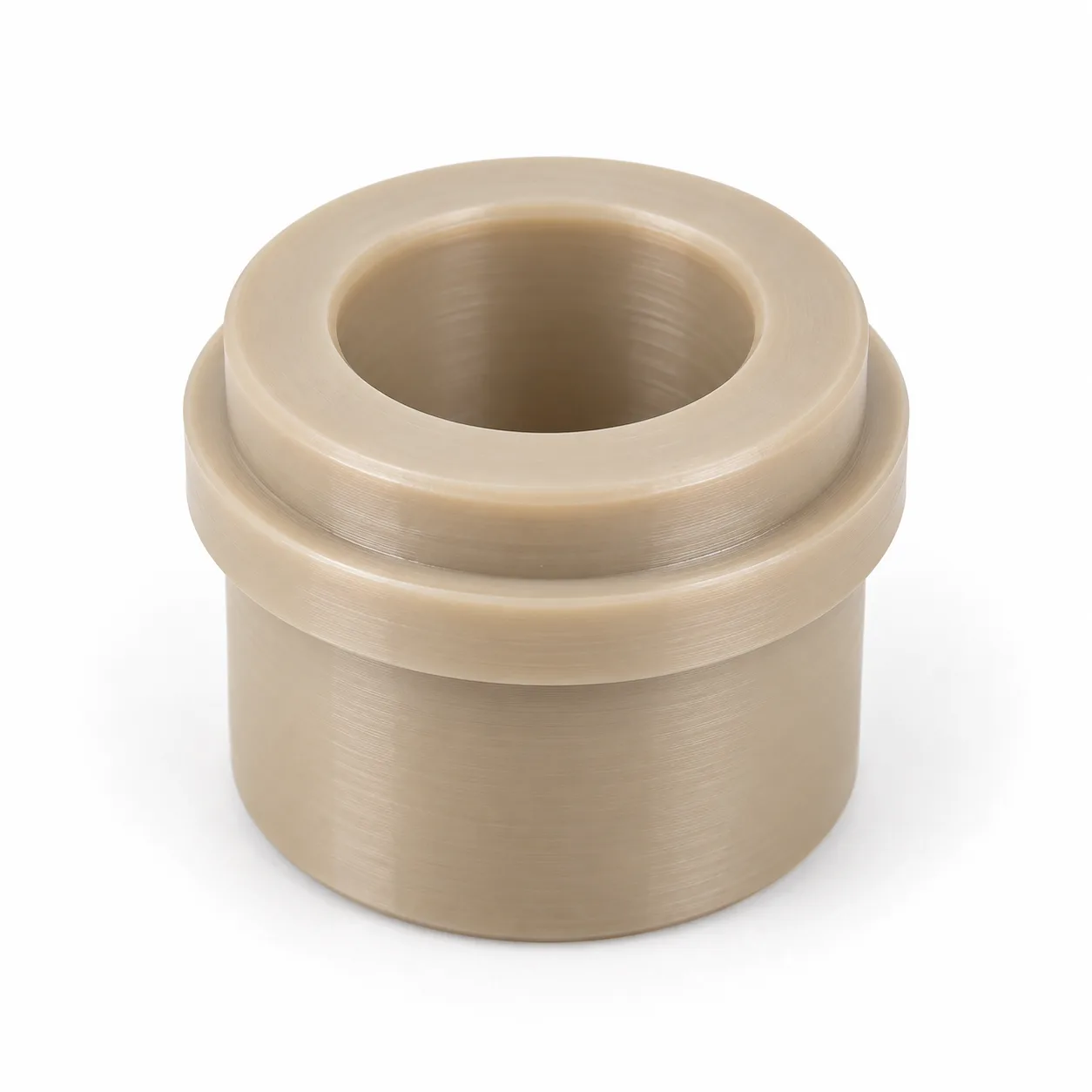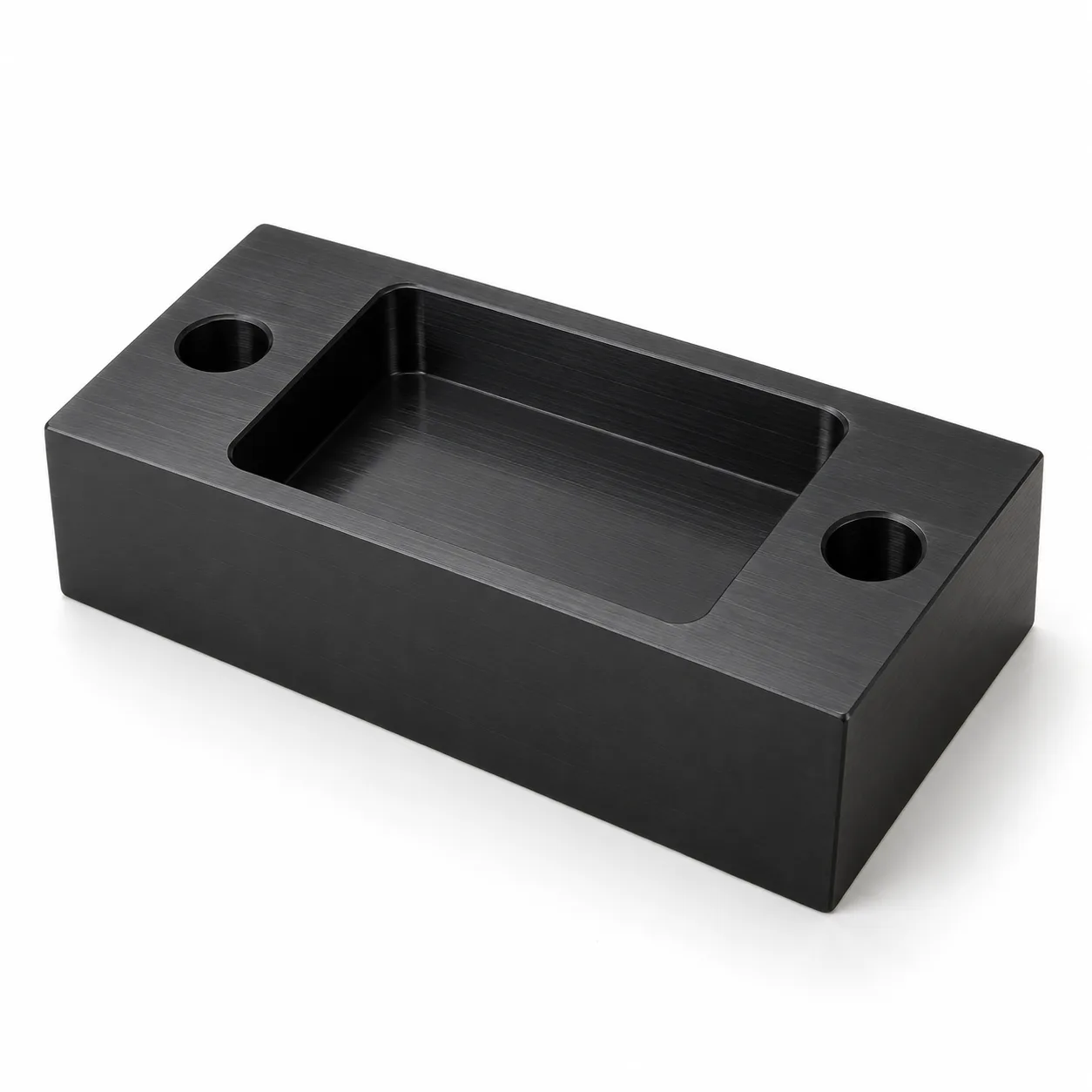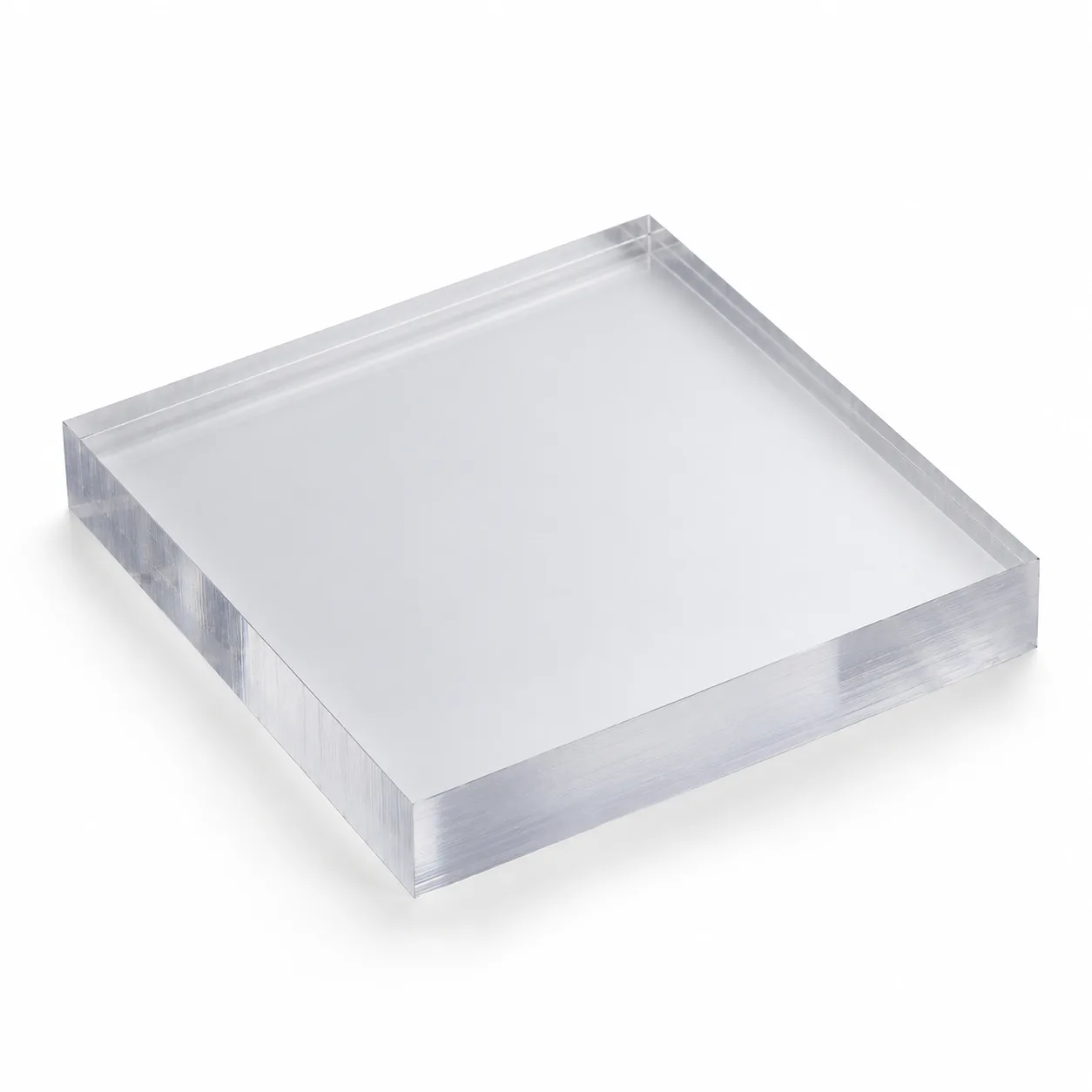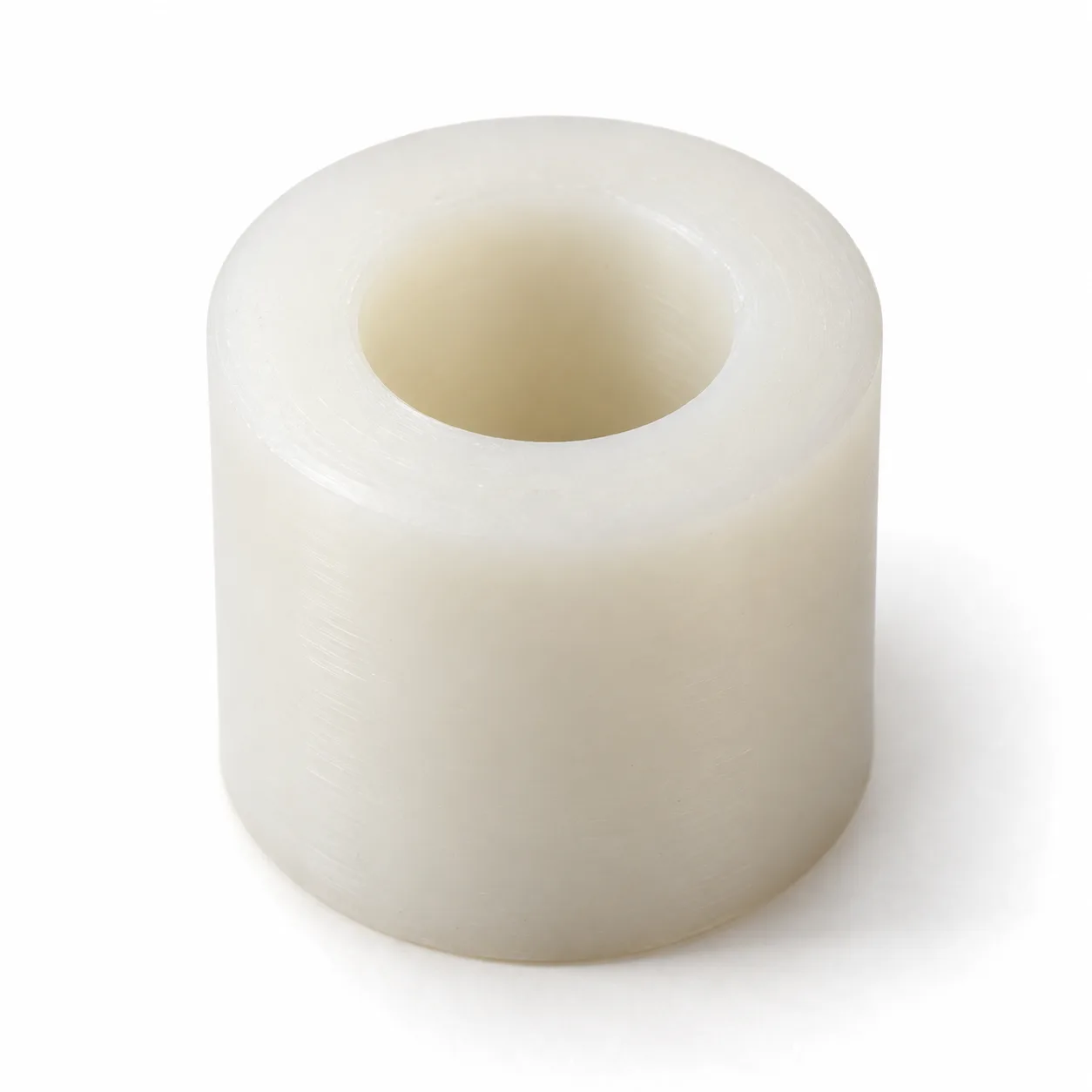









Engineering Plastics

Polystyrene (PS) CNC Machining Service

BatchMach Precision manufactures custom parts from rigid polystyrene stock, including general-purpose PS and high-impact polystyrene. We control tool entry, cutting heat, clamping pressure, and part handling to reduce edge chipping, melting, cracking, and scratches on visible surfaces. From one-off prototypes to repeat production, we provide factory-direct pricing, no minimum order quantity, and worldwide delivery.

  • Machining accuracy down to ±0.005 mm
  • Lead times as fast as 1 day
  • No MOQ, from prototypes to production
  • GPPS and HIPS machining, subject to stock availability
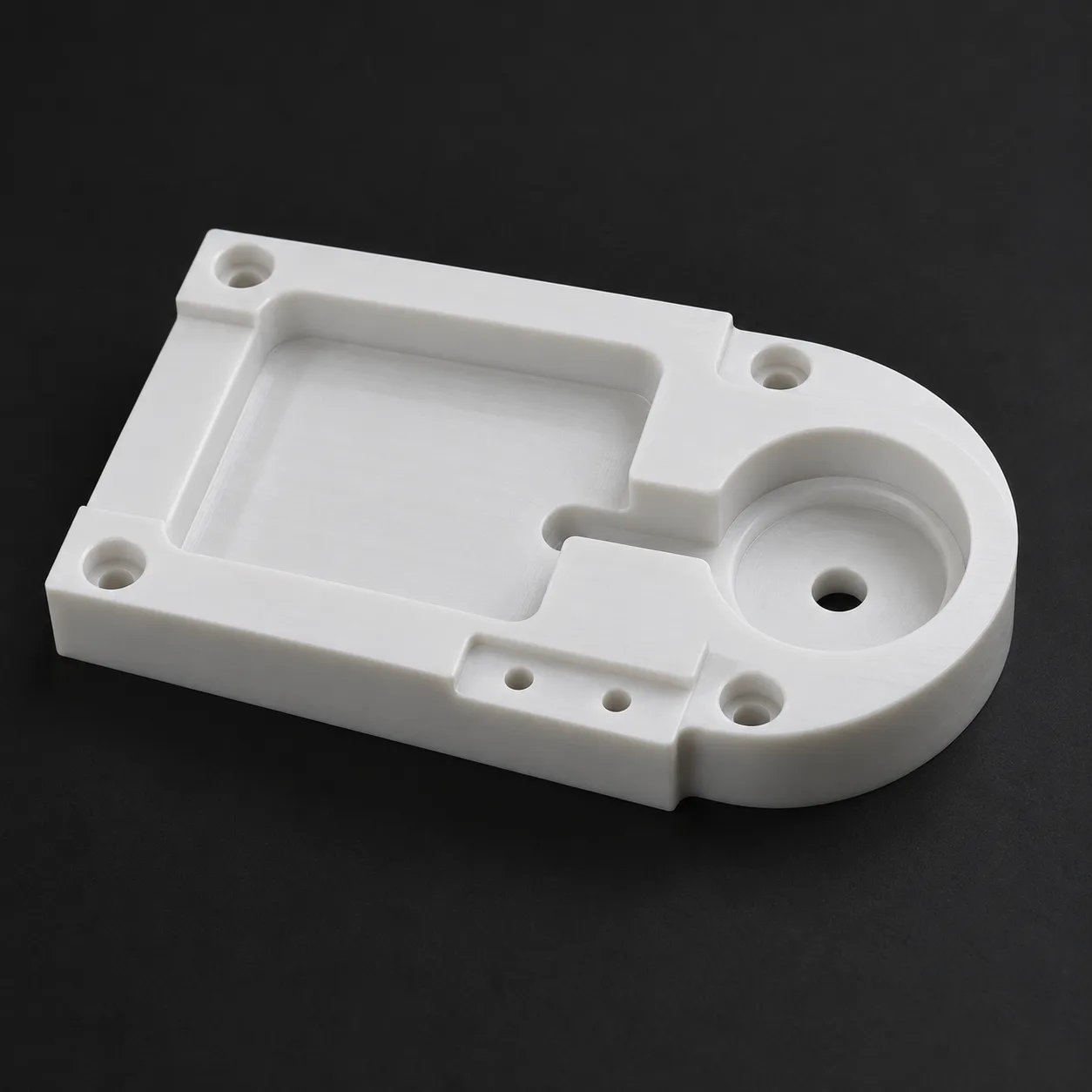
Polystyrene (PS) CNC Machining Service part

Upload Your CAD Files for a Quote

Drop your CAD file here or click to browseSupported: STEP, STP, IGES, SLDPRT, DXF, DWG, PDF

Your files are secure and confidential · Max file size: 100 MB

19+

Years of Experience

250+

Machines & Testing Equipment

11,000 m²

Manufacturing Area

200+

Skilled Staff

ISO

9001 / 13485 / AS9100D

From prototypes to repeat production, BatchMach Precision brings together two ISO-certified CNC factories, practical machining expertise, and dimensional inspection to deliver custom parts built to your drawings.

Trusted by
numerous companies

Our Polystyrene (PS) CNC Machining Capabilities

Standard polystyrene is rigid but relatively brittle, while HIPS provides greater impact resistance. BatchMach Precision selects the machining method according to the specified grade, part geometry, wall thickness, cosmetic requirements, and production quantity.

Polystyrene CNC Milling

Polystyrene CNC Milling

Our 3-axis and 4-axis milling capabilities support PS plates and blocks with pockets, holes, slots, profiles, and stepped features. Sharp cutting tools, controlled entry paths, and effective chip removal help limit localized heat, chipped edges, and melted burrs.
Polystyrene CNC Turning

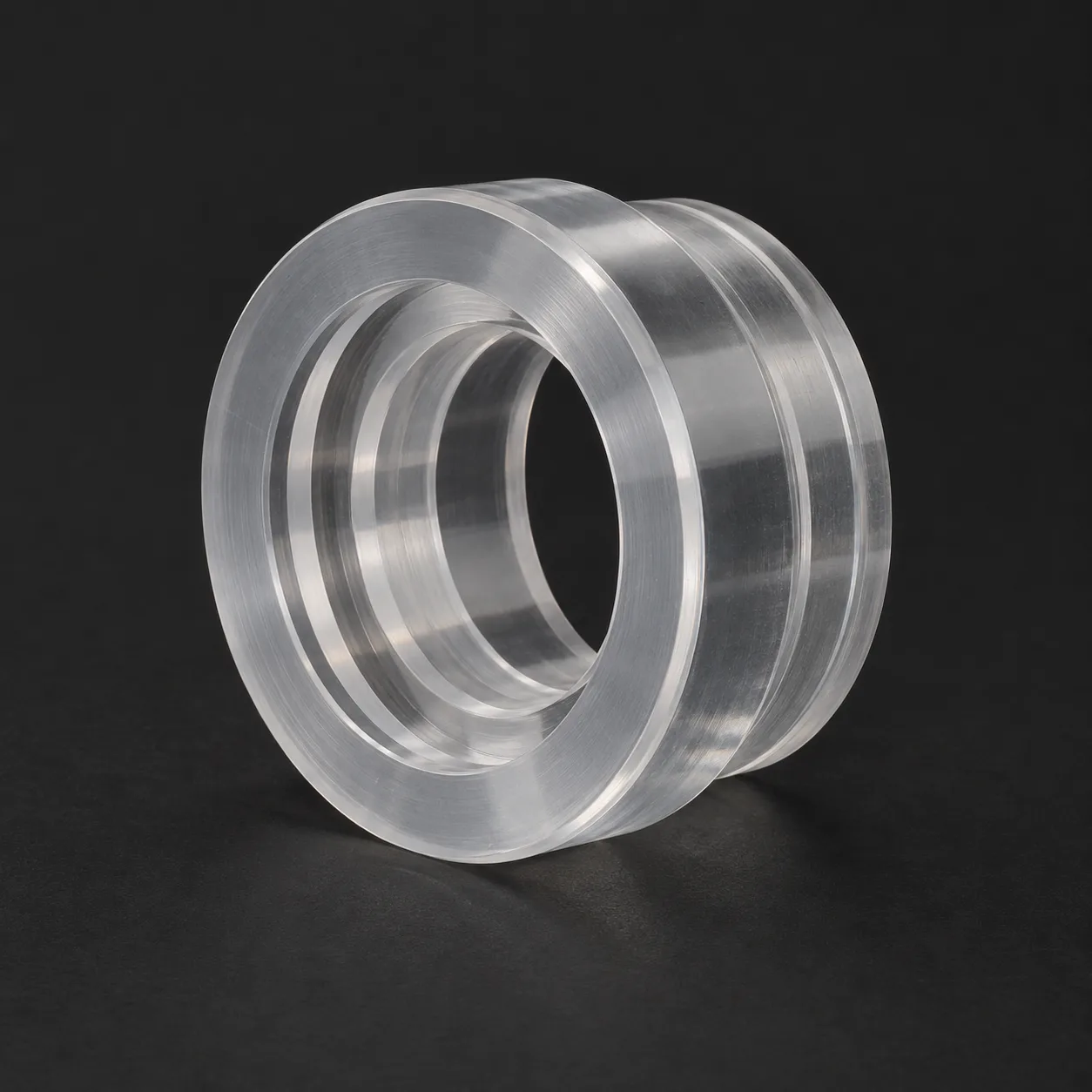
Polystyrene CNC Turning

CNC turning is available for round PS components when suitable rod or tube stock can be sourced. Chuck pressure, cutting depth, tool condition, and part support are controlled to reduce cracking, deformation, and damage to thin cylindrical walls.

5-Axis Polystyrene CNC Machining

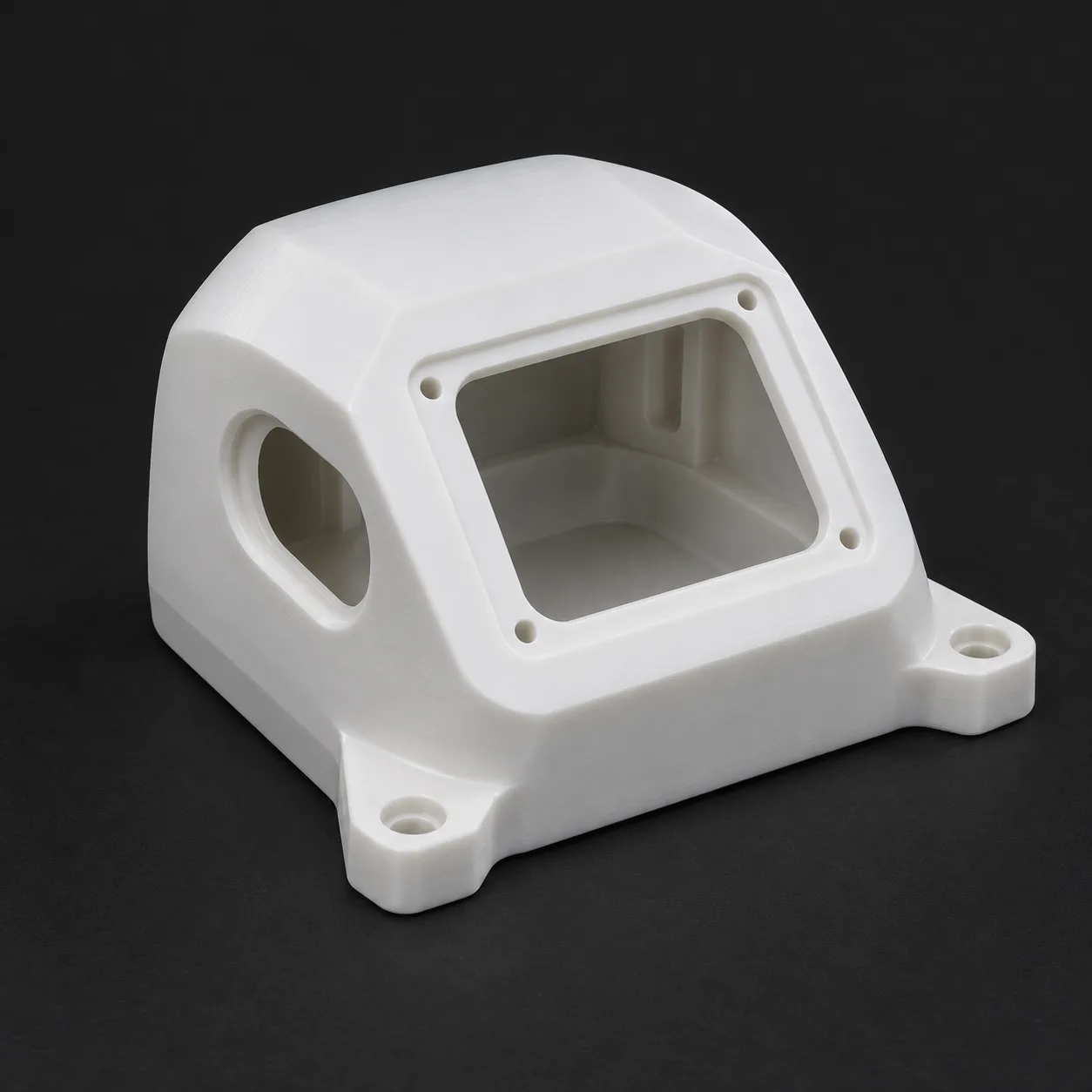
5-Axis Polystyrene CNC Machining

Five-axis machining supports parts with features on multiple faces, angled holes, complex contours, or closely related datums. Completing more features in fewer setups reduces repeated handling and helps protect brittle edges and appearance-critical surfaces.

Prototype to Production PS Machining

Prototype to Production PS Machining

BatchMach Precision supports single prototypes, design revisions, low-volume orders, and repeat production with no MOQ. For production orders, we can optimize stock layout, workholding, toolpaths, and machining sequence while confirming the PS grade, color, surface condition, and stock thickness before manufacturing.

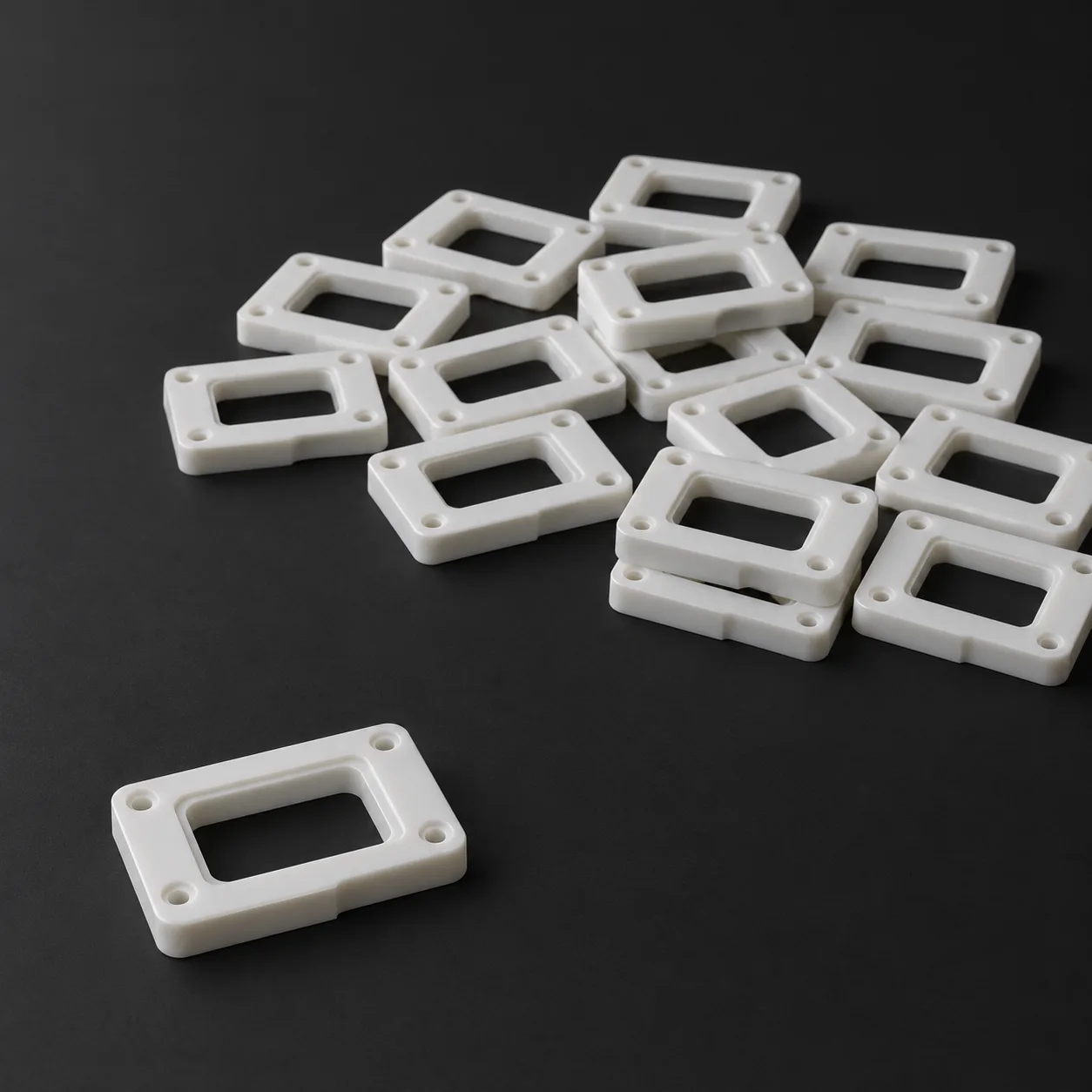
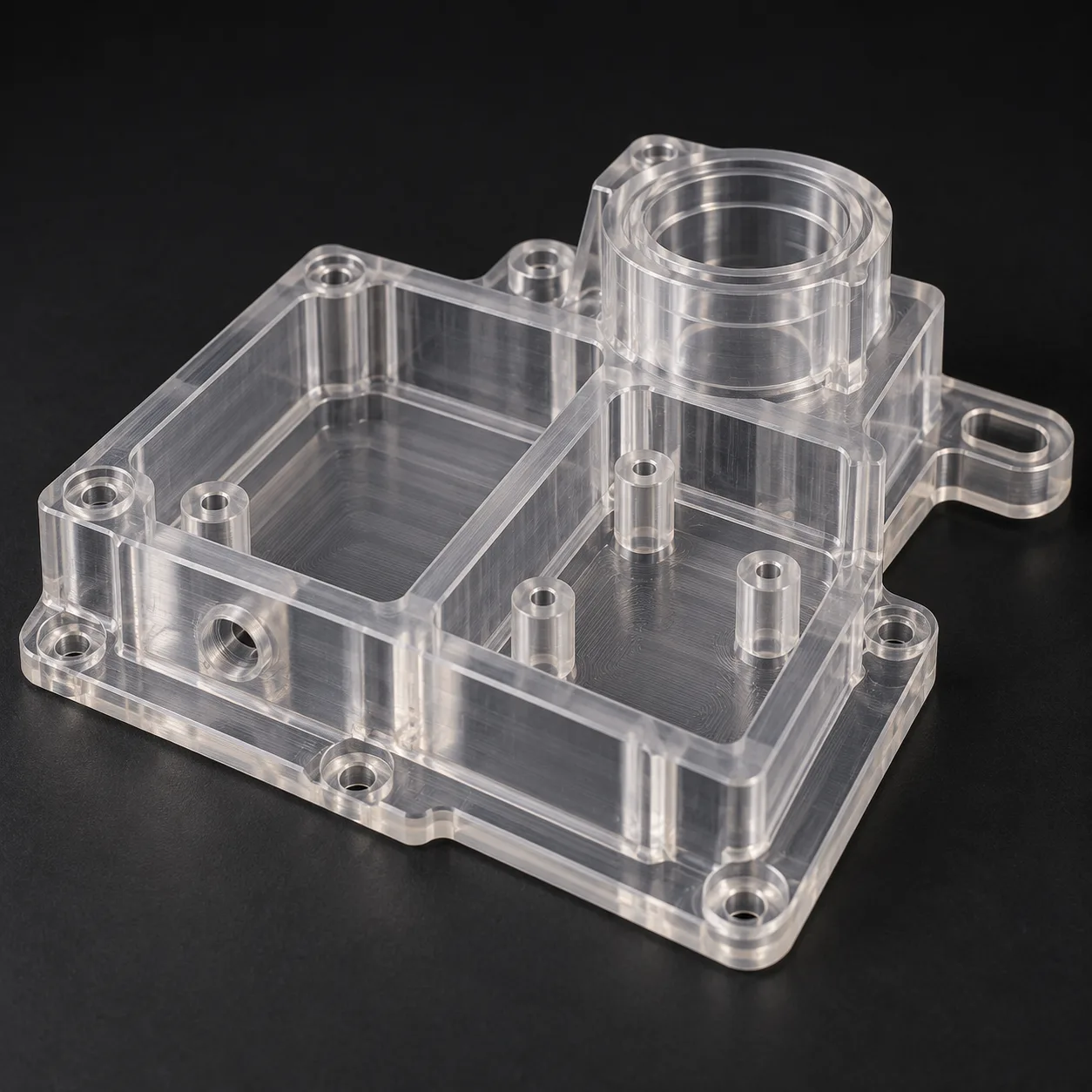
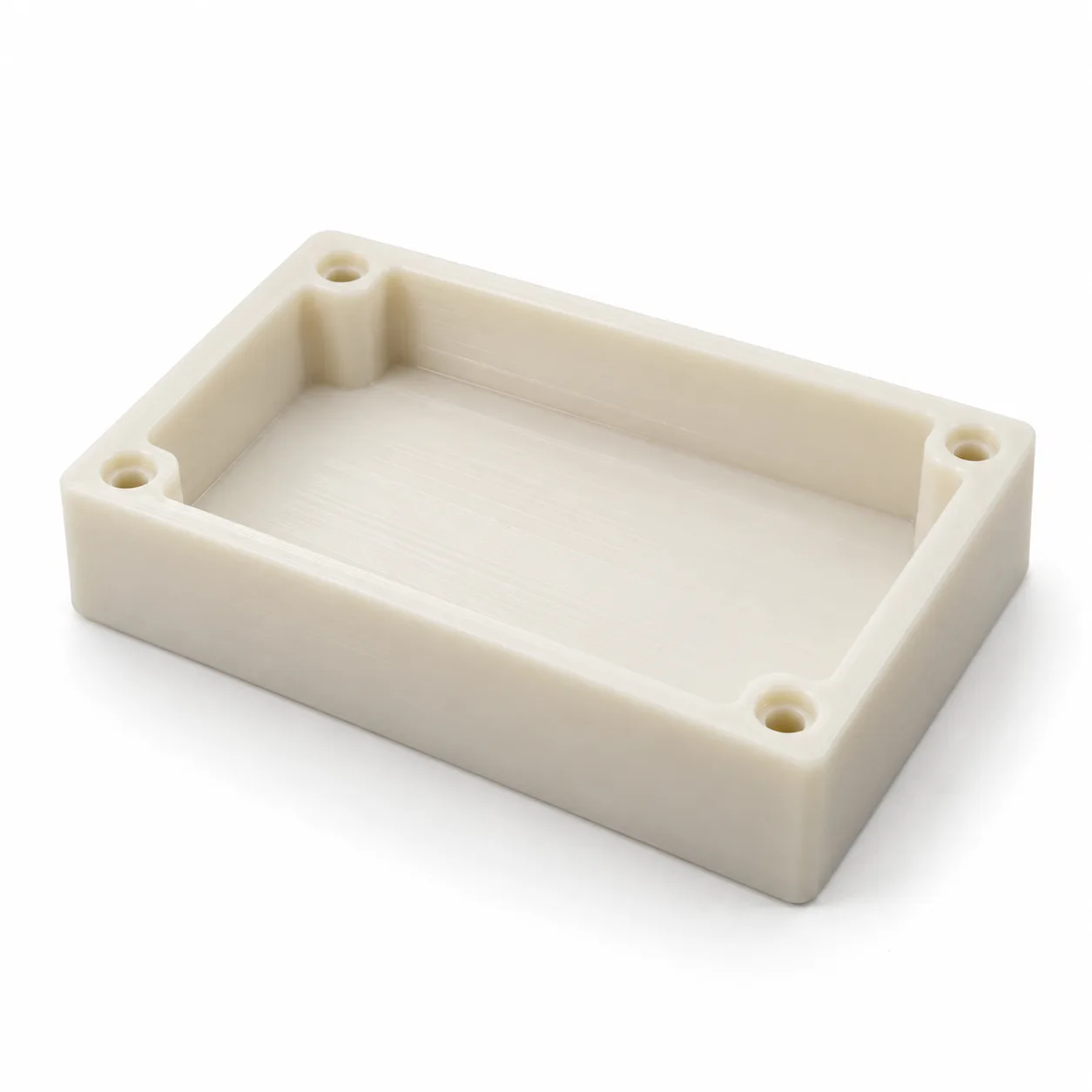
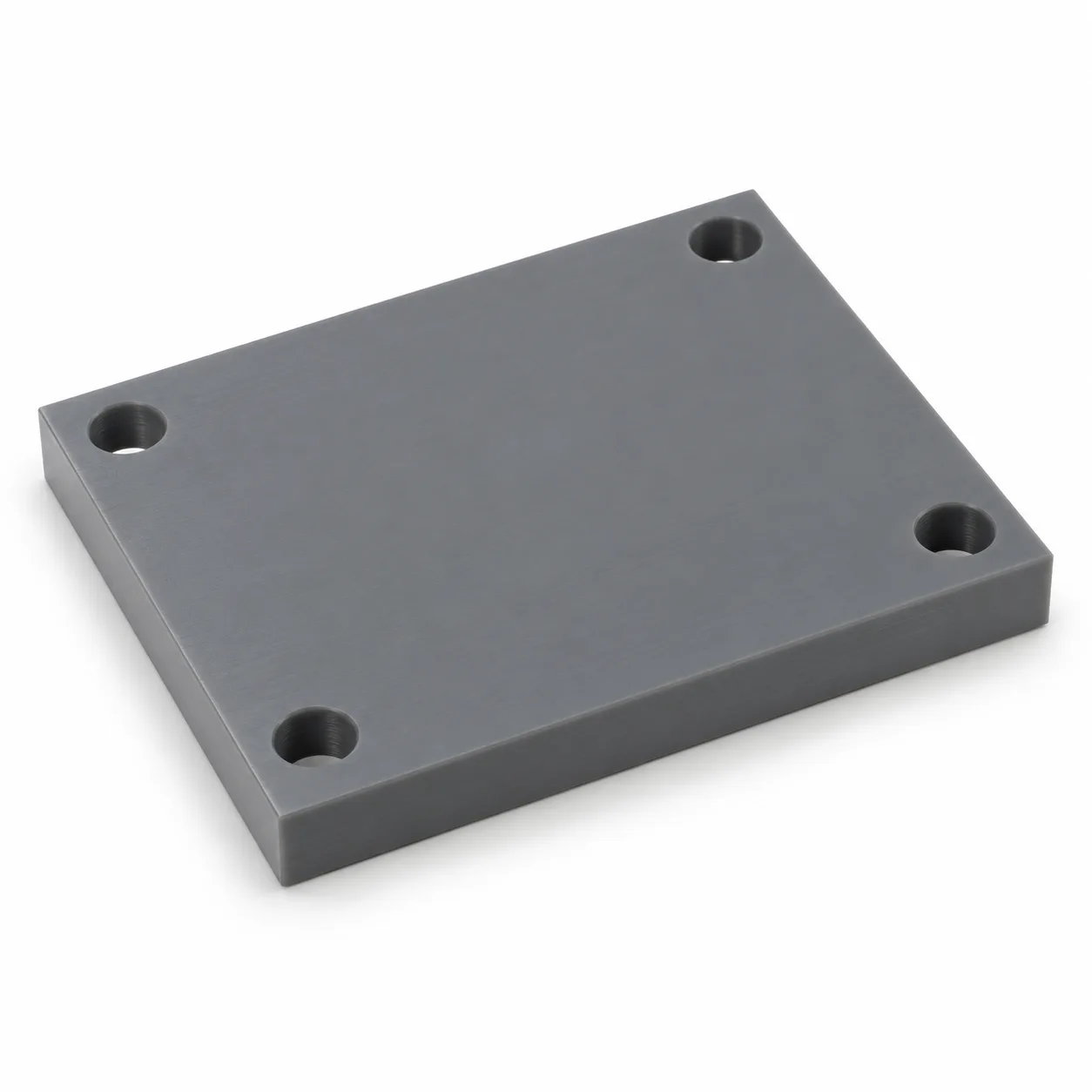
Representative CNC-machined polystyrene part

Polystyrene (PS) in CNC Machining

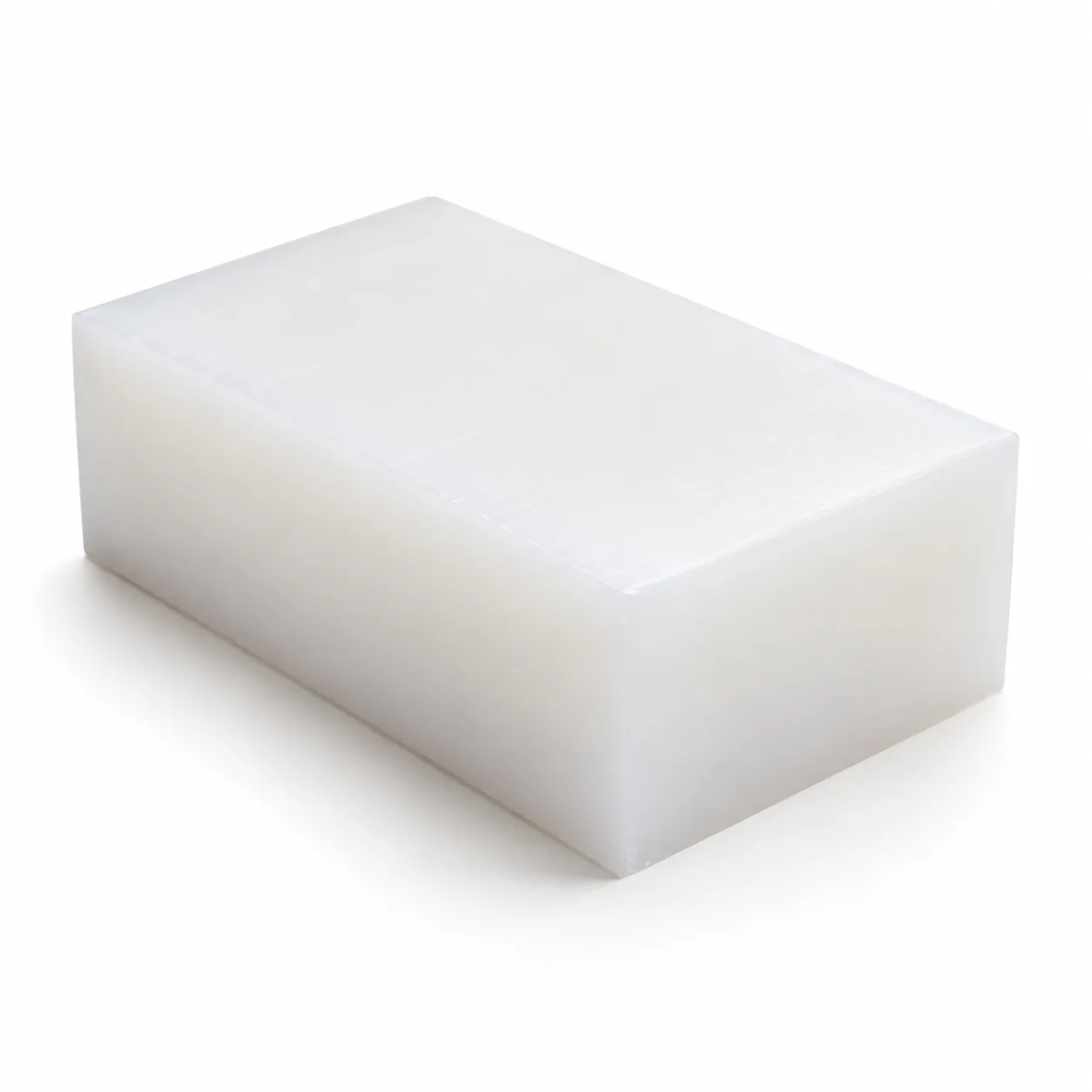
Polystyrene is a lightweight, rigid thermoplastic used for prototypes, display components, covers, fixtures, models, and non-load-bearing housings. General-purpose polystyrene can provide a clear, smooth appearance, while HIPS is modified to improve toughness and impact resistance.

Machining PS from solid sheet or block avoids mold tooling and allows dimensions or features to be revised between production runs. Because standard PS can chip or crack at thin edges, the machining plan must consider wall thickness, corner geometry, tool entry, clamping pressure, and surface protection. The selected grade should be confirmed according to the required transparency, impact performance, color, operating temperature, and appearance.

ItemBatchMach Precision Capability
Lead TimeAs fast as 1 day
Machining AccuracyDown to ±0.005 mm
Maximum Part SizeMachine capacity up to 950 × 850 × 650 mm (L × W × H); actual PS part size depends on stock availability, geometry, workholding, and tool access
PS Material OptionsGPPS and HIPS; transparent, natural, white, and black options subject to stock availability
Order QuantityNo MOQ; one-off prototypes, low-volume batches, and repeat production supported

Surface Finishes for CNC-Machined Polystyrene Parts

Surface finishing can improve the edge condition, transparency, color, texture, or identification of machined PS parts. The appropriate process depends on the PS grade, part geometry, cosmetic standard, critical dimensions, and treated surfaces.

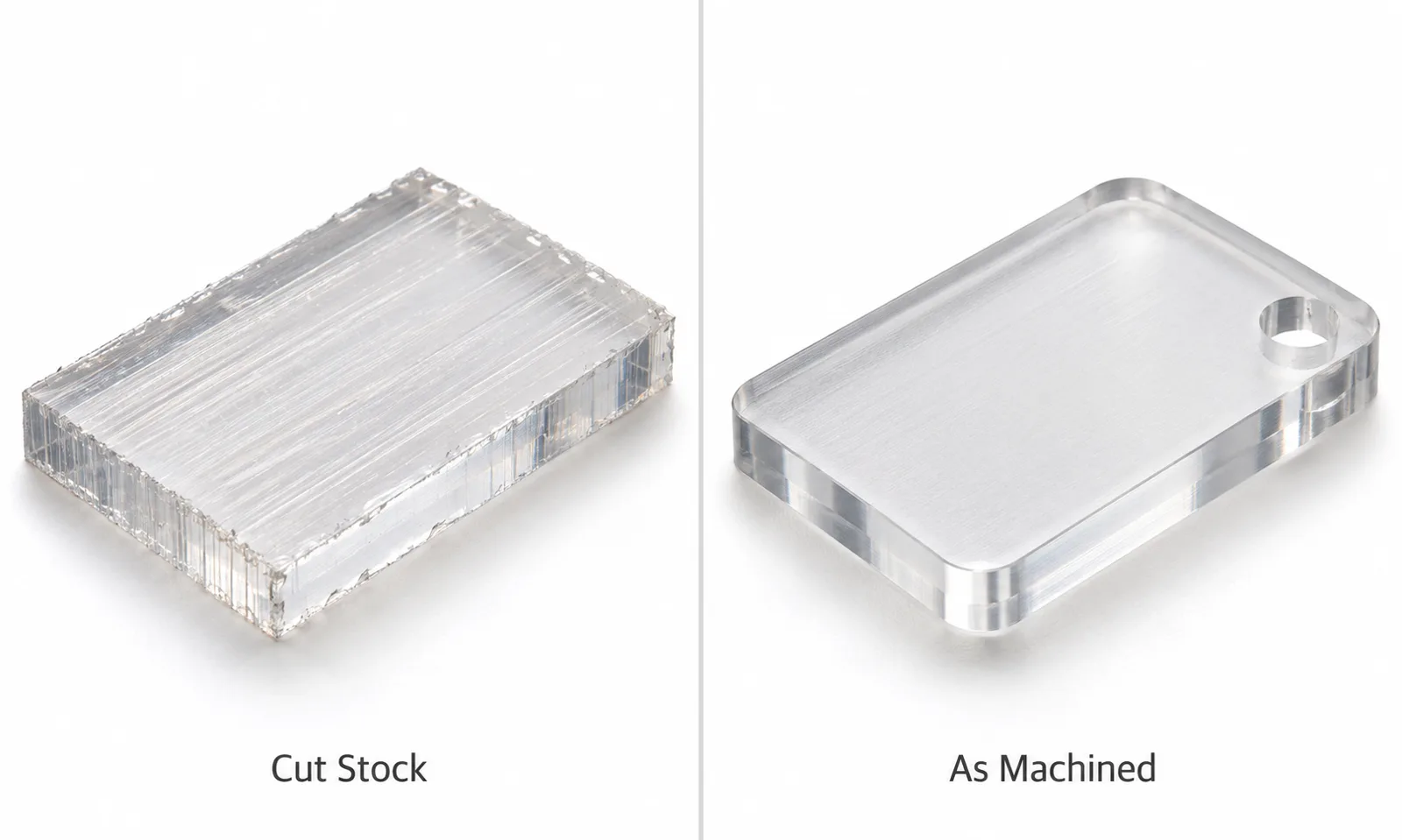
As Machined

As Machined surface finish sample

The part retains the surface produced directly by CNC cutting, including possible fine tool marks. This is an economical option with minimal dimensional impact for functional prototypes, fixtures, internal components, and non-cosmetic surfaces.

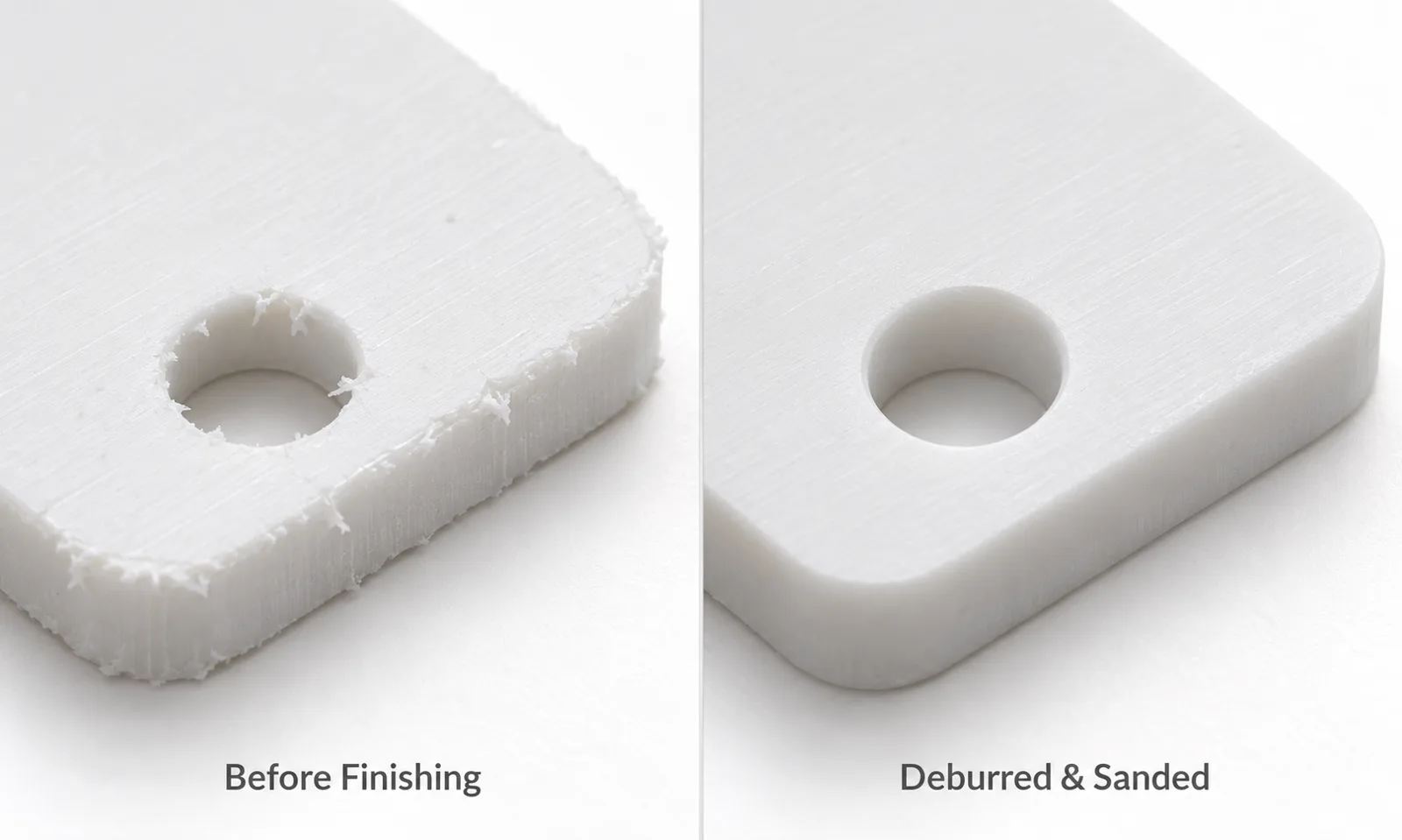
Deburring and Manual Sanding

Deburring and Manual Sanding surface finish sample

Controlled hand-finishing removes burrs and sharp edges around holes, slots, and machined profiles. Progressive sanding can also reduce deeper tool marks and prepare the surface for polishing or painting. Thin edges, sharp corners, and critical dimensions must be protected during finishing.

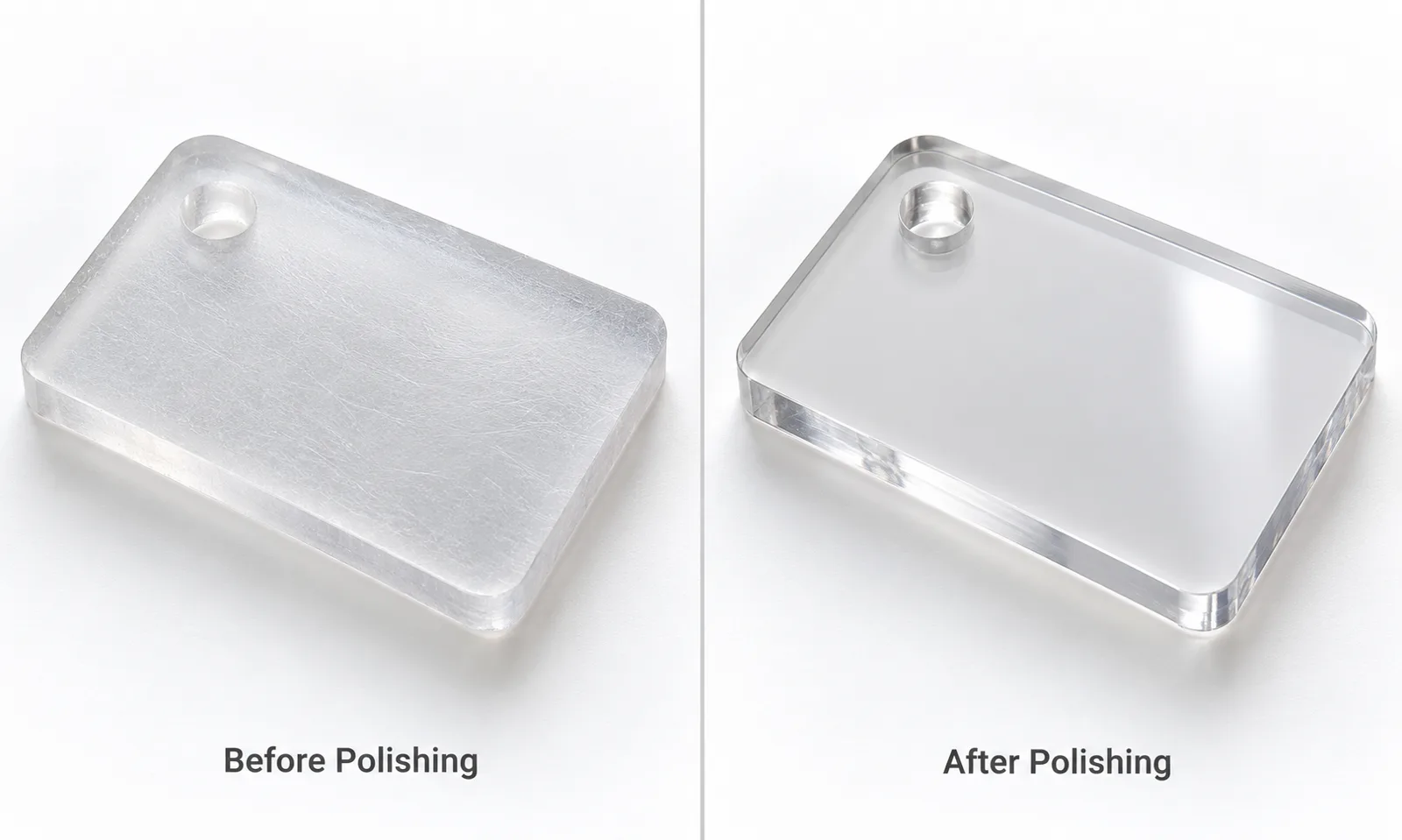
Mechanical Polishing

Mechanical Polishing surface finish sample

Progressive sanding and buffing can produce a smoother, glossier finish on visible surfaces or edges of clear GPPS parts. Frictional heat may cause softening, distortion, or localized whitening, so the drawing should identify the required polished areas and expected appearance.

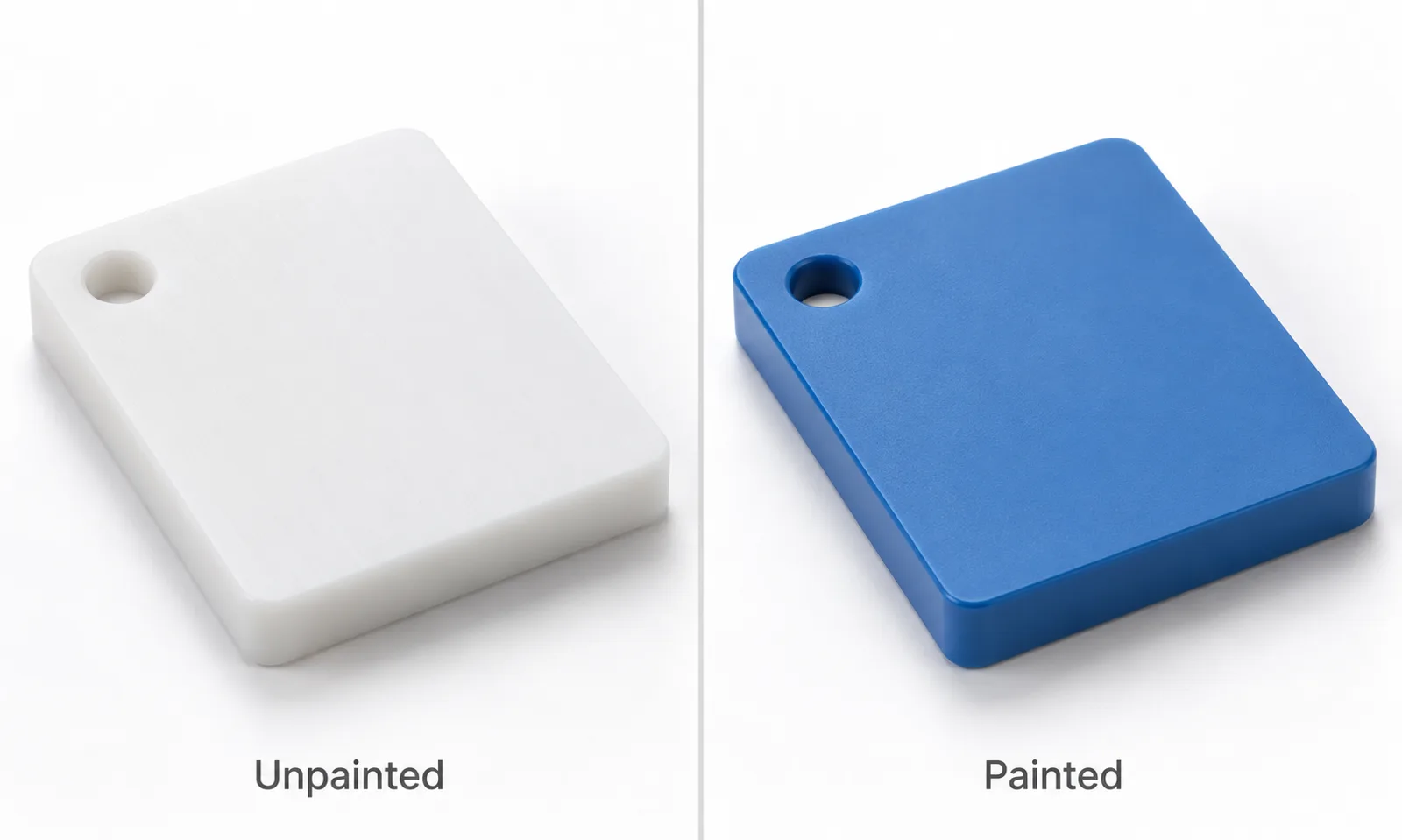
Painting

Painting surface finish sample

PS-compatible primers and paints can add a specified color, improve appearance consistency, or create light-blocking areas. Unsuitable solvents may cause crazing, surface softening, or cracking. Threads, mating surfaces, and bonding areas should be masked before painting.

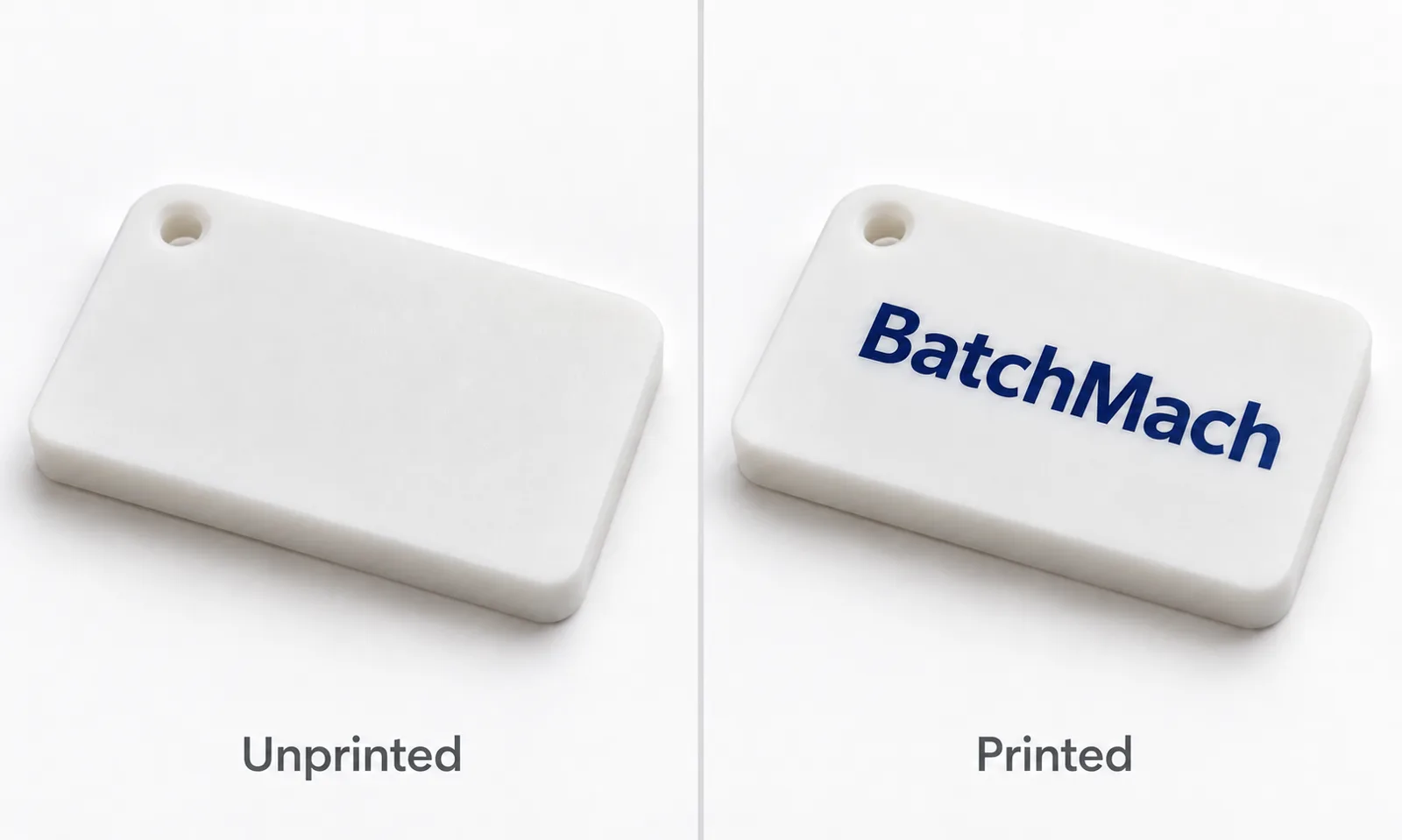
Screen Printing or Pad Printing

Screen Printing or Pad Printing surface finish sample

Logos, scales, warning text, operating symbols, and part numbers can be printed onto PS surfaces. Ink type, color, print location, and adhesion requirements should be defined in advance. Sample validation is recommended for curved, recessed, or frequently handled surfaces.

Polystyrene (PS) CNC Machining Design Guidelines

GPPS provides greater rigidity but is relatively brittle, while HIPS offers better toughness. The values below are starting points for quotation and DFM review—not universal machining limits for every PS grade or part geometry.

Design ItemRecommended Starting PointReason
General Wall ThicknessGPPS ≥2.0 mm; HIPS ≥1.5 mmThin PS walls can vibrate, chip, or deform under cutting heat and clamping pressure.
Unsupported Thin WallsKeep the wall-height-to-thickness ratio at 6:1 or less for GPPS and 8:1 or less for HIPSTall, thin features may deflect away from the cutting tool and recover after the fixture is released.
Internal Corner RadiiAt least 1.3× the cutter radius; use R1.0 mm or larger where possibleLarger radii allow the use of more rigid tools and reduce vibration, heat buildup, and stress concentration at internal corners.
Pocket DepthPreferably no more than 3× the cutter diameter; review depths of 3D–4DDeep pockets require longer tools, increasing the risk of vibration, tool deflection, and poor chip evacuation. D is the cutter diameter.
Deep HolesStandard depth ≤2D; use peck drilling for 2D–4D; review depths >4DPS has low thermal conductivity, so heat and chips can accumulate inside deep holes and cause melting, diameter changes, or cracking. D is the hole diameter.
Large-Diameter HolesFor holes >25 mm, use a pilot hole no larger than 25 mm, followed by boring to the final sizeDrilling a large hole in one operation increases cutting force and localized heat, raising the risk of chipped edges or cracking.
Hole-to-Edge DistanceUse at least 2D and no less than 3 mmHoles placed too close to an edge weaken the surrounding material and increase the risk of cracking during drilling or assembly. D is the hole diameter.
Internal ThreadsPrefer coarse threads with an engagement length of at least 2DPS threads have limited shear and impact resistance. Consider metal inserts for repeated assembly or higher tightening loads. D is the nominal thread diameter.
Dimensional TolerancesUse ±0.10 mm or wider for general dimensions; critical features can be evaluated down to ±0.005 mmAchievable tolerances depend on the PS grade, feature size, wall thickness, workholding, and inspection condition. Tight tolerances should not be applied to the entire part by default.
Dimensional InspectionMeasure near 23 ±2°C after the part has been released from the fixture and reached a stable temperatureCutting heat, clamping pressure, and temperature changes can affect final dimensions, particularly on thin-wall and large parts.

Compare Polystyrene Grades for CNC Machining

Polystyrene materials vary in rigidity, impact resistance, transparency, electrical behavior, and flame performance. GPPS is typically selected for clear, rigid components, while HIPS provides greater toughness. Flame-retardant and conductive grades should only be specified when the application requires those functions.

Clear GPPS

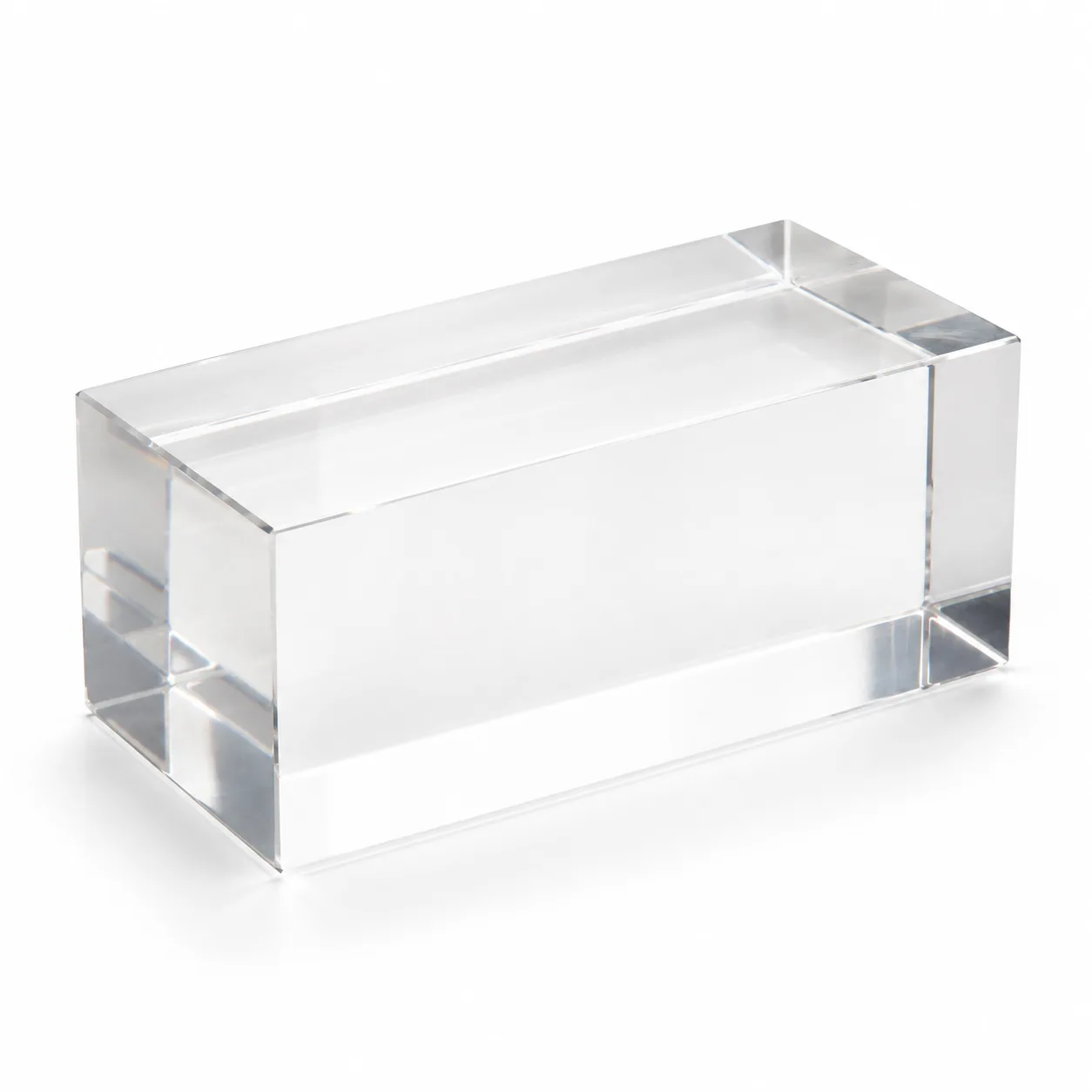
High rigidity and transparency but limited elongation and impact resistance. More suitable for visual models, transparent covers, and rigid parts without significant impact loading.

Approx. 36–45 MPa

Tensile Strength

Approx. 70–80 MPa

Flexural Strength

Approx. 3,000–3,200 MPa

Tensile Modulus

Approx. 1–2%

Elongation at Break

Approx. 1.04–1.05 g/cm³

Density

PS vs. ABS for CNC Machining

Polystyrene and ABS are both economical thermoplastics, but they perform differently during machining and in service. Standard PS offers greater rigidity and can be transparent, while HIPS improves impact resistance. ABS provides a better overall balance of toughness, strength, and machinability for functional parts.

ComparisonGPPSHIPSABS
Typical Tensile Strength36–45 MPa24–30 MPa30–41 MPa
Typical Tensile Modulus3,000–3,200 MPa1,600–2,200 MPa2,000–2,300 MPa
Typical Elongation at Break1–2%45–64%Approx. 30–32%
Impact ResistanceLowModerateHigher
AppearanceClear grades availableUsually opaqueUsually opaque
Machining BehaviorRigid but more likely to chip or crackTougher than GPPS but sensitive to heat and burr formationGenerally easier to machine into durable functional parts
Relative Material CostUsually lowestLowUsually higher than PS
Typical SelectionClear models, display parts, covers, and rigid non-impact componentsHousings, fixtures, prototypes, and light-impact componentsFunctional housings, brackets, panels, and components requiring greater toughness

Choose PS or ABS

Choose PS When

Choose GPPS when transparency, rigidity, appearance, and low material cost are more important than impact strength. Choose HIPS when the part needs better toughness but does not require the mechanical performance of ABS.

Choose ABS When

Choose ABS when the part will experience repeated handling, fastening, vibration, or impact. Its balance of strength and toughness makes it more suitable for functional prototypes, equipment housings, brackets, and repeat-production components.

Machining Considerations

GPPS requires careful tool entry, edge support, and handling because thin sections and sharp corners can chip. HIPS and ABS are less brittle, but cutting heat can still produce soft burrs or affect dimensions. Material selection should therefore consider the operating load, wall thickness, appearance, temperature, chemical exposure, and required tolerance—not price alone.

Inside Our Polystyrene CNC Machining Factory

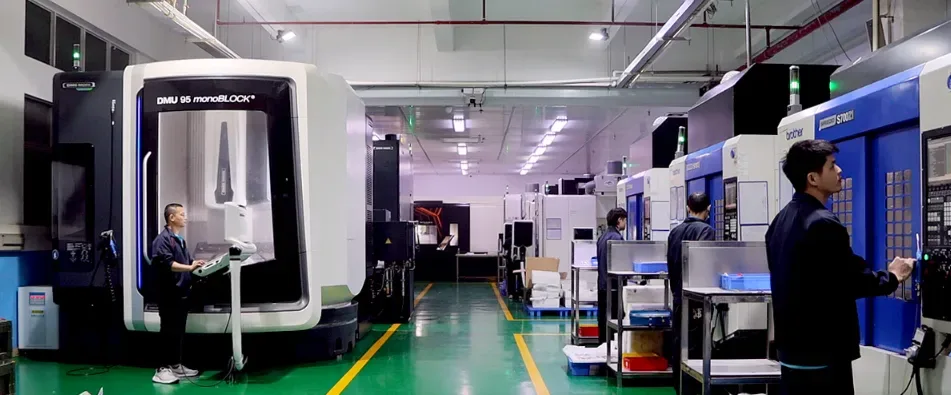
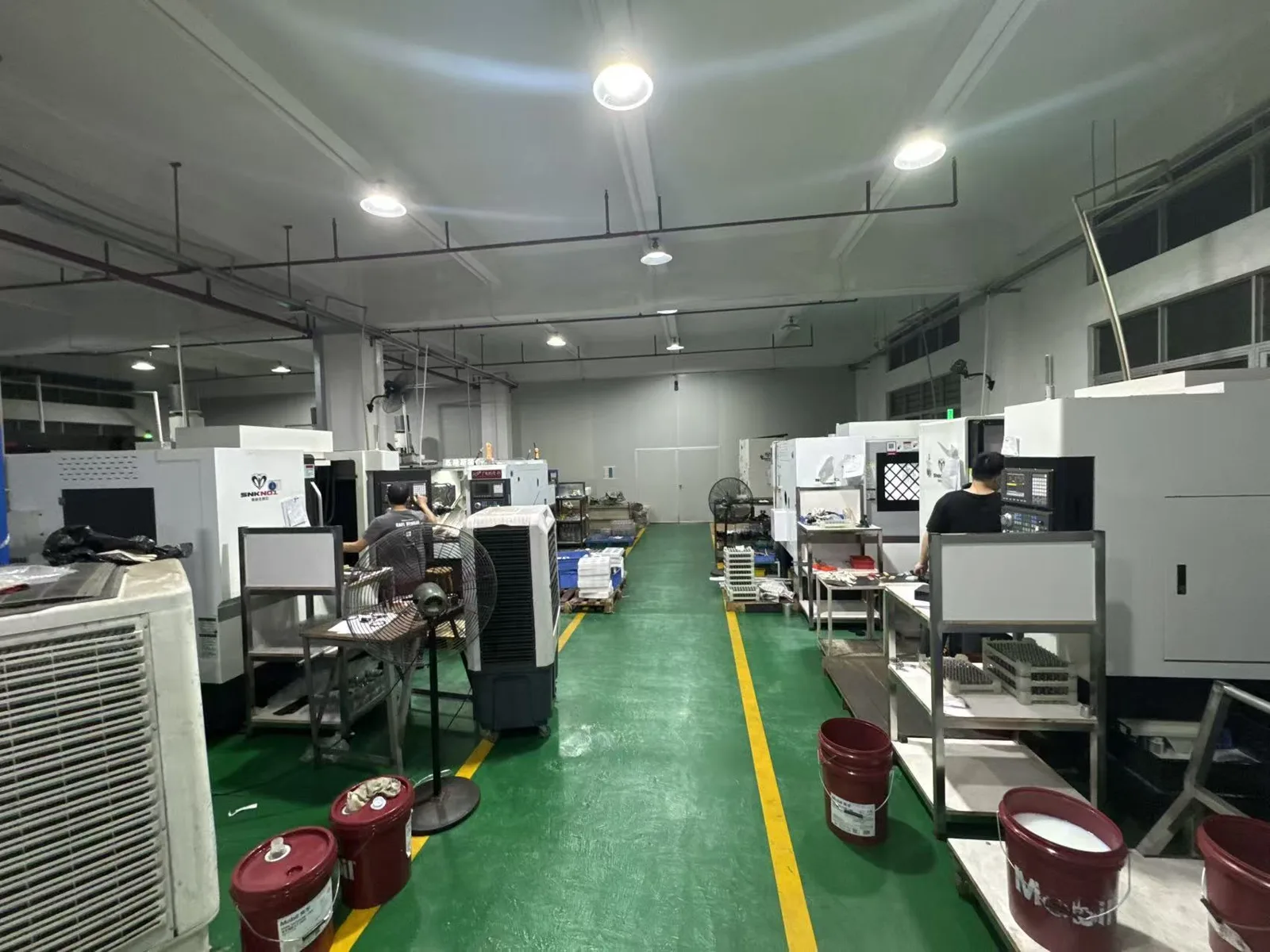
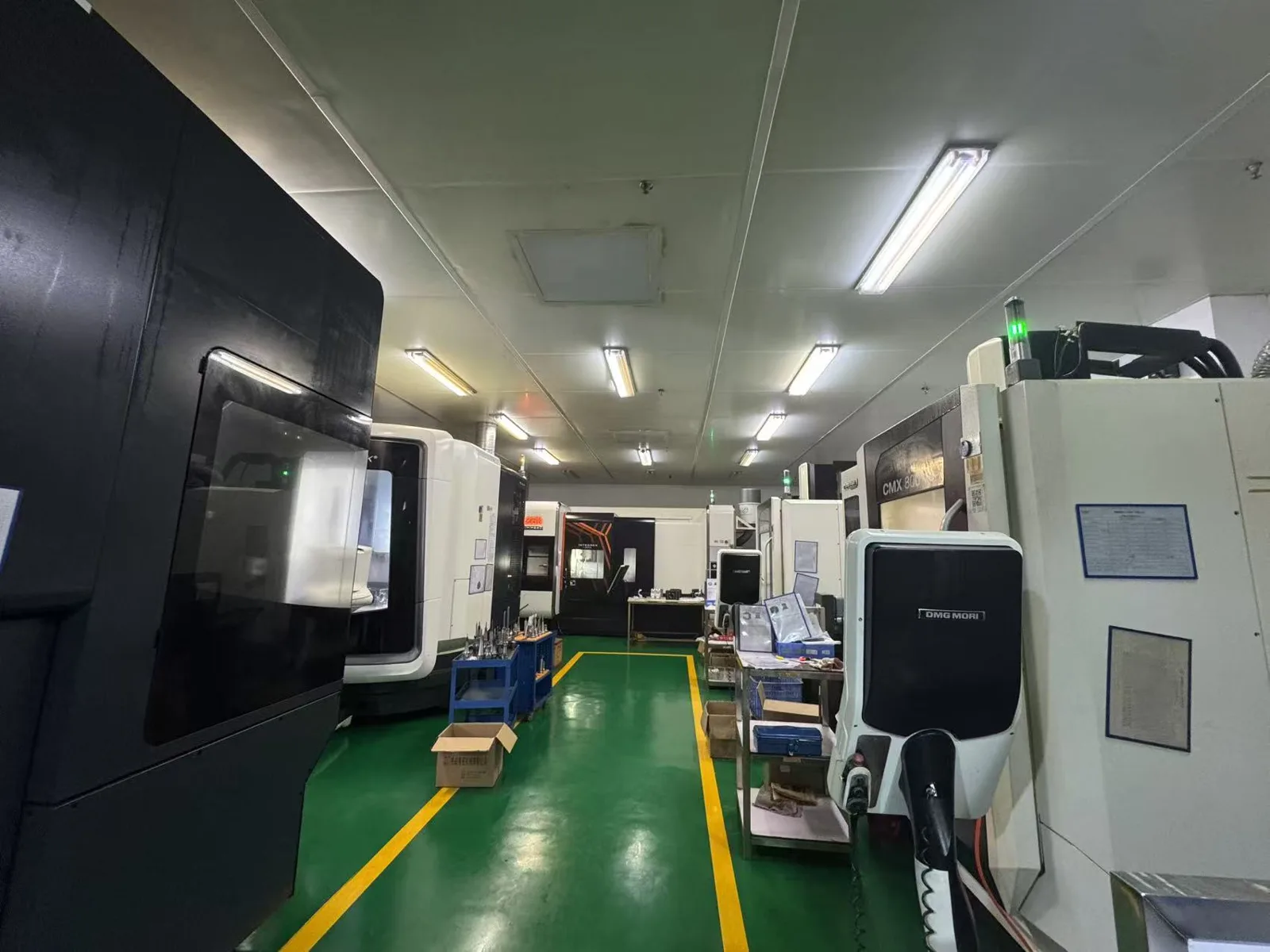
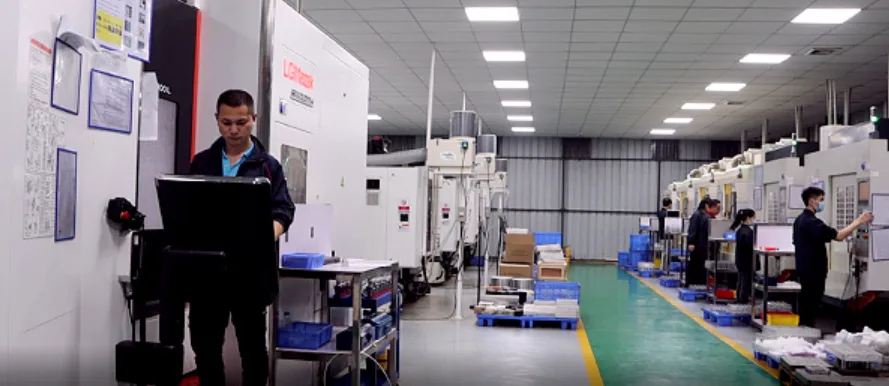
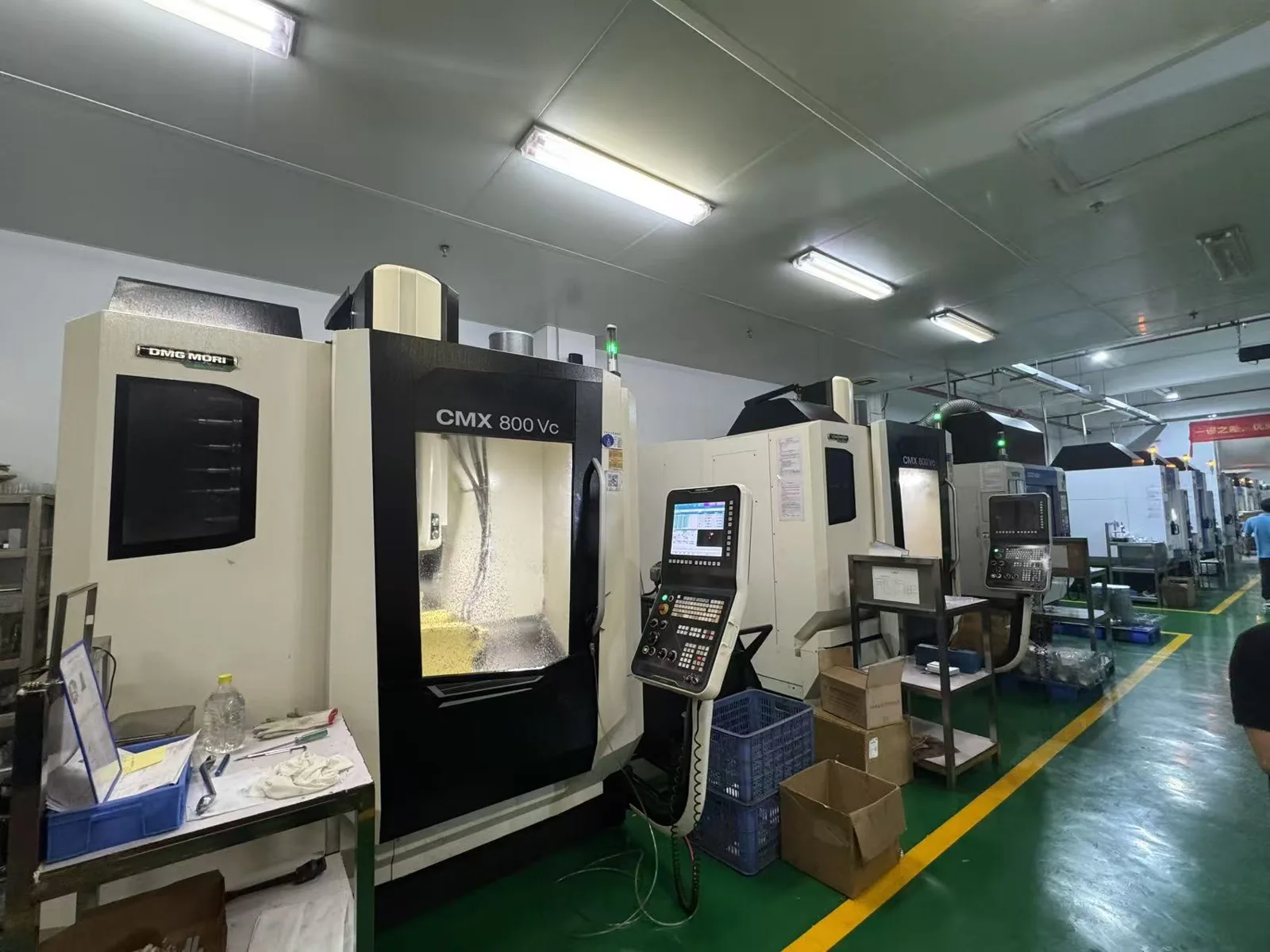
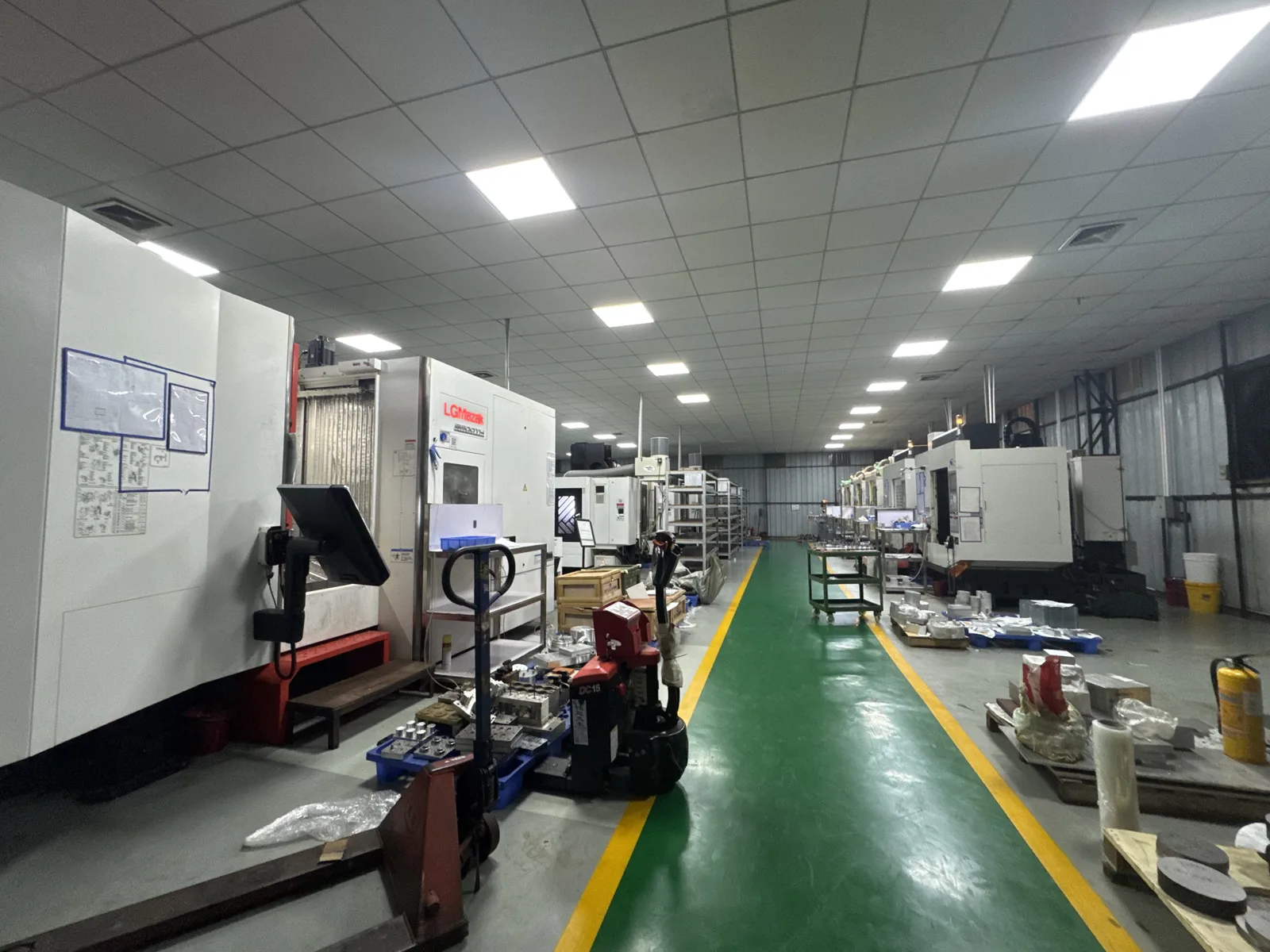
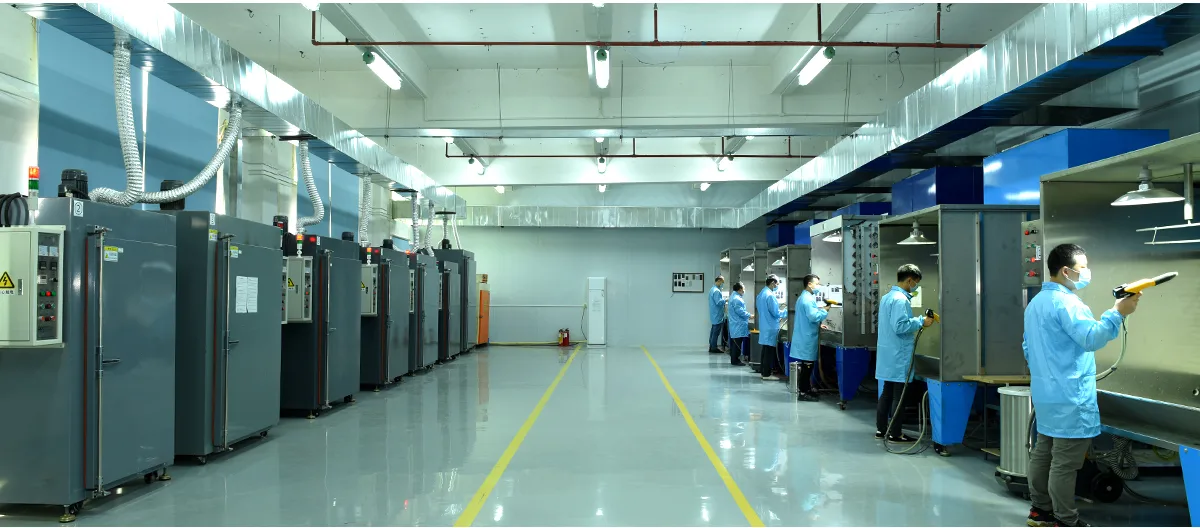
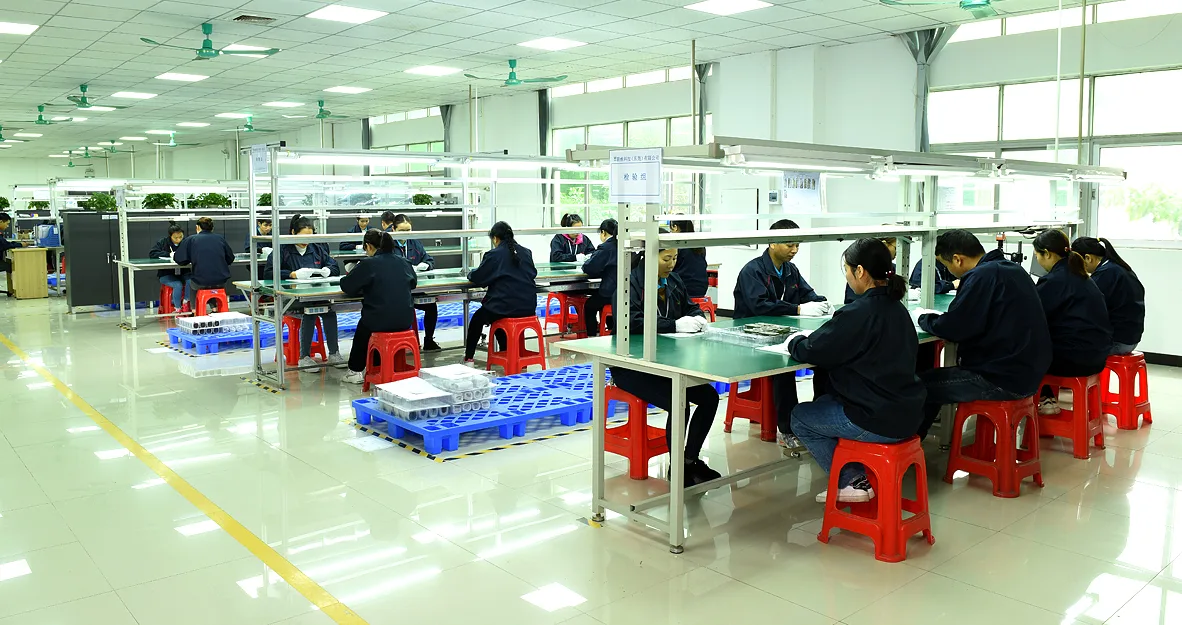
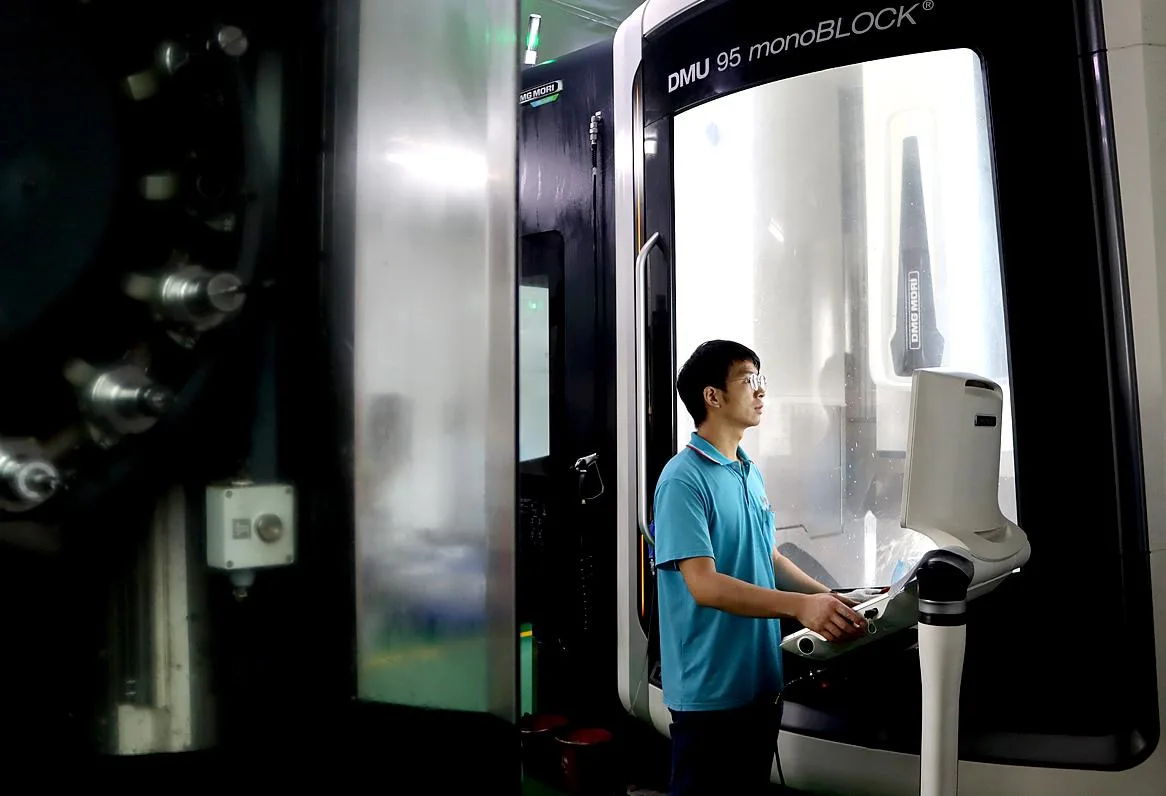
These photos show BatchMach Precision’s production floor, CNC equipment, and inspection area. Take a closer look at the in-house manufacturing environment supporting polystyrene prototypes, low-volume orders, and repeat production.

5-Axis Machining Centers

5-Axis Machining Centers

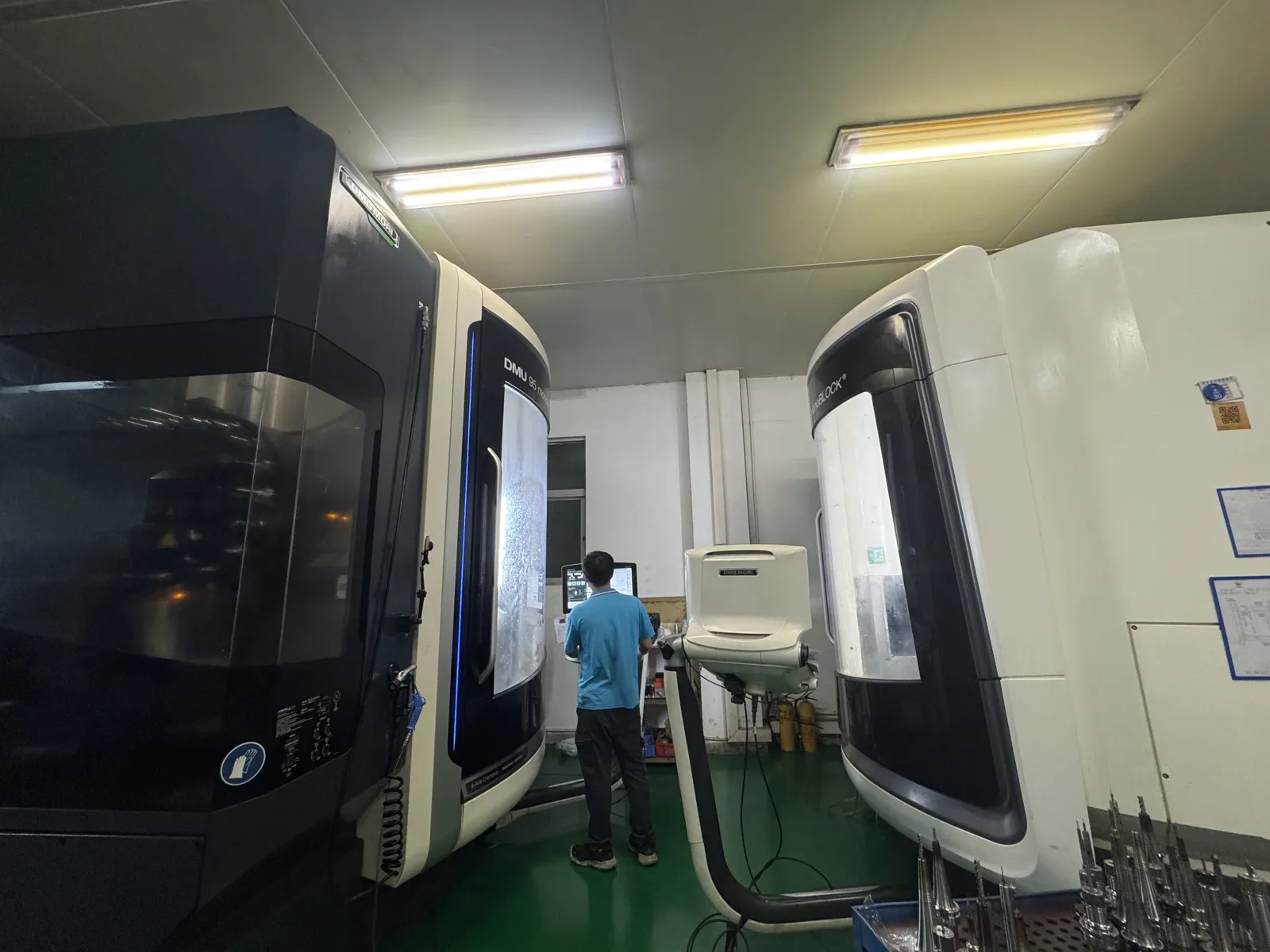
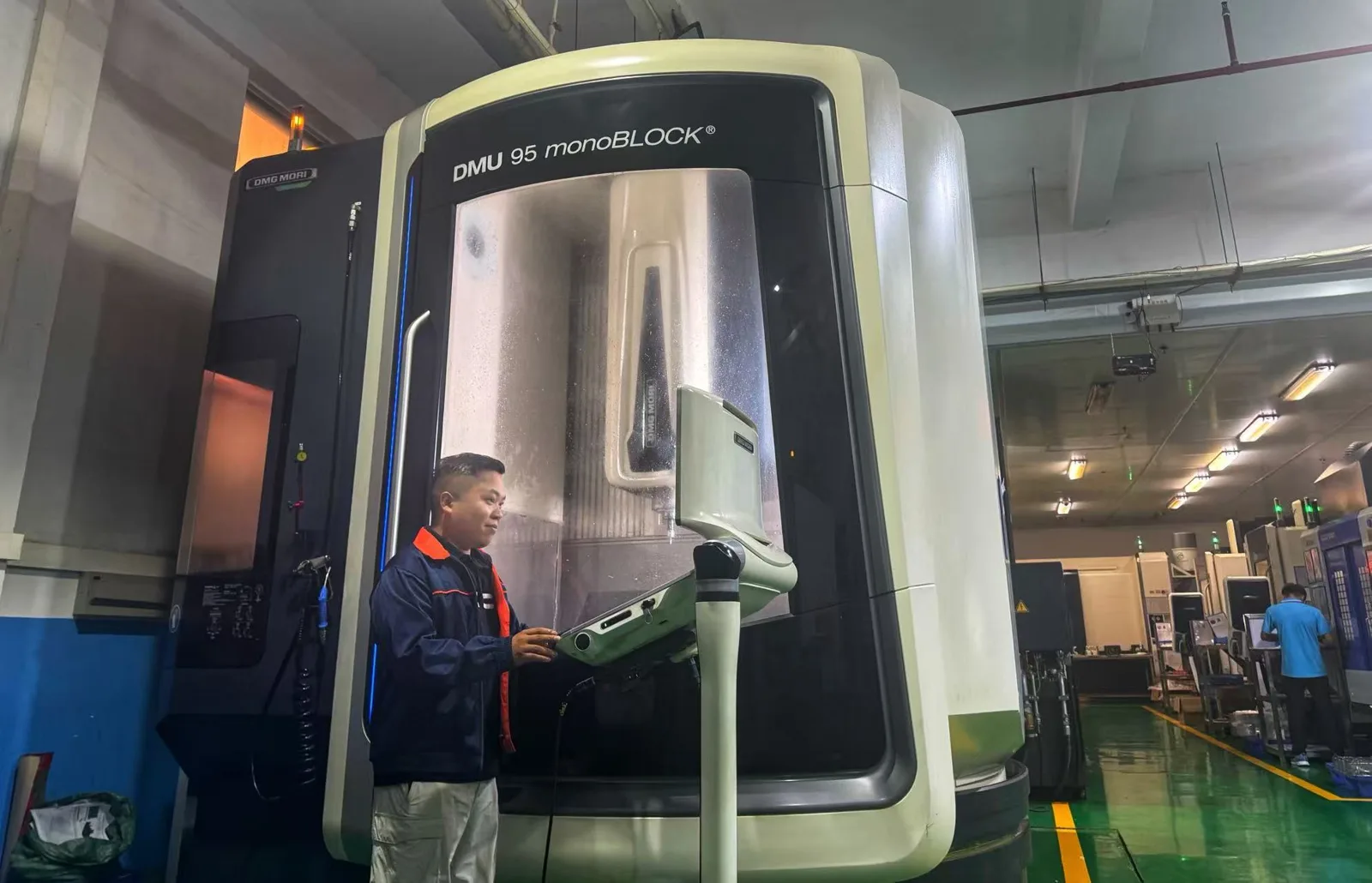
DMU 95 CNC Machining

DMU 95 CNC Machining

DMG MORI Workshop

DMG MORI Workshop

CNC Machining Workshop

CNC Machining Workshop

CNC Production Line

CNC Production Line

CNC Production Workshop

CNC Production Workshop

Large-Part CNC Workshop

Large-Part CNC Workshop

Large-Part Machining

Large-Part Machining

Powder Coating Workshop

Powder Coating Workshop

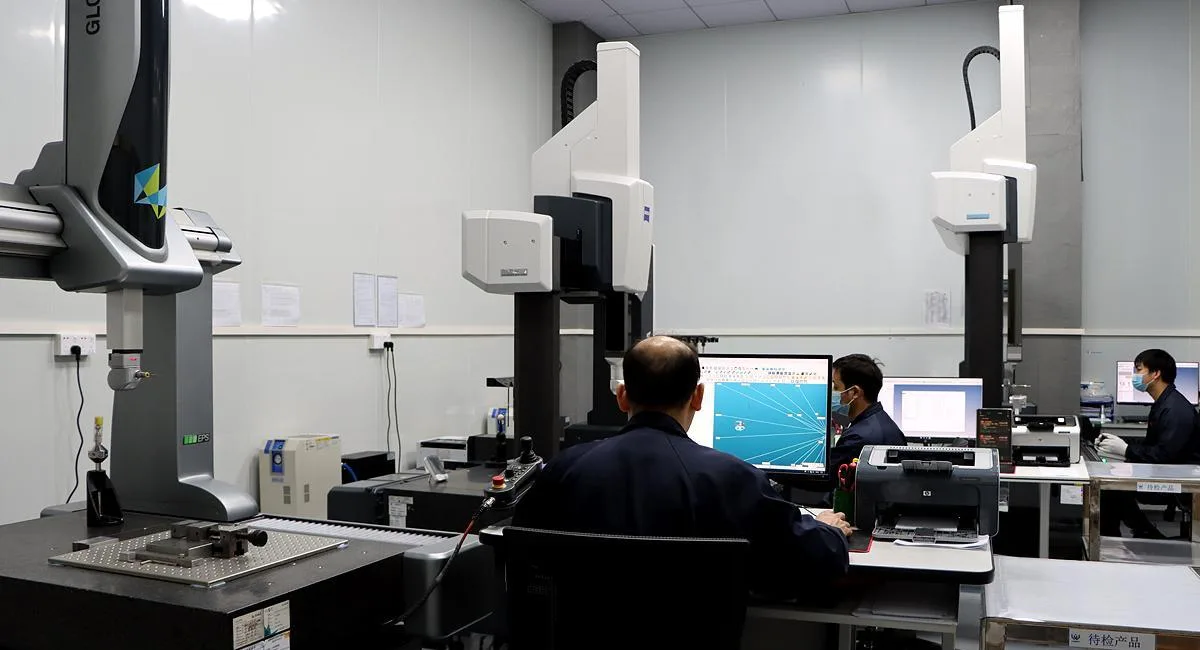
Quality Inspection for PS CNC Machining

Polystyrene parts can develop chipped edges, cracks, burrs, or dimensional changes due to cutting heat, clamping pressure, and thin-wall geometry. BatchMach Precision plans inspection according to the PS grade, part structure, and drawing requirements.

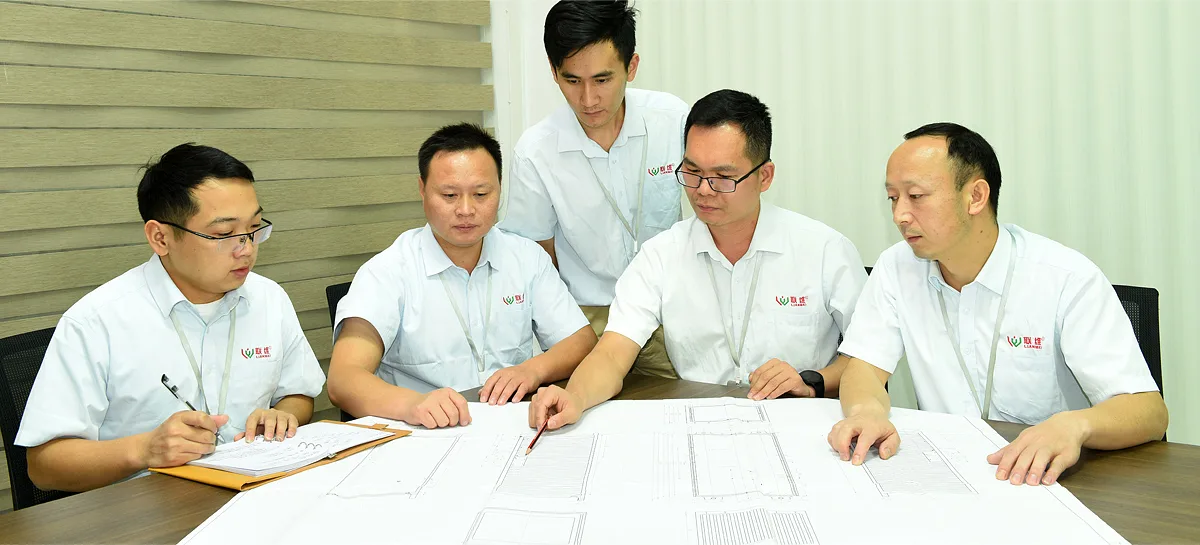
Material and Drawing Verification

Before production, we confirm whether the specified material is general-purpose polystyrene (GPPS) or high-impact polystyrene (HIPS). We also verify the color, stock form, critical dimensions, datums, cosmetic surfaces, and finishing requirements. GPPS and HIPS differ in clarity, toughness, and machining behavior and should not be treated as interchangeable.

Critical Dimension Inspection

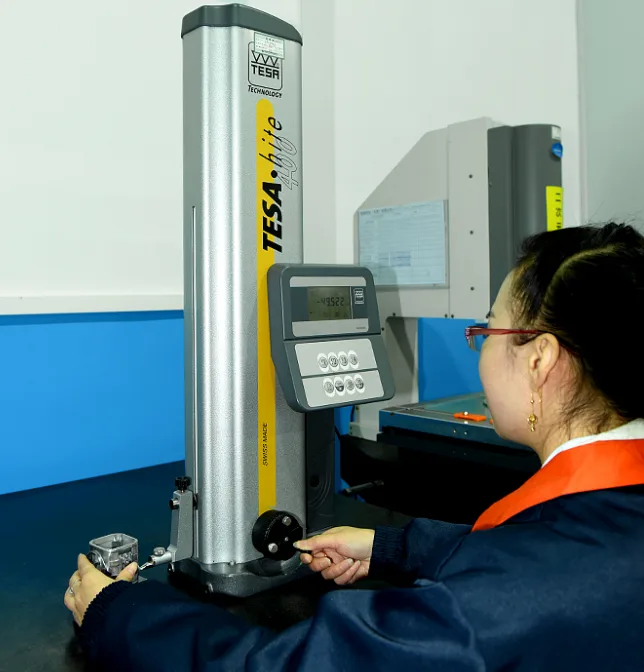
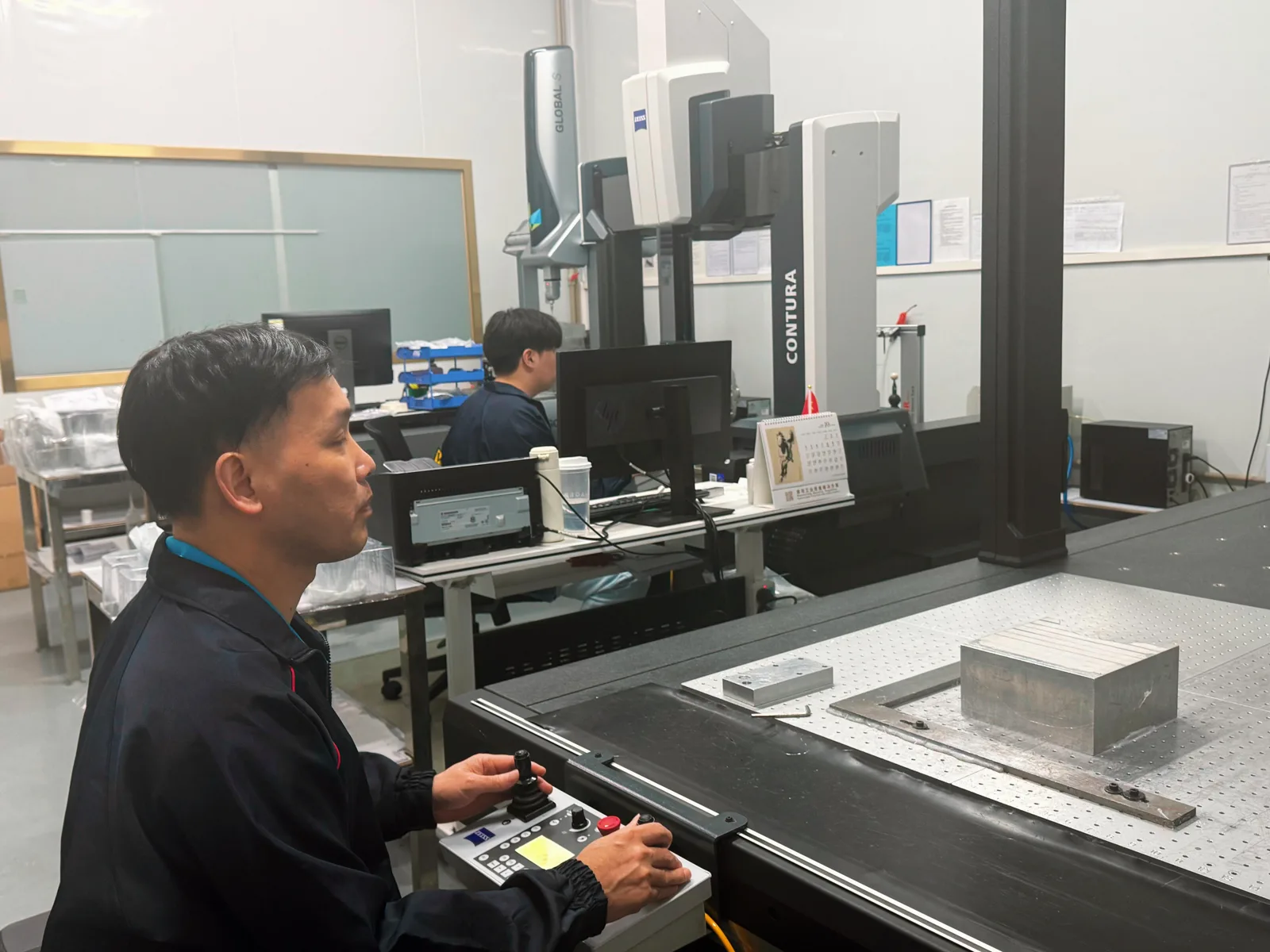
ZEISS CONTURA and Hexagon CMMs, vision measurement systems, TESA height gauges, and Mitutoyo precision measuring tools are used to inspect bores, hole positions, wall thickness, flatness, parallelism, and mating dimensions. Thin-wall or distortion-sensitive parts can be rechecked after removal from the fixture and dimensional stabilization.

Surface and Edge Inspection

Before shipment, we inspect parts for tool marks, burrs, chipped edges, cracks, stress whitening, scratches, and heat-related distortion. Hole entrances, grooves, threads, and small features are checked for damage and completeness. Specified viewing areas on clear GPPS parts are also inspected before final release.

Quality Inspection for PS CNC Machining

Why Choose BatchMach Precision for Polystyrene CNC Machining

Experience with Different PS Grades

/01

Experience with Different PS Grades

GPPS and HIPS respond differently to cutting, clamping, and part handling. BatchMach Precision reviews the specified grade, stock form, wall thickness, and functional requirements before planning the machining process, rather than treating every PS material as interchangeable.

Control of Brittle Edges and Cosmetic Surfaces

/02

Control of Brittle Edges and Cosmetic Surfaces

Thin walls, sharp corners, drilled holes, and tool-entry areas can chip or crack during PS machining. We select suitable cutting tools, entry paths, workholding, and machining sequences to protect delicate features. Transparent and appearance-critical surfaces are identified before production to reduce scratches and handling marks.

No MOQ and Factory-Direct Production

/03

No MOQ and Factory-Direct Production

We support one-off prototypes, design revisions, low-volume orders, and repeat production with no minimum order quantity. Factory-direct communication helps simplify technical confirmation and quotation, with simple projects available in as fast as one day after the drawing, material, and requirements are confirmed.

Ready to start your next machining project?

Get a Quote

Polystyrene CNC Machining FAQ

BatchMach Precision can achieve tolerances down to ±0.005 mm on CNC-machined polystyrene parts.

Yes. For clear GPPS parts, we identify light-transmitting and appearance-critical surfaces before production, then plan workholding locations, tool-entry directions, and part handling accordingly. Fine tool marks may remain after CNC machining. If greater transparency or gloss is required, the drawing should identify the surfaces to be polished and define the expected appearance.

We use sharp tools and stable cutting parameters to prevent excessive frictional heat. During drilling and profile machining, exit areas, thin walls, and brittle edges are supported where necessary, while tool entry and exit are carefully controlled. Deep holes and pockets may require staged machining and frequent chip removal to reduce localized heat and cracking risks.

Yes. BatchMach Precision has no minimum order quantity and supports one-off prototypes, design revisions, low-volume batches, and repeat production of polystyrene parts. Simple orders can be delivered in as fast as one day after the drawing, material, quantity, and technical requirements are confirmed.

Explore More CNC Machining Materials

Beyond polystyrene (PS), BatchMach Precision offers CNC machining for nylon, POM (Delrin), PEEK, acrylic (PMMA), polycarbonate (PC), and polyethylene (PE). Explore our other plastic machining services to find a material suited to your part’s strength, wear resistance, operating temperature, and appearance requirements.

Free first-order sample for new customers

Send your drawings today — get a free process evaluation, quotation within 24 hours, and flexible quarterly settlement for long-term partners.

Upload Drawing & Get Quote