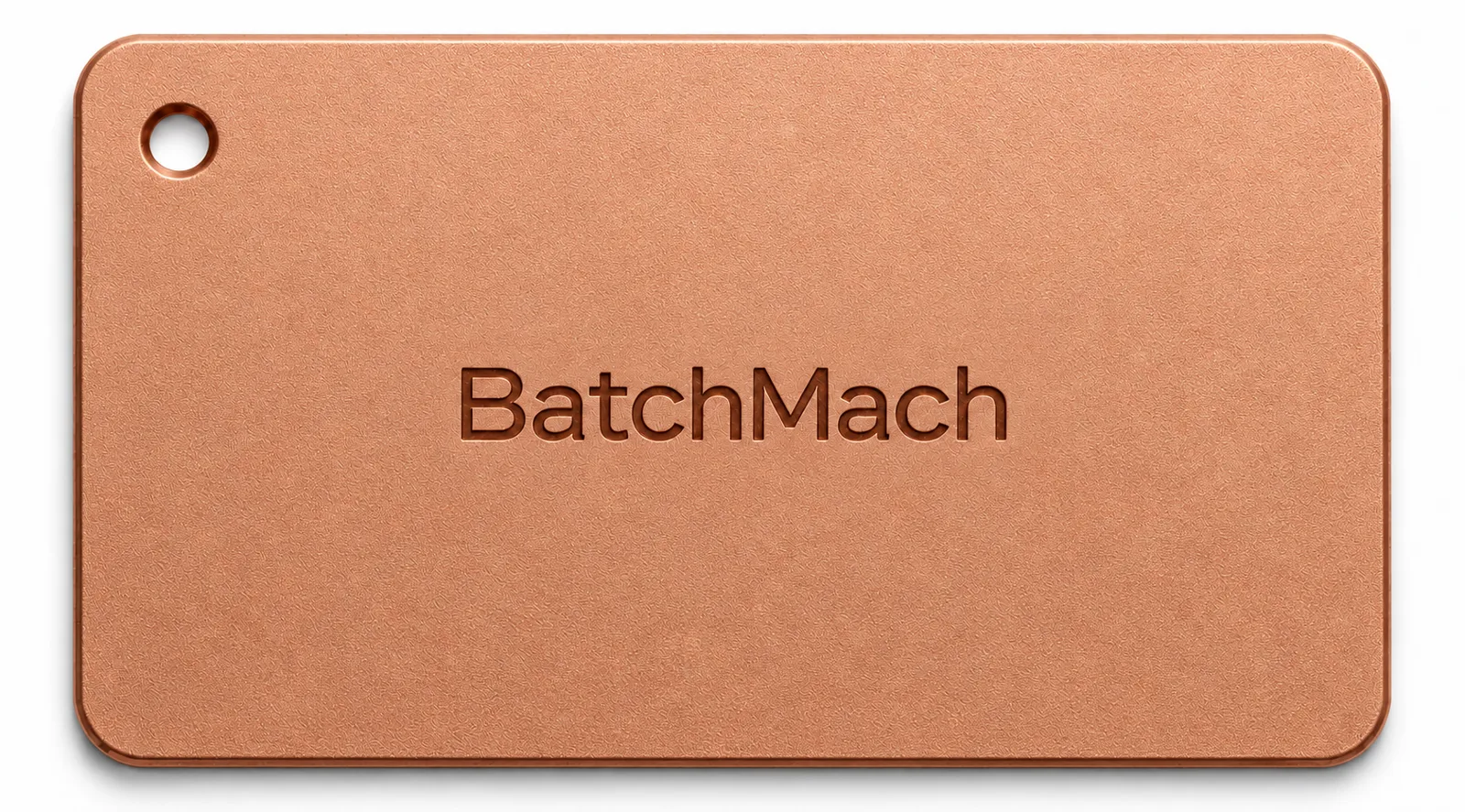
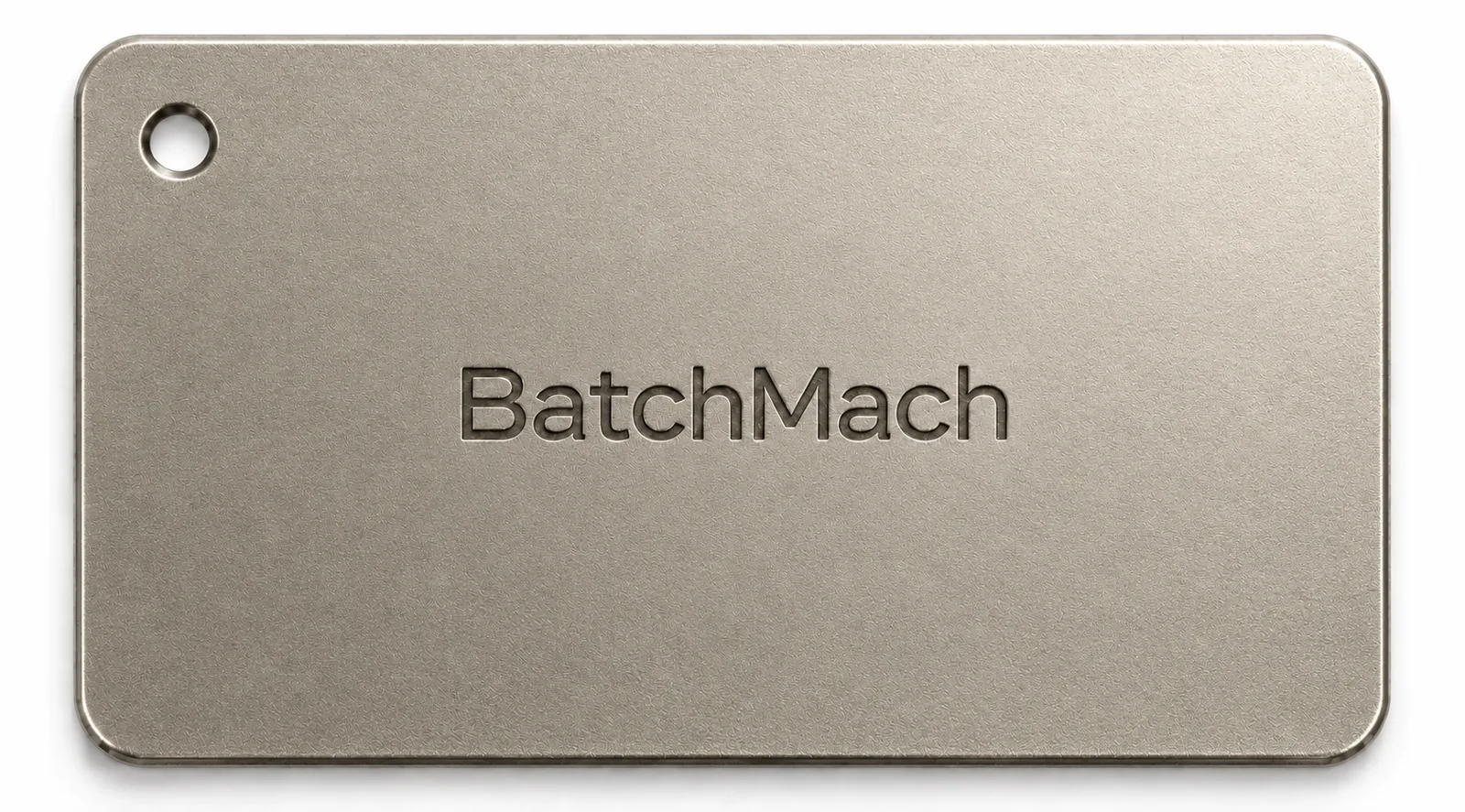
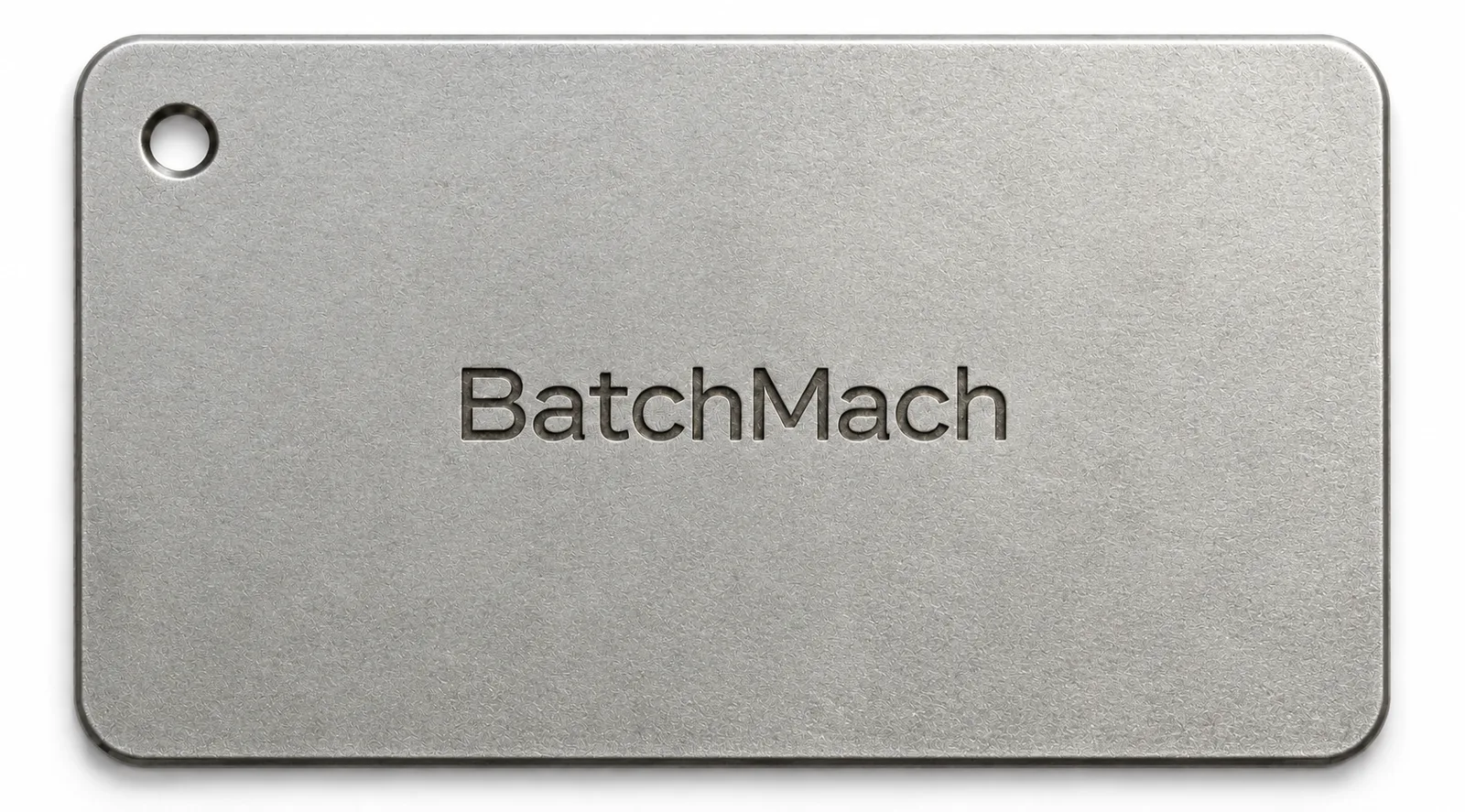
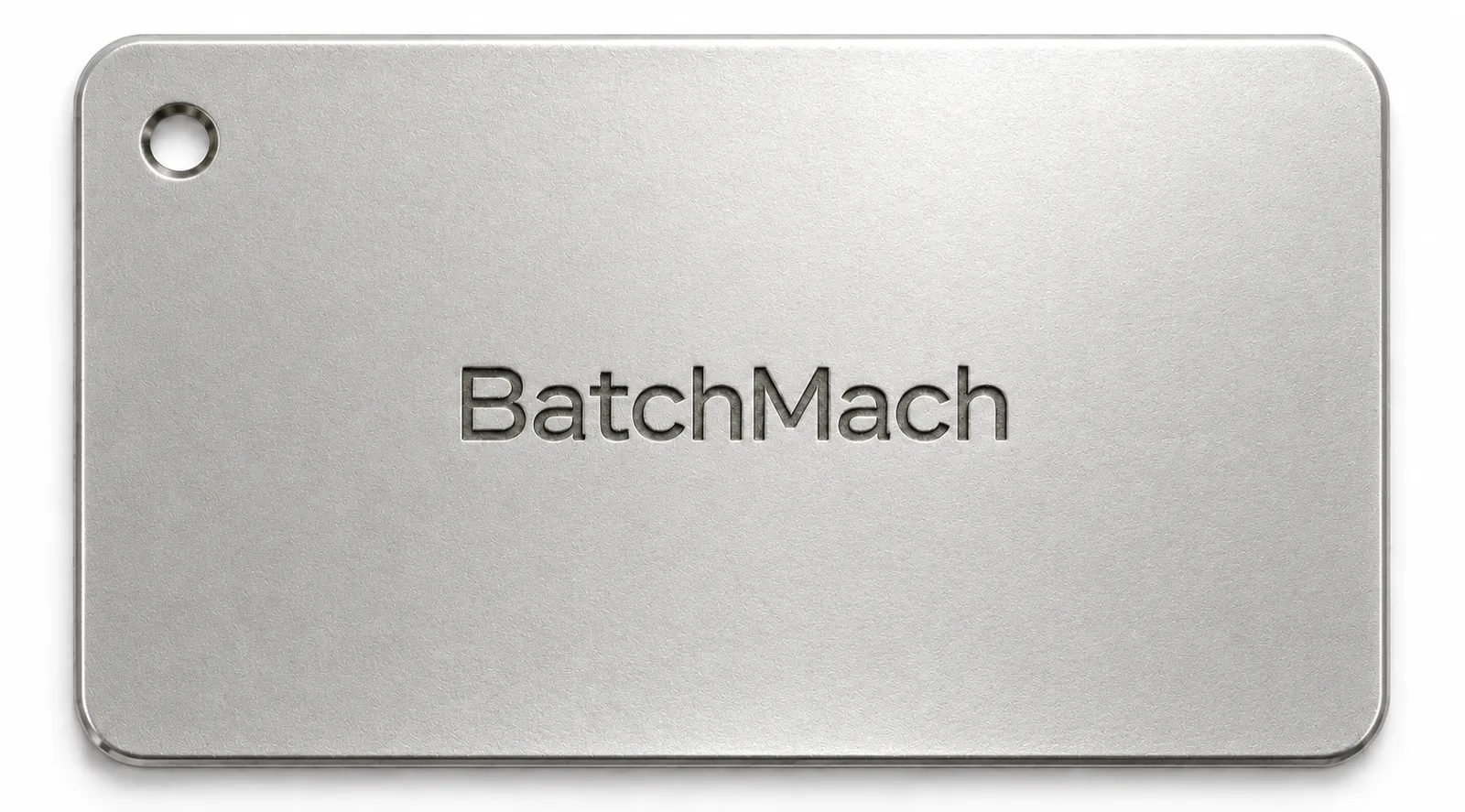
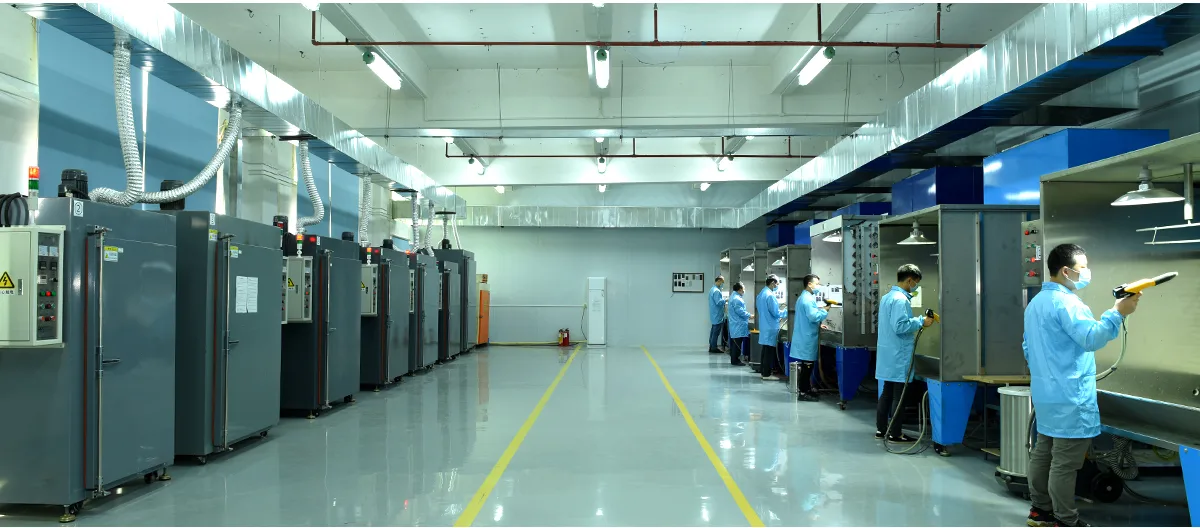
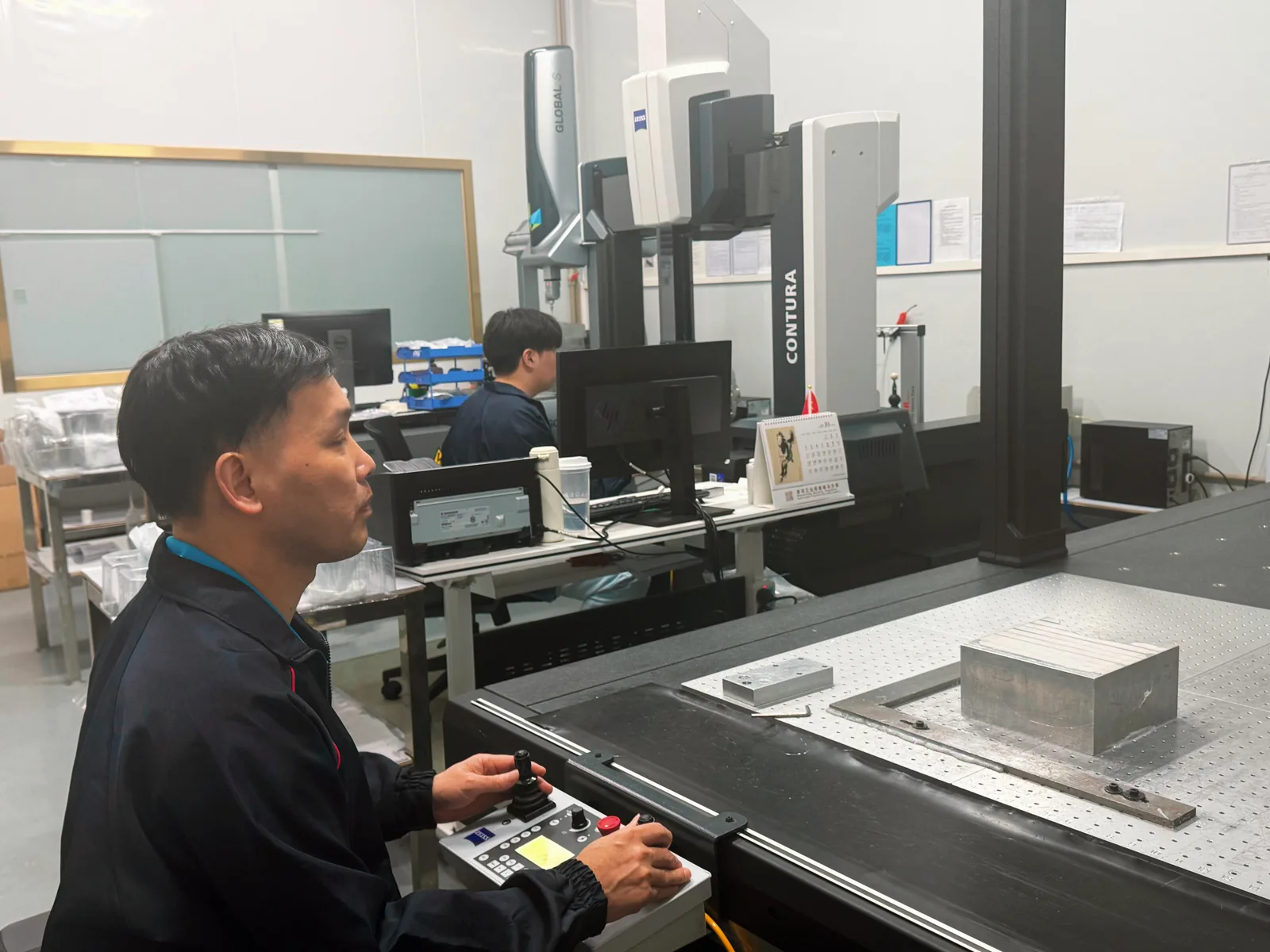
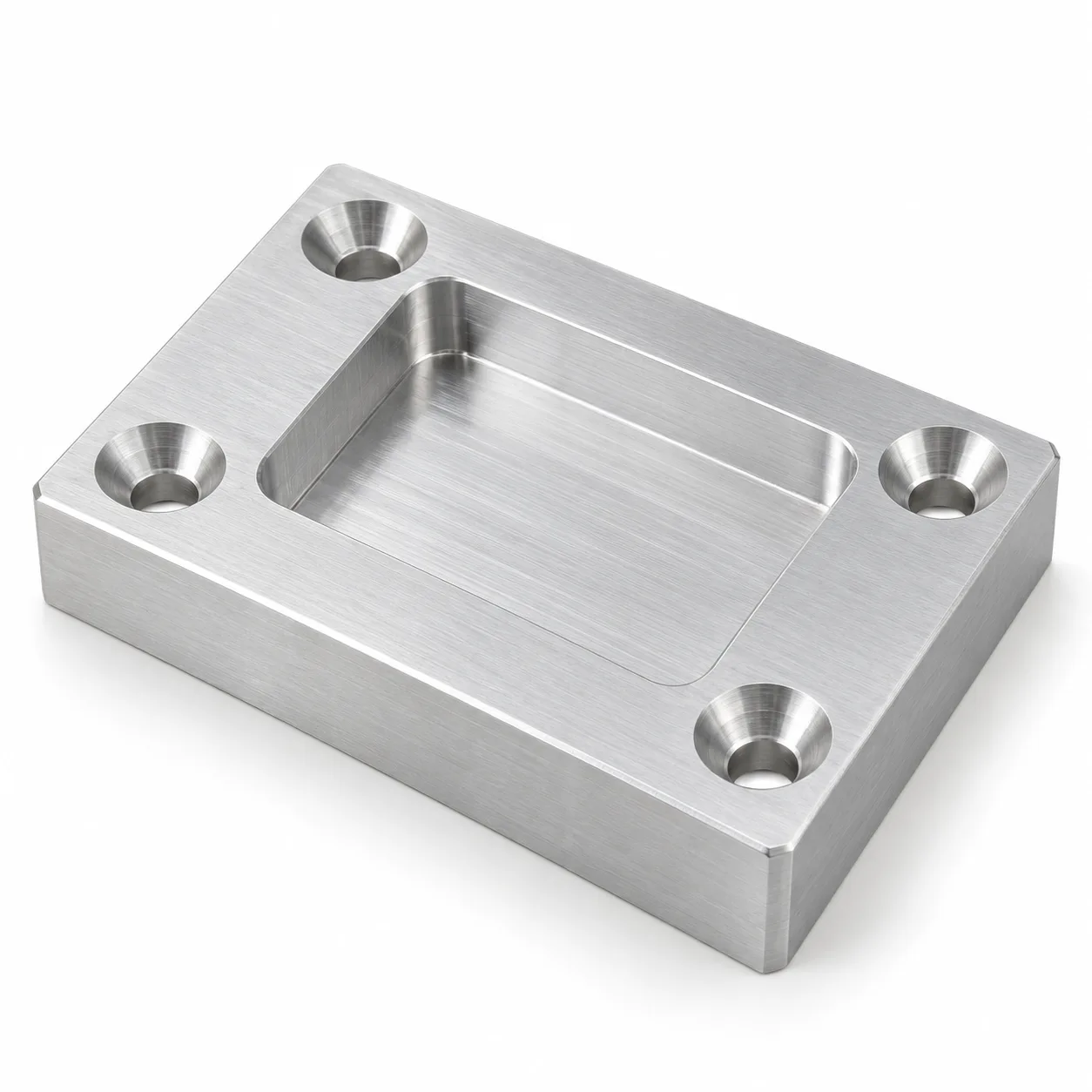
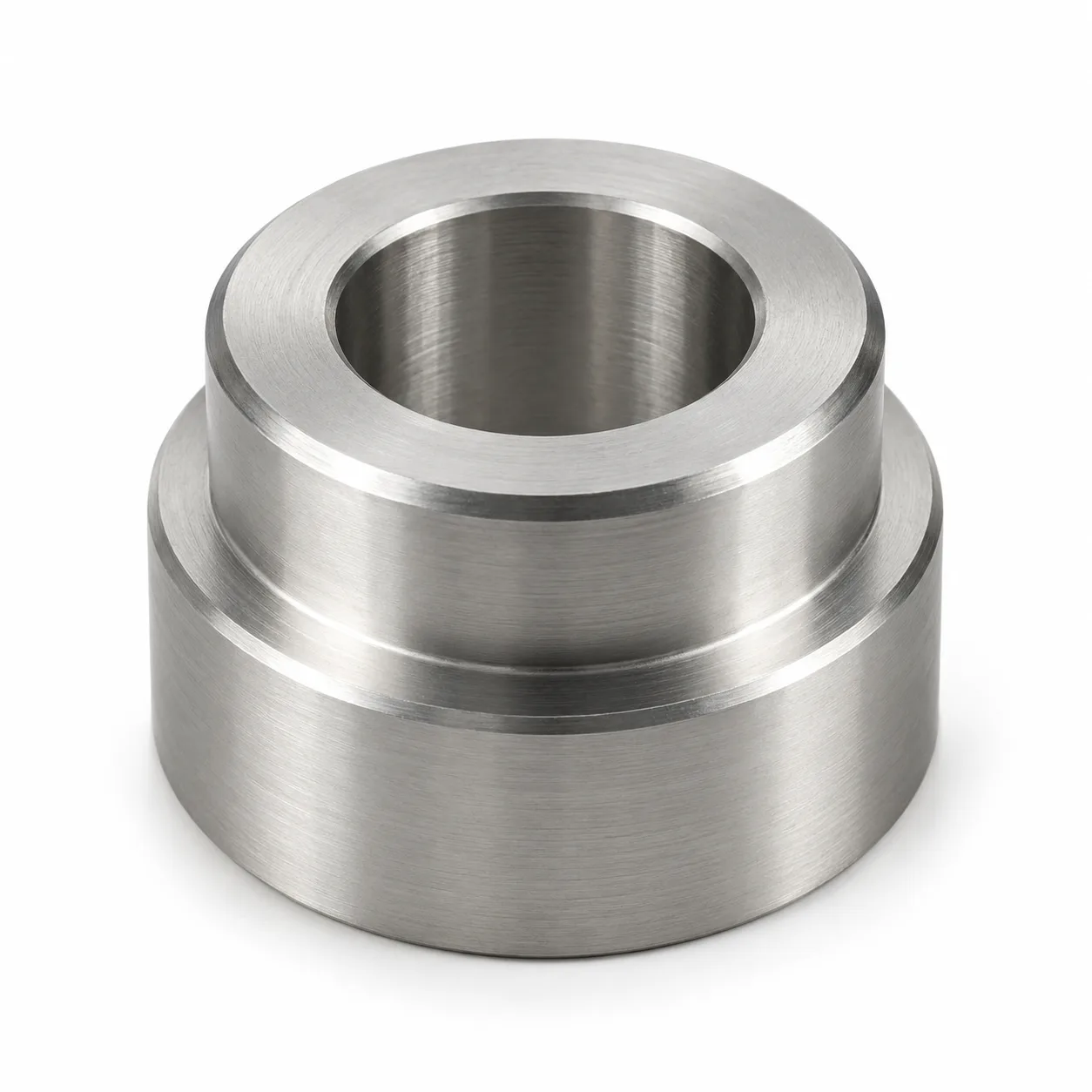
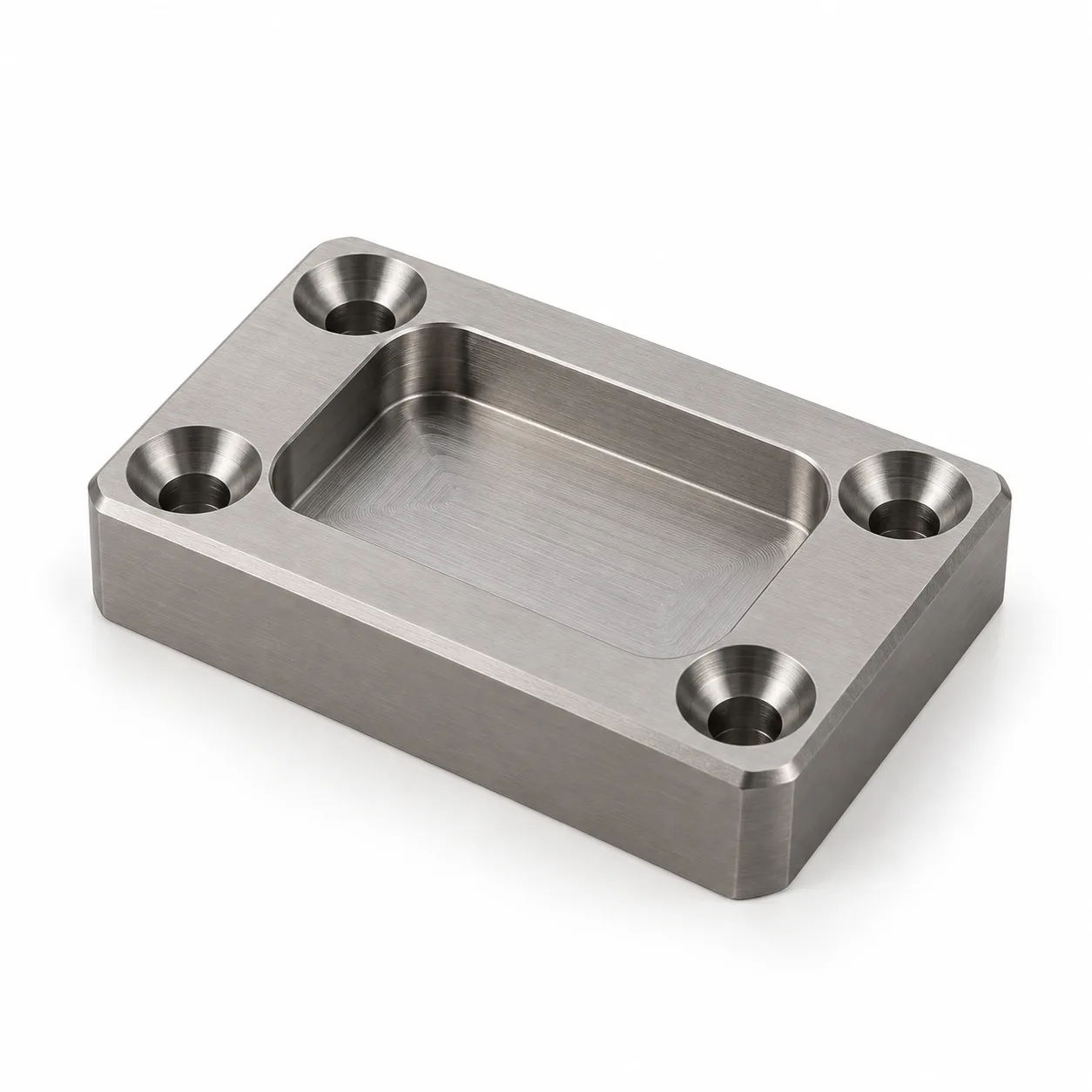
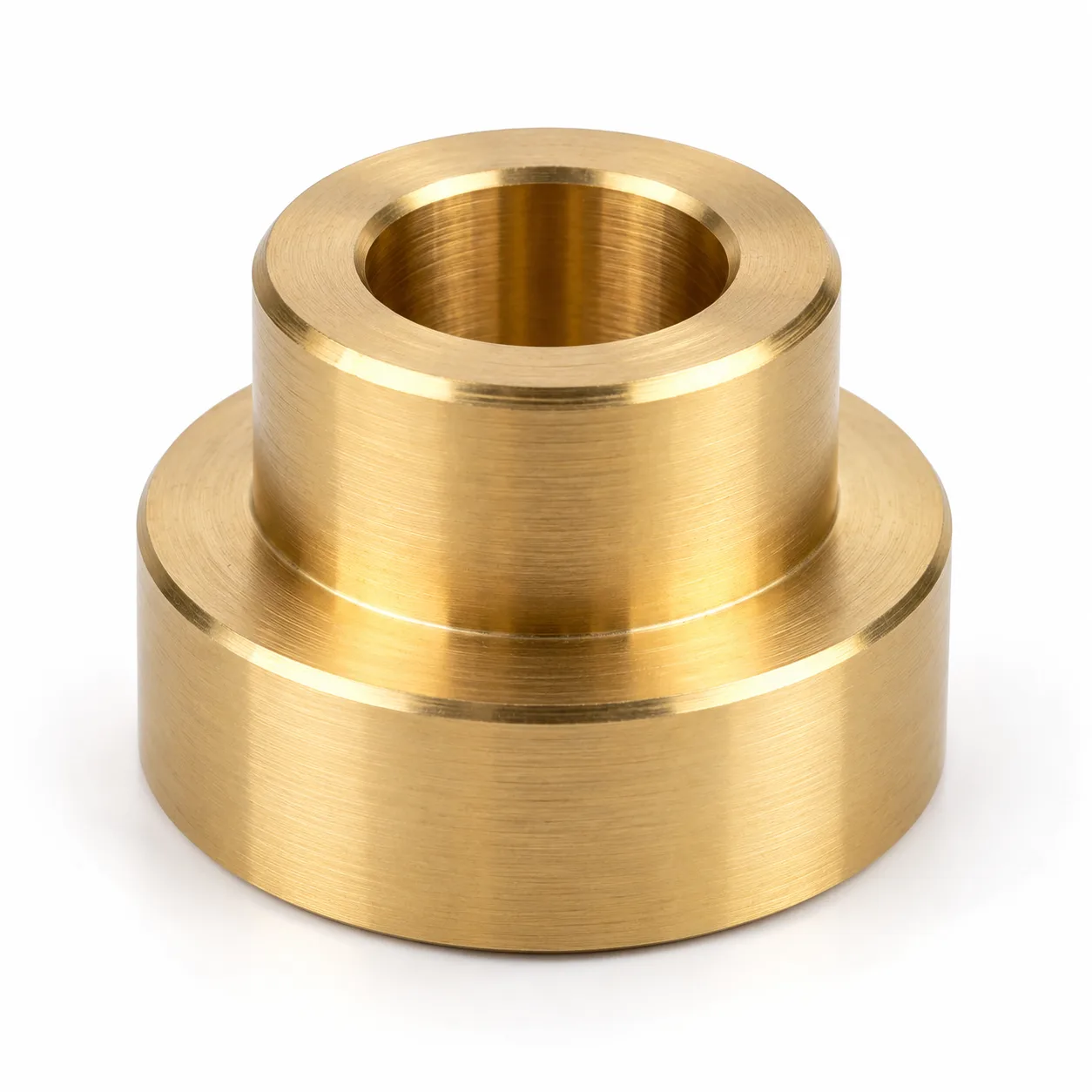
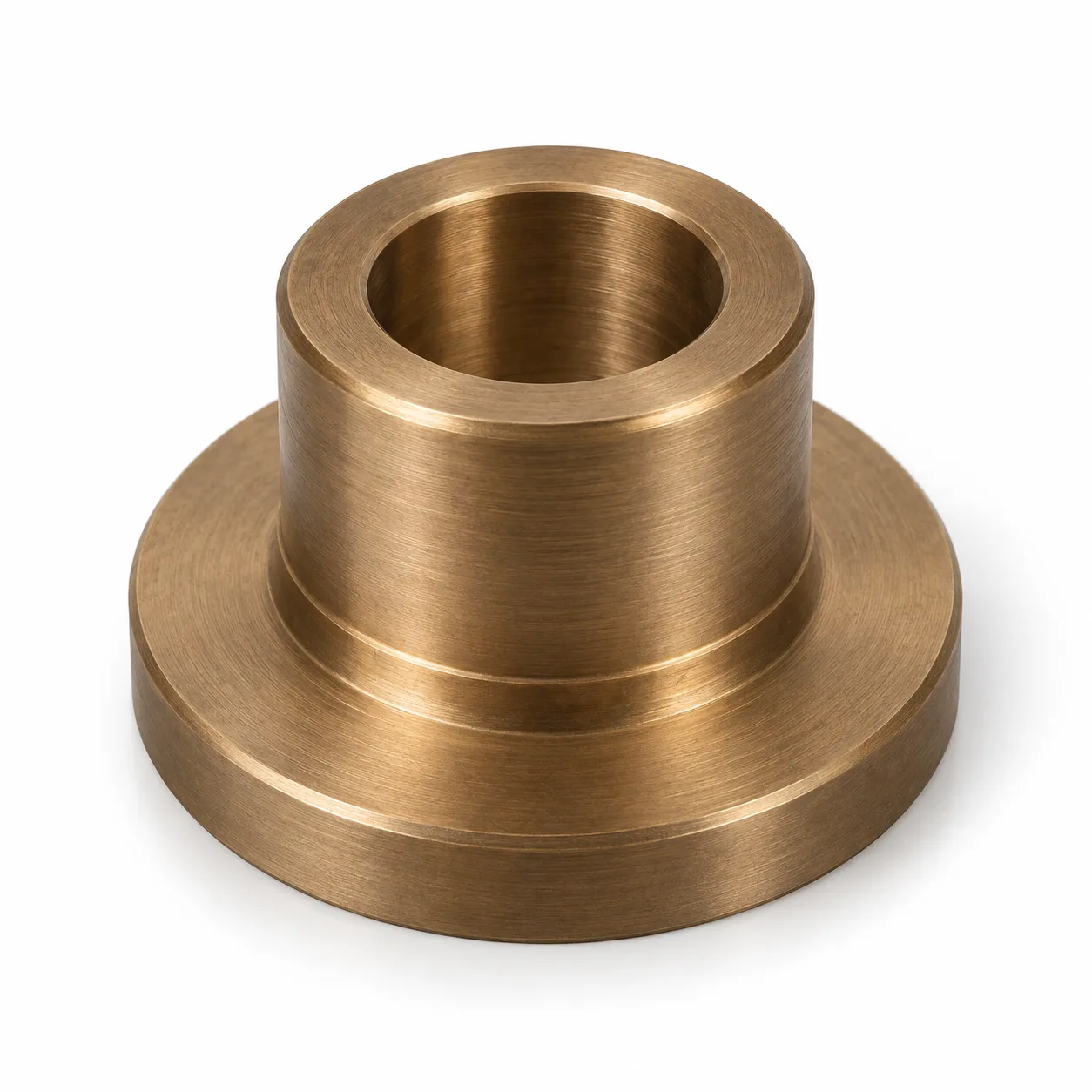
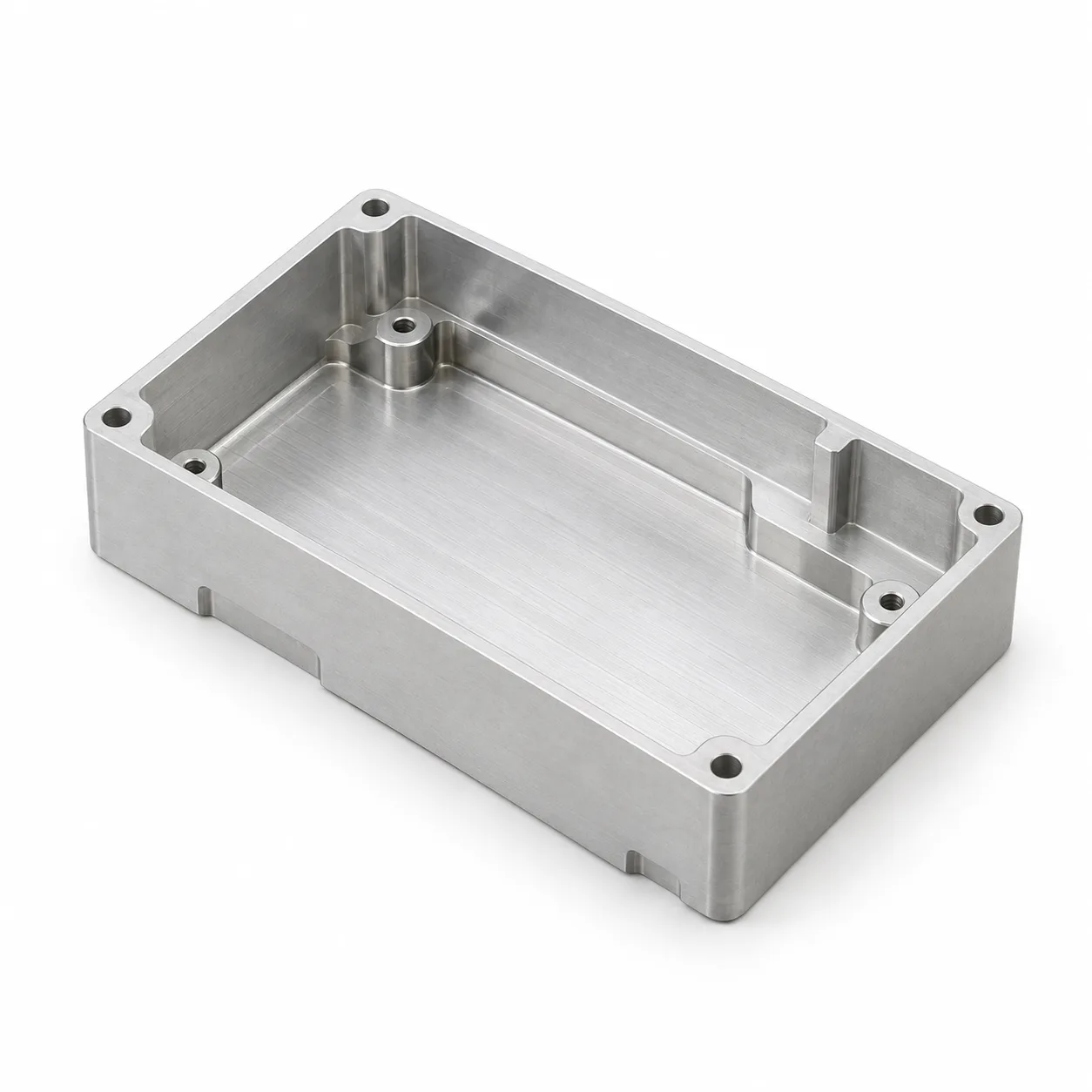
Surface finishing for machined copper parts is selected according to conductivity, corrosion resistance, solderability, wear, and appearance requirements. Common options include polishing, brushing, bead blasting, nickel plating, tin plating, silver plating, and gold plating. Critical contact surfaces, threads, and mating features can be masked when required to maintain dimensional fit and electrical performance after finishing.
As-Machined
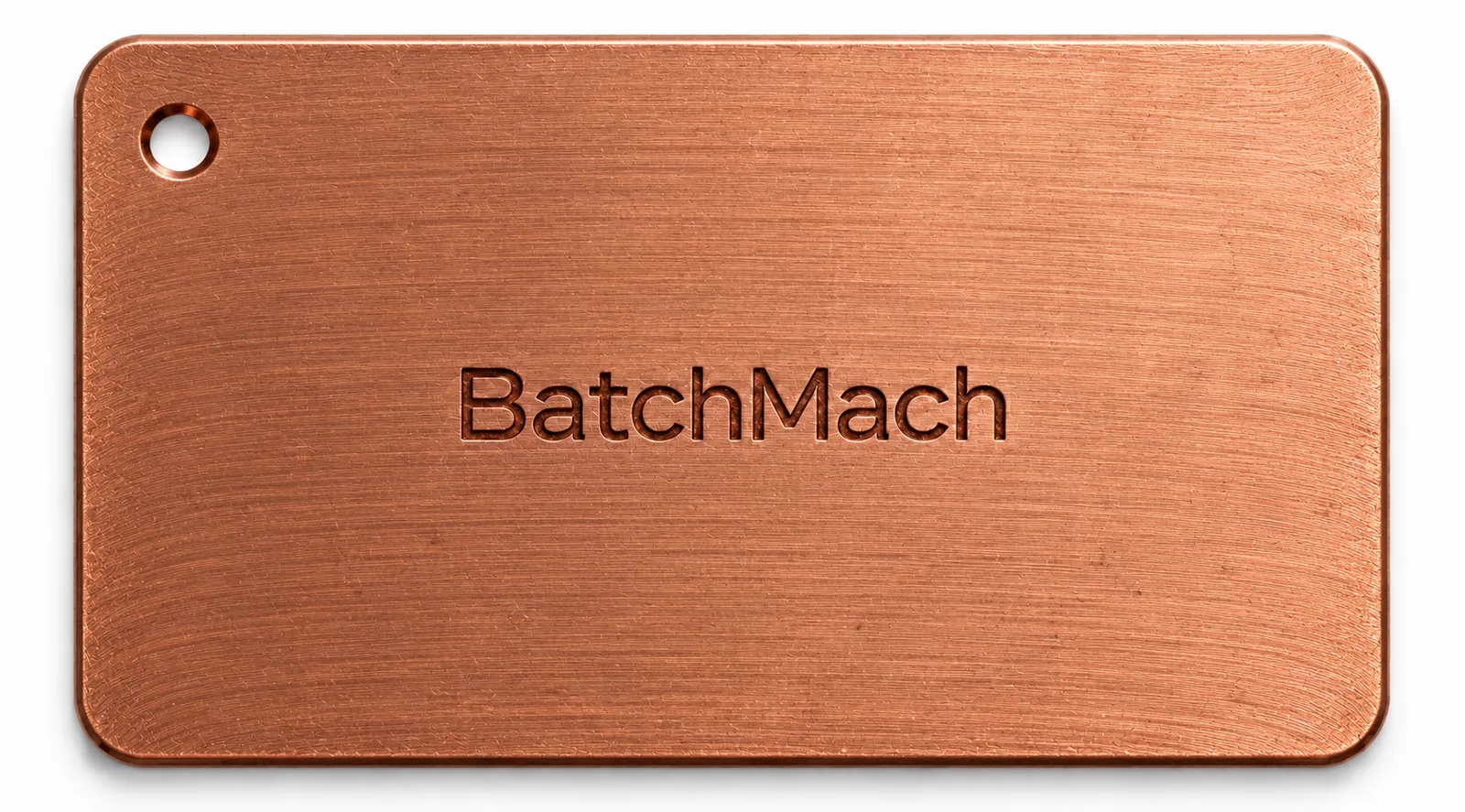
Suitable for copper parts that do not require additional cosmetic finishing. It preserves the material’s electrical and thermal performance while reducing secondary processing cost and lead time. Common for functional parts, heat-transfer components, and internal assemblies.
Polishing
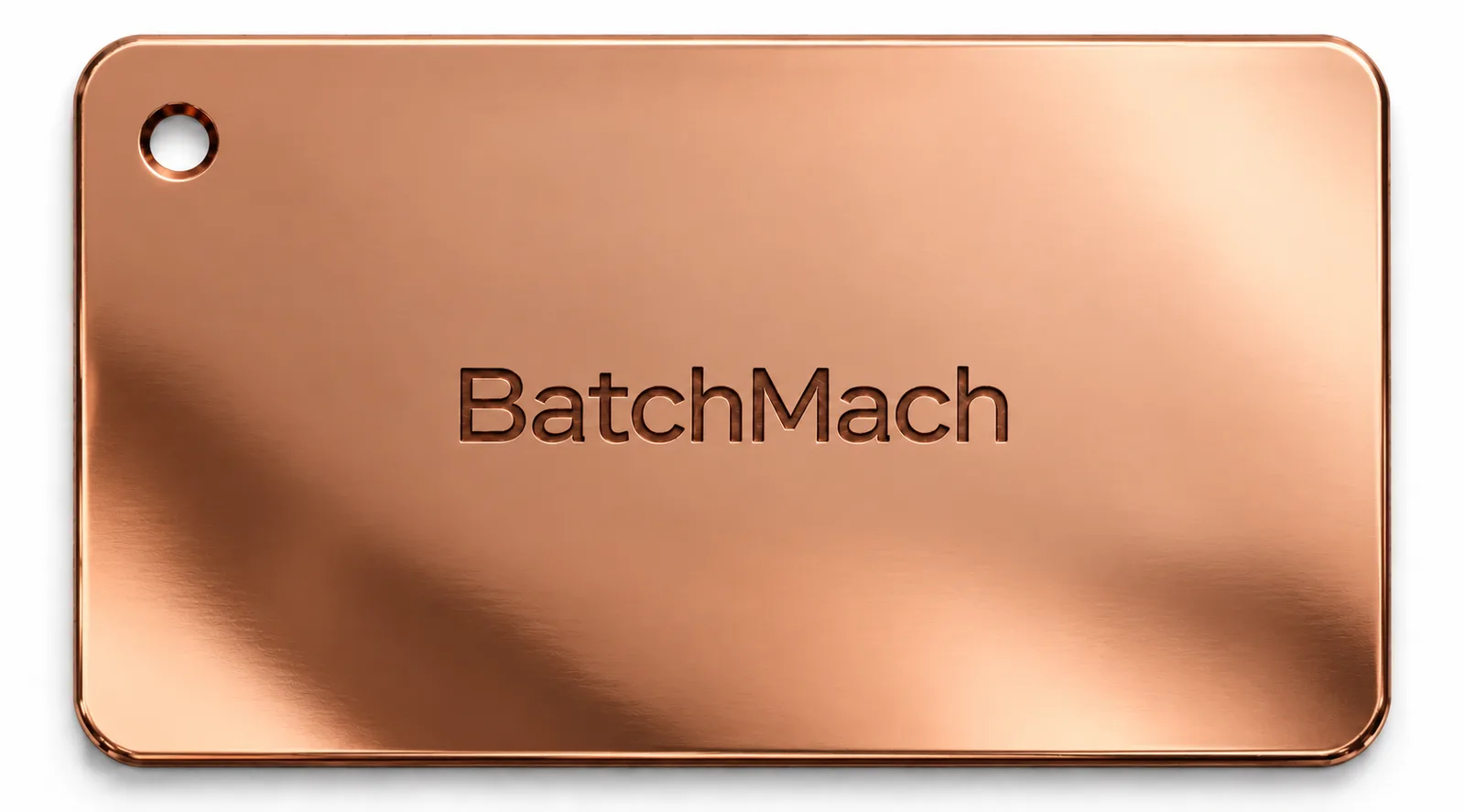
Improves surface smoothness and reduces visible machining marks. Suitable for cosmetic parts, sealing surfaces, and copper components with higher surface-finish requirements. Polishing allowance should be controlled on dimension-critical features.
Brushing
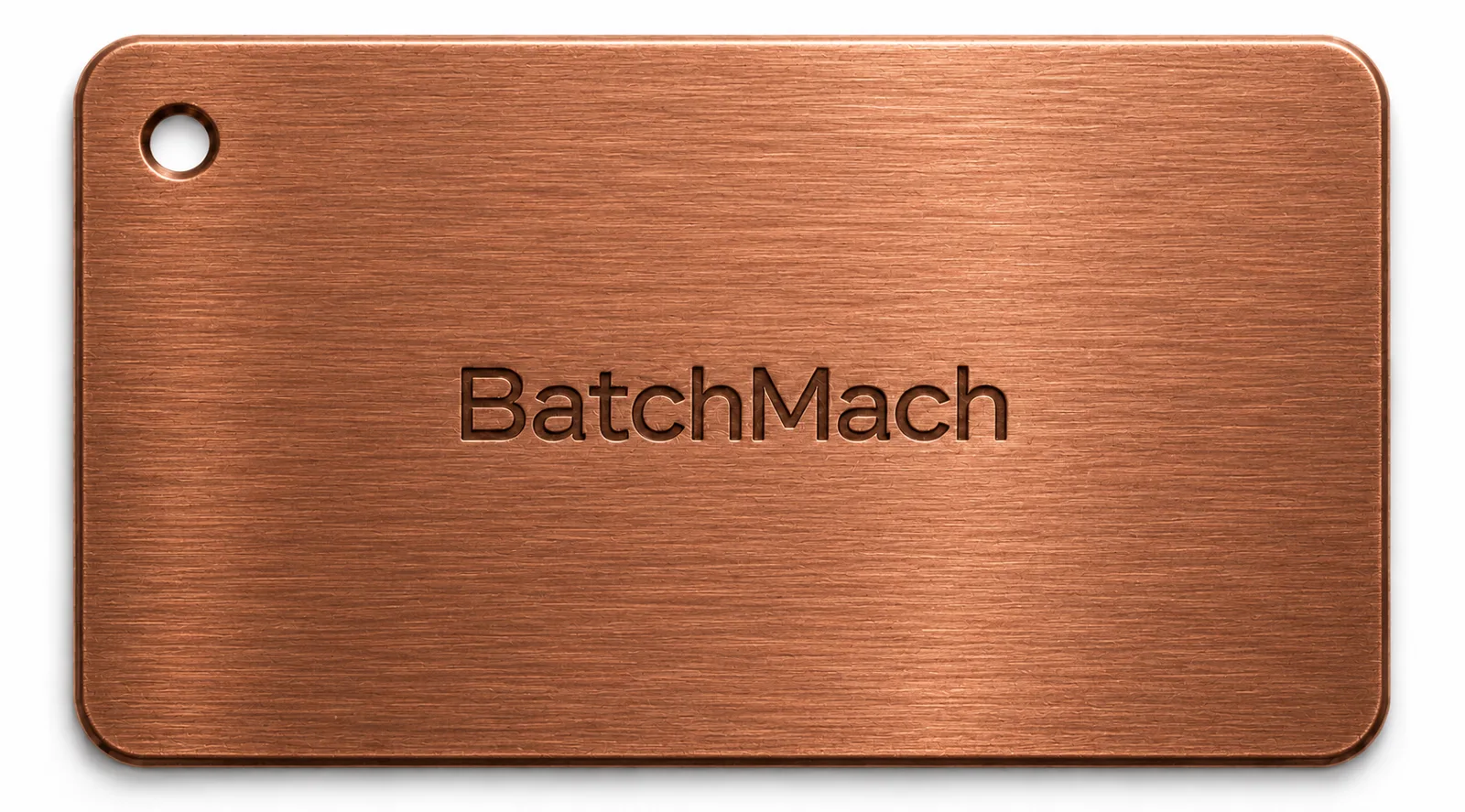
Creates a uniform directional texture and helps minimize the appearance of light machining marks. Commonly used for visible copper panels, covers, housings, and decorative components.
Bead Blasting
Produces a uniform matte finish for parts requiring a consistent appearance. Precision holes, threads, mating surfaces, and electrical contact areas can be masked to avoid affecting fit or function.
Nickel Plating
Used to improve corrosion resistance, wear resistance, and oxidation protection. Common for connectors, housings, and mechanical copper components. Plating thickness should be specified because it can affect threads, press fits, and other critical dimensions.
Tin Plating
Suitable for electrical copper parts requiring good solderability and oxidation protection. Common applications include terminals, busbars, and connectors. Specify plating thickness, coverage area, and any masking requirements when requesting a quote.
Silver Plating
Used where high conductivity and low contact resistance are important, such as high-current busbars, contacts, and power connectors. Functional contact areas and plating coverage should be clearly defined on the drawing.
Gold Plating
Suitable for high-reliability copper parts requiring stable contact performance and strong oxidation resistance, such as precision connectors and electronic contacts. Selective gold plating is commonly used to control cost while protecting critical contact areas.