Engineering Plastics

Custom ABS CNC Machining Service

BatchMach Precision provides custom ABS CNC machining for functional prototypes, low-volume parts, and repeat production. With in-house machining, inspection, and production control, we help customers achieve competitive pricing, reliable lead times, and consistent part quality.

  • No MOQ RequiredOrder one prototype or scale up to repeat production without minimum quantity restrictions.
  • Factory-Direct PricingDirect CNC manufacturing helps reduce unnecessary sourcing costs and keep pricing competitive.
  • Global ShippingWe support reliable international delivery for custom CNC machined parts worldwide.
  • 100+ Materials AvailableChoose from more than 100 metals and engineering plastics for different part requirements.
    Custom ABS CNC Machining Service part

    Upload Your CAD Files for a Quote

    Drop your CAD file here or click to browseSupported: STEP, STP, IGES, SLDPRT, DXF, DWG, PDF

    Your files are secure and confidential · Max file size: 100 MB

    19+

    Years of Experience

    250+

    Machines & Testing Equipment

    11,000 m²

    Manufacturing Area

    200+

    Skilled Staff

    ISO

    9001 / 13485 / AS9100D

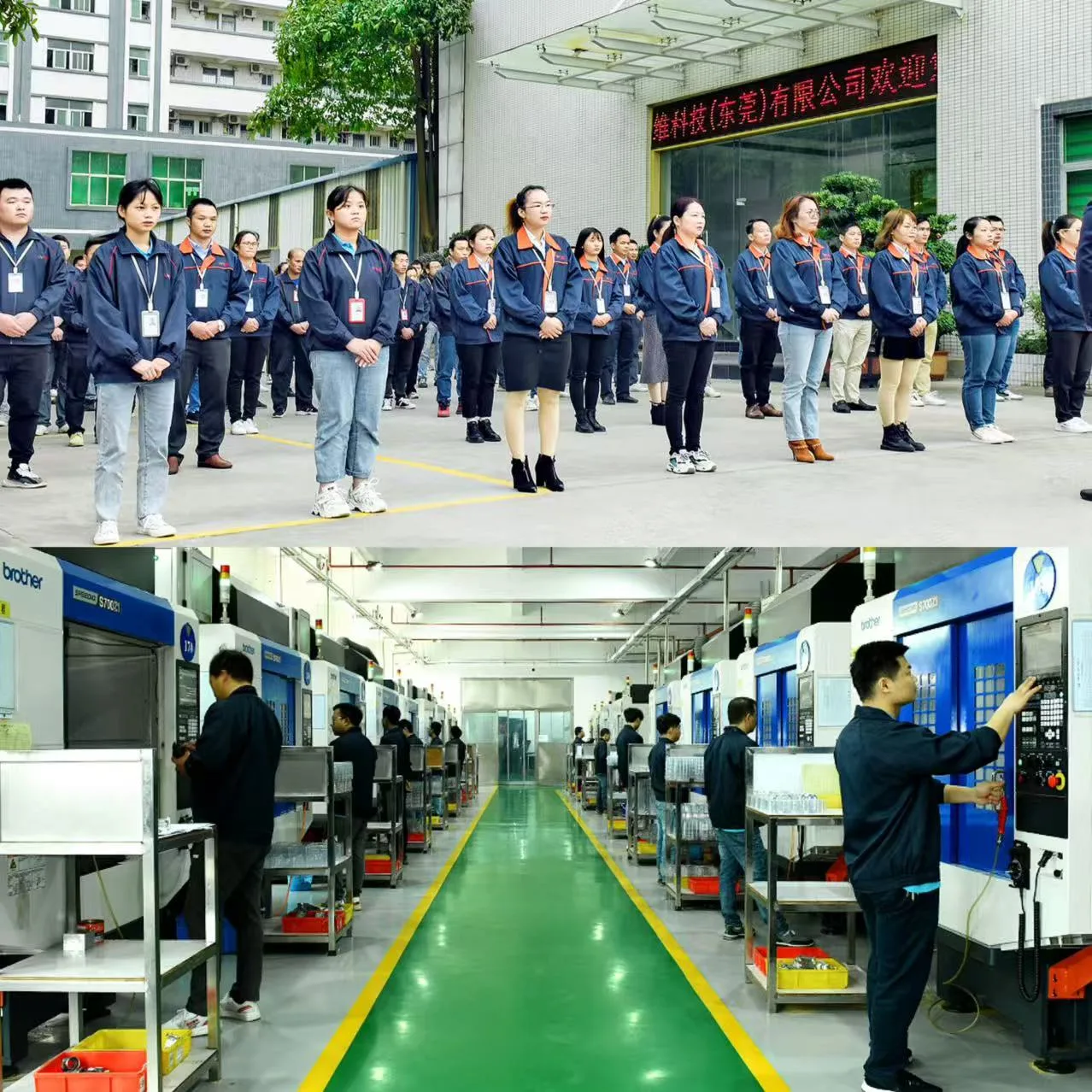
    From prototypes to repeat production, BatchMach Precision brings together two ISO-certified CNC factories, practical machining expertise, and dimensional inspection to deliver custom parts built to your drawings.

    Trusted by
    numerous companies

    Our ABS CNC Machining Capabilities

    We select the machining process according to part geometry, datum requirements, wall thickness, and production quantity. ABS parts can be milled, turned, or machined in multiple axes when fewer setups provide a clear manufacturing advantage.

    CNC Milling for ABS Parts

    CNC Milling for ABS Parts

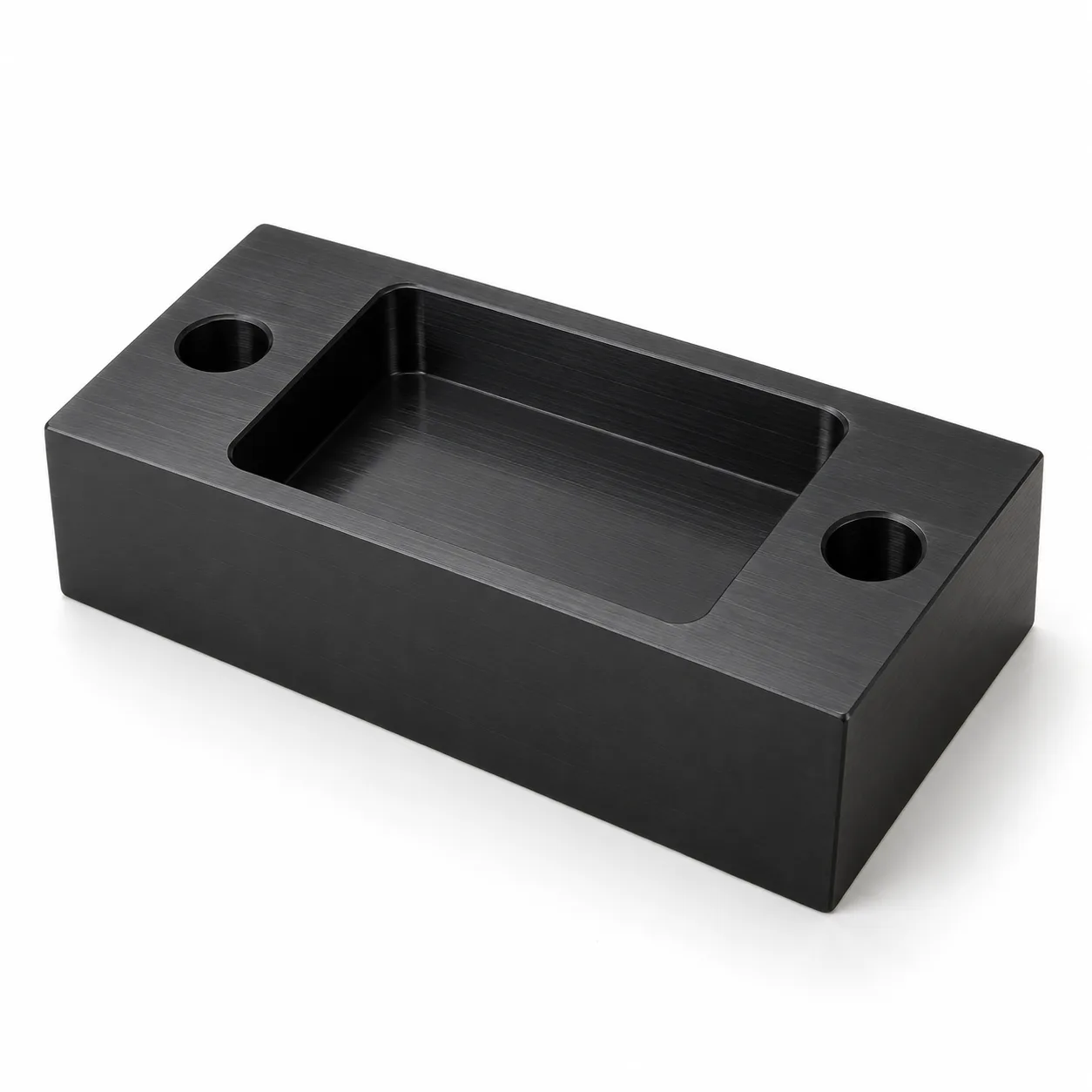
    CNC milling is used for ABS housings, covers, panels, mounting plates, fixtures, and other prismatic parts. It supports features such as pockets, slots, holes, counterbores, sealing surfaces, and multi-level profiles. For thin walls or large pocketed areas, the machining and workholding strategy must account for heat buildup and material movement.

    CNC Turning for ABS Components

    CNC Turning for ABS Components

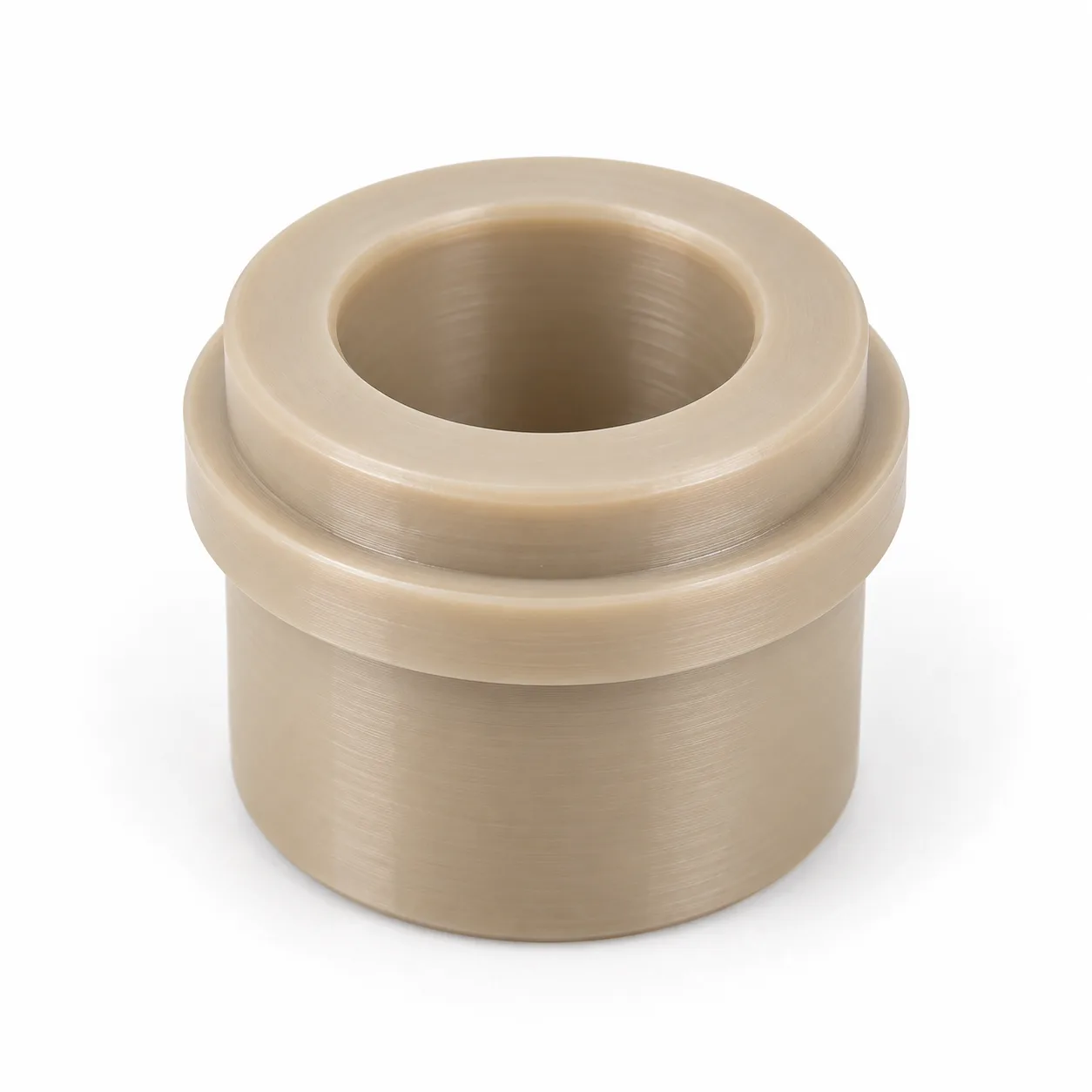
    CNC turning is suited to round ABS components such as bushings, sleeves, spacers, rings, rollers, and insulating parts. Diameters, shoulders, grooves, bores, and concentric features can be produced in one turning setup where the geometry allows. Parts with thin sections or long unsupported lengths require additional attention to clamping pressure and deflection.

    5-Axis Machining for Complex ABS Parts

    5-Axis Machining for Complex ABS Parts

    Five-axis machining is considered for ABS parts with features on several faces, compound angles, contoured surfaces, or restricted tool access. Machining more features in one setup can reduce repeated repositioning and datum-transfer error. Whether five-axis machining is appropriate depends on the part geometry, required tolerances, workholding method, and the stability of the ABS stock.

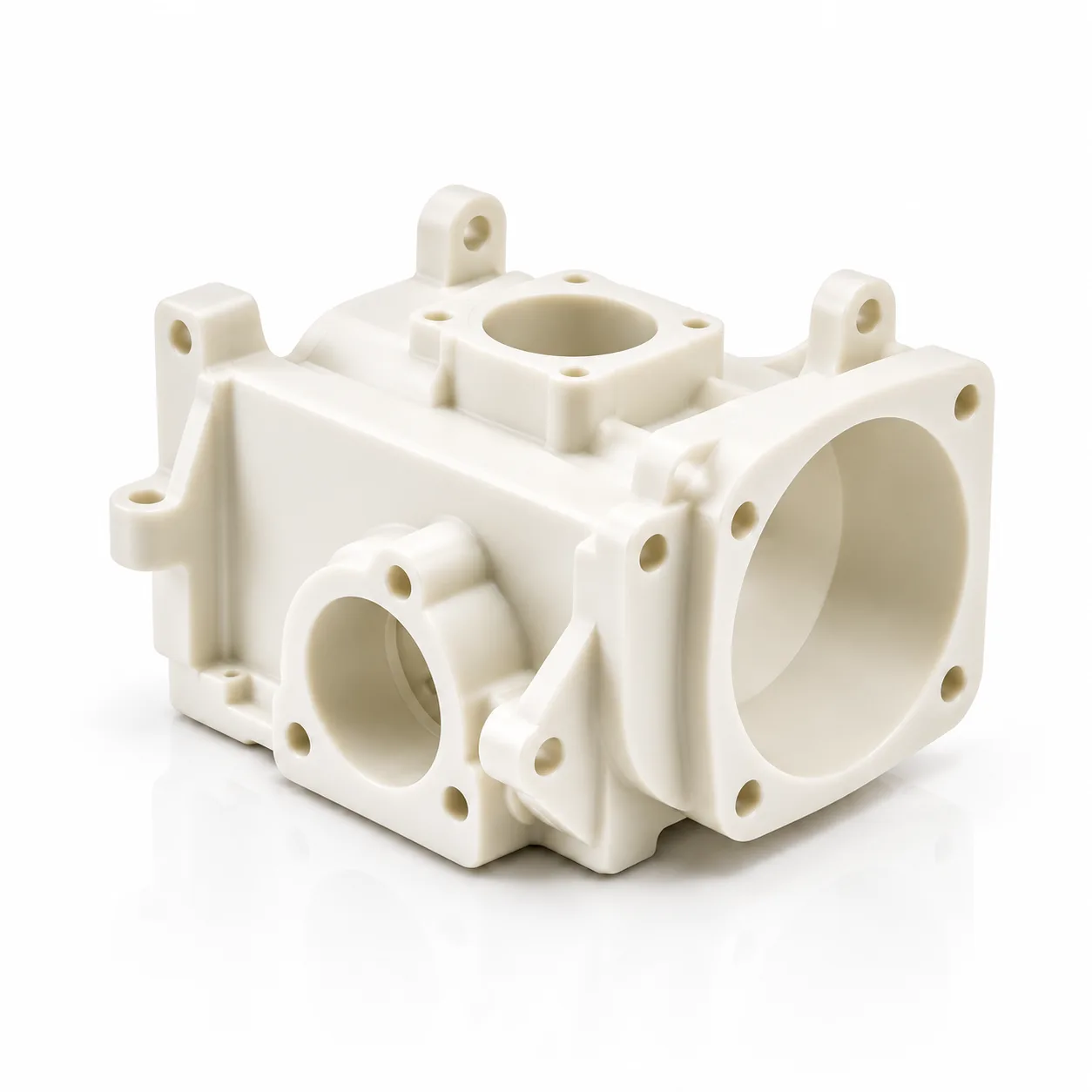
    Representative CNC-machined ABS part
    Representative CNC-machined ABS part

    ABS in CNC Machining

    ABS is a thermoplastic made from acrylonitrile, butadiene, and styrene. It offers a practical balance of toughness, rigidity, low weight, and cost, making it suitable for functional prototypes and low-volume components that do not require continuous exposure to high temperatures, strong UV radiation, or aggressive chemicals.

    Machining ABS from sheet, rod, or block eliminates the need for mold tooling, allowing dimensions and features to be revised during product validation. However, ABS grades differ in heat resistance, flame-retardant performance, electrical properties, and color. Material selection should therefore be based on the operating environment and functional requirements rather than a general specification such as “ABS” or “black ABS.”

    CapabilitySpecification
    Lead TimeAs fast as 1 day
    Machining AccuracyDown to ±0.025 mm (±0.001 in) on selected features
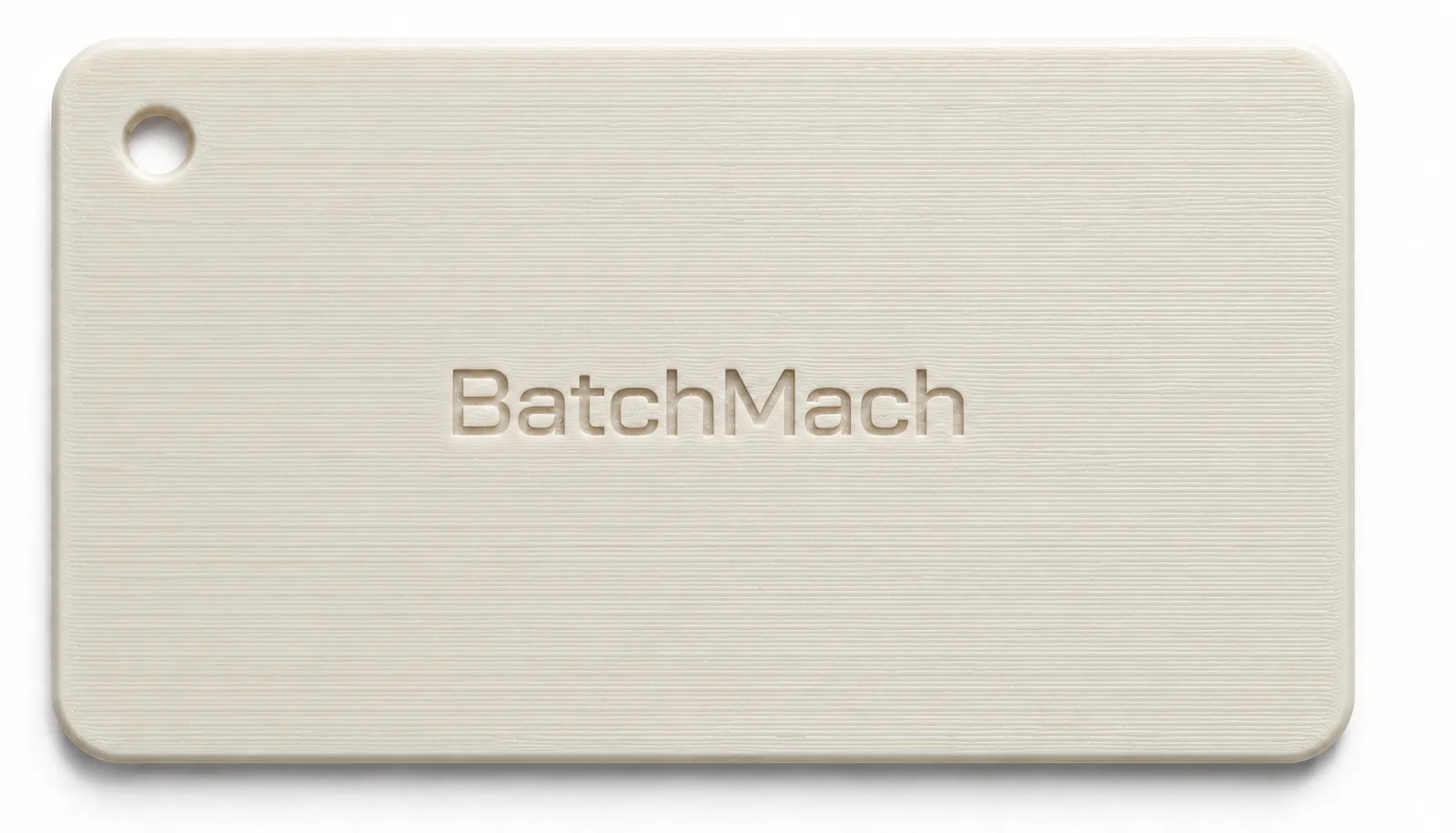
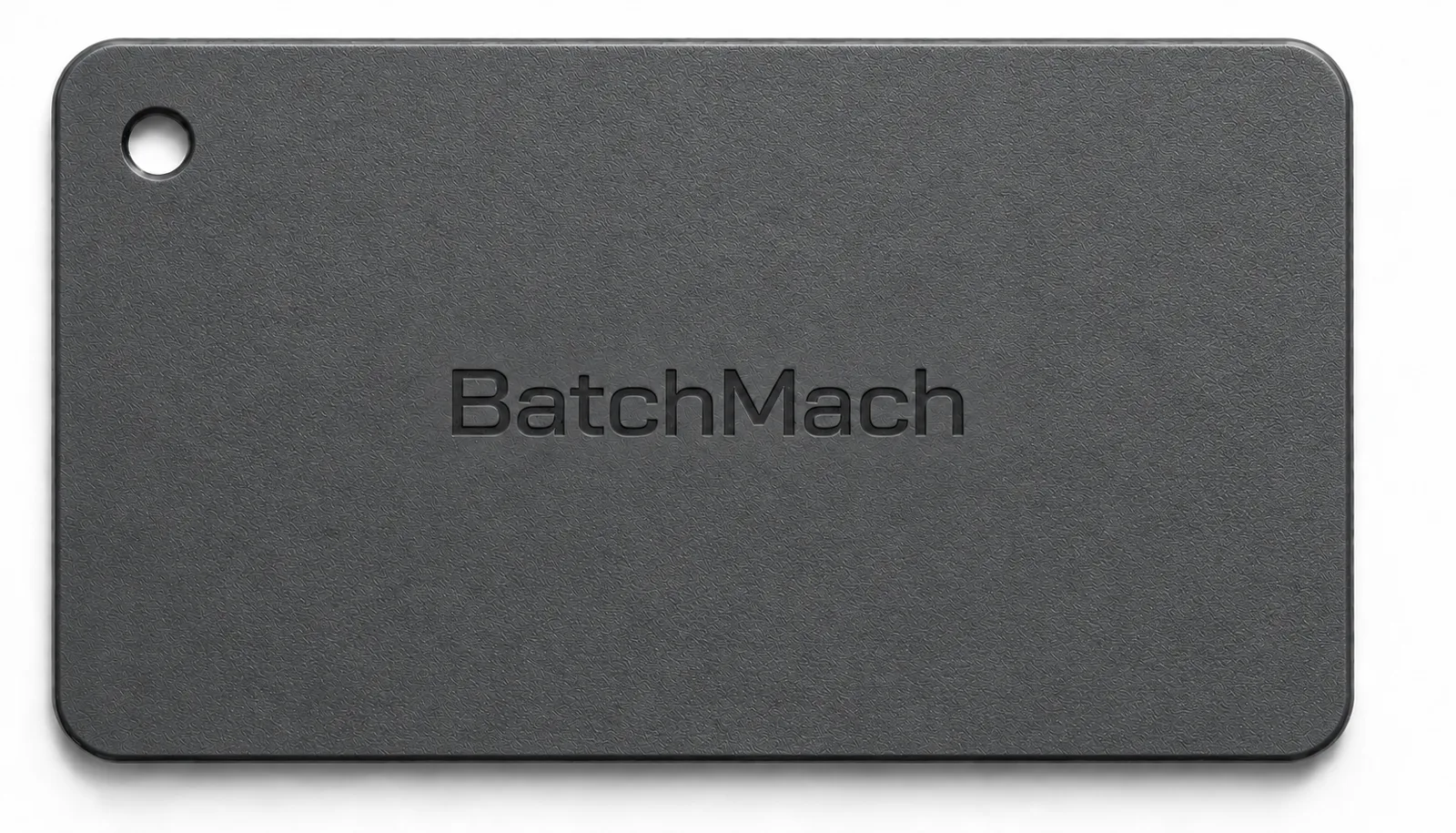
    Available ABS MaterialsNatural, Black, White, Flame-Retardant, Antistatic/ESD, and ABS/PC
    CNC EquipmentDMG MORI, Mazak, Brother, FANUC, HAAS, and Takisawa

    Comparison of Common ABS Grades for CNC Machining

    General-Purpose ABS

    The standard choice for prototypes, housings, and functional parts that require a practical balance of toughness, rigidity, and cost.

    40–50 MPa

    Tensile Strength

    10–30%

    Elongation

    R100–110

    Hardness (R-Scale)

    80–90°C

    Heat Deflection Temp.

    Surface Finishing Options for Custom ABS CNC Machining

    Surface finishing can improve the appearance, identification, weather resistance, or handling of CNC-machined ABS parts. The appropriate process depends on the ABS grade, color, dimensional requirements, and whether the surface is cosmetic or functional.

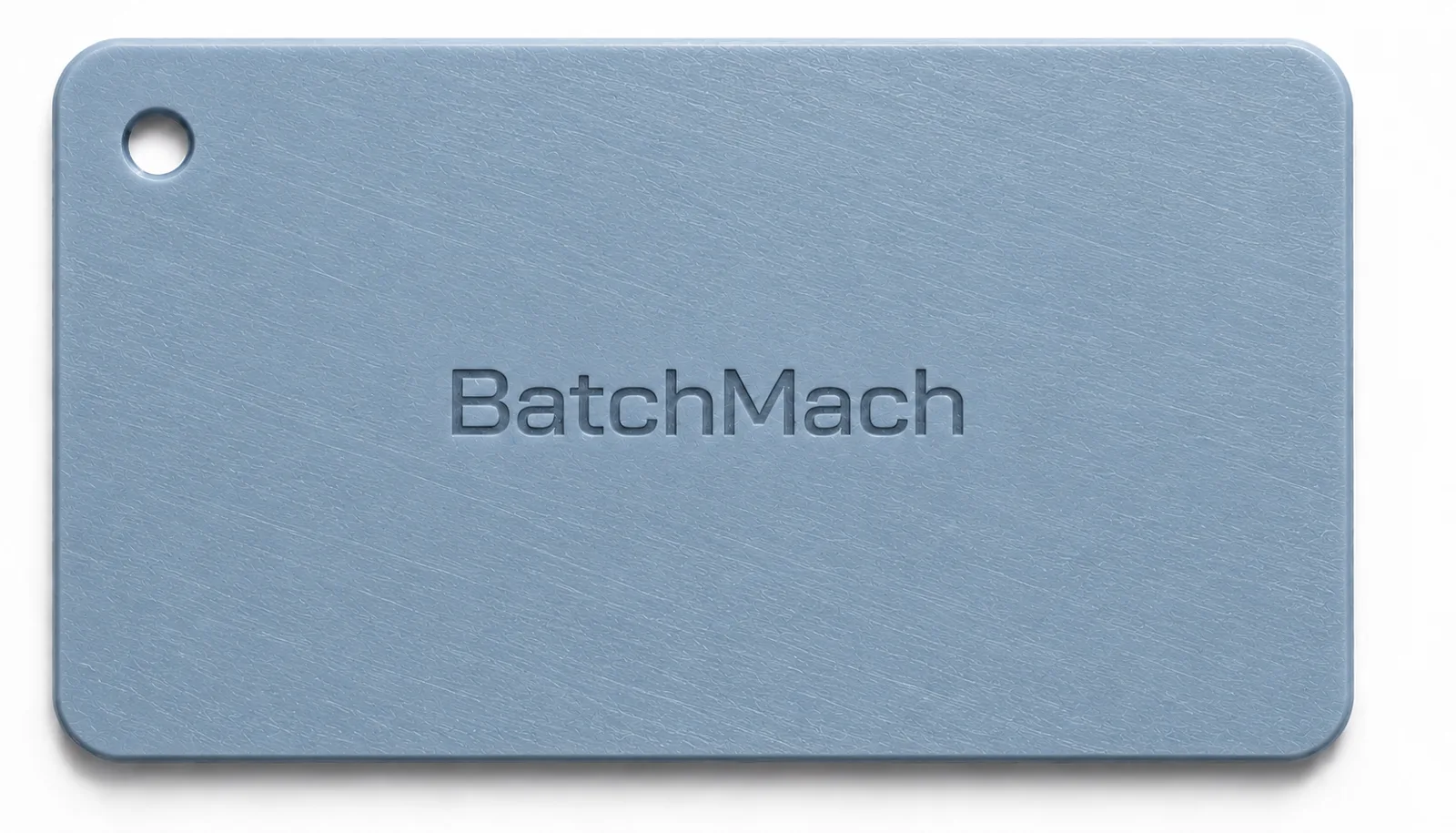
    As Machined

    As Machined surface finish sample

    Retains the surface produced by CNC cutting. Suitable for functional prototypes, fixtures, and internal ABS components where visible tool marks are acceptable.

    Fine-Media Blasting

    Fine-Media Blasting surface finish sample

    Creates a more uniform matte texture and reduces the visual difference between machined surfaces. Low pressure and fine media are used to limit edge rounding and damage to thin walls.

    Tumbling

    Tumbling surface finish sample

    Removes light burrs and softens sharp edges on small, durable ABS parts. It is not recommended for thin walls, delicate features, or parts with tightly controlled edges.

    Manual Sanding

    Manual Sanding surface finish sample

    Reduces machining marks and prepares the ABS surface for painting or other cosmetic treatments. Critical dimensions and defined edges must be protected during sanding.

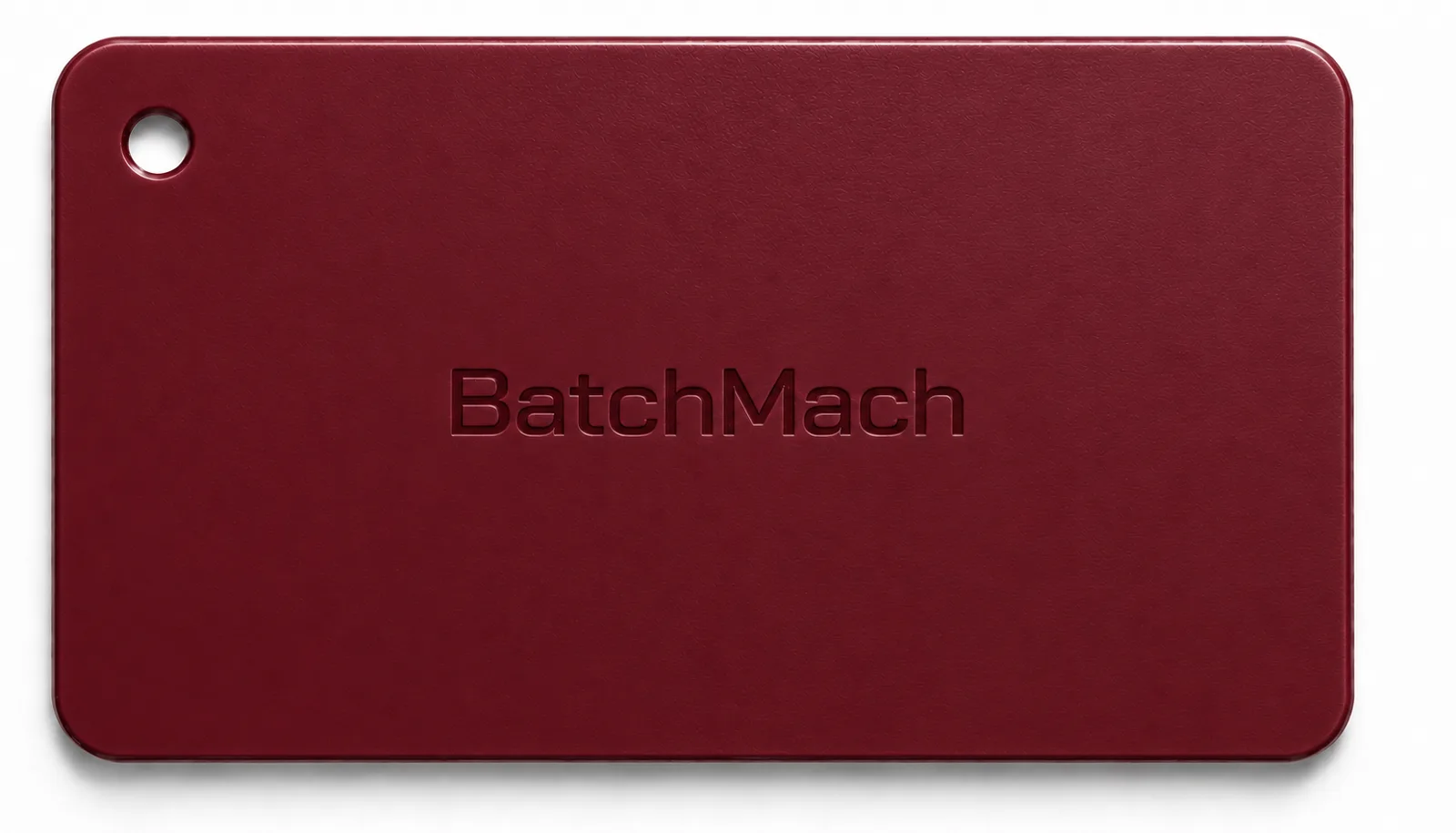
    Painting

    Painting surface finish sample

    Provides specified colors, gloss levels, and a more consistent cosmetic appearance. Paint compatibility, surface preparation, masking, and adhesion requirements should be confirmed before production.

    ABS CNC Machining Applications by Industry

    ABS is used for lightweight, impact-resistant plastic components that may require design changes during product development or low-volume production. The specific grade should be selected according to operating temperature, flammability, electrical requirements, chemical exposure, and outdoor conditions.

    Electronics and Electrical Equipment

    Typical parts include equipment housings, control panels, display bezels, switch brackets, insulating spacers, and internal mounting components. Flame-retardant or antistatic grades must be specified when the application has defined fire or electrical requirements.

    Automotive Product Development

    ABS can be used for interior prototypes, instrument components, switch housings, sensor covers, wiring brackets, and assembly-validation parts. Components located near engines, exhaust systems, or other heat sources require a separate review of the material’s heat-deflection performance.

    Industrial Automation

    Common applications include controller housings, sensor mounts, guards, locating blocks, assembly fixtures, and inspection aids. CNC machining allows hole positions, mounting surfaces, and interface features to be revised during equipment development.

    Robotics

    ABS is suitable for robot covers, control enclosures, cable guides, light-duty brackets, and functional prototypes. Parts exposed to continuous loads, friction, or elevated temperatures may require POM, nylon, or another engineering plastic instead.

    Medical and Laboratory Equipment

    Possible applications include non-implantable equipment housings, instrument panels, sample holders, test fixtures, and laboratory support components. Projects involving patient contact, sterilization, chemical cleaning, or regulatory requirements must specify an appropriate grade and supporting documentation.

    Consumer Products

    Common parts include product housings, handheld-device components, button supports, appearance models, and assembly-test parts. Cosmetic requirements should define color, texture, gloss, and acceptable machining marks.

    Communications and Test Equipment

    ABS can be used for instrument housings, test adapters, connector supports, equipment panels, and internal insulating components. Applications requiring ESD control, electromagnetic shielding, or flame resistance need a suitable functional grade or a validated secondary treatment.

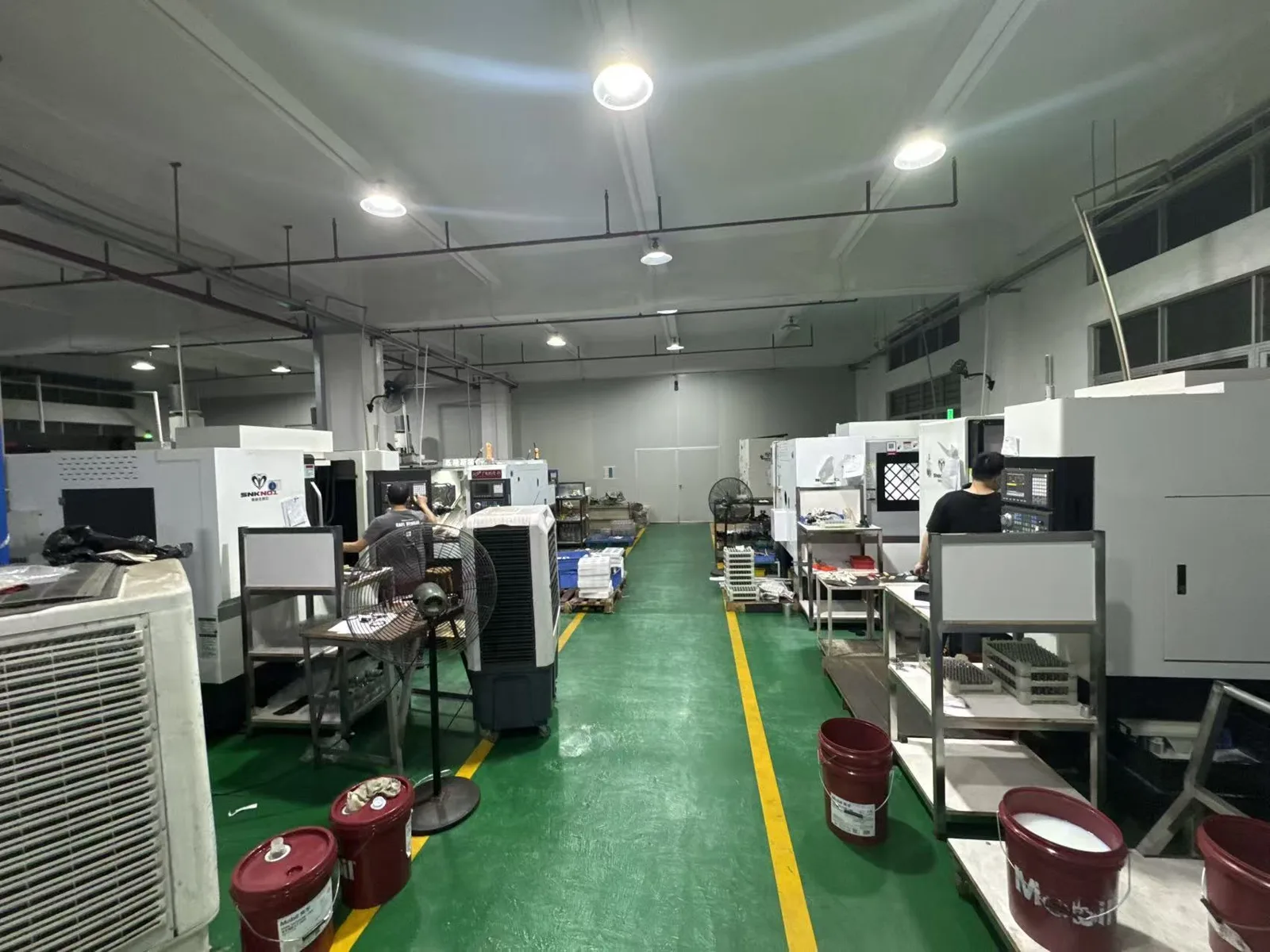
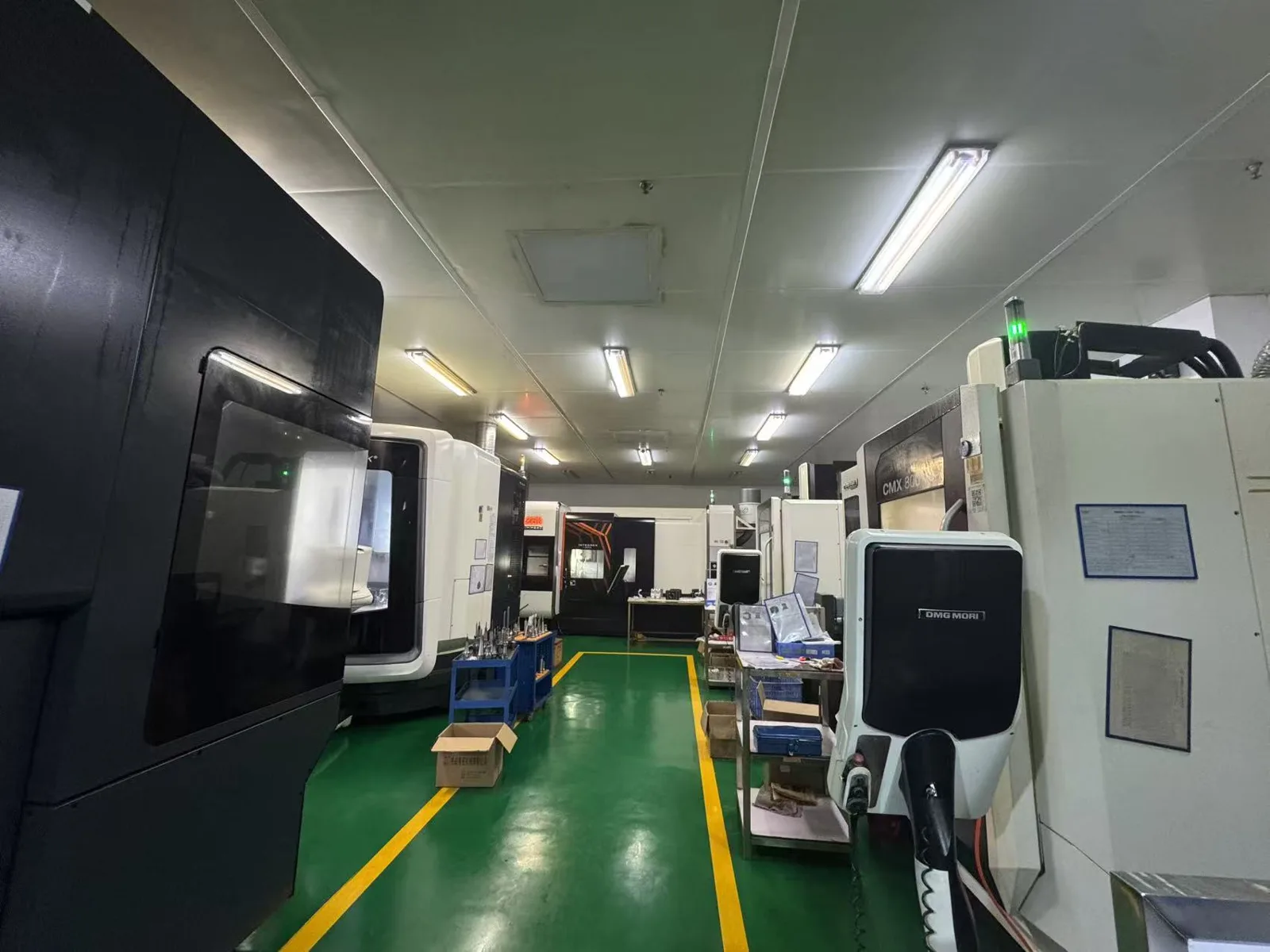
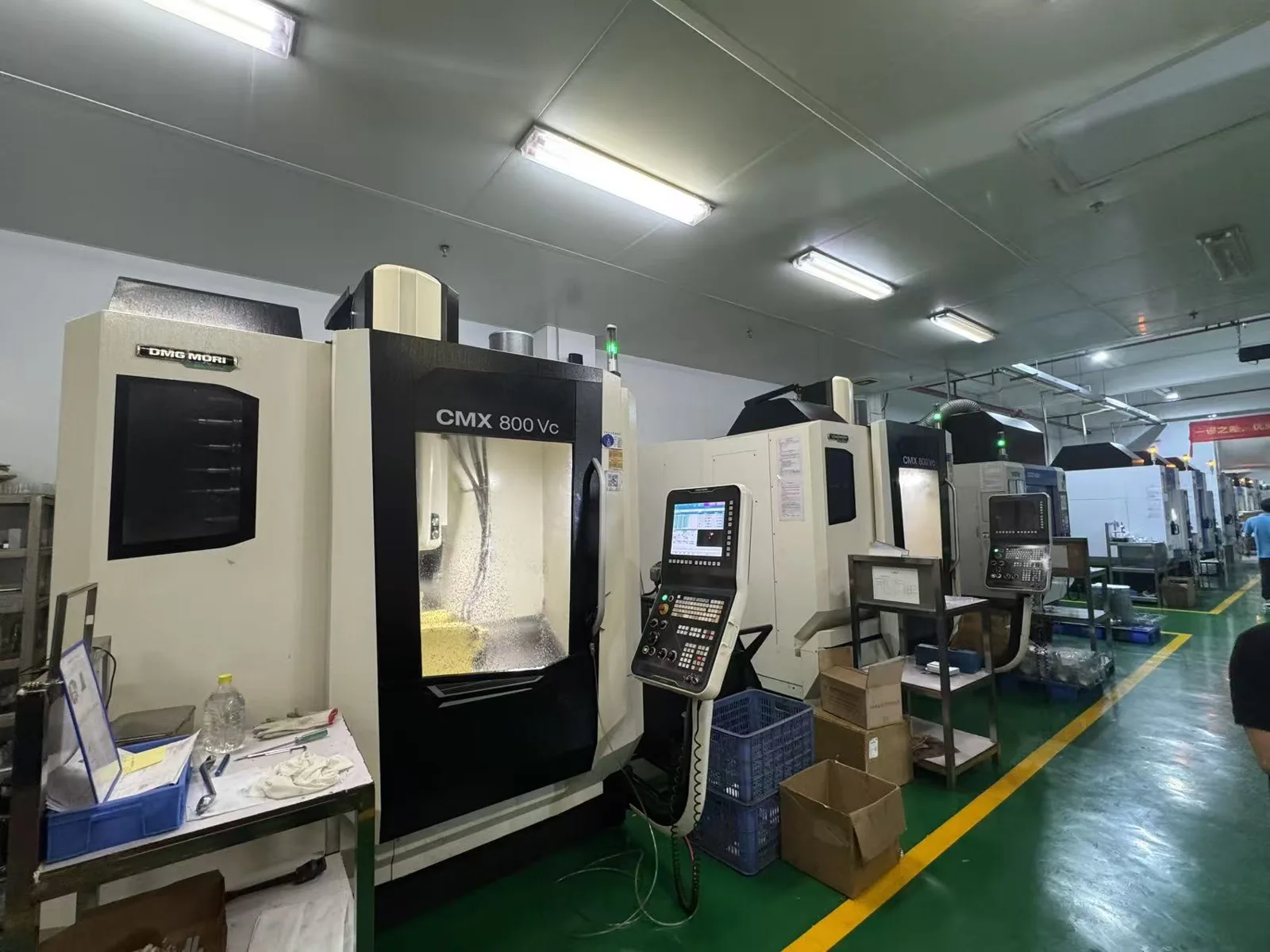
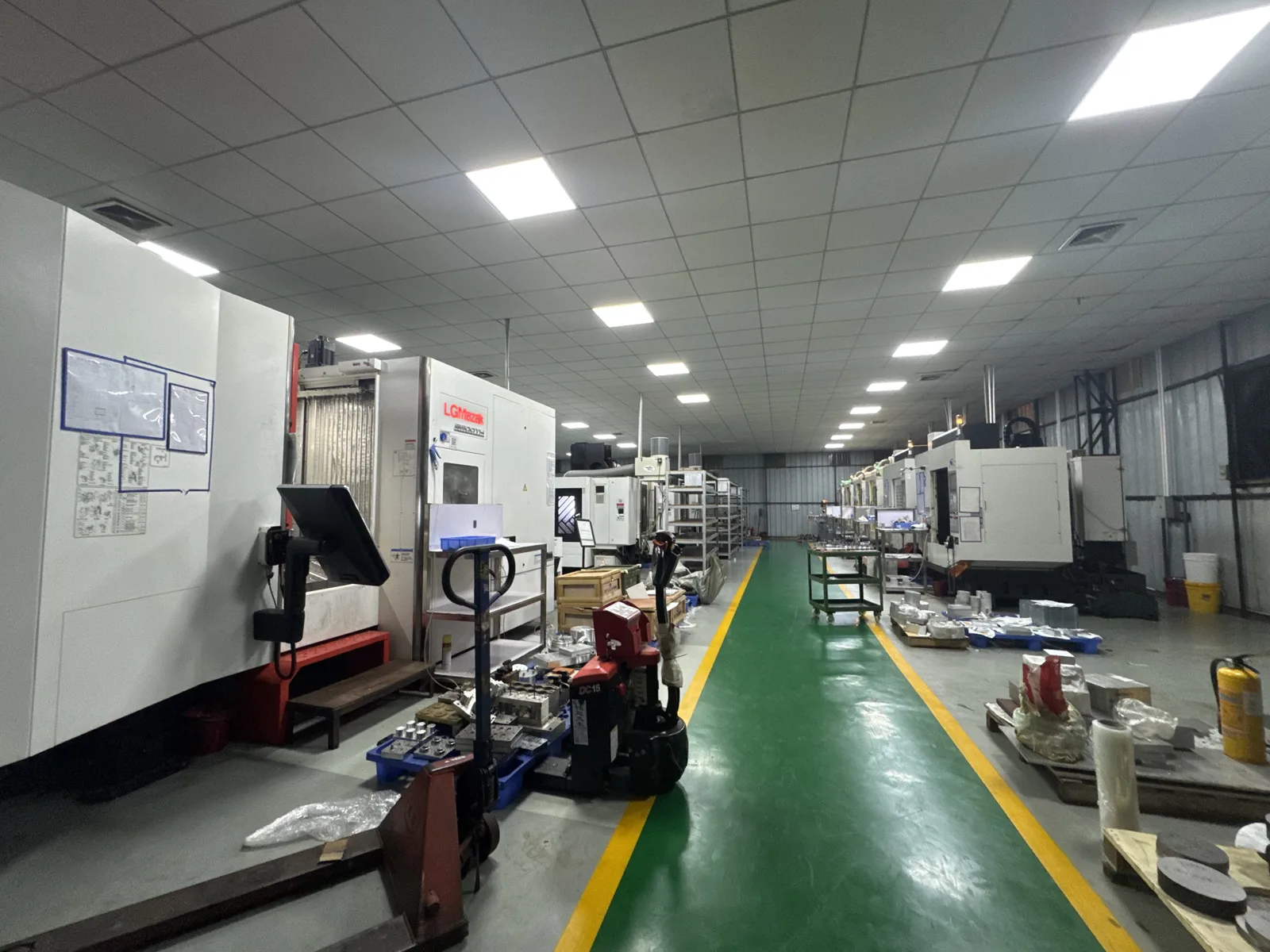
    Inside Our ABS CNC Machining Facilities

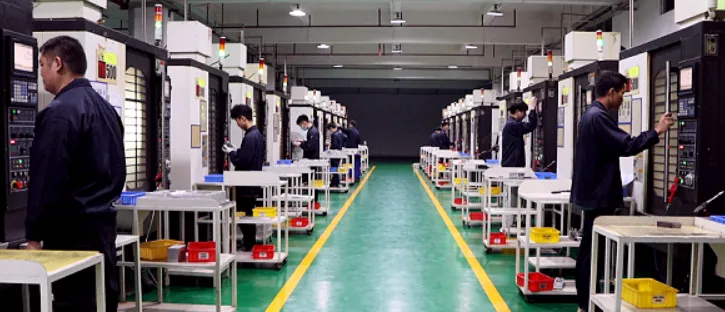
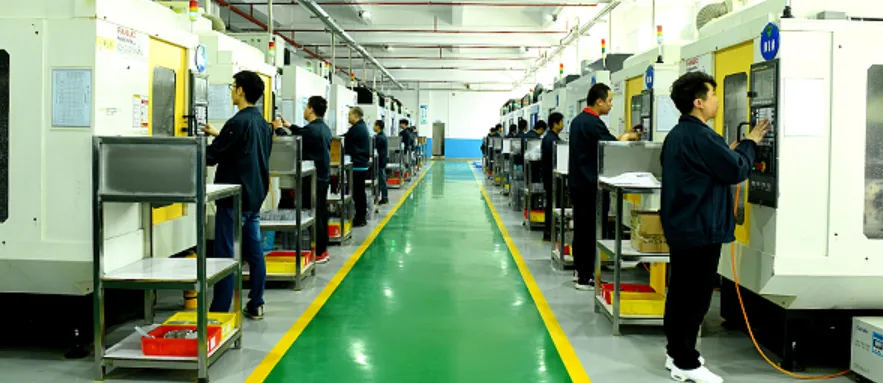
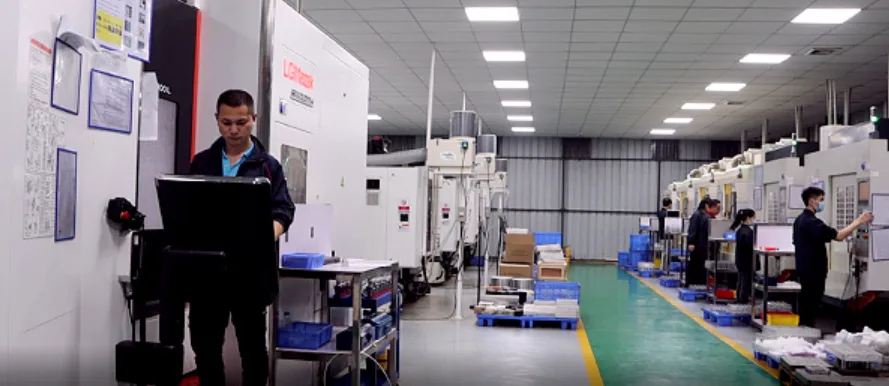
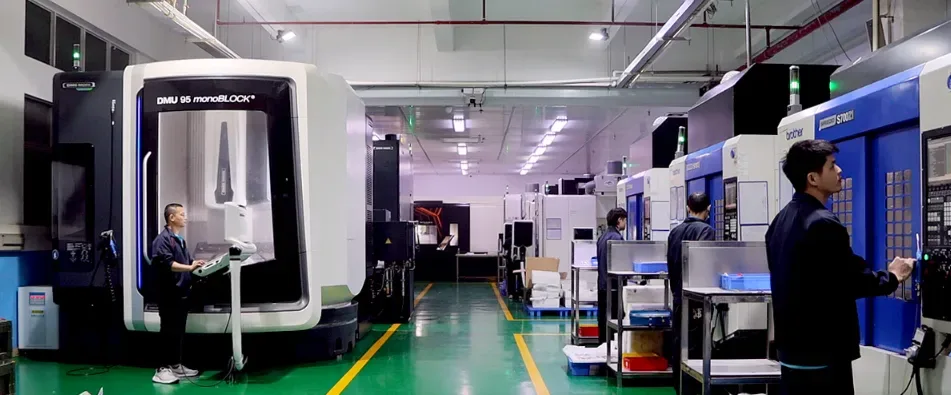
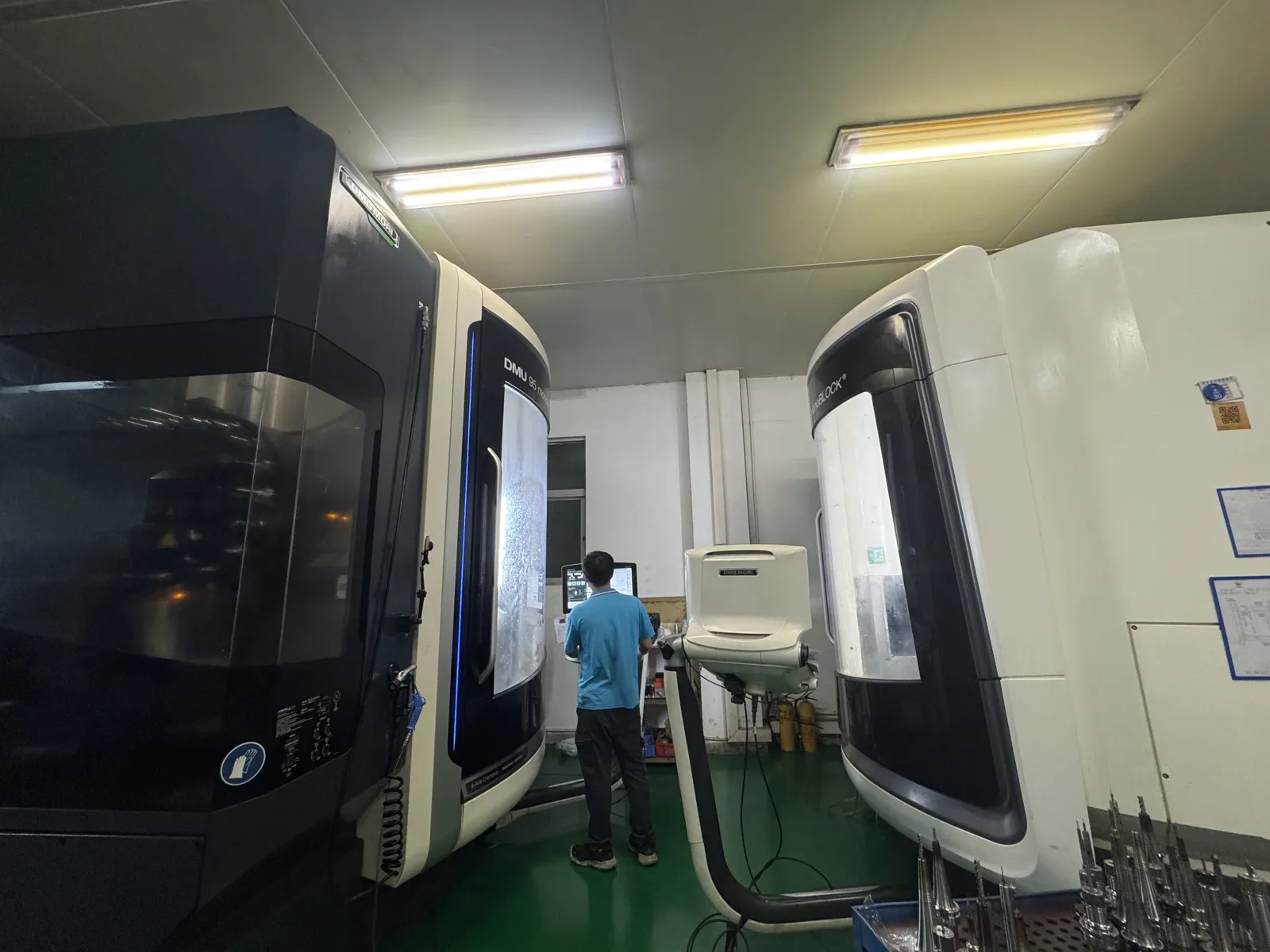
    Our ABS machining area is equipped for stable production of housings, covers, fixtures, and other plastic components. Clean machining, careful handling, and controlled setups help protect surfaces and maintain part consistency throughout production.

    5-Axis Machining Centers

    5-Axis Machining Centers

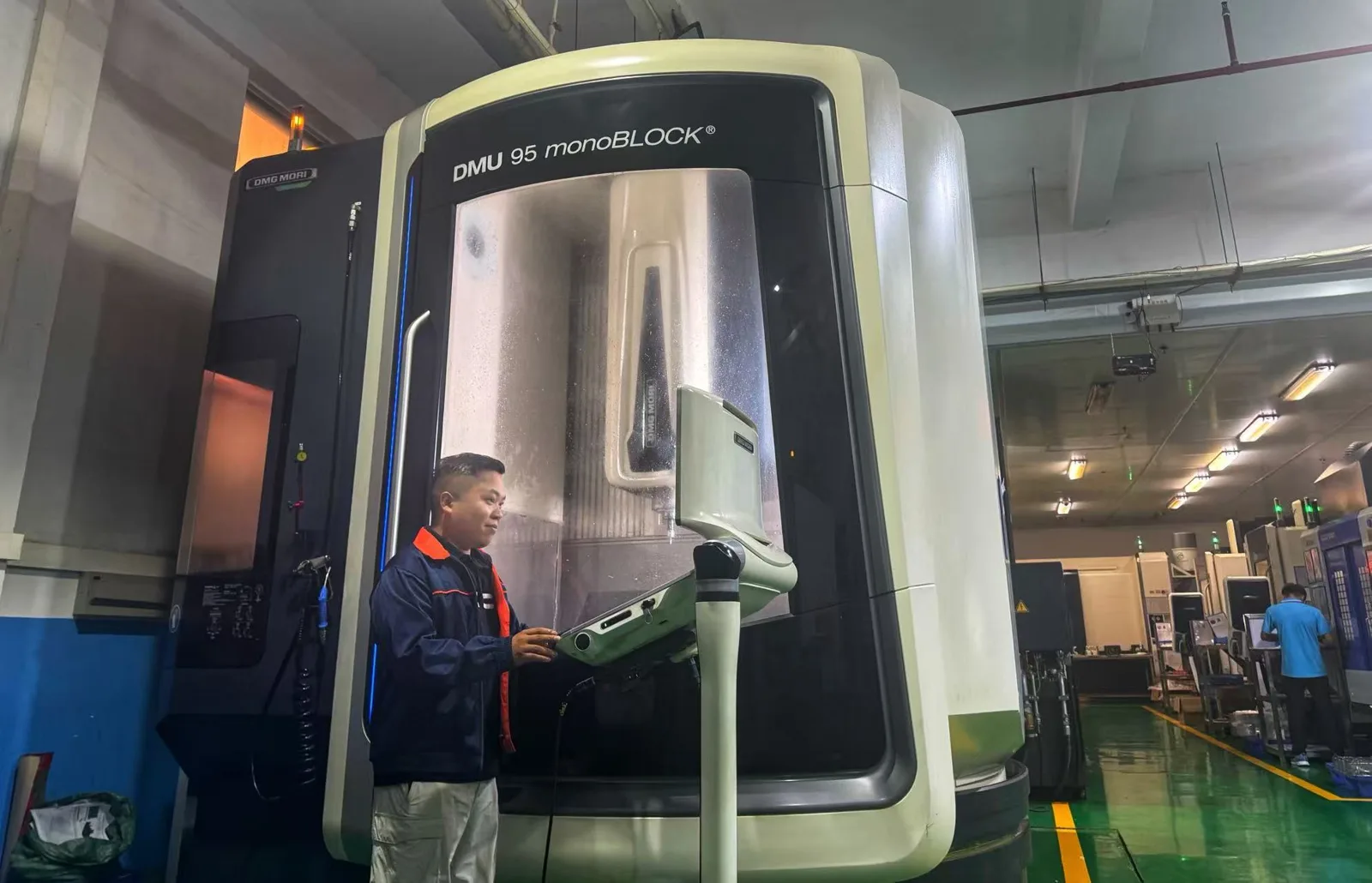
    DMU 95 CNC Machining

    DMU 95 CNC Machining

    DMG MORI Workshop

    DMG MORI Workshop

    CNC Machining Workshop

    CNC Machining Workshop

    CNC Production Line

    CNC Production Line

    CNC Production Workshop

    CNC Production Workshop

    Large-Part CNC Workshop

    Large-Part CNC Workshop

    Large-Part Machining

    Large-Part Machining

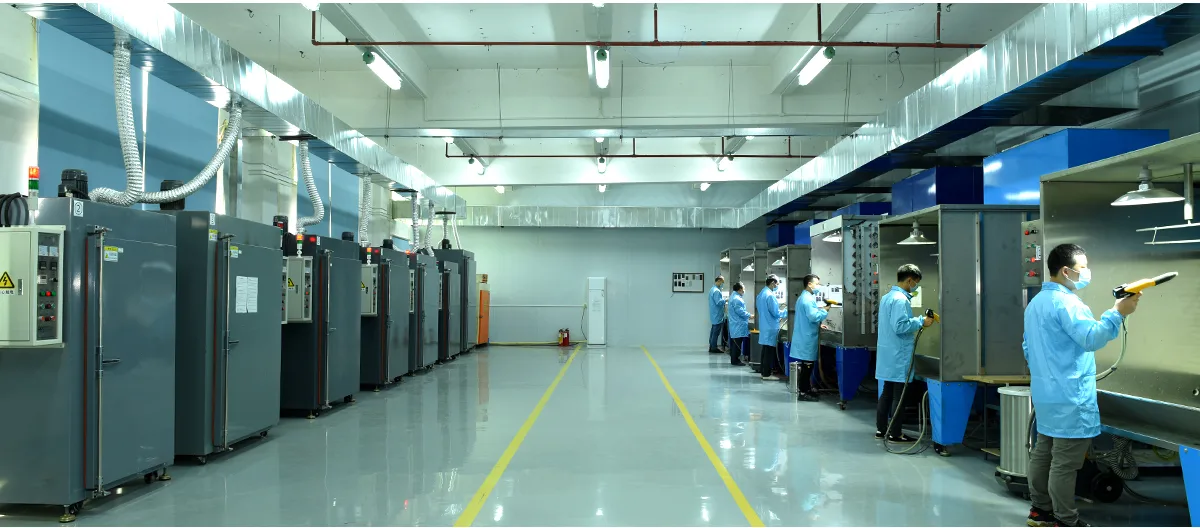
    Powder Coating Workshop

    Powder Coating Workshop

    ABS CNC Machining vs. Injection Molding

    Both CNC machining and injection molding can produce ABS parts, but they serve different production volumes and stages of product development. CNC machining requires no mold, making it suitable for prototypes, low-volume orders, and designs that may still change. Injection molding requires an upfront tooling investment and is generally better suited to repeat production after the design has been validated.

    ABS CNC MachiningABS Injection Molding
    No production mold required — parts are machined directly from ABS sheet, plate, or rod, reducing upfront investment.Dedicated tooling required — a mold must be designed, manufactured, tested, and approved before production begins.
    Suitable for prototypes and low volumes — well suited to functional testing, design validation, bridge production, and low-volume orders.Suitable for repeat production — at higher quantities, the tooling cost can be distributed across more parts.
    More flexible design changes — revisions can usually be handled by updating the CAD model and machining program.More costly design changes — geometry changes may require modifying or replacing the mold.
    Direct control of critical features — suitable for mating holes, flat surfaces, controlled diameters, and features with defined tolerances.More freedom for molded features — suitable for ribs, clips, bosses, textures, and other mold-formed details.
    Faster production start — machining can begin after the drawing, material, quantity, and process requirements are confirmed.Tooling lead time required — part production begins only after the mold has been completed and validated.

    Which Process Should You Choose?

    Choose ABS CNC Machining

    Choose ABS CNC machining when the project is still in prototyping, functional testing, design revision, or low-volume production. It avoids mold investment and provides more flexibility when dimensions or features need to change.

    Choose Injection Molding

    Choose injection molding when the design has been finalized and larger quantities will be produced repeatedly. Although it requires a higher upfront investment, the unit cost generally becomes more competitive as production volume increases.

    How BatchMach Precision Supports You

    BatchMach Precision manufactures CNC-machined ABS prototypes, functional test parts, and low-volume components. This allows customers to verify fit, dimensions, and performance before continuing with CNC machining or investing in injection-molding tooling.

    Why Choose BatchMach Precision for ABS CNC Machining

    ABS parts require more than accurate machine movement. Cutting heat, clamping pressure, wall thickness, stock condition, and measurement method can all affect the finished dimensions. BatchMach Precision reviews these factors before selecting the machining and inspection plan.

    Machining Capability Matched to Part Geometry

    /01

    Machining Capability Matched to Part Geometry

    Our capabilities include 3-axis, 4-axis, and 5-axis milling, horizontal machining, CNC turning, and mill-turn machining. Equipment includes DMG MORI DMU 95 and DMU 75 monoBLOCK, Mazak VARIAXIS i-700T and i-600T, Mazak INTEGREX i-200S, and Mazak HCN-5000L. The process is selected according to tool access, datum structure, feature relationships, and production quantity.

    Process Control for Heat and Distortion

    /02

    Process Control for Heat and Distortion

    ABS can soften when cutting heat builds up and may move as internal stress is released. Depending on the part, the machining plan may include controlled material removal, separate roughing and finishing operations, low-stress workholding, and additional checks after the part is released from the fixture.

    Inspection Based on the Drawing

    /03

    Inspection Based on the Drawing

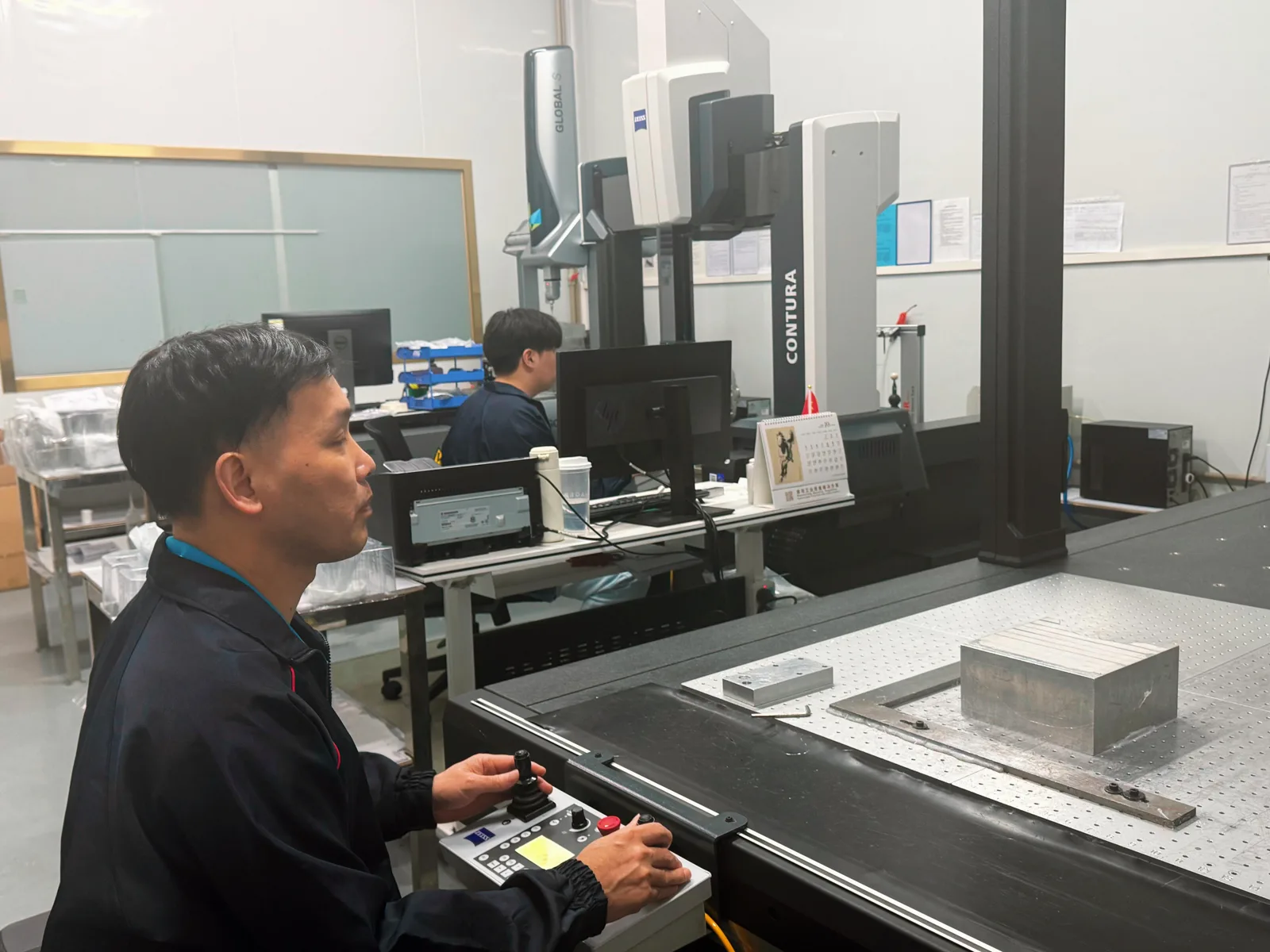
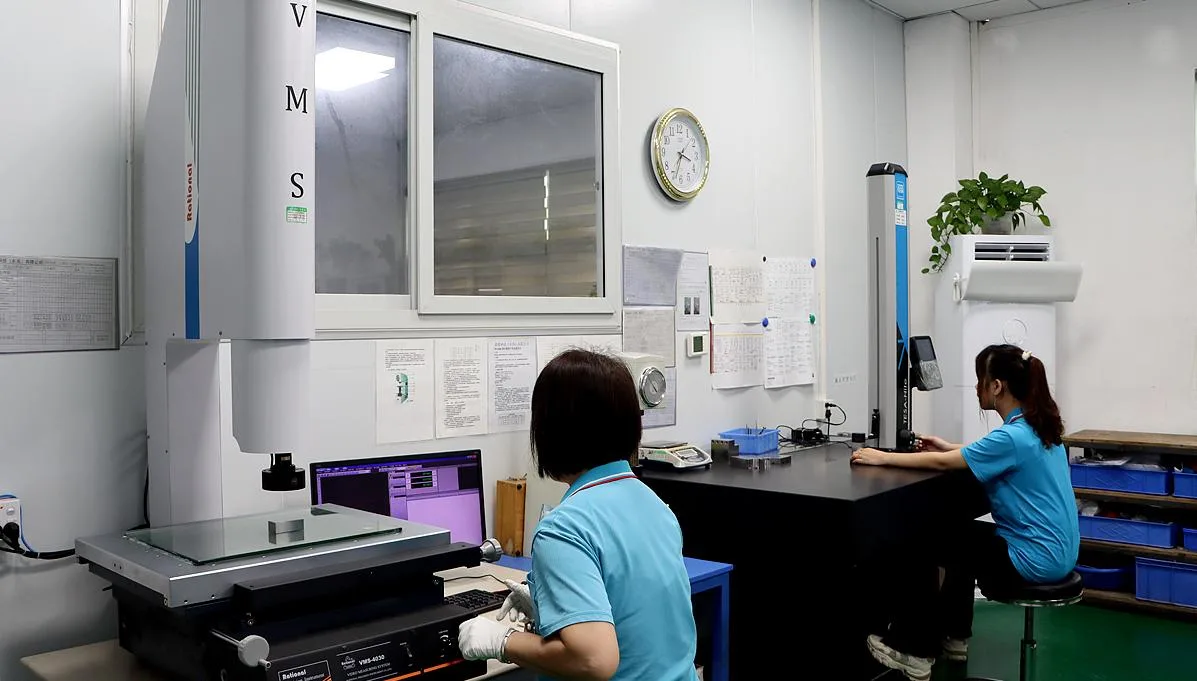
    BatchMach Precision uses ZEISS and Hexagon CMMs, TESA height measuring equipment, vision measurement systems, and Mitutoyo precision tools. The inspection method is selected according to the feature, tolerance, wall thickness, and risk of deforming the ABS part during measurement.

    Support from Prototype to Repeat Production

    /04

    Support from Prototype to Repeat Production

    We support functional prototypes, design revisions, and repeat production of ABS parts. Simple projects can be delivered in as fast as one day after the drawing, material availability, quantity, and inspection requirements are confirmed.

    Ready to start your next machining project?

    Get a Quote

    ABS CNC Machining FAQ

    ABS machines cleanly, but it is more sensitive to cutting heat and clamping pressure than metals. Excessive heat can soften the material, while aggressive workholding can deform thin walls or leave clamp marks. We use sharp tools, controlled cutting parameters, suitable chip removal, and low-stress fixturing to maintain part geometry and surface quality.

    BatchMach Precision provides CNC milling, CNC turning, 5-axis machining, drilling, tapping, and secondary finishing for custom ABS parts. We manufacture housings, covers, plates, fixtures, bushings, spacers, and components with multi-sided or closely related features. Our service covers prototypes, design revisions, and repeat production.

    Yes. CNC machining produces ABS parts directly from solid stock without injection molds, making it suitable for prototypes, functional testing, bridge production, and low-volume orders. It also allows design changes to be introduced by updating the machining program rather than modifying a mold. For larger recurring quantities, we can help assess whether CNC machining or injection molding is more economical.

    BatchMach Precision evaluates thin-wall deformation, cutting heat, clamping marks, internal material stress, and critical tolerance risks before machining begins. With 3-axis, 4-axis, and 5-axis milling, CNC turning, and mill-turn capabilities, BatchMach Precision can select the process according to the part geometry, reduce unnecessary setups, and maintain critical dimensional and positional relationships.

    For stable part geometries and suitable features, BatchMach Precision can hold selected critical dimensions to ±0.005 mm (±0.001 in).

    BatchMach Precision controls heat and distortion through sharp cutting tools, appropriate cutting parameters, efficient chip evacuation, and low-stress workholding. For thin walls, extensive material removal, or parts likely to release internal stress, BatchMach Precision may use staged material removal, separate roughing and finishing operations, balanced machining, and dimensional checks after the part is released from the fixture.

    Yes, provided the wall geometry and tolerances are practical. Thin ABS walls can flex under cutting and inspection forces, so we may use customized support, lighter cutting passes, staged machining, or temporary supporting material. Please identify critical wall thicknesses and dimensions on the drawing so that we can evaluate the risk before production.
    Available options include as-machined surfaces, deburring, manual sanding, fine-media blasting, tumbling for suitable robust parts, painting, clear or UV-resistant coatings, screen printing, pad printing, laser marking, and plastic electroplating. Not every finish is suitable for every ABS grade or geometry, so appearance, adhesion, masking, and dimensional requirements should be confirmed before processing.
    BatchMach Precision can help customers select ABS sheet or rod based on the part’s performance requirements and current material availability. Natural, black, and white are commonly available, while other colors depend on the grade, stock dimensions, and order quantity. Material options may include POLYLAC PA-746, POLYLAC PA-765, CYCOLAC MG47, Lustran 433, Lustran PG298, Lustran 348, and RTP 605 with 30% glass fiber. BatchMach Precision confirms the exact grade, color, stock form, dimensions, and available material documentation before accepting the order.

    Free first-order sample for new customers

    Send your drawings today — get a free process evaluation, quotation within 24 hours, and flexible quarterly settlement for long-term partners.

    Upload Drawing & Get Quote