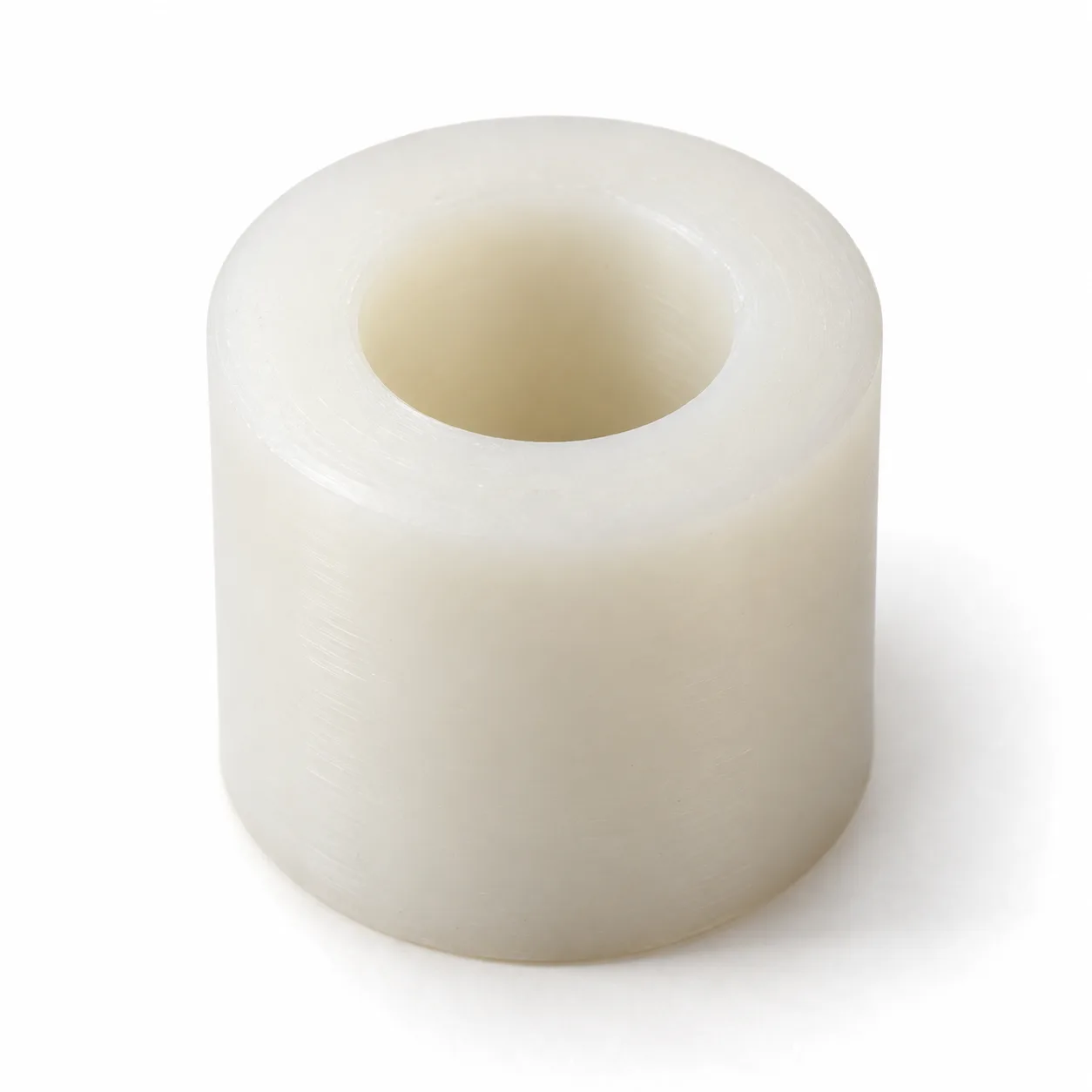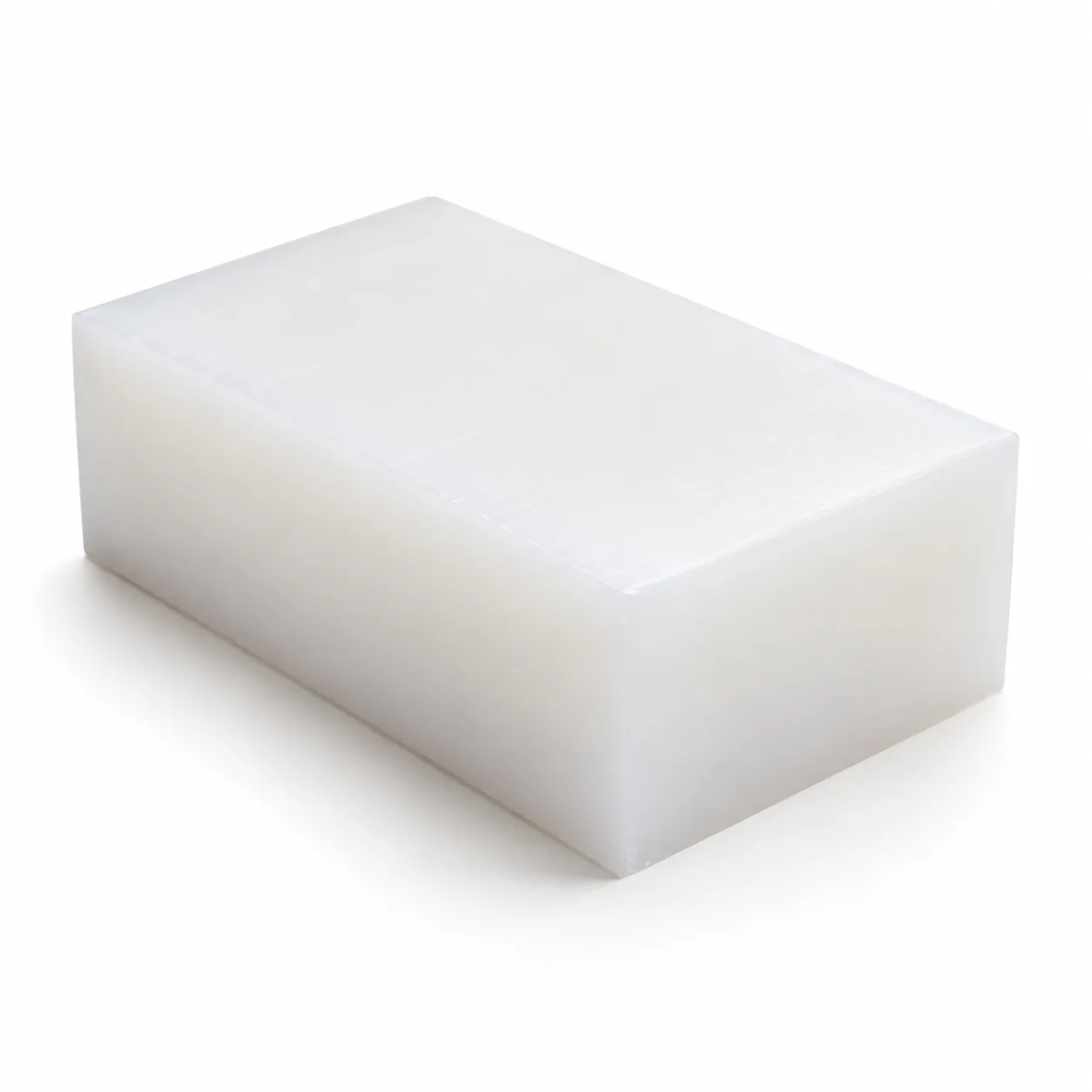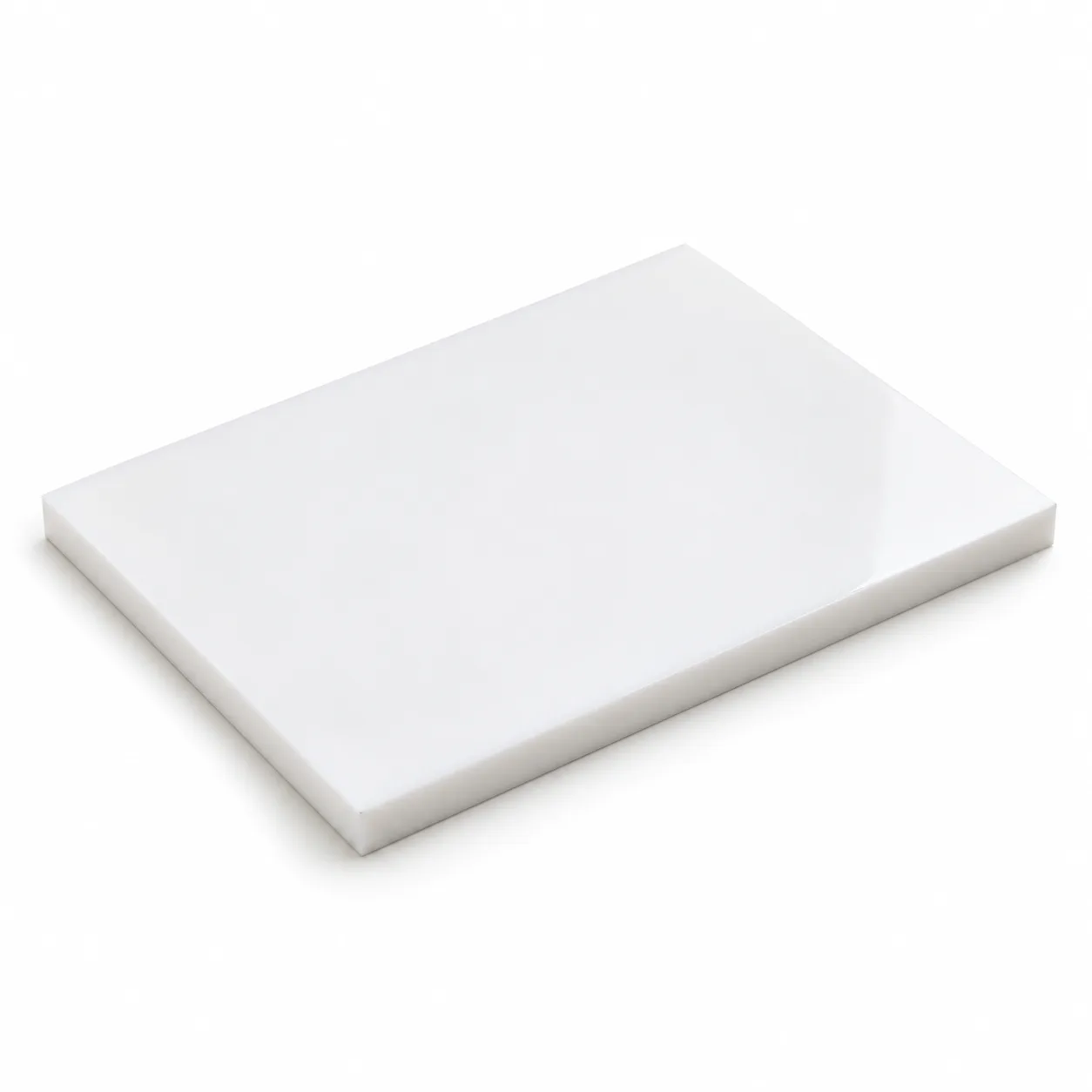









Engineering Plastics

Polycarbonate (PC) CNC Machining Services

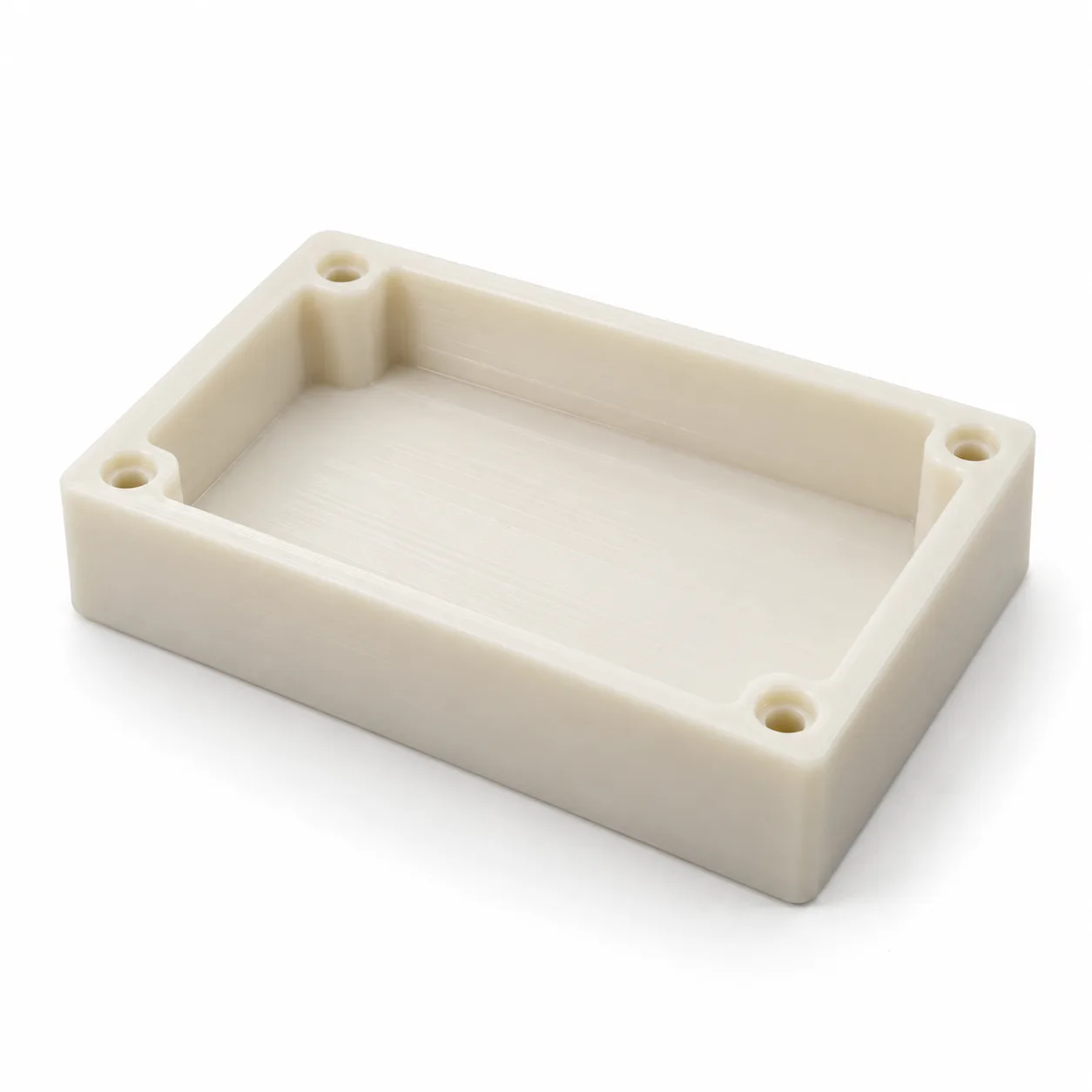
BatchMach Precision provides CNC milling, turning, five-axis machining, and mill-turn services for custom polycarbonate parts. We plan each machining process around wall thickness, optical requirements, critical tolerances, and cosmetic surfaces to reduce chipping, burrs, stress cracking, and heat-related distortion.

  • 3-axis, 4-axis, and 5-axis CNC machining
  • CNC turning and mill-turn machining
  • Functional prototypes and low-volume production
  • Clear, tinted, and engineering-grade polycarbonate
Polycarbonate (PC) CNC Machining Services part

Upload Your CAD Files for a Quote

Drop your CAD file here or click to browseSupported: STEP, STP, IGES, SLDPRT, DXF, DWG, PDF

Your files are secure and confidential · Max file size: 100 MB

19+

Years of Experience

250+

Machines & Testing Equipment

11,000 m²

Manufacturing Area

200+

Skilled Staff

ISO

9001 / 13485 / AS9100D

From prototypes to repeat production, BatchMach Precision brings together two ISO-certified CNC factories, practical machining expertise, and dimensional inspection to deliver custom parts built to your drawings.

Trusted by
numerous companies

Our Polycarbonate (PC) CNC Machining Capabilities

CNC Milling

CNC Milling

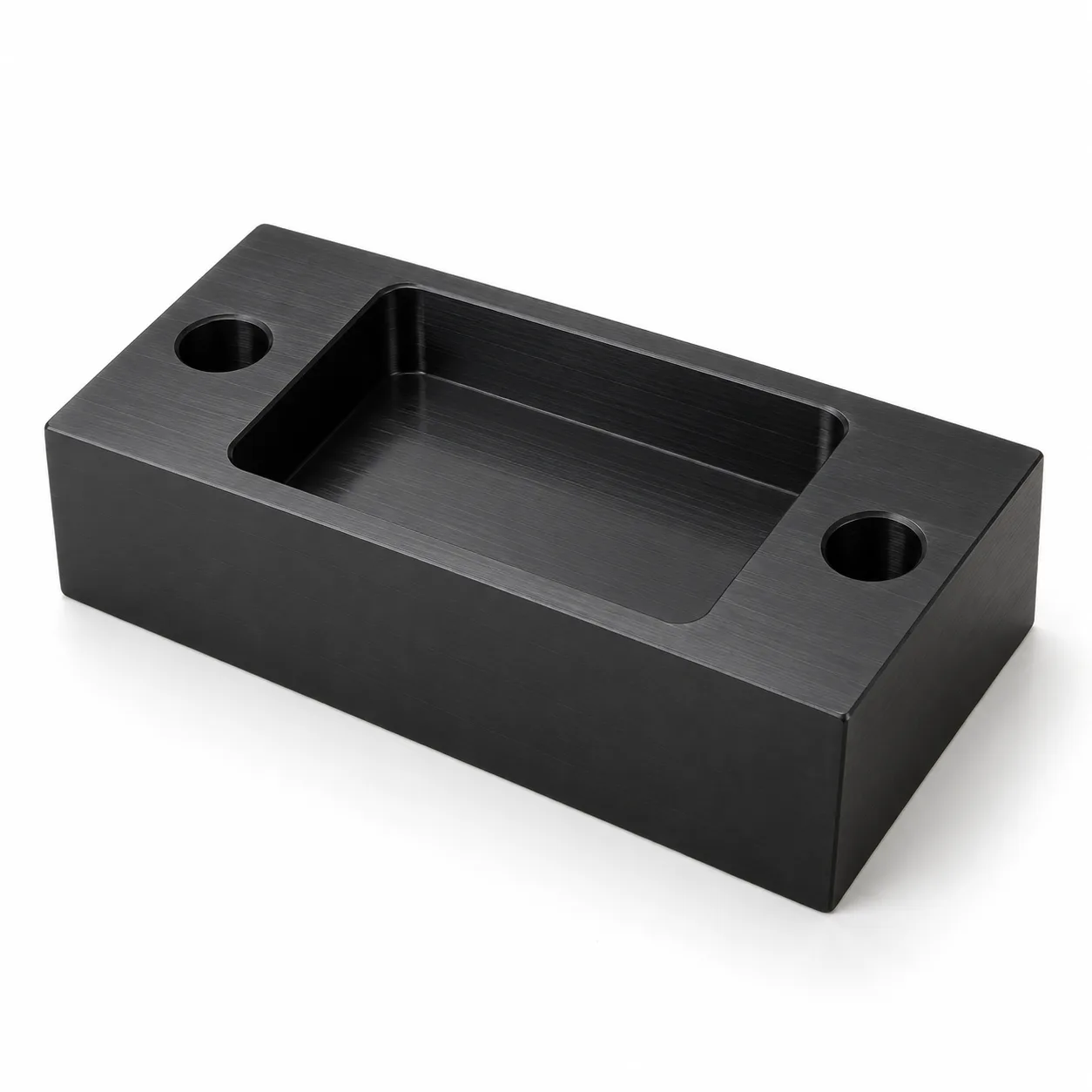
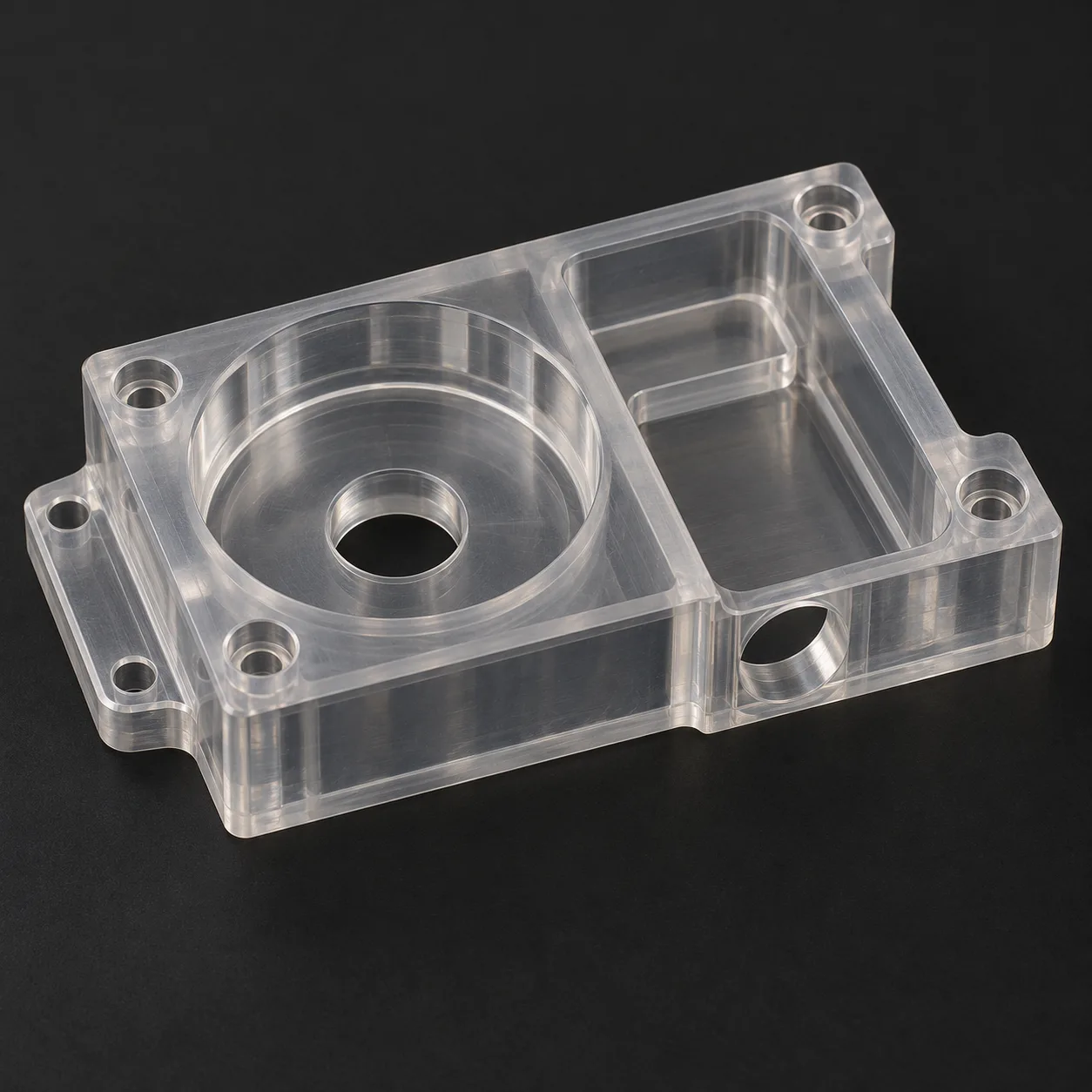
BatchMach Precision uses 3-axis and 4-axis milling to machine polycarbonate housings, covers, panels, fixtures, pockets, slots, and mounting features. Cutting parameters, toolpaths, and chip evacuation are adjusted to limit heat buildup, edge chipping, burrs, and scratches on visible surfaces.
CNC Turning

CNC Turning

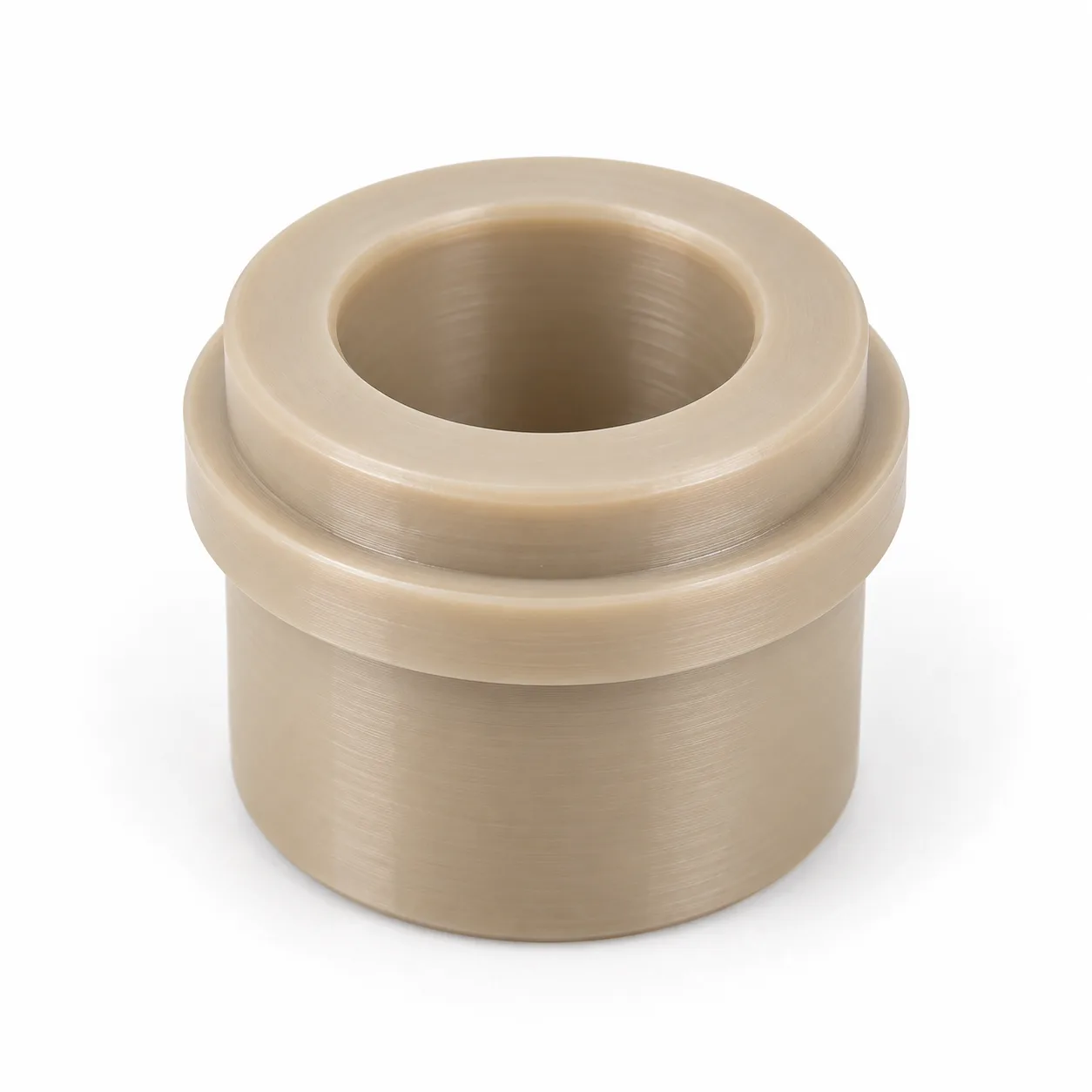
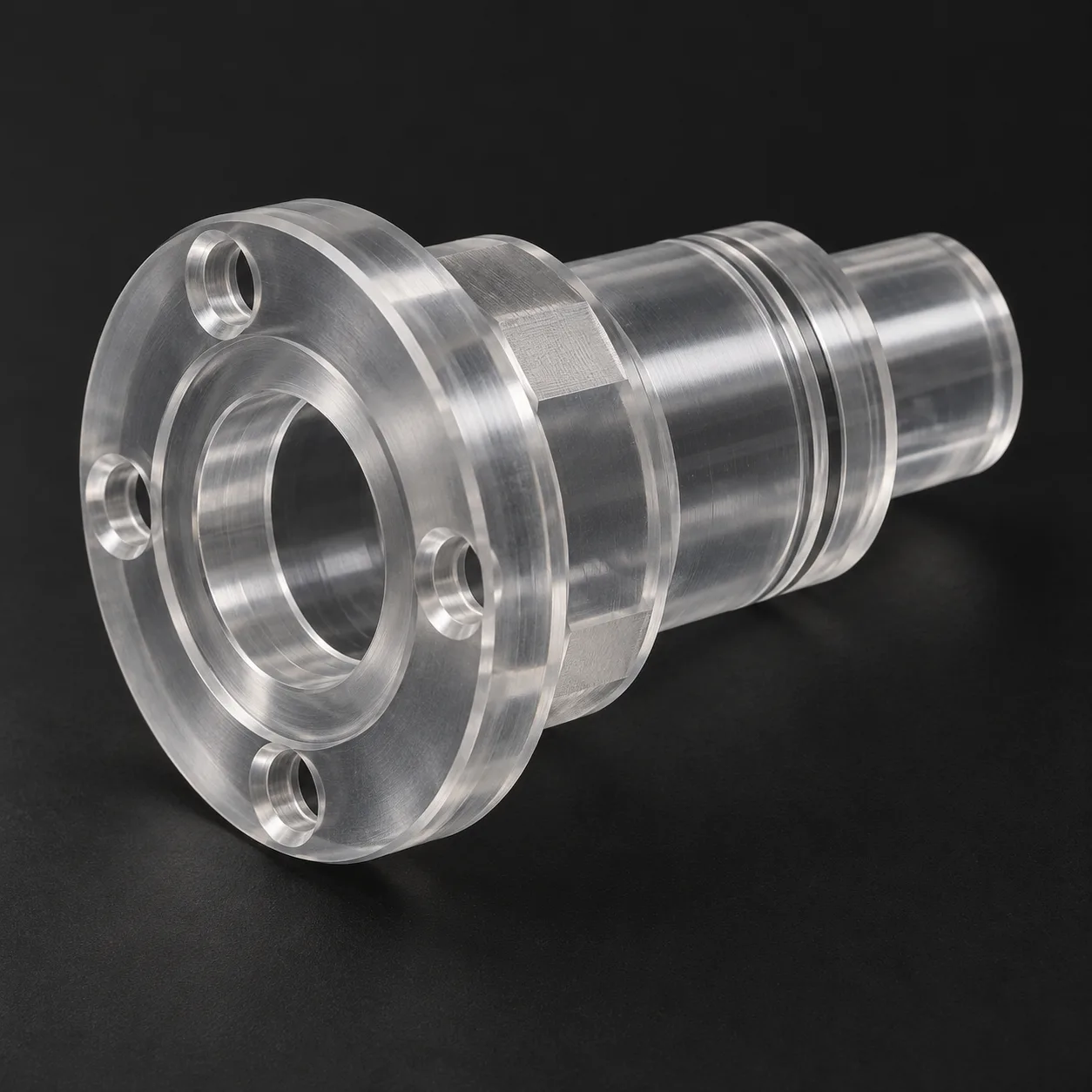
Our CNC lathes and mill-turn equipment produce round PC parts with controlled diameters, bores, grooves, threads, and concentric features. Sharp tools and controlled clamping pressure help prevent heat-related smearing and deformation, particularly on thin-wall components.

5-Axis CNC Machining

5-Axis CNC Machining

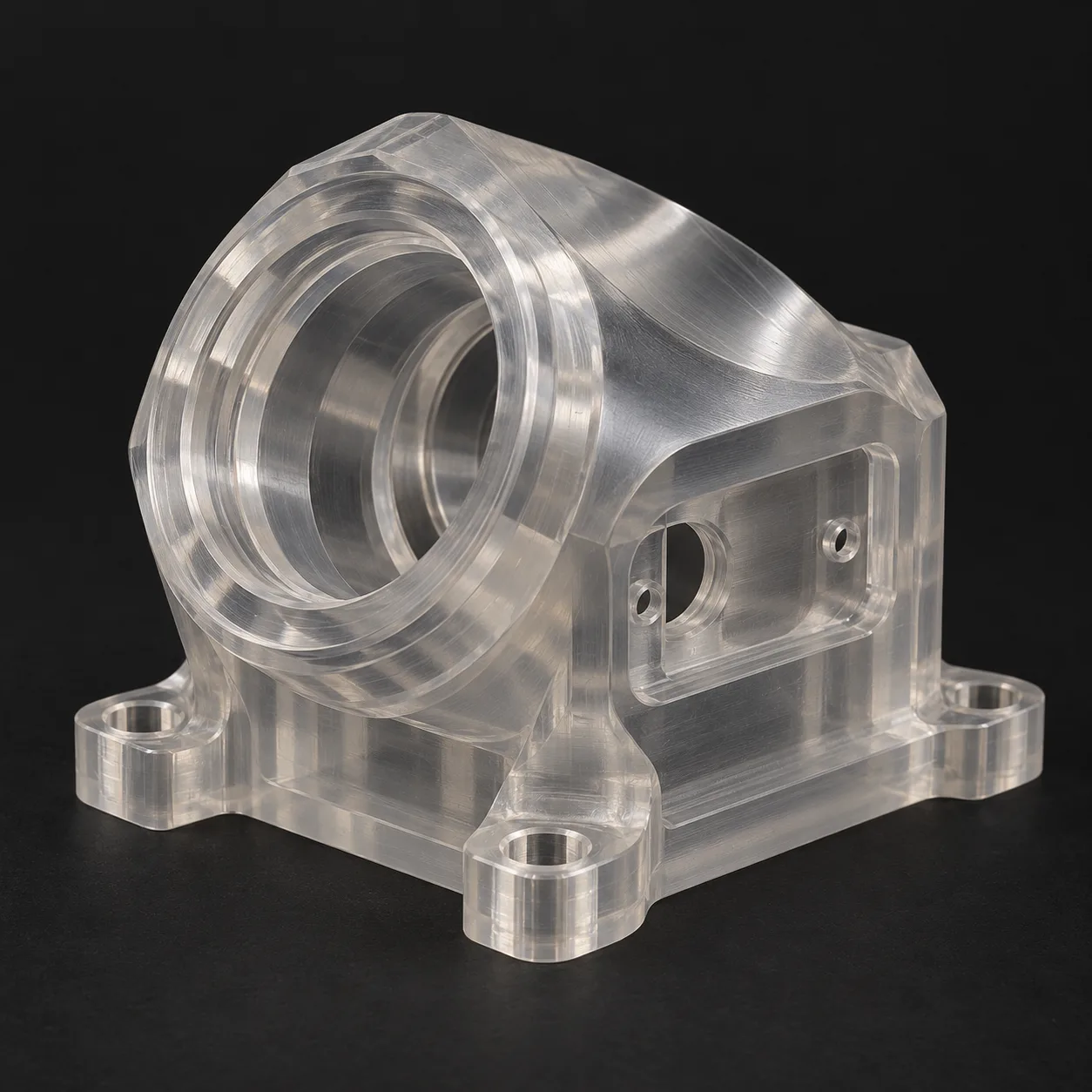
Our 5-axis capability is used for polycarbonate parts with multi-sided features, angled holes, curved profiles, or closely related datums. Completing more features in fewer setups reduces repositioning error and handling, helping protect transparent or cosmetic surfaces from clamp marks and scratches.

Large-Volume to Production Machining

Large-Volume to Production Machining

BatchMach Precision supports PC projects from initial prototypes and large-volume batches through repeat and volume production. As quantities increase, we refine workholding, toolpaths, cutting parameters, and inspection frequency to improve consistency and production efficiency while maintaining the drawing requirements.

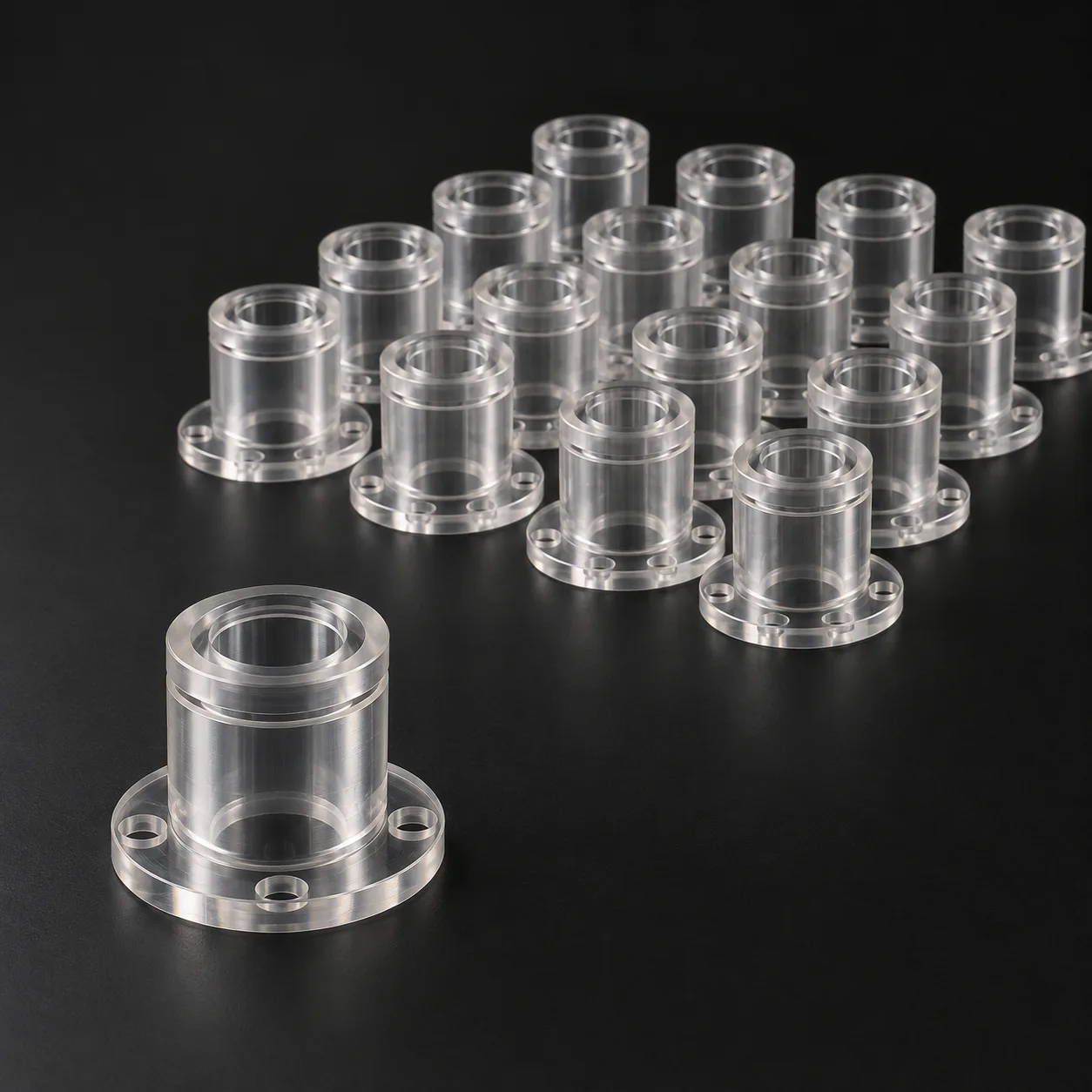
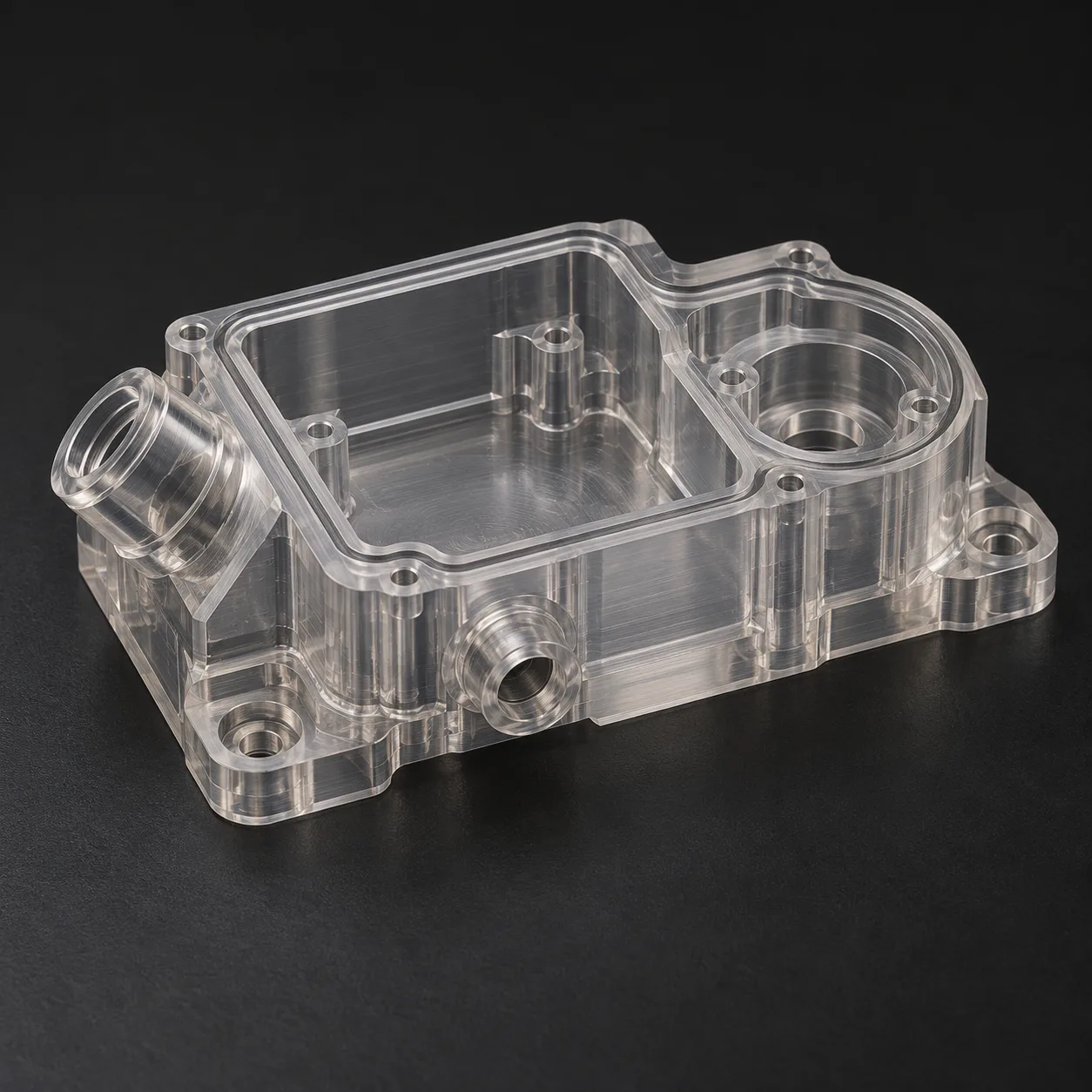
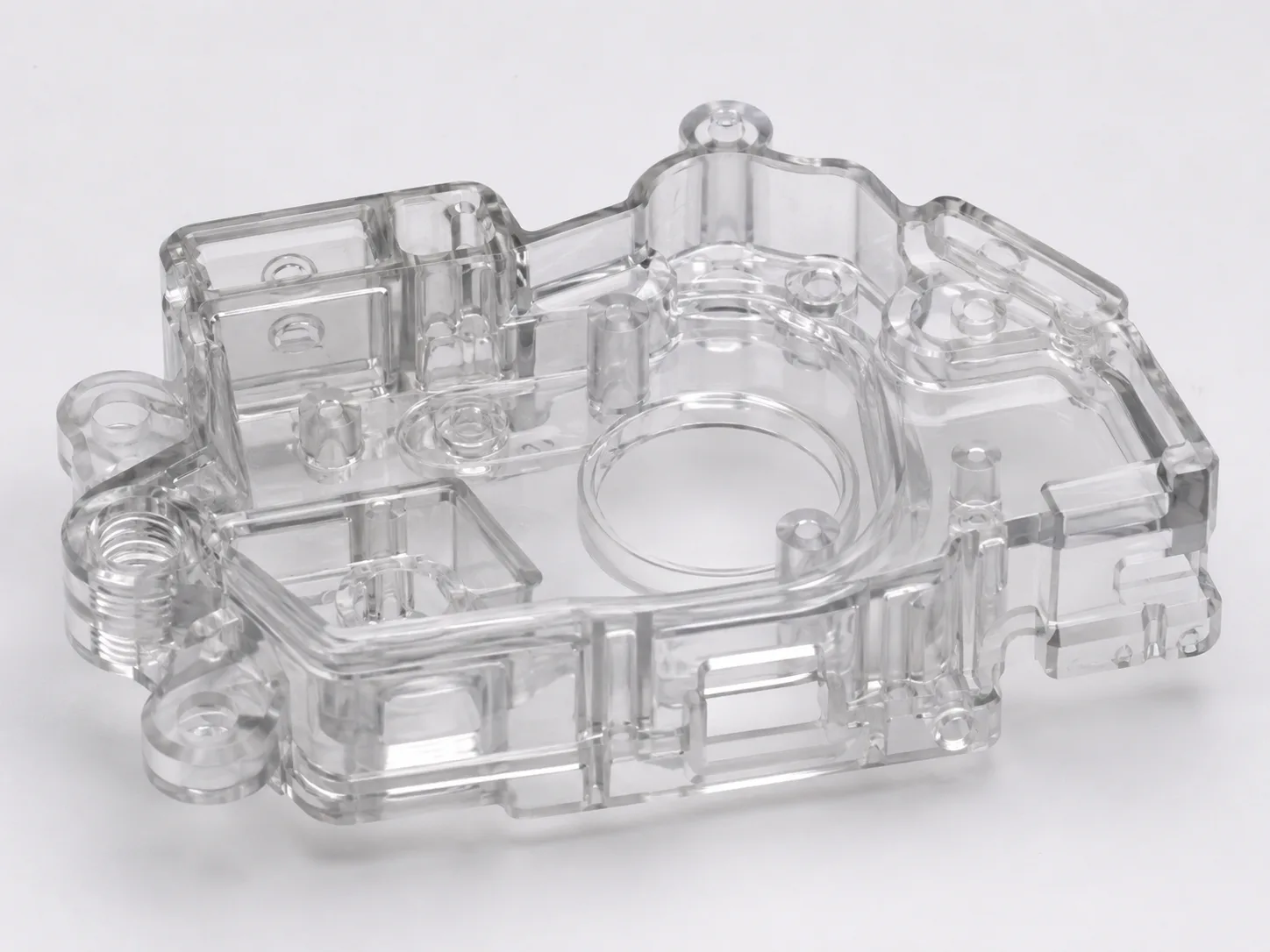
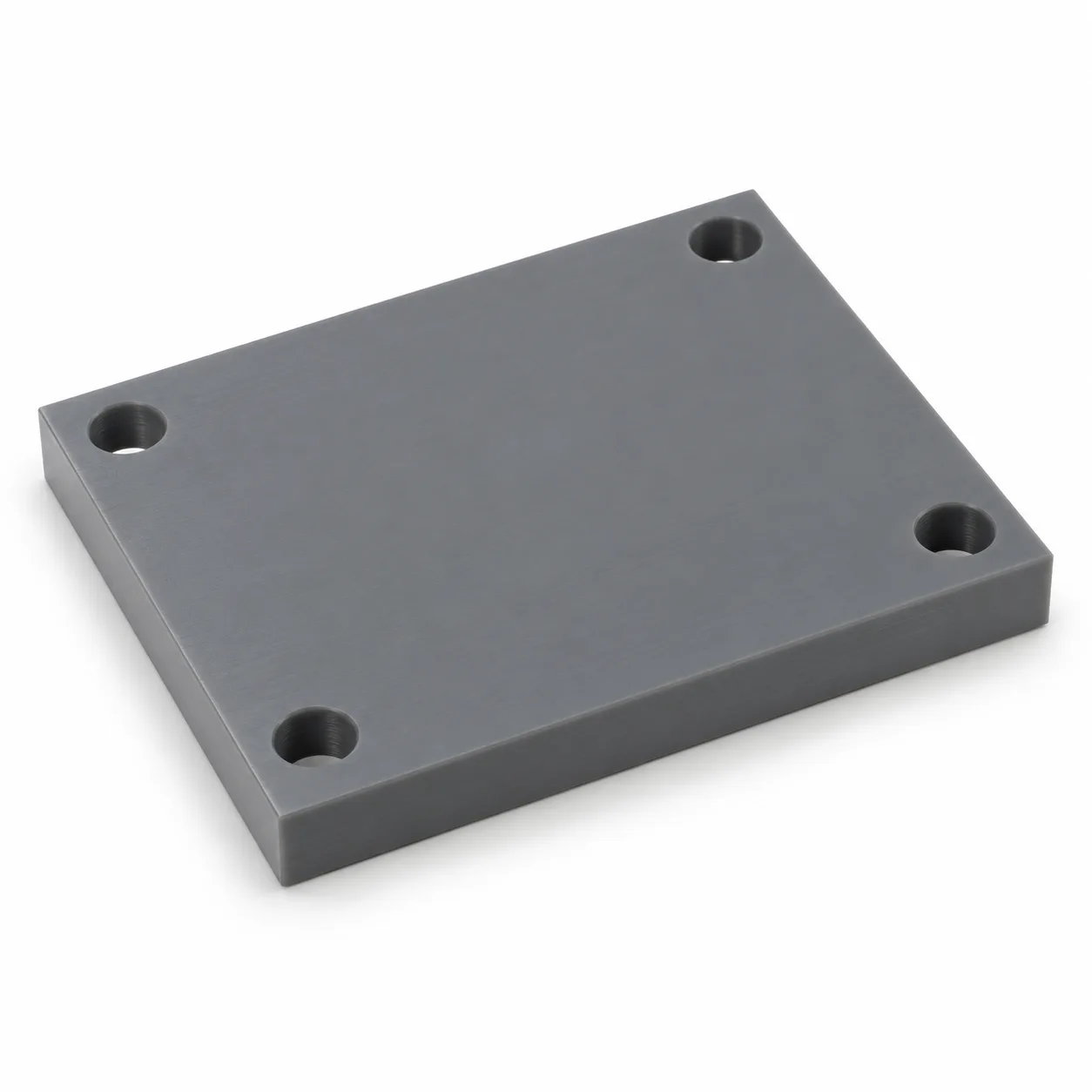
Representative CNC-machined polycarbonate part

Polycarbonate (PC) in CNC Machining

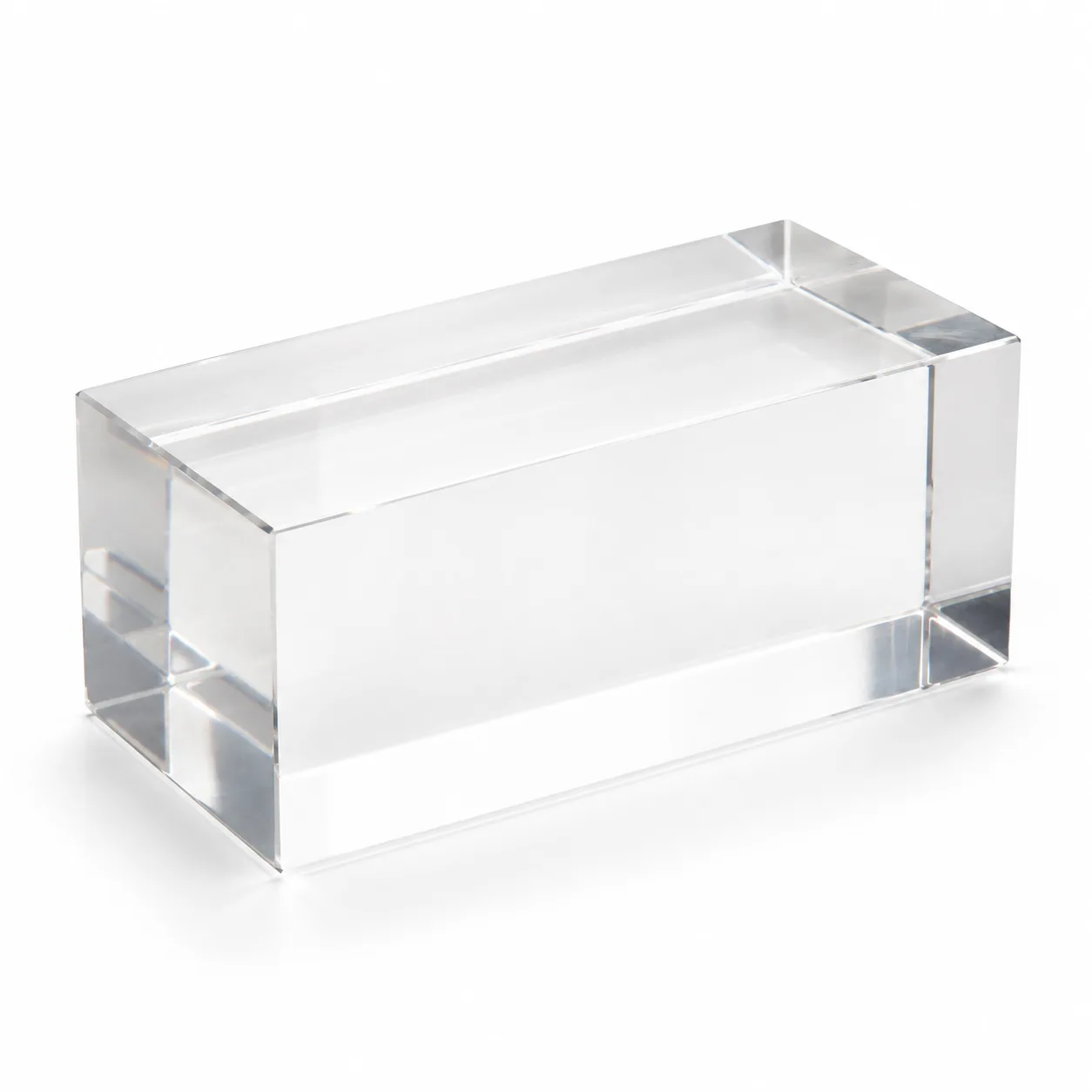
Compared with acrylic, polycarbonate is better suited to parts exposed to impact, vibration, or accidental drops. However, its surface is softer and more susceptible to scratching. CNC-machined surfaces normally retain visible tool marks, even when clear PC stock is used. Any viewing window, light-transmitting area, or cosmetic surface should therefore have its transparency and finishing requirements defined separately on the drawing.

Specifying only “PC” may not be sufficient. General-purpose, UV-stabilized, and flame-retardant grades differ in weather resistance, flammability performance, color, and documentation. BatchMach Precision quotes against the specified grade or required properties. For parts exposed to chemicals, elevated temperatures, or regulated environments, material selection should be verified against the supplier’s technical data and batch documentation.

CapabilityBatchMach Precision Specification
PricingQuoted according to the CAD model, PC grade, quantity, tolerance, and finish
Lead TimeAs fast as 1 day
Machining AccuracyDown to ±0.005 mm
Order QuantityNo MOQ; prototypes, low-volume batches, and repeat production supported
Maximum Part SizeUp to 950 × 850 × 650 mm
Machining Processes3-axis, 4-axis, and 5-axis milling, CNC turning, and mill-turn machining

Typical Properties of Machining-Grade Polycarbonate Materials

The table compares specific commercial grades so engineers and buyers can evaluate transparency, stiffness, ductility, and service temperature instead of relying on one generic set of PC properties.

TECANAT Natural — Unfilled Transparent PC

Parts requiring impact resistance, ductility, and basic visibility.

Approx. 64 MPa

Tensile Strength at Yield

0.9

Elongation at Break

Approx. 2,340 MPa

Tensile Modulus

121 / 135°C

Long-/Short-Term Service Temp.

Surface Finishes for CNC-Machined Polycarbonate Parts

Surface finishing can improve the appearance, edge condition, texture, or identification of CNC-machined PC parts. The appropriate process depends on the PC grade, part geometry, tolerance requirements, and whether the treated surface must remain transparent.

As Machined

As Machined surface finish sample

Retains the surface produced directly by CNC cutting. Fine tool marks may remain, making it an economical option for fixtures, internal components, housings, and surfaces without cosmetic requirements.

Sand Blasting

Sand Blasting surface finish sample

Fine blasting media and controlled pressure create a uniform matte or frosted appearance and reduce the visibility of light tool marks. However, sand blasting removes transparency and may round sharp edges if not properly controlled.

Tumbling

Tumbling surface finish sample

Primarily used to remove light burrs and soften edges on small, durable PC parts. Tumbling may scratch cosmetic surfaces, round fine features, and reduce transparency, so sample parts should be evaluated before batch processing.

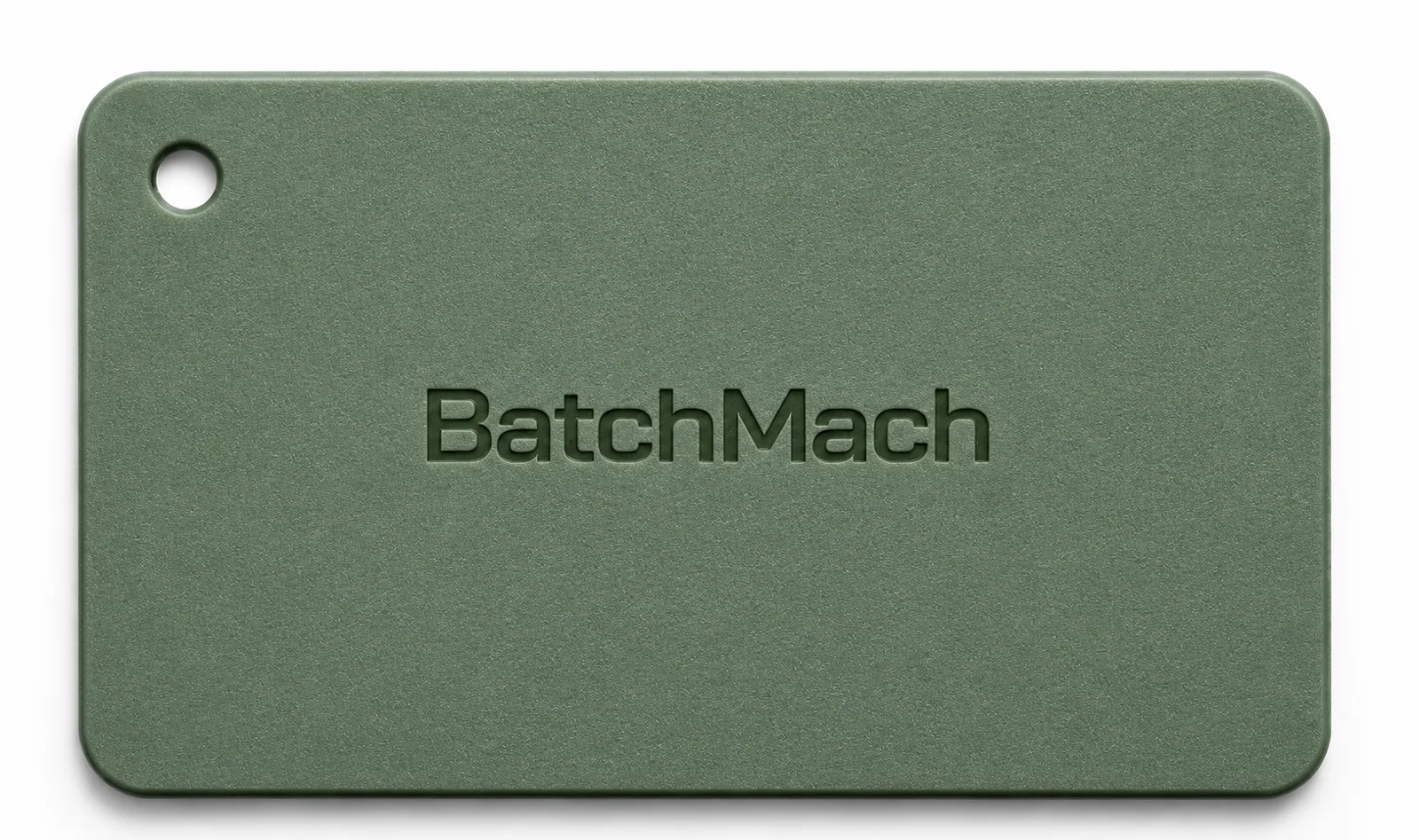
Painting

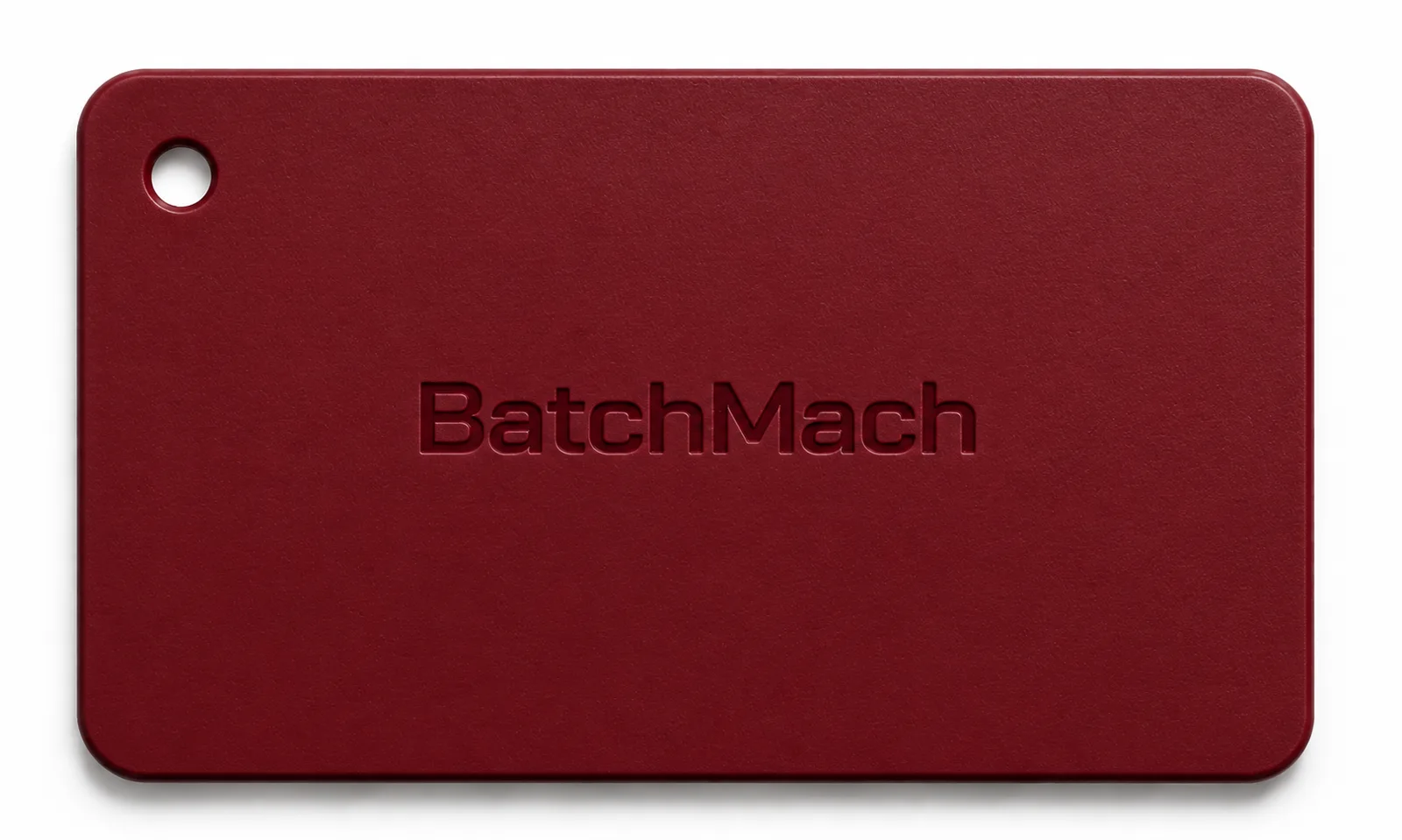
Painting surface finish sample

Adds a specified color, improves visual consistency, or blocks light transmission. Primers and paints must be compatible with polycarbonate because unsuitable solvents may cause crazing or stress cracking. Threads, mating surfaces, and critical dimensions should be masked.

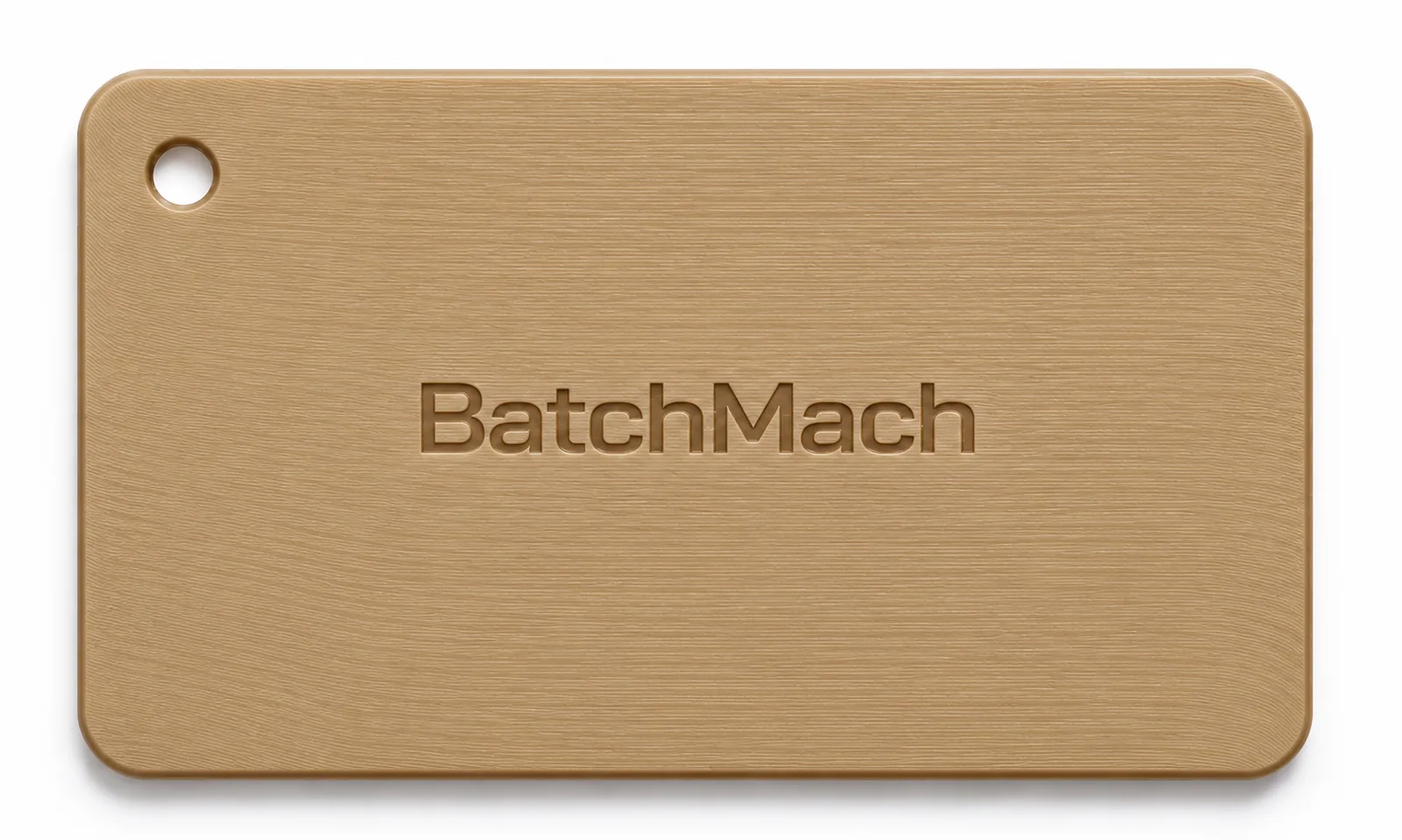
Brushed Finish

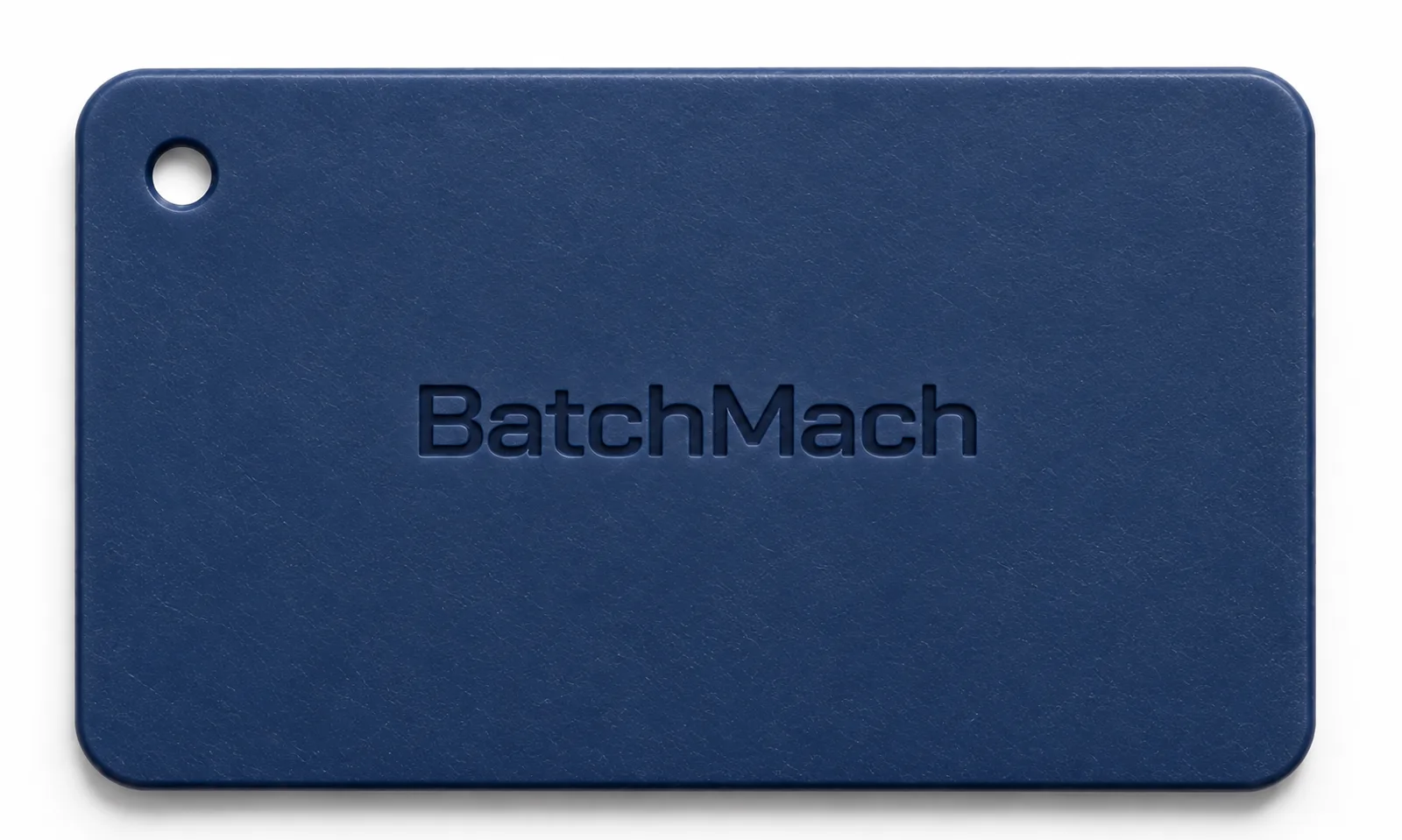
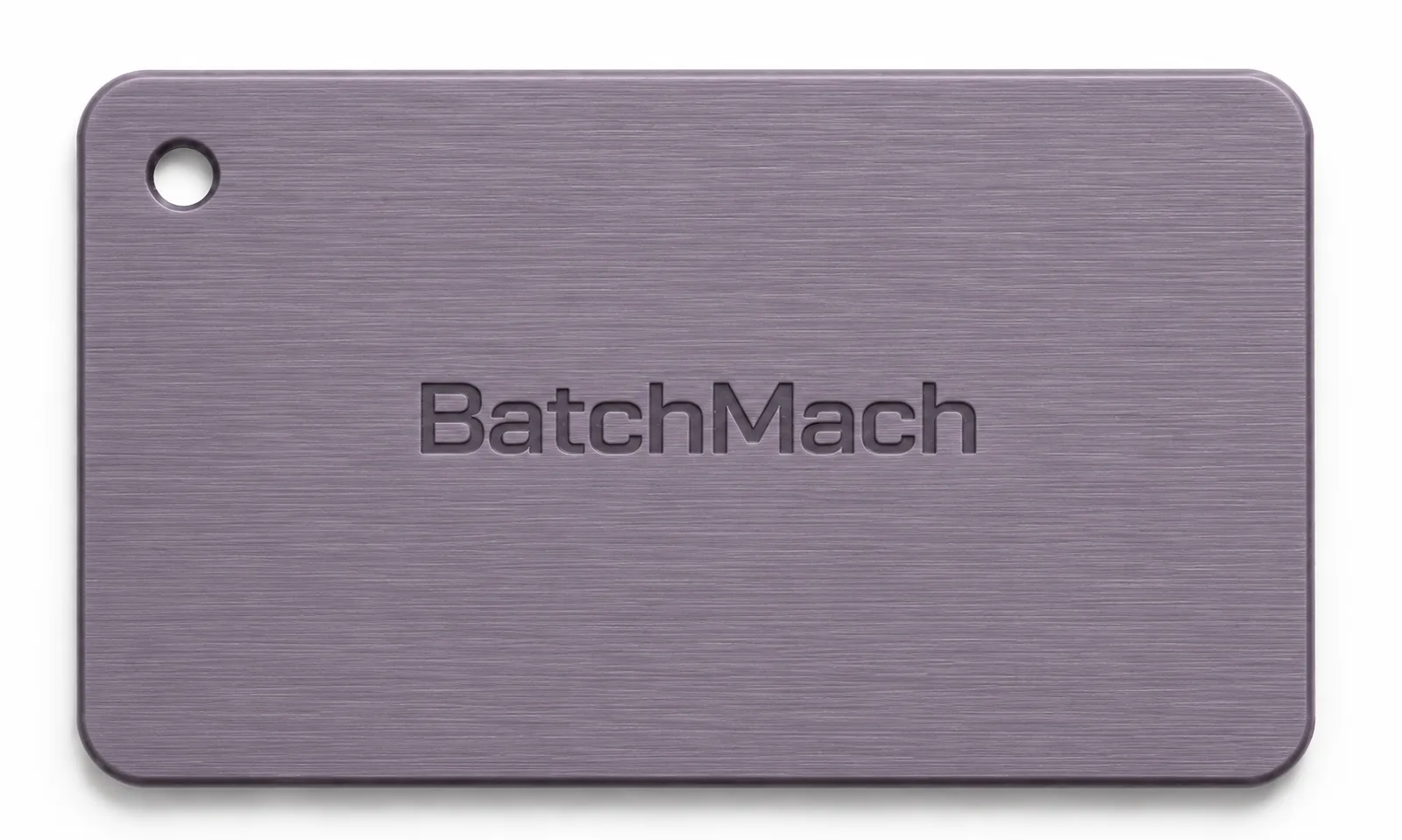
Brushed Finish surface finish sample

Controlled abrasives create a consistent directional texture on flat or accessible PC surfaces. This finish can reduce the visibility of machining marks and provide a defined cosmetic appearance, but it is unsuitable for transparent surfaces or complex recessed geometry.
Polycarbonate vs. Acrylic for CNC Machining

Polycarbonate and acrylic can both be machined into transparent or lightweight components, but they solve different design problems. PC is generally selected for toughness and impact resistance, while acrylic is preferred when optical clarity, surface hardness, and cosmetic appearance are the main priorities.

ComparisonPolycarbonate (PC)Acrylic (PMMA)
Impact ResistanceBetter suited to impact, vibration, and accidental dropsMore rigid but more likely to crack or chip under impact
Optical AppearanceTransparent grades are available, but machined surfaces require finishing to restore clarityTypically provides better natural clarity and is easier to polish to a clear finish
Surface HardnessSofter and more susceptible to scratchingHarder surface with better scratch resistance
Machining BehaviorTough material that may produce burrs or heat-related smearingCuts cleanly but requires controlled machining to prevent chipping and cracking
Dimensional RiskClamping pressure, heat, and residual stress can cause movement or stress crackingExcessive cutting force and poor support can cause edge chipping or fractures
Surface FinishingMechanical or vapor polishing may be used; flame polishing requires additional cautionMechanical and flame polishing are commonly used for clear edges
Typical CostUsually higher, depending on grade and stock formGenerally more economical for transparent cosmetic parts
Best Choice WhenImpact resistance, durability, and electrical insulation are prioritiesClarity, display quality, and a polished appearance are priorities

Which Material Should You Choose?

Choose Polycarbonate

Choose polycarbonate for protective covers, machine guards, durable housings, and components exposed to handling or impact.

Choose Acrylic

Choose acrylic for display parts, transparent panels, light-guiding components, and cosmetic covers where visual clarity is more important than impact performance. For projects where transparency and polished appearance are the main requirements, visit our Acrylic (PMMA) CNC Machining Services page. BatchMach Precision can also review your operating conditions, drawing, and appearance requirements before recommending PC or PMMA.

Polycarbonate CNC Machining Case Study: 1,000 Housings Delivered on Time

Core challenges and our solution for a batch of 1,000 transparent polycarbonate housings.

01Complex Internal Geometry

The housing combines deep pockets, thin walls, mounting bosses, bores, narrow slots, and multiple mating surfaces. These features require careful machining access and stable datum control.

02Deformation and Positional Accuracy

Extensive material removal can release internal stress and affect wall shape, flatness, hole positions, and the relationship between assembly features.

03Transparent Surface Protection

Tool marks, clamping pressure, scratches, edge chipping, and heat-related whitening are more visible on transparent polycarbonate and must be controlled throughout machining and handling.

Polycarbonate CNC Machining Case Study: 1,000 Housings Delivered on Time

Our Solution

Low-Stress Machining Strategy

BatchMach Precision separated roughing and finishing operations, controlled cutting heat, and used low-stress fixturing to reduce dimensional movement and surface marks.

Controlled Features and Inspection

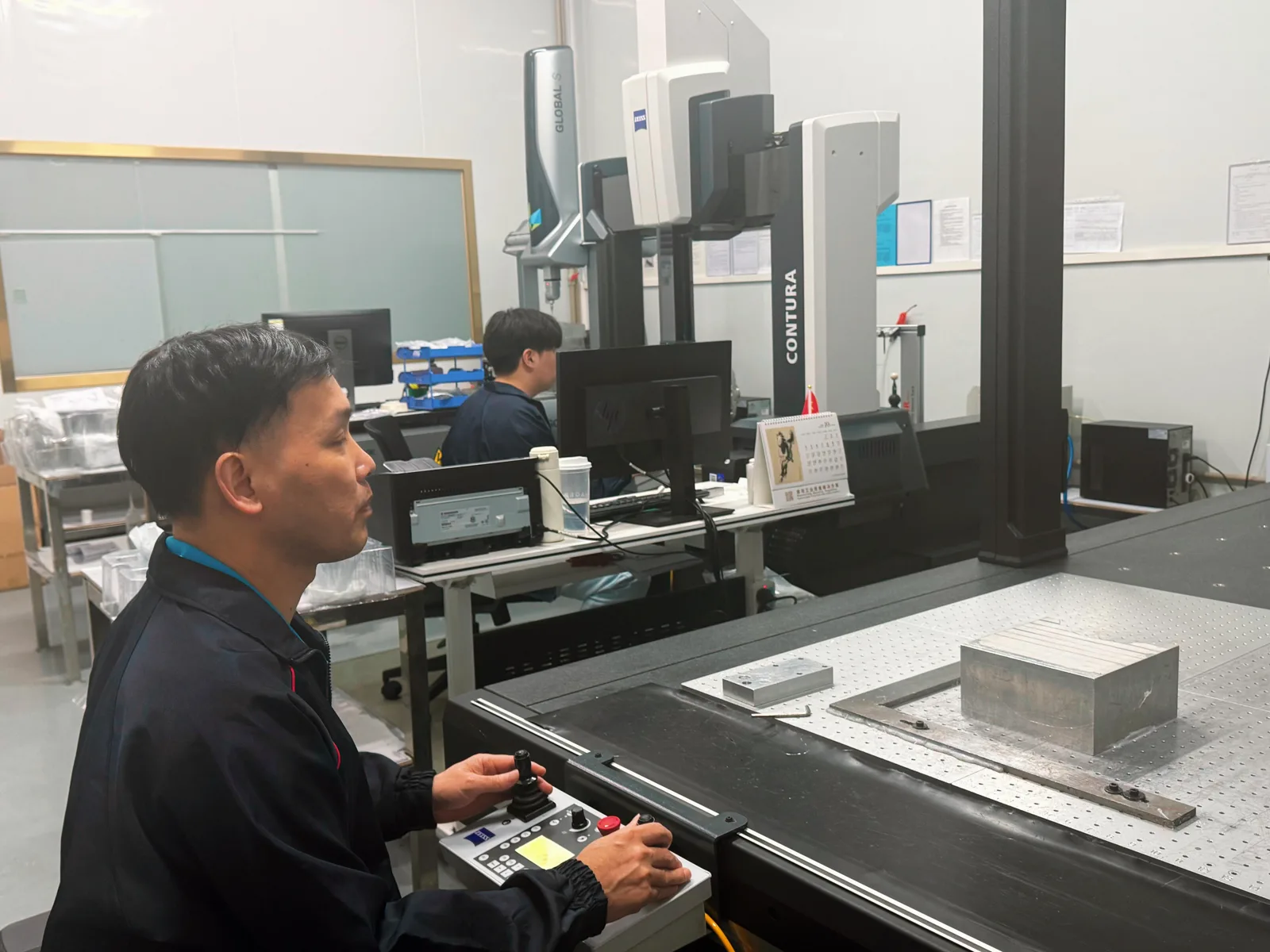
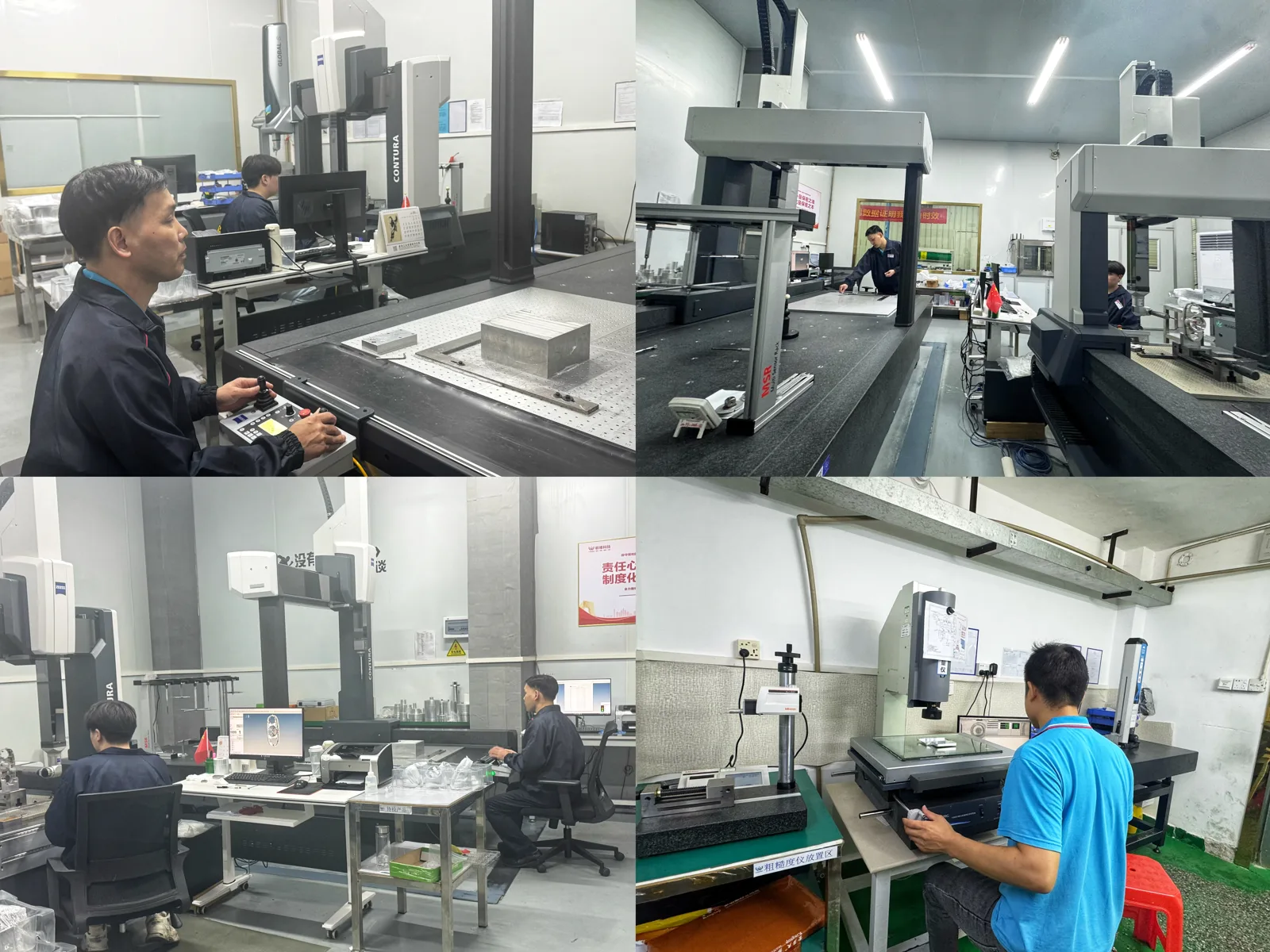
Critical bores, mounting locations, and mating surfaces were inspected after the parts were released from the fixtures. Complex dimensional relationships were verified using ZEISS CONTURA or Hexagon CMMs.

1,000 Parts Delivered on Schedule

BatchMach Precision completed the machining and inspection of 1,000 transparent polycarbonate housings and delivered the full order on schedule, demonstrating our ability to maintain dimensional and cosmetic consistency throughout batch production.

Inside Our Polycarbonate CNC Machining Facility

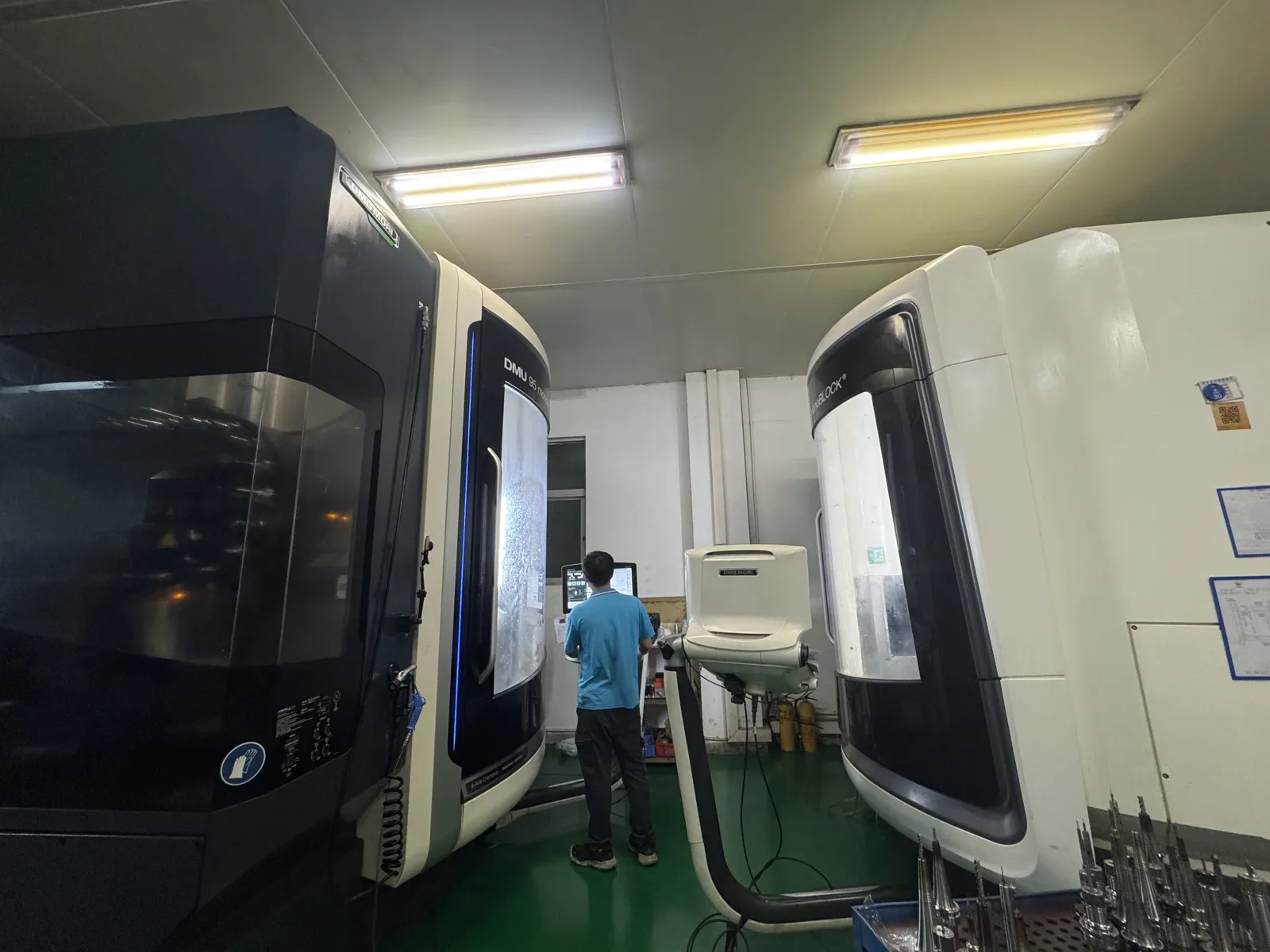
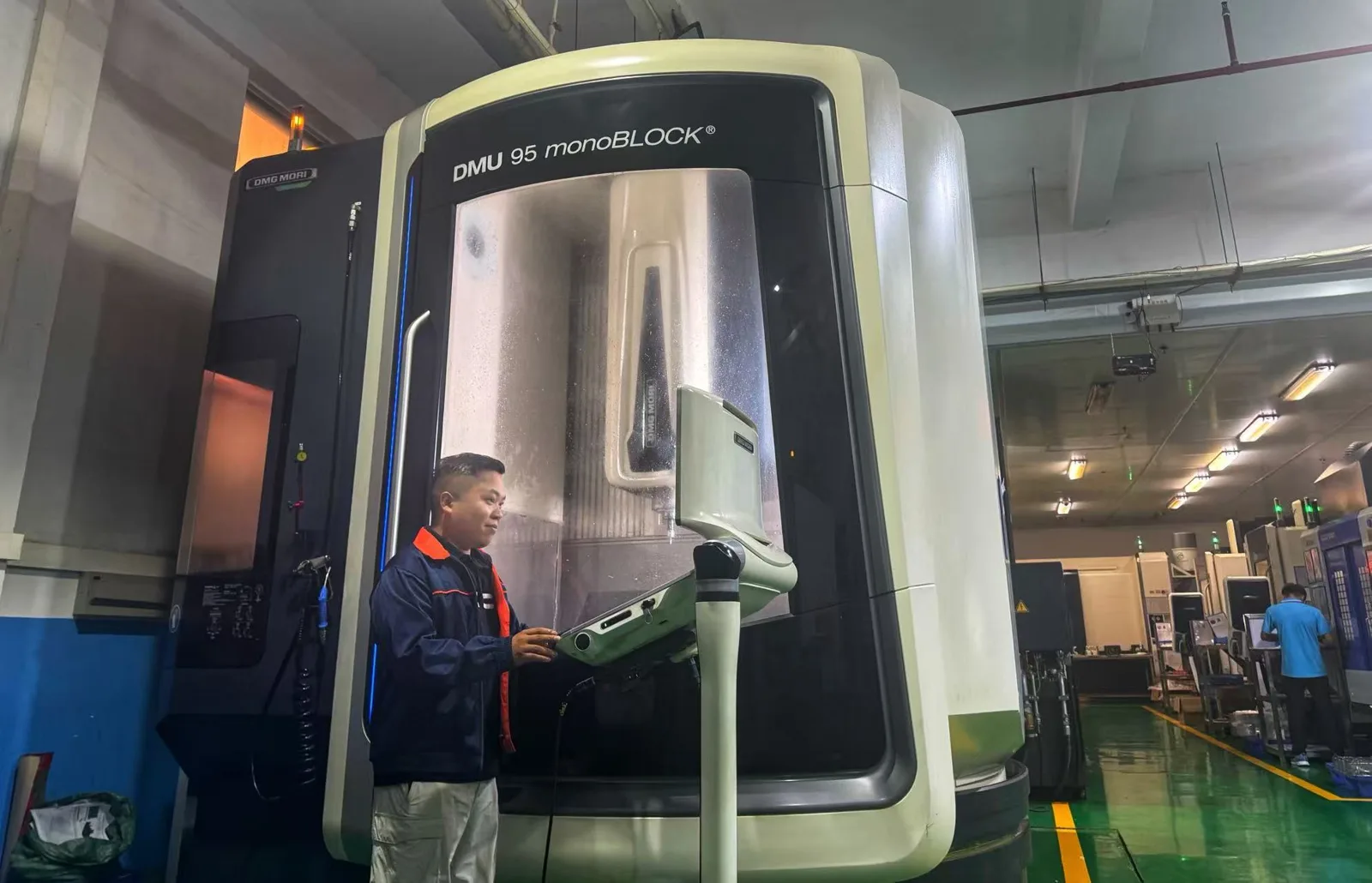
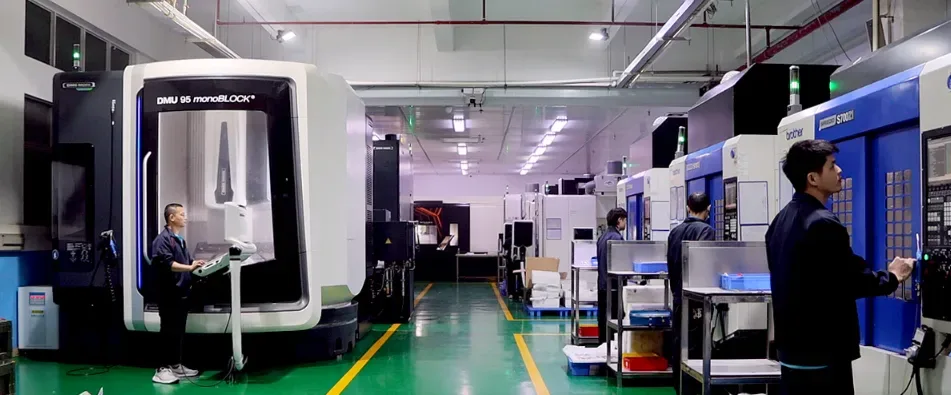
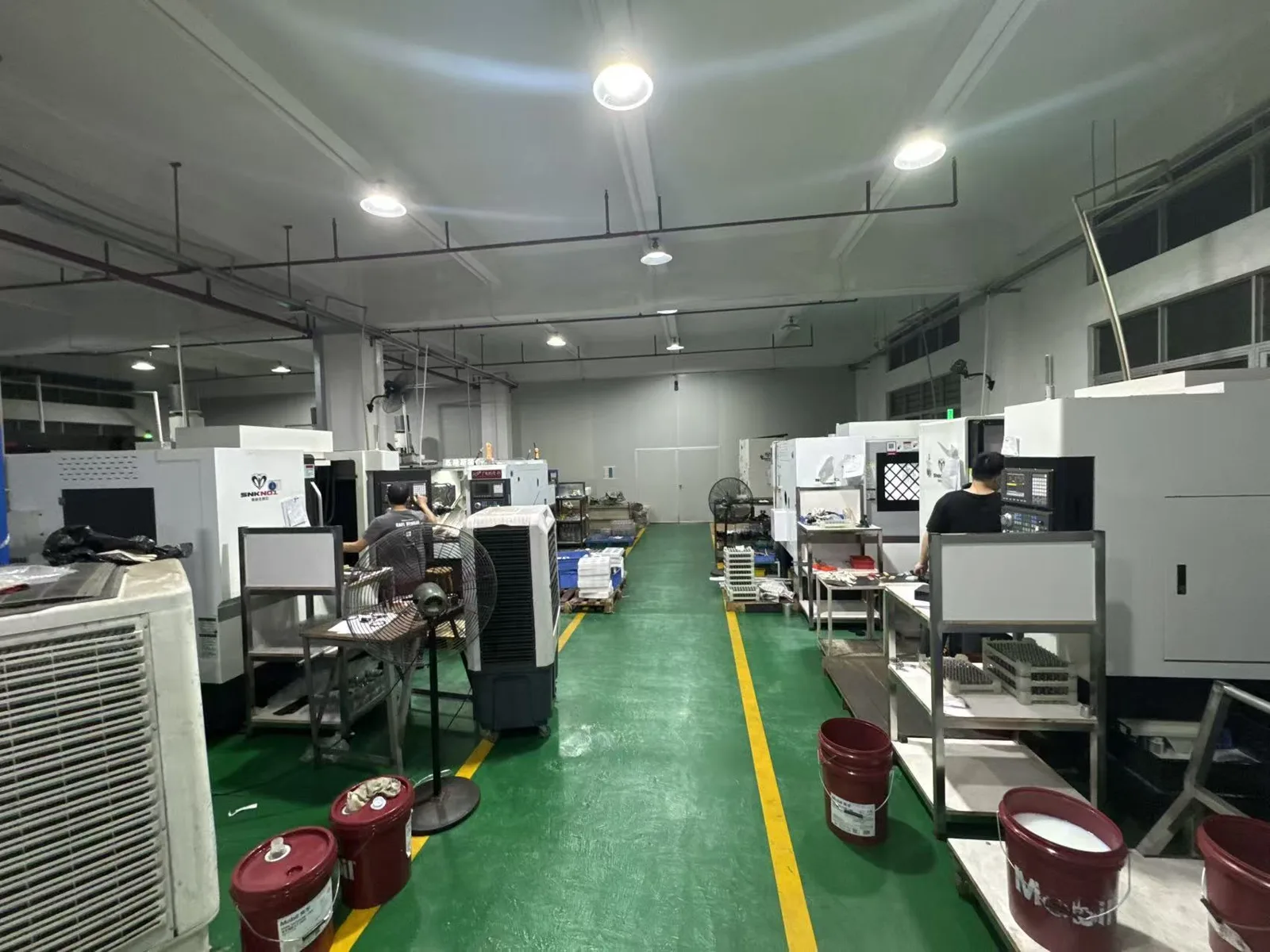
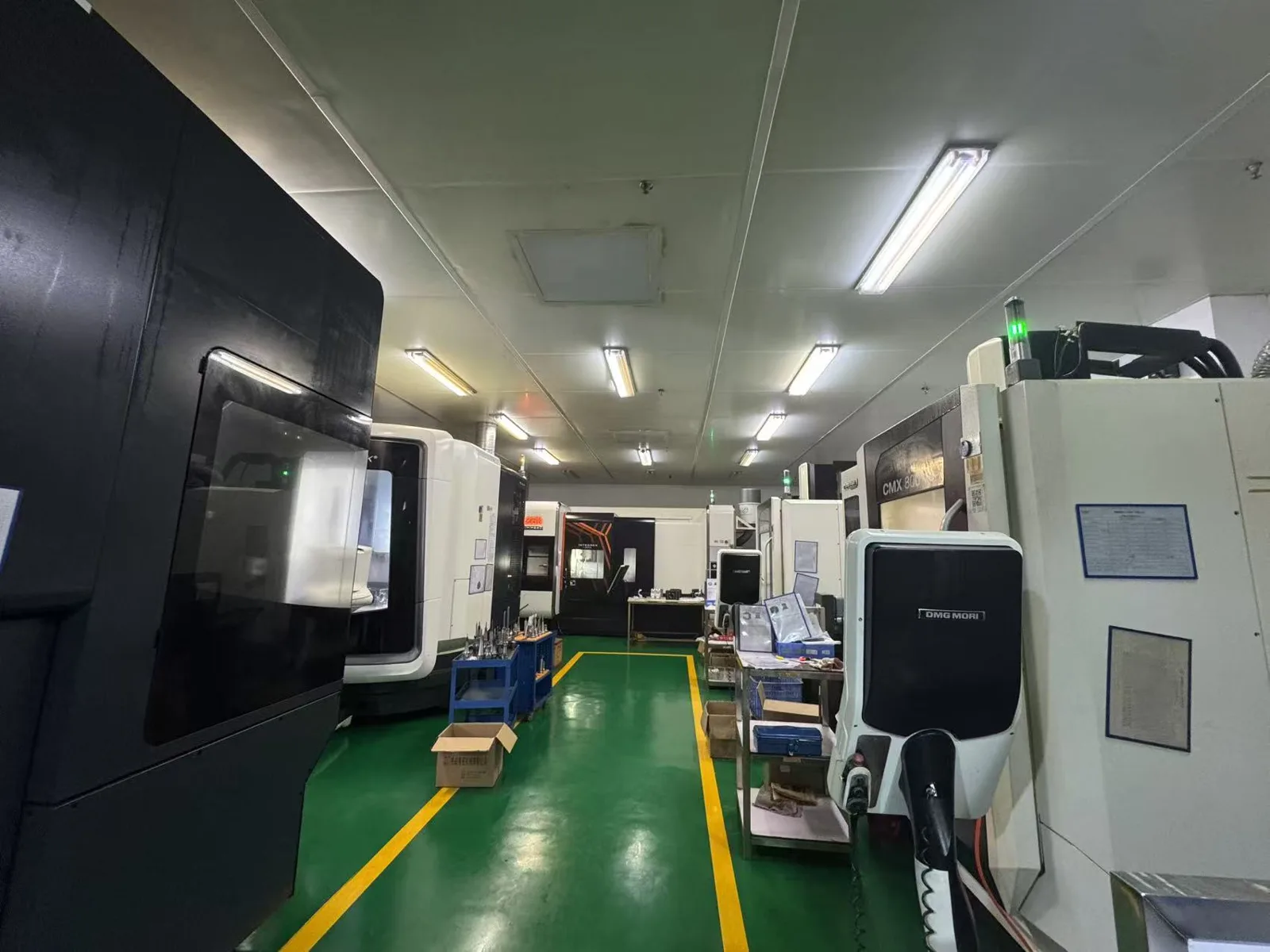
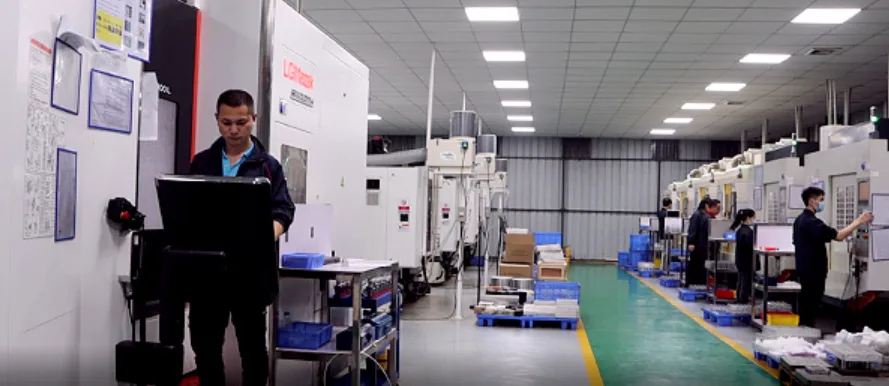
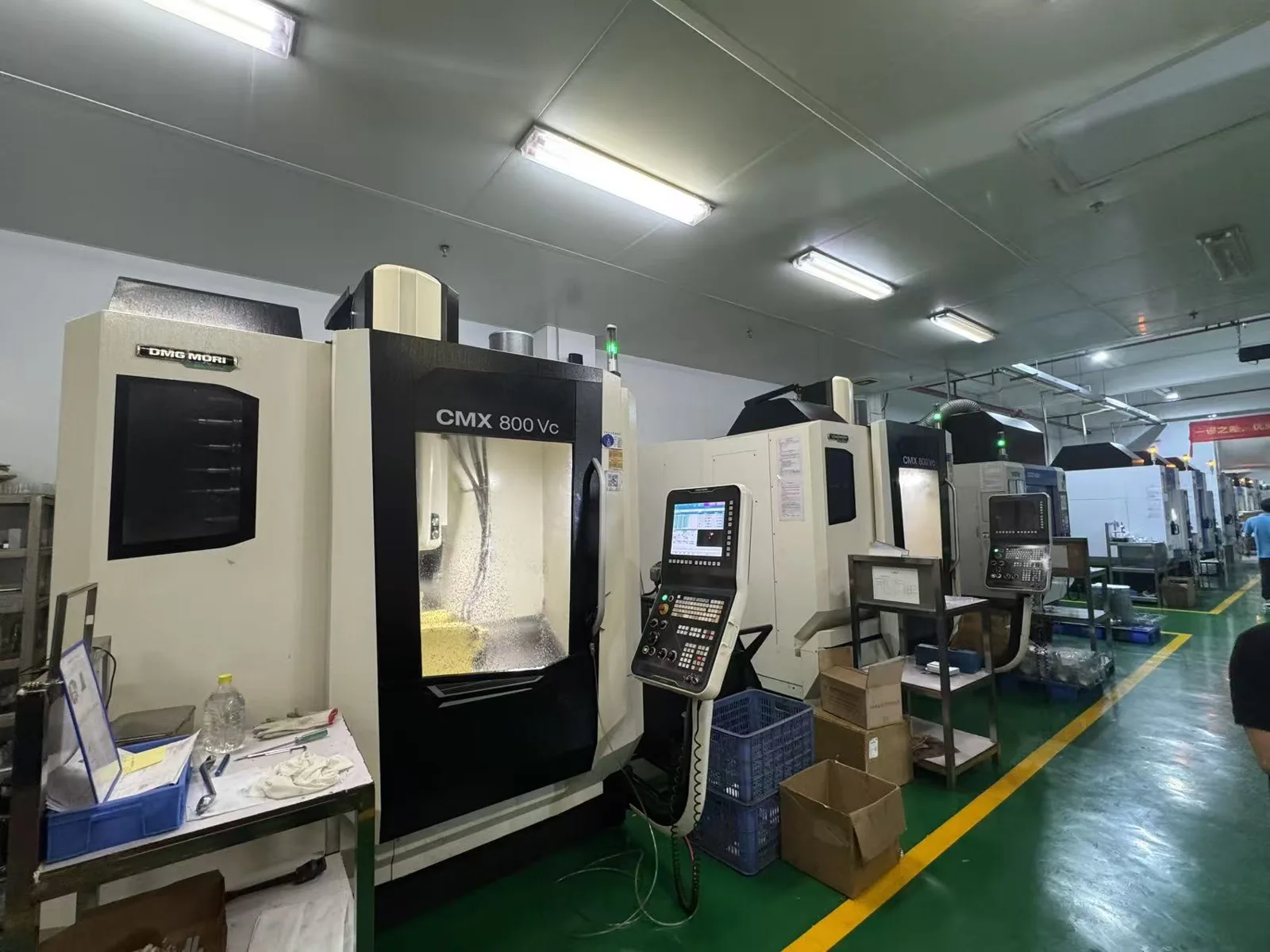
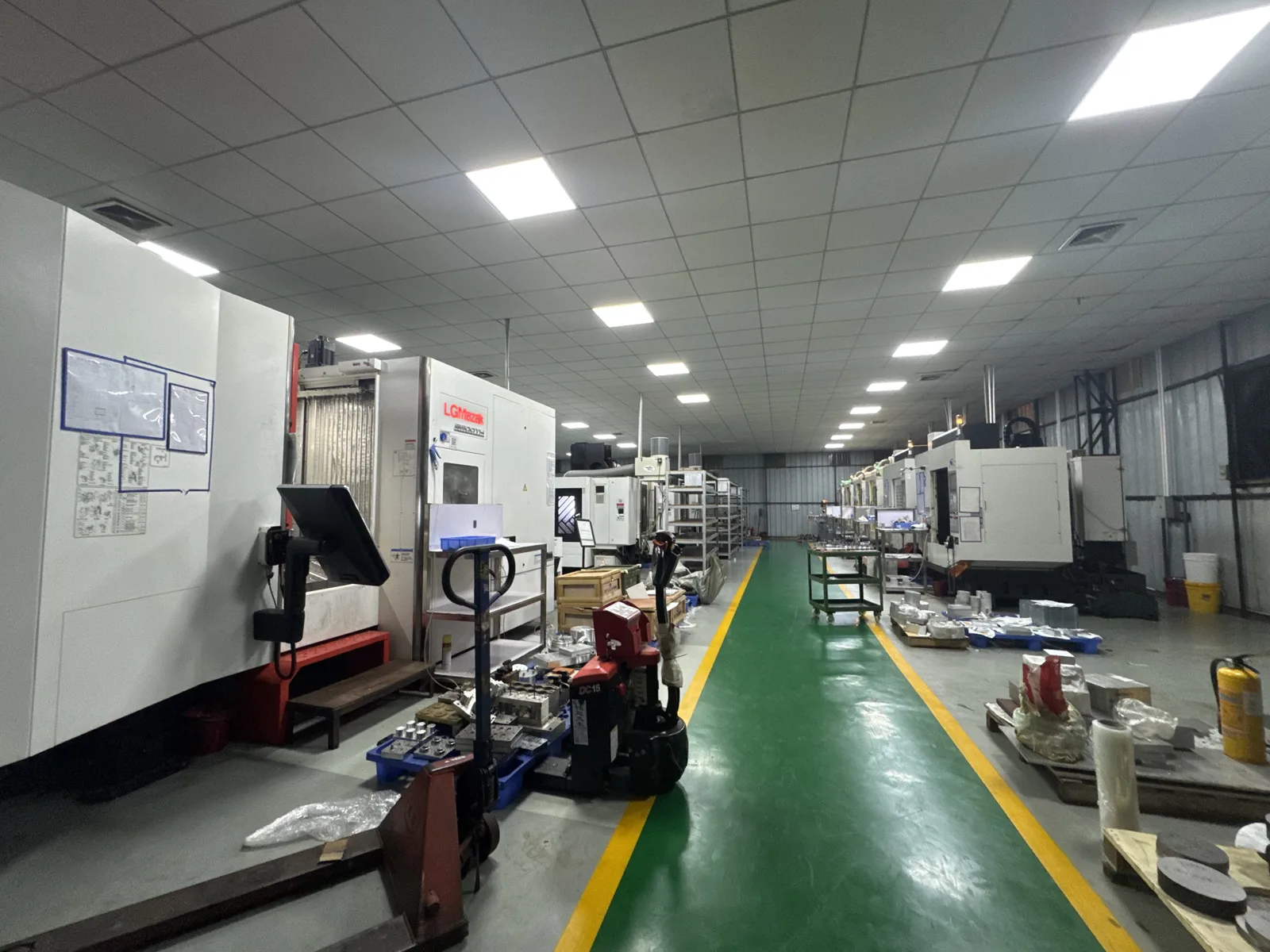
The photos below show the equipment and production environment used by BatchMach Precision to manufacture custom polycarbonate parts. Our factory supports 3-axis, 4-axis, and 5-axis milling, CNC turning, mill-turn machining, and in-house dimensional inspection.

5-Axis Machining Centers

5-Axis Machining Centers

DMU 95 CNC Machining

DMU 95 CNC Machining

DMG MORI Workshop

DMG MORI Workshop

CNC Machining Workshop

CNC Machining Workshop

CNC Production Line

CNC Production Line

CNC Production Workshop

CNC Production Workshop

Large-Part CNC Workshop

Large-Part CNC Workshop

Large-Part Machining

Large-Part Machining

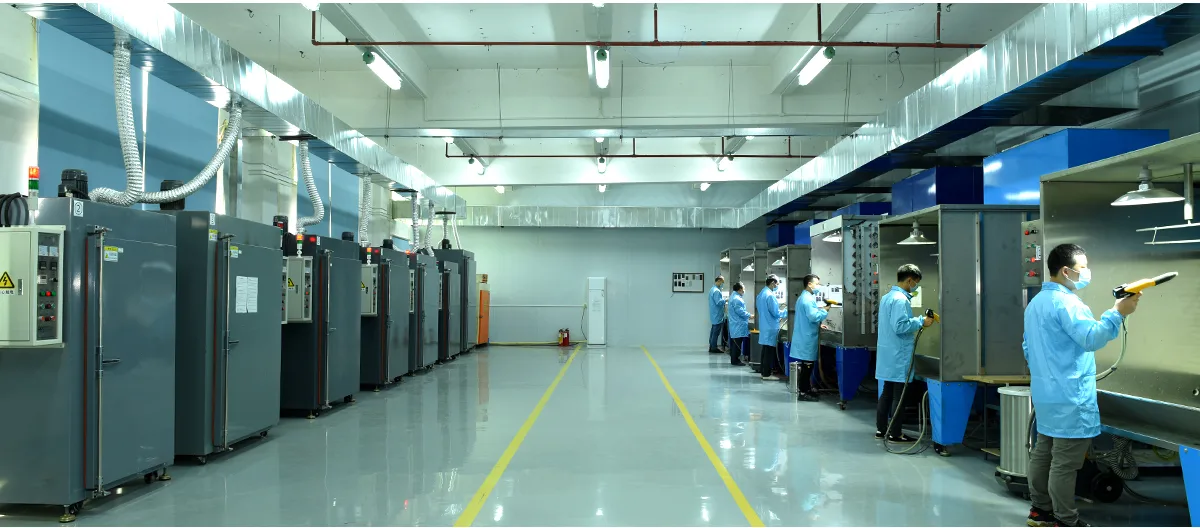
Powder Coating Workshop

Powder Coating Workshop

Why Choose BatchMach Precision for Polycarbonate CNC Machining

Machining Planned Around the Behavior of PC

/01

Machining Planned Around the Behavior of PC

Polycarbonate is tough, but poor control of cutting heat, tool condition, or clamping pressure can lead to burrs, material smearing, distortion, or stress cracking. BatchMach Precision plans toolpaths, cutting parameters, and workholding according to wall thickness, part geometry, and critical datums instead of applying machining methods intended for metal parts.

Protection for Transparent and Cosmetic Surfaces

/02

Protection for Transparent and Cosmetic Surfaces

A transparent PC part may be dimensionally correct but still unusable if it has scratches, clamp marks, or prominent tool marks. Before machining, we identify light-transmitting areas and critical cosmetic surfaces so that workholding, handling, and surface protection can be planned accordingly. When polishing, frosting, painting, or printing is required, finishing allowances and masking areas are considered in advance.

From One-Off Prototypes to Production

/03

From One-Off Prototypes to Production

BatchMach Precision has no minimum order quantity and supports one-off prototypes, low-volume batches, and repeat production. Our 3-axis, 4-axis, and 5-axis milling, CNC turning, and mill-turn capabilities allow us to select a suitable process for each PC part and refine workholding and cycle efficiency as production quantities increase.

Ready to start your next machining project?

Get a Quote

Polycarbonate CNC Machining FAQ

Yes. Polycarbonate can be CNC milled, turned, drilled and machined into complex three-dimensional parts. BatchMach Precision uses three-axis, four-axis and five-axis machining, CNC turning, mill-turn and horizontal machining according to the part geometry. Because PC is sensitive to cutting heat and clamping stress, we select the machining route based on wall thickness, material removal and critical features rather than treating it like aluminum.

BatchMach Precision can achieve critical dimensional tolerances as tight as ±0.005 mm on CNC-machined polycarbonate parts.

We use DMG MORI and Mazak 5-axis machining centers, horizontal machining centers, and mill-turn equipment. Low-stress fixturing, separate roughing and finishing operations, and post-unclamping inspection help control part deformation. Critical dimensions can be verified using ZEISS CONTURA or Hexagon CMMs.

Choose polycarbonate when impact resistance, toughness and resistance to accidental breakage are the main concerns. It is commonly considered for guards, covers and durable equipment components. Acrylic is usually the better starting point when optical appearance, surface hardness and scratch resistance are more important.

Yes, but transparent stock does not automatically produce an optical-clear machined part. Cutting marks, internal stress, scratches, edge finish and polishing methods all affect the appearance. Standard CNC machining can produce clean, transparent functional components, but optical surfaces require separate appearance criteria.

For transparent parts, the drawing should identify viewing areas, acceptable tool marks, protected surfaces and whether edge clarity or optical transmission is required. BatchMach Precision can then review the machining and finishing route before quoting.

Yes. Standard polycarbonate may gradually yellow after prolonged exposure to UV radiation, especially in outdoor applications. BatchMach Precision can machine UV-stabilized polycarbonate grades and parts requiring UV-resistant coatings. Please provide the expected service environment so we can review the appropriate material and surface requirements for your project.

Explore More CNC Machining Materials

Beyond polycarbonate (PC), BatchMach Precision machines acrylic (PMMA), PEEK, POM (Delrin), and other engineering plastics. Explore our material options and machining capabilities to find the right fit for your part’s strength, wear resistance, operating temperature, and appearance requirements.

Free first-order sample for new customers

Send your drawings today — get a free process evaluation, quotation within 24 hours, and flexible quarterly settlement for long-term partners.

Upload Drawing & Get Quote